REVIEW · PARIS
Skip-The-Line Centre Pompidou Paris Guided Museum Tour – Semi-Private 8ppl Max
Book on Viator →Operated by Babylon Tours Paris · Bookable on Viator
You’ll understand the Pompidou fast.
This semi-private tour helps you get oriented in the right way: the Centre Pompidou isn’t just where modern art lives, it’s part of the experience. You start with Renzo Piano’s famous outside-focused design, then move into the galleries with clear, human explanations of major movements and big names—from Cubism and Fauvism to Dada and Pop Art.
I love the small-group size (up to 8). It makes questions possible, and it keeps the walking pace comfortable for a 2.5-hour visit. I also like that your entrance is handled for you with skip-the-line admission and all entrance fees included, so you can spend your time inside instead of fighting queues.
One possible drawback: the tour isn’t for people with walking disabilities or wheelchair use, and security rules at the museum can limit what you can bring (think no big bags). Also, even with skip-the-line, some lines can still happen once you arrive because of security flow.
In This Review
- Key highlights you’ll care about
- Centre Pompidou’s color-coded building: modern art starts outside
- The 2.5-hour plan at 5:00 pm: how you’ll pace your visit
- Skip-the-line with a semi-private group: what it really means for your day
- Stop-by-stop: what you’ll see during the guided walk
- Inside-out orientation at the start
- Picasso and Matisse through Cubism and Fauvism
- World Wars era art and the logic of Dada
- Andy Warhol and the move into Pop Art
- Multimedia galleries for a modern museum moment
- Dubuffet’s winter garden: a break that’s still part of the art
- How the guide helps you understand modern art without pretending you’ll love everything
- Security, bags, dress, and the small rules that affect your pace
- What’s included in the price, and why it can be good value
- Who should book this tour?
- Should you book Skip-The-Line Centre Pompidou guided tour?
- FAQ
- What time does the tour start?
- How long is the Centre Pompidou guided tour?
- How big is the group?
- Is admission included?
- What art or themes does the tour cover?
- What should I know about bags and security?
- Is hotel pickup included?
- Are there accessibility limitations?
Key highlights you’ll care about
- Up to 8 people max keeps the tour intimate and question-friendly
- Skip-the-line entry plus included entrance fees saves time and hassle
- Modern-art walkthrough with movements like Cubism, Dada, and Pop Art
- Renzo Piano’s architecture is treated like a “first exhibit,” not background
- Dubuffet’s winter garden and multimedia galleries add variety
- A guide makes the museum readable (guides like Emma, Belen, and Sunday have been praised for this)
Centre Pompidou’s color-coded building: modern art starts outside
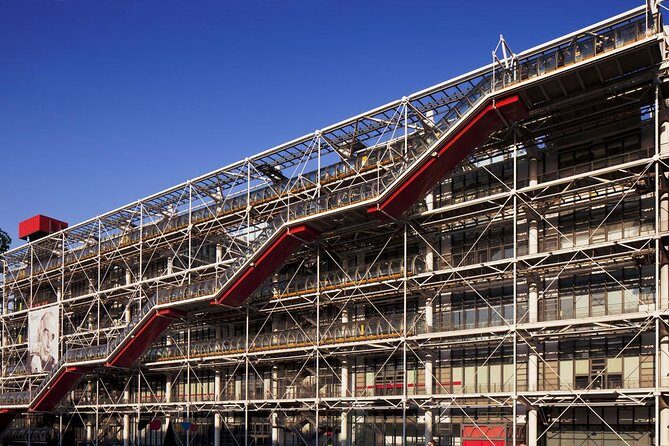
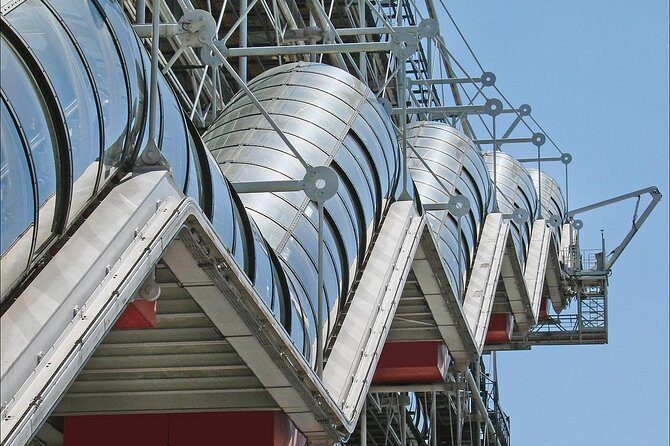
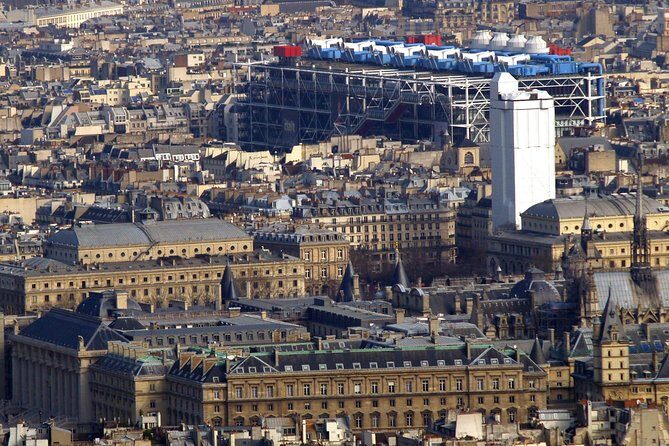
If you’ve only seen the Pompidou from afar, it can feel like a strange choice for a “museum.” That’s exactly why I think this tour works. Before you even hit the galleries, you get the logic behind the building: Renzo Piano’s design and its inside-out feel. Instead of hiding the museum systems, the architecture plays with visibility—color-coded elements and an idea that the building itself is part of the show.
This matters because the Pompidou can overwhelm first-time visitors. With a guide, you don’t just walk in and hope for the best. You learn how to look. You get a framework for how the place is organized, and then the art makes more sense as you move room to room.
And yes, Richard Rogers comes up too—because the Pompidou design story connects to the broader design thinking behind the place. It’s a nice bonus if you enjoy architecture as much as art.
You can also read our reviews of more guided tours in Paris



The 2.5-hour plan at 5:00 pm: how you’ll pace your visit
The tour starts at 5:00 pm at Centre Georges Pompidou, and it ends back at the same meeting point. That timing is useful. Late afternoon gives you a calmer rhythm in the museum, and you avoid the all-day commitment of longer museum tickets.
The overall time is about 2 hours 30 minutes. That length is the sweet spot for people who want the big hits without turning the Pompidou into a full-day slog. You still get a guided “route,” but you’re not stuck sprinting across the building.
One pacing note: the tour is best with moderate physical fitness. You’ll be walking and moving through multiple galleries, and the museum has security screening on entry. Bring the mindset of a museum stroll, not a sit-and-stare marathon.
Skip-the-line with a semi-private group: what it really means for your day
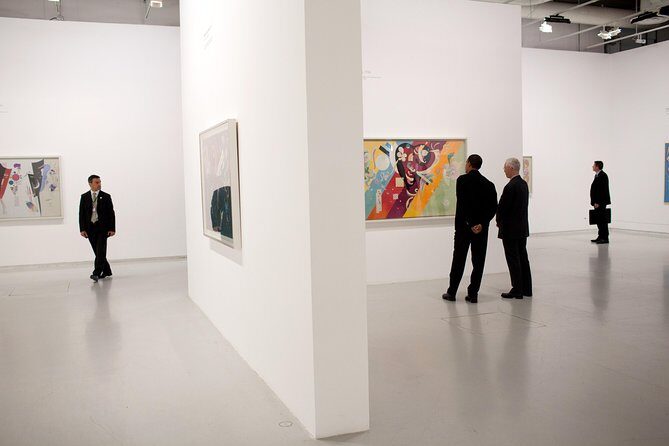
“Skip-the-line” is one of those phrases that can sound magical until you’re standing in a queue. Here’s the practical version: you’re using skip-the-line admission to avoid the biggest wait, and because it’s semi-private (never more than 8 guests), you’re not getting swallowed by a massive group.
Still, the museum can apply security and crowd-flow rules, and the operator notes that some lines may form even with skip-the-line access. So you should expect some standing—just not the kind of wait that ruins your plans.
The semi-private format changes how the tour feels. When the group is small, your guide can slow down when a topic clicks for everyone (like why Cubism breaks objects into parts) and move on when the room needs attention (like when you shift from one art period to the next).
And the best part: your admission and entrance fees are included, so you don’t have to handle the ticket scramble while you’re already near the museum.
Stop-by-stop: what you’ll see during the guided walk
This tour is a guided route through the museum’s main themes, with the architecture as your first “anchor.” The plan is designed so you can cover major movements and famous artists without getting lost in the modern-art maze.
Inside-out orientation at the start
The tour begins at Centre Pompidou and immediately frames what you’re about to see. You learn the idea behind the building’s unusual look—color coding, the sense that the museum is more exposed than typical—and you get the museum’s logic before you enter collections.
Then you move into concept-driven galleries. Expect guided explanations that connect art movements to what artists were reacting to at the time. This is where modern art can feel less random.
You can also read our reviews of more private tours in Paris





Picasso and Matisse through Cubism and Fauvism
One major strength of this tour is how it groups ideas. You don’t just hear names—you hear why those names matter.
You’ll look at works connected to Picasso and Matisse, with discussion of Cubism and Fauvism. The guide helps you understand the big shift: these artists weren’t only painting what they saw; they were experimenting with how seeing works.
That’s important because modern art can trick you if you treat every painting like it’s meant to behave like a Renaissance portrait. With the guide’s structure, you can spot the underlying choices: the angles, color decisions, and the way form gets used like language.
World Wars era art and the logic of Dada
Next, you’ll shift into art made during the World Wars era, with the discussion pointing toward Dada. This section is often the “wait, what am I looking at?” part for first-timers. The benefit of a guide is that the weirdness becomes meaningful.
Dada isn’t random chaos—it’s a reaction. You’ll get the context so the artworks feel less like a puzzle you’re supposed to solve alone, and more like an expression of its moment.
Andy Warhol and the move into Pop Art
When the tour reaches the 1950s and swinging 1960s, Andy Warhol comes into the story as a key figure in Pop Art. This is a smart pivot because Pop Art is often easier to grasp: familiar imagery, mass culture, and the question of what counts as “important.”
A guide can help you notice the difference between seeing something familiar and understanding the point being made. That difference is what turns a quick glance into real learning.
Multimedia galleries for a modern museum moment
The route also includes multimedia galleries. Modern art isn’t only paint on canvas, and this helps you see how contemporary artists use tech, sound, and time-based formats.
If you’re someone who worries modern art will be only static objects, these galleries add a helpful change of pace. You get to experience the museum as the museum thinks of itself: an active, experimental space.
Dubuffet’s winter garden: a break that’s still part of the art
One of the tour’s specific highlights is Dubuffet’s winter garden. It’s the kind of place that you can easily miss if you’re rushing. With a guide, it becomes a planned moment in your route rather than a lucky find.
What I like about including a space like this is variety. Art museums can feel like a series of rooms that all blend together. A garden-like installation gives your eyes and brain a reset while still staying in the museum’s conceptual world.
Also, it’s a good place to slow down. If your brain is overloaded by style changes across decades, this kind of stop helps you process without forcing “more art” every minute.
How the guide helps you understand modern art without pretending you’ll love everything
You’ll hear discussions about major movements including Cubism, Futurism, Dada, and Pop Art. You’ll also see big names like Picasso, Matisse, Warhol, and O’Keeefe mentioned as part of the tour’s collection focus. Other artists may come into the conversation depending on the museum’s current display.
Here’s why this approach is valuable: modern art often has layers—technique, message, and historical context. A guide turns the museum into a guided reading experience instead of a choose-your-own-adventure.
The reviews praise guides for making the museum more approachable, especially for younger viewers. Names that came up include Emma, Belen, and Sunday—and the common thread is that they explain differences between major museums and help you understand what makes this collection its own thing.
If you’re bringing teenagers (or just adults who think they might not “get” modern art), this kind of explanation style can change the whole trip.
Security, bags, dress, and the small rules that affect your pace
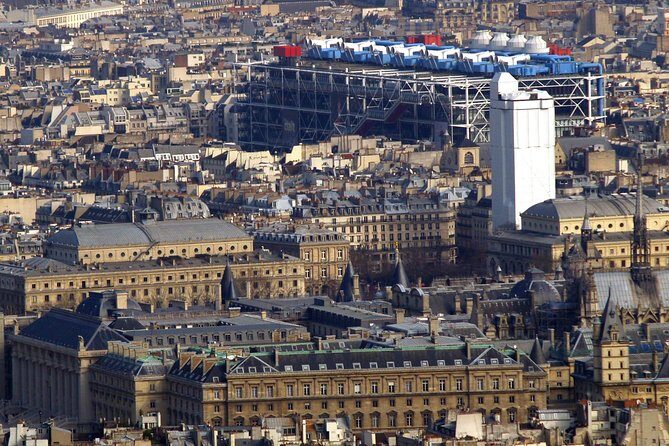
The Pompidou has security screening, and the operator is clear on rules that can slow you down if you ignore them.
- No large bags or suitcases inside. Only handbags or small thin bag packs are allowed through security.
- Dress is required for entry into some sites on the tour.
- Expect that some rooms may have quiet or restricted right to speak rules. Your guide will explain these before you enter.
This is where I recommend you travel light. If you’re the type who hates planning what to carry, you’ll be happier with a crossbody bag and a compact layer for evenings.
Also, you need to provide a mobile phone number (with country code). That’s not just fine print—this is how updates or confirmations get to you.
What’s included in the price, and why it can be good value
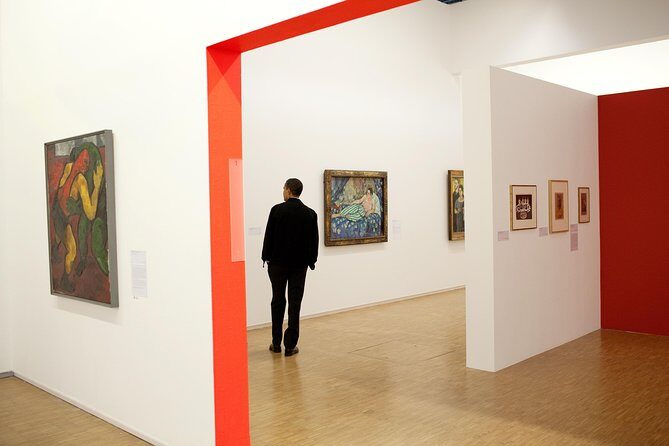
The tour costs $75 for about 2 hours 30 minutes, and the big value point is that it includes:
- Skip-the-line semi-private museum tour
- Professional tour guide
- All entrance fees
- Mobile ticket
So you’re paying for time-saving access plus interpretation, not just a ticket you could buy on your own. You can absolutely explore the Pompidou independently—but if you want the museum to feel structured and understandable, this guided format can be worth the extra money.
One cost-related caution: temporary exhibitions are not included. That’s normal for many museum tours, but it matters for your expectations. The focus here is on permanent collections and key architectural and conceptual elements.
Also not included: hotel pickup/drop-off and gratuities. In practice, I’d plan to arrive on your own using public transit, Uber, or taxi.
Who should book this tour?
This tour fits best if you:
- want a guided route through key modern and contemporary themes
- prefer a small group (maximum 8) over big crowds
- like architecture and want it treated as part of the visit
- want a route that’s short enough to do without burning your whole day
It may not be ideal if you:
- need wheelchair access or have walking disability requirements (this tour is not available for that)
- want a flexible, stop-whenever-you-like museum day (the tour has a route and pace)
- have bulky bags or suitcases you don’t want to deal with at security
Should you book Skip-The-Line Centre Pompidou guided tour?
I’d book it if your goal is smart time use. For $75, you’re buying skip-the-line access, a professional guide, and a focused route that covers major movements, well-known artists, the building’s design ideas, and stops like Dubuffet’s winter garden. In a museum as big as the Pompidou, that kind of structure can turn confusion into clarity.
I’d pass or look for a different option if you’re planning a very long museum linger session, need wheelchair-friendly access, or you’re mainly interested in whatever temporary exhibition happens to be running.
If you want a modern art introduction that doesn’t leave you staring at labels in frustration, this is a strong, practical way to do the Pompidou.
FAQ
What time does the tour start?
The tour starts at 5:00 pm.
How long is the Centre Pompidou guided tour?
It runs for about 2 hours 30 minutes.
How big is the group?
It’s semi-private with a maximum of 8 travelers.
Is admission included?
Yes. Skip-the-line admission and all entrance fees are included, and you get a mobile ticket.
What art or themes does the tour cover?
You’ll get guided coverage of modern and contemporary themes, including Cubism, Futurism, Dada, and Pop Art, plus works and artists such as Picasso, Matisse, Warhol, and O’Keeefe. The tour also includes architectural and multimedia elements.
What should I know about bags and security?
Large bags or suitcases aren’t allowed inside—only handbags or small thin bag packs are allowed through security.
Is hotel pickup included?
No. The tour does not include hotel pickup or drop-off.
Are there accessibility limitations?
Yes. The tour is not available for those with walking disabilities or using a wheelchair.