REVIEW · PARIS
Marais District of Paris Guided Walking Tour
Book on GetYourGuide →Operated by Babylon Tours LLC · Bookable on GetYourGuide
Paris has a secret folder called the Marais.
This 2.5-hour walking tour is a smart way to read the district like a story: churches, courtyards, and noble mansions all connected by what used to happen here and what happened next. I like that the guide blends art and architecture into clear explanations, not just sightseeing. And I really enjoy the way the route makes room for the Marais’ Jewish neighborhood, including the Pletzl area and the street life around it.
One thing to plan for: you’ll cover a moderate amount of walking, and the tour isn’t set up for wheelchairs or walking disabilities (even though wheelchair tours may be offered only on request). If that’s you, it’s worth checking with the operator before you commit.
In This Review
- Key highlights worth planning for
- Why the Marais District Walking Tour makes sense
- What 2.5 hours feels like on the ground
- Church of Saint Paul and Saint Louis: the opening chapter
- Hotel de Sully courtyard: seeing power without a palace
- Place des Vosges: the most orderly pause in Paris
- Pletzl and Jewish Paris: more than a side street
- Mansion after mansion: learning to read the architecture
- Musée Carnavalet and the museum moments
- Optional big landmarks: Hotel de Ville and Pompidou
- Guides and the pace that keeps things fun
- Price and value: why $53 can be a good deal
- Who this Marais tour is best for
- Should you book the Marais District Guided Walking Tour?
- FAQ
- Which languages are offered for the Marais walking tour?
- How long is the tour, and is the start time flexible?
- What is the maximum group size?
- Is food included?
- Do I need to bring an ID?
- Can I bring luggage or large bags?
Key highlights worth planning for
- Small groups (max 8 per guide): more chances to ask questions and less time stuck behind other people.
- Art-historian guidance: you get context for what you’re seeing, from churches to mansion courtyards.
- Place des Vosges focus: you’ll stop at Paris’ most orderly grand square and understand why it mattered.
- Jewish Paris section with the Pletzl: the tour doesn’t treat this neighborhood like an add-on.
- Architecture in layers: you’ll pass from older royal-era spaces to later landmarks like Pompidou (when included).
- Museum rules on bags and quiet areas: bring photo ID and keep bags small so security doesn’t slow you down.
Why the Marais District Walking Tour makes sense
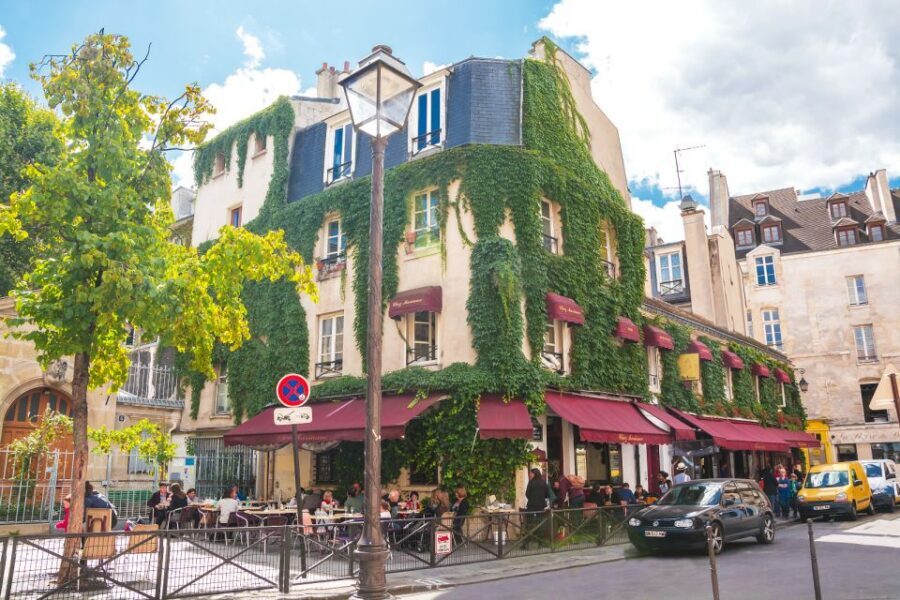
The Marais is one of those Paris neighborhoods that looks charming even before you know anything. But when you walk it with a guide, the district turns from pretty streets into a map of power, faith, commerce, and community.
This tour works because it moves in a logical rhythm. You start with the district’s larger role in the city, then you layer in the sites: a major church area, a noble courtyard stop, the clean geometry of Place des Vosges, and finally the neighborhood that shaped the Marais in the 18th and 19th centuries. You end up with that satisfying feeling of I get how this place became what it is.
Another reason I think it’s a good choice: you’re not stuck chasing random “must-sees.” The route is built around meaning—what the buildings were for, how people lived nearby, and why the streets around the Pletzl and rue des Francs Bourgeois look the way they do.
You can also read our reviews of more walking tours in Paris



What 2.5 hours feels like on the ground
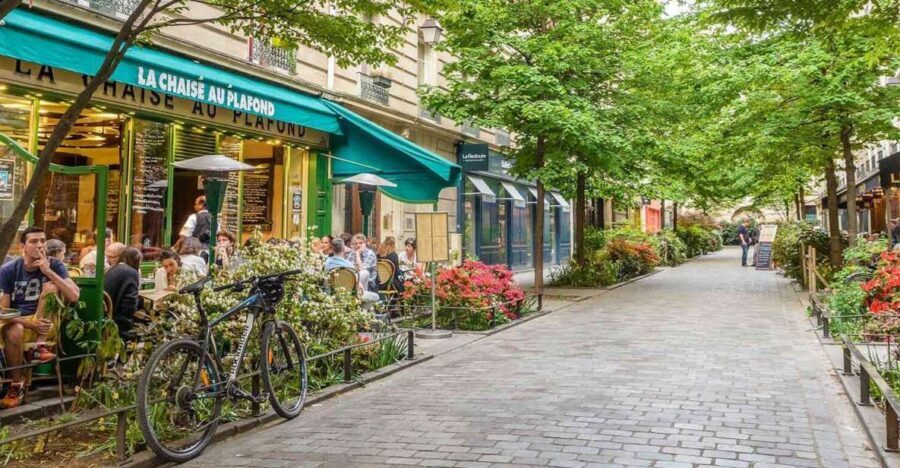
You’re spending about 2.5 hours walking, and that length is honestly perfect for the Marais. It’s long enough to notice patterns—courtyards, mansion fronts, and how streets tighten and open up. It’s short enough that you won’t feel like you’re burning your day just to earn a photo.
Also, with a maximum of 8 guests per guide, the pace is usually more human. That matters in a place like Paris where groups can pile up at tight corners. A smaller group also gives you a better shot at hearing the small details the guide points out while you’re still standing in the right spot.
If you’re the type who hates standing around, this tour probably fits your style. If you love lingering, you’ll still be able to slow down—but use the stops as “anchors,” then go back on your own once the guide gives you a mental outline.
Church of Saint Paul and Saint Louis: the opening chapter
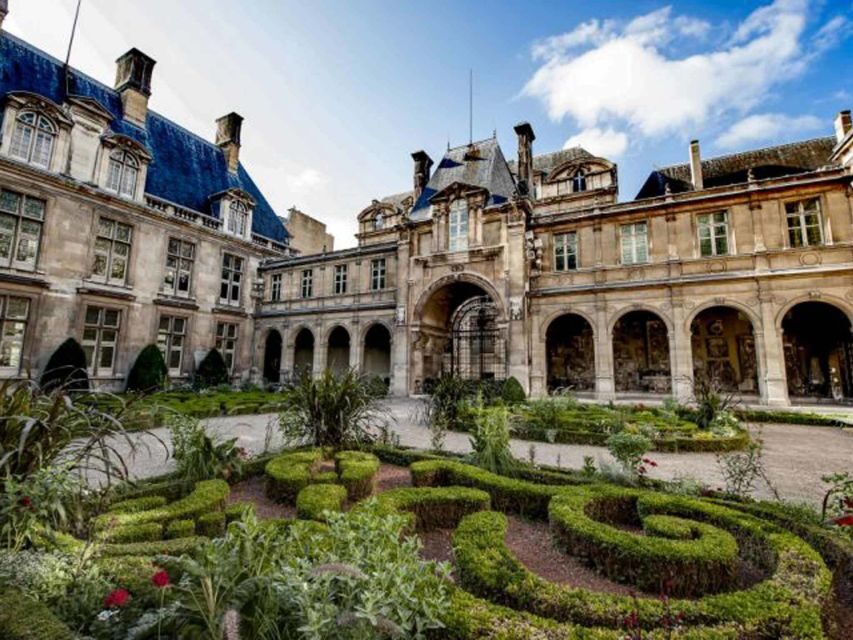
The tour typically begins by setting the stage: the Marais wasn’t always at the center of Paris. It started as a district beyond the core, and then time pulled it inward. That framing matters because it changes how you read everything after.
From there, you’ll visit the area around Church of Saint Paul and Saint Louis. This isn’t only an exterior photo stop. The value here is the guide’s way of connecting religious buildings to the social order of their era—who built, who worshipped, and how architecture signals importance.
If you’ve ever walked past a church and wondered why it feels like a landmark even when you don’t know the details, this is the moment where the district stops being vague. You get a foundation you can reuse later when you spot other grand structures on your own.
Hotel de Sully courtyard: seeing power without a palace
One of the stops I’d call a “wow, but practical” moment is the courtyard of the Hotel de Sully. Courtyards are some of the best places to understand the old Paris mindset: private space, status, and control, tucked behind streets that look far simpler than what you find inside.
This is where the tour earns its art-history tone. Instead of making you guess, the guide explains what you’re looking at—why a courtyard exists, what it communicated, and how the Marais functioned as a residential zone for nobility.
Even if you’re not a museum person, courtyards are worth it. You see scale and design choices you miss from the sidewalk. You also start to understand why mansion after mansion shows up throughout the district.
Place des Vosges: the most orderly pause in Paris
Then you get one of the best rewards in central Paris: Place des Vosges. This square is famous, but the tour makes it more useful by putting it into perspective.
I like how the stop gives you a breathing moment without losing the story. You can stand back, take in the symmetry, and think about how public space works when the city is planned—or planned around the idea of prestige.
Why it’s valuable: once you know why this square looks the way it does, you stop seeing it as just a postcard. It becomes an example of how Paris built identity into stone—how a district could project stability and status.
You can also read our reviews of more guided tours in Paris





Pletzl and Jewish Paris: more than a side street
The tour then moves forward in time to the bustling community that put the Marais on the map through the 18th and 19th centuries: the Jewish neighborhood often associated with the Pletzl.
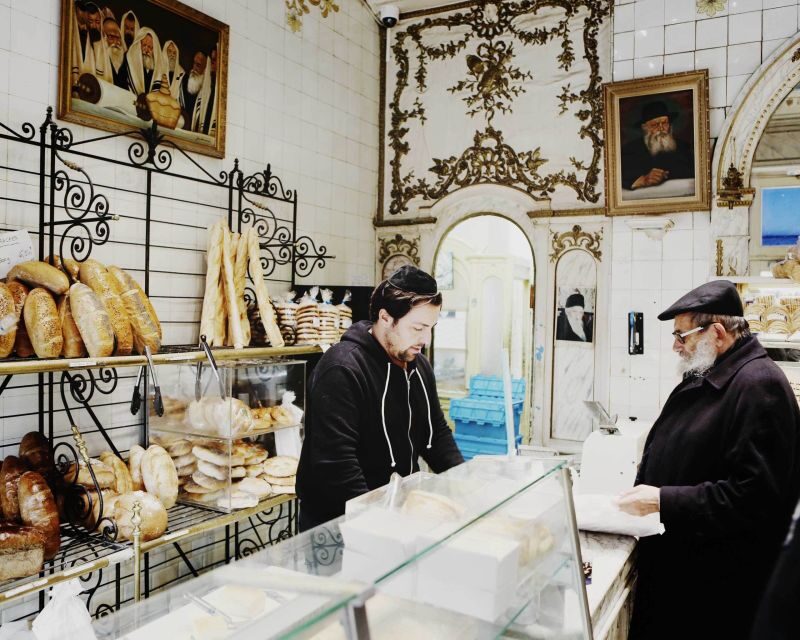
This is one of the most meaningful parts of the itinerary. You walk through the area with a focus on daily life—bakeries, boutiques, and the feel of a neighborhood shaped by community needs and trade. Instead of treating it like a single monument, the guide frames it as a living neighborhood with a geography you can still recognize.
I also appreciate that the route doesn’t stop with one dramatic sight. After the Pletzl area, you continue to rue des Francs Bourgeois, a street known for shops. The point isn’t shopping; it’s that the street itself tells you how the Marais evolved—how commerce and craftsmanship took over spaces built for earlier social classes.
If you want Paris that feels real—less like scenery, more like people—this section is where you’ll feel it.
Mansion after mansion: learning to read the architecture
One of the tour’s strengths is momentum: you keep seeing mansion after mansion, former homes to nobility that still shape the district’s look today. You don’t just pass them; the guide points out what makes these buildings distinctive and what that says about the Marais’ past.
This is where an art historian guide matters most. Without context, those grand facades can blend together. With context, you start noticing patterns: where the wealth shows, how the design communicates function, and what changed as the district’s role shifted.
And if some of this feels abstract, don’t worry. The guide keeps anchoring it to what you’re physically standing in front of. By the end, you’ll likely find yourself looking up and recognizing details on your own.
Musée Carnavalet and the museum moments
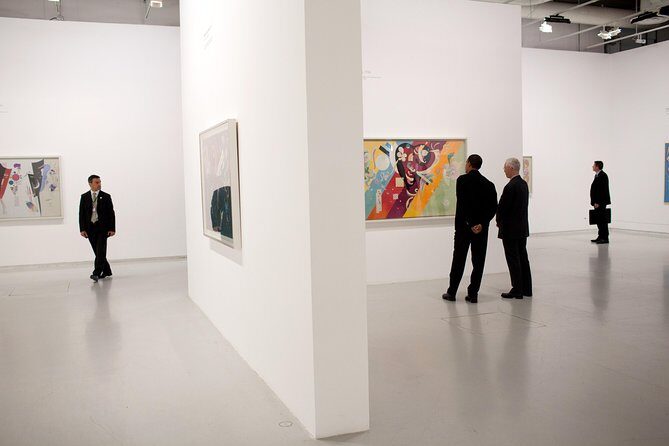
Some homes turned into museums in the Marais, and a highlighted example is Musée Carnavalet. The tour may include stops connected to museum spaces, depending on timing and what’s running that day.
This part is valuable if you want more than street-level understanding. The Marais is packed with history, but a museum stop helps you confirm what the architecture suggests. It’s the difference between seeing clues and getting the full story.
One practical note: museum rules can affect how you experience it. You may face security checks where only handbags or small thin backpacks are allowed. Some rooms require quiet, and the guide will tell you what to expect before you enter.
Also, museums can close specific rooms without notice. If that happens, you’ll be offered an appropriate alternative on the route, so the tour isn’t derailed.
Optional big landmarks: Hotel de Ville and Pompidou
Depending on the option and day, the tour may also introduce you to the Hotel de Ville and the Pompidou Center—architectural masterpieces from very different periods.
I like this add-on because it prevents the Marais from feeling like an isolated bubble. You see how the city’s style evolved, and you get a sense of the timeline jumping from traditional structures and squares into a more modern Paris attitude.
If you’re the kind of person who wants variety within a single afternoon, this is the part that gives it. If you prefer to stay strictly in the old Marais fabric, just know this segment may or may not appear on your specific departure.
Guides and the pace that keeps things fun
The tour is led by a professional art historian guide. The big win here isn’t only expertise—it’s the ability to explain clearly while you’re walking.
The top feedback highlights guides who make Paris history feel tangible. Names that show up for excellent performance include Eden and Agustina. What you’ll want from your guide is a mix of architecture-reading and storytelling that keeps you from zoning out after 30 minutes.
With a group capped at 8 guests, you’re also less likely to get lost in a crowd. You can ask about the difference between one courtyard and another, or why a square was designed the way it was, without your question turning into a lecture contest.
Price and value: why $53 can be a good deal
At $53 per person for about 2.5 hours, you’re paying for something you can’t easily DIY: a guided route that connects the Marais’ landmarks into a coherent timeline, plus an art historian’s explanations while you’re standing in front of the details.
Could you walk the Marais on your own for less? Sure. But the risk is ending up with a pile of photos and a vague sense of “nice architecture.” This tour helps you convert the district into understanding—church context, noble housing patterns, Place des Vosges significance, and the Jewish neighborhood story.
The value gets even better because it’s small-group and walking-based. That means you’re not just buying information on a screen. You’re using the guide to shorten your learning curve in one of the most visually dense neighborhoods in Paris.
Who this Marais tour is best for
This experience is a strong fit if:
- You want a structured route that covers more than one theme (royal-era spaces plus the Jewish neighborhood).
- You like architecture that comes with context, not just names.
- You enjoy walking tours that move at a human pace and keep you oriented.
It may be less ideal if:
- You have significant walking limitations. The tour involves moderate walking and it’s not presented as accessible for wheelchair users under standard conditions.
- You travel with large luggage. Bag rules are strict, especially for museum security.
If you’re visiting Paris for the first time, this tour is a great way to get your bearings fast. If you’ve been before, it’s a good “second look” that adds real depth.
Should you book the Marais District Guided Walking Tour?
I’d book it if you want the Marais to make sense quickly. The tour’s biggest payoff is how it connects key stops—Saint Paul and Saint Louis, the Hotel de Sully courtyard, Place des Vosges, and the Pletzl/Jewish neighborhood route—into a timeline you can remember.
Skip it only if the walking level doesn’t work for you or if you’re aiming for a very “free-roam” afternoon with no structured stops. Otherwise, this is one of those tours where you leave with both great photos and a sharper mental map.
And if you’re trying to decide between “seeing the Marais” and “understanding the Marais,” this tour clearly chooses the second one.
FAQ
Which languages are offered for the Marais walking tour?
The live guide can speak German, Spanish, English, Italian, French, or Russian.
How long is the tour, and is the start time flexible?
The tour lasts about 2.5 hours. Start times can vary, so you’ll need to check availability for the departures offered.
What is the maximum group size?
The tour has a maximum of 8 guests per guide, for a more intimate experience.
Is food included?
No. Food and drinks are not included.
Do I need to bring an ID?
Yes. Bring a passport or ID card, and you should have valid photo ID.
Can I bring luggage or large bags?
No large bags or suitcases are allowed. For museum security, only handbags or small thin backpacks are allowed through. The tour also notes that occasional closures may change which rooms you visit.