REVIEW · PARIS
Paris: 2.5-Hour French Pastry Cooking Class
Book on GetYourGuide →Operated by LES SECRETS GOURMANDS DE NOEMIE · Bookable on GetYourGuide
Paris pastry class sounds romantic, but it’s also practical.
This 2.5-hour baking session in a private loft-style atelier gives you step-by-step guidance from Chef Noémie, plus a small-group setup that means you actually get answers, not just a show. I like the small group limit of 8, and I like that the class includes an English copy of the recipes and a relaxed tasting afterward. One thing to keep in mind: it is hands-on, but not every minute is mix-and-pipe—there’s usually some chef-led demonstration, and you’ll rotate through tasks.
The best part is the way the lesson connects technique to finished desserts. You work on 2 or 3 famous French sweets chosen for the season, with Chef Noémie explaining what to do and why it matters. A possible drawback is timing pressure: 150 minutes is plenty for learning, but you’ll want to stay focused so your desserts can hit the right stages.
If you want a Paris food experience that leaves you with real skills, this one makes sense. You’ll learn baking basics that apply beyond one dessert, then sit down with tea or coffee to taste what you made and chat with the chef. It’s also a friendly pick if you’re traveling with family or a non-baker, because the instruction is patient and step-by-step.
In This Review
- Key highlights you’ll care about
- Inside Chef Noémie’s Paris loft atelier near 92 rue Nollet
- What you’ll make: Paris-Brest, molten cake, and seasonal soufflés
- The 150-minute flow: step-by-step instruction with real participation
- The tasting and tea/coffee chat: a calm finish, not a rushed handoff
- Price and value: is $141 per person worth it?
- Who this Paris French pastry class suits best
- Should you book this Chef Noémie pastry class in Paris?
- FAQ
- Where is the meeting point for the class?
- How long is the French pastry cooking class?
- How many people are in each class?
- What language is the class taught in?
- What does the price include?
- What desserts will we bake?
- Is the class hands-on all the way through?
- Are pets or smoking allowed?
Key highlights you’ll care about
- Chef Noémie’s Lenôtre training and clear teaching style make the steps feel doable
- Small group (max 8) means you get personal feedback while you work
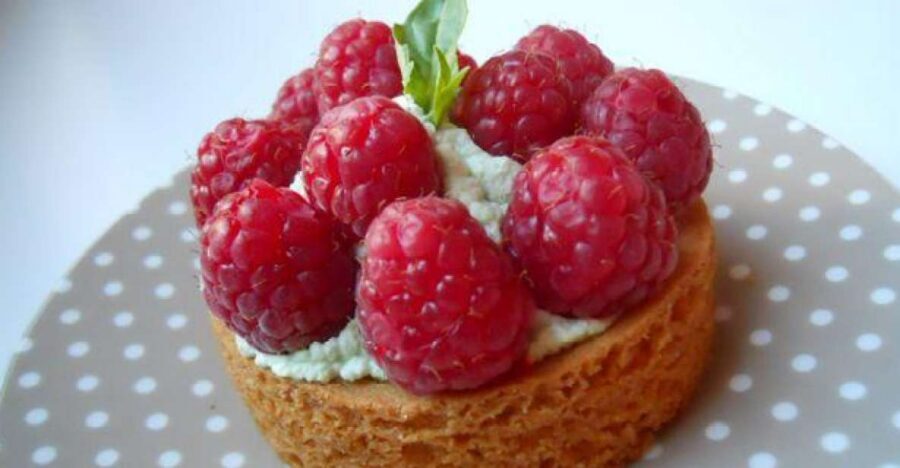
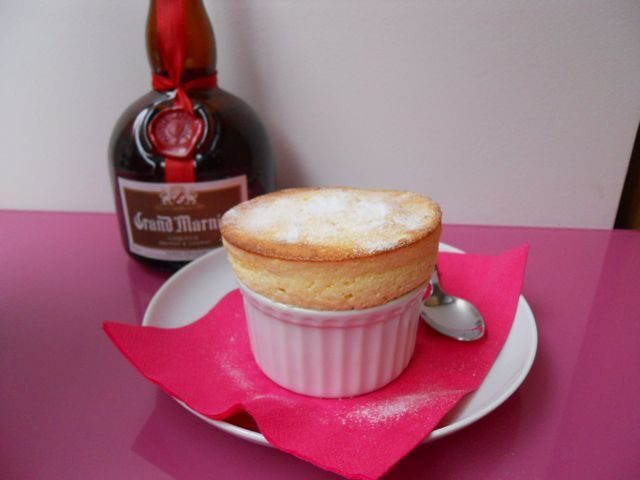
- 2 to 3 seasonal desserts such as Paris-Brest, molten chocolate cake, and Grand Marnier soufflés
- English recipes and an apron included, so you can repeat the results later
- Tea or coffee tasting afterward, with time to talk through what you want to improve
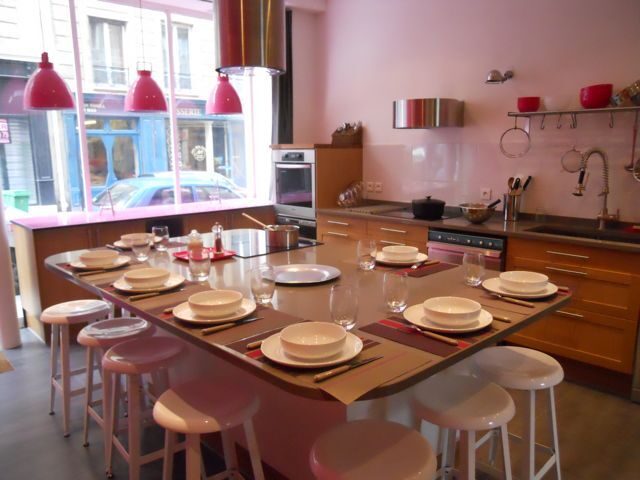
Inside Chef Noémie’s Paris loft atelier near 92 rue Nollet
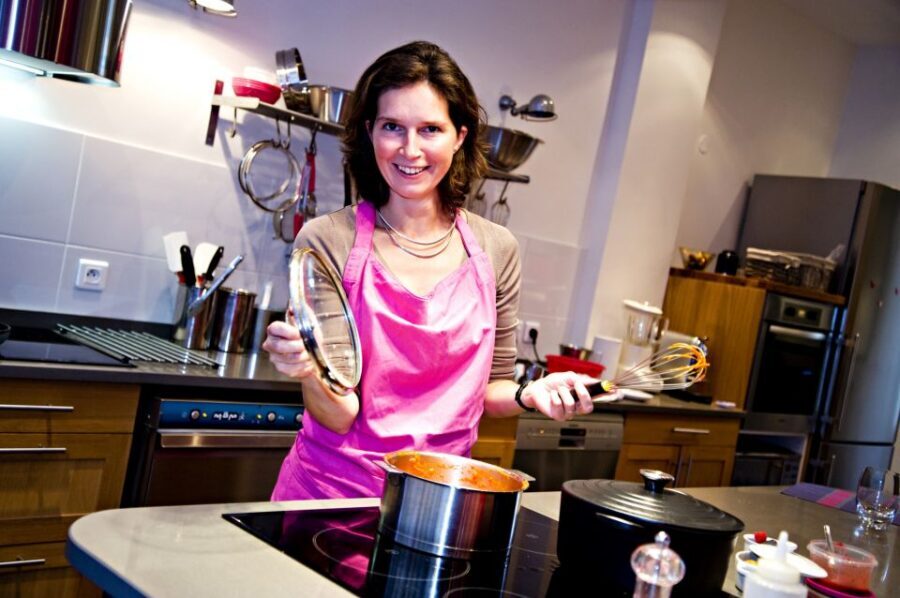
The setting is one of the reasons this class feels like more than a ticket. You meet at 92 rue Nollet, 75017 Paris, in a neighborhood location that’s easy to reach and not buried inside a tourist maze. If you’re using the Metro, you can aim for Line 13 at Brochant or La Fourche. Buses are also an option, with routes listed for Legendre and Parc Martin Luther King stops.
Once you’re inside, you’re not standing shoulder-to-shoulder in a massive classroom. The loft-style atelier setup is built for working with your hands, and the small group size (up to 8 people) keeps the energy calm. That matters because pastry is all about timing and consistency. When you can ask a question without shouting, you learn faster.
What I like about this kind of setup is that it naturally supports confidence. Beginners don’t get left behind, and experienced home cooks don’t get bored. Chef Noémie can tailor help in real time, which is where a cooking class beats a cookbook. You’ll also have an apron for the lesson, and the workspace is designed for mixing, piping, and finishing—so you don’t spend your energy worrying about whether you’re in the right place or doing things wrong.
Practical tip: plan to show up a few minutes early. With baking, late arrivals create stress for everyone.
You can also read our reviews of more cooking classes in Paris
What you’ll make: Paris-Brest, molten cake, and seasonal soufflés
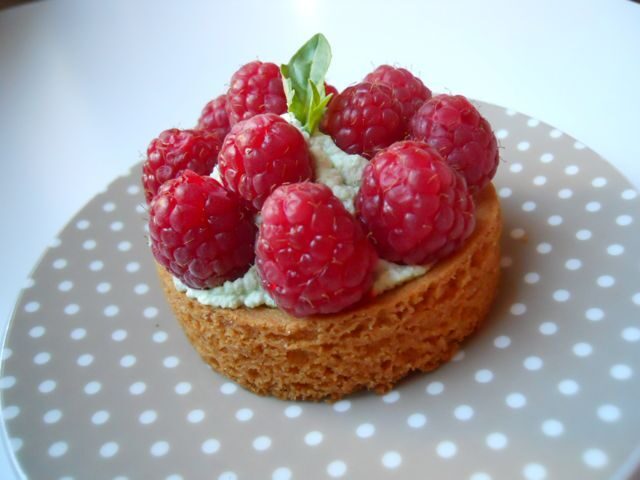
You’re not signing up for one generic dessert. You’re learning how to produce a small set of classic French pastries, usually 2 or 3 desserts depending on the season and what Chef Noémie selects for the group.
From the course description, you should expect at least the possibility of:
- Paris-Brest
- Molten chocolate cake
- Grand Marnier soufflés
That list is a smart mix for a pastry class. Paris-Brest is complex enough to teach structure and technique, molten cake helps you understand doneness and texture, and soufflés show you how finishing and timing affect the final result. Even if your exact lineup changes, the underlying skills transfer: reading the dough or batter, working carefully through steps, and knowing when to stop.
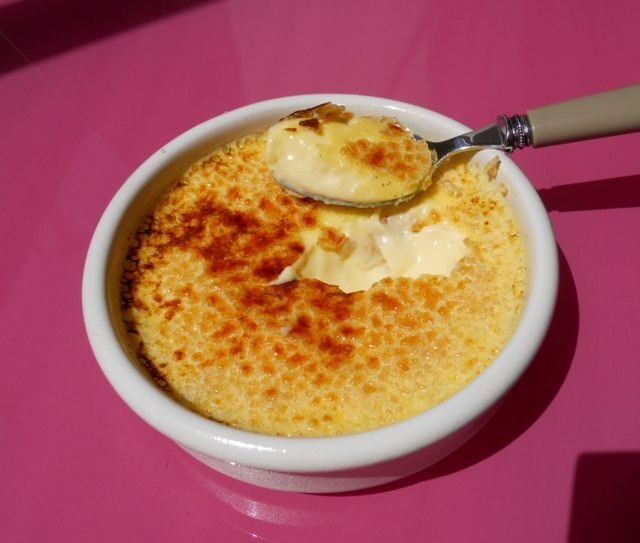
One useful detail from the class outcomes is that you might also encounter other classic pastry styles, including crème brûlée. The key point is not the specific name on the card. It’s that Chef Noémie teaches you the process so you can repeat it later without guessing.
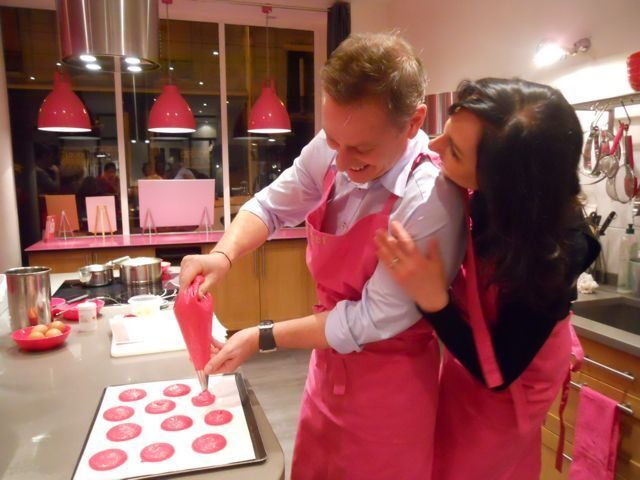
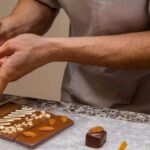
Also, don’t expect the chef to treat this like a lecture. The class is designed so you’re moving through steps with guidance. That means you’ll practice the repeated actions that make pastry work: measuring, mixing, filling, shaping, and decorating. In past sessions, people have even highlighted piping and decorating with the pastry bag, which is a big confidence boost for anyone who has only watched pastries being made.
The 150-minute flow: step-by-step instruction with real participation
The class runs 150 minutes, which is long enough to learn but not so long that it turns into a marathon. You’ll follow a guided sequence where Chef Noémie walks you through each step, explains what you’re doing, and then helps you correct details as you work.
Small-group classes work best when you rotate responsibilities. Here, that’s exactly the idea. People have mentioned taking turns with core tasks like measuring, mixing, and using a pastry bag. That rotation keeps everyone engaged and prevents the classic problem where one person does all the work and the rest mostly watch.
Still, it’s worth noting a reality check: even in a “hands-on” class, the chef may demonstrate certain stages. Some steps need the chef to show timing and technique firsthand, especially when outcomes depend on the oven and the exact moment something is finished. One review mentioned that it was not completely hands-on, but it still had plenty of participation. So if you’re hoping for total hands-on from start to finish, adjust expectations slightly. You’ll do meaningful work, but you’ll also watch.
The coaching style is a big part of why this class earns such high marks. Chef Noémie doesn’t just say what to do; she explains the reasons behind steps and gives tips that help you fix problems on the fly. People have also said she blends instruction with context—history of the pastries and the thinking behind technique—so the class doesn’t feel like a factory line.
For you, the practical takeaway is this: once you understand the logic, your results get more repeatable. Instead of thinking, I followed the steps, you’ll start thinking, This step changes texture because of how it interacts with heat. That’s the real value of a chef-led lesson.
The tasting and tea/coffee chat: a calm finish, not a rushed handoff
After the baking part, you get to eat what you made. You’ll sit down for tea or coffee and taste the desserts you prepared over the course of the class. This is not just a snack stop—it’s part of the learning.
Tasting right after the process helps you link technique to outcome. You can compare textures while everything is fresh: where things are airy, where they’re dense, where the flavor lands. And since you’re still in the same room (with the chef), you can ask questions about what to improve next time.
Chef Noémie’s style also seems to encourage conversation. People mention chatting with her after the class, which is ideal if you want feedback beyond a single question. It’s also nice for families: you get a structured activity first, then a relaxed end where kids and adults can actually enjoy what they made.
One more small but important point: you’re not hauling home a half-melted dessert and hoping it survives the walk back to your hotel. You get to taste everything while it’s at its best.
Price and value: is $141 per person worth it?
At $141 per person for 150 minutes, this class isn’t a bargain-basement deal. But it also isn’t overpriced for what you’re getting—at least not in the way it matters.
Here’s what you’re paying for, in plain terms:
- A trained chef instructor (Chef Noémie is a Lenôtre Culinary Institute graduate)
- A small group limit (8 people), which directly affects how much guidance you receive
- English-language recipes, so you can repeat the results later
- Apron and tea or coffee, which make the class feel complete rather than cut short
Value-wise, the best comparison is what you’d spend if you tried to replicate this alone. Ingredients, specialty items, and wasted batches add up fast—especially for pastry where a tiny timing or temperature misstep can ruin your final texture. In a class like this, you get expert coaching that reduces guesswork. That’s why people leave feeling confident enough to bake again.
Who should feel especially good about this price? People who want a high-quality skill lesson in English with minimal stress, and people who like structured learning. If you’re the type who enjoys cooking but doesn’t want to research every step on your own, this is a very workable option.
Who might pause? If you’re already a confident pâtissier at home and you just want to eat pastries, you might decide you’d rather spend the money on a sit-down dessert tour. But if your goal is skill building, the price starts to look reasonable.
You can also read our reviews of more tours and experiences in Paris



Who this Paris French pastry class suits best
This is one of those activities that fits more travel styles than you’d expect.
- Total beginners: The step-by-step approach and personal advice make it less intimidating than most kitchens. Reviews describe the chef as patient and great with first-timers.
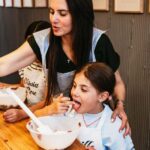
- Families: Instruction seems to work across ages. At least one family brought kids around elementary school age and found the class fun and manageable.
- Couples and solo travelers: The small group format is social without being overwhelming. If you prefer guided conversation to wandering with a guidebook, this works well.
What I’d use as your decision filter: do you want a structured food experience with technique, or do you want passive sightseeing? This class is hands-on, timed, and practical. If you like the idea of going home with new skills (and recipes you can actually read), you’ll likely enjoy the payoff.
Also, think about your day plan. You’ll want to clear time before and after, because this is an activity with a clear start and a baking timeline. Don’t schedule it as a last-minute thing after a long day on your feet unless you’re comfortable with a tight schedule.
Should you book this Chef Noémie pastry class in Paris?
Book it if you want:
- Real instruction in English, from a chef with formal pastry training
- A small group so you can get feedback while you work
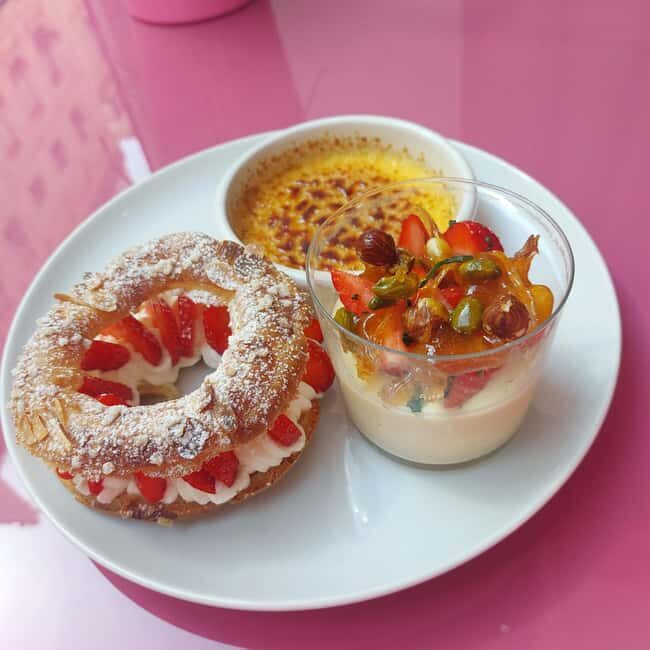
- A chance to make classic French desserts, often including Paris-Brest, molten chocolate cake, or Grand Marnier soufflés
- A fun Paris activity that ends with tea or coffee and tasting what you baked
Skip it if:
- You want a purely observational experience with zero time baking. The class centers on participation and practice.
- You only care about eating desserts and don’t want the work or learning element.
If you’re on the fence, I’d lean yes for most first-time Paris food visitors—and for anyone who likes bringing home a skill, not just a photo.
FAQ
Where is the meeting point for the class?
The meeting point is 92 rue Nollet, 75017 Paris. The listed transit options include Metro Line 13 at Brochant or La Fourche, plus several bus routes with nearby stops.
How long is the French pastry cooking class?
The class duration is 150 minutes (about 2.5 hours).
How many people are in each class?
The class is a small group limited to 8 participants.
What language is the class taught in?
The class is taught in English, and there is an English-language copy of the recipes included.
What does the price include?
The price includes tea and coffee after the class, an apron, and English recipes. You’ll also taste the desserts you make during the session.
What desserts will we bake?
You’ll make 2 or 3 famous French desserts chosen for the season. Examples given include Paris-Brest, molten chocolate cake, and Grand Marnier soufflés.
Is the class hands-on all the way through?
It’s described as a hands-on baking class with step-by-step guidance. You should expect participation, but you may also have some chef-led demonstration depending on the step.
Are pets or smoking allowed?
No. Pets are not allowed, and smoking is not allowed.