REVIEW · PARIS
Paris: Charms of Montmartre Guided Walking Tour
Book on GetYourGuide →Operated by Mon Petit Paris · Bookable on GetYourGuide
Paris rewards good wandering. Montmartre is one of the best places to do it with a plan. This 2-hour walk strings together the neighborhood’s biggest names and best streets into a story you can actually follow, from scandalous cabaret lore to hilltop views.
I especially love how the tour mixes art history with real street-level details: cobblestones, squares, and the feeling of a village inside a big city. I also like the way it builds toward the view at Sacré Coeur, so the climb feels worth it instead of just cardio. The main drawback is simple: it’s moderate and Montmartre is steep, with stairs and slopes.
If you come prepared with comfortable shoes, you’ll get a focused hit of Montmartre in just 2 hours. I’d do it early in your Paris trip to get your bearings for the rest of the neighborhood.
In This Review
- Key Moments That Make This Tour Worth It
- Moulin Rouge to the Hill: Starting Where the Energy Is
- Following the Amélie Film Location and Van Gogh’s Old Stomping Grounds
- Place des Abbesses and the I Love You Wall Stop You’ll Actually Remember
- Picasso’s Studio and the Maison Rose: Art as a Road Map
- Guinguette Atmosphere, an Original Windmill, and Bohemian Energy
- The Last Vineyard in Paris and a Tiny Picasso-Favorite Cabaret
- Outdoor Artists Near the Top and the Final Sacré Coeur View
- Price and Value for a 2-Hour Montmartre Art Walk
- Practical Tips Before You Go (So You Don’t Feel Rushed)
- Who This Tour Suits Best
- Should You Book the Paris: Charms of Montmartre Guided Walking Tour?
- FAQ
- FAQ
- Where does the tour start?
- How long is the guided walking tour?
- What language is the tour guide?
- What are the main sights included?
- Where does the tour end?
- Is the tour suitable if I dislike hills and stairs?
- What should I bring?
- Does the tour run in bad weather?
- Are food and drinks included?
- What is the price?
- What items are not allowed on the tour?
Key Moments That Make This Tour Worth It
- Moulin Rouge starts the story with its saucy, scandalous past and immediate atmosphere
- Place des Abbesses and the I Love You Wall add a fun pause in the middle of the climb
- Picasso’s studio talk connects key artwork to the bohemian world around it
- Guinguette life plus an original windmill bring the artist scene to life in a tangible way
- The last vineyard in Paris still produces vino today, which makes Montmartre feel oddly real
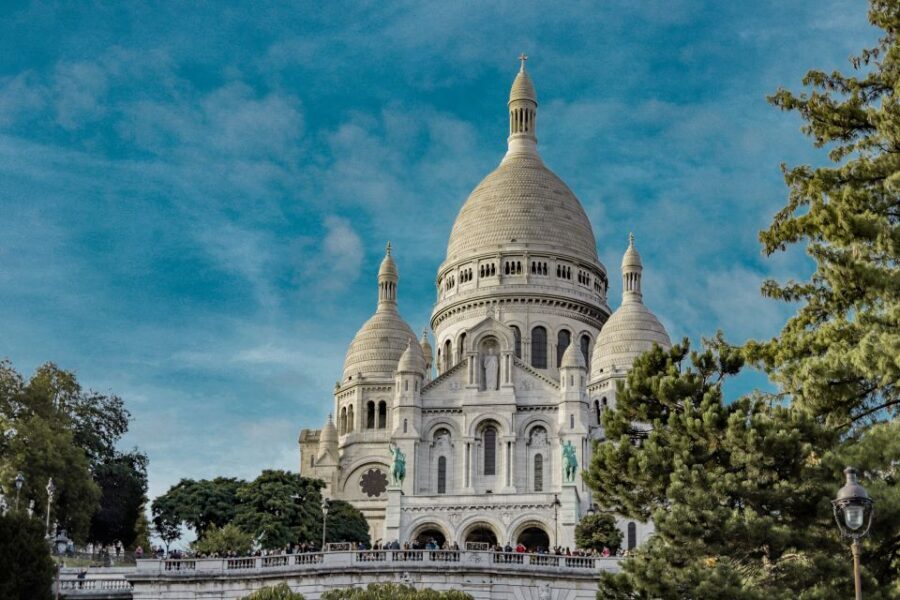
- Sacré Coeur ends with a panoramic payoff when you finally look out over the city
Moulin Rouge to the Hill: Starting Where the Energy Is
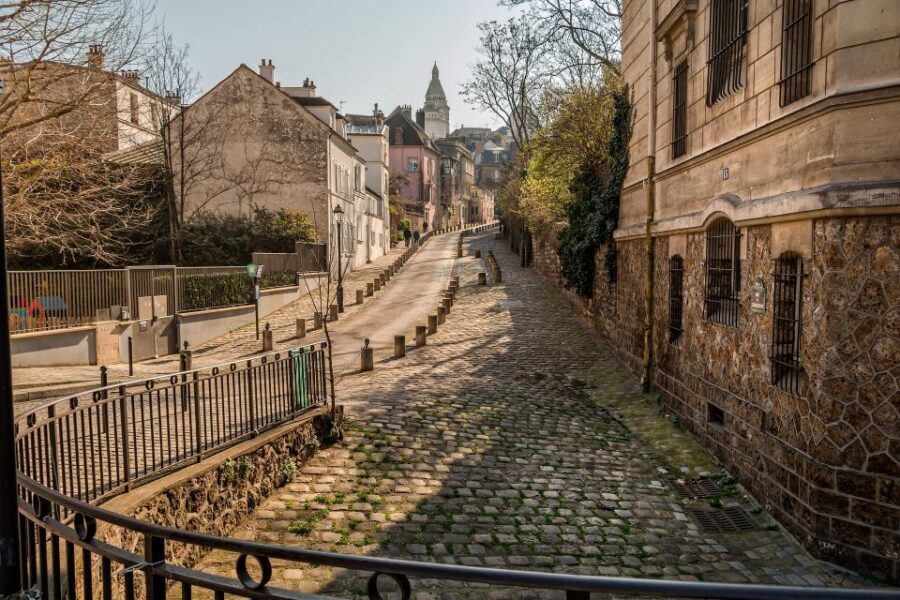
The tour kicks off in front of the Moulin Rouge, and your guide will be wearing a badge. If city works make that spot hard to use, they’ll shift you to the square facing the Moulin Rouge, so you’re not left hunting.
Right away, you get the neighborhood’s tone: cabaret, rumor, and the kind of nightlife that turned Montmartre into a magnet for artists and dreamers. It’s a great way to start because it stops the area from feeling like a bunch of landmarks stuck together.
Then you begin the ascent. The streets tighten into that Montmartre rhythm—small turns, eye-level windows, and little pockets that feel separate from the rest of Paris. Expect some climbing, and don’t treat it like a flat city stroll.
You can also read our reviews of more walking tours in Paris



Following the Amélie Film Location and Van Gogh’s Old Stomping Grounds
As the hill rises, the tour points out an iconic film location tied to Amélie. Even if you’re not a movie superfan, it helps you see the streets as story spaces, not just routes between sights.
Next comes the Van Gogh connection. You’ll walk through areas tied to his old life and habits in Montmartre, which makes the neighborhood feel less like a museum district and more like a living artistic workshop. In practical terms, these stop-and-explain moments are what keep a short 2-hour tour from turning into photo time with no meaning.
This part also helps you understand the logic of Montmartre. It grew vertically, socially, and creatively, and the guide uses that to explain why artists kept returning to this hillside.
Place des Abbesses and the I Love You Wall Stop You’ll Actually Remember
Place des Abbesses is one of those Montmartre scenes that feels made for slowing down. It’s leafy and human-scaled, and it breaks up the more intense landmark moments.
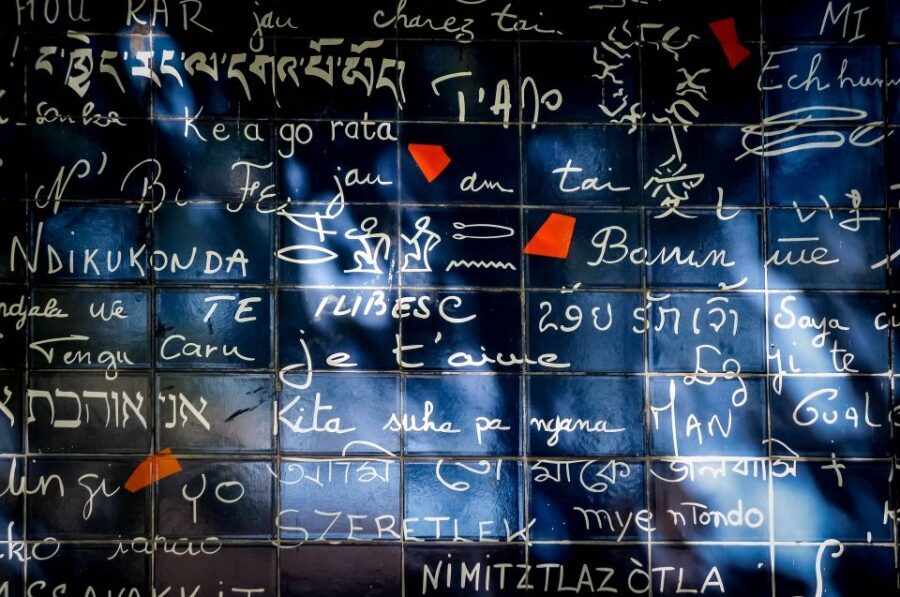
Here you’ll learn about the I Love You Wall, a sweet tribute to lovers around the world. It’s a fun stop because it’s not just a photo background. The guide’s context helps you understand why this kind of public gesture fits the neighborhood’s mix of romance and art.
I like that this stop gives your legs a short breather without making the tour feel like it’s losing momentum. It’s also a good reminder: Montmartre isn’t only famous paintings and big names. It’s also daily life, community spots, and everyday charm.
Picasso’s Studio and the Maison Rose: Art as a Road Map
From there, the tour moves deeper into the artist legend. You’ll visit Picasso’s famous studio, where the guide discusses a momentous painting that changed the art world forever. You’ll come away with more than a name—you’ll understand why this kind of work mattered and how Montmartre fed that creativity.
You’ll also get a look at the Maison Rose, which fits neatly into this timeline. Think of it as a visual anchor: a real building tied to the feeling of the era, not just an abstract “and then famous art happened” sequence.
This segment is valuable because it connects art to place. You’re not just learning that Picasso was here—you’re seeing how Montmartre’s layout and atmosphere made it the kind of neighborhood where new ideas could take root.
Guinguette Atmosphere, an Original Windmill, and Bohemian Energy
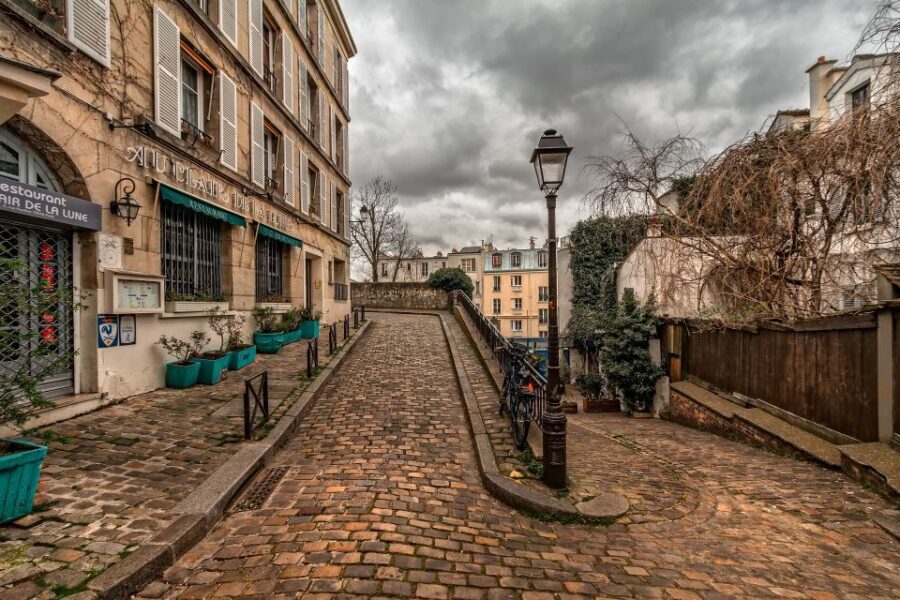
Next, the tour shifts into what Montmartre felt like on weekends. You’ll visit a classic guinguette, where artists gathered to drink, dance, and set up their easels. That kind of detail changes the whole experience. Suddenly the neighborhood’s reputation isn’t only about famous museums; it’s about social life and making art in public spaces.
The guide also points out an original windmill, which adds a visual detail you can’t really get from a simple landmark photo. Windmills and hillside scenery are part of Montmartre’s identity, and here they’re used to explain how the neighborhood became a stage.
This is also where the tour leans into stories about the people who lived, worked, and caused trouble. It’s the right mix of facts and atmosphere for a short walk.
You can also read our reviews of more guided tours in Paris





The Last Vineyard in Paris and a Tiny Picasso-Favorite Cabaret
One of the tour’s most charming surprises is the last vineyard in Paris. It’s still producing vino today, and that detail matters because it keeps the area from feeling like a theme park. You’re walking in a neighborhood where agriculture and art share the same slopes.
Then there’s a tiny cabaret that was a favorite of Picasso. The guide explains it as the origin point for several outlandish adventures—exactly the kind of anecdote that makes the neighborhood feel like it has a pulse. Even if you only catch a few story beats, you’ll get the idea: this wasn’t a quiet art school. It was nightlife, characters, and constant motion.
For me, these stops are the reason to book a guided tour instead of free-wandering. You might notice the vineyard or cabaret on your own, but you’d likely miss what makes them meaningful in the Montmartre story.
Outdoor Artists Near the Top and the Final Sacré Coeur View
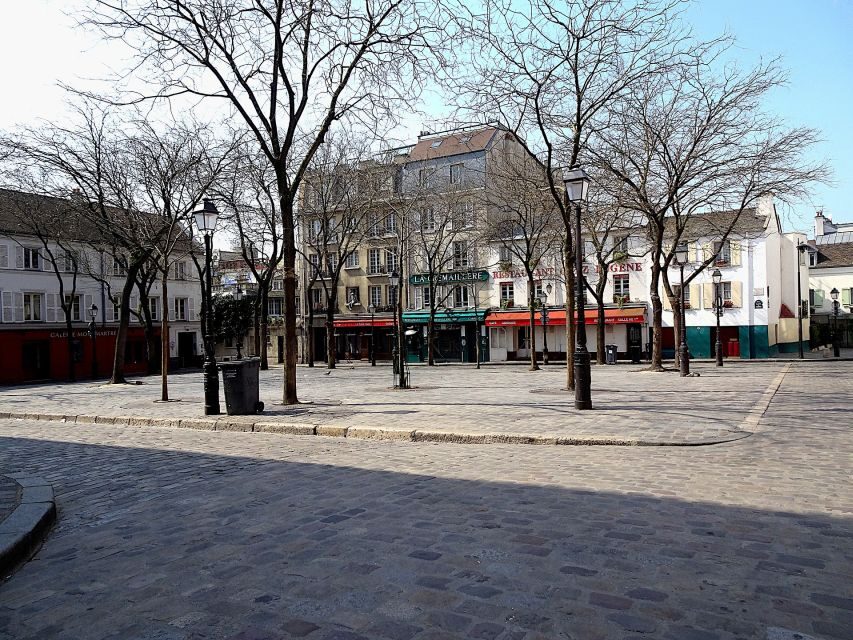
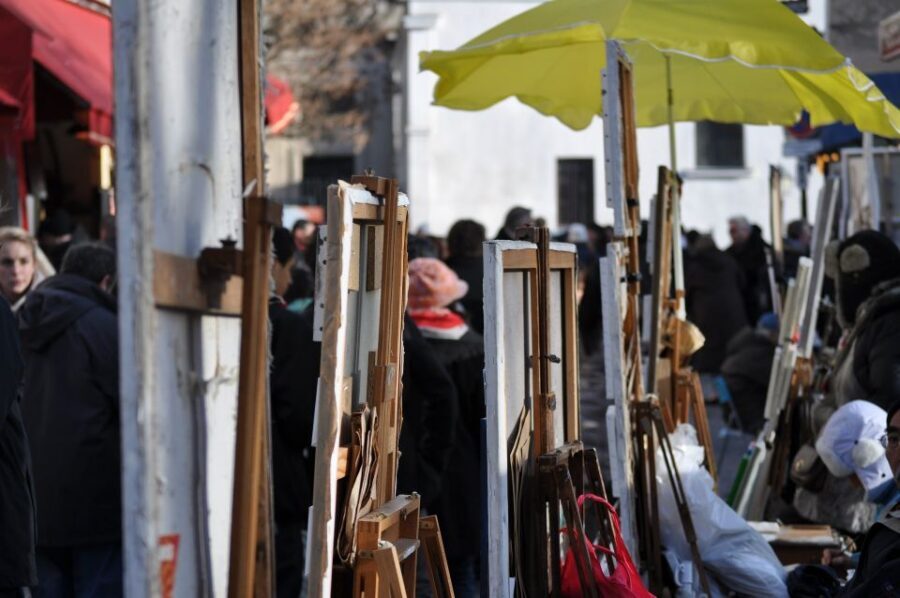
As you move higher, you’ll reach a famous square filled with outdoor artists. Each artist creates original work for sale, which is a great chance to pick up a one-of-a-kind souvenir without relying on generic “souvenir shop” stuff.
This section also gives you a feel for modern Montmartre. The scene may have changed since the golden era, but the basic idea—making art where people walk by—still fits.
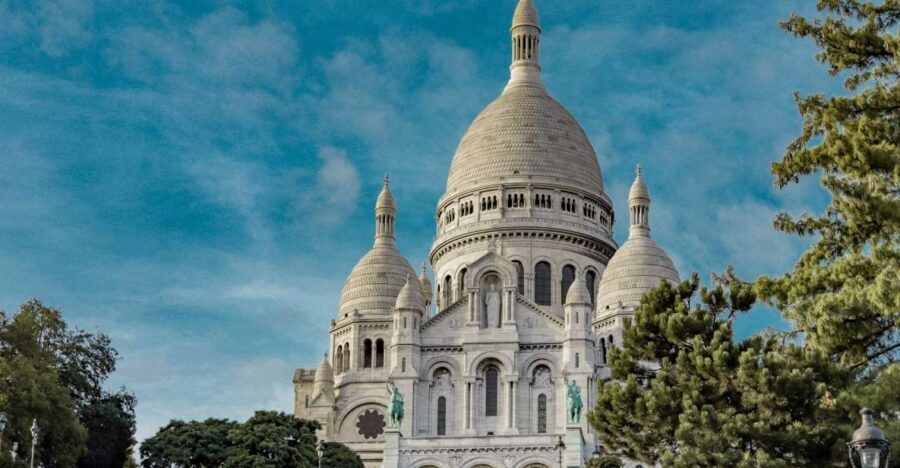
Finally, the tour ends in front of Sacré Coeur. You’ll enjoy breathtaking panoramic views over Paris from atop the hill. This ending works well because all the walking and stairs finally convert into something you can look at and understand.
Price and Value for a 2-Hour Montmartre Art Walk
At $57 per person for 2 hours, this tour sits in the mid-range for guided experiences in Paris. The value comes from how many major “I came here for this” stops you get packed into a short window: Moulin Rouge, Sacré Coeur, Picasso’s studio, and the Maison Rose, plus the places tied to Van Gogh, Amélie, and Montmartre’s bohemian hangouts.
It also earns its cost because it’s not just sightseeing. The guide ties the art names to specific neighborhood scenes: cabaret life, guinguette culture, the windmill, and the last working vineyard. For many first-time Montmartre visitors, that context is the difference between a collection of photos and a trip that actually makes sense.
What’s not included matters too: food and drinks aren’t part of the deal. So if you’re the type who gets hungry on walks, plan to eat before or after rather than expecting a stop.
Practical Tips Before You Go (So You Don’t Feel Rushed)
Wear comfortable shoes. That’s the big one. Montmartre is hilly, with slopes and stairs, and the tour is described as physically moderate, so go in thinking sturdy footing will save your day.
The tour runs rain or shine unless it’s really pouring rain. That means you should dress for wet streets and plan for damp cobblestones. One verified experience (led by Camille in rainy conditions) happened with a tiny group—just two guests—so the guide had room to keep things engaging and interactive.
Also note what’s not allowed: smoking, vaping, and alcohol or drugs, plus weapons or sharp objects. It’s a standard respectful group setting, but it helps to know before you arrive.
Who This Tour Suits Best
This is a great match if you want Montmartre’s story in a compact format. It’s especially good for you if you like art, want a guided explanation of Picasso and Van Gogh connections, and still want to experience the neighborhood’s streets and viewpoints rather than only big-ticket monuments.
It also fits well if you’re traveling with limited time. Two hours is enough to cover key spots on the hill without turning the day into a marathon.
On the other hand, if you’re dealing with major mobility limits or you strongly prefer flat walking, the hills and stairs may be a dealbreaker. The tour doesn’t promise a smooth, stroller-friendly route.
Should You Book the Paris: Charms of Montmartre Guided Walking Tour?
I’d book it if you want a story-led Montmartre that goes beyond surface photos. The combination of Moulin Rouge energy, artist-focused stops (including Picasso’s studio), and a finish at Sacré Coeur makes the tour feel efficient and satisfying.
I would skip it only if steep walking is a problem for you or if you’d rather DIY Montmartre at your own pace with no guide interpretation. Otherwise, this is one of those tours where you’re paying for direction, context, and a well-paced route up the hill.
FAQ
FAQ
Where does the tour start?
Please meet your guide in front of the Moulin Rouge. They will be wearing a badge. If city works prevent meeting at the exact spot, the meeting point may move to the square facing the Moulin Rouge.
How long is the guided walking tour?
The tour lasts 2 hours.
What language is the tour guide?
The tour is offered in English.
What are the main sights included?
The tour includes Sacré Coeur, Moulin Rouge, Picasso’s studio, and the Maison Rose, along with other Montmartre landmarks tied to art and local stories.
Where does the tour end?
It ends in front of Sacré Coeur.
Is the tour suitable if I dislike hills and stairs?
It’s physically moderate, and Montmartre is a hill with stairs and slopes. You should take that into account before booking.
What should I bring?
Comfortable shoes are recommended.
Does the tour run in bad weather?
Yes, it runs rain or shine unless it is really pouring rain.
Are food and drinks included?
No. Food and drinks are not included.
What is the price?
The price is $57 per person.
What items are not allowed on the tour?
Smoking, vaping, alcohol and drugs, and weapons or sharp objects are not allowed.
If you want, tell me your travel dates and whether you’re more into art history or just great street scenes, and I’ll help you decide where this fits best in your Paris plan.