REVIEW · PARIS
Paris: Cheese and Wine Class in a 17th Century Cellar
Book on GetYourGuide →Operated by Living Cheese Museum · Bookable on GetYourGuide
Your cheese education starts underground.
This Paris cellar class is all about pairing, texture, and the patient work of aging—so you learn while you taste. I like how it mixes classroom clarity with real bites, especially with seven cheeses from different regions. I also love that the guide keeps things interactive, not lecture-style. One drawback: it is not suitable for lactose intolerance, and the wine calls for the 18+ minimum drinking age.
You meet at Musée Vivant du Fromage in Le Marais, then head into the cellar for the tastings. The experience runs 90 minutes and is taught in English, with guides who really lean into Q-and-A. In different sessions, I’ve seen names like Gala, Pierre, Agathe, Guillaume, and other team members leading the group. Expect an expert to walk you through milk, texture, flavor development, and why maturing matters—then you follow that lesson with alternating cheese and wine bites, plus fresh baguette.
In This Review
- Key things that make this cheese and wine class worth it
- Finding Musée Vivant du Fromage in Paris
- Inside the 17th-century cellar: why aging is the whole point
- How your tasting flows: 7 cheeses, 3 wines, and fresh baguette
- What “pairing” teaches you (beyond just drinking wine)
- The small-group experience: more questions, better explanations
- Price and value: is $82 a fair deal in Paris?
- Who should book (and who should skip)
- Should you book this Paris cheese and wine class?
- FAQ
- How long is the Paris cheese and wine class?
- What is included in the $82 per person price?
- Is the instructor available in English?
- Is there a minimum age for drinking wine?
- Is it suitable for lactose intolerance?
- Where do I meet for the class?
Key things that make this cheese and wine class worth it
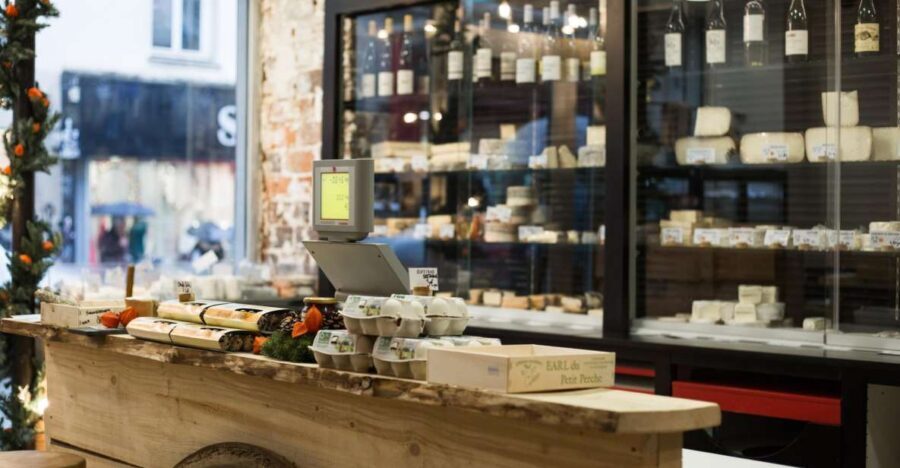
- A real cellar setting: a 17th-century vibe that makes the aging talk feel practical, not abstract
- Seven cheese tastings: multiple regions and styles so you can spot patterns in flavor and texture
- Three wine pairings: each pour is meant to match a cheese, so you learn what changes when you switch
- Bread on the table: fresh baguette for resets between pairings
- Small-group attention: you get more than one-way tasting, with time to ask questions
- English instruction: easy to follow, especially if French isn’t your strength
Finding Musée Vivant du Fromage in Paris
The meeting point is Musée Vivant du Fromage, 39 rue Saint Louis en l’île, 75004 Paris. This is a helpful start, because you’re not hunting for a “mystery location.” It’s in the part of Paris people usually associate with strolling and wandering. The best part is that the museum connection gives you context fast: you’re stepping into a space that’s already focused on cheese.
Once you’re there, you’ll meet the cheese experts (the workshop is led by an instructor/guide in English). From the start, the tone is friendly and approachable. Different guides take the lead—names you may see include Gala and Pierre, with others like Agathe and Guillaume also showing up in the role. The consistent theme is that you’re not just sampling; you’re learning how to read a cheese like a map.
Because the whole workshop is 90 minutes, it’s short enough to fit into a busy Paris schedule. That matters if you’re doing classic sights in the morning and want something different in the evening—something that feels Parisian but not another museum hallway.
You can also read our reviews of more wine tours in Paris


Inside the 17th-century cellar: why aging is the whole point
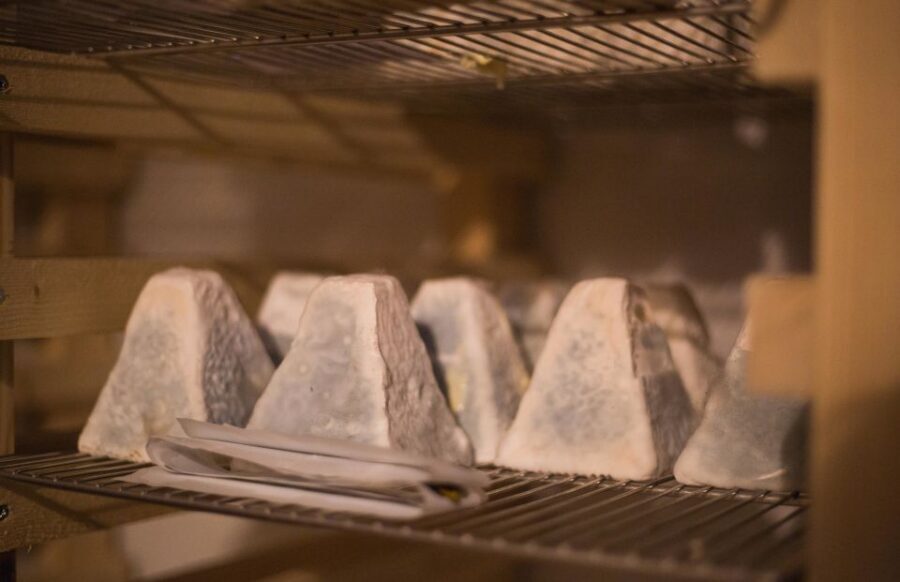
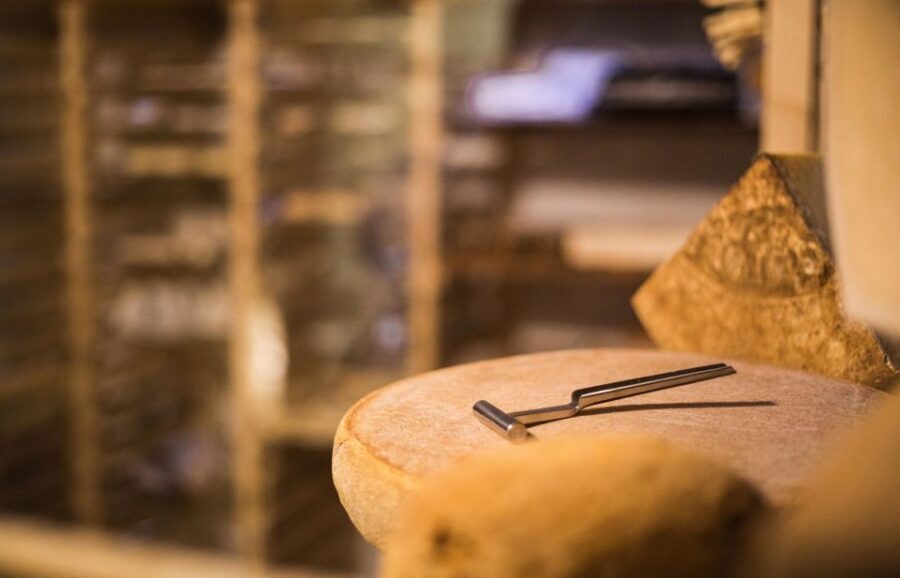
The workshop’s heart is the cellar experience. This is where the “French cheese magic” stops being magic and turns into technique. You’ll learn about traditional cheesemaking and the importance of the maturing process, while you admire the cellar’s supply.
Here’s what makes this part click for me: aging is the reason the same animal milk can become totally different flavors. In other words, it’s not only what goes in—it’s what happens over time. The cellar setting gives you a visual cue for that idea, so the explanations land better than they would in a bright tasting room.
In plain terms, you’ll be shown how cheesemakers think. You’ll hear about factors like type, milk source, texture, and why each cheese needs its own timeline. And since the tasting immediately follows the explanation, you can connect the dots right away—what you heard becomes something you can taste, not something you’ll “remember later.”
This is also the section where questions make sense. If you ever wondered why one cheese smells strong while another stays mild, this is when the guide can point you toward the “why.” The small-group setup helps here, because it’s easier to get a real answer than it is when you’re in a big crowd.
How your tasting flows: 7 cheeses, 3 wines, and fresh baguette
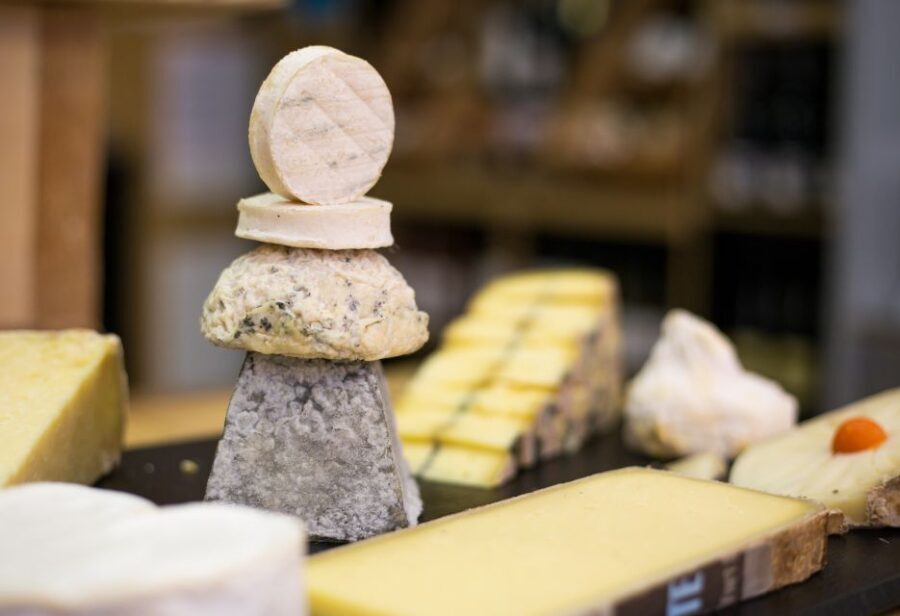
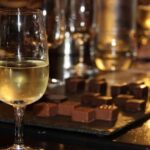
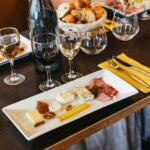
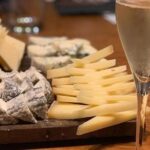
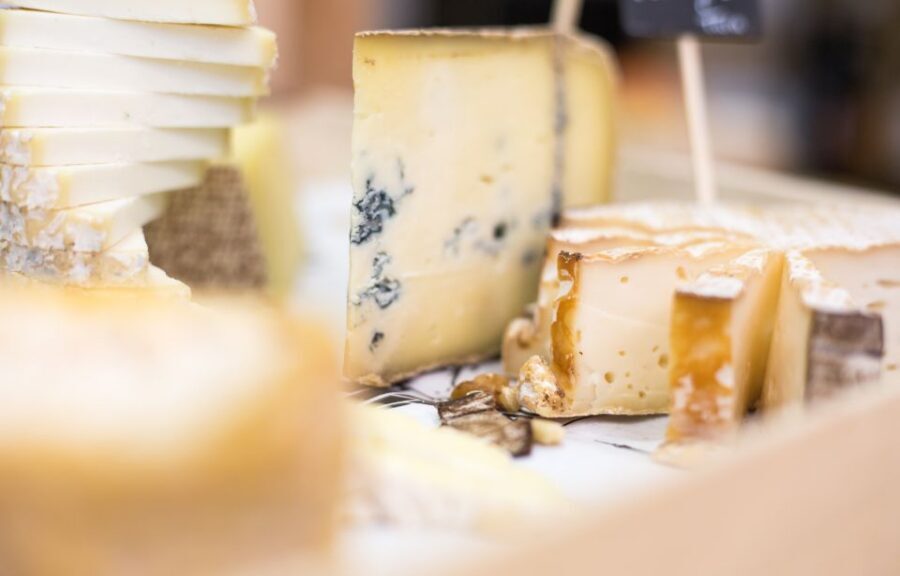
You’ll taste seven different cheeses from various regions, and you’ll pair them with three French wines. The format is built around alternation: bite the cheese, then take the wine, then compare what changes on your palate.
That structure matters. When pairing is done well, the goal is not to make everything taste good at the same time. It’s to show you how a wine can sharpen flavors, soften rough edges, or make certain notes pop. With each step, you’re training your senses to notice differences like:
- Texture (creamy versus firm versus crumbly)
- Aroma intensity
- Milk character
- Salt and tang levels
- How the finish behaves after the wine
Fresh baguettes are also included, which gives you a quick reset between tastings. You won’t feel stuck with one flavor track for the whole session. Instead, you can clear your palate enough to actually notice what the next pairing is doing.
What “pairing” teaches you (beyond just drinking wine)
If you’re a casual cheese fan, this class helps you move from preference to understanding. You’ll learn to describe what you like and why—at least in food terms that you can use at a market later.
I especially like that the guide doesn’t treat wine as a separate event. The wine is part of the lesson. You’re tasting the cheese first, then getting a second flavor angle from the wine pairing, so you learn to connect the two.
And because the class includes three wines for seven cheeses, the guide is making choices on purpose. It’s a good reminder that pairing isn’t one-to-one perfection—it’s about harmony and contrast, and sometimes one wine has to do a lot of work.
The small-group experience: more questions, better explanations
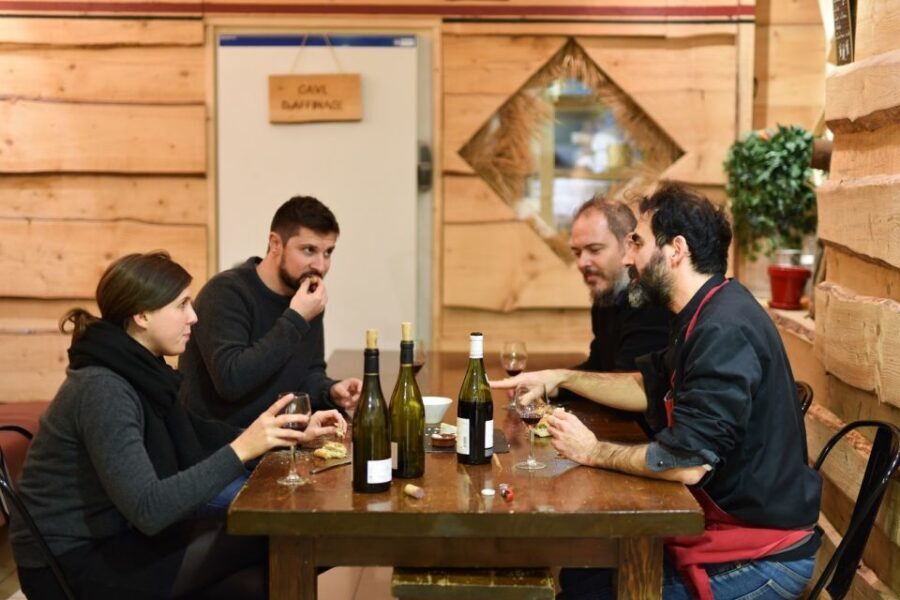
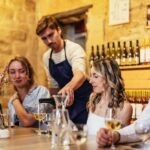
This is marketed as a small-group workshop, and that’s not just a comfort perk—it changes how much you learn. In a big tour, you get the “here’s the cheese, try it” version. Here, the guide can slow down enough to answer your specific questions.
The payoff shows up in how the class feels. Guides like Pierre and Agathe are described as interactive and quick to answer questions, and you can see why. Cheese and wine pairing gets personal fast. What you notice might be different from what I notice. Small group time makes room for those differences.
One booking also mentioned a small group size of 12, which is a sweet spot: you’re still in a group, but you’re not anonymous. If you like hands-on learning where your questions don’t get lost, this format suits you.
Also, because the workshop is taught in English, you won’t have to work too hard to follow the reasoning. You can focus on tasting and comparing instead of deciphering every sentence.
You can also read our reviews of more tours and experiences in Paris
Price and value: is $82 a fair deal in Paris?
At $82 per person for 90 minutes, this isn’t the cheapest thing you can do in Paris. But it’s also not overpriced when you look at what’s included.
You’re getting:
- A professional cheese and wine guide
- Tastings of 7 cheeses and 3 wines
- Bread
That combination is the value. Many “food experiences” in big cities charge a similar amount but give you less guidance or fewer tastings. Here, the guide is part of the product. You’re paying for someone to explain cheesemaking and pairing in a way you can actually use.
Plus, you’re not just tasting random items. You’re tasting multiple regions and styles with a pairing logic. That makes the experience more repeatable later—if you buy cheese at a market after this, you’ll likely have a better sense of what category you’re choosing and what wine type might work.
If your goal is a sit-down meal, this class won’t replace a full dinner. But if your goal is learning through eating in a very Paris way, it’s strong value for the time and the quantity of tastings.
Who should book (and who should skip)
This class fits best if you:
- Like cheese and want to learn how French cheesemaking works
- Enjoy guided tasting and pairing logic
- Prefer a small-group setting over a big, noisy tour
- Want an English experience that still feels authentically French
It’s less likely to fit if:
- You have lactose intolerance (it’s specifically noted as not suitable)
- You’re under 18, since there’s a minimum drinking age of 18 years old
- You’re traveling with pets, since pets are not allowed
If you’re the type who likes to come home with one or two foods you can confidently choose again—rather than just a fun night out—this is a good match.
Should you book this Paris cheese and wine class?
I think it’s an easy yes if you want something different from the usual Paris checklist and you care about taste, not just sightseeing. The cellar setting gives you atmosphere, but the real reason to book is the structure: cheesemaking and aging explained clearly, then immediately reinforced with seven cheese tastings and three wine pairings.
If lactose intolerance is a factor, don’t force it—find another experience where the food situation matches your needs. And if you’re not 18+, you should know that the wine element is part of the workshop.
For everyone else, this is one of those rare “small time investment, big learning payoff” experiences. In about 90 minutes, you’ll walk out with more than new favorites—you’ll have better instincts for pairing cheese with wine back in your own life.
FAQ
How long is the Paris cheese and wine class?
The class lasts 90 minutes.
What is included in the $82 per person price?
The price includes a professional cheese and wine guide, tastings of 7 cheeses and 3 wines, plus bread.
Is the instructor available in English?
Yes. The instructor/guide speaks English.
Is there a minimum age for drinking wine?
Yes. The minimum drinking age is 18 years old.
Is it suitable for lactose intolerance?
No. It is not suitable for people with lactose intolerance.
Where do I meet for the class?
You meet at Musée Vivant du Fromage, 39 rue Saint Louis en l’île, 75004 Paris.