REVIEW · PARIS
Paris: Curated Sweet Tour by a French Pastry School
Book on GetYourGuide →Operated by Ateliers Parisiens · Bookable on GetYourGuide
Six pastries. One smart plan.
This Paris sweet tour works because it pairs expert Parisian guidance with six pastry tastings you can actually finish without feeling rushed. I like that the stops are chosen for flavor variety and for what you’ll learn: the history behind each pastry and the chefs who shaped the style. The one drawback to consider is that it’s very sugar-forward—perfect if you love sweets, but less ideal if you want a lighter meal or prefer savory snacks.
You’ll keep moving through Le Marais at a comfortable pace, with short walks between bakeries and water included. The group stays small (max 8), and the guide runs live in English, French, or Spanish, which makes the whole experience feel personal rather than like a conveyor belt.
In This Review
- Maison Fleuret Sweet Stops in Le Marais: The Big Idea
- How the 3-Hour Route Actually Feels on Your Feet
- The First Bakery Stop: Getting Your Sweet Baseline
- Bakery Stops 2 and 3: Classics Meet New Paris
- The 15-Minute Walk: Le Marais Between Mouthfuls
- Bakery Stops 4 and 5: The Chef Stories That Make It Click
- The Final Bakery Stop Plus the Last Short Walk
- What Makes the Pastry-School Approach Worth Paying For
- The 1674 Dessert Idea: Why This Tour Leans Into Stories
- Price, Group Size, and Timing: Practical Expectations
- Who This Sweet Tour Suits Best (And Who Might Skip It)
- Should You Book This Paris Sweet Tour? My Take
- FAQ
- Where does the tour start and where does it end?
- How long is the Paris sweet tour?
- How many pastries are included?
- What languages is the live guide available in?
- How big is the group?
- Is water included?
- Can I cancel for a full refund?
Maison Fleuret Sweet Stops in Le Marais: The Big Idea
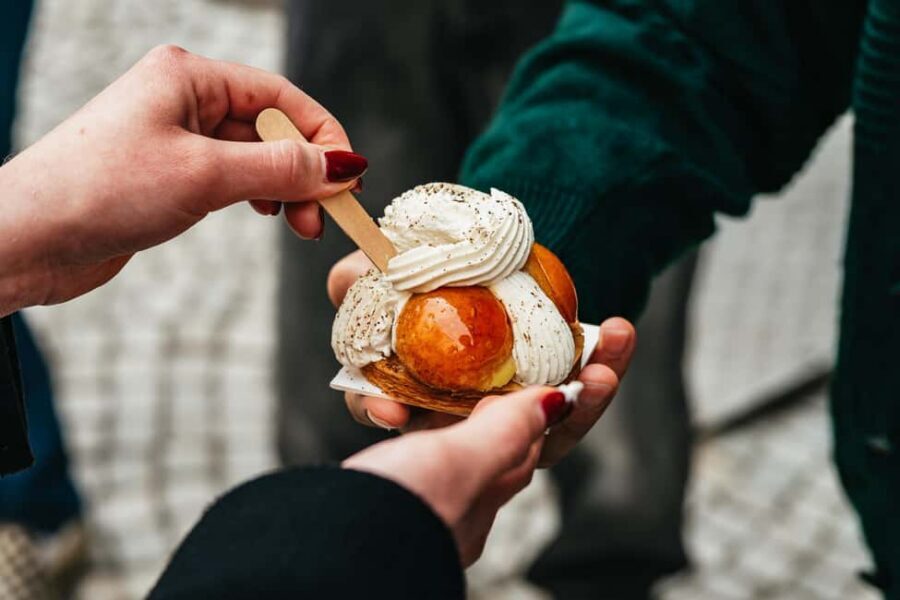
Le Marais is one of those parts of Paris where you can feel layers of the city at street level. You’ll bounce between charming lanes and older institutions, and the guide helps you connect what you see with the food you’re tasting. That matters on a tasting tour, because pastries aren’t just desserts here—they’re culture, habit, and craft.
This tour is built around a pastry school mindset (Maison Fleuret is credited as the selector), so you’re not just “trying stuff.” You’re tasting with context. Expect your guide to connect the pastries to French pastry traditions, chefs’ choices, and how the neighborhood’s life influenced what people ate and celebrated.
And there’s an extra little bonus I appreciate: one of the guides mentioned by name is Clément, and his role comes through clearly—attentive, friendly, and focused on authenticity rather than rushing you through the flavor checklist.
How the 3-Hour Route Actually Feels on Your Feet
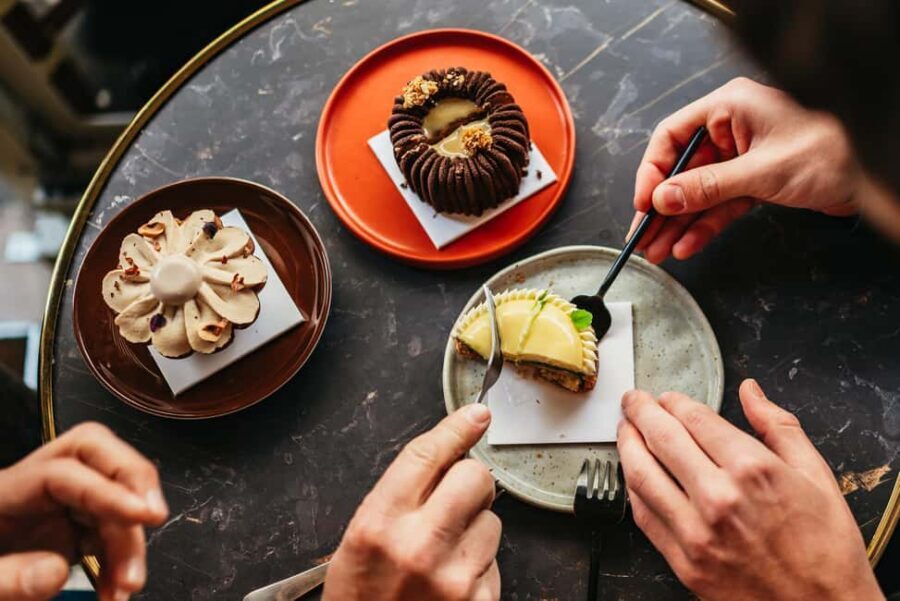
The structure is simple: six bakeries, each with about 20 minutes for tasting, plus several on-foot stretches to reset and enjoy the streets.
Here’s the pacing breakdown you should picture:
- You start in the area around 18 R. de Turbigo
- Then you hit bakery stop after bakery stop
- The walks are short (about 5 to 15 minutes at a time), so you’re never stuck in one long stretch of standing and waiting
- You finish at 6 Rue du Pas de la Mule, still in Le Marais territory
Why this matters: pastry tours can go two ways—either they’re so short you miss the story, or so long you end up too full to care. This one lands in the middle. You get enough time at each bakery to actually taste, not just sample one bite and move on, while the walks keep you alert.
You can also read our reviews of more tours and experiences in Paris.



The First Bakery Stop: Getting Your Sweet Baseline
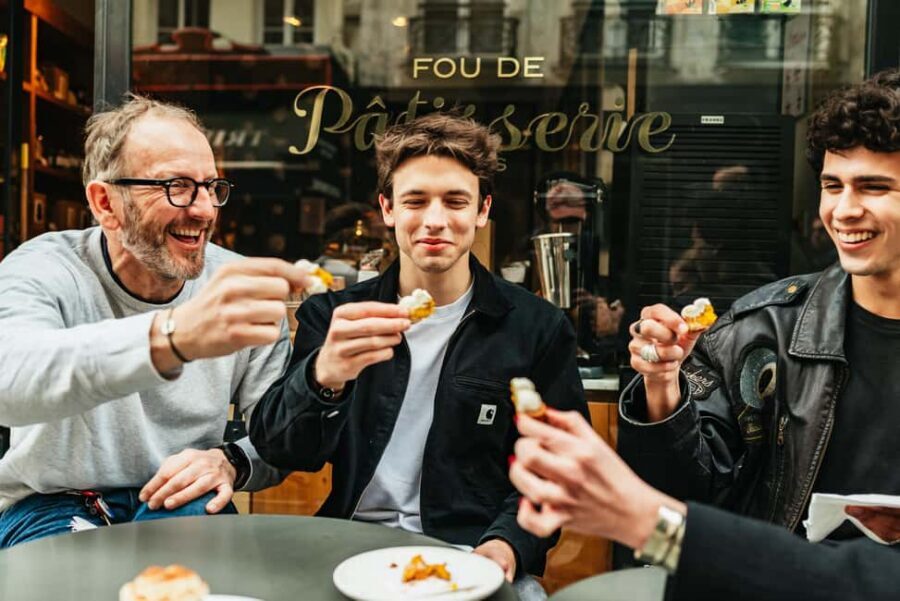
Your first tasting is a quick warm-up, but it’s not random. The goal is to establish what kind of French pastry style the group will be exploring across the 3 hours.
At this first stop, you’ll likely get a guided introduction to:
- what pastry style you’re about to try
- how it’s made or why it became popular
- what to notice in the texture and flavor balance
Practical tip: keep your water within reach and don’t drink too much right before you taste. A little sip helps, but too much can dull flavor perception.
Potential drawback: because you’re starting with sugar right away, if you’re prone to feeling overwhelmed, you’ll want to pace yourself from bite one. This isn’t a “wait until dessert” tour—it’s the dessert.
Bakery Stops 2 and 3: Classics Meet New Paris
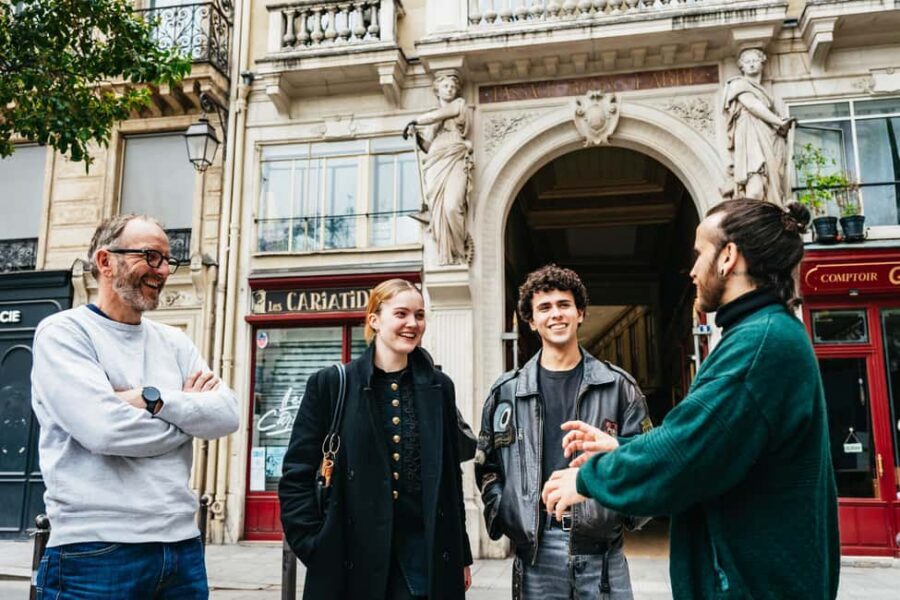
One of the most useful parts of this tour is the mix of pastry types across multiple shops. The description emphasizes both well-known classics made by modern, high-skill chefs and “new Paris” pastry ideas from shops you might not find alone.
So your second and third bakery stops are where you’ll probably notice the range most:
- one stop may lean into a classic French profile
- another might highlight a more recent style from the current Paris scene
- the guide should connect what you’re tasting to why that approach exists in French pastry culture
Why this works for you: if you usually eat sweets by habit, you may not realize that pastry style is an entire language—crust to crumb, cream texture, sweetness level, and even how the pastry is meant to be eaten at room temperature or slightly chilled.
If you’re someone who likes to understand the why, this section is where you’ll feel the most payoff.
The 15-Minute Walk: Le Marais Between Mouthfuls
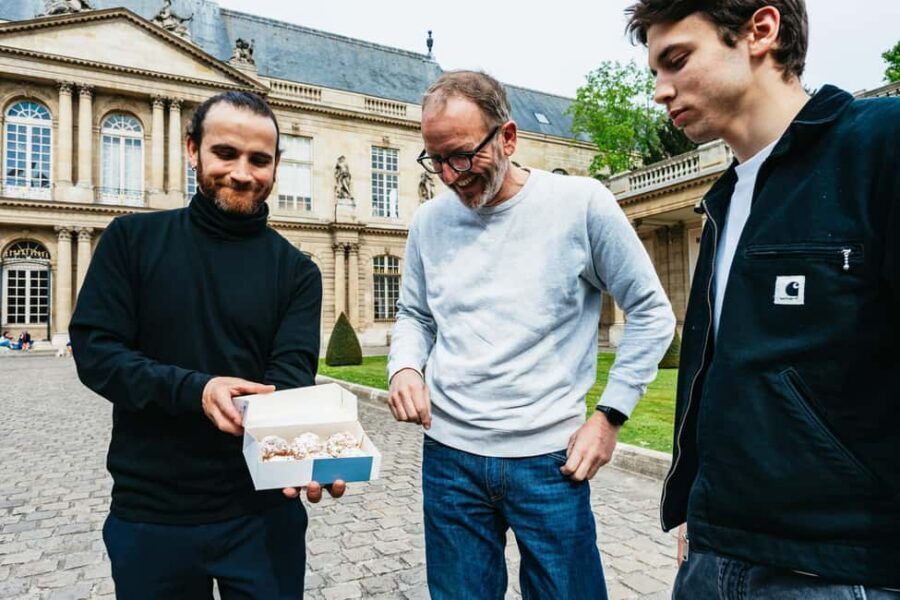
After those early tasting rounds, there’s a longer on-foot break (about 15 minutes). This is more than just transit. It’s when the guide can place pastries into neighborhood context.
You’re in Le Marais, so expect talk that connects:
- local life and social rituals around food
- how craft and tradition shaped daily culture
- why people in this area treated desserts as a point of conversation, not just a finish
Practical tip: use this walk to reset your palate. Don’t just look at phones—watch what’s around you. When the next bakery stop hits, you’ll get more out of it.
Bakery Stops 4 and 5: The Chef Stories That Make It Click
By the middle-to-late part of the tour, the tasting experience becomes more than flavor. This is where the guide’s knowledge starts feeling like a thread running through everything.
Your tastings here should connect to:
- the history behind the pastries
- the chefs and techniques that shaped the style
- what makes these options worth choosing in a city full of bakeries
This is also where you’ll benefit from the guide’s personality. One review highlighted the guide’s care and attention—especially the way Clément helped the group discover the Marais through the lens of gourmandise (the pleasure of good food), with history and authenticity in plain language.
Practical tip: if you like to take notes, jot down one thing you liked most at each stop: not the pastry name, but the texture or the flavor moment. That helps you remember later.
Possible drawback: by this point, you’re likely about halfway through the sugar total. If you’re sensitive, you may need to slow down and take smaller bites. You’re not racing anyone.



The Final Bakery Stop Plus the Last Short Walk
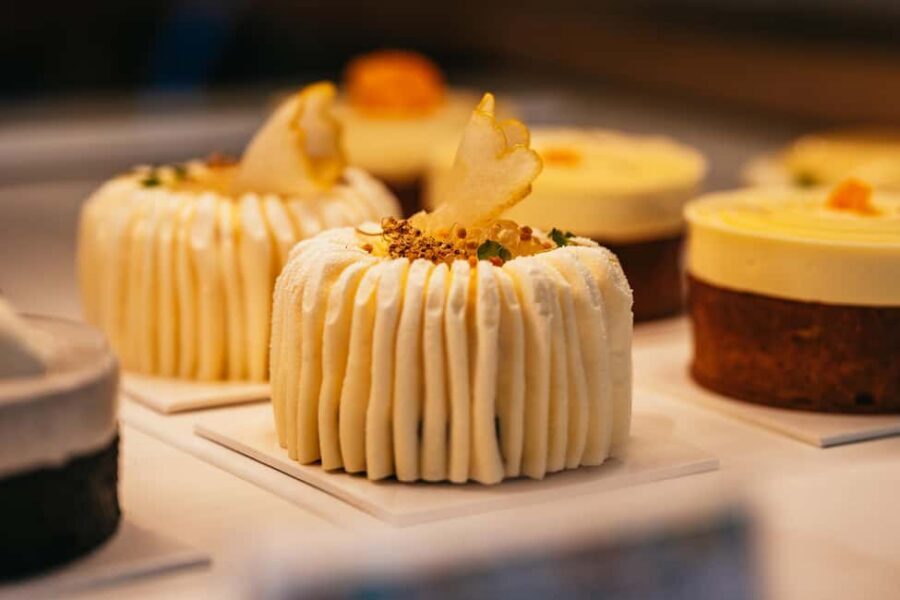
The last tasting is your chance to land on what you truly like. By now, you’ve sampled enough variety that your “favorite” is more likely to be real, not just the sweetest-looking one.
The final on-foot segment is short (around 10 minutes), so the day doesn’t drag. It also helps to end while you still enjoy the last few bites, rather than stumbling into the finish feeling stuffed.
Where you finish—6 Rue du Pas de la Mule—keeps you close to more wandering options in the area. If you want to keep exploring after the tour, you’re already set up in a neighborhood designed for it.
What Makes the Pastry-School Approach Worth Paying For
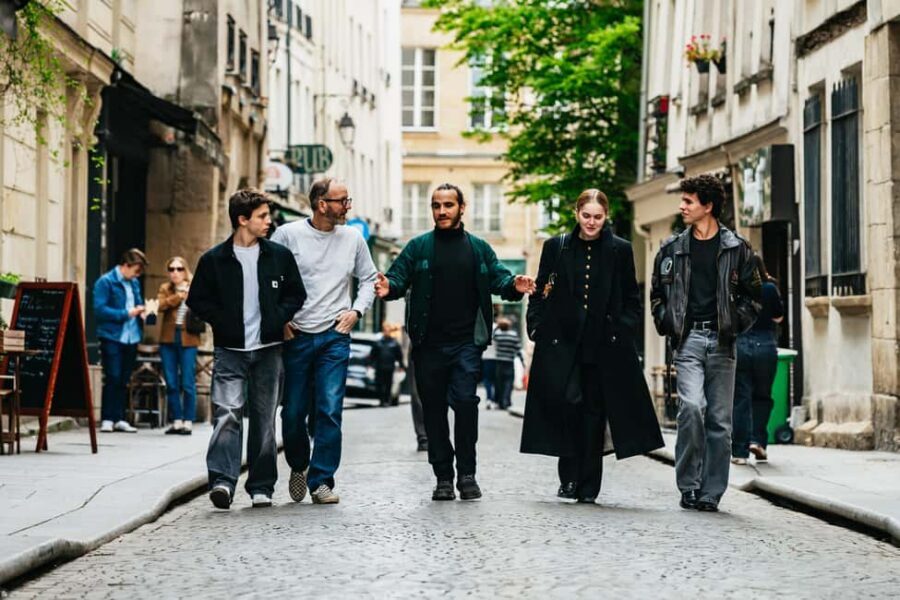
At $106 per person for about 3 hours, you’re not paying only for pastries. You’re paying for translation—between French pastry craft and your ability to notice it.
Here’s the value I see from the structure:
- Six different pastries in a planned sequence (instead of random ordering)
- Water included, so you can actually keep tasting without suffering
- A passionate guide who explains history and influence, not just recipes
- A short walk schedule that keeps the experience moving at human speed
- A recommendations list for Paris & Versailles, which is useful if you want the next step after this tour
Small group size helps too. With up to 8 people, there’s room for real questions and for the guide to adjust pacing if someone needs a moment.
So yes, it costs more than buying one pastry. But the cost buys context, variety, and a guided route that saves you decision fatigue.
The 1674 Dessert Idea: Why This Tour Leans Into Stories
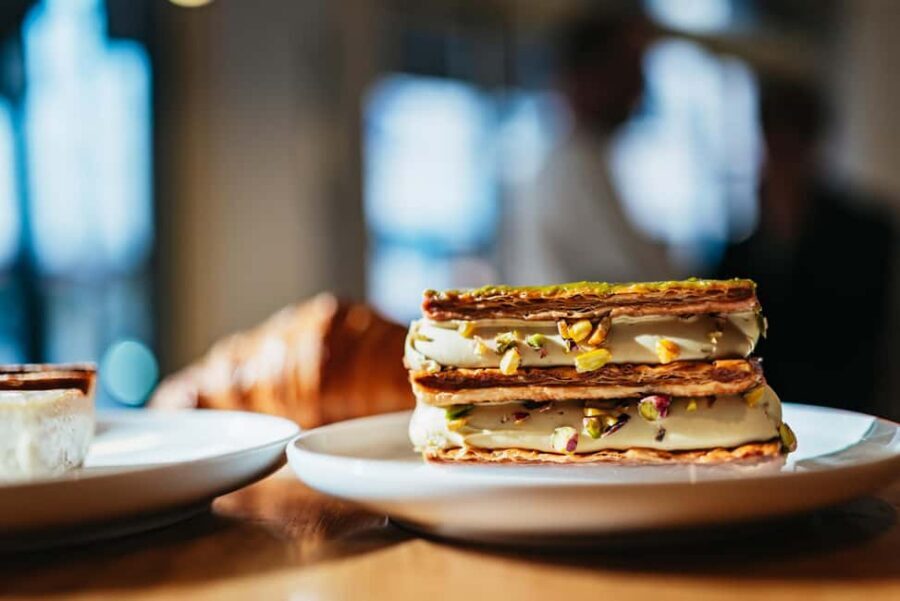
One of the coolest parts of this sweet tour is that it doesn’t treat dessert as an afterthought. There’s a historical reference to L’art de bien Traiter (1674), attributed to mysterious initials L.S.R. The text frames desserts as a social turning point—where conversations start, wit appears, and the best news gets shared.
Whether you read old French books for fun or not, that idea matches what you’ll experience in Le Marais today. Pastry here feels tied to meetings, celebrations, and neighborhood rhythm. Your guide uses that lens to show how pastry traditions influenced culture and lifestyle, not just how they taste.
If you like food history that actually connects to real life, you’ll appreciate this angle.
Price, Group Size, and Timing: Practical Expectations
Let’s make this easy to judge for your own trip.
- Duration: 3 hours total
- Stops: 6 bakeries, about 20 minutes each
- Walk time: short segments between shops (so plan on comfortable shoes)
- Group size: limited to 8 participants
- Languages: English, French, Spanish
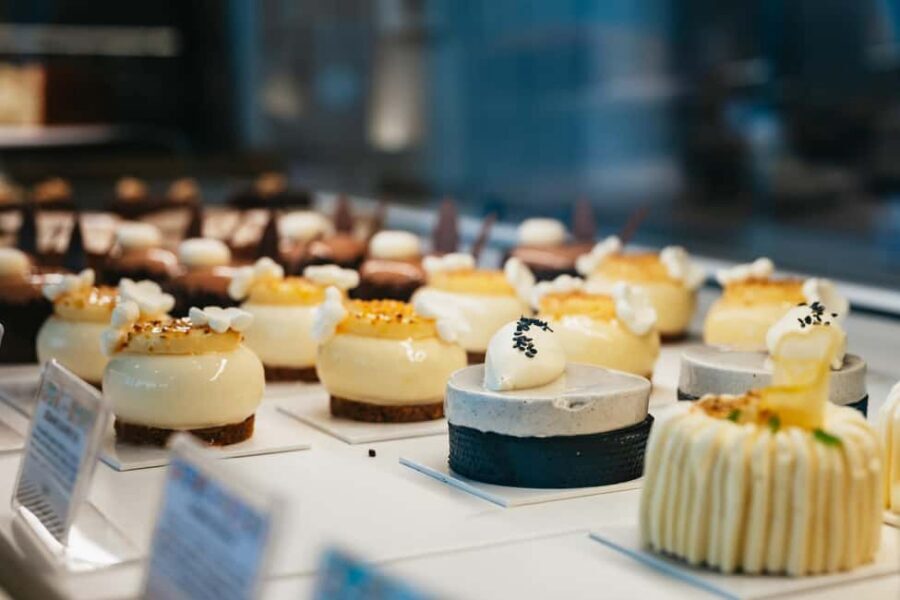
- Included: 6 different pastries and water
At $106 for six pastries, you’re effectively paying for guidance and pacing as much as the food. If you were to do this solo, you’d spend time choosing shops, figuring out what to order, and trying to learn the story while standing in line. This tour streamlines that.
One consideration: since it’s a tasting-focused format, don’t schedule a heavy dinner right afterward. Plan something lighter or a late café stop if you’re still in the mood.
Who This Sweet Tour Suits Best (And Who Might Skip It)
This experience is a great match if:
- you love learning alongside eating
- you want a structured way to sample multiple French pastry styles
- you enjoy Le Marais and want the neighborhood explained through food
- you like small-group tours with a live guide
It may not be your best bet if:
- you don’t eat sweets often or you get full fast
- you want mostly savory food
- you prefer long museum-style pacing rather than short, frequent tastings
Should You Book This Paris Sweet Tour? My Take
If your goal is a focused, tasty Paris experience that blends six bakery stops with guide-led history and chef context, I think this tour earns its place. The pacing is built for enjoyment, not endurance, and the small group size keeps the stories personal. Plus, starting in Le Marais and finishing nearby makes it easy to keep exploring right after.
Book it if you’re the kind of traveler who thinks food is part of the city’s identity. Consider skipping or pairing it with a lighter plan if you’re sensitive to sugar or prefer savory-only eating.
FAQ
Where does the tour start and where does it end?
You start at 18 R. de Turbigo and finish at 6 Rue du Pas de la Mule, 75003 Paris, France.
How long is the Paris sweet tour?
The tour lasts 3 hours.
How many pastries are included?
You’ll taste 6 different pastries.
What languages is the live guide available in?
The guide offers the tour in English, French, and Spanish.
How big is the group?
The group is limited to 8 participants.
Is water included?
Yes, water is included.
Can I cancel for a full refund?
Yes. Free cancellation is available up to 24 hours in advance for a full refund.