REVIEW · PARIS
Paris: Eclair and Choux Pastry Making Class
Book on GetYourGuide →Operated by Ateliers Parisiens · Bookable on GetYourGuide
A sweet class in Paris changes how you see dessert. This hands-on session teaches you the mechanics behind choux pastry and éclairs, then gets you building your own versions with fillings and toppings. It’s practical cooking, not a lecture, and it all happens in the heart of the city.
I love the way the chef-led flow takes you from dough basics to finished pastries you can actually reproduce later. You’ll also appreciate that you get a recipe booklet plus time to personalize, including options like craquelin and chantilly that make the result feel very French.
One drawback to plan for: the workshop language is French, and at least one past participant noted the final recipes were only available in English, which can be a little uneven if you’re expecting the step-by-step notes to mirror the class language.
In This Review
- Key things I’d circle before you book
- What You Learn: Choux Pastry Secrets That Actually Matter
- The Classroom Setup in Paris: How the 150 Minutes Usually Runs
- Step-by-Step: From Choux Dough to Éclairs You Can Customize
- The Craquelin and Chantilly Moment That Makes It Feel Like Real Paris
- Take-Home Value: Recipes, Techniques, and What You’ll Repeat
- Price and Value: Why $159 Can Make Sense for Skill-Building
- Who This Class Fits Best (and Who Should Skip It)
- Quick Practical Tips Before You Go
- Should You Book This Paris Éclair and Choux Class?
- FAQ
- How long is the Paris eclair and choux pastry making class?
- Where is the meeting point?
- What is included in the price?
- Is transportation included?
- What language is the class taught in?
- Is the class suitable for young children?
Key things I’d circle before you book
- Hands-on choux and éclair practice with a professional chef guiding your hands, not just your head
- Personalization time for fillings and toppings, so your pastries don’t all taste the same
- French pastry details you’ll recognize like craquelin-style crunch and chantilly-style cream
- Take-home results plus a recipe booklet so you can bake again at home
- Small, flexible feel that can turn into a more personal experience (including 1:1)
What You Learn: Choux Pastry Secrets That Actually Matter
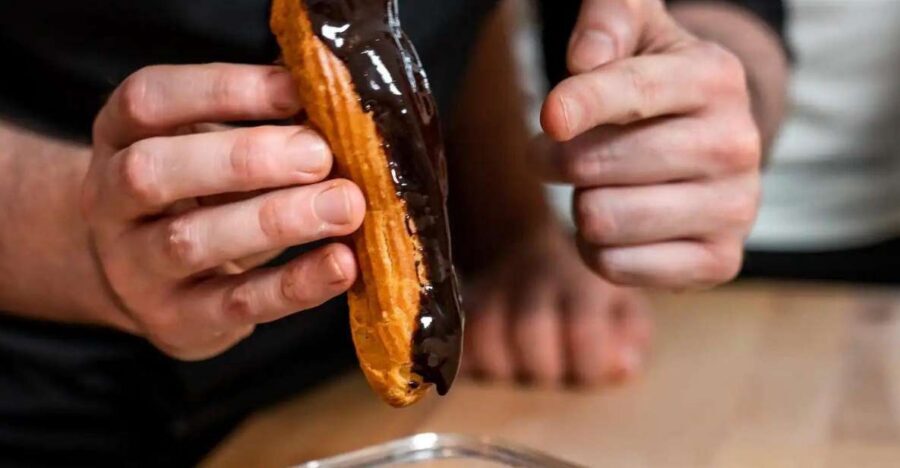
Let’s be honest: choux pastry has a reputation. People think it’s fragile, fussy, and reserved for professionals with pastry-school credentials. Here’s the good news—you’re not just watching a chef. You’re getting coached while you make the dough and shape it into choux and éclairs.
The core value is that you learn the logic behind the technique. Choux pastry is all about getting the dough to behave correctly, then letting it transform in the oven into the airy shell you want for éclairs and cream-filled bites. Even if you’re a beginner, working through the steps with instruction helps you avoid the common mistakes people make at home, like rushing the mixture or not aiming for the right consistency.
You’ll also get exposed to pastry components that show up all over Parisian shops. One standout example from past classes: participants specifically called out learning about craquelin and chantilly. That matters because craquelin gives you a kind of controlled crunch, while chantilly-style cream is all about texture—light, smooth, and pipeable. If you’ve ever wondered why some éclair shells look perfect and others look… sad, this is the kind of detail that makes a difference.
You can also read our reviews of more tours and experiences in Paris

The Classroom Setup in Paris: How the 150 Minutes Usually Runs
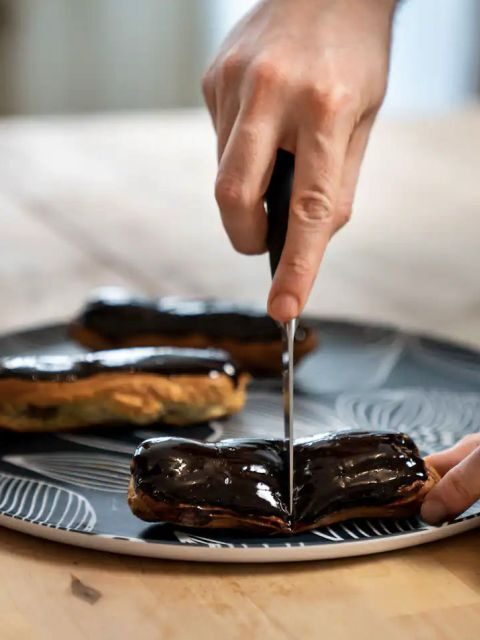
This is a 150-minute workshop, and it moves with enough structure to keep you on track. You’ll start by meeting your group at the assigned time, in front of the grey door at the meeting point. From there, the class is organized around making pastries step-by-step with an instructor.
Because the workshop is hands-on, you should expect active time at the counter: mixing, shaping, and assembling. The pace is part of what makes it fun. You’re not waiting around for long stretches while everyone watches. The aim is for you to leave with pastries you made and the confidence to repeat the process at home.
A quick note on language: instruction is French. That doesn’t mean you’re totally lost if you speak limited French, but you should be comfortable following cooking directions and visuals. If you don’t read much pastry vocabulary in French, you may still do fine because a lot of the guidance is practical (watch, copy, correct, try again). Still, it’s worth going in with that mindset.
Step-by-Step: From Choux Dough to Éclairs You Can Customize
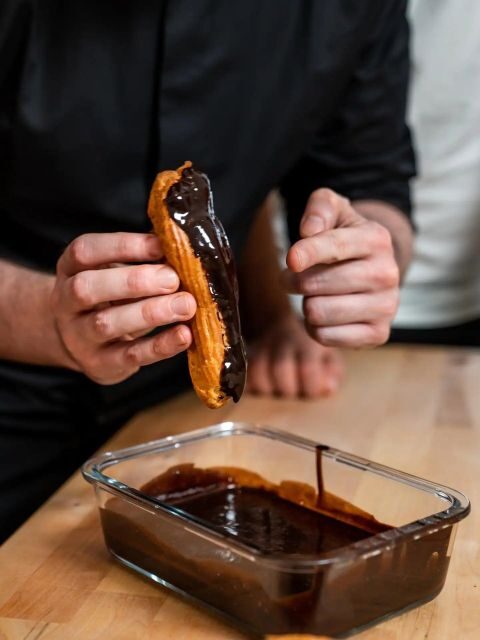
The heart of the experience is your choux-to-déssert workflow—making the dough base and then turning it into either choux pastries or éclairs. The chef coaching is what helps you nail consistency and technique. Several past participants praised the organization and the clarity of teaching, including one mention of Guillaume and another of Morgan as instructors who guided people through each step.
What I like about the format for a visitor is that you get both types of outcomes:
- You learn choux in a way that translates to multiple shapes
- You learn enough about assembly to build your own éclair variations
Then comes the fun part: personalization. The class is designed to let you customize your creations with different fillings and toppings. You’re not just making one “correct” version. That flexibility matters because it turns the workshop from a one-off souvenir into a skill you can tailor later at home—chocolate lovers can go heavier, classic-leaning eaters can stay close to traditional profiles, and adventurous bakers can mix textures.
If you want a mental checklist, think about three phases:
- Build the choux foundation properly
- Shape it into the pastry form you want
- Fill and finish so the final bite matches what you imagined
The Craquelin and Chantilly Moment That Makes It Feel Like Real Paris
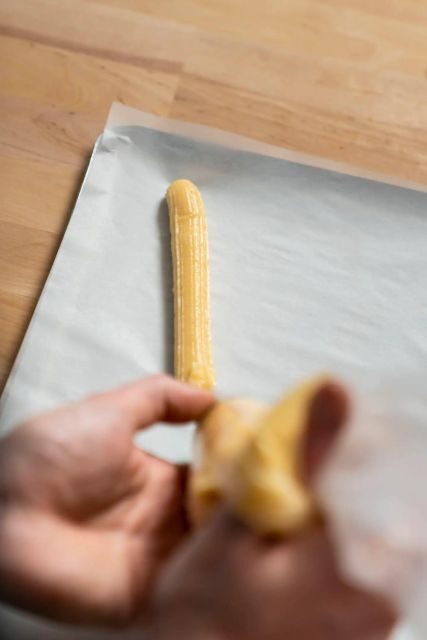
Some cooking classes stop at basics. This one goes a bit further into pastry components you’ll see in real shops.
From participant feedback, two elements were especially memorable:
- Craquelin, the crunchy top layer idea that adds character to choux-based pastries
- Chantilly, a cream texture that brings elegance and balance to an éclair
Even if you don’t have a pastry background, learning these pieces helps you understand what separates a generic pastry from a truly French-feeling one. It’s also a confidence booster: you’re not just leaving with something edible. You’re leaving with knowledge you can reuse.
If you’re the kind of traveler who likes “authentic,” this is your lane. It’s not about touring landmarks while eating pastries. It’s about making something that requires technique, then understanding why the technique works.
Take-Home Value: Recipes, Techniques, and What You’ll Repeat
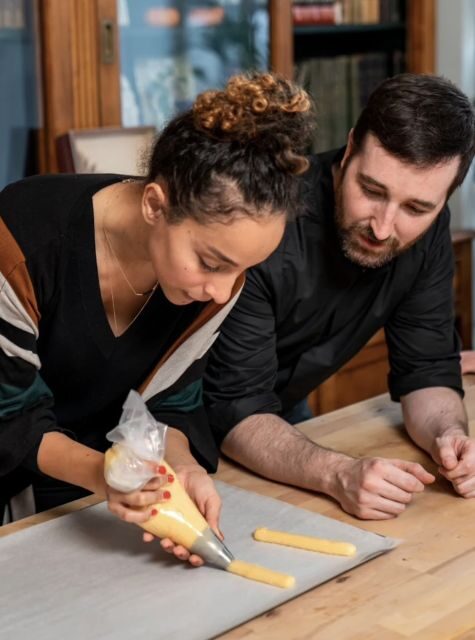
A big part of the value proposition here is what happens after the class. You get a recipe booklet, and you also take home the pastries you created. That combination is important.
At home, you’ll thank yourself for writing down quantities and understanding the logic. One past participant wished the class provided the recipe in parallel as actions and quantities happen. That’s a fair point to consider. If you’re the type who likes to track exact amounts at every moment, you may want to be ready to copy details as you go or rely on your final booklet afterward.
Still, the practical benefit is real: you leave with both the output (something you baked) and the tools (a booklet) to recreate it. And because choux pastry skills transfer across shapes, the techniques can feed multiple future bakes—think choux, éclairs, and other cream-filled pastries.
Also, several participants said they plan to bake again at home using the chef’s tips and tricks. That’s a strong signal that the class isn’t just about the final dessert. It’s about how to get there consistently.






Price and Value: Why $159 Can Make Sense for Skill-Building
At $159 per person for a 150-minute class, you might compare it to other Paris food experiences like guided tastings or casual cooking demos. This one is different because it’s chef-led, ingredients are included, and you get tangible take-home results.
Here’s how I’d think about the value:
- Time with a professional pastry chef guiding your technique
- All necessary ingredients are handled for you
- You leave with pastries you made, not just a small bite and a photo
- A recipe booklet helps turn the experience into a repeatable skill
- A drink during the workshop is included
If you’re traveling solo and want a structured activity that feels special without requiring restaurant reservations, this is a strong option. If you already bake a lot at home, you’ll likely enjoy the focused technique practice. And if you’re new to baking, the guided coaching helps you avoid the usual trial-and-error spiral.
In plain terms: you’re paying for instruction plus hands-on results. That’s usually where cooking classes deliver their best value.
Who This Class Fits Best (and Who Should Skip It)
This workshop is a great match if you:
- Want a hands-on Paris activity that teaches real technique
- Enjoy baking and want skills you can use again at home
- Like desserts, but prefer learning over just tasting
It’s also a good fit for couples and friends because sharing a table makes the making process feel social while still staying focused. Past feedback even points to the possibility of a more personalized feel in smaller setups, including a 1:1 experience when someone was the only participant in the group.
On the flip side, it may not be ideal if:
- You need instruction in English (the class language is French)
- You’re looking for a sightseeing-heavy day instead of a cooking-centered one
And it’s not suitable for children under 5 years. Also, the class doesn’t allow pets or alcohol and drugs, so plan your day accordingly.
Quick Practical Tips Before You Go
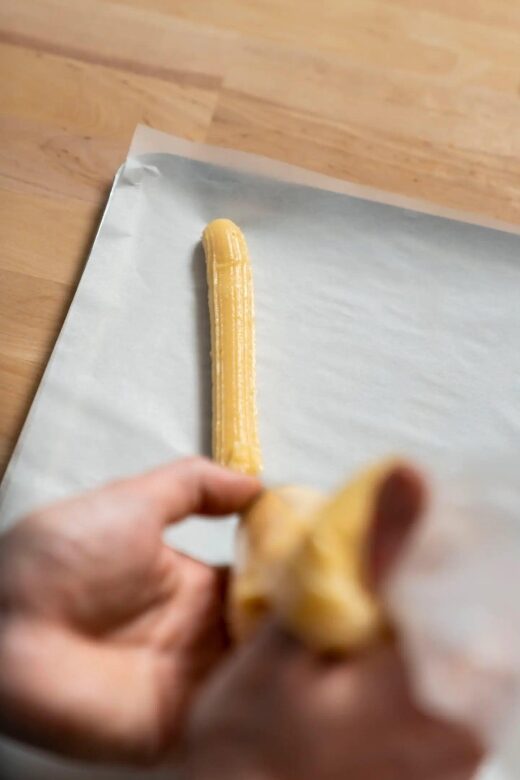
A little prep helps you get the most out of the time.
Wear something you don’t mind getting pastry-dust or light flour on. Even with careful stations, cooking classes are messy by nature. Also, since you’re working with techniques, be ready to focus for the full 150 minutes.
If your French is basic, don’t panic. You can still follow a lot through demonstration and the rhythm of the instructions. Just keep the goal in mind: consistency, shaping, and finishing your éclairs and choux.
Finally, show up at the meeting point on time—in front of the grey door at your reservation time—so you don’t cut into your hands-on making.
Should You Book This Paris Éclair and Choux Class?
Yes, if you want a chef-guided cooking experience that leaves you with both skills and real take-home pastries. The strongest reasons to book are the hands-on structure, the ability to personalize, and the fact that you’ll learn recognizable French pastry components like craquelin and chantilly.
Maybe skip it if you strongly prefer instruction in a language you’re fully comfortable with, or if you’re the type who needs recipes displayed step-by-step in real time. Still, with the recipe booklet included, you have a built-in way to refresh your memory after class.
If you’re planning one “skill day” in Paris, this is one of the better choices for turning the city’s desserts into something you can reproduce back home.
FAQ
How long is the Paris eclair and choux pastry making class?
The workshop lasts 150 minutes.
Where is the meeting point?
Meet in front of the grey door at the time of your reservation.
What is included in the price?
You get professional pastry chefs, all necessary ingredients, a recipe booklet, and a drink during the workshop.
Is transportation included?
No. Transportation is not included.
What language is the class taught in?
The instruction language is French.
Is the class suitable for young children?
The class is not suitable for children under 5 years.