REVIEW · PARIS
Paris: French Revolution Walking Tour
Book on GetYourGuide →Operated by Mon Petit Paris · Bookable on GetYourGuide
Paris gets dark fast. This 2-hour walk threads the streets of 1789 Paris through conspiracy, intrigue, and the violence that followed, with English guides like François or Louis making moments from the Revolution feel close-up and real. I also love the tight pacing, where a complicated topic gets shaped into a story you can actually follow without needing a textbook.
You’ll start near Place du Châtelet and finish with the emotional pull of the storming of the Bastille, guided by a step-by-step build-up that helps the “why” click, not just the “what.” The one drawback to keep in mind: it’s short, so the walk can’t cover every major Paris landmark you might associate with the period, and the route may zigzag rather than march in strict calendar order.
In This Review
- Key takeaways before you go
- Revolution in 2 hours: what this walk really delivers
- Finding your guide at Fontaine au Sphinx on Place du Châtelet
- The route’s emotional arc: from early unrest to the Bastille
- Louis XVI and Marie Antoinette: tragedy explained in real-world geography
- Treasures, clues, and street-level storytelling
- Churches, the Marais feel, and how neighborhoods shaped the Revolution
- Pacing, sound, and group energy (what makes the walk enjoyable)
- Price and value: why $46 can make sense
- Who should book this tour—and who might want a different plan
- Should you book the Paris French Revolution Walking Tour?
- FAQ
- Where is the meeting point for the tour?
- How long is the French Revolution walking tour?
- Is the tour guided, and what language is offered?
- What is included in the price?
- Is hotel pickup or drop-off included?
- How much does the tour cost?
- Is there a free cancellation option?
- Can I reserve and pay later?
- Is the tour wheelchair accessible?
Key takeaways before you go
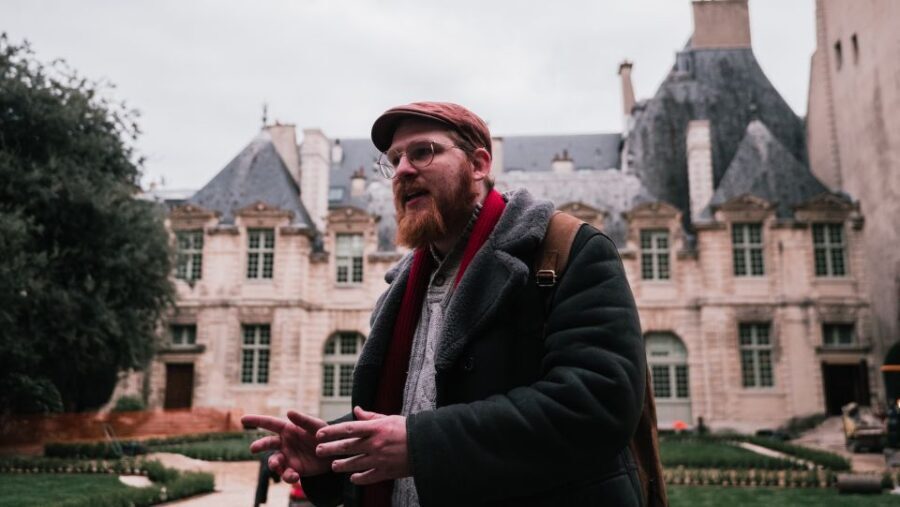
- Meet at Fontaine au Sphinx on Place du Châtelet for an easy start point.
- A 2-hour story arc that moves from early tension toward the storming of the Bastille.
- Royal tragedy in street context, including what happened to Louis XVI and Marie Antoinette.
- Guides with real stage presence show up across groups, with names like François, Louis, Fran, Guillaume, Sam, Amber, and Ilan cropping up in past experiences.
- Churches and neighborhood geography matter, with extra attention to how people and power shifted across the city.
- There’s usually a short comfort pause, because 2 hours of historical intensity still needs a breather.
Revolution in 2 hours: what this walk really delivers
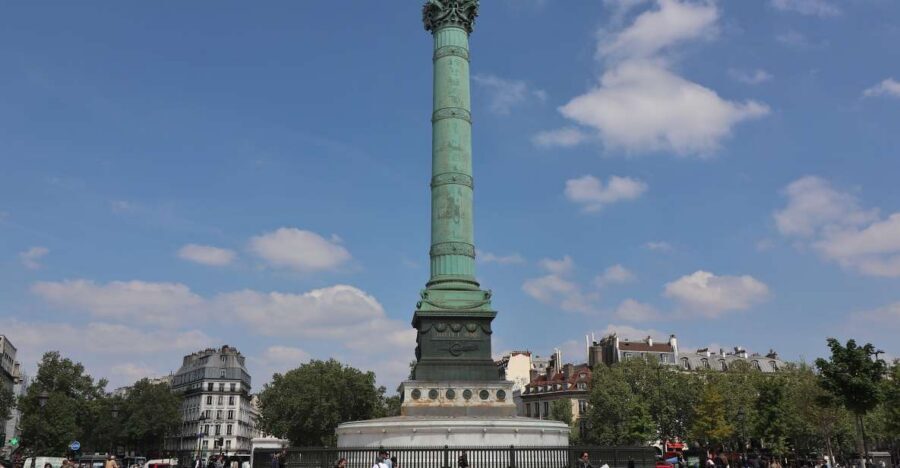
This is not a classroom lesson where dates sit on a page and nobody sweats. The format is a walking story built around Paris locations tied to the Revolution’s most dangerous turning points: conspiracy, propaganda, panic, and punishment. You’ll hear the names you already know, but you’ll also see how the city’s layout and public spaces helped push events forward.
The biggest value is that the guide shapes chaos into an understandable timeline. You get a sense of how years of pressure can compress into weeks, and how public anger, political power plays, and rumor all feed each other. It’s the difference between knowing the Revolution happened and understanding why it happened here, on these streets, with these crowds.
You can also read our reviews of more walking tours in Paris



Finding your guide at Fontaine au Sphinx on Place du Châtelet
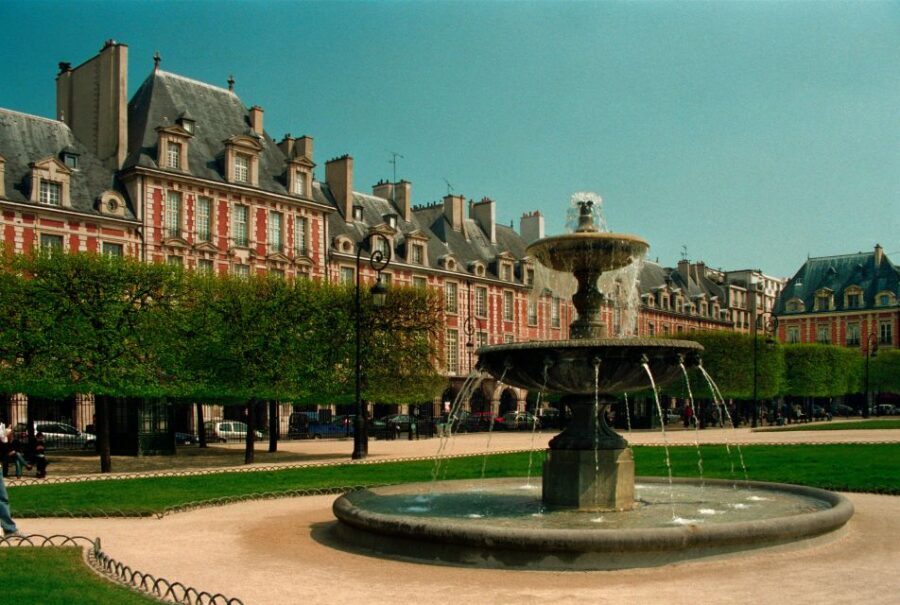
Your starting point is specific: meet your guide in front of the Fontaine au Sphinx on Place du Châtelet. That matters because this tour lives on walking momentum. Arrive 10 minutes early, not five, and do yourself a favor by checking what the fountain looks like before you get there.
One small caution from past experience: the meeting spot can be busy, and signage may be subtle. If you don’t spot your guide fast, don’t wander for ages—ask nearby people where tours typically gather, or scan the area for the group that looks like it’s forming. You’ll enjoy the tour more if you start with your bearings, not with a mini scavenger hunt of your own.
The route’s emotional arc: from early unrest to the Bastille
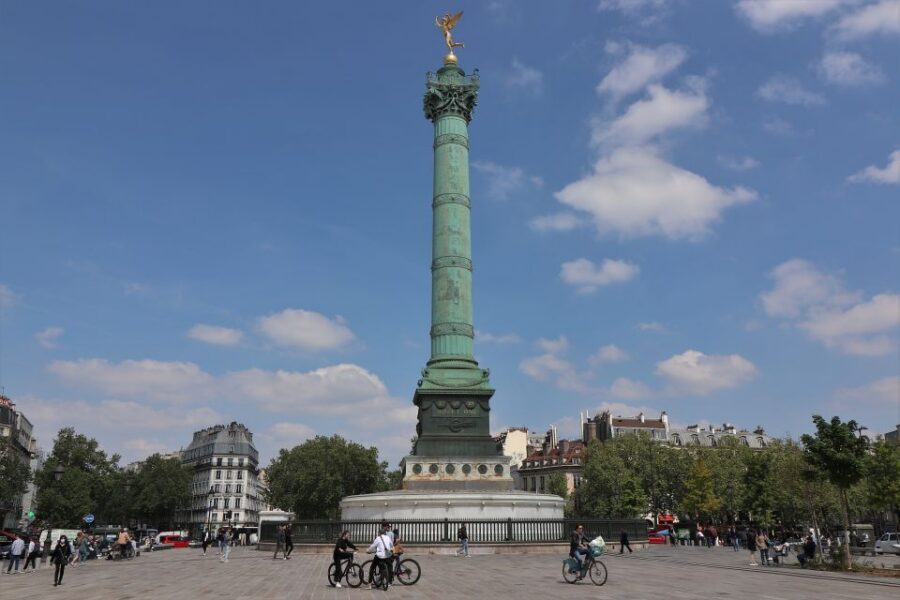
Even without a strict “march through history in order” feel, the tour’s structure helps your brain. You’re guided through a narrative that builds, rather than a random list of landmarks. One common thread: a day-by-day account leading up to the storming of the Bastille on 14 July 1789.
That build-up is where the tour earns its keep. It explains how earlier tension feeds later action. It also clarifies that revolutionary energy didn’t appear fully formed—it grew out of public life, politics, and the way Parisians moved through their city day after day. By the time you reach the final moments, the event lands with weight because the guide has already set the emotional stakes.
If you’re the type who normally thinks, I get the gist, then the walk changes your pace. It turns the Revolution into cause-and-effect, with Paris as the stage.
Louis XVI and Marie Antoinette: tragedy explained in real-world geography
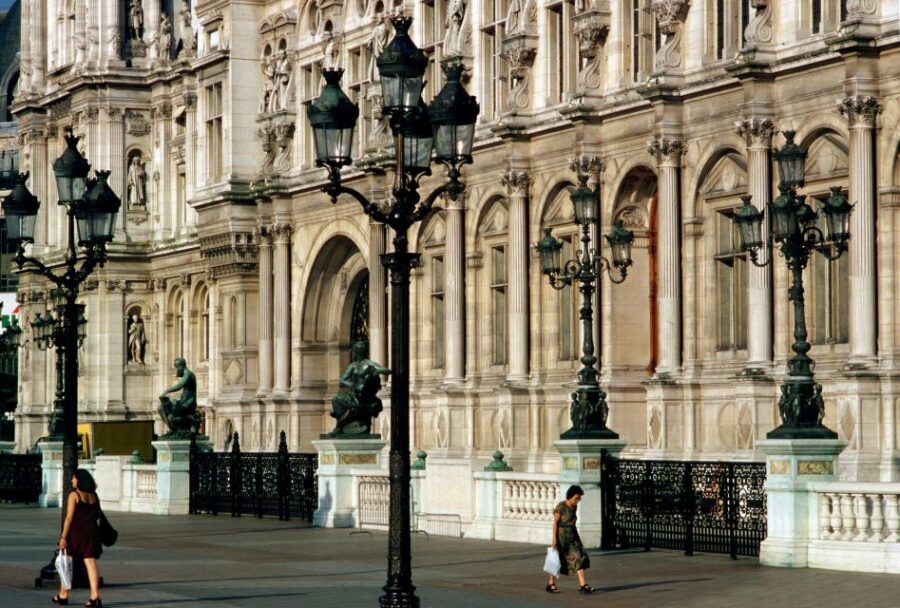
A lot of tours say the guillotine happened. This one focuses on how the Revolution turned living people into symbols—and how that shift played out in public life. You’ll learn about Louis XVI and Marie Antoinette and when each faced the blade, but what sticks is the framing: why these deaths mattered so much, and why they were used to send a message.
I like this approach because it stops the story from becoming pure spectacle. Instead of treating execution as just a shocking beat, the guide connects it to the Revolution’s political goal: breaking legitimacy, escalating fear, and hardening resolve.
The tour also mentions darker “what-if” strands—turning points where one decision or prophecy helped nudge events toward catastrophe. You don’t need to know every theorist or faction name to follow along. The guide keeps tightening the story until it clicks.
Treasures, clues, and street-level storytelling
The tour is pitched as a kind of treasure hunt through the city’s past. You’re not just listening—you’re looking. There are hidden objects to notice and long-forgotten tales to pick up along the route. It’s a small shift, but it changes everything.
On this kind of walk, you start paying attention to details you’d otherwise ignore: architectural clues, street corners that explain how crowds could gather, and small historical threads that make the big events feel less abstract. Even when you only catch fragments, it adds up to a stronger mental map.
And yes, the stories can include murder and massacre. The guide doesn’t shy away from the brutality, but the point isn’t shock for shock’s sake. The goal is to show how a political movement can turn into a machine.






Churches, the Marais feel, and how neighborhoods shaped the Revolution
You’ll spend time around areas that help explain the Revolution as a citywide process, not just a single square moment. Churches show up in the story, along with the way public belief, public space, and public tension collided.
Some of the path is aimed toward the Marais area, and that helps because the Marais feels like the kind of place where older Paris and newer politics rub elbows. You get a sense of how people used neighborhood landmarks—especially religious spaces and civic buildings—as anchors while politics churned around them.
There’s one practical upside to this neighborhood-geography approach: you’ll leave with a sharper sense of where events unfolded across Paris, not just where the headline finale happened. The drawback is that if you’re hunting only for iconic “must-see” spots tied to the Revolution, you might feel the walk skips some of them. One person wished the tour included major landmarks like Champs de Mars and Palace de Concorde. If that matters to you, pair this with a self-guided add-on afterward.
Pacing, sound, and group energy (what makes the walk enjoyable)
This is a 2-hour walking tour, so pacing is everything. The experience is generally described as nicely paced, with varied stops so you don’t get stuck listening through the same tempo for the whole duration. Guides also tend to answer questions and adjust in the moment, which is a big deal if you’re curious about how events connect.
You may also notice something subtle in how it’s run: in some groups, there can be guides in training shadowing along the way. That doesn’t slow things down as long as the main guide keeps the flow. In the better sessions, you feel like the guide is telling the story like it matters, not like it’s being recited.
One more comfort note: there’s typically a break in the middle for people to reset. Even if you’re walking just 2 hours, Paris sidewalks can be deceptively tiring, especially in busy areas with noise. Guides have been praised for being easy to hear despite street commotion, which is exactly what you want.
Price and value: why $46 can make sense
At $46 per person for 2 hours, you’re paying for something you can’t replicate with a phone app: a guide who compresses a complex period into a coherent narrative while pointing out what to notice on the street.
The value is highest if you want:
- context, not just facts
- a story arc, especially the lead-up to the Bastille
- a guided route, so you don’t waste time guessing which streets actually matter
If you love museum-style depth and want every faction and every date, you might feel the tour is necessarily selective. But for most people, $46 for a focused walking experience with a live guide is a practical way to turn the Revolution into something you can remember.
Who should book this tour—and who might want a different plan
This tour is a great fit if you:
- like history told as a story with stakes
- want to see Paris through one specific theme
- enjoy walking and want a guided route with stops that explain why they matter
- are visiting with teens or mixed-age groups who still need a strong narrative thread
It may not be the best first stop for you if:
- you want an ultra-comprehensive, every-landmark Revolution route
- you’re extremely sensitive to darker subject matter (the guide covers executions and mass violence)
If you’re unsure, think of it like this: this is the “make it make sense” tour. Then you can decide what else you want to add on your own—museums, monuments, or nearby areas.
Should you book the Paris French Revolution Walking Tour?
Yes—if you want the Revolution to feel like a lived-in, street-level story in a tight 2-hour window. The meeting point is straightforward (Fontaine au Sphinx on Place du Châtelet), the guides bring the narrative energy, and the emotional payoff toward the storming of the Bastille is what you’ll likely remember most.
Book it if you like hearing how events connect, not just when they happened. Skip it or pair it carefully if your goal is to tick off every single big landmark tied to the era, because this walk prioritizes story and selected sites over total coverage.
FAQ
Where is the meeting point for the tour?
Meet your guide in front of the Fontaine au Sphinx on Place du Châtelet before the start of the tour.
How long is the French Revolution walking tour?
The tour lasts 2 hours.
Is the tour guided, and what language is offered?
Yes, it includes a live tour guide, and the tour is offered in English.
What is included in the price?
The price includes the walking tour and the guide.
Is hotel pickup or drop-off included?
No, hotel pickup and drop-off are not included.
How much does the tour cost?
The price is $46 per person.
Is there a free cancellation option?
Yes. You can cancel up to 24 hours in advance for a full refund.
Can I reserve and pay later?
Yes. You can reserve your spot and pay later.
Is the tour wheelchair accessible?
Yes, the tour is wheelchair accessible.