REVIEW · PARIS
Paris: Guided Walking Tour from Opera Garnier to Notre-Dame
Book on GetYourGuide →Operated by My Super Tour · Bookable on GetYourGuide
Paris has a way of surprising you. This walking tour strings together major sights in a logical route that connects the big architecture to how the city feels today. I especially like the story-driven guide approach that keeps things moving (no long lectures) and the fact that the walking is built for comfort: mostly even footing and largely traffic-free streets. One drawback to think about: it’s a walking experience with short guided moments and photo stops, so it’s not the choice if you want lots of deep interior time.
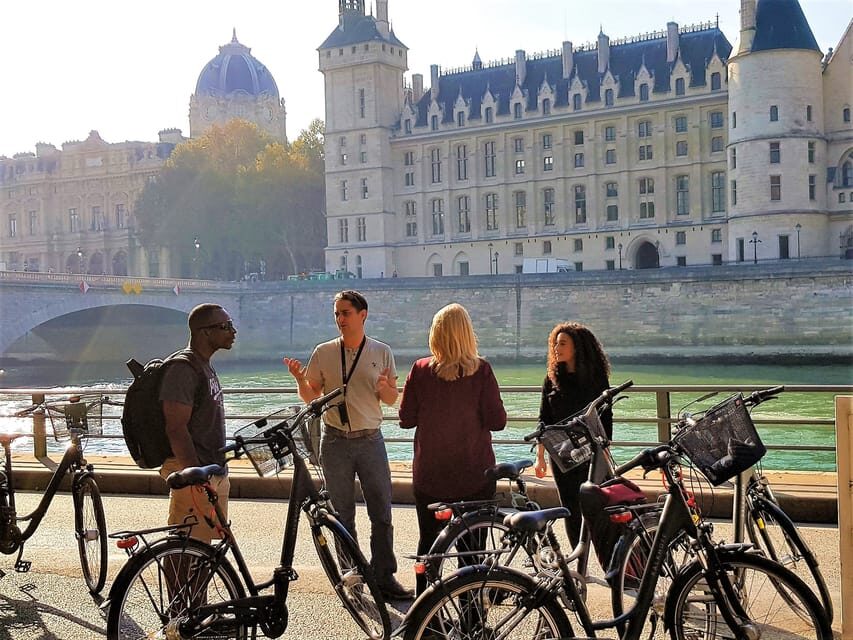
You’ll get a live local guide in English or Russian, plus practical lifehacks for acting like a native while you’re in Paris. The route also includes a planned break for restrooms and the option to grab drinks and snacks. From the guide feedback, one name that pops up is Sasha, praised for handling questions patiently and keeping attention even when the pace is steady.
In This Review
- Key things that make this tour work
- A 3-hour Paris walk with a clear “why” behind each stop
- Where you start: Hôtel de Ville meeting point at 10:00 AM
- Palais Garnier: theater architecture and the mood it sets
- Place Vendôme and the art of noticing details
- Tuileries Garden and Palais-Royal: civic spaces for walking and living
- Pont Neuf and the river edge: bridges that shaped the city
- Place Dauphine, Sainte-Chapelle, and the shift into medieval Paris
- Île de la Cité: Conciergerie, Saint-Michel fountain area, and the old-city feel
- Notre-Dame and the final viewpoint: what to aim for
- How the guide experience changes what you remember
- Price and value: is $57 a fair deal for this route?
- Logistics you should plan for before you go
- Should you book it? My honest take
- FAQ
- Where do we meet for the tour?
- How long is the walking tour?
- Which languages are available?
- Is the tour wheelchair accessible?
- Are drinks and snacks included?
- What’s the cancellation and payment flexibility?
Key things that make this tour work
- A gentle, guided walk built to reduce effort with mostly level, comfortable streets
- Architecture plus everyday Paris tips so the sights feel connected to real life
- Short, high-impact time at landmark stops (lots of seeing, not lots of waiting)
- Planned pause for restrooms and snacks so you’re not stressed mid-route
- A memorable Notre-Dame finale paired with a viewpoint photo moment
- You end near Opéra Garnier, giving the whole day a satisfying arc
A 3-hour Paris walk with a clear “why” behind each stop
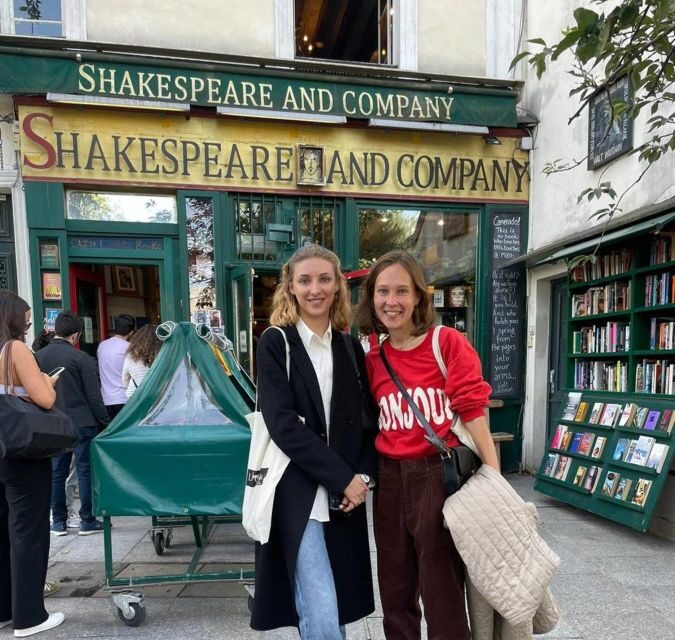
This is the kind of guided walking tour that makes Paris feel less like a set of disconnected postcard views. Instead, the guide’s job is to give you the thread: how the city’s key buildings and public spaces relate to one another, and how Parisian life has evolved around them.
What I like for you is the pacing. You’re not trudging through long, stop-and-go crowds for hours. The route is designed to stay easy on the legs—think mostly even footing and streets that are commonly easier to walk than the busiest thoroughfares. It’s also said to follow a logical historical flow, from earlier origins toward more modern-day city life, without making you climb or strain.
The tone matters too. The tour is set up to avoid heavy lectures. You’re getting storytelling and behind-the-scenes context, plus practical hints for how to behave in the capital like someone who lives there. That combination is what helps the landmarks stick in your mind after the photos are taken.
You can also read our reviews of more walking tours in Paris


Where you start: Hôtel de Ville meeting point at 10:00 AM
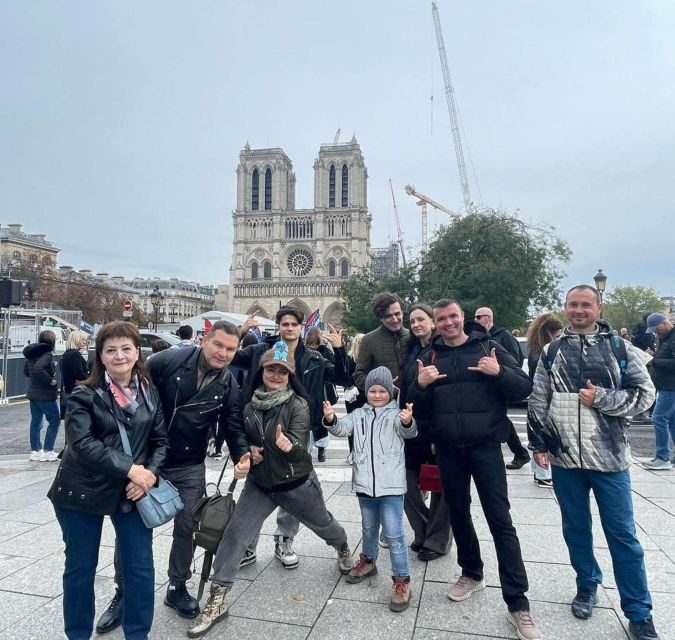
You meet at Place de l’Hôtel-de-Ville, in front of the main facade of the city hall. It’s a straightforward landmark to navigate, and the meeting spot is easy to reach by Metro lines 1 and 11. Your guide will be holding a sign that reads My Super Tour, which helps you spot them quickly.
If you’re coming in from another area, I’d give yourself a few extra minutes to get oriented at the start. Walking tours are simple, but they only feel smooth when you’re calm at the meeting point. Also plan to be ready to walk—this is not a sit-down briefing followed by minimal movement.
Language is a practical point here. The live guide operates in English and Russian, so you can pick the option that best fits your comfort level. And if mobility is a concern, the tour is listed as wheelchair accessible, which is worth factoring into your decision if you want this style of sightseeing without switching tours entirely.
Palais Garnier: theater architecture and the mood it sets
The tour includes a focused stop at Palais Garnier, Paris’s famed opera palace. Even if you only catch a guided overview during the short time window, the goal is to help you read the building instead of just staring at it.
Why this stop matters: Palais Garnier is one of those landmarks that signals how Paris thinks about spectacle—how public buildings can be statements of identity. A guide can point out details and explain why the design became part of the city’s visual language. It’s a strong start point for the rest of the walk, because it trains your eyes for what to look for later: symmetry, civic power, and how architecture communicates status.
A practical consideration: because time here is limited, you’ll want to be ready to move on. If you’re the type who could spend hours taking photos from every angle, you might feel slightly rushed unless your guide is quick and efficient (and the guide feedback suggests they keep things engaging and responsive).
Place Vendôme and the art of noticing details
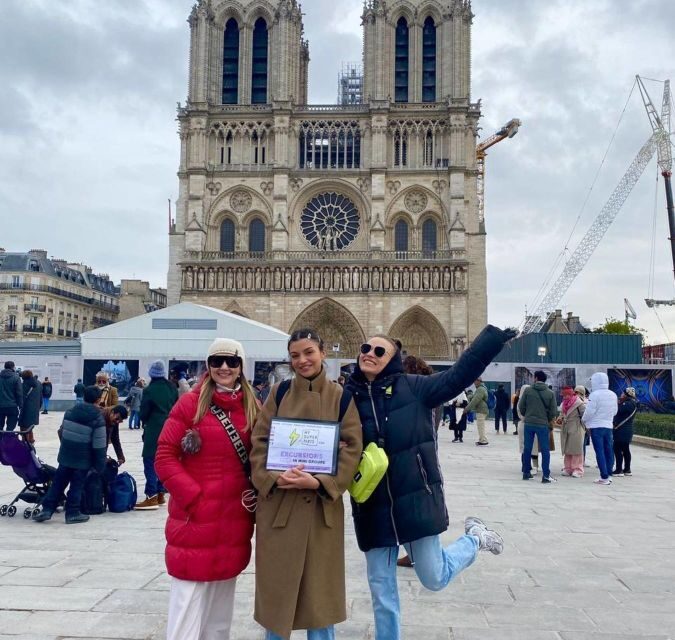
From Palais Garnier, you move into the world of straight lines and refined urban grandeur at Place Vendôme. This is a classic spot for a photo stop, but the guide presence is what turns it from a quick picture into something more useful.
Place Vendôme is one of those places where the architecture isn’t just pretty—it’s about how Paris chose to project authority and elegance in a very visible way. With a guided moment here, you learn what to notice instead of hoping the building teaches itself.
If you’re a museum person, this can also help you calibrate your priorities for the rest of the trip. You begin seeing how the city uses space like a curated experience: public squares, planned sightlines, and buildings that communicate a story even when you’re just passing by.
Tuileries Garden and Palais-Royal: civic spaces for walking and living
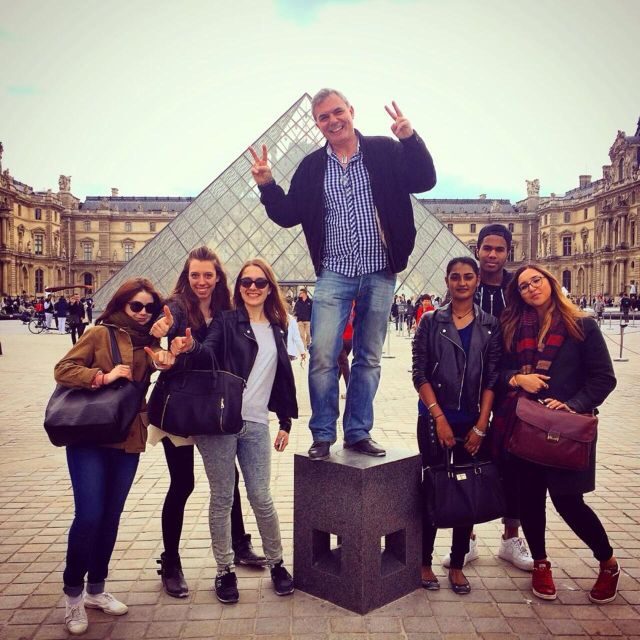
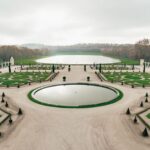
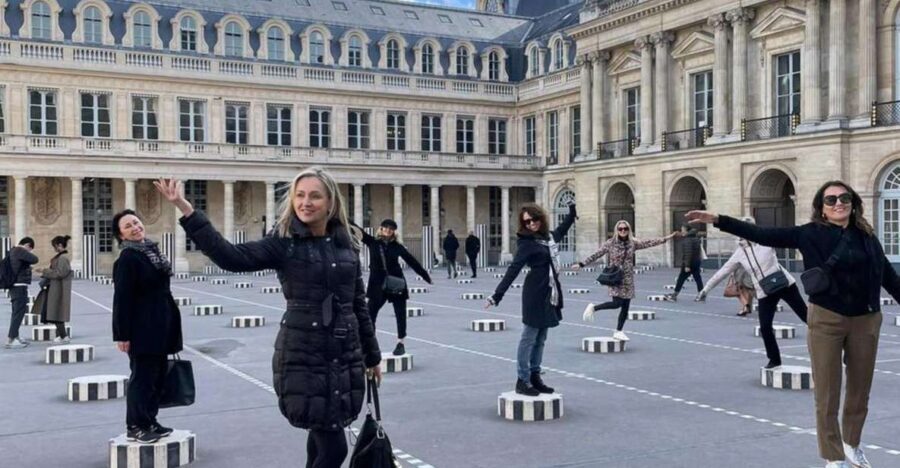
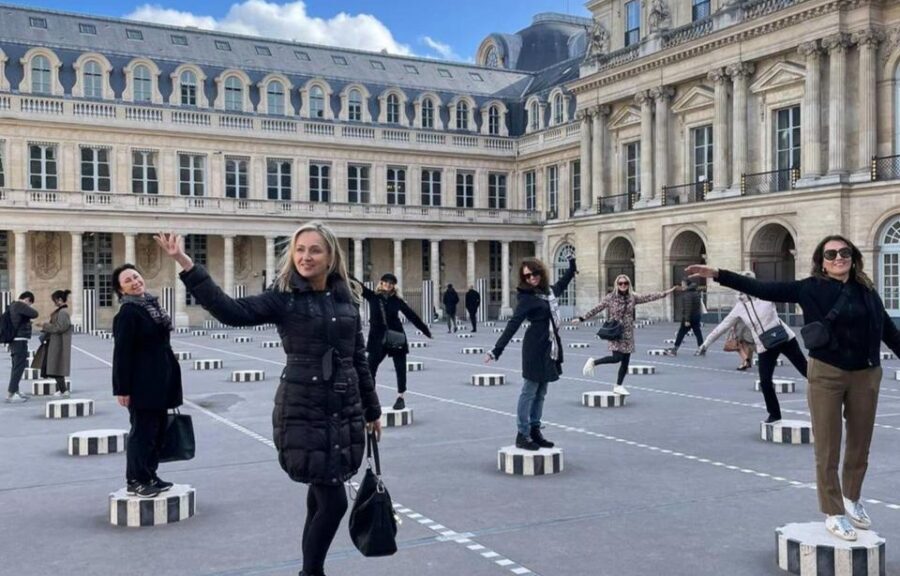
The route takes you through the Tuileries Garden, then to Palais-Royal. These stops are valuable because they’re not just architecture backdrops. They’re spaces where people actually move, pause, and meet.
A garden and a palace complex might sound like a break from history, but for the tour’s goal, they’re essential. They show how Paris blends designed formality with everyday use. The guide’s job is to connect what you see—pathways, façades, and the layout of public space—to how Parisian life works around these areas.
What helps you during this part: you’re walking during a gentle transition between major monuments. That means you can absorb context without feeling like you’re sprinting from one “must-see” to the next. It also pairs well with the tour’s emphasis on insider hints—because these spaces are where you practice how to behave like a local, not just how to take photos.
You can also read our reviews of more guided tours in Paris





Pont Neuf and the river edge: bridges that shaped the city
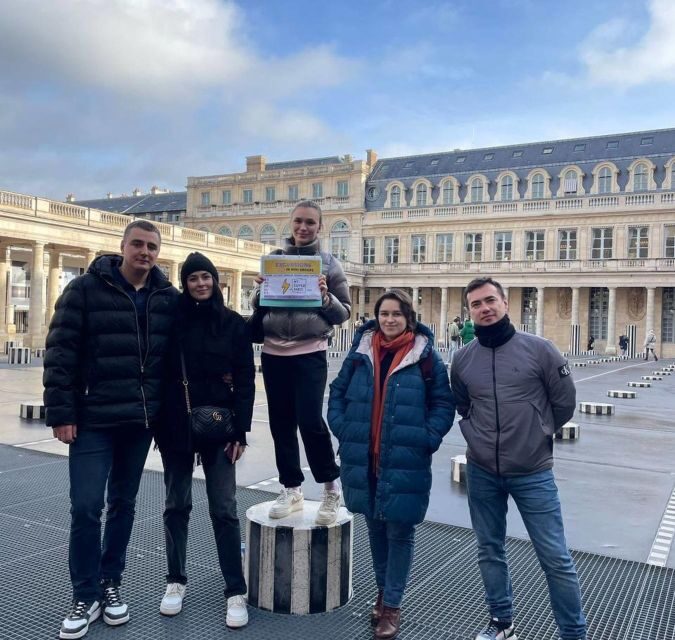
You’ll reach Pont Neuf, a classic photo stop and visit point. Bridges are a big deal in Paris because they don’t only connect land—they shape movement patterns and reveal how the city grew around the Seine.
With a guide, Pont Neuf is easier to read. You’re more likely to understand why the bridge matters historically and how it functions in the city’s daily rhythm. It’s also where you start feeling that the walk is leading you toward the older heart of Paris, where the streets tighten and the landmarks become more layered.
Practical note: because it’s a bridge area, you’ll want to manage your pace and photos. This kind of stop is short by design, so have your camera ready before you stop fully. That keeps the group moving and preserves the flow of the tour.
Place Dauphine, Sainte-Chapelle, and the shift into medieval Paris
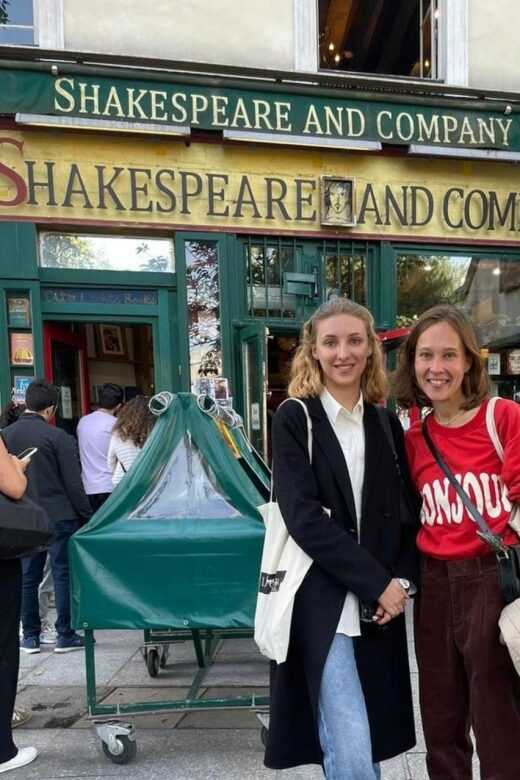
Next up are Place Dauphine and then Sainte-Chapelle. Place Dauphine works well as a smaller, steadier pause—useful for regrouping while still staying on-theme. The type of details you’ll learn here aren’t spelled out, but the idea is consistent: Paris uses even its smaller squares to reflect its historical planning.
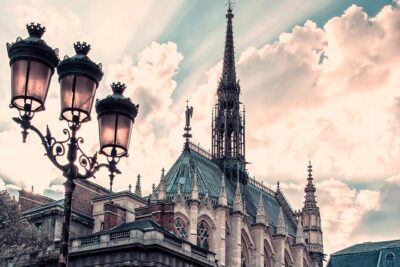
Then comes Sainte-Chapelle, which is one of the most dramatic stops on the route because it’s tied to a very specific era of Paris. A guided moment here helps you see beyond the obvious and understand what makes the site important.
The tour gives you a short sightseeing window, so you’ll get enough to orient yourself. If you want the deepest interior experience possible, you may still want to schedule a return visit later. But as a walking-tour component, Sainte-Chapelle is excellent for setting the medieval “tone” before the big climax.
Île de la Cité: Conciergerie, Saint-Michel fountain area, and the old-city feel
As the route enters Île-de-la-Cité, it becomes more than a list of monuments. This is the part where you get the sense that you’re in the layers of Paris that formed early and kept influencing what came later.
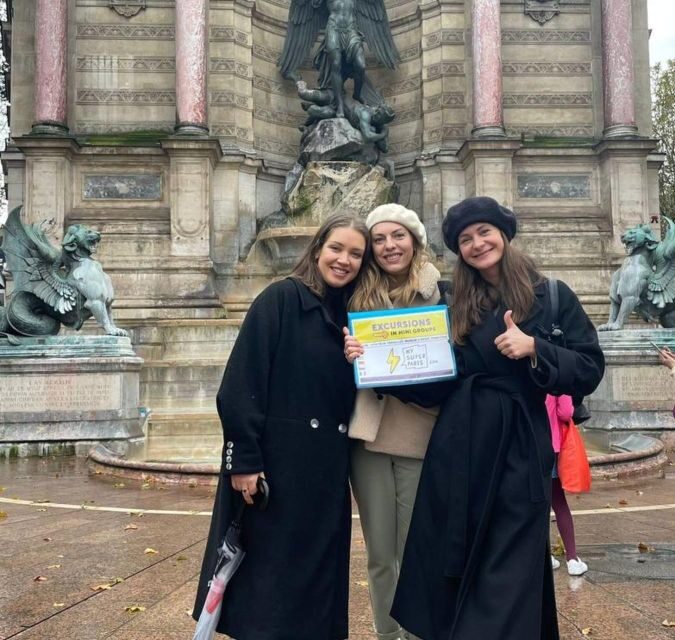
The experience includes sights connected to the island’s historic atmosphere, including the Conciergerie and the area connected to the fountain of Saint Michel. The value of these moments is that they help you understand how the city’s most central areas developed around important institutions and public landmarks.
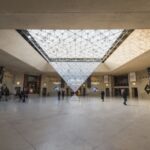
You’ll also see Louvre-area context from a pass-by/photo moment, which gives you a helpful orientation without pulling you into a full museum day. That keeps the walking tour from becoming too heavy if your schedule is tight.
Notre-Dame and the final viewpoint: what to aim for
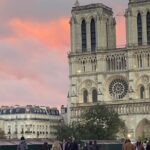
The last big draw is Notre-Dame Cathedral, with a photo stop plus a guided moment. This is the part you plan your route around, and the tour builds toward it.
What makes this ending feel more satisfying is that you don’t just get dropped at the cathedral and left to figure it out. After the Notre-Dame segment, there’s a viewpoint photo stop designed to give you a unique perspective—exactly what you want when you only have a few hours to spend.
You’re also shown the oldest tree in Paris near the end of the experience. That detail is memorable because it’s not the kind of thing you’d usually add to your own must-see list. It gives the tour a human scale: a living landmark to balance all the stone and symbolism.
Timing-wise, the Notre-Dame portion works best if you’re willing to pause when your guide asks. The viewpoint moment depends on the group staying together and moving efficiently.
How the guide experience changes what you remember
The biggest differentiator here is the guide style—professional, local, and built for questions, not just listening. The feedback highlights that guides like Sasha are engaging and patient, answering questions with a smile and keeping attention even when the tour lasts about three hours.
That matters because Paris is full of details that can be overwhelming. A good guide helps you decide what to focus on so your photos and memories aren’t random. You’re not just learning facts—you’re learning how to look.
You’re also getting practical “how to live here” advice. The tour doesn’t claim to be a language lesson or a culture class, but it explicitly includes tips on how to behave like a native and lifehacks to use during your stay. That kind of guidance can improve your day-to-day experience immediately: how you move through spaces, how you handle interactions, and how you avoid common tourist habits.
Price and value: is $57 a fair deal for this route?
At $57 per person for about 3 hours, this sits in a reasonable mid-range for a guided walking tour that covers multiple major landmarks. Your value comes from three things:
- A live local guide throughout the walk, which is where the “why” comes from.
- Efficient sightseeing: you’re hitting several top targets in one connected route rather than spending your time bouncing around Paris.
- Comfort and planning: mostly traffic-free, even walking, plus a planned break for restrooms and the option for snacks and drinks (which are not included).
The main value question is your preference: if you want to linger, you might feel the tour is too time-tight. If you want an efficient route with context so you can enjoy the city afterward, the pricing makes sense.
Also, it’s priced for a guided experience rather than a museum day. So think of it as orientation plus inspiration. Then you can come back for deeper time where you care most.
Logistics you should plan for before you go
A few practical points will help you enjoy the experience rather than negotiate it on the fly:
- Start time is 10:00 AM, meeting at Hôtel de Ville.
- Wear comfortable walking shoes. Even if the route is even and mostly low-stress, you’ll still be on your feet for the full tour length.
- Bring water or plan for purchases. Drinks and snacks aren’t included, though the tour includes a rest stop where you can buy them if you want.
- You’ll cover a lot of ground without long museum-style waiting, but you still need to stay focused. The tour is designed to be a story-driven march, not a slow stroll.
If you’re traveling with mobility needs, remember it’s listed as wheelchair accessible, which is a big plus. But you’ll still want to check comfort levels for walking segments when you decide.
Should you book it? My honest take
I’d book this tour if you want an efficient, guided way to see Paris’s central highlights and understand what connects them—without turning your day into a grueling endurance test. The route design (comfortable walking, logical flow, minimal steep effort) plus the guide’s storytelling style is exactly what you want when you only have a short stay.
Skip it if you need lots of inside time at each monument, or if you dislike photo-stop formats where you get brief guided moments and then keep moving. This is built for momentum and context, not for deep individual exploration.
If you’re planning your first days in Paris and want your sights to make sense fast, this is a smart choice.
FAQ
Where do we meet for the tour?
You meet at 10 AM at Place de l’Hôtel-de-Ville, in front of the main facade of Hôtel de Ville. The guide will hold a sign reading My Super Tour. Metro lines 1 and 11 are nearby.
How long is the walking tour?
The tour lasts 3 hours.
Which languages are available?
The live guide offers the tour in English and Russian.
Is the tour wheelchair accessible?
Yes, the tour is listed as wheelchair accessible.
Are drinks and snacks included?
No. Drinks and snacks are not included, though there is a break during the tour where you can buy them if you want.
What’s the cancellation and payment flexibility?
You can cancel up to 24 hours in advance for a full refund. There’s also a reserve now and pay later option, so you can book without paying today.