REVIEW · PARIS
Paris: Millefeuille baking class with a chef
Book on GetYourGuide →Operated by Ateliers Parisiens · Bookable on GetYourGuide
Millefeuille feels like a pro move. This Paris workshop turns a fancy French classic into something you can actually make: millefeuille from scratch, with hands-on coaching on puff pastry and pastry cream, plus drinks and a take-home kit. It’s small too, limited to 8, so you’re not lost in a crowd.
What I love most is the chef-led teaching style, and you get to make real choices on your decorative touches before baking and assembling. The one drawback to factor in is simple: transportation to the workshop isn’t provided, so you’ll need to plan your own route across Paris.
In This Review
- Key things that make this class worth your time
- From folding dough to a French Napoleon in 150 minutes
- Who’s it for?
- The puff pastry lesson: where the real skill lives
- Practical tip for your own success
- Pastry cream: making it smooth enough to spread
- Assembling your millefeuille: the layers matter
- Can you make more than one?
- Decorative touches: personal style without losing the classic look
- Drinks, pace, and when you actually get to eat
- Taking it home: transport packaging that actually helps
- A quick reality check for eating later
- Price and value: what $159 is really paying for
- What you’ll likely do differently after this class
- Who should book this millefeuille workshop
- Should you book this millefeuille class?
- FAQ
- FAQ
- How long is the Paris millefeuille baking class?
- What will I make during the workshop?
- Is the class taught in English?
- Is this a small group class?
- Are ingredients included?
- Are drinks included?
- Will I take my dessert home?
- Do I get a recipe after the class?
- Is transportation to the workshop included?
- Is there free cancellation?
- Is the workshop wheelchair accessible?
Key things that make this class worth your time
- You work on both components: puff pastry and pastry cream, not just assembly
- Personalized decoration time so your final millefeuille looks like yours
- Small group (up to 8), which matters for questions and feedback
- Included drinks (tea, coffee, water) to keep you comfortable for the full 150 minutes
- You leave with a travel-ready box thanks to included transport packaging
- English instruction with a digital recipe afterward for what you made
From folding dough to a French Napoleon in 150 minutes
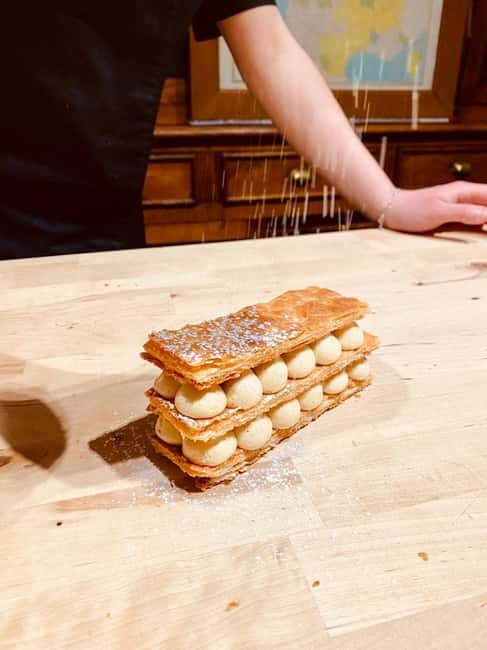
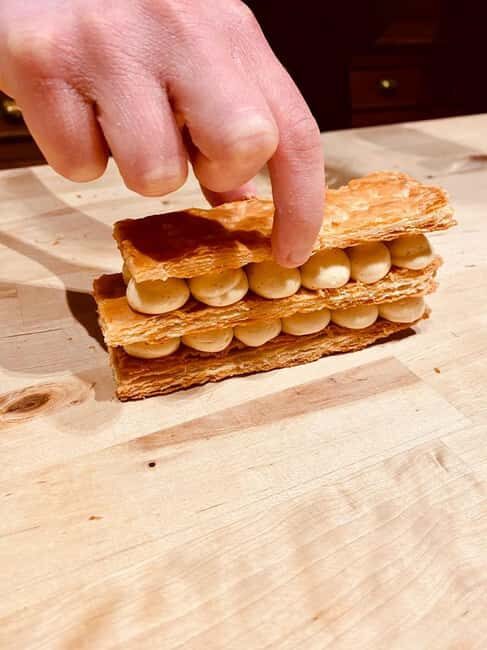
A good millefeuille lesson is about technique, not just dessert. In this class, you’ll make the classic layered pastry (also called a Napoleon) the traditional way: delicate puff pastry sheets plus smooth pastry cream between crisp layers. The workshop also ties the dessert to the legacy of 18th-century French pastry chef François Pierre de la Varenne, which helps you understand why this pastry is treated like a craft.
The session runs about 150 minutes. That time sounds short until you realize what you’re learning: the folding and handling that creates puff pastry texture, plus the cream technique that lets the layers stay smooth. You’re not just learning to follow steps. You’re learning what to watch for so you can repeat the results later.
You can also read our reviews of more cooking classes in Paris
Who’s it for?
If you like food classes where you leave with something real (not just a photo), you’ll likely enjoy this. The workshop is built for pastry lovers at different levels—newer cooks can follow along, while more practiced bakers can focus on sharpening technique. It’s also a solid pick for couples or friends because the group stays small enough for interaction, not stand-and-guess work.
The puff pastry lesson: where the real skill lives
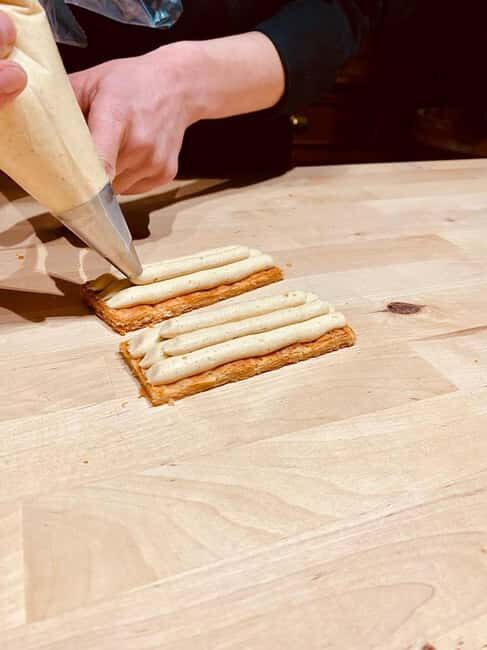
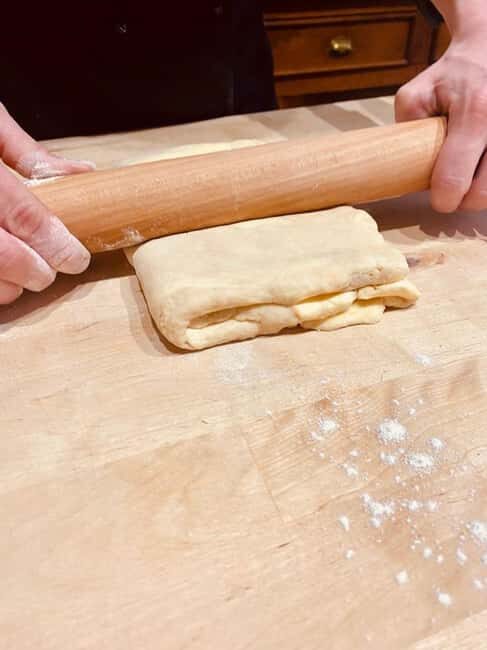
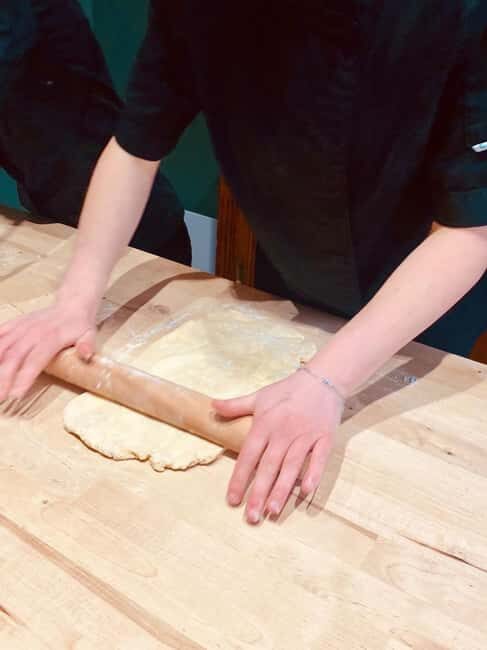
Puff pastry is famous for being fussy. The chef’s job here is to make it learnable. You’ll learn pastry-making techniques centered on folding the dough and getting the right texture so the layers bake properly.
Here’s why this matters for you: puff pastry isn’t only about taste. It’s about structure. If the dough isn’t handled correctly, you lose the crisp layers and the signature light, flaky bite. If you get the technique right, the whole millefeuille experience changes—from soggy disappointment to that crisp-meets-cream contrast French pastry is known for.
In the class, you’re guided through the steps with a professional pastry chef. The coaching style is the part that people consistently rate highly: patient, personable, and practical. You’re learning in a live setting, so when something feels off—texture, consistency, thickness—you get correction before it becomes a baked problem.
Practical tip for your own success
Wear sleeves you’re comfortable rolling up. You’ll be working dough, handling cream, and doing careful assembly. If you hate sticky fingers, this may not be your day. But if you enjoy hands-on food work, this is the good kind of messy.
Pastry cream: making it smooth enough to spread
Once puff pastry is handled, you move to pastry cream. The class focuses on pastry cream techniques that create that silky, spreadable layer you expect from a classic millefeuille.
Why cream is such a big deal:
- It needs the right consistency to sit between layers without collapsing
- It should be smooth, not grainy or overly thick
- It should taste rich but not heavy
You’ll be taught what “good” looks like as you work—so you understand texture, not just timing. Then you’ll use that cream as part of your own finished dessert.
One thing I appreciate about this format is that you’re not stuck with an already-made component. You’re building the dessert from scratch, which means you actually learn what the cream is doing in the final bite.
You can also read our reviews of more tours and experiences in Paris



Assembling your millefeuille: the layers matter
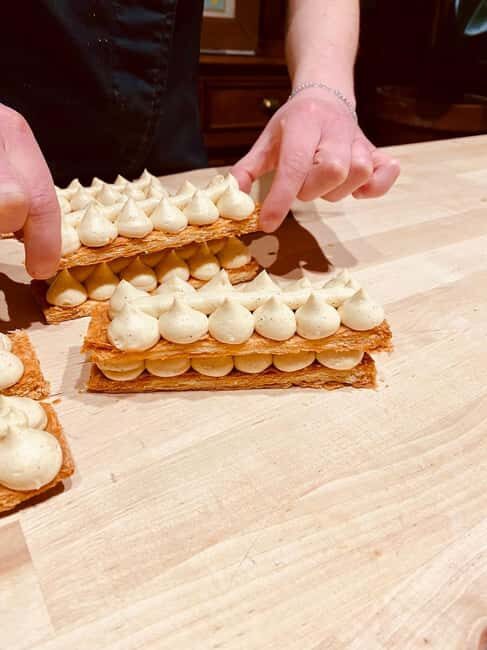
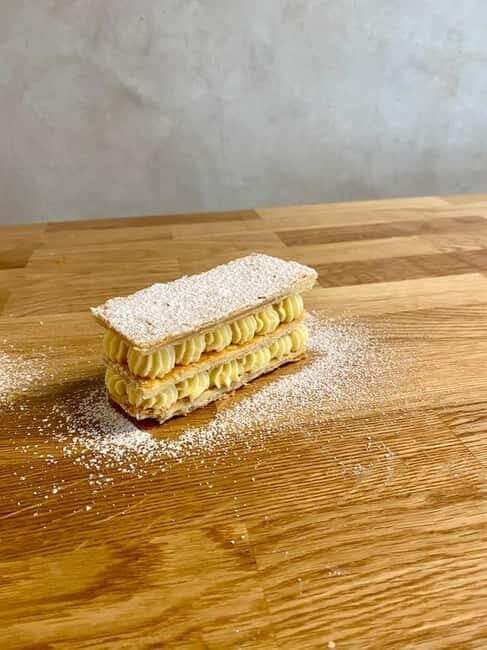
Assembling millefeuille can look simple until you do it. This is where the class pays attention to detail: you personalize your dessert, assemble the layered pastry, and then bake.
The workshop emphasizes the full process:
- Create the components
- Personalize your dessert with decorative touches
- Assemble in the classic millefeuille format
- Bake and finish so you can enjoy it at the end
For you, the value is in understanding the sequence. If puff pastry comes out right but cream handling is off, the final structure suffers. If your assembly isn’t balanced, the layers won’t hold the classic look. Doing it hands-on under guidance helps you connect cause and effect quickly.
Can you make more than one?
The class is typically a small-group setup (up to 8). In at least one booking, a participant did a one-on-one session and made three millefeuilles. That’s a strong hint that if you get more individual attention, you may have enough time to make multiple results rather than just one. Your exact output may vary by your session setup, but the teaching pace is clearly designed to let you actively create.
Decorative touches: personal style without losing the classic look
Millefeuille has rules, but your top layer still gives you room to express yourself. The class includes time to personalize your dessert with decorative touches before baking and assembling.
This part is fun because it’s not about perfectionist pastry showmanship. It’s about learning the basics of how decorations affect the finished look—and how to do them neatly without ruining the texture you worked to create.
You’ll also get guidance in English, which is genuinely helpful here. Pastry technique is hard enough without language stress. You can ask questions, and the chef can correct issues while you’re still in the process.
Drinks, pace, and when you actually get to eat
This is not one of those classes where you work for 90 minutes and only get crumbs at the end. The workshop includes tea, coffee, and water throughout the class. That small detail is practical: pastry sessions can get tiring, and hydration helps you stay focused for the final assembly steps.
At the end, you’ll enjoy the millefeuille you made. That matters because you’re tasting your work while the learning is still fresh in your mind. You can also compare what you think you did well with what the chef’s guidance aimed for—texture, cream smoothness, and layer crispness.
Taking it home: transport packaging that actually helps
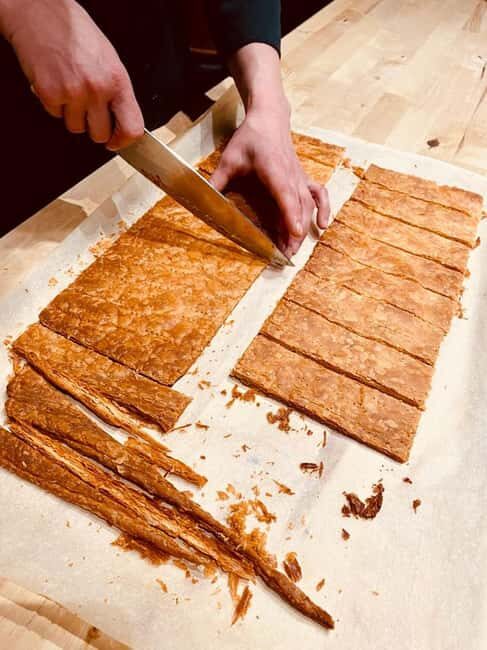
The best souvenir is the edible kind you can share later. You get transport packaging for your millefeuille, designed so it arrives safely for you to enjoy later.
This is a big deal in Paris, where you often have to carry food on public transport or walk around between sights. Having the packaging included reduces stress. You don’t have to play packaging Tetris with your own supplies.
A quick reality check for eating later
Even with good packaging, millefeuille is still a cream-and-crisp pastry. Your best results come when you eat it soon after the class. If you plan to carry it for a longer stretch, treat it like a “today snack tomorrow treat” situation rather than something that improves endlessly with time.
Price and value: what $159 is really paying for
At $159 per person for about 150 minutes, you’re paying for more than ingredients. You’re paying for:
- Professional chef instruction in English
- Hands-on practice for the key components (puff pastry and pastry cream)
- Time and feedback while you’re still able to correct mistakes
- Included drinks during the class
- Transport packaging for the dessert you take home
- A digital recipe afterward
If you’ve ever baked French pastries from scratch at home, you know the frustrating part isn’t the recipe—it’s the technique correction. The chef is the value here. You’re not just learning what to do. You’re learning how to do it with quality control in real time.
Could you make millefeuille cheaper on your own? Sure. But cheaper usually means more trial-and-error, less direct correction, and more wasted ingredients. In a class like this, your payment is buying speed-to-skill and a finished result you can take home.
What you’ll likely do differently after this class
After a good millefeuille session, you’ll usually carry three practical wins with you:
1) You’ll spot texture cues faster.
Cream consistency and dough handling are easier once you’ve watched and adjusted under guidance.
2) You’ll understand why crisp and cream have to meet on the right terms.
This class is built around that classic contrast: crisp pastry layers and smooth cream.
3) You’ll be more confident decorating and assembling.
Decorative touches aren’t just for looks. They’re part of how the finished pastry presents.
And yes, you’ll also have a delicious take-home dessert, packaged for transport.
Who should book this millefeuille workshop
I’d steer you toward this class if:
- You want a hands-on Paris food experience, not a lecture
- You love French pastry and want to learn the core techniques
- You’d enjoy working in a small group where you can actually interact with the chef
- You want the class to end with something you made and can share later
I’d think twice if:
- You’re only interested in dessert tasting, not baking
- You don’t want to do hands-on work for about 150 minutes
- You have trouble with logistics to get to the workshop location on your own
That last point is worth repeating: transportation isn’t included, so your comfort level depends on where you’re staying.
Should you book this millefeuille class?
If you love the idea of making a French classic from scratch—and you want a chef to correct your technique while you’re actively working—this is a smart booking. The standout factor is the combination of chef-guided instruction and the fact you build both puff pastry and pastry cream yourself, then finish with decoration and take-home packaging.
Book it if you’re excited by craft and hands-on learning, and you can handle getting yourself to the workshop. Skip it only if you want pure sightseeing or you’d rather eat than learn.
FAQ
FAQ
How long is the Paris millefeuille baking class?
The class lasts 150 minutes.
What will I make during the workshop?
You will make millefeuille (also known as Napoleon) from scratch, using puff pastry and pastry cream, and you’ll assemble and bake your own dessert.
Is the class taught in English?
Yes, the instructor is English.
Is this a small group class?
Yes. The group is limited to 8 participants.
Are ingredients included?
Yes. All baking ingredients are provided.
Are drinks included?
Yes. Tea, coffee, and water are provided throughout the class.
Will I take my dessert home?
Yes. You’ll take home your millefeuille in included transport packaging.
Do I get a recipe after the class?
Yes. You receive a digital recipe of the workshop.
Is transportation to the workshop included?
No. Transportation to the workshop is not included.
Is there free cancellation?
You can cancel up to 24 hours in advance for a full refund.
Is the workshop wheelchair accessible?
Yes, it is wheelchair accessible.