REVIEW · PARIS
Paris: Montmartre Food and Wine Guided Tour
Book on GetYourGuide →Operated by Eating Europe Food Tours · Bookable on GetYourGuide
Three hours, and suddenly you get it. This Montmartre Food and Wine Guided Tour is built around real neighborhood stops—tiny shops, local classics, and a viewpoint that makes the whole trip feel bigger than the food. I love that you start with an award-winning baguette and keep the momentum with cheese, charcuterie, and seafood, not just snacks you forget in an hour.
I also really like that the sweet course is taken seriously, with delicate choux à la crème and artisan chocolate alongside macarons from the famed “Picasso of Pastry.” One possible drawback: in colder months, the walking and standing can feel tough, especially if you end up waiting outside for tastings and explanations.
In This Review
- Key takeaways before you book
- Montmartre food and wine in three hours: how it feels
- Starting at Le Pain Quotidien: where the tour clicks
- The award-winning baguette stop: why French bread matters
- Cheese, charcuterie, and wine: what pairing teaches you
- Seafood and oysters at a local institution
- Savory interludes: amuse-galettes and brut cider
- Sweet finale at Montmartre: macarons and choux à la crème
- Sacré-Cœur summit views: Eiffel Tower included
- Time, pace, and group size: what to expect on the ground
- Who this tour is best for (and who should skip it)
- Price and value: is $158 fair for this mix?
- Should you book the Paris Montmartre Food and Wine Tour?
Key takeaways before you book
- Small group (up to 10): enough space for questions while still feeling lively in the narrow streets.
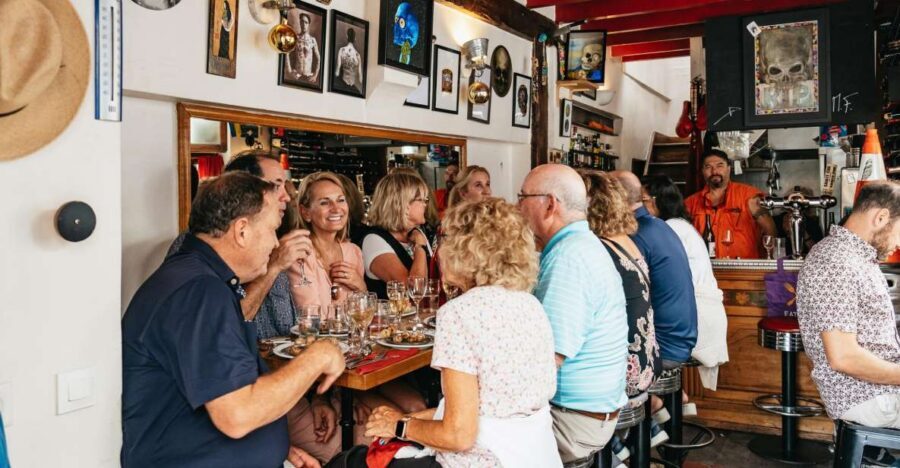
- 9 food tastings plus wine: you’re not just grazing; it’s a planned sequence of French favorites.
- Bread first, sweets last: the flow matters, and it helps you taste more clearly.
- Family-run seafood stop: a real change from the usual cheese-and-charcuterie focus.
- Big views at the Montmartre summit: Sacré-Cœur and Paris panoramas, including the Eiffel Tower on clear sightlines.
- Guides with personality: reviews highlight leaders like PJ/Chef PJ and Betsie who mix food, history, and good energy.
Montmartre food and wine in three hours: how it feels
Montmartre is the kind of neighborhood where you can wander for hours and still not notice the details. This tour gives you a tighter path: planned tastings plus major landmarks, so you don’t burn time figuring out where to eat or what to order.
The pacing is built for walking and talking. You’ll move from food shop to food shop, stop for bites that are explained in plain terms, and then finish with the summit viewpoint. It helps you taste better, too. When someone points out what to look for in bread, cheese, or wine, you end up noticing texture, salt level, and balance instead of just eating.
You should also know the tour operates rain or shine. That’s great for reliability, but bring a light rain layer if the weather looks moody. And if you’re doing this in autumn or winter, plan for more time on your feet and in the cold.
You can also read our reviews of more food & drink experiences in Paris


Starting at Le Pain Quotidien: where the tour clicks
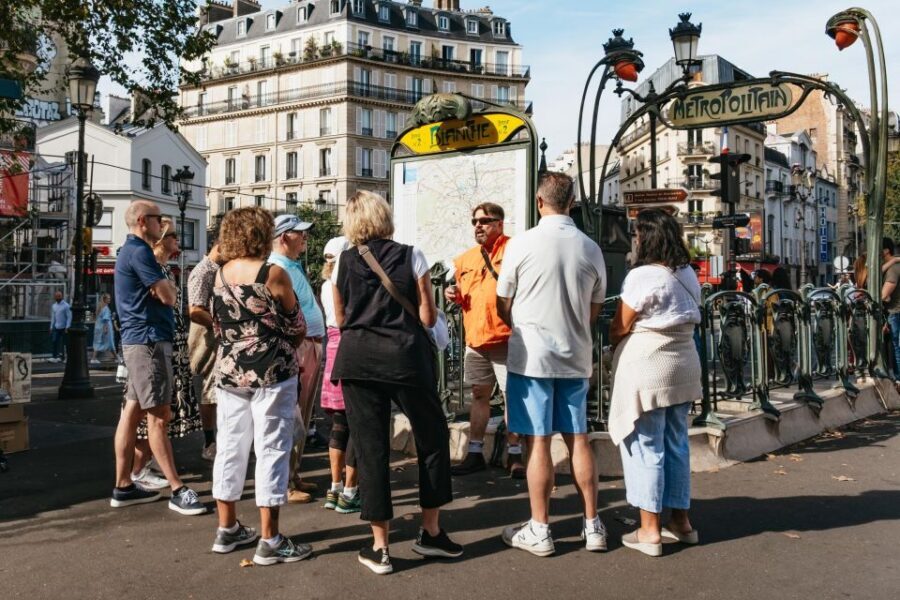
Your meeting point is Le Pain Quotidien, and your guide will be holding or wearing an Eating Europe logo. This is a smart start. You’re already in a place that feels like a pause in the day, not a confusing “find us near the landmark” situation.
From here, you’ll get oriented fast. The Montmartre streets can be a maze, but with a guide leading the turns, you start connecting what you see—artsy lanes, classic façades, and church-adjacent views—with why the area became famous for food culture and everyday dining.
I like that the group size stays small. When there are only a handful of people, you can hear the guide, ask questions, and keep moving without feeling like you’re stuck behind a crowd.
The award-winning baguette stop: why French bread matters
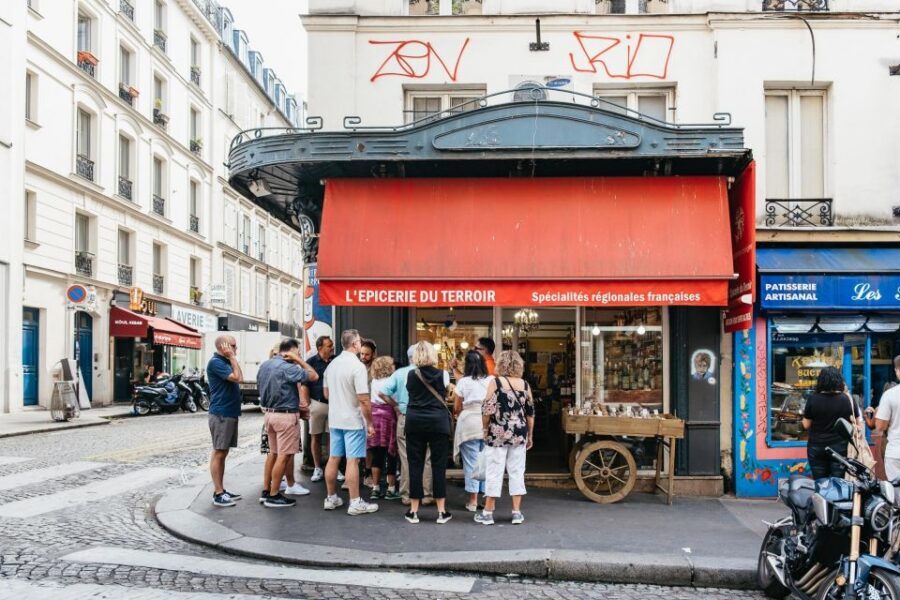
This tour puts the baguette up front, and that’s not just a cute flex. Bread in Paris is a whole subject: crust, crumb, and that clean, wheaty taste that should feel crisp instead of heavy.
You’ll taste what the tour describes as the best baguette in Paris from an award-winner. The key value here isn’t only the brand name—it’s learning how to recognize quality. You’ll likely get a quick framework for what makes bread worth your attention, which pays off later when you’re buying bread on your own.
If you love simple, high-quality ingredients, this part will feel satisfying right away. It’s one of those bites where you immediately understand why bread culture is serious in France. And it sets the tone for the rest of the tasting line-up: everything else tastes better when your palate has started with something great.
Cheese, charcuterie, and wine: what pairing teaches you
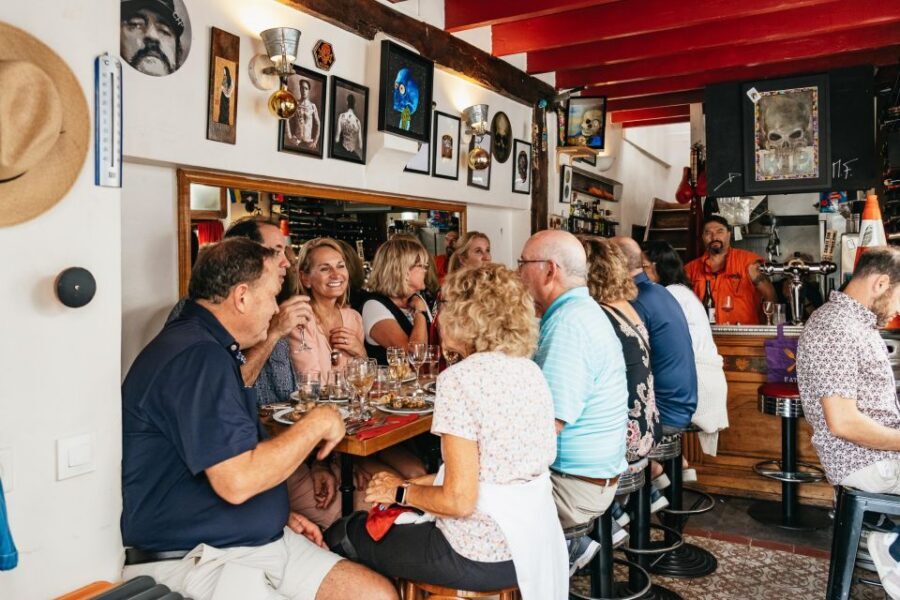
Next comes the classic trio: amazing cheese, artisanal charcuterie, and wine. This is where the tour earns its money if you care about how French meals are built.
The wine pairing is a real part of the experience, not just a refill. Guides on this tour—names that show up in feedback include PJ/Chef PJ and Betsie—are praised for explaining the logic behind pairings. You’ll learn how the right wine can soften salt, balance fat, and make flavors feel sharper instead of muddy.
You’ll also see how the tastings are sequenced. When you taste cheese and cured meats before seafood and sweets, the flavors stay easier to sort. That means you finish with more clarity, not just a full belly.
One practical tip: pace yourself on the wine early so you’re still enjoying the walking and the later sweets. If you drink fast at the first stop, the rest of the tour can feel a little like chasing your own taste buds.
Seafood and oysters at a local institution
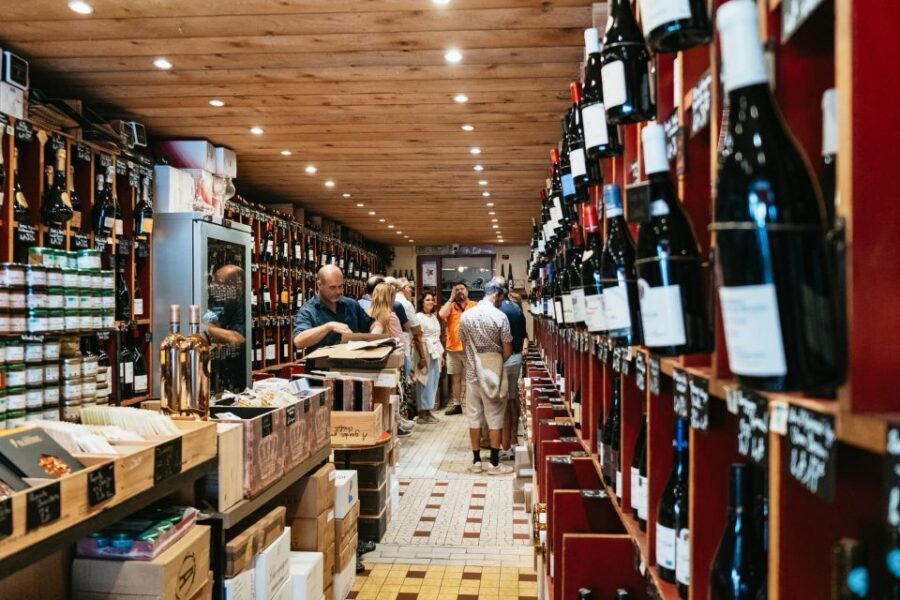
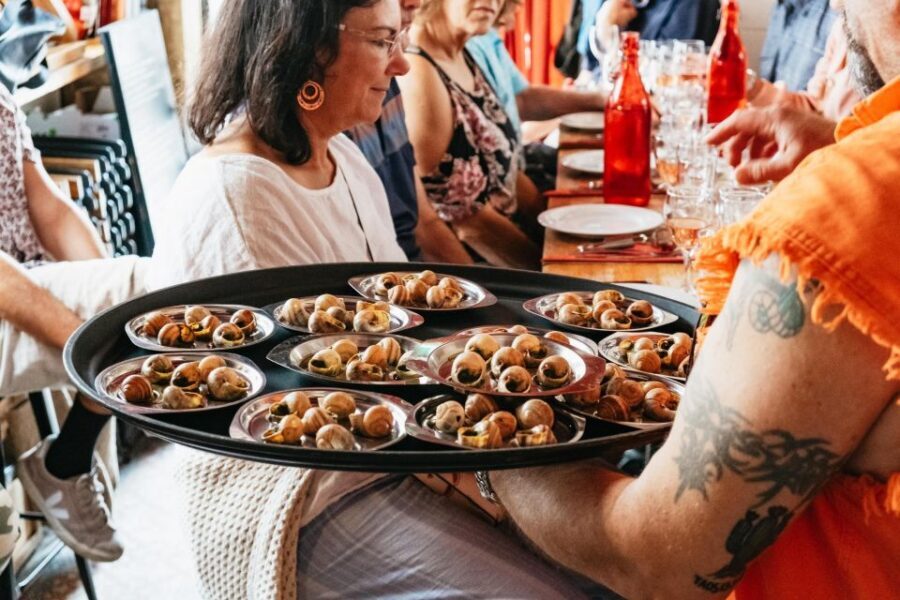
Not every Paris food tour includes seafood in a meaningful way. This one builds in fine seafood and French wine at what’s described as a family-owned institution.
That matters because it breaks the rhythm. After bread, cheese, and cured meats, seafood brings a different texture and a cleaner flavor arc. Oysters (mentioned as part of the tasting mix) are especially useful for tasting contrast: briny, bright, and quick to show whether your palate is awake or dulled.
If you’re the kind of person who loves variety in a single outing—crunchy bread, creamy cheese, salty cured meat, then ocean-forward bites—this stop is a highlight. It also gives you something to remember that isn’t tied only to tourist-famous menus.
You can also read our reviews of more tours and experiences in Paris



Savory interludes: amuse-galettes and brut cider
Between major stops, you’ll also try savory items described as amuse-galettes with brut cider. This is the kind of snack that feels small, but it keeps your taste journey moving.
Amuse-style bites are useful because they’re designed for quick flavor impact. They also help you avoid the all-or-nothing trap where you either stop being hungry or become too full too soon. And cider pairing offers a different path than wine: it can feel lighter and more refreshing, especially when the streets turn hilly.
If you get the timing right, you’ll be ready for the more delicate sweets later. If you overdo the wine, those savory bites might feel like background. So keep your pace steady.
Sweet finale at Montmartre: macarons and choux à la crème
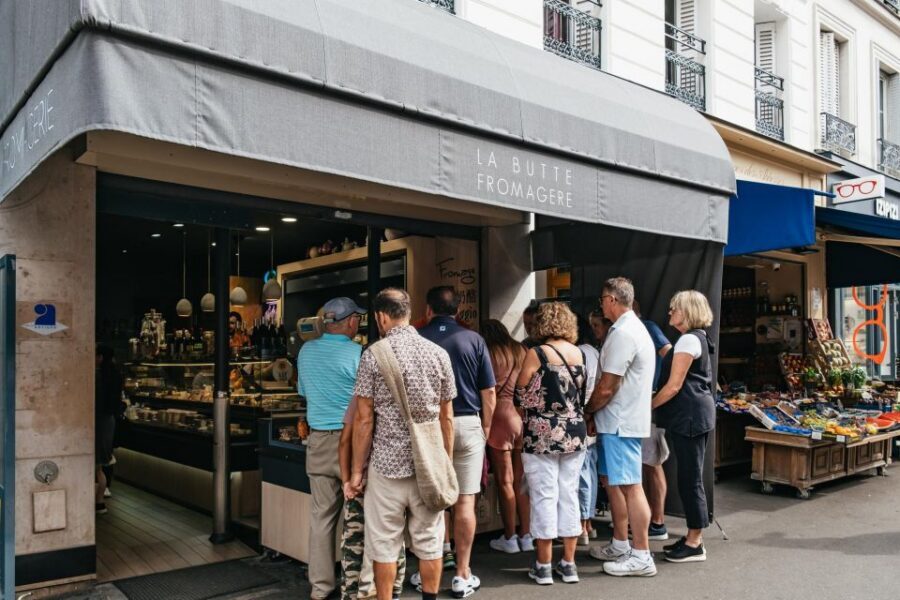
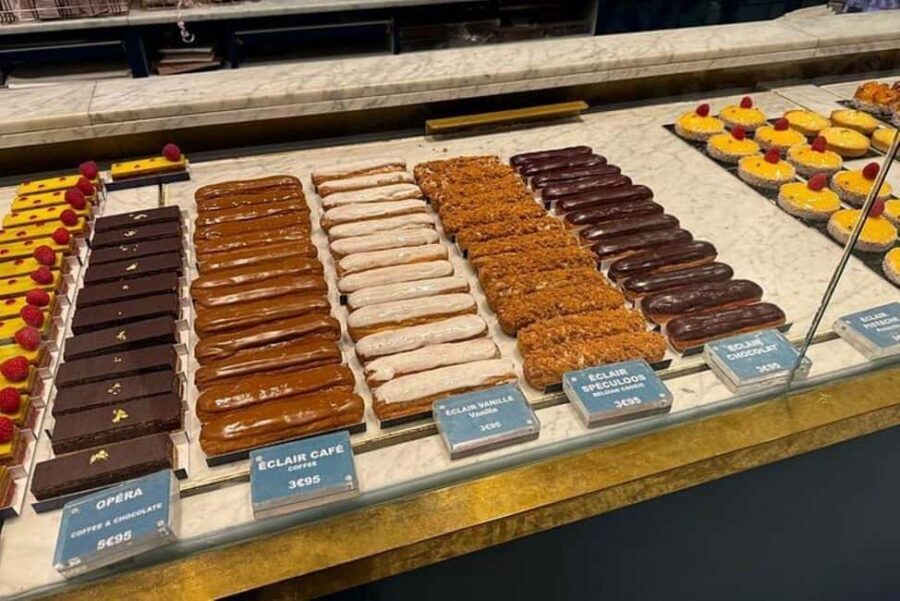
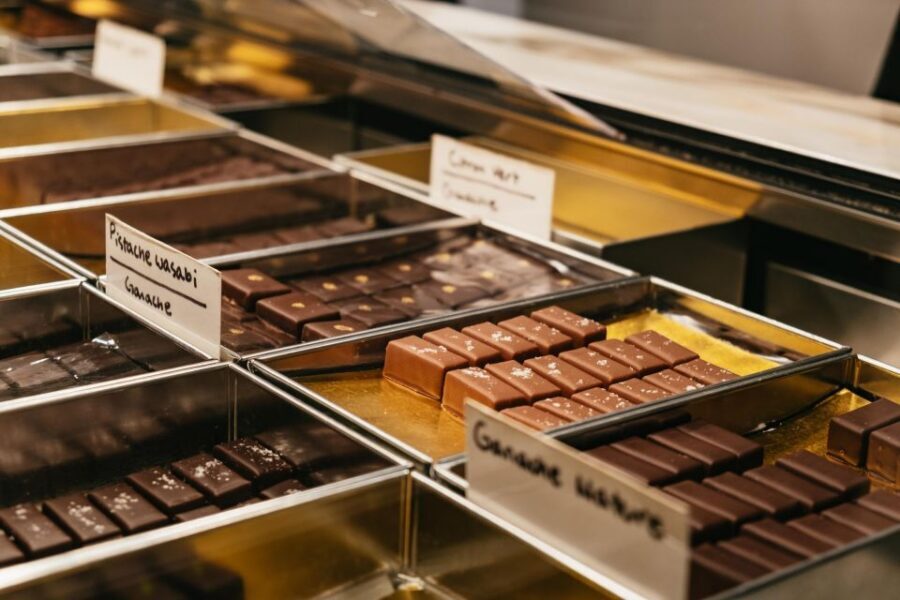
You’ll end up with the fun part: macarons and pastries. The tour includes macarons from the shop described as the Picasso of Pastry, plus choux à la crème from a top chocolatier, and then other sweet tastings such as pain au chocolat and artisan chocolate.
The best value of this sweet sequence is that it teaches contrast in texture. Macarons bring crisp shells and a concentrated sweetness. Choux à la crème adds a soft, airy dough with creamy filling. When you taste both in sequence, you understand why French patisserie is about craft, not just sugar.
You’ll also sample items listed as part of the sweet lineup, including an artisan chocolate tasting and a citrus-almond amaretti cookie. That citrus element matters because it can cut through richness and keep the final taste from feeling flat.
If your ideal Paris day includes a pastry you can point to later and say, that’s the one, you’ll like this section. It’s more deliberate than the usual “wandering into a bakery” approach.
Sacré-Cœur summit views: Eiffel Tower included
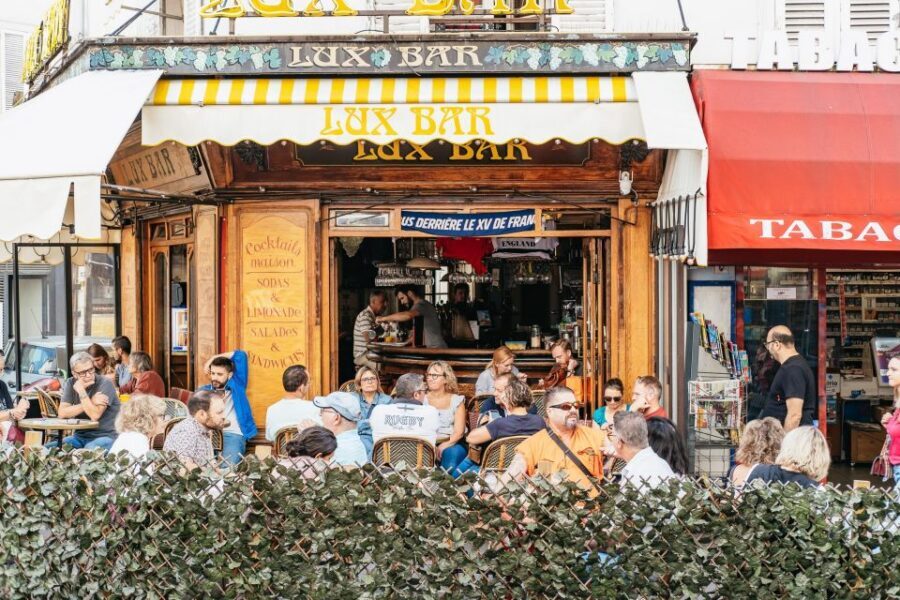
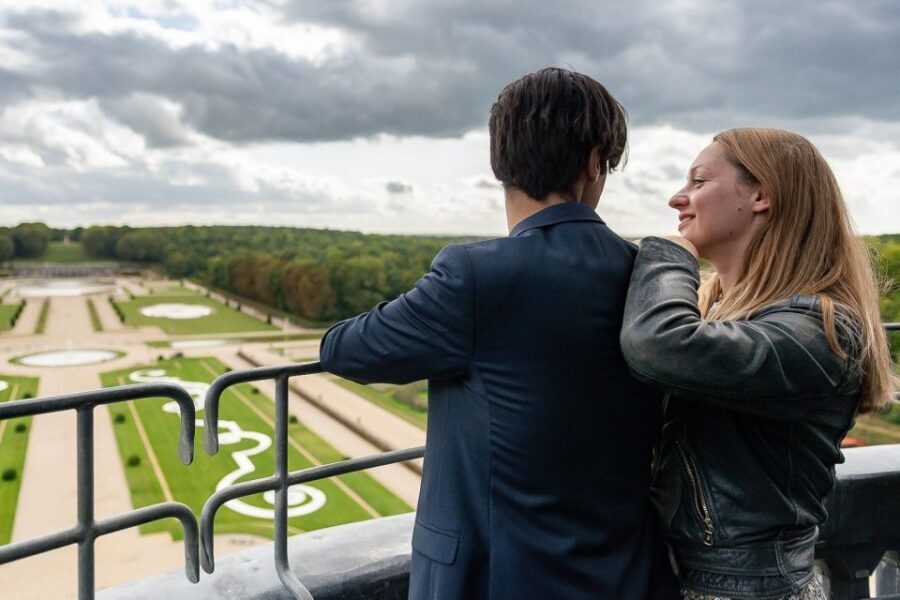
Montmartre’s big payoff isn’t just the food. You also get breathtaking views of Paris from the summit, including the Eiffel Tower when visibility is good.
This viewpoint step is where the whole tour makes emotional sense. Eating your way around the neighborhood makes the streets feel personal, then the summit view makes you understand the geography: why people built and lived here, and why the area keeps its romantic pull.
Just remember: if the weather is cold, windy, or rainy, the viewpoint can test your comfort. The tour runs rain or shine, so dress for the outdoors even if the food stops feel warm and inviting.
If you want photos, take them here. You’ll get the landmark connection in one place instead of chasing views later.
Time, pace, and group size: what to expect on the ground
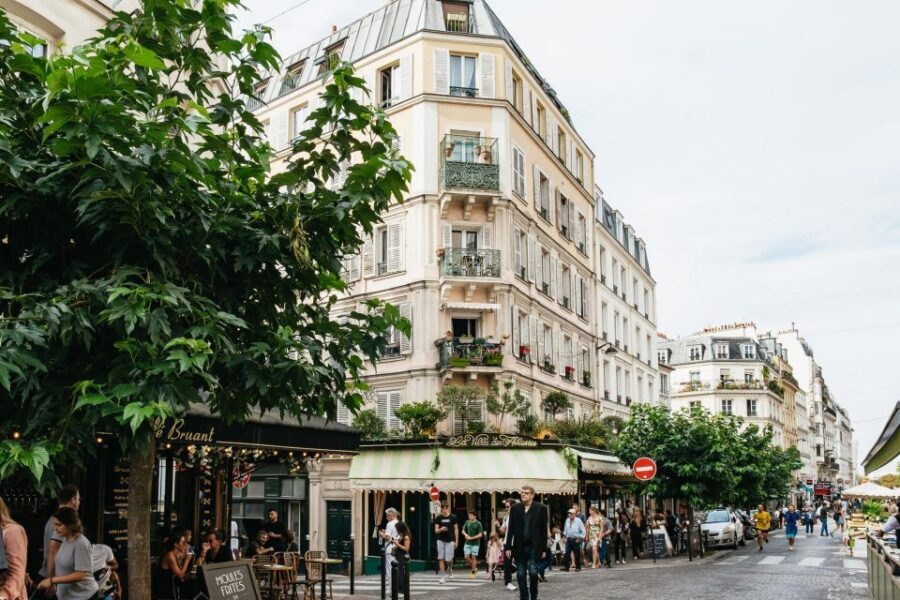
The tour is listed as 3 hours and a small group limited to 10 participants. In practice, the experience can stretch a bit depending on conversation and how the day flows. Some guides are described as having tours that run longer than expected because the group is chatting and tasting more.
For you, the takeaway is simple: plan this as a flexible block on your day. Don’t stack it right before something you’d hate to miss. The value is in talking, tasting, and asking why something is good.
Because it’s English-language and led by a live guide, you’ll get explanations in plain terms rather than just being handed a bite. That can matter a lot if you’re new to French wine or cheese.
Who this tour is best for (and who should skip it)
This is a great fit if you want a focused taste tour that includes more than the usual tourist checklist. It’s ideal for couples, food lovers, and anyone who likes learning how French quality shows up in bread, cheese, wine, and pastry.
A few clear limitations are spelled out:
- Wheelchair users: not suitable
- Vegans: not suitable
- People with lactose intolerance: not suitable
- Severe or life-threatening allergies: can’t participate for safety
Also keep in mind that the tour operates rain or shine. If standing outside for parts of the stops is a problem for you, consider visiting in a milder season or plan warmer layers.
If you have dietary requirements like vegetarian or gluten-free, you’ll need to email the provider in advance. The tour doesn’t promise every option for every diet, but advance notice is the way to get the best chance of accommodations.
Price and value: is $158 fair for this mix?
At $158 per person, this isn’t a budget snack crawl. But it’s also not just a “walk around with wine” deal.
Here’s what makes the price feel more reasonable:
- 9 food tastings built into the program
- wine included, plus multiple tastings across savory and sweet
- a small group with a live English guide
- the Montmartre summit viewpoint as part of the experience
The value gets stronger if you’re the type who usually ends up paying extra separately for tastings, drinks, and a proper guide. Buying these items one by one adds up fast—especially if you want quality ingredients instead of random convenience bites.
The other value is learning. Reviews highlight that guides like PJ/Chef PJ and Betsie/PJ mix food with history and explain what makes quality food quality. Even if you only remember a couple of those lessons, it improves your next meal in Paris.
Should you book the Paris Montmartre Food and Wine Tour?
Book it if you want a tight, tasty Montmartre plan that blends award baguette, cheese, charcuterie, seafood, wine, and serious sweets, then ends with big skyline views. It’s also a good pick if you like small-group energy and want a guide who can answer questions as you walk.
Skip it if you need wheelchair accessibility, follow a vegan diet, or have lactose intolerance. Also be realistic about weather: this is a walking tour that runs rain or shine, and cold months can make outdoor standing feel long.
If you’re hunting for one Montmartre experience that’s more than just pretty streets, this is one of the more practical ways to eat and learn your way through the neighborhood.