REVIEW · PARIS
Paris: Pastries & Tragedies – A sweet tour of Montmartre
Book on Viator →Operated by Bon Appétit walks · Bookable on Viator
Two hours in Montmartre can feel like a whole movie. This tour threads Pastries & Tragedies through the neighborhood’s cobblestones, from artist lore to real heartbreak, all while you stop for classic French sweets.
I love that the price covers at least 6 treats, so you’re not doing math every time you smell butter and sugar. I also like the guide’s approach: stories tied to specific corners you can actually see, plus planned stops that keep the walk fun instead of just a lecture.
One heads-up: this is an uphill, cobblestone walk, and the pace may still be tough if you have limited mobility. If hills tire you quickly, come prepared, or choose a more level option.
In This Review
- Key Points Worth Knowing
- Montmartre in Two Hours: sweet stops paired with dark stories
- Price and value: what $83.45 really buys you
- Where you meet and how the walk finishes at Sacré-Cœur
- Stop 1: the tragedy-threaded Montmartre history
- The pastry rhythm: at least 6 treats that keep the route fun
- The artist-studio stop: why Montmartre still feels like a workshop
- Real windmills: a rare Montmartre detail you can actually see
- Can-can, red-light lore, and Toulouse-Lautrec in context
- Sacré-Cœur finish: construction stories and the stone trivia
- Who should book this tour (and who should think twice)
- Practical tips: how to get the most from the 2-hour pastry walk
- Should you book Pastries and Tragedies in Montmartre?
- FAQ
- How long is the Pastries & Tragedies tour?
- What does the ticket price include?
- How many treats will I get?
- Is the tour offered in English?
- Where do I meet, and where does the tour end?
- What’s the maximum group size?
- Do I get a mobile ticket?
- Is bottled water provided?
- Can I get a refund if my plans change?
- Is this tour suitable if I have mobility concerns?
Key Points Worth Knowing
- At least 6 pastry and sweet stops included in the tour price
- English-speaking guide with a story-led route through Montmartre
- Small group size (max 10) for a more personal feel
- Sacré-Cœur finale with construction stories and fun stone facts
- Icons you’ll connect to the food, from Toulouse-Lautrec to Montmartre’s windmills
- Bring a warm drink in colder months if you visit when it’s chilly
Montmartre in Two Hours: sweet stops paired with dark stories
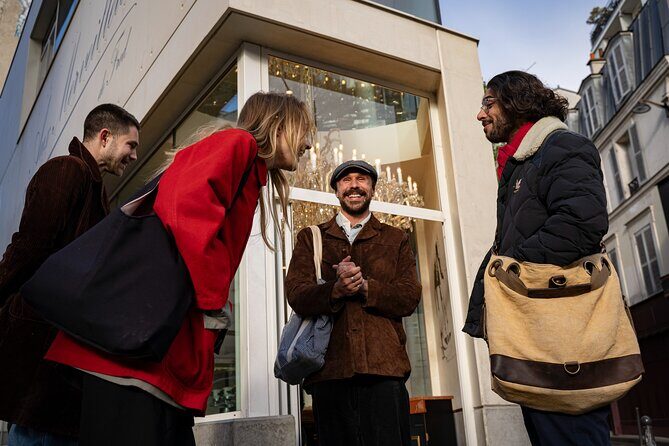
Montmartre has a way of turning street corners into theater. On this tour, you get a walking route where the facts come with feelings—war and political upheaval, personal drama, betrayal, and some redemption—then you cool it down with real French pastries, chocolate, and other treats along the way. It’s not just food. It’s food with context.
The best part for me is how the stories give you something to look for. You start noticing why certain places matter, which makes the neighborhood feel less like scenery and more like a living map.
The route also has a built-in rhythm: you’re not stuck wandering alone between shops. Each stop is timed to keep you moving and to keep the tastings from feeling random. That matters because Montmartre is hilly, and the cobblestones take your attention in every step.
You can also read our reviews of more tours and experiences in Paris



Price and value: what $83.45 really buys you
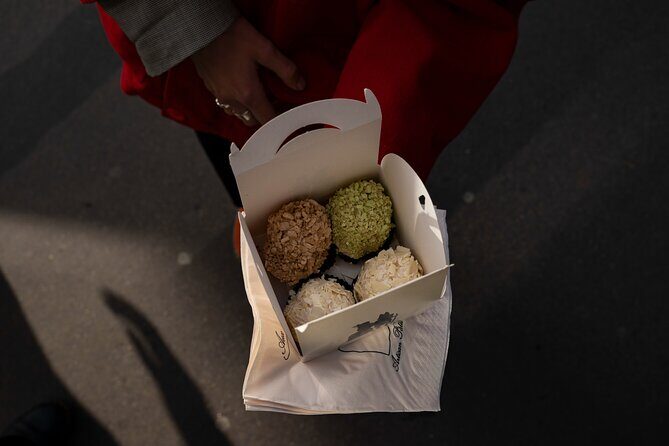
At $83.45 per person for about 2 hours, the value is all about what’s included. You’re not just paying for walking and storytelling—you’re getting an expert guide and a minimum of 6 different treats, with food included in the price. That turns the tour into a pretty efficient way to sample a range of Montmartre sweets without constantly paying extra.
If you’ve ever tried to piece together a self-guided pastry crawl in Paris, you know the problem: you end up spending time deciding and money adding up. Here, the decisions are made for you. You also get a human guide to point out why certain pastry traditions and shop histories fit the neighborhood.
There’s also a comfort factor. The group stays small (max 10), so you’re more likely to get explanations that match what you’re seeing instead of being one face in a crowd.
Where you meet and how the walk finishes at Sacré-Cœur
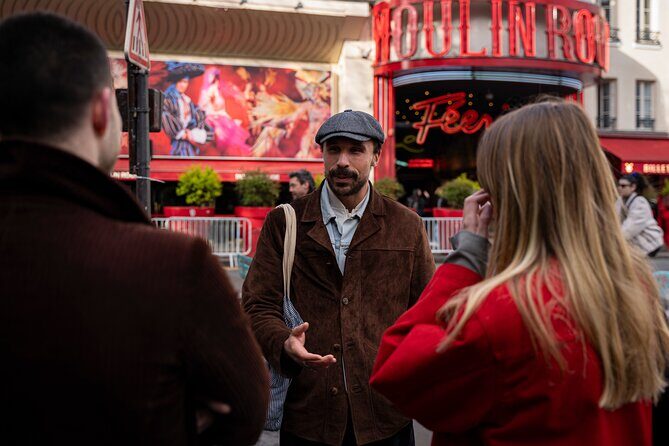
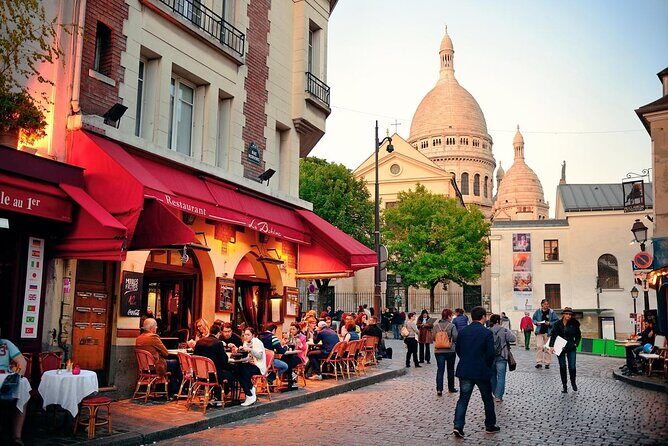
The tour starts at 5 Pl. Blanche, 75009 Paris and ends at Basilique du Sacré-Cœur de Montmartre, 35 Rue du Chevalier de la Barre, 75018 Paris. That end point is a smart choice. Montmartre’s top feels more satisfying when you land at the neighborhood’s most famous landmark.
You’ll also be near public transportation, which helps because Montmartre can be awkward to reach if you misread the route. If you like to travel light, the meeting point detail makes it easier to navigate.
One small practical note: the tour is short on paper, but your legs feel it. Reviews mention a steep uphill walk and cobblestones, so treat this like a light hike with snacks, not a flat neighborhood stroll.
Stop 1: the tragedy-threaded Montmartre history
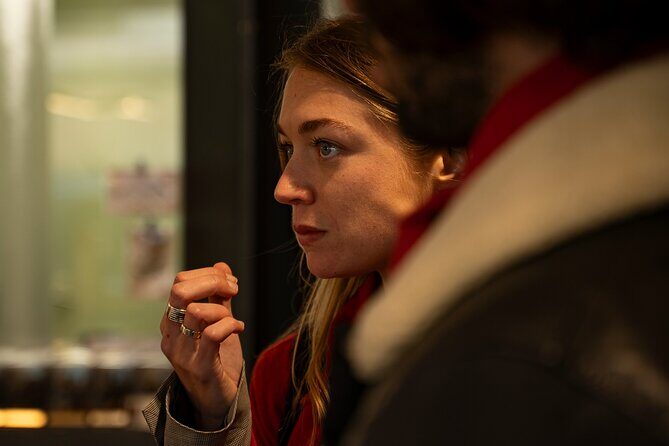
Your first segment is where the tour earns its name. You start in Montmartre and the guide frames the neighborhood’s history as a chain of dramatic turns—war and political upheaval, plus personal stories played out in a place that later became famous for art and nightlife.
You’ll walk cobblestone streets and small corners where you can connect what you’re hearing to what you’re seeing. The guide’s job here is to turn vague “old Paris” into real stakes: who lived there, what changed, and why the neighborhood gained its reputation.
You’ll also get specific fun facts as you look at key iconic spots. For example, you’ll hear that the French can-can was invented right here, and that Toulouse-Lautrec was closely obsessed with the red-light district and its beauties. Those details sound like trivia until you’re standing where the stories shaped the image of the area.
What makes this stop work for you:
- It sets the emotional tone. Dark stories become less heavy because the tour keeps moving toward sweetness.
- It gives you context before the pastry stops. By the time you’re tasting, you already understand what the neighborhood has been through.
What to watch for:
- If you hate heavy themes, mentally brace for tragedy and heartbreak in your first moments. The tour doesn’t sugarcoat the “tragedies” part.
The pastry rhythm: at least 6 treats that keep the route fun
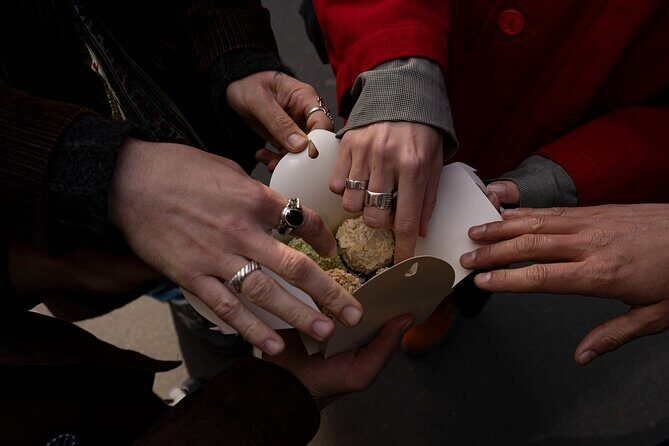
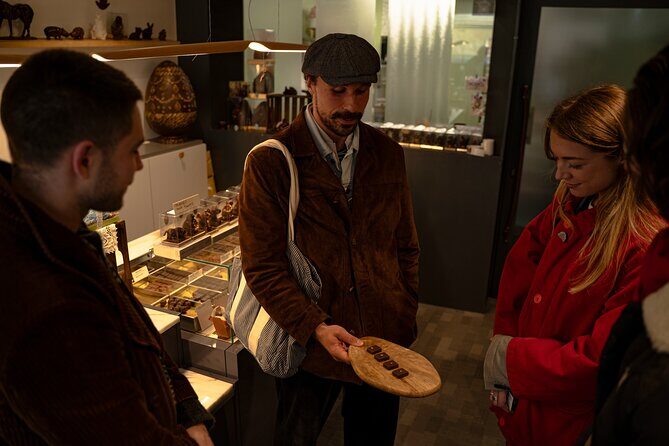
The tour’s structure is basically: walk, learn, snack, repeat. You’ll enjoy a minimum of 6 different treats along the way, and the food is included in the price. That’s important because the tour isn’t relying on you finding snacks on your own.
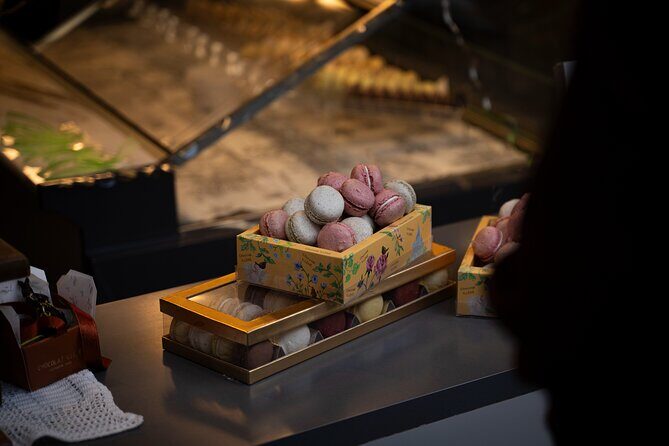
From the way the tastings are described, the focus is classic French sweet shops and artisan-style producers. Reviews mention favorites like chocolate and macarons, as well as treats such as merveilleux, éclairs, jams/jellies, and cookies. Even when you’ve tried sweets before, you’ll likely get some flavor combinations you didn’t plan for.
A practical way to enjoy this segment:
- Pace your bites. These shops aren’t just handing out one cookie. It’s more like a planned tasting crawl.
- Plan for sweetness. If you’re sensitive to sugar, eat a smaller breakfast or light lunch before the tour so you don’t feel overwhelmed.
One helpful seasonal tip: in colder months, bring something warm if you can. One review specifically recommends a warm drink to balance the chilly walk and make the tastings feel even better.
And one more practical point: the tour does not provide bottled water anymore to avoid waste. Bring your own water or plan a refill stop before you start.






The artist-studio stop: why Montmartre still feels like a workshop
Montmartre is famous for artists, and this tour uses that reputation in a useful way. You’ll discover an iconic artist studio of Montmartre, with the guide explaining what makes it part of the neighborhood’s creative story.
This stop matters because it bridges two Montmartres: the gritty past and the artistic myth. When you hear the tragedy stories first, then you’re shown where artists created, it makes the neighborhood feel more human. People weren’t just romanticized characters—they were real residents shaped by real life.
You’ll also get a sense of how Montmartre’s reputation developed. It wasn’t only inspiration and painting. It included the nightlife, the crowds, and the dramas around them.
Real windmills: a rare Montmartre detail you can actually see
You’ll get a stop where you can spot real windmills still found in Montmartre. That’s one of those facts that sounds small until you’re actually looking at it. It’s a reminder that this neighborhood isn’t only steep streets and selfies. There are visible traces of older Paris too.
This is also the kind of information that makes a walking tour worth doing even if you’ve been to Montmartre before. You’re not repeating the obvious views. You’re being taught what to notice.
Can-can, red-light lore, and Toulouse-Lautrec in context

Montmartre’s nightlife and entertainment history can feel like folklore. The tour helps you connect it to places and people you’ll recognize—like Toulouse-Lautrec.
When your guide ties the can-can origin claim and Toulouse-Lautrec’s obsession to the actual corners you pass, you start to understand why these themes are repeated in Montmartre art and branding. It’s not just scandal talk. It’s how the neighborhood became a magnet for both artists and attention.
If you like culture you can point to, this is one of the tour’s best moves. You’re not learning names only to forget them. You learn them so you can recognize the neighborhood’s symbols in real time.
Sacré-Cœur finish: construction stories and the stone trivia
The tour ends right in front of Sacré-Cœur. That finale is practical because it’s a landmark you can always re-find after the tour, and it’s an emotional payoff after the hill.
Your guide explains the fascinating story of Sacré-Cœur’s construction and shares standout details. Two of the fun ones:
- The stones used have the capacity to automatically wash themselves
- Sacré-Cœur is described as the biggest crowdfunded project of the 19th century
Those facts do more than entertain. They give you a lens for what you’re looking at. Instead of seeing a big white church, you start seeing an ambitious Paris project that grew from community and time period—then you contrast it with the tragic neighborhood stories you heard earlier in the walk.
And yes, consider going inside if you can. One review highlights that you can go in and that it’s free. Even if you keep your visit short, it changes your experience from exterior admiration to something more grounded.
Who should book this tour (and who should think twice)
This tour is a strong fit if you:
- Want food plus storytelling, not a long lecture or a simple dessert run
- Like Montmartre’s art scene and want explanations that link artists to actual streets
- Appreciate a mix of light and heavy themes, where dark history is paired with sweet rewards
- Prefer small groups. With a max of 10, the energy is less chaotic than many big tours.
It’s worth thinking twice if you:
- Have mobility limits. The reviews call out a steep uphill route on cobblestones. Even with a mindful pace, the walking itself is part of the experience.
- Don’t want tragedy themes early in the walk. The tour leans into heartbreak and betrayal as part of the Montmartre story.
- Are extremely sensitive to sugar. Since the tasting portion is substantial and sweet, plan accordingly.
If you have allergies, you should still bring it up when booking. One review mentions the guide was mindful and that there were alternatives for nut allergies, which is exactly the kind of detail you want confirmed ahead of time.
Practical tips: how to get the most from the 2-hour pastry walk
Here’s how to make this tour easier and more enjoyable:
- Wear comfortable shoes with grip. Cobblestones plus uphill equals sore feet if you show up in slip-ons.
- Bring a bottle or plan water another way. No bottled water is provided.
- Eat lightly beforehand. The tour includes at least 6 treats, and you’ll likely want room for the full set.
- If it’s cold, bring a warm drink. This helps you enjoy the walk without turning the tour into a shiver-fest.
- Expect slow, steady movement. The tastings and the story stops shape the pace more than rushing between sights.
If you’re visiting Montmartre on a rainy day, you’ll still be okay—indoors at some stops can help. One review even notes that rain turned the group into a more personal experience on that day.
Should you book Pastries and Tragedies in Montmartre?
I think you should book if you want Montmartre to feel like a story you can walk through—where you’re not just collecting views, you’re collecting context. The included treats are a real selling point because the cost turns into value fast, and the small group size keeps the guide’s delivery lively.
I’d skip it if you want a purely scenic Montmartre tour, or if you’re not up for steep cobblestone walking. The “tragedies” theme also isn’t background flavor—it’s part of the plan—so be ready for darker chapters.
If you fall into the first group—food-loving, history-curious, and okay with a climb—this is an easy choice.
FAQ
How long is the Pastries & Tragedies tour?
The tour lasts about 2 hours.
What does the ticket price include?
The price includes an expert guide, the food tastings (a minimum of 6 different treats), and the tour activities. Bottled water is not included.
How many treats will I get?
You’ll enjoy a minimum of 6 different treats along the way, with the food included in the price.
Is the tour offered in English?
Yes, the tour is offered in English.
Where do I meet, and where does the tour end?
You start at 5 Pl. Blanche, 75009 Paris, France and end at Basilique du Sacré-Cœur de Montmartre, 35 Rue du Chevalier de la Barre, 75018 Paris, France.
What’s the maximum group size?
The tour has a maximum of 10 travelers.
Do I get a mobile ticket?
Yes, it’s a mobile ticket.
Is bottled water provided?
No. The tour does not provide bottled water to avoid unnecessary waste.
Can I get a refund if my plans change?
Free cancellation is available up to 24 hours in advance for a full refund.
Is this tour suitable if I have mobility concerns?
The experience notes that most travelers can participate, but the route involves walking in Montmartre’s terrain. If uphill walking and cobblestones are a challenge for you, consider whether this pace and walk length will work.