REVIEW · PARIS
The Tout Paris Private Rickshaw bike Tour with Audio Guide
Book on GetYourGuide →Operated by GoTurtle · Bookable on GetYourGuide
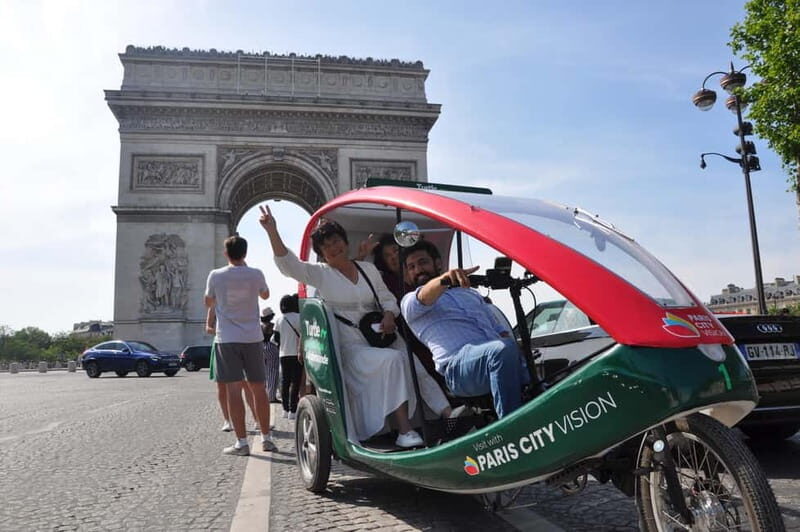
Two hours, and Paris feels mapped. This private rickshaw “Tout Paris” loop is built for people who want the big monuments fast, with an onboard audio guide that keeps you oriented as you move. You’ll glide past landmark after landmark instead of spending your best walking energy hunting street corners.
I like the tight setup: it’s a private group (priced for up to 2), so you’re not stuck waiting for strangers to finish photos. I also like the practical add-ons, especially the photo stops and the WiFi on board to help you plan your next move while you’re still rolling.
One consideration: street conditions can affect comfort. In heavier afternoon traffic, you may feel more stress than you expect, and if the ride gets bumpy you could bonk your head on the roof area (worth noting if you’re tall or careful by nature).
In This Review
- Key things to know before you go
- Why a 2-hour Tout Paris rickshaw tour is a smart first taste
- Price and value: what you’re really buying at $147 per group
- Where you meet (and how to avoid the start-day stress)
- The route: Hôtel de Ville, Notre-Dame, and the Left Bank classics
- Stop-by-stop: the core monument stretch
- What this section does well
- Along the Seine: bridges, river views, and the Eiffel backdrop
- The Trocadéro turn: the classic viewpoint circuit
- Grand Palais to the political sights: the “major city” stretch
- Why this section is worth the ride
- Ending classics: Place Vendôme to the Louvre area
- Audio guide and WiFi: small inclusions that change the feel
- Who this tour is best for
- Book it or skip it
Key things to know before you go
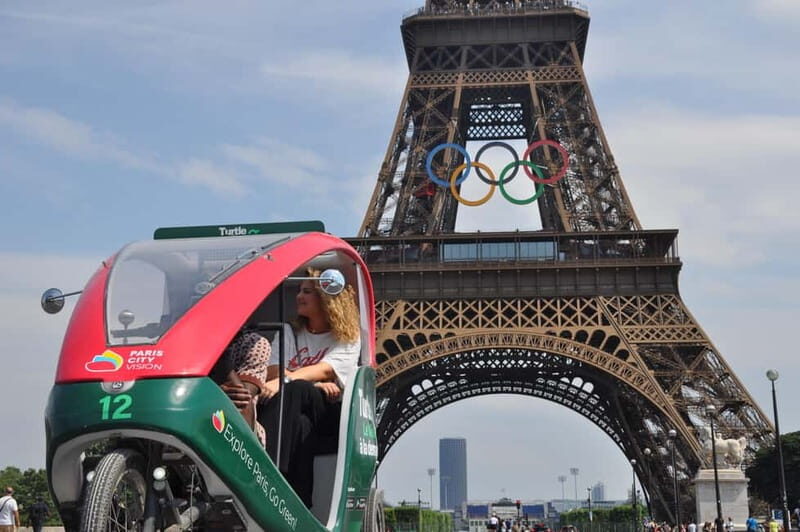
- Onboard audio guide helps you connect names to places without staring at a screen
- Photo-stop rhythm means you get moments for the classic shots, not just pass-by views
- Rickshaw + Seine route gives you a front-row feel for Paris’ most iconic postcard scenery
- Private group (up to 2) keeps the pace sane and the experience more personal
- WiFi on board is handy for grabbing restaurant ideas or checking your next reservation
- Meet and end at 99 Rue de Rivoli so you’re not wandering at the start or finish
Why a 2-hour Tout Paris rickshaw tour is a smart first taste
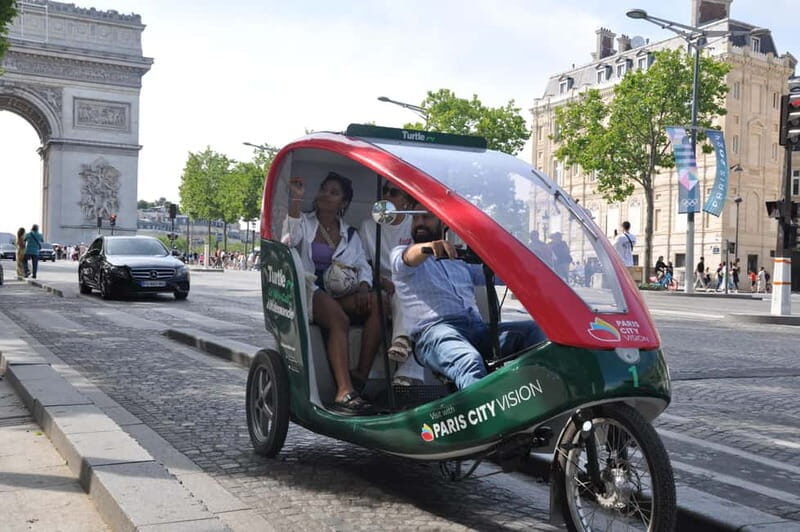
If your Paris plan is packed and you still want the “greatest hits,” this is the kind of tour that helps you get your bearings fast. The idea is simple: cover a wide swath of the city in a short window, with the stops arranged around major monuments so you see the skyline, the big churches, and the grand boulevards in one flow.
A rickshaw matters here because Paris traffic and complicated road crossings can eat time. Instead of fighting for the best viewing angle every few minutes, you’re in motion, with photo stops where it counts. You get that classic Paris feeling of seeing many places without feeling like you did a marathon.
Also, the onboard audio guide makes the difference between a checklist and a story. You’ll hear context as you pass key sites, so when you later read about them (or stroll there on your own), you already understand what you’re looking at.
You can also read our reviews of more cycling tours in Paris

Price and value: what you’re really buying at $147 per group
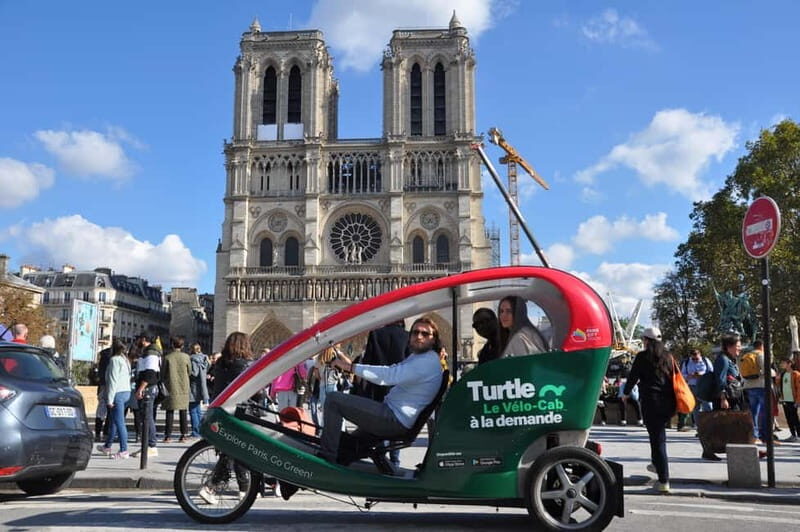
At $147 per group for up to 2 people, the value isn’t just the vehicle—it’s the mix of private pacing + guidance + photo moments.
Here’s what’s included that normally costs extra on typical “see Paris fast” tours:
- A private rickshaw ride (not a shared cattle-car setup)
- An audio guide in multiple languages
- Photo stops built into the route
- WiFi on board, which is a small thing until you’re hungry for directions or want to plan dinner immediately
If you’re traveling as a pair, your per-person cost drops quickly compared with most guided options that charge per person. If you’re solo, it may feel pricier, but the benefit is still real: you’ll get the route tailored to your group’s pace, and the narration keeps you from missing the meaning of what you’re seeing.
Food and drinks aren’t included, so think of it as a sightseeing sprint. If you time it near a meal, you can keep your energy up without paying tour prices for snacks.
Where you meet (and how to avoid the start-day stress)
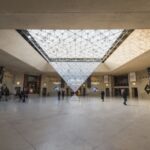
You’ll start at 99 Rue de Rivoli, 75001 Paris, and the meeting point lines up with the area around the Carrousel du Louvre exit. The tour ends back at the same spot, which is great if you’re trying to build the rest of your day around something predictable.
One practical tip: since there are multiple rickshaw operators in the area, make sure you have a clear way to recognize your host. A past group noted that the street number was spot-on, but that distinct identifying details would make it easier when there are several similar options around. So I’d treat the address as your anchor and give yourself a few extra minutes to confirm you’re with the right team.
The route: Hôtel de Ville, Notre-Dame, and the Left Bank classics
Your tour kicks off with a sequence of stops that helps you understand Paris’ “center of power” vibe—church, government, education, and civic landmarks—before it swings toward the river and the big viewpoints.
Stop-by-stop: the core monument stretch
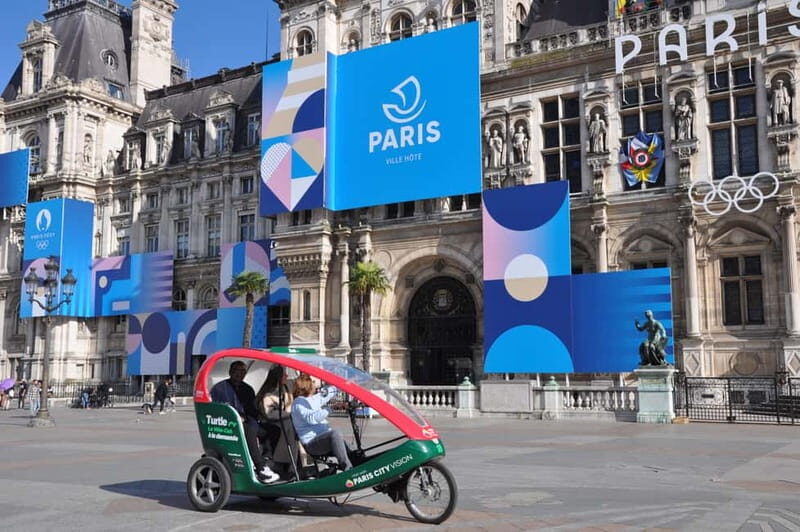
- Hôtel de Ville (photo stop): This is where Paris’ civic story shows up in architecture and symbolism. Even as a photo stop, it gives you a sense of the city’s official identity.
- Notre-Dame Cathedral (photo stop): This one is about scale and location. You’ll get a look that helps you later understand how it shapes the surrounding streets.
- La Sorbonne (photo stop): Seeing the university area adds a different texture to your mental map. Paris isn’t only royal and religious; it’s also education and ideas.
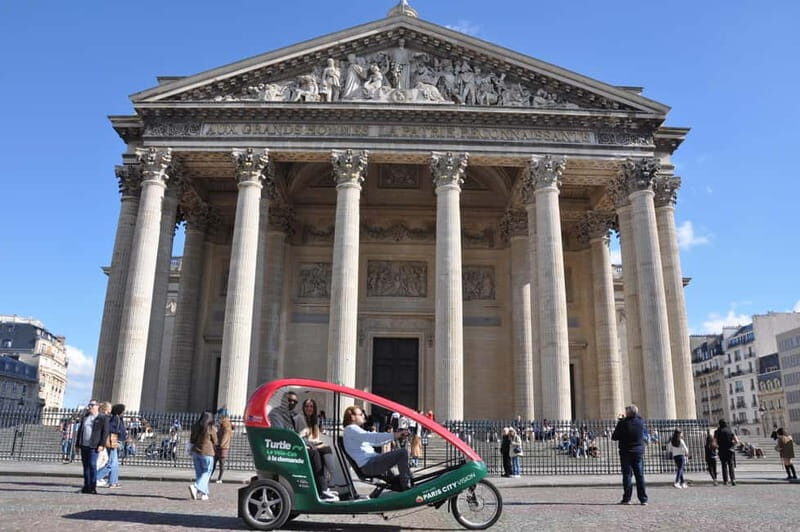
- Pantheon (photo stop): The Pantheon is one of those landmarks that reads differently depending on your angle. This photo stop helps you clock where it sits in the wider scene.
- Luxembourg Gardens (photo stop): Even if you don’t go inside, the gardens mark a calmer side of Paris. It’s a good “pause point” in your head as you move from major buildings to open space.
- Church of Saint-Sulpice (photo stop): This adds more grand church presence and a distinct neighborhood feel—helpful if you’re trying to remember what part of town you’re actually in.
- Saint-Germain-des-Prés (photo stop): This is where Paris starts to feel more like a lived-in city. It’s a neighborhood stop, not just a monument stop, so you get a different kind of context for your later wander.
You can also read our reviews of more guided tours in Paris

What this section does well
This stretch works because it trains your eye. After seeing these sites in a tight window, you’ll recognize the city’s layout faster on your own—where the big religious buildings sit, how the civic center relates to the educational zones, and how open space like Luxembourg fits into the bigger picture.
A small caution: because the schedule is packed with photo stops, you’re not doing long hangs at each location. If you’re the type who likes to linger for 30–40 minutes, you might want to treat this as “orientation + photos,” then return later under your own pace.
Along the Seine: bridges, river views, and the Eiffel backdrop
Once you reach the river area, the tour starts doing what Paris does best: blending monuments with scenery.
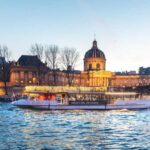
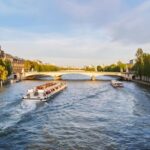
- Seine River (photo stop): A river stop may sound basic, but it’s a key mental anchor. It’s the divider and the connector, and the rest of your Paris day often makes more sense once you’ve “seen the line” of the Seine.
- Pont de l’Alma (photo stop): Bridges are where you understand distance. This stop helps you connect what you saw on land to what you’ll see in the skyline.
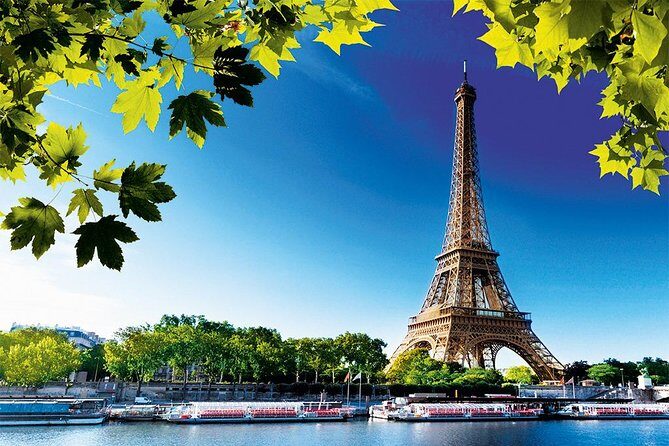
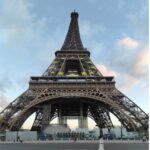
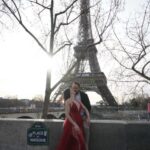
- Eiffel Tower (photo stop): The Eiffel Tower is the obvious headline. What’s not always obvious until you’re there is how it lines up with the other points around it. Getting a planned photo stop helps you lock in that perspective.
- Pont de Bir-Hakeim (photo stop): This is more about the river crossing and the way the city frames itself. You’re getting a bridge moment that supports the Eiffel moment.
- Statue of Liberty (Paris) (photo stop): It’s a fun twist—because it feels like an international symbol placed into the Paris river story. Even as a photo stop, it adds variety beyond the usual repeat icons.
The Trocadéro turn: the classic viewpoint circuit
- Place du Trocadéro (photo stop): This is a heavy-hitter stop for a reason: it sets you up to feel the viewpoint logic behind the Eiffel Tower photos.
- Arc de Triomphe (photo stop): You’ll see the monument’s role in the city’s grand geometry. This is one of those places where your brain starts imagining the routes between major areas.
- Champs-Élysées (photo stop): This boulevard stop is about atmosphere. Even without walking every segment, you get the “big city runway” feel that makes it instantly recognizable.
If you’re curious about seeing Paris from the right angles quickly, this river-and-boulevard section delivers. It’s also where the onboard narration tends to make sense, because many of these monuments relate visually to each other across streets and water.
Grand Palais to the political sights: the “major city” stretch
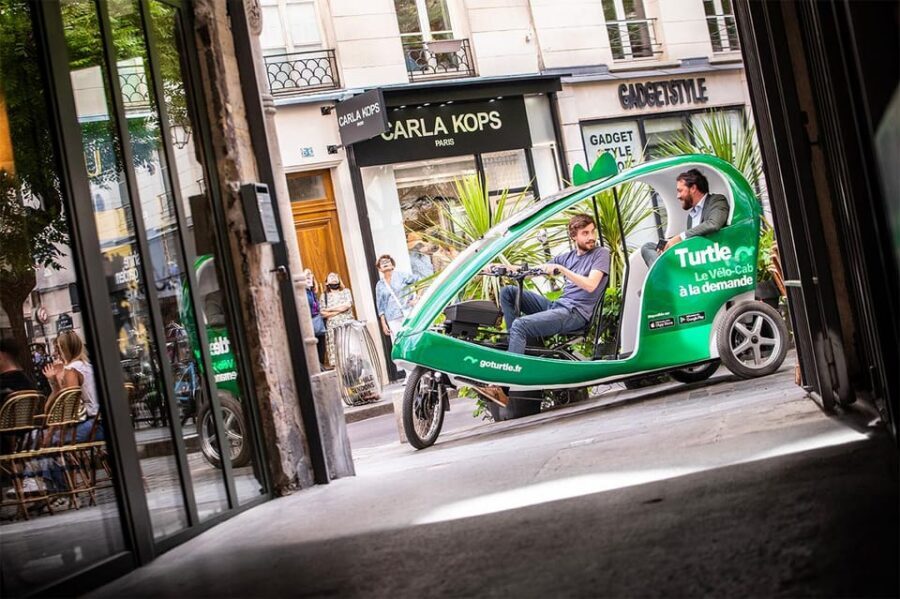
After the Arc and Champs-Élysées, your route keeps moving through official buildings and the grand ceremonial spaces that make Paris feel like a capital.
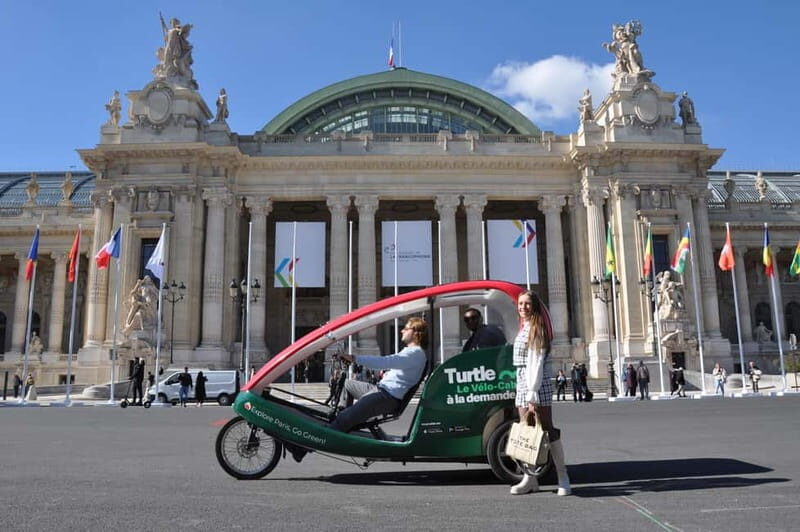
- Grand Palais (photo stop): This is where architecture starts to feel like theater—big, impressive, and designed to impress from a distance.
- Pont Alexandre III (photo stop): Bridges again, but this one carries extra weight. It helps you see Paris as a city that treats infrastructure as part of the art scene.
- l’Assemblée Nationale (photo stop): This adds the political center to your mental map. Even if you’re not a politics person, it helps explain why certain areas feel so formal.
- Place Vendôme (photo stop): This is a shift from sheer monument power to a more controlled, elegant square feel.
- Palais Garnier (photo stop): The opera house gives you a different Paris mood: performance, elegance, and the city’s cultural shine.
Why this section is worth the ride
This middle portion isn’t just about famous buildings. It shows you how Paris spreads grandeur across different uses—art (Palais Garnier), politics (Assemblée Nationale), and ceremonial civic spaces (major squares and avenues). After seeing them close together, you’ll find it easier to navigate later, because you’re mapping city logic, not just collecting photos.
One possible downside: when the route hits high-traffic areas, the ride can feel more “street survival” than sightseeing. That’s not a reason to skip it, but it is a reason to approach it with patience and good posture. If you’re prone to motion discomfort, consider timing your tour when the streets feel calmer.
Ending classics: Place Vendôme to the Louvre area
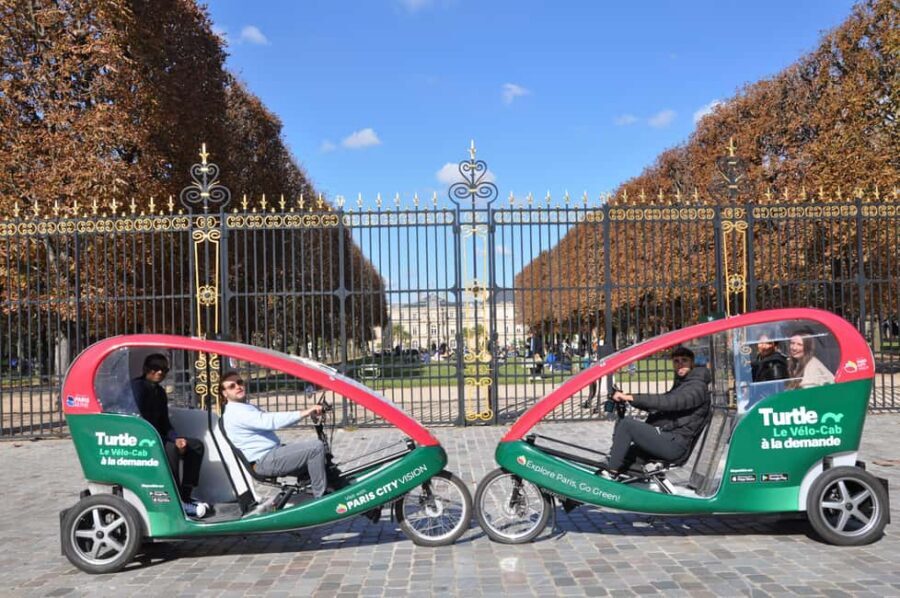
The final stretch brings you back toward the artistic and iconic heart of Paris.
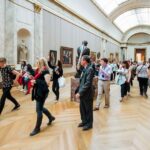
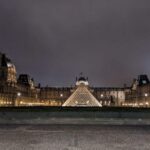
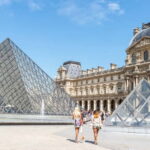
- Louvre Museum (photo stop): You’ll see it as a landmark first, and later as a place with a deeper plan. Even a photo stop here can help you understand how the Louvre anchors the surrounding area.
- Return to 99 Rue de Rivoli: Easy wrap-up. You’re not stranded across town after the tour ends.
If you’re starting your trip or you’re short on time, this ending order is helpful. It finishes strong and puts you near a place that’s easy to plan around. If you want to keep the momentum after the rickshaw, you’re positioned to do it without a long commute.
Audio guide and WiFi: small inclusions that change the feel
The audio guide is included, and it’s available in many languages: Dutch, German, English, French, Italian, Spanish, Japanese, and Chinese. That matters if you’re traveling with someone who doesn’t want to rely on their phone for translations while moving.
The onboard WiFi is a nice bonus. During the tour, you can use it to confirm opening hours for what you want next, check where you’re staying, or pull up a map when your brain is overloaded with landmarks.
The tour host or greeter communicates in English and French, which is handy if you have a quick question. And because it’s a private group, you’re not stuck waiting for the whole pack to catch up before the next stop.
Who this tour is best for
This is a good match if:
- You want an efficient overview of Paris’ major monuments in 2 hours
- You travel as a pair and like the control of a private experience
- You want narration that helps the city click into place, without staring at a phone constantly
- You’re doing your first day in Paris and want a fast orientation before deeper exploring
It’s less perfect if:
- You want long museum-style time at each stop
- You dislike any feeling of street pace in busy areas
- You’re sensitive to bumpy rides or head clearance issues under a roofed vehicle
Book it or skip it
I’d book this tour if your priority is maximum Paris impact in minimal time. The route covers a lot of the famous circuit, and the inclusion of an audio guide, photo stops, and WiFi makes it feel more complete than just being driven past monuments.
Skip it if you already know you’ll return to these exact sites soon and you prefer to spend your sightseeing time walking slowly without vehicle transitions. Also skip if you hate any chance of traffic-stress energy, since the Paris street environment can get intense.
If you want a practical, story-guided highlight reel that helps you navigate the rest of your trip, this “Tout Paris” rickshaw tour is a solid way to start.