REVIEW · PARIS
Paris: The vibrant city center and Le Marais
Book on GetYourGuide →Operated by Paris through my eyes · Bookable on GetYourGuide
That first stretch near Notre-Dame changes everything. This walk is built around the oldest layers of Paris, then it slides into the Marais so you see how architecture and daily life grew together over centuries. You’ll start at Shakespeare and Company by the Wallace fountain, then the route focuses on stories and sightlines you usually miss when you’re just chasing photos.
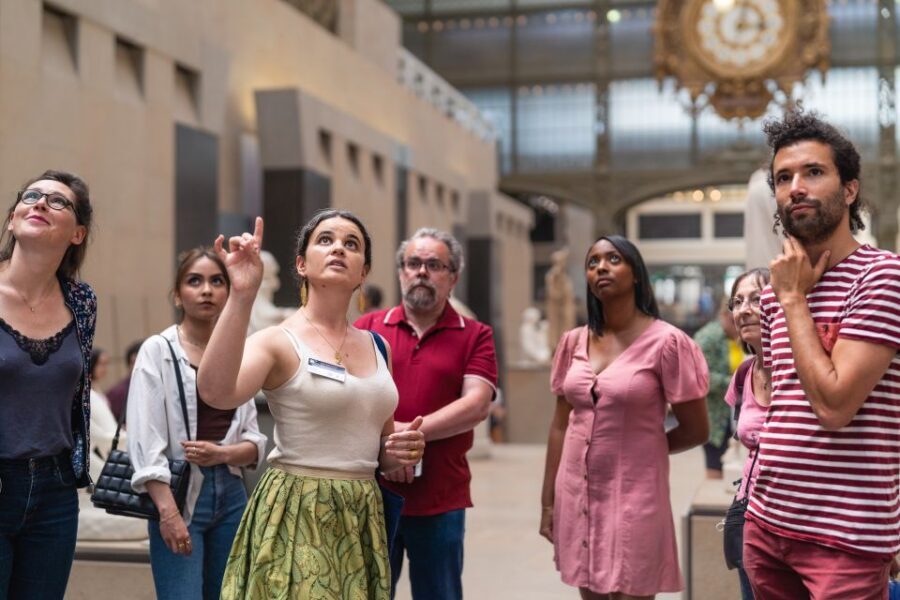
I especially like the small group size (limited to 8), because the guide can keep the pace human and answer questions without turning it into a lecture. And I really like the guide’s insider/outsider angle: a German perspective on Parisian culture, which often makes you notice the small, specific choices Parisians take for granted.
One thing to consider: this is a true walking tour. It’s not for slow-moving days, and wheelchair access isn’t supported.
In This Review
- Key highlights to look forward to
- Walking from Notre-Dame to Le Marais at a local pace
- Meeting at Shakespeare and Company, then finding the real starting point
- Notre-Dame de Paris area: Gothic architecture without the ticket line
- The move on foot: turning history into a street-level story
- Flamboyant times, Medieval houses, and Renaissance city forms
- First King’s Square moments and peaceful secret-park breaks
- Le Marais: lively streets, balcony details, and architecture you can spot
- The final stretch toward Rue de Thorigny
- Price and value for a 2-hour small-group walk
- Who should book this tour (and who might skip it)
- Should you book Paris through my eyes?
- FAQ
- How long is the tour?
- What languages are available?
- How big is the group?
- Where do we meet?
- Where does the tour end?
- Is the Notre-Dame church visit included?
- What’s included in the price?
- Is the tour refundable if plans change?
- Is the tour suitable for wheelchair users?
Key highlights to look forward to
- Bilingual guidance (English and German) with a friendly, story-led approach
- Notre-Dame-area Gothic focus without needing to tour inside the cathedral
- Le Marais on foot, with photo stops and architecture details you’ll learn to spot
- Renaissance and Flamboyant-era buildings, plus Middle Ages housing along the way
- Tranquil secret-park moments that break up the streets
- Balcony-style details and street-level history that make the Marais feel personal
Walking from Notre-Dame to Le Marais at a local pace
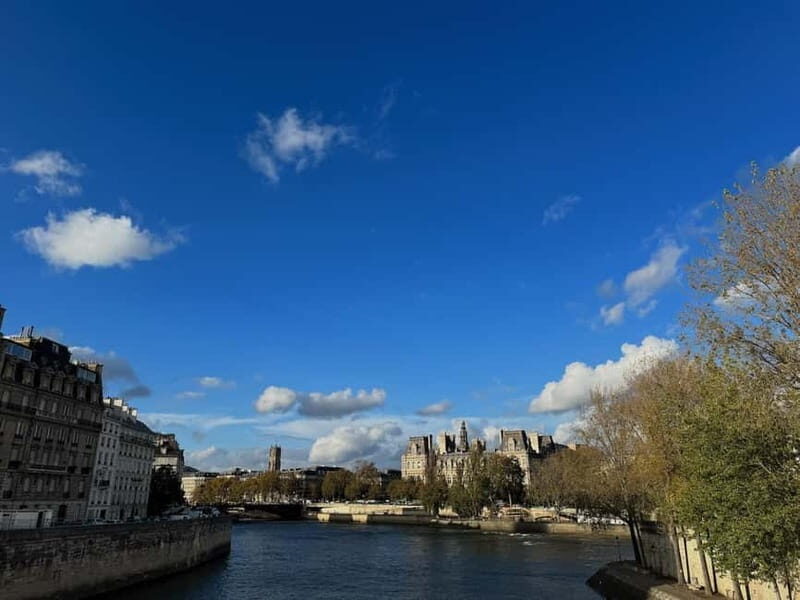
If Paris has a superpower, it’s how it keeps building on itself. This tour is designed to make you feel that continuity in a very practical way: you walk, you look up, and you understand why the streets and buildings look the way they do.
The route is compact and time-efficient at about two hours, so it’s an easy add-on to a day of museums and cafés. With a small group capped at 8, you won’t be shuffled into a human wave. You can actually see what the guide points out—especially when the details are at eye level, like façades, balconies, and the way buildings frame the street.
You’ll also learn the kind of Paris facts that matter outside the tour. Afterward, you’ll be better at reading the city: which parts were built for power and defense, where style signals shifted toward flamboyant Gothic and Renaissance tastes, and why the Marais feels different than the rest of the center.
You can also read our reviews of more city tours in Paris


Meeting at Shakespeare and Company, then finding the real starting point
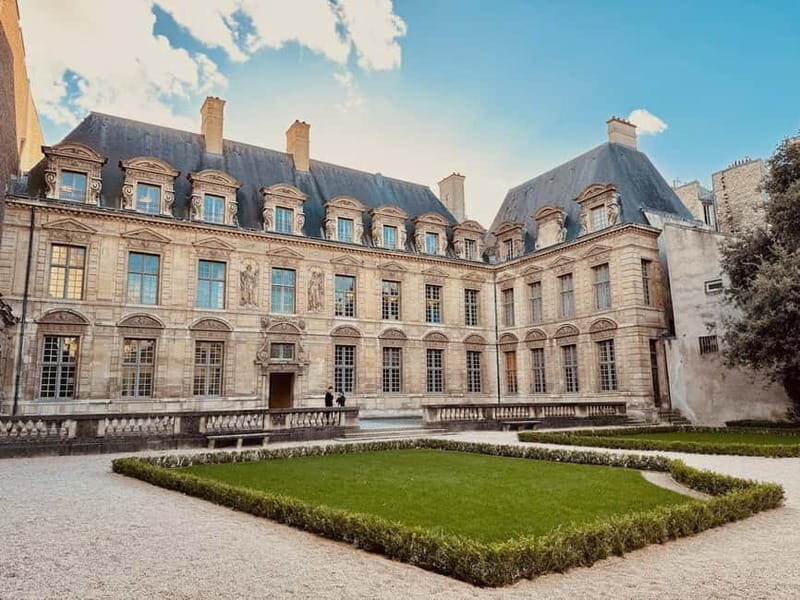
You begin at Shakespeare and Company, at the Wallace fountain right outside the shop. It’s a good landmark because you can orient yourself fast—even if it’s your first day in Paris.
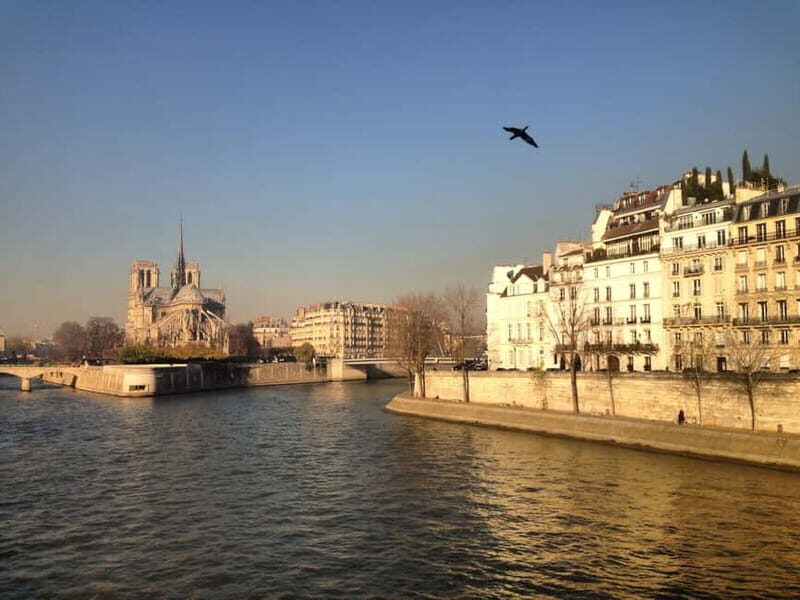
From there, the walk leads you into the older heart of the city. The first main reference point on the ground is Notre-Dame de Paris, and the tour emphasizes the area and architecture around it. Important: the experience is not the cathedral entry. You’re not paying for a church ticket on this one.
I like this setup because it respects how most people actually experience Notre-Dame. You see the place, you understand the style, and you move on without getting stuck in the logistics of entering a major monument.
Notre-Dame de Paris area: Gothic architecture without the ticket line
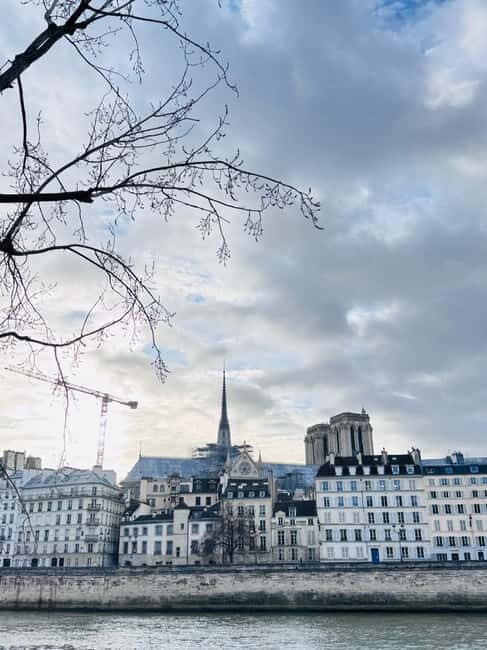
The tour opens by framing French Gothic architecture through Notre-Dame de Paris as one of the finest examples. Even if you’ve seen photos before, standing near the cathedral’s context gives you a better sense of scale and intention—the way the design aims upward, and how the neighborhood’s older streets support that visual drama.
Expect a mix of guided talking, walking, and short photo opportunities as you take in the streets around the cathedral. The goal isn’t “look, then leave.” It’s more like: look closely, then understand what you’re looking at.
A subtle bonus: this is a great way to orient your day. After that initial Gothic anchor, the rest of the route makes more sense. When flamboyant-era and Renaissance buildings show up later, you’ll recognize the shifts in style instead of treating it all like “old buildings.”
The move on foot: turning history into a street-level story

After the initial photo-and-guided stretch, the tour continues on foot through the older fabric of central Paris. This part matters because it’s where you stop thinking of history as museum text and start feeling it as urban design.
You’re likely to notice how the streets funnel movement and how different pockets of architecture sit side by side. In older cities, that mixing is the point. Medieval houses don’t vanish when Renaissance tastes arrive. Instead, new forms layer in, and older structures keep influencing street scale.
This walking segment also gives you time to settle into the tour rhythm. With comfortable shoes (the guide recommends them) you’ll be able to enjoy the in-between moments: quick scenic views, turns that reveal a façade you wouldn’t spot from a wider street, and the quiet “wait—look up” feeling that Paris does so well.
Flamboyant times, Medieval houses, and Renaissance city forms

One of the most interesting parts of this walk is the way it compresses big architectural eras into something you can actually see. You’ll pass buildings tied to flamboyant times, you’ll encounter Middle Ages houses, and you’ll see Renaissance city castles referenced in the architecture and street character.
Why this helps you: architectural styles can feel abstract when you read them. Here, the guide gives you a reason to care. The buildings stop being background and start acting like clues. You’ll start linking the look of a façade to the period that produced it—and to the social goals those periods had, from prestige to defense to status.
Also, the route isn’t just about big showpieces. It’s about how Paris lived at street level. That’s why you’re not just staring at one monument. You’re comparing the evidence as you go.






First King’s Square moments and peaceful secret-park breaks
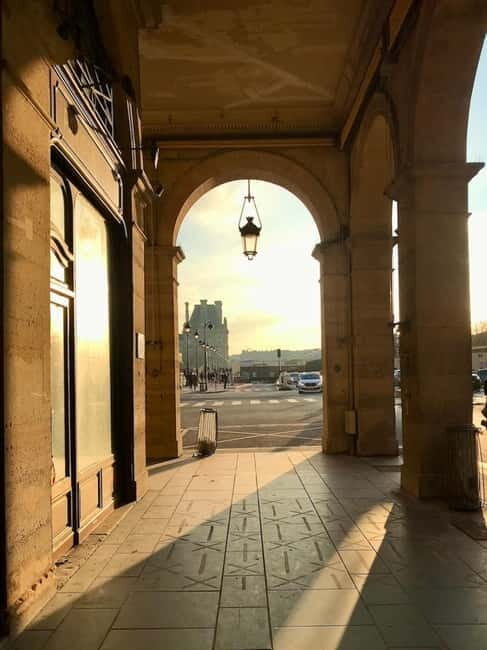
Paris walking tours can become constant forward motion. This one strategically slows down at moments that feel like they belong to another pace entirely.
You’ll visit tranquil oasis-like secret parks during the experience—small breaks where you can breathe and reset your eyes before returning to the streets. These pauses do more than feel pleasant. They help you understand the city’s layout. Green pockets inside dense neighborhoods are a big part of why the Marais feels livable, not just photogenic.
You’ll also experience the first King’s Square, which adds a political and civic layer to what you’re seeing. Squares aren’t random; they’re stage settings for power, community, and movement. Once you learn that, you’ll start noticing how public spaces are used in Paris, not just where they exist.
Le Marais: lively streets, balcony details, and architecture you can spot

Then comes the reason many people schedule a second Paris neighborhood walk: Le Marais. The Marais is exciting because it’s layered. You get lively streets, but you also get moments that feel quieter and more intimate.
During the Marais portion, expect a stronger mix of guided tour, sightseeing, and photo stops. This is where the details matter most. The guide’s stories focus on what you can actually see on the buildings: balconies, street fronts, and architectural traits that show time periods overlapping in one block.
One specific detail I’d pay attention to on this segment is balcony style. If you’ve ever walked past balconies and thought they all look the same, this is the part where you learn to read the differences. It turns a throwaway street feature into evidence of the era and the lifestyle.
Le Marais also works as a “confidence-builder.” After you’ve learned what to look for, you can keep exploring on your own afterward with a better sense of direction and style.
The final stretch toward Rue de Thorigny
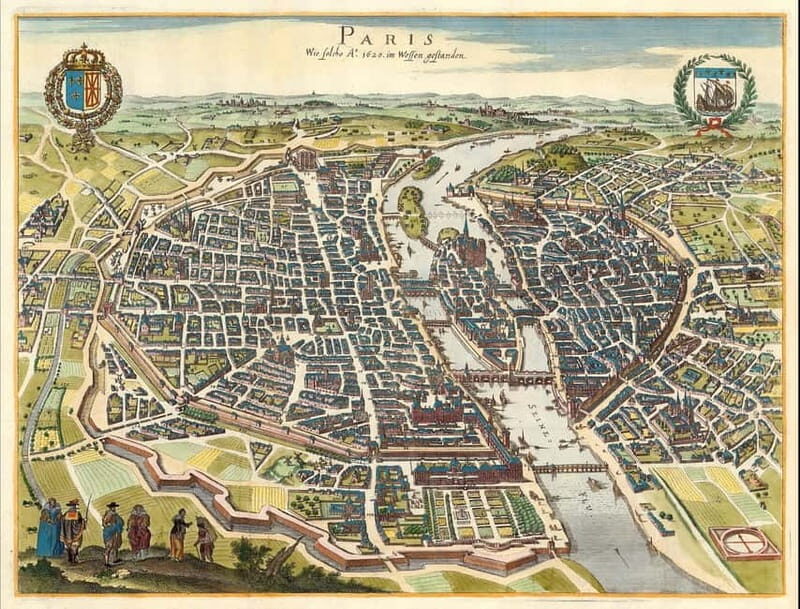
As the tour winds down, you move from the Marais atmosphere toward the finishing address at 5 Rue de Thorigny, 75003 Paris. This end point is in the heart of the action, so it’s easy to continue by yourself—grab a snack, browse nearby streets, or aim for another sight.
The flow matters here too. You don’t just stop after Le Marais and dump people. The guide keeps the story thread moving, including more photo stops and guided sightseeing as you wrap up.
If you’re building a one-day plan, this is the kind of tour that slots in well late morning or early afternoon, when you want your legs used but still want energy left for dinner.
Price and value for a 2-hour small-group walk
At $40 per person, this tour is priced like a quality neighborhood experience rather than a big-ticket museum event. For that money, you’re getting:
- a live guide (English and German)
- a small group (up to 8)
- guided walking with architecture and historical storytelling
- structured stops that include photo time, parks, and the key Marais area
What you don’t get is also clear: there’s no included cathedral visit, and any items you might want to buy along the way are paid by you.
So here’s the value test I’d use: if you enjoy learning while walking—and if you like the Marais more when someone points out details—this price feels fair. If you prefer a self-guided day with no talking and zero group pacing, you might find it less satisfying.
Who should book this tour (and who might skip it)
This tour is a strong match if you:
- like architecture and want a guide to help you see eras, not just name them
- want an off-the-beaten-path feel inside the central Paris grid
- enjoy Le Marais but don’t want to wander without context
- want a bilingual guide and a small group setting
It might not be the best fit if you:
- struggle with walking for about two hours total
- need wheelchair access (this one isn’t suitable for wheelchair users)
- are hoping for an included visit inside Notre-Dame itself (the visit of the church isn’t included)
Should you book Paris through my eyes?
Yes, I think you should—if your ideal Paris day includes street-level history, architecture details, and a small-group guide who keeps the pace friendly. The biggest wins are the design of the route: Notre-Dame-area Gothic framing at the start, then a shift into medieval-to-Renaissance layers, then Le Marais with parks and story-rich street corners.
Two practical reasons to book: you’ll learn how to recognize architectural cues as you walk, and you’ll leave with enough structure to explore the Marais on your own afterward. If you’re trying to cover Paris efficiently, this one is a smart use of two hours because it builds context for everything else you’ll see that day.
FAQ
How long is the tour?
The tour lasts about 2 hours.
What languages are available?
The live guide offers the tour in English and German.
How big is the group?
It’s a small group with a limit of 8 participants.
Where do we meet?
You meet at Shakespeare and Company, at the Wallace fountain right outside the shop.
Where does the tour end?
The tour ends at 5 Rue de Thorigny, 75003 Paris.
Is the Notre-Dame church visit included?
No. The visit of the church is not included, and the cathedral entrance is not part of the experience.
What’s included in the price?
You get a guided walking tour.
Is the tour refundable if plans change?
Free cancellation is offered up to 24 hours in advance for a full refund.
Is the tour suitable for wheelchair users?
No, it is not suitable for wheelchair users. Comfortable shoes are recommended.