REVIEW · PARIS
Paris : Wine and Whimsy, The wine tour of Montmartre
Book on GetYourGuide →Operated by Bon Appétit Walks · Bookable on GetYourGuide
Montmartre turns wine education into fun walking. This tour mixes cobblestone streets and wine tasting skills with real French background, not just tasting notes you’ll forget. I love that you end with a blind tasting of two wines, so the lesson actually sticks. I also like the hands-on food pairings, including mackerel with raspberry vinegar and melted cheese with roasted apple. One possible drawback: it’s only 3 hours, so it’s more of a smart sampler than a deep, day-long wine program.
You’ll be in a small group capped at six, led in English, with a laid-back guide who connects the neighborhood’s story to what’s in your glass. You’ll learn how French winemaking works, how to taste using a structured form, and how to connect wine choices to food. If you’re the type who wants museums instead of lesson breaks at wine bars, this may feel a bit more “class with snacks” than “pure wandering.”
In This Review
- Key highlights at a glance
- Montmartre wine lessons, guided by the neighborhood
- The walk starts at Place Blanche (then ends at Sacré-Cœur)
- What you learn first: French winemaking basics you can actually use
- How you taste: aromas, perception, and a real tasting form
- Three wine stops with five wines and food pairings that make sense
- Stop-and-stroll Montmartre: history that connects to what’s in your glass
- The big skill moment: blind tasting of two wines
- Who should book this Montmartre wine tour
- Price and value: what $125 gets you
- The small-group advantage: why six people works
- Should you book Wine and Whimsy: The wine tour of Montmartre?
- FAQ
- How long is the Montmartre wine tour?
- What does the tour cost?
- Is food and wine included?
- How many wine tasting stops are there?
- How many wines do you taste?
- Where do you meet, and where does the tour end?
Key highlights at a glance
- Montmartre on foot: history and views while you taste
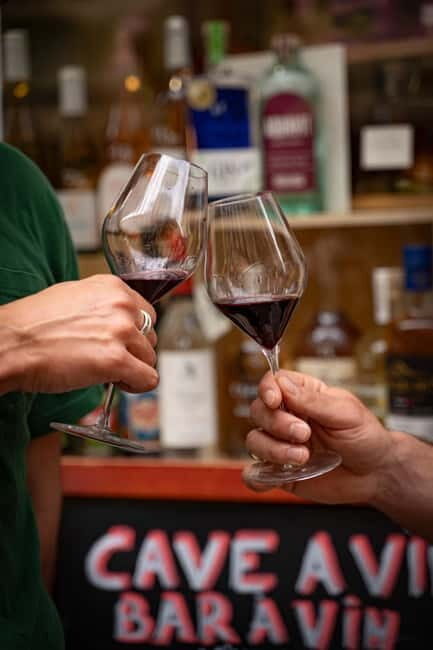
- Three wine stops: shop and bar tastings across the walk
- Five different wines, five glasses total: enough variety to learn patterns
- Aromas + a tasting form: you practice the process, not just the sipping
- Blind tasting of two wines: a real skill test at the end
Montmartre wine lessons, guided by the neighborhood
Montmartre is one of those Paris areas where the streets tell stories, even when you’re just trying to find your way. This tour uses that setting on purpose. You’re not sitting in a classroom with wine posters. Instead, you walk through the neighborhood’s character, then step into wine shops and bars where the lesson becomes practical fast.
The approach works because it’s short and focused. In about three hours, you get the basics of French wine, you practice tasting steps, and you still see the area as a visitor would. If you like learning that feels useful immediately, this tour makes sense.
You can also read our reviews of more wine tours in Paris


The walk starts at Place Blanche (then ends at Sacré-Cœur)
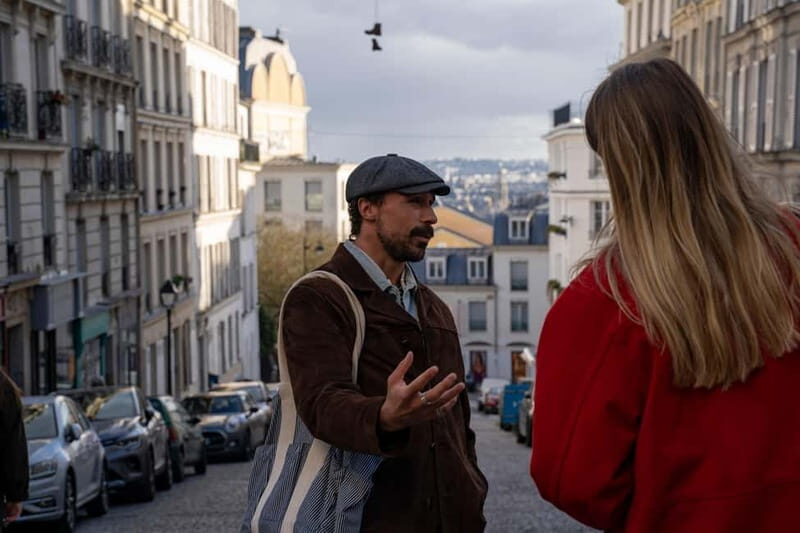
You meet at 5 Pl. Blanche, in front of a Starbucks. The meeting instructions are simple: look for a moustache and a badge. That sounds like a silly detail, but it actually matters in Paris where meeting points can be confusing.
From there, the flow is easy. You begin with a guided look through Montmartre, then you move to wine stops, and the tour wraps at the Basilica of Sacré-Cœur de Montmartre. Ending near Sacré-Cœur is a nice move. Even if you’re not climbing for photos, you’re in the right place to continue exploring afterward.
Timing is another quiet benefit here. The total duration is about 3 hours, with several set segments. You won’t be waiting around in awkward “what do we do now?” gaps. It’s a structured outing that still feels like a walk.
What you learn first: French winemaking basics you can actually use
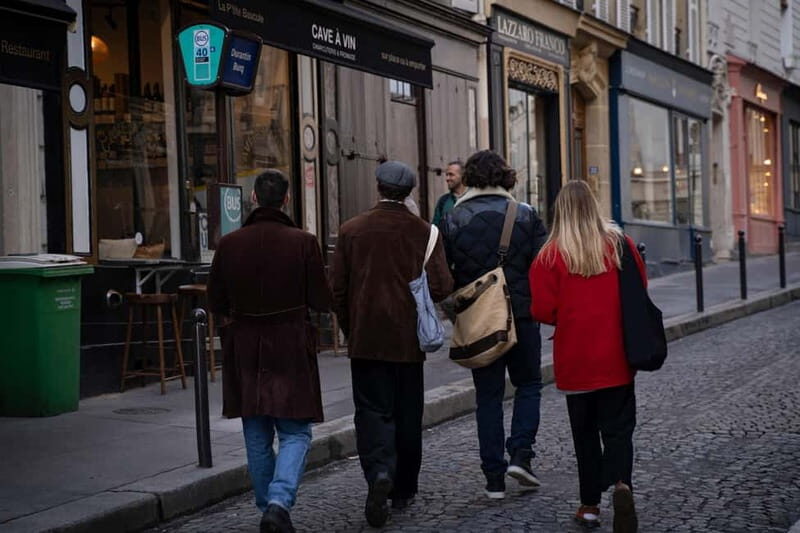
Before you’re handed glasses, you get the foundation. The tour’s first step is about wine making basics and French wine territories. That combo is key. Most visitors taste wine without knowing what they’re tasting. This helps you connect bottle choices to the bigger system behind them.
You’ll also pick up a clearer sense of why French wine has such a reputation. The tour doesn’t ask you to memorize a textbook. Instead, you learn the principles that explain what happens from grape to glass—enough to make your next order smarter.
In my opinion, this is the part that turns wine from guesswork into a conversation. When you understand what region and style usually imply, you stop thinking of wine as random. You start thinking of it as a set of patterns.
How you taste: aromas, perception, and a real tasting form
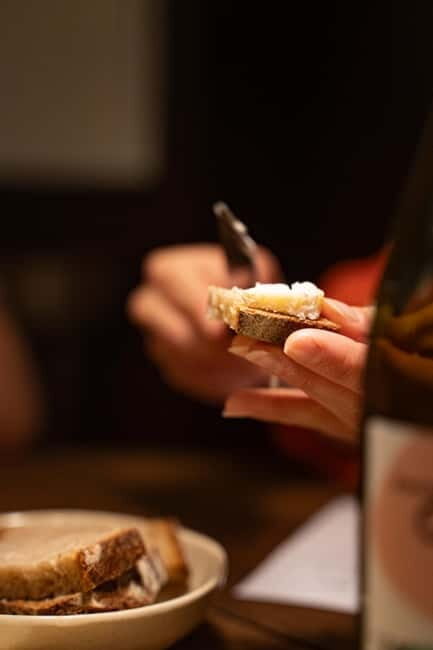
The middle of the tour is where the skill-building happens. You’ll work with a workshop on wine aromas and perception, plus instruction on how to use a wine tasting form.
This matters more than people expect. A lot of wine tasting turns into “Do you like it or not?” and then everyone moves on. Here, you practice a process: how to look, smell, and taste with attention. The tasting form gives you something concrete to do at each stop instead of just swirling and hoping.
The aroma workshop also helps with something I’ve seen a lot: people worry they can’t “smell well.” This type of exercise shifts that. You start noticing that aromas come through in steps, and your brain can learn to separate what you’re sensing—fruit, texture cues, and other common signals—rather than treating everything as one vague impression.
Three wine stops with five wines and food pairings that make sense
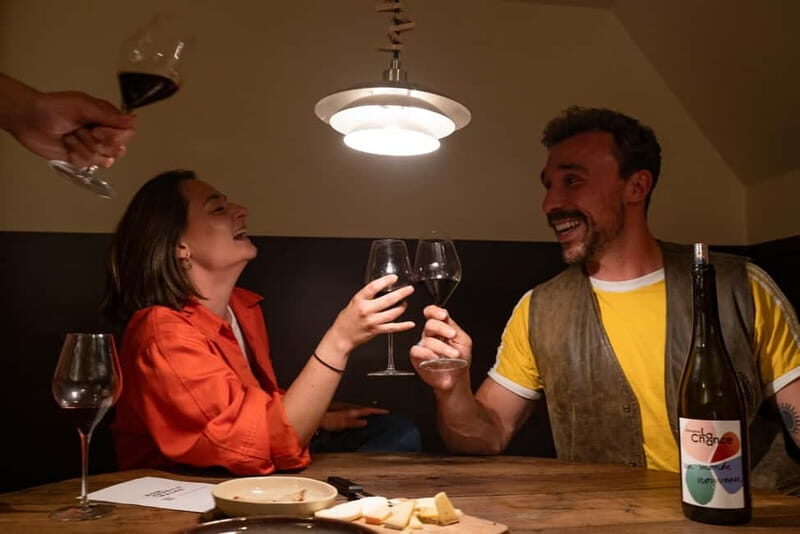
You’ll visit three wine locations in total—mixing wine bars and a wine shop feel—so you’re tasting in different settings. Each stop includes food paired with the wine, and that pacing is one of the best parts of the whole experience.
You sample five different wines across five glasses total. That’s enough variety to notice differences without turning the tour into a marathon. And because the food is built into every stage, you’re not stuck chasing brightness with an empty stomach.
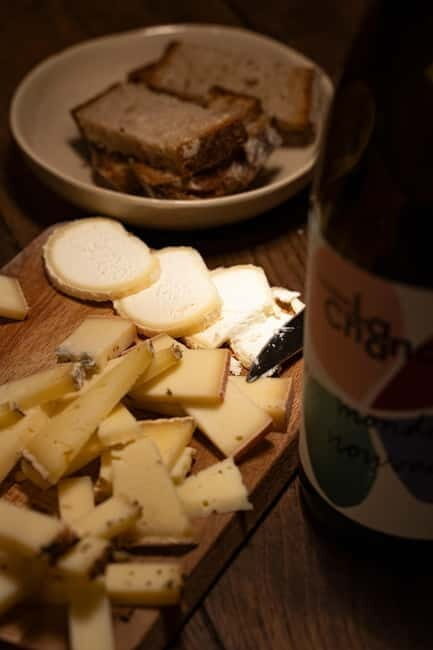
The food pairings are the kind that help you learn pairing logic instead of just eating. The tour includes examples like:
- Mackerel with raspberry vinegar
- Melted cheese with roasted apple
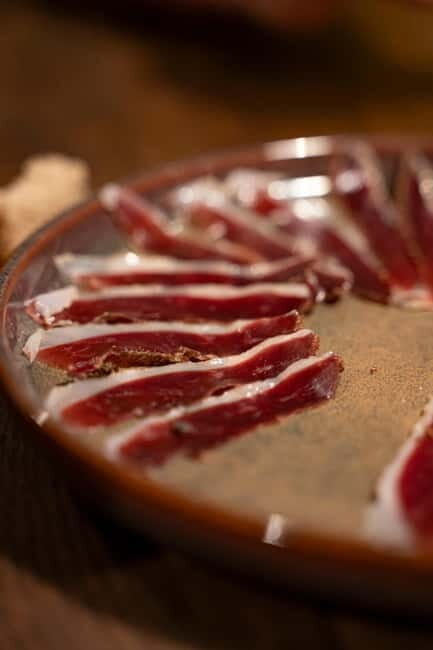
- Smoked duck ham
Even if you don’t remember the exact pairing next week, you’ll remember the lesson: wine changes when you add salt, fat, acid, and sweetness. The tour gives you the chance to feel that shift right away, then talk through what’s happening.
Also, a practical note: water is included, but non-alcoholic drinks other than water aren’t listed as included. If you want soda or juice, plan for that on your own.


Stop-and-stroll Montmartre: history that connects to what’s in your glass
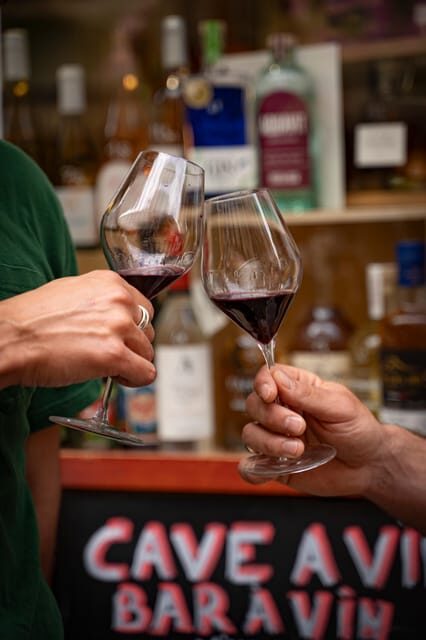
The Montmartre walking segments aren’t just filler between tastings. You get a guided look that connects the area’s evolution—how it moved from a rural village vibe to an arts-and-intellectuals hub—to what the neighborhood culture is like today.
You’ll walk through Montmartre’s classic streets and get that “I’m really here” feeling: cobblestones, little turns, and views that remind you this is still Paris, just on a different hill. There’s a reason Montmartre works for a wine tour: it’s atmospheric, it’s story-friendly, and it’s easy to move between viewpoints and small shops.
The pairing of neighborhood tales with wine lessons also keeps things from getting too formal. When the guide mentions how people historically gathered—what they drank, what they ate—you see wine as a social habit, not just a beverage.
The big skill moment: blind tasting of two wines
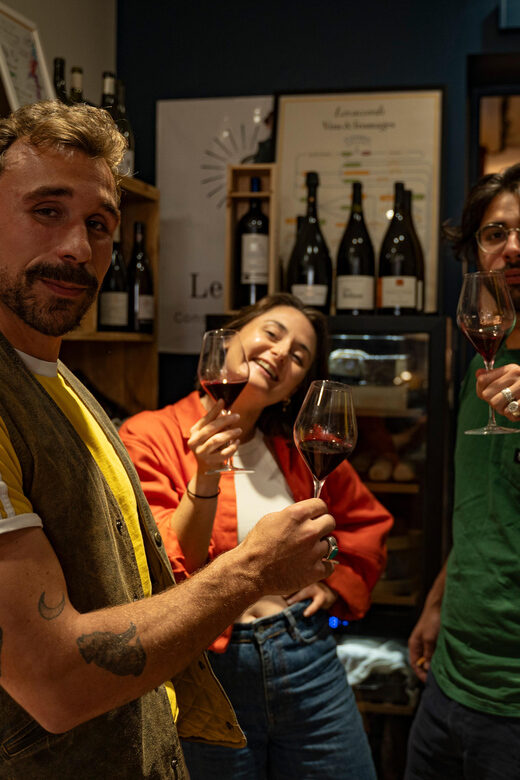
Near the end, you hit the part that most tourists love because it’s challenging but not intimidating: a blind tasting of two wines. You’re not told what you’re drinking. You use what you learned—aromas, perception, and your tasting form—to make an educated guess.
This is where the tour earns its value. Without the blind tasting, you could leave with good memories and still be unsure how to replicate the process later. With it, you experience a mini test of the exact method the tour taught.
The best part is that it teaches you how to separate preference from prediction. You learn what you’re reacting to, and you learn how to describe it. That’s the difference between buying wine randomly and buying wine because you understand the style you want.
Who should book this Montmartre wine tour
This is a strong match if you want:
- a first taste of French wine without feeling lost
- clear tasting instruction that works even if you don’t call yourself a wine person
- a Montmartre walk that ends in a meaningful place, not just back at a sidewalk
If you’re traveling with someone who drinks wine and another person who’s unsure, this kind of tour can still work well. The structure, the food pairing, and the tasting guidance tend to reduce the fear of ordering wrong.
It may not be ideal if you want a long, detailed historical tour with minimal food and minimal structured tasting. Also, it’s not suitable for children under 18.
Price and value: what $125 gets you
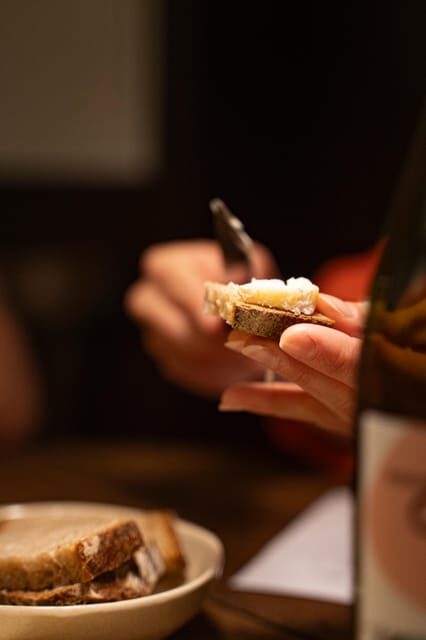
At $125 per person for a 3-hour small-group outing, the price can look steep until you count what’s actually included. You get:
- an English live guide focused on wine and neighborhood history
- three wine stops (wine shop and bars)
- five different wines and food pairings throughout
- a workshop on aromas and perception
- a blind tasting at the end
Wine tasting tours can be pricey in Paris, especially when alcohol is the main cost. Here, the alcohol and food are bundled into the experience. That’s important because it turns your spending from “a drink here, a snack there” into a fixed plan.
You’re also paying for the teaching element: the tasting method, the aroma workshop, and the tasting form. That’s why the tour feels useful, not just like you paid for someone to pour wine.
The small-group advantage: why six people works
A maximum of six participants changes the vibe. You can ask questions, and the guide can pace the lesson to the group. You’re not stuck watching from the back while someone else dominates the conversation. In a tasting setting, attention is everything, and small groups help.
You also get a more relaxed feeling from the guide style. The tour isn’t built like a rigid lecture. It’s structured like a lesson with room for questions, plus enough freedom to enjoy the neighborhood between tastings.
Should you book Wine and Whimsy: The wine tour of Montmartre?
I think you should book it if you want a smart mix of Montmartre walking and wine tasting skills you’ll actually remember. The blind tasting and the tasting form are the two reasons this tour doesn’t feel like a one-time “cool experience.” They give you a toolset.
Skip it if you prefer wine without instruction, or if you want more time in the streets without scheduled stops. Also skip it if you don’t like the idea of sitting through a guided Montmartre segment and then doing structured tastings.
If you’re undecided, this is the kind of tour that tends to pay off right away: by the end, you’re not just thinking about what you drank—you’re thinking about why.
FAQ
How long is the Montmartre wine tour?
The tour lasts about 3 hours.
What does the tour cost?
The price is $125 per person.
Is food and wine included?
Yes. Food and wine are included in the price, and you’ll also have water.
How many wine tasting stops are there?
You visit 3 stops in wine bars or a wine shop.
How many wines do you taste?
You taste 5 different wines, served as 5 glasses total.
Where do you meet, and where does the tour end?
You meet at 5 Pl. Blanche in front of a Starbucks, looking for a moustache and badge. The tour ends back at the meeting area and includes a finish near the Basilica of Sacré-Cœur de Montmartre.