REVIEW · PARIS
Paris with Love Private Guide & Driver
Book on Viator →Operated by A private exceptional guide · Bookable on Viator
A half-day in Paris, done right.
This private guide route packs in the city’s biggest landmarks with quick, practical context so you understand what you’re looking at. You also get coffee and/or tea, plus an option to switch between walking and door-to-door vehicle transfers depending on your comfort level.
I really like how the tour keeps you moving without feeling chaotic, hitting classic photo angles like Trocadéro and Pont Alexandre III. I also like the pace-setting history moments, from Louis XV and Napoleon’s orbit to the medieval core around Notre-Dame.
One thing to consider: the Eiffel Tower moment is intentionally brief. If your idea of Eiffel time is standing in line, going up, and lingering, plan extra time to do that separately.
In This Review
- Key things that make this tour feel worth it
- Paris with Love: the practical “half-day highlights” plan
- Meeting at Trocadéro: where the Eiffel Tower view game begins
- Eiffel Tower loop: outside views, Champs de Mars, and quick orientation
- Ecole Militaire and Invalides: Napoleon’s footprint without the museum time trap
- Petit Palais break: the one ticketed interior moment
- Grand Palais and Pont Alexandre III: Paris style, photo angles, and exhibitions
- Champs-Élysées to Arc de Triomphe: the power axis in motion
- Place de la Concorde and a Le Nôtre garden stop: the royal-to-modern handoff
- Louvre area and Pont des Arts: orient fast, then choose your own next step
- Île de la Cité: the medieval core where Notre-Dame fits like the final piece
- Shakespeare and Company, Pont Neuf, and the Latin Quarter markers
- Pace, coffee breaks, and what makes the guiding style work
- Price and value: what $154.99 buys in real terms
- Should you book Paris with Love for a 4-hour highlights hit?
- FAQ
- How long is the Paris with Love private guide and driver experience?
- Where does the tour start and where does it end?
- Is pickup available with a private driver?
- Is the tour in English?
- Do I need to buy tickets for every stop?
- Is coffee or tea included?
- Is this mostly a walking tour?
- Is this a private tour?
- Can I bring a service animal?
Key things that make this tour feel worth it
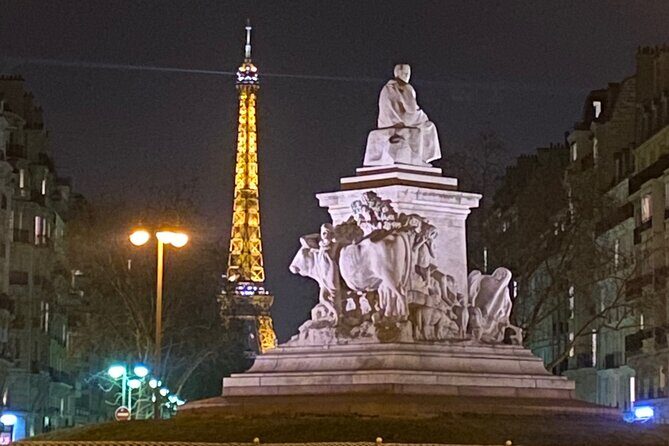
- Trocadéro first for Eiffel Tower views before crowds build, with easy photo opportunities
- Private guide + coffee/tea so you’re not just sightseeing, you’re getting the why behind it
- Petit Palais stop includes admission and a built-in break with coffee or wine time
- Car option for tight areas when traffic and walking distances get annoying
- Île de la Cité focus at the end with Notre-Dame and the medieval city core close together
- Photo-friendly bridge sequence including Pont Alexandre III and Pont des Arts
Paris with Love: the practical “half-day highlights” plan
This is the kind of tour that works when you have limited time but still want a clear sense of Paris layout. You’ll start in the west near Trocadéro, then work your way toward central Paris along major boulevards and monuments, finishing in the heart of the city on Île de la Cité.
The setup is simple: you’ll see top sights on foot, with the option for door-to-door vehicle transfers. That matters because Paris can be slow when you’re weaving between neighborhoods, especially around big landmarks. A private driver (when chosen) helps you lose less time to traffic and stops, and it keeps the route feeling efficient.
The itinerary is also designed for context, not trivia dumps. You’ll get quick historical framing at key moments so the buildings aren’t just backdrops. In plain terms, you leave with a mental map, plus a few story anchors you’ll remember later.
You can also read our reviews of more guided tours in Paris



Meeting at Trocadéro: where the Eiffel Tower view game begins
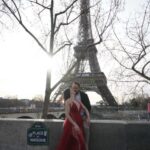
You meet at 1 Pl. du Trocadéro et du 11 Novembre, 75116 Paris. From there, the tour immediately gives you one of the best rewards in the city: the Eiffel Tower view from Trocadéro.
This is a smart opening because it sets the tone. You’re not arriving after the fact and realizing you’re too late for the best angles. You also get that classic “Paris postcard” perspective early, before your feet get tired and before it’s as packed.
From Trocadéro, you’ll be looking toward Eiffel in a way that feels instantly familiar. The area also connects to the Palais de Chaillot complex, which is tied to multiple museums and a theater. Even if you don’t go inside, your guide can help you understand why this is such a major viewing point in the city.
Eiffel Tower loop: outside views, Champs de Mars, and quick orientation
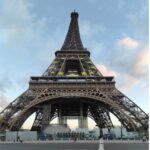
Next comes the Eiffel Tower itself. The tour includes a walk around the monument from the outside, with a short visit-style stop rather than a long sit-and-stare. You’ll also pass through the Champs de Mars area, the famous gardens that frame the Eiffel Tower.
What I like about this approach is the way it balances awe with logistics. You get the main monument and the surrounding “stage,” and you’re not stuck spending the entire half-day locked into one spot. For most people, that’s the right trade.
Timing note: the Eiffel stop is listed as about 15 minutes, and the Eiffel Tower ticket is not included. So if going up is on your must-do list, this tour works best as the orientation layer. Do the ticketed visit separately, then come back for the views later, or book a longer Eiffel-focused day.
Ecole Militaire and Invalides: Napoleon’s footprint without the museum time trap
After Eiffel, the route shifts toward two locations tied to France’s military story: Ecole Militaire and Invalides.
Ecole Militaire is associated with Louis XV and is described as a school that later connects to Napoleon before he became emperor. You get exterior time here, and the stop is short. The point is not to turn this into a full deep-ticket day, but to connect dots: who built what, and how these sites fit into France’s power story.
Then you reach Invalides. This is where you get strong visual cues of the Sun King era (Louis XIV is referenced), and it’s tied to the military museum and Napoleon’s tomb. The tour includes exterior viewing time, plus quick framing about how this is tied to France’s later political moments as well.
If your feet are fresh, these are great stops. If they’re not, don’t worry. The guide can keep things moving so you still feel you “saw something” at each location rather than getting stuck in a long detour.
Petit Palais break: the one ticketed interior moment
One of the best values on this route is the stop at Petit Palais. It’s described as a fine-arts museum space with admission included, and the tour even gives you a built-in coffee or wine gap.
This is your reset button. Instead of racing from monument to monument, you get a calmer museum interior moment. It also helps you break up the walking day and refuel before the long central Paris stretch.
Petit Palais is also linked to artists connected to the fine arts academy and names like Rodin and Renoir are referenced in the description. Even a short visit can give you the sense that Paris is more than just landmarks. It’s also art institutions living inside beautiful architecture.
If you’re the type who likes to sit for a bit and actually look at details, this stop is worth leaning into. It’s the one place on the route where admission is explicitly included, so you’re not left wondering whether you’re paying twice.
You can also read our reviews of more private tours in Paris





Grand Palais and Pont Alexandre III: Paris style, photo angles, and exhibitions
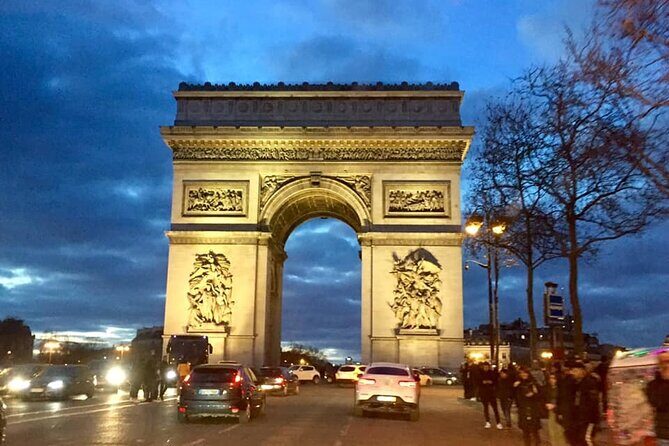
Next up: Grand Palais. The admission is free on the tour description, and it’s framed as a major exhibition museum in Paris. You’ll also hear about its architecture and its association with fashion events, including Chanel runway history.
Even if you don’t plan to enter a specific exhibition, the building exterior and the surrounding garden context help you understand why Grand Palais is often treated as a “stage” for Parisian culture.
Then you move to Pont Alexandre III. This is one of those bridges that feels like it was built for cameras. It’s described as a luxurious bridge with strong links to film and famous people, plus it’s tied to 20th-century art and style.
This is the kind of stop that’s short but effective. You get a signature view, a story about the bridge’s cultural role, and a smooth transition toward the big boulevard sequence.
Champs-Élysées to Arc de Triomphe: the power axis in motion
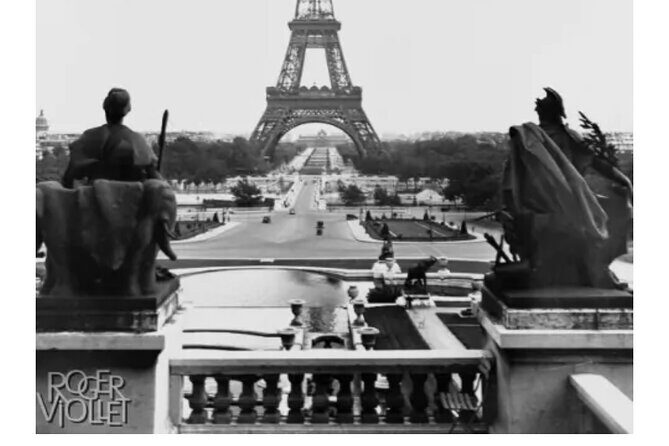
Champs-Élysées is next, and the tour treats it like a runway. You’ll get a quick orientation to the avenue’s mix of luxury, theaters, restaurants, and presidential association. It’s also described as a key route for parades and major national marches like July 14, with the Triumph Arc area connected to the same axis.
The route includes Pont Alexandre III before it, then brings you to the Champs-Élysées flow. That sequencing helps because you see the city’s “straight-line thinking” before you hit the circular monument logic near the Arc.
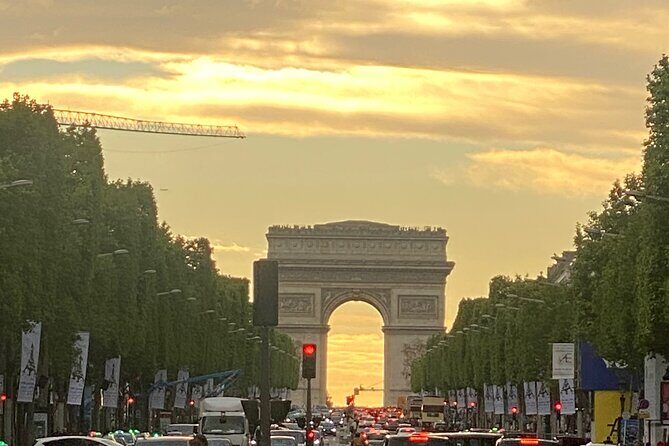
Arc de Triomphe is included as an exterior viewing stop. The ticket is not included, so expect orientation time rather than a full climb. If you want the top view, add time separately. But even from the street level viewpoint described as from the middle of Champs-Élysées, the monument anchors the axis and makes the whole area feel like it belongs to one big story.
Place de la Concorde and a Le Nôtre garden stop: the royal-to-modern handoff
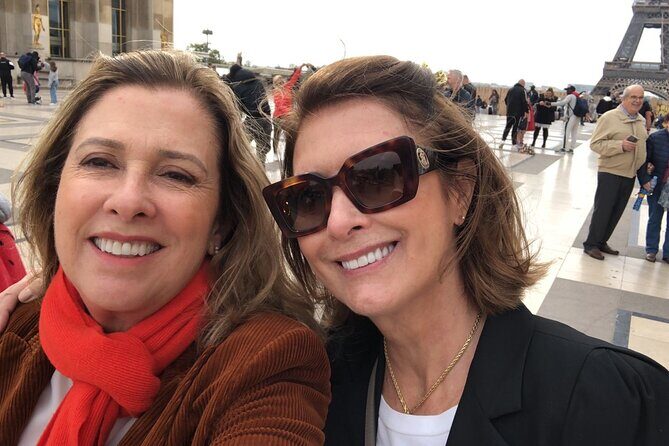
Place de la Concorde is one of Paris’s most recognizable open squares, and this tour uses it as a history checkpoint. The description points out the past connection to the guillotine, plus the present-day fountains inspired by Versailles design. It also references the obelisk from the Ramses era, tying ancient Egypt into the square’s modern identity.
After that, you stop at a royal garden area described as a former kingdom garden before Versailles, connected to Le Nôtre, the architect linked to French garden design. This is a “small architecture and space” stop. You won’t need museum tickets to appreciate it, but you’ll benefit from a guide explaining why these formal gardens matter to Paris’s overall layout.
This is a helpful contrast after the massive boulevards and monuments. Squares and gardens show you how Paris makes room for movement, views, and daily life.
Louvre area and Pont des Arts: orient fast, then choose your own next step
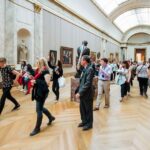
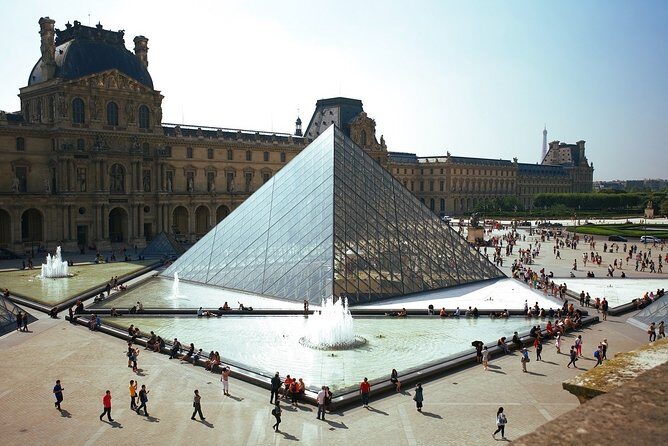
The tour reaches the Louvre area, described as a former residence of the French kingdom with Louis XIV’s era linked to the later move to Versailles. The Louvre museum admission is not included, so think of this as exterior orientation and landmark framing rather than a ticketed museum sprint.
If you’re a Louvre person, this stop can still be valuable. A guide helps you understand why the Louvre area sits where it does in Paris’s royal story. Then you can decide later whether you want the ticketed walk-through.
You’ll also visit Pont des Arts, described as a historic little wood-and-iron style bridge with strong views of Paris. This is one of those “stop and look” bridges. You’re getting the Seine perspective and a more artsy, bohemian-feeling pause without needing a reservation.
Île de la Cité: the medieval core where Notre-Dame fits like the final piece
The tour ends by dialing into the oldest-feeling Paris pocket: Île de la Cité. The description frames it as the core where Paris began with Julius Caesar calling the area Lutece. Even if you don’t go deep into Roman ruins, hearing that starting point changes how you perceive the whole island.
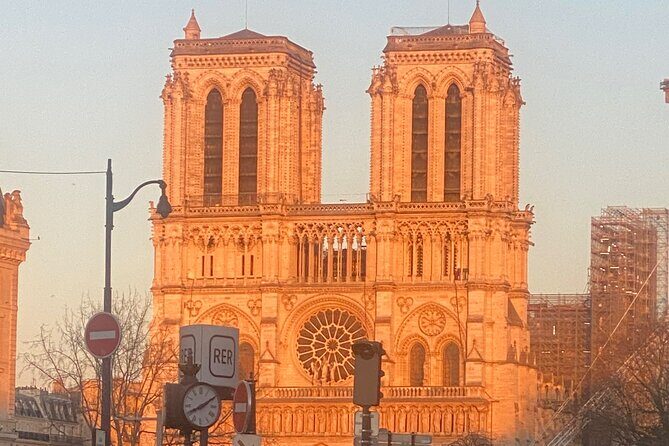
You’ll pass key landmarks around the cathedral area and the old royal palace connection. Notre-Dame de Paris is included as a major stop. The tour describes it as a 12th-century medieval masterpiece and ties it to big historical events such as the marriage of Henri IV and the crowning of Napoleon and Josephine. Victor Hugo’s connection is also mentioned through Notre-Dame de Paris and The Hunchback of Notre-Dame.
Then you get the Saint Louis chapel-type stop. The description calls it the last vestige of the kingdom palace on the island and notes treasures tied to the crown of Christ. The tour treats it as a standout chapel interior, built by Louis IX (St Louis), so expect this to be one of your most meaningful last moments even with limited time.
If you only have one half-day, this ending style makes sense. You’re not finishing on a random shopping street. You’re finishing where the “Paris story” feels oldest and most layered.
Shakespeare and Company, Pont Neuf, and the Latin Quarter markers
Before or around the very final stretches, you’ll also pass by Shakespeare and Company, described as the first library in Paris and linked to writers like Hemingway, James Joyce, and Gertrude Stein. Even if your book-shopping skills are limited, it’s a strong literary stop that keeps Paris from feeling purely monumental.
You’ll also see Pont Neuf, described as the oldest bridge in Paris built in 1555 by Henri IV. This is another Seine-view moment, with a classic “old Paris” feel that contrasts nicely with the wider boulevards earlier in the day.
And you’ll pass Fontaine Saint-Michel, described as a key point in the Latin Quarter. It’s short, but it’s useful if you like being oriented in neighborhoods, not just at famous landmarks.
The result: you end with a sense of place, not just a list of sites.
Pace, coffee breaks, and what makes the guiding style work
This tour’s biggest strength is how it balances speed with breathing room. You’ll be walking and stopping often, but the structure includes built-in breaks, including the coffee or tea element and the Petit Palais pause.
That kind of pacing matters because Paris highlights can turn into a blur if you’re doing it alone. A guide helps you with what to notice: angles, architectural cues, and why a place sits where it sits in the broader story.
It also helps when the guide adjusts to your group. In the feedback attached to this experience, Helena is repeatedly mentioned by name. People describe her as friendly, attentive, and willing to adjust pace, sometimes even going a little past the scheduled time. Driver names also show up, like Amir and Cedric, with praise for handling tight traffic situations and getting the group through the city efficiently.
One English note: this tour is offered in English, but one caution that can come up with any private guide is clarity and accent. If English comprehension is a top priority, it’s smart to message the provider before booking so you know what to expect.
Price and value: what $154.99 buys in real terms
At $154.99 per person for roughly four hours, this is not the cheapest way to see Paris. But the value comes from three things.
First, it’s private: you’re not squeezed into a large group cadence. That can mean fewer waiting moments and more flexibility with your pace. Second, you’re getting a guide plus coffee/tea included, and a guided orientation to major areas in one run. Third, if you choose the private driver option, pickup and drop-off can save time and frustration in central Paris.
The trade-off is you do have limited time at each stop. Eiffel Tower, Arc de Triomphe, and Louvre museum entry are not included. So think of the tour price as buying your route and context, not buying your way into every big ticket attraction.
If you want to maximize time on a first visit, this works well. If your priority is standing in lines and spending hours inside museums, you’ll still need extra bookings.
Should you book Paris with Love for a 4-hour highlights hit?
Book it if you want an efficient, guided “Paris map in motion.” This is especially useful on a first trip, or when you want to see the big landmarks without spending the entire day choosing between neighborhoods.
Skip it or pair it carefully if you know you want a long Eiffel Tower visit up inside, a long Louvre museum day, or multiple deep museum stops. This route is built for orientation and key moments, not for marathon ticketed time.
If you like walking but also want the safety net of a driver option, this tour hits a good middle ground. And if you’re drawn to finishing in the medieval core around Notre-Dame, this ending sequence is one of the strongest parts of the whole plan.
FAQ
How long is the Paris with Love private guide and driver experience?
It’s listed as about 4 hours.
Where does the tour start and where does it end?
The start is at 1 Pl. du Trocadéro et du 11 Novembre, 75116 Paris. The end is Notre-Dame Cathedral of Paris, 6 Parvis Notre-Dame – Pl. Jean-Paul II, 75004 Paris.
Is pickup available with a private driver?
Yes. The tour offers pickup and drop-off with the private driver option.
Is the tour in English?
The tour is offered in English.
Do I need to buy tickets for every stop?
Not all tickets are included. Eiffel Tower, Arc de Triomphe, and Louvre museum admission are not included, while Petit Palais admission is included. Other stops are listed as free.
Is coffee or tea included?
Yes. Coffee and/or tea is included.
Is this mostly a walking tour?
It’s described as top sights on foot, with the option to use door-to-door vehicle transfers depending on your preference and needs.
Is this a private tour?
Yes. It’s a private tour/activity, and only your group participates.
Can I bring a service animal?
Service animals are allowed.