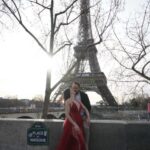
REVIEW · PARIS
Skip-the-Line Louvre Museum Tour with Artist
Book on GetYourGuide →Operated by That Time in Paris · Bookable on GetYourGuide
A Louvre tour that actually helps your eyes. This small-group, artist-guided visit uses reserved entry and an artist-guide who reads artworks like a working painter. You don’t just stand in front of icons. You learn how to look—at brushwork, composition, and the visual logic behind famous works like Mona Lisa, Venus de Milo, and Nike.
What I like most is the combination of skip-the-line tickets plus a guide who can explain what you’re seeing in plain language. In real tours led by guides such as Blerta, Arianna, and Assgan, the pacing stays tight and interactive, even with kids, and the group stays small enough for real questions. One drawback to keep in mind: the Louvre is still huge, so a 2-hour format means you’ll focus on highlights, not the whole museum.
In This Review
- Key things to know before you go
- Why an artist-guide makes the Louvre feel doable
- Finding Le Kiosque des noctambules (and not wasting time)
- Skip-the-line entry through the Louvre Pyramid
- The 2-hour plan inside the Louvre (why it feels efficient)
- Mona Lisa, Venus de Milo, and Nike: what to look for
- From technique to meaning: how the guide teaches you to interpret
- Price and value: what $246 buys you here
- Who should book this Louvre artist tour
- Practical tips that make your 2-hour visit smoother
- Should you book this skip-the-line Louvre artist tour?
- FAQ
- Where do we meet for this Louvre tour?
- Is there skip-the-line access?
- How long is the tour?
- How big is the group?
- What languages are offered?
- What should I bring?
- Is the tour wheelchair accessible?
Key things to know before you go
- Tiny group size (up to 6) keeps the experience personal and question-friendly.
- Skip-the-line reserved tickets save serious time at one of the world’s busiest museums.
- Certified artist-guide (painter) helps you understand technique, not just facts.
- Audio headsets can make it easier to hear your guide in crowded galleries.
- Short, focused 2-hour route centers on the must-see masterpieces.
- Meeting at Le Kiosque des noctambules means you should plan how to find the start, not just the museum.
Why an artist-guide makes the Louvre feel doable

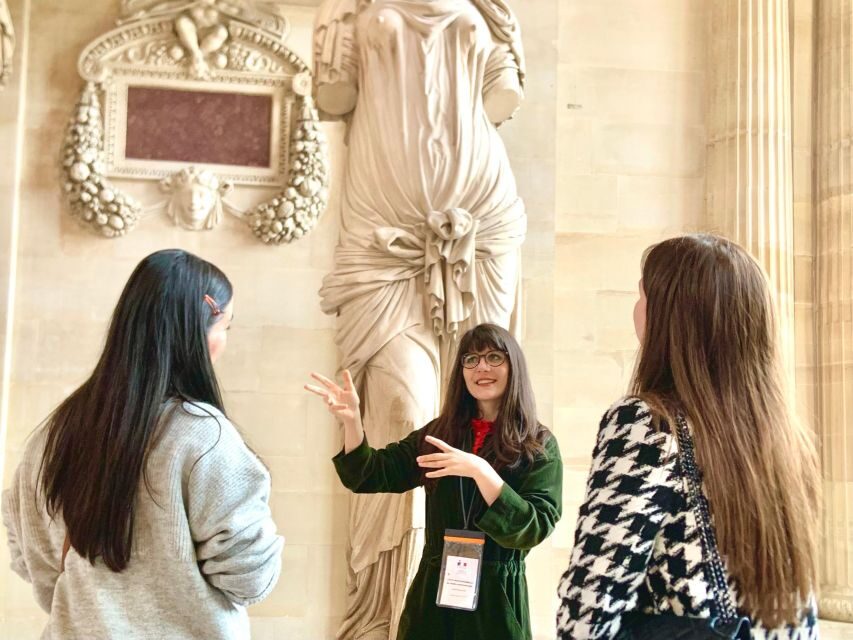
The Louvre can feel like a cold buffet: so much food, and you’re not sure what to eat first. This tour fixes that problem by choosing a path with a clear “why.” A certified artist-guide—someone who paints and understands how images are built—teaches you how to read the art.
That changes everything about your attention. Instead of asking, What is this? you start asking, How did they make this look the way it does? You’ll get explanations tied to painting techniques and visual choices, which makes masterpieces easier to interpret. The point is not to turn you into an art expert. It’s to give you a toolkit so the museum stops being noise.
This is also why the tour works well for first-timers and families. Kids tend to do better when someone offers a simple way to look closely and asks questions along the way. Guides like Blerta are specifically noted for being engaging and for helping visitors connect details to meaning, not just dates and names.
The other big win: the group stays small. In a crowd, you get swept along. Here, you have a chance to pause, ask, and actually see.
You can also read our reviews of more museum experiences in Paris



Finding Le Kiosque des noctambules (and not wasting time)
One logistical detail matters: you do not meet at the Louvre entrance. Your group meets at Le Kiosque des noctambules, a Murano glass beads sculpture by Jean-Michel Othoniel, across from the Comédie Française.
For navigation, use the Palais Royal – Musée du Louvre metro station and take the Place Colette exit. This matters because the Louvre area is full of entrances, streets, and confusing “almost there” spots. If you show up late or guess, you’ll lose the advantage of reserved entry.
My practical suggestion: arrive a few minutes early and do one quick visual check for the sculpture. When the start point is clear, the rest runs smoother.
Skip-the-line entry through the Louvre Pyramid
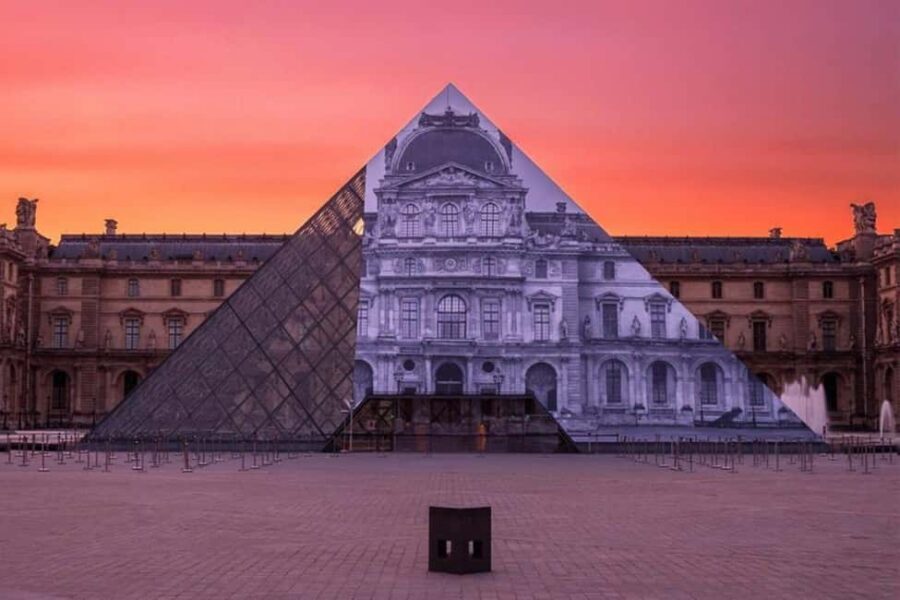
After meeting, the tour heads to the Louvre Pyramid for the start of the guided experience. The key advantage is that you’re using reserved entry tickets via a separate entrance, not the main public lines.
In a museum this famous, time lost at security and ticketing adds up fast. Skip-the-line access turns your tour into a real experience instead of a standing-around test of patience. It also helps you start your visit with momentum, which is a big deal when your total museum time is only 2 hours.
Once inside, your guide uses the time like a pro: you’re not wandering. You’re moving with purpose, stopping where seeing closely actually matters.
Tip for your own mindset: treat the first minutes like orientation, not sightseeing. When your guide sets the visual map—what to look for and why—the rest clicks faster.
The 2-hour plan inside the Louvre (why it feels efficient)
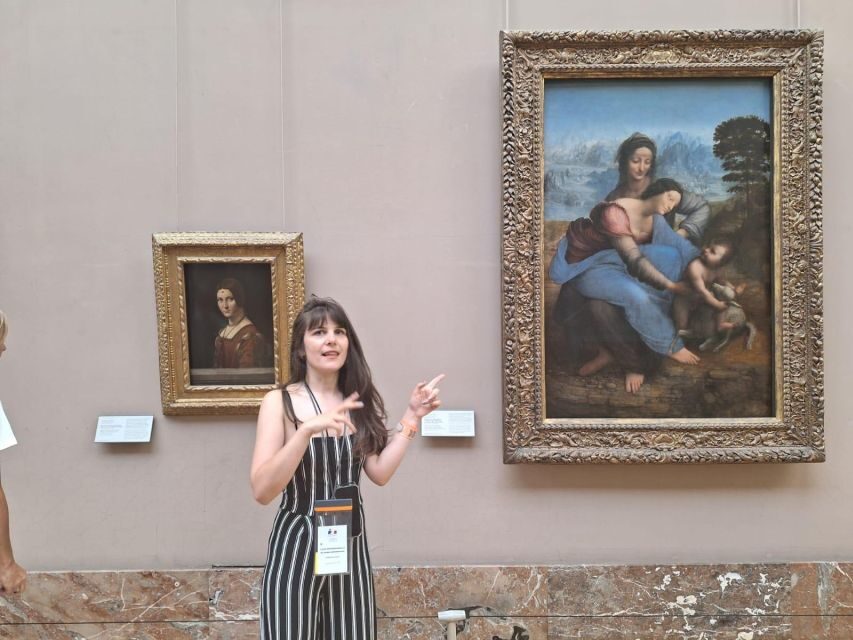
This tour is built around a simple idea: pick the highlights, explain the technique, and help you interpret what you see. With a group limited to 6, you’re less likely to get stuck behind other people who don’t know where to look.
You’ll also have audio headsets available when provided, which can be a real help in galleries where sound bounces and crowds press in. When you can hear the guide clearly, you don’t just see the art. You learn how to notice it.
The tour’s focus runs from Greek Antiquity through the Italian Renaissance. That “timeline through the eye” approach matters because it gives you context for style. You’ll see how artists changed visual priorities over time—how forms, proportions, and surfaces evolved, and how painting language carried meaning.
What you should expect from the time limits: a tight route and a curated set of stops. You won’t see every wing. But you will leave with a mental shortcut for how the Louvre is organized and how the masterpieces connect to each other.
Mona Lisa, Venus de Milo, and Nike: what to look for
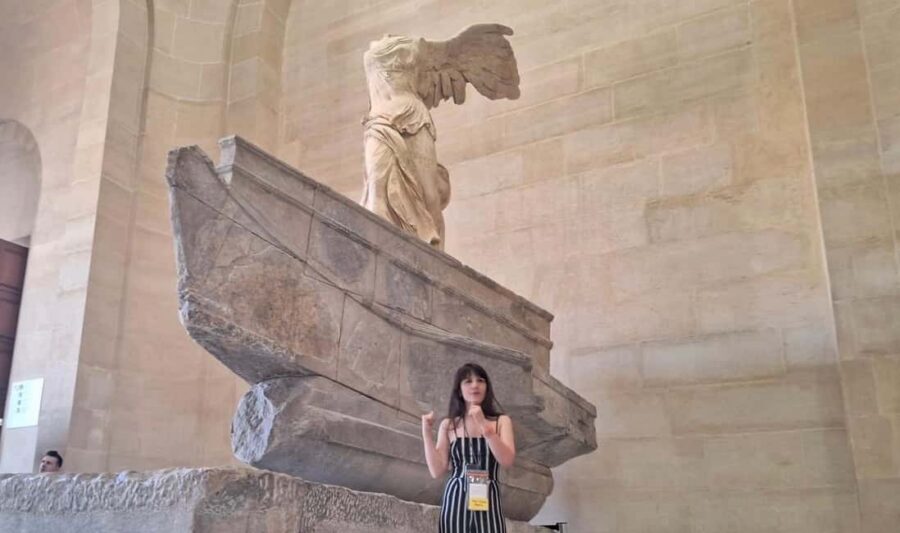
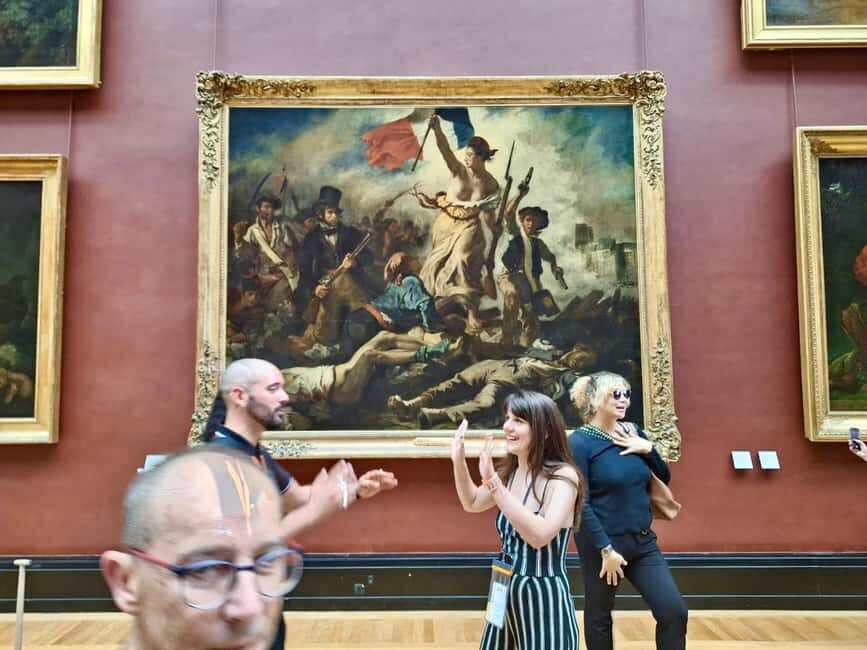
The best part of this tour is the close-up, guided way you meet the icons. You’re not just taking photos. Your guide helps you interpret details and artistic choices.
- Mona Lisa: You’ll get help reading the composition and the famous presence of the face. The tour frames what makes her look alive—through technique and visual cues—so you’re not left staring without an entry point.
- Venus de Milo: You’ll be guided to understand the work beyond the headline. Think of it as learning how form and expression communicate even when parts are missing.
- Nike: The emphasis here is on surface and motion. You’ll likely focus on the way folds and contours create the feeling of movement, and how artists use visual rhythm to suggest action.
A recurring theme in how these artist-guided tours work is that you learn a language for interpreting art. When your brain gets a few rules—how to read light, how to interpret gesture, how to connect technique to mood—you start seeing patterns across different periods.
Also, being able to stop long enough to look matters. Even one extra minute at each key piece can turn a museum sprint into a real experience.
You can also read our reviews of more tours and experiences in Paris






From technique to meaning: how the guide teaches you to interpret
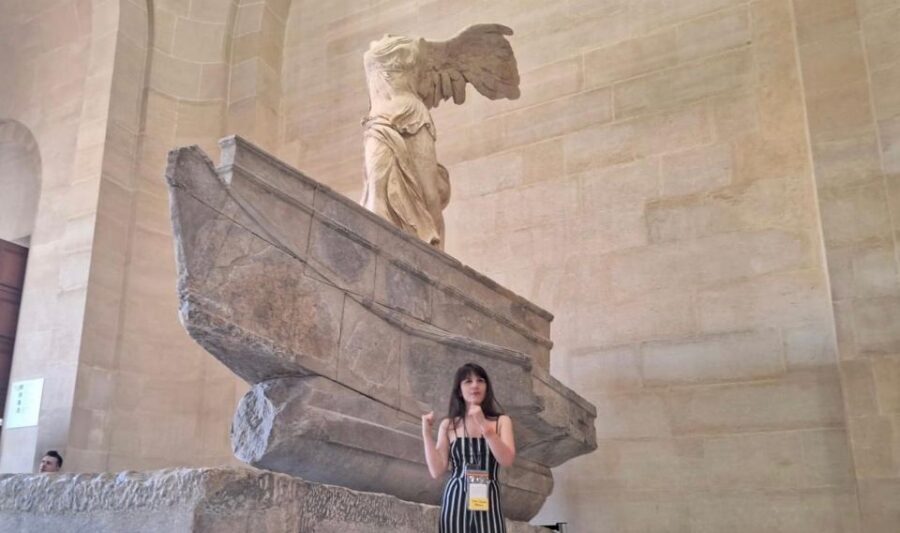
The Louvre isn’t short on facts. It’s short on understanding. This tour aims to fix that by connecting description to technique.
Because the guide is also a painter, you’re more likely to hear practical explanations: how visual effects are created, how artists build depth, how surfaces are handled, and why certain compositional decisions change what you feel. The goal is not art jargon. It’s clear thinking you can use in front of the work.
You’ll also cover major moments across Western art, moving through styles from Greek Antiquity into the Italian Renaissance. That structure helps you understand why the museum feels like a story: each masterpiece sits inside a bigger shift in how artists represented people, gods, and ideas.
One subtle but important benefit: you get practice interpreting. Instead of treating each artwork like a separate event, you learn how to link what you see to broader artistic goals—how artists communicate authority, beauty, drama, or devotion.
If you’re visiting with children or teenagers, this approach often lands better than a pure lecture. Kids can handle questions about what they notice: the angle, the expression, the shapes. Then the guide supplies the meaning.
Price and value: what $246 buys you here

$246 per person is not cheap. But in a museum like the Louvre, cost often comes down to time and access.
Here, you’re paying for:
- Reserved entry tickets with skip-the-line access
- A certified artist-guide (not just a history script)
- A small group size that prevents the experience from turning into a stampede
- A guided focus on key works in a 2-hour window
- Audio headsets when available
If you’re short on time, that combination is exactly what you want. Without a guide, you can spend half your visit doing the hardest part: choosing where to go and then standing in lines. With this format, you’re buying a plan—plus the ability to make sense of what you see.
So the value question becomes: do you want help making the Louvre meaningful quickly? If yes, the price is easier to justify. If you want to roam freely and browse slowly, you might prefer a self-guided route for less money.
Who should book this Louvre artist tour
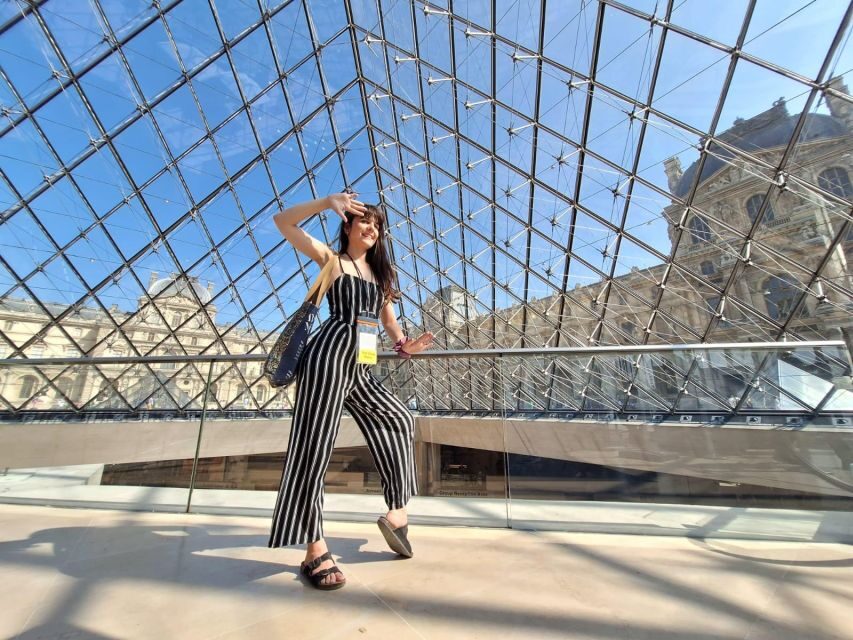
This tour is a strong fit if you:
- Have limited time and want the highlights with real context
- Prefer a hands-on way of looking over a list of dates
- Travel with kids who do better with interaction and questions
- Want a guide who can answer specific questions about what you’re seeing (and keep the pace moving)
It’s also a good choice if you worry the Louvre will feel overwhelming. A tight route and clear explanations reduce the stress.
Two cautions:
- The tour is not suitable for wheelchair users.
- Since it’s only 2 hours, you should treat it as a “best-of with technique” visit, not a full Louvre day.
If mobility is a concern, it’s worth thinking ahead. Some guides have been noted for trying to minimize stairs for guests with mobility issues, but the tour is still not listed as wheelchair-accessible, so plan carefully.
Practical tips that make your 2-hour visit smoother
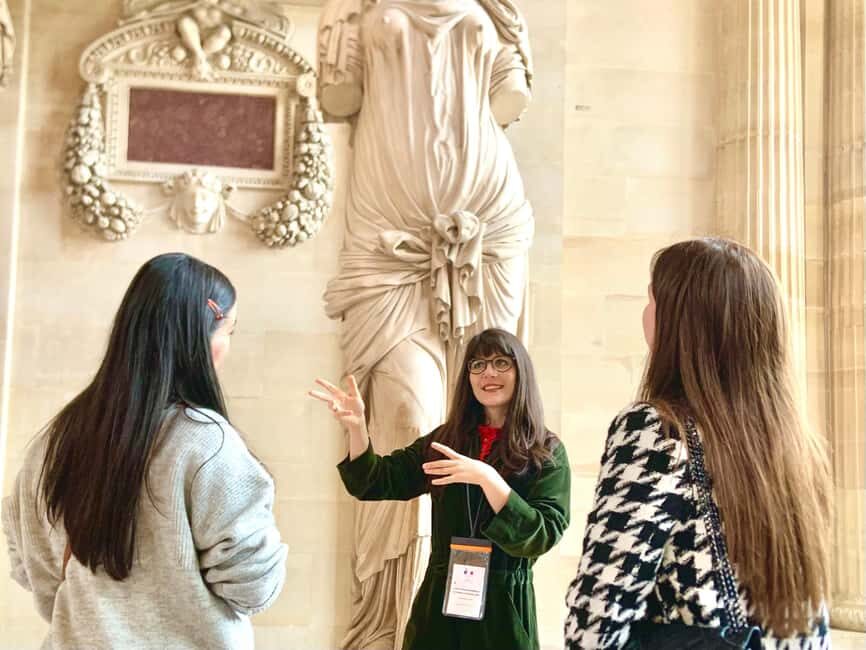
A good tour still depends on your prep. Here’s what you should do before you leave your hotel.
Bring:
- Your passport or ID card
- Comfortable shoes (the Louvre is mostly walking and standing)
- A reusable water bottle
- An ID card copy is accepted
You can’t bring:
- Weapons or sharp objects
- Food and drinks
During the tour:
- Wear shoes you can stand in for a while
- Keep your camera ready, but remember the point is looking and listening
- If audio headsets are provided, use them so you don’t miss the details that make the art click
And one final mindset tweak: don’t try to memorize everything. Try to notice one or two things per stop. Then let the guide’s technique explanations stitch them together.
Should you book this skip-the-line Louvre artist tour?
Book it if you want your Louvre visit to feel focused and explainable. The reserved entry saves time, the small group keeps things personal, and the painter-guide angle gives you a way to understand what you’re seeing, not just where to stand.
Skip it if you need full-museum freedom or you’re relying on wheelchair access. Also skip it if you already know exactly what you want and enjoy building your own route without guidance.
If your main goal is the Mona Lisa, Venus de Milo, Nike, and the artistic “how it works” behind them, this is a smart use of time—and a good value for what you get in those 2 hours.
FAQ
Where do we meet for this Louvre tour?
You meet at Le Kiosque des noctambules by Jean-Michel Othoniel, across from the Comédie Française. You do not meet at the Louvre itself. It’s accessible via Palais Royal – Musée du Louvre metro station, Place Colette exit.
Is there skip-the-line access?
Yes. The tour includes skip-the-line entry with reserved tickets through a separate entrance.
How long is the tour?
The tour lasts 2 hours.
How big is the group?
The group is limited to no more than 6 visitors per tour.
What languages are offered?
The live guide is available in Albanian, English, and French.
What should I bring?
Bring your passport or ID card (a copy of your ID card is accepted) and wear comfortable shoes. You can also bring a reusable water bottle.
Is the tour wheelchair accessible?
No. It is not suitable for wheelchair users.