REVIEW · PARIS
Skip-the-line Rodin Museum Tour with Artist
Book on GetYourGuide →Operated by That Time in Paris · Bookable on GetYourGuide
Rodin can look dramatic from a distance, but this tour makes it click. You get skip-the-line entry into the Musée Rodin and a guide who explains the works like you’re watching an artist think through form. I like the mix of sculpture lesson + museum setting, because the building itself feels like part of the artwork.
Two things I really liked: the chance to understand Rodin’s technique through an artist’s way of seeing, and the way you get time outdoors in the Sculpture Garden without rushing. A potential drawback: at $234 per person, you’re paying for a tighter, guided experience, so it’s best if you want interpretation more than casual wandering.
In This Review
- Key things to know before you go
- Entering Musée Rodin: A Studio-Feeling Museum
- Skip-the-Line Timing: Why Two Hours Works
- The Artist-Guide Approach: Technique You Can Actually See
- The Rococo Mansion Effect: Moving Through Beauty With Purpose
- Antique Fragments: The Context Behind the Famous Bodies
- Rodin’s Signature Look: Hands, Movement, and Surfaces
- The iPad Companion: Visualizing Rodin’s Life and Work
- The Quick Coffee Reset at L’Augustine
- Scenic Garden Time: Views + The Thinker Outside
- Price and Value: What $234 Buys You Here
- Who This Tour Suits Best
- Booking Decision: Should You Book This Rodin Tour?
- FAQ
- Where does the tour meet?
- How long is the tour?
- Is there skip-the-line entry?
- What languages are available?
- What is included in the tour price?
- Are food and drinks included?
- Is hotel pickup provided?
- Does the tour include time outdoors?
- Is the tour wheelchair accessible?
- Can I change plans?
Key things to know before you go
- Skip-the-line entrance means you spend your time on Rodin, not waiting outside.
- Artist-guide perspective helps you see technique, not just famous pieces.
- Rococo mansion setting adds atmosphere as you move through rooms.
- Antique fragments collection gives you context for Rodin’s materials and ideas.
- Sculpture Garden + views makes the tour feel like more than one indoor gallery.
- Short café break at L’Augustine keeps momentum without turning it into a long meal.
Entering Musée Rodin: A Studio-Feeling Museum
The Musée Rodin doesn’t feel like a neutral white-box museum. It feels like you’re walking through an artist’s world. Rodin’s space includes the rococo mansion atmosphere, and you can sense how he used rooms, light, and sightlines to shape how sculpture should be experienced.
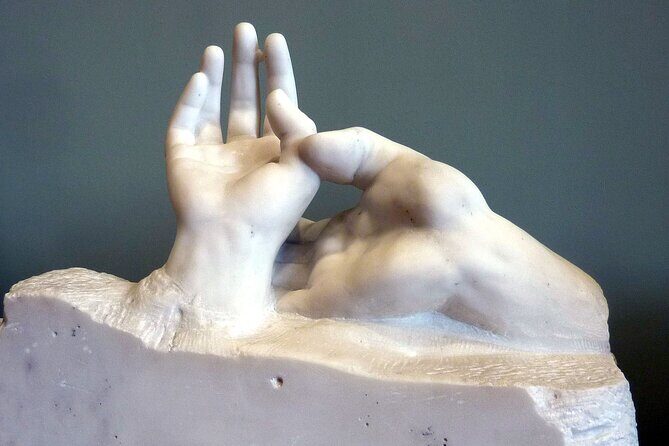
That matters because Rodin’s work is all about physical presence. The guide’s job is to help you look at limbs, hands, and surfaces as if they’re evidence of process. You’ll be guided to notice how twisted, dancing bodies relate to how he built, revised, and rethought his figures over time.
You also get the museum as a whole, not just the headline statues. The tour includes time for Rodin’s greatest masterpieces and his collection of antique fragments. Those fragments matter because they show you how an artist can absorb the past without copying it.
You can also read our reviews of more museum experiences in Paris



Skip-the-Line Timing: Why Two Hours Works
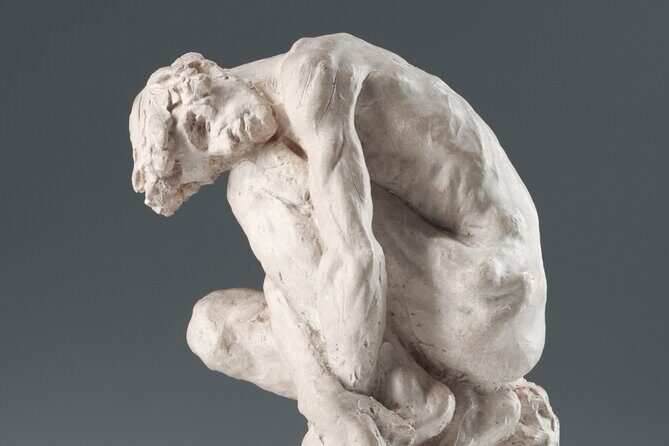
This experience is designed for a clean, focused visit: about 2 hours from entrance to garden time and back out. You meet in front of the Rodin Museum entrance, and the tour uses a separate entrance so you don’t lose your best museum energy to queues.
Two hours sounds short until you realize what you’re getting. Rodin is famous, sure, but he’s also technical and layered. A good guide prevents the usual problem: you end up looking at sculptures like they’re just pretty shapes. Instead, you’re pointed toward what to look for—then you have enough time to see it with your own eyes.
If you’re the type who enjoys museum facts, you’ll like this pacing. If you want to slow down for long photo sessions in every room, you might feel a little time-pressed. Still, the structure keeps the visit moving at a human pace.
The Artist-Guide Approach: Technique You Can Actually See
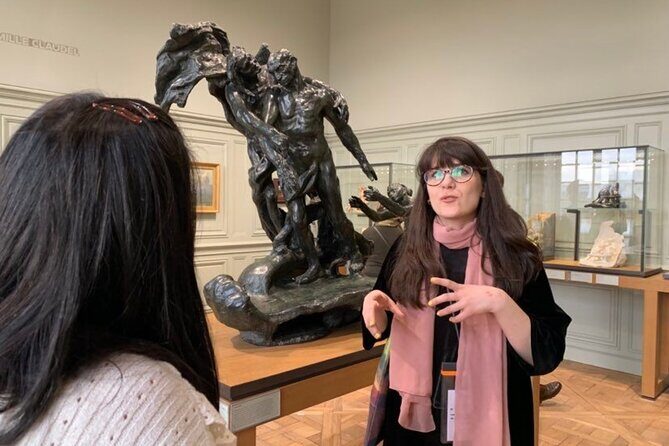
This tour is built around an artist-guide perspective. That means the explanation tends to focus on what Rodin did with his hands, his tools, and his imagination. Rodin is often called the Michelangelo of modern sculpture, and that title makes sense once someone frames what he changed in the medium.
You’ll walk through Rodin’s artistic evolution, from classical beginnings toward works that feel unfinished or in-progress. The point isn’t to treat unfinished pieces like mistakes. The point is to show how Rodin used tension, stops, and partial surfaces to communicate energy.
One strong example comes from the guide named Blerta, who was praised for sharing in-depth Rodin context that professionals in art tend to talk about. That lines up with the feel of this tour: it’s not just general art talk. It’s more like watching someone translate visual evidence into meaning.
You’ll also notice how the guide handles the idea of transformation—turning raw stone into something that reads like living flesh. That’s the heart of why Rodin still feels modern. Even when the subject is classical, the body language is urgent and specific.
The Rococo Mansion Effect: Moving Through Beauty With Purpose
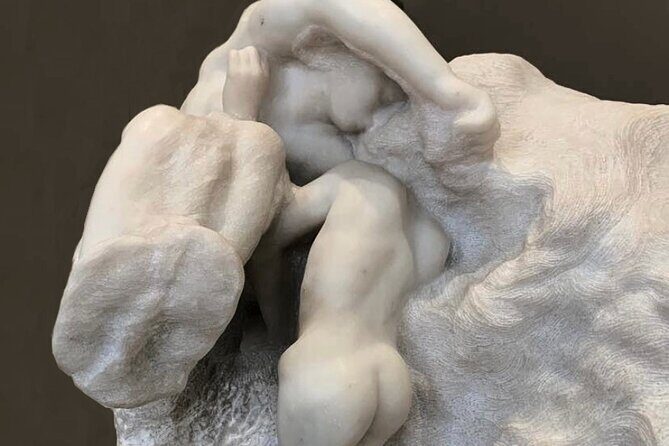
The museum building plays along with the art. You’re stepping into a mansion-like setting that adds softness and grandeur to the experience. That’s not just decoration. It changes how you notice sculpture, because ornate rooms and changing light make textures feel more dramatic.
While you move through the interior portions of the visit, you’re set up to trace Rodin’s thinking. You’re guided to connect the dots between early influences and later experimentation. You also get exposure to antique fragments—pieces that show how Rodin encountered older forms and reworked them into his own language.
This part can help you avoid a common museum trap. If you only chase the most famous statues, you miss the gradual logic of Rodin’s career. Here, you’re given a map: where to look for evolution, and how to recognize technique choices.
Antique Fragments: The Context Behind the Famous Bodies
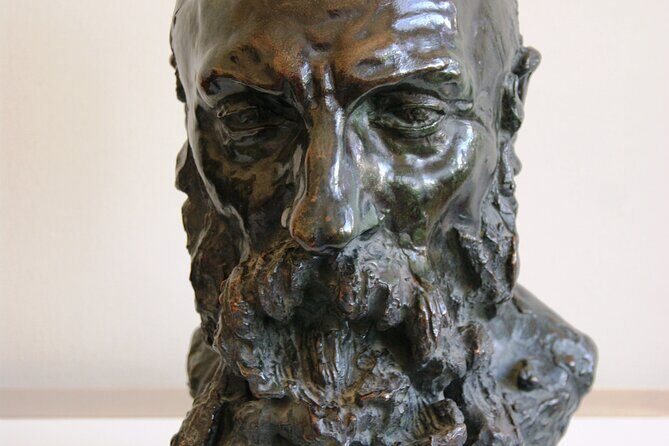
Not everyone expects antique fragments to be a tour highlight. But they can be the most useful context you get on a short visit.
Those fragments point you to one big idea: Rodin wasn’t just inventing new styles from scratch. He was studying older art forms, learning from them, and then applying that learning to different goals. By the time you see his dancers, torsos, and monumental forms, you can feel the history behind the nerve.
This is also where an artist-guide can help most. When someone explains what you’re looking at—edges, breaks, surfaces—you start seeing sculpture like a material story. Stone isn’t just stone. It’s a record of decisions.
If you love explanations that make the artwork more legible, you’ll appreciate that the tour gives you this context early enough to make later statues hit harder.
You can also read our reviews of more tours and experiences in Paris






Rodin’s Signature Look: Hands, Movement, and Surfaces
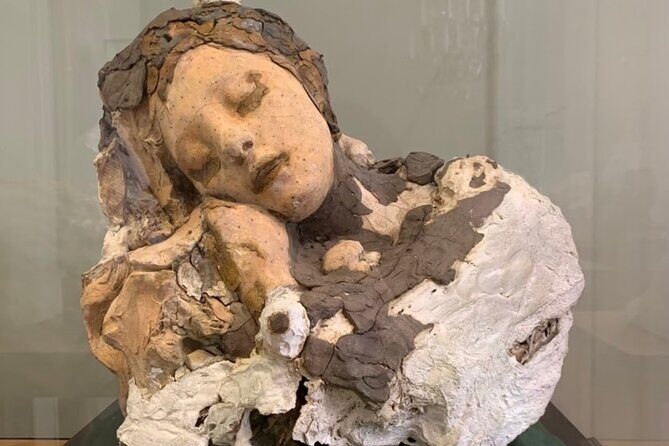
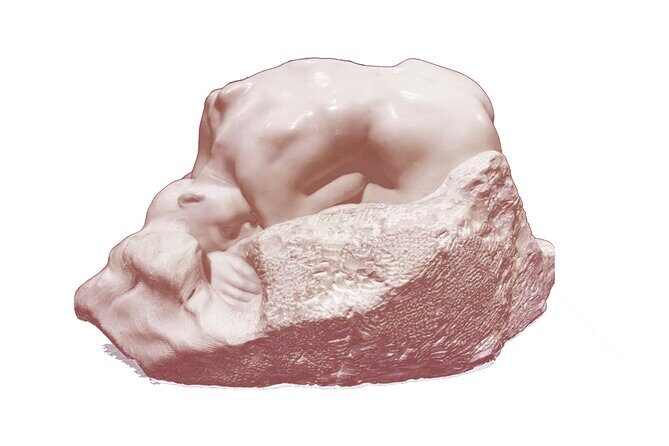
Rodin’s strength is how movement looks caught mid-thought. The guide helps you read that movement: twisted limbs, sinuous bodies, and shapes that feel both monumental and intimate.
You’ll likely spend time around major works that communicate the Rodin “voice.” One iconic stop is The Thinker, which is often a crowd magnet for obvious reasons. But the value here is not only seeing it. It’s learning how the figure’s pose, massing, and surface treatment carry expression without needing extra narrative.
Rodin’s surfaces can also be surprising. You’re encouraged to watch how some areas look polished while others look rougher or more “worked through.” That contrast isn’t random. It’s part of the emotional logic of the piece.
This is why the tour format matters. If you arrive alone, you might see brilliance but miss why it works. With a guide trained to look like an artist, you get the reasoning.
The iPad Companion: Visualizing Rodin’s Life and Work
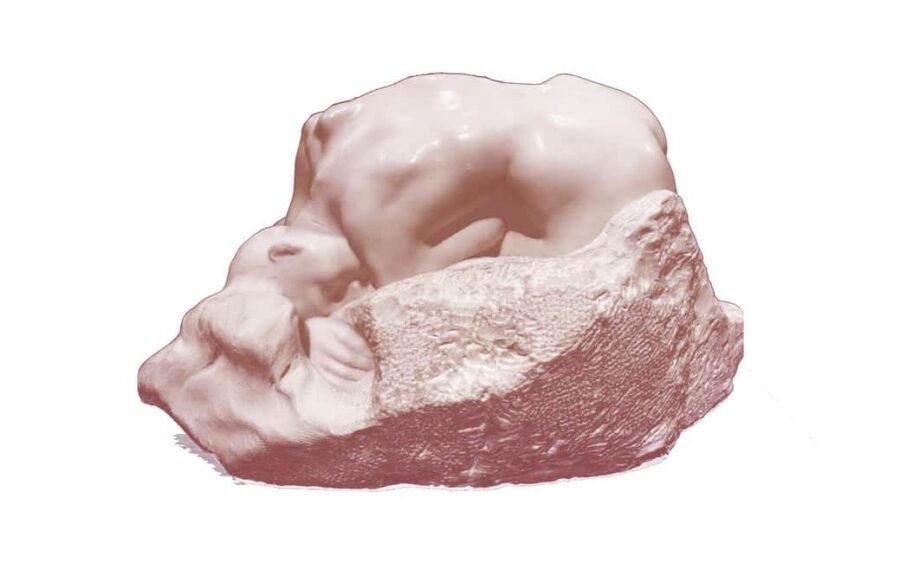
You don’t just get verbal guidance. You also get a curated iPad collection meant to help you imagine Rodin’s world—his life and the works you’re seeing.
Even if you’re not into tech in museums, this can be helpful on Rodin because many works depend on process and form. A device-based set of visuals can clarify things your eyes might miss quickly, especially if a piece is from an angle or behind a viewing barrier.
I like that this support is built into the tour, not shoved at you at the end. It’s there to keep the story coherent as you move through rooms and then out to the garden.
You should think of it as a map. Your eyes still do the final work, but the map keeps you from getting lost in what to notice.
The Quick Coffee Reset at L’Augustine
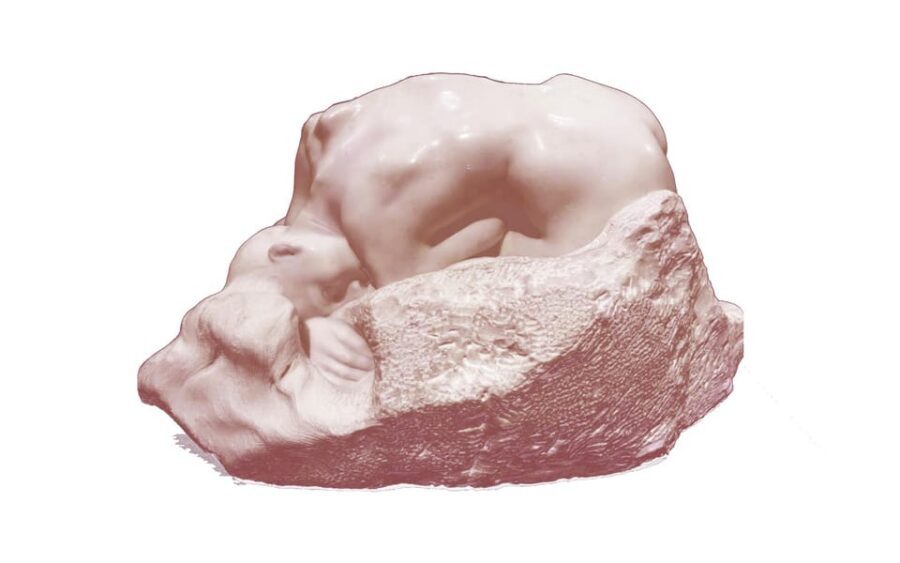
At a certain point, you get a short break: coffee at Café – Restaurant L’Augustine for about 10 minutes. This isn’t a “meal stop.” It’s a reset, so you can keep paying attention instead of running on empty.
Food and drinks aren’t included, so plan to purchase what you want during that brief window. The benefit is practical: Rodin museums take focus, and a small pause keeps your brain fresh for the sculpture garden portion.
If you’ve ever ended a museum visit half-listening, this kind of reset helps prevent that. It’s short enough to keep the tour momentum, but long enough to make the second half feel energizing instead of mechanical.
Scenic Garden Time: Views + The Thinker Outside
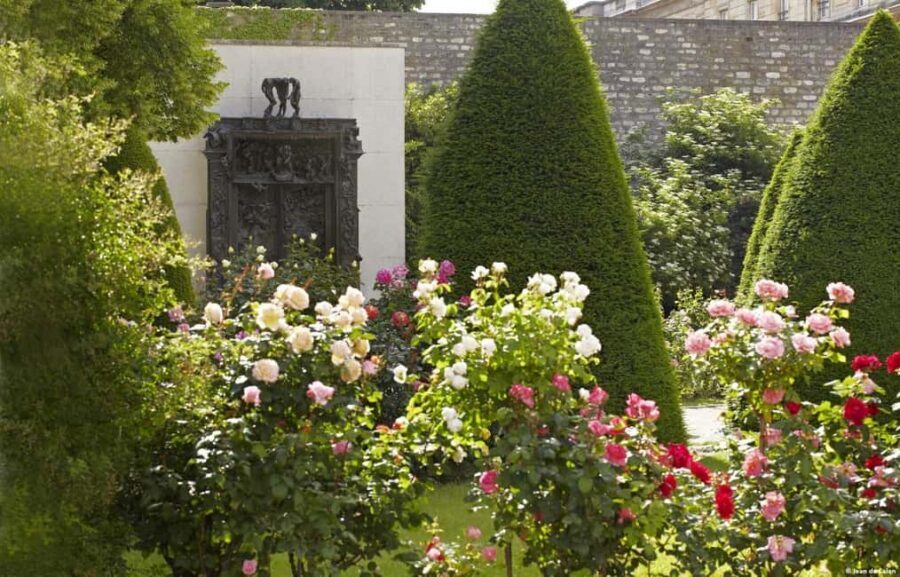
The tour then shifts from the indoor rooms to the garden experience, including scenic walking time along the way (about 50 minutes). The point is to let Rodin breathe outdoors, where sightlines change and you see sculpture as something placed in space, not just framed on a wall.
The Sculpture Garden is where many Rodin pieces feel most immediate. The air gives the forms room to read as volume, weight, and motion. You can also get perspectives that are harder indoors, especially when you’re shown where to stand and what to notice.
You’ll also spend time with the iconic bronzes in the garden setting. Seeing works like The Thinker in an outdoor context changes the mood. Indoors, you might feel reverence. Outdoors, you feel scale and atmosphere at the same time.
One consideration: if it’s a rainy day, garden time can feel less fun than you expect. The tour is still only two hours total, so you’re not stuck for ages outside, but you should bring a jacket if the weather is cool.
Price and Value: What $234 Buys You Here
Let’s talk money plainly. At $234 per person for about two hours, this is not a budget museum stroll. You’re paying for three things:
First, you’re paying for skip-the-line access, which is genuinely valuable at busy times. Even a short wait can drain your energy for a museum that rewards attention.
Second, you’re paying for an artist-guide. This isn’t just someone reciting dates. It’s a guide trained to help you see technique and process. That’s where the experience becomes meaning-heavy, not fact-heavy.
Third, you’re paying for structure: museum time, a quick café break, and garden time, all in a controlled timeline. In Paris, structure is often the difference between a “saw it” visit and a “got it” visit.
So is it worth it? If you want casual sightseeing, you can probably get into the museum like anyone else and walk at your own pace. If you want Rodin to make more sense fast—especially how his hands, surfaces, and evolving ideas work—this price can feel fair for the time you save and the clarity you gain.
Who This Tour Suits Best
This tour fits you best if:
- You like art explanations that focus on how the work is made, not only who made it.
- You want famous sculptures plus the supporting context of antique fragments.
- You’d rather have a guided plan than spend your limited time guessing what to notice.
- You enjoy museums that include gardens and outdoor viewing.
It might be less ideal if you:
- Prefer total freedom to roam without guidance.
- Want to spend a long time photographing every sculpture from every possible angle.
- Have zero interest in interpretive help and just want a quick hit of major pieces.
If you’re traveling with someone who gets overwhelmed by art jargon, this format can still help because the guide can translate what you’re seeing into plain visual cues.
Booking Decision: Should You Book This Rodin Tour?
I’d book it if your goal is understanding. The skip-the-line entry saves time, and the artist-guide framing helps you see Rodin’s bodies as intentional construction, not just dramatic poses. Add in the garden pacing and the brief L’Augustine reset, and you get a tight, well-paced visit that doesn’t feel like a rush job.
I’d think twice if you’re on a shoestring or you already know you want to wander slowly with no interpretation. For that style of visit, you might spend less elsewhere and still see the highlights.
If you want the museum to feel personal—like someone is pointing out what your eyes would otherwise miss—this is a strong choice.
FAQ
Where does the tour meet?
You meet in front of the entrance of the Rodin Museum.
How long is the tour?
The duration is about 2 hours.
Is there skip-the-line entry?
Yes. You use a separate entrance to skip the lines for the Rodin Museum and gardens.
What languages are available?
The live tour guide is available in English and French.
What is included in the tour price?
It includes a guided tour of the Rodin Museum and gardens, an artist-guide, skip-the-line entry tickets, and an iPad set to imagine Rodin’s work and life.
Are food and drinks included?
No. The tour includes a short coffee break at Café – Restaurant L’Augustine, but food and drinks are not included.
Is hotel pickup provided?
No. Hotel pickup and drop-off are not included.
Does the tour include time outdoors?
Yes. You get garden time, including views in the Sculpture Garden area.
Is the tour wheelchair accessible?
Yes, it is wheelchair accessible.
Can I change plans?
Free cancellation is available up to 24 hours in advance for a full refund. You can also reserve now and pay later.