REVIEW · REIMS
World War I Tour of Northern France; the Argonne Forest
Book on Viator →Operated by Promenade 14-18 · Bookable on Viator
WWI in the Argonne hits different.
This 2.5-hour Northern France tour takes you into the Argonne Forest, where fierce fighting played out and where soldiers lived, waited, and survived just behind the front line. I really like the way you get physical access to things like trenches, bunkers, tunnels, and field hospital sites instead of only seeing monuments from a distance. I also love that your guide reads diary entries from 1915 written by French and German fighters at the same locations you’re standing in. The main drawback to plan for: this is not a casual stroll. You need firm footing and you may be walking in wet, dirty, rough ground through vegetation.
Most groups can choose between a gentler route and a tougher one. If you want the best match, your guide adapts based on your group, but the day still expects outdoor endurance. One more heads-up: guides can be extremely flexible, and that’s a plus, but the experience still depends on weather and terrain—so come ready to get a little muddy.
In This Review
- Key points to know before you go
- Entering the Argonne Forest’s “behind-the-front-line” world
- The 2.5-hour reality check: pavement vs trench-and-woods walking
- A seasonal tip that actually matters
- Where the tour starts in the Reims area (and how not to miss it)
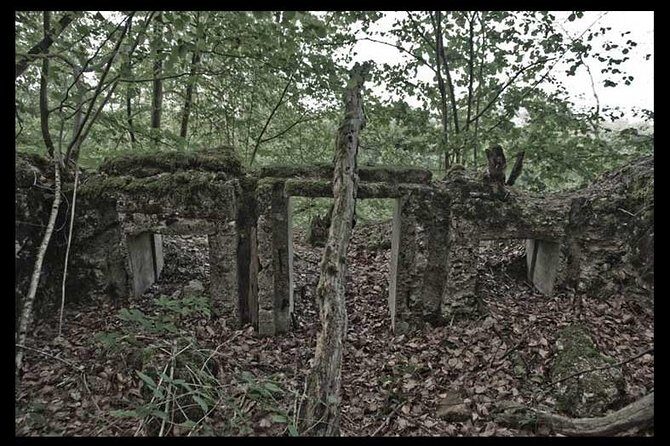
- What you’ll see: trenches, tunnels, communication posts, hospitals, and bunkers
- The diary-entry format: hearing French and German voices in place
- How guides make the difference (flexibility counts)
- Gear and comfort: the stuff you’ll thank yourself for
- Price and value: $171.61 per group, up to 15
- Who should book this WWI Argonne Forest tour
- Should you book it? My decision guide
- FAQ
- How long is the WWI tour of the Argonne Forest?
- Where does the tour start, and what time does it begin?
- Is there an easier walking option?
- What should I wear or bring?
- Is the tour indoors?
- What is included in the price?
Key points to know before you go
- Two walking styles: easier pavement vs a more challenging trench-and-woods route
- Diary readings at real sites: French and German voices from 1915, placed where the action happened
- The “behind the line” view: communication posts, hospitals, camps, and interconnected wartime points
- Small-group, private format: personalized attention for your group size (up to 15)
- Weather-friendly, not weather-proof: you’ll go in all conditions, so dress for mud, nettles, and damp air
Entering the Argonne Forest’s “behind-the-front-line” world
Northern France’s WWI story is often told with famous names and big cemeteries. This tour gives you something more tactile. You’re moving through the spaces that linked fighting positions to support work—places that don’t always get the spotlight, but mattered every day.
In the Argonne Forest area, the war wasn’t only about the moment of attack. It was about communication, shelter, movement, and keeping people alive long enough to fight again. That’s why you’re guided through a network of wartime locations that connect to each other: trenches and bunkers, tunnels, campsites, and hidden posts used to relay information. When you can stand in those spots, the war starts to feel like a system, not just a battle.
And the tone helps. Your guide shares diary entries written in 1915, including words from French and German soldiers. Hearing those passages while you’re at the related location turns history into lived experience—hardship, routine, fear, and exhaustion, all in plain language rather than textbook distance.
You can also read our reviews of more tours and experiences in Reims.



The 2.5-hour reality check: pavement vs trench-and-woods walking
You’ll spend about 2 hours 30 minutes on foot, and the walking level can vary. The tour offers two paths:
- A easier option that stays mostly on pavement
- A more challenging option where you go in and out of trenches through the woods
Even if you choose the easier route, the tour expects you to walk for 2.5 hours with firm footing. The experience is outdoors and goes through terrain that includes trenches and vegetation. The key detail is not just distance—it’s the ground itself.
If you choose the tougher trench-and-woods route, you should expect climbing, uneven footing, and damp conditions. One review experience highlighted hiking in tall grass, up-and-down terrain, and rain. That’s a good reminder: the forest doesn’t care about comfort. If you want a strictly paved, museum-style day, this tour may frustrate you.
A seasonal tip that actually matters
Winter can be easier on the body and more comfortable for spotting sites. The tour notes that in winter, trenches and bunkers are more free of plants. Translation: less vegetation to step through, and often a clearer path to explore the same wartime spaces.
Where the tour starts in the Reims area (and how not to miss it)
The tour starts at 2 Rue du Pont, 51800 Servon-Melzicourt, France, at 9:00 am, and it ends back at the same meeting point. You’ll have a mobile ticket, so you’re not juggling paper paperwork on a rainy morning.
It’s also a private tour/activity, so only your group participates. The pricing is listed per group (up to 15), which matters for value and atmosphere. You’re less likely to feel rushed or squeezed into someone else’s pace.
For first-time visitors, the meeting point can be a small gotcha. One review specifically called out that the meeting spot was difficult for a US traveler to find. So do yourself a favor: check the address in your map app before you arrive, and plan a buffer so you’re not scanning roads in the drizzle.
What you’ll see: trenches, tunnels, communication posts, hospitals, and bunkers
This isn’t a generic “look at the battlefield” walk. The guided route is built around exploring functional wartime structures and support points. You’ll follow along behind where the front line was and see spaces used by soldiers and medics.
Here are the kinds of places you can expect to encounter:
- Trenches and trenched routes used for movement and cover
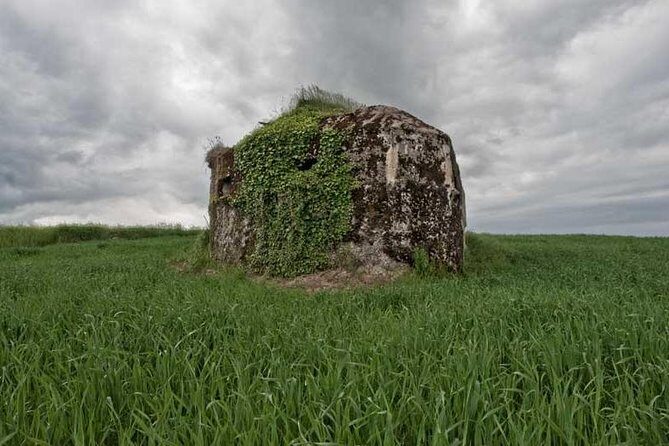
- Bunkers (including areas related to artillery protection, noted as canon bunkers)
- Tunnels that supported shelter and connected areas
- Hidden communication posts used to relay messages
- Field hospital sites where the wounded were treated
- Camps and areas connected to daily soldier life
The most interesting part is the way these locations relate. Communication posts weren’t random structures; they were part of a system that linked the front to support. Hospitals weren’t separate from combat; they were part of the constant flow of casualties. When you move through these linked points, you start to understand how the war operated across space and time.
Some guides may also point out other site features you can spot along the way, like damage marks or nearby memorial elements. The core structure of the experience stays the same: you’re walking wartime routes, not just viewing a single famous monument.






The diary-entry format: hearing French and German voices in place
If you like WWI stories, this part is the emotional anchor. Your guide reads diary entries written by French or German soldiers in 1915. And the key detail is timing and placement: the readings happen at the same locations you’re exploring.
That works because it changes how you interpret the physical structures. Standing in a trench, you can connect the sensations and routines described in the diaries—waiting, coping, and enduring—to the ground and openings around you. You’re not only learning what happened; you’re hearing how people described their days while it was happening.
It also keeps the story balanced. French and German perspectives weren’t about turning one side into heroes or villains. They were about revealing what soldiers experienced on the same hard terrain, under different flags and fears. That gives you a more complete sense of the human cost.
How guides make the difference (flexibility counts)
A standout theme in feedback is the guides’ ability to adapt. One guide (named Isabelle in a standout account) was praised for being exceptionally well informed about the geographic area, and for showing many sites while adjusting to the group’s needs. Another highlight was how a guide handled a misunderstanding by changing the plan in a way that still delivered a great experience.
That flexibility matters because trench conditions and visibility can shift with weather. It also matters because people arrive with different comfort levels. Since the tour includes both a pavement-friendly option and a trench-and-woods option, your guide’s judgment helps match the day to your group rather than forcing everyone into the toughest route.
If you care about details—what a structure was used for, why communication points were placed where they were—this is the kind of tour where the explanation style can make or break it. The strong ratings suggest you’re in good hands with a guide who can connect story to site.
Gear and comfort: the stuff you’ll thank yourself for
This tour operates in all weather conditions. You should dress like you’re heading into outdoor terrain that can get wet and dirty, including through nettles and stuff. You may also want a flashlight if you have one, since bunkers and tunnels are natural low-light spaces.
Here’s practical advice that fits what’s actually called out:
- Wear shoes that handle rough terrain and damp ground
- Bring layers. Forest weather can change fast
- Expect wet conditions inside trenches or around bunker entrances
- If you have a flashlight, pack it
Bug factor is real in warmer months. One experience noted mosquito bites and the need to check for ticks. You don’t need to panic, but bring bug spray and do a quick body check after—especially if you choose the greener, woods-heavy route.
The other comfort issue is finding the right effort level. The tour asks for moderate physical fitness, and several warnings focus on stamina and footing rather than athletic ability. If you’re the type who gets worn out by uneven ground, choose the easier pavement route.
Price and value: $171.61 per group, up to 15
The price is $171.61 per group (up to 15), for an approximately 2.5-hour private experience with a local guide. That can be a surprisingly good deal, especially if you’re traveling with friends or family who share the same interest level.
Why the value can work:
- You’re paying for guide time and site access across multiple wartime elements
- The experience is private, so you’re not forced into a crowd pace
- You get a narrative layer (diaries) that turns structures into context
One detail to plan around: because the price is per group, the per-person cost depends on your group size. If you book with just two people, you’ll pay more per person than a group near the top limit. If you’re traveling with a larger party, this setup can feel like a bargain compared to per-person tours.
Also note that it’s often booked about 61 days in advance on average. That suggests demand. If WWI is high on your list, plan ahead and don’t wait until the last minute.
Who should book this WWI Argonne Forest tour
This is a great fit if you:
- Want WWI in real spaces, not just plaques
- Like stories told through diary excerpts rather than straight lecture
- Are comfortable with outdoor walking and some rough ground
- Prefer small, guided attention where the route can adapt
It’s probably not your best choice if you:
- Want a purely paved-path experience with minimal uneven terrain
- Have limited mobility or struggle with climbing and footing in trenches
- Are easily put off by damp and messy conditions
In other words, this tour rewards people who like practical exploration. You’ll come away with a clearer sense of how the war functioned day-to-day behind the front line.
Should you book it? My decision guide
Book this tour if you want a WWI experience that feels grounded and physical. The combination of trenches, bunkers, tunnels, and diary readings from 1915 is the main draw, and it’s the kind of format that turns “history” into something you can actually picture.
Skip it or choose the gentler walk if you’re expecting a comfortable stroll with only easy walking paths and dry ground. Weather can make the day dirtier and more demanding, and that’s part of what makes the sites real.
If your group can handle outdoor walking for 2.5 hours, this tour looks like strong value for a private guided day in the Argonne.
FAQ
How long is the WWI tour of the Argonne Forest?
It lasts about 2 hours 30 minutes.
Where does the tour start, and what time does it begin?
The tour meets at 2 Rue du Pont, 51800 Servon-Melzicourt, France at 9:00 am. It ends back at the same meeting point.
Is there an easier walking option?
Yes. You can choose a more easier walk along the pavement or a more challenging option that goes in and out of trenches through the woods.
What should I wear or bring?
Dress appropriately for outdoor conditions and for the possibility of wet and dirty ground, including nettles. The tour suggests bringing a flashlight if you have one.
Is the tour indoors?
No. It operates outdoors in all weather conditions, and you’ll walk through trenches and rough terrain.
What is included in the price?
The only listed inclusion is a local guide. Food and drinks, hotel pickup and drop-off, and appropriate clothing for dirty/wet conditions are not included.