REVIEW · EPERNAY
From Reims/Epernay:The Connoisseurs Private Tour 9 tastings
Book on GetYourGuide →Operated by Ay Champagne Experience · Bookable on GetYourGuide
Champagne nerds, you’re going to like this. This private loop around Epernay and the Côte des Blancs turns big-name lore into real flavor, with visits to independent producers and a tasting lineup that goes beyond the usual bubbles. I love how you get a focused walkthrough of Chardonnay Grand Cru territory plus the tasting variety—9 tastings in all, including styles like natural Champagne (no dosage) and old-vine or oak-aged bottles. The only catch: it’s not set up for wheelchair users, and you’ll want to keep luggage small since large bags aren’t allowed.
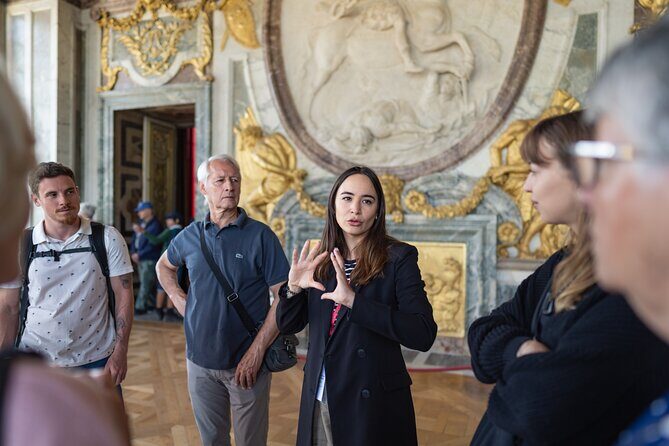
What makes it feel special is the human side—guides who explain Champagne like they actually care, including English- and French-speaking hosts such as Svetlana and Nina. You also get practical comfort: pickup in Reims or Épernay, a private ride (electric Jeep-style options included), and rain-or-shine timing so your day doesn’t get derailed.
In This Review
- Key takeaways before you book
- The Champagne geography you actually need (Côte des Blancs + Marne Valley)
- Hautvillers: Dom Pérignon’s grave at Abbaye Saint-Pierre d’Hautvillers
- Vineyard time and photo stops: learn the view, not just take it
- Cramant: where Grand Cru character meets your glass
- Epernay’s Avenue de Champagne: a quick pass that helps you orient
- Independent producers in motion: what the visits really add
- Oger and the Goyard Distillery: tasting Champagne spirit flavors
- The 9 tastings: what to look for in the glass
- Price and value: is $320 per person worth it?
- Getting picked up in Reims or Épernay (and how to travel light)
- Rain or shine: why that matters for Champagne days
- Who this private tour suits best
- Should you book this Champagne tour?
- FAQ
- How long is The Connoisseurs Private Tour?
- Where can I be picked up for this tour?
- What will I taste during the tour?
- Does the tour include Hautvillers and Dom Pérignon’s grave?
- Is this a private tour?
- Will the tour run in bad weather?
- Is luggage allowed?
Key takeaways before you book
- Côte des Blancs education plus real tastings: Chardonnay Grand Cru stops with context, not just sips.
- Two independent producers/growers: you see how the process connects to the glass.
- A tasting spread that mixes styles: natural (no dosage), extra brut, vintages, old vines, and oak-aged options.
- Hautvillers added for meaning: the abbey church visit and Dom Pérignon’s grave.
- Épernay by the Avenue de Champagne: a quick, guided pass that helps you orient fast.
- Goyard Distillery tastings in Oger: you get three essential Champagne alcohols plus aperitifs.
The Champagne geography you actually need (Côte des Blancs + Marne Valley)
Champagne can feel like a blur of brands unless someone gives you a map in your head. This tour does that with two key areas you’ll hear about again and again: the Côte des Blancs and the Marne Valley hills.
The Côte des Blancs is the kingdom of Chardonnay Grand Cru grapes. The Marne Valley is where Pinot Noir thrives on historic hillsides, and it’s tied to Champagne’s early development. The payoff for you is simple: after a few stops, you’ll start to connect grape variety, village name, and the style in your glass.
The route is designed to keep that story moving. You’re not bouncing randomly across the region—you’re going village to village in a way that makes the tasting notes easier to remember.
You can also read our reviews of more private tours in Epernay
Hautvillers: Dom Pérignon’s grave at Abbaye Saint-Pierre d’Hautvillers
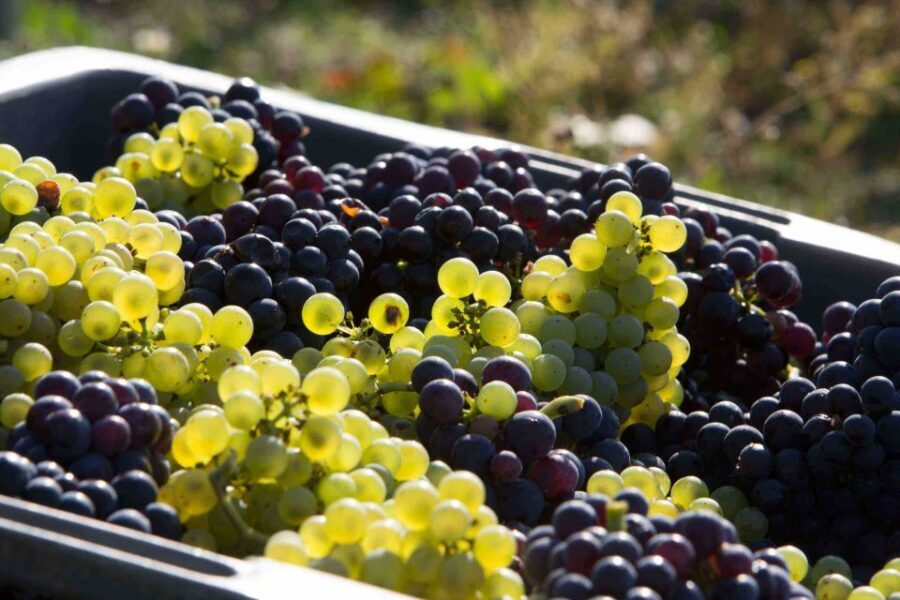
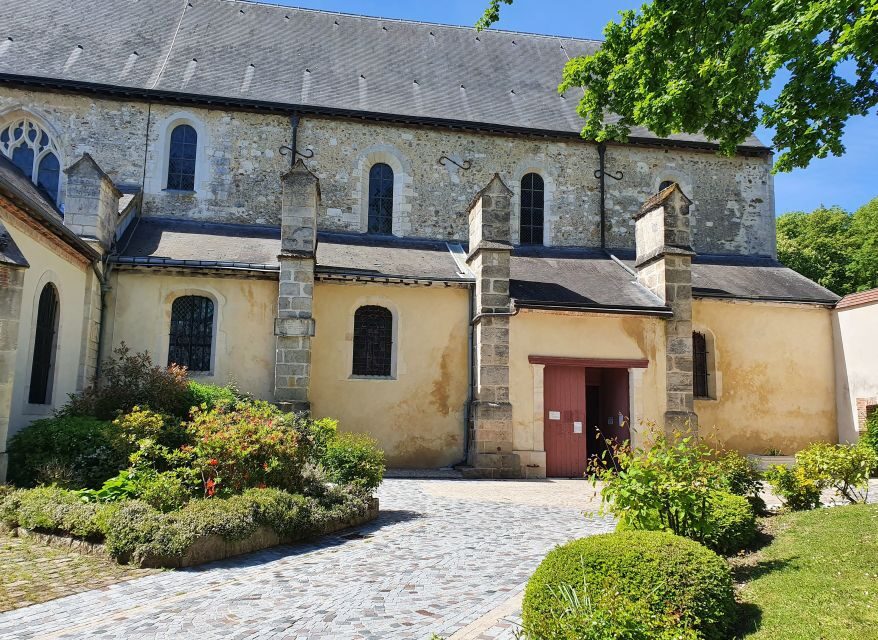
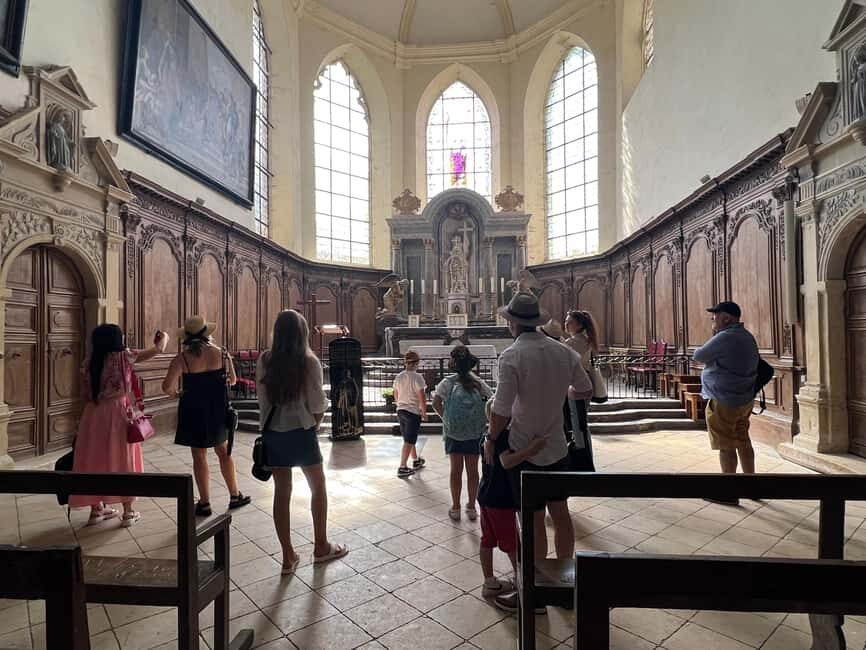
Your day begins with a guided stop at Abbaye Saint-Pierre d’Hautvillers, where you visit the church and the grave of Dom Pérignon. Even if you’re not a cathedral person, this stop matters because it anchors the origin story of Champagne to a real place.
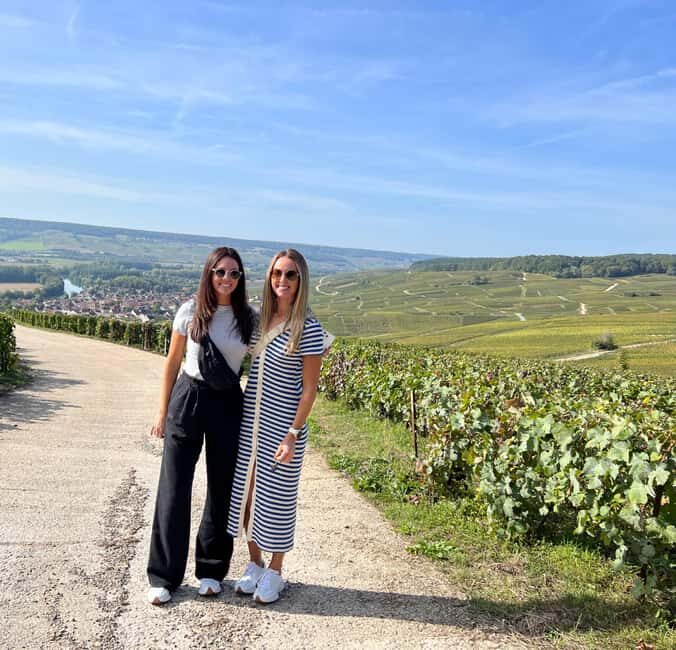
From there, the tour shifts into the “why this area matters” mode. In the hills near Hautvillers, you get a panoramic view over the Marne Valley—exactly the kind of setting where you can picture why people kept experimenting with grapes and fermentation.
Practical note: the itinerary includes photo time and scenery breaks, but it’s still a structured tour. If you want long wandering time, plan to use your short stops for photos and quick questions.
Vineyard time and photo stops: learn the view, not just take it
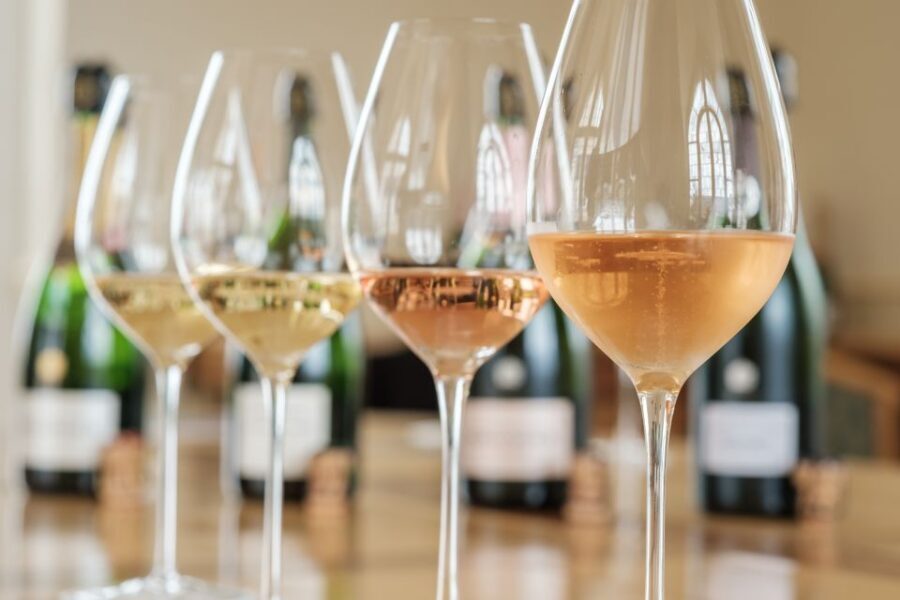
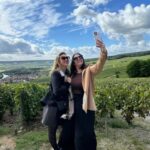
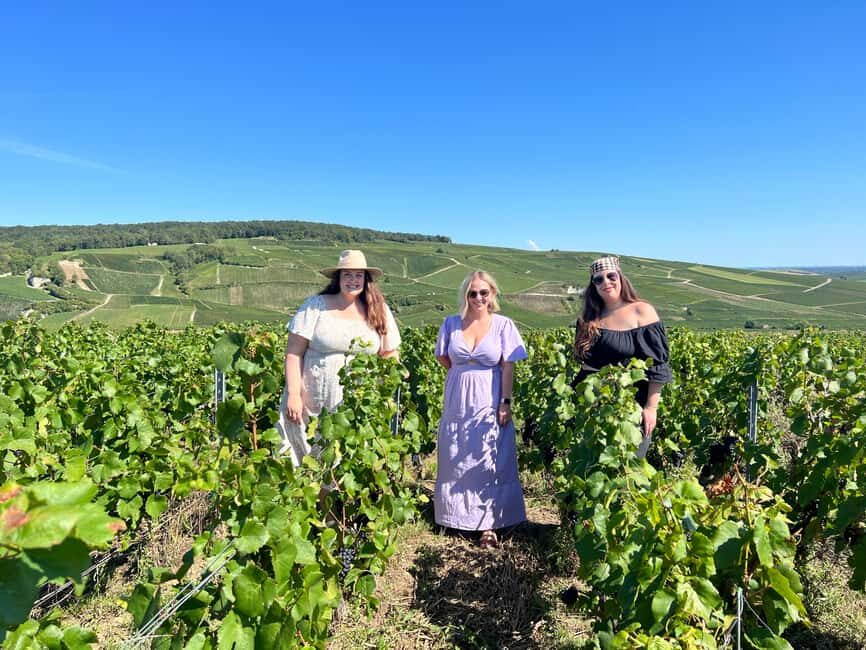
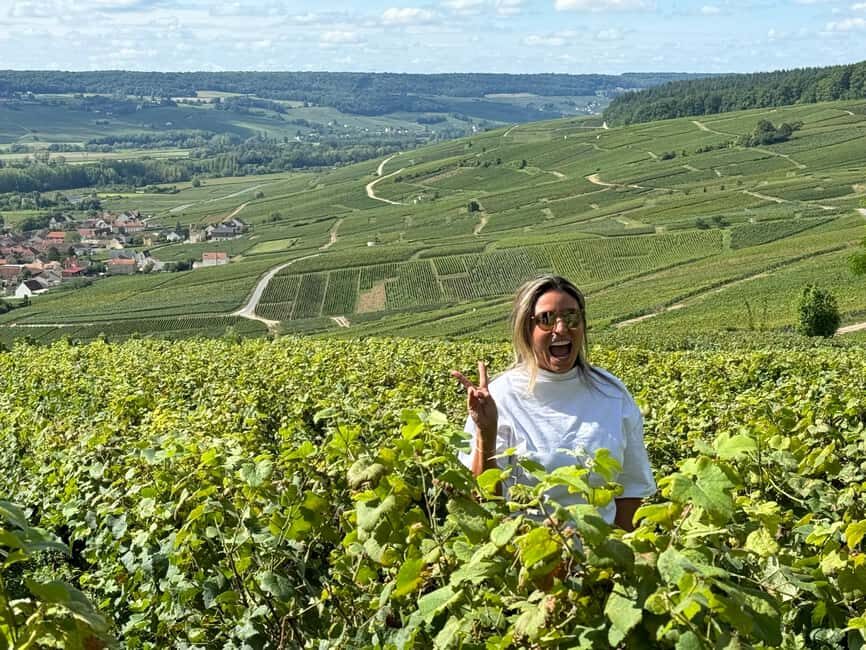
Between village stops, you’ll have a guided vineyard moment with a photo stop and scenic viewpoints along the way. The reason this is worth your attention is that Champagne viticulture is about location and slope. The tour frames what you’re seeing—hillsides, exposure, and how growers manage vines—so you can interpret what comes later.
You’ll also be talking sustainability during the vineyard portion. That doesn’t turn the day into a lecture, but it does give you language to ask smarter questions at tastings back home.
Cramant: where Grand Cru character meets your glass
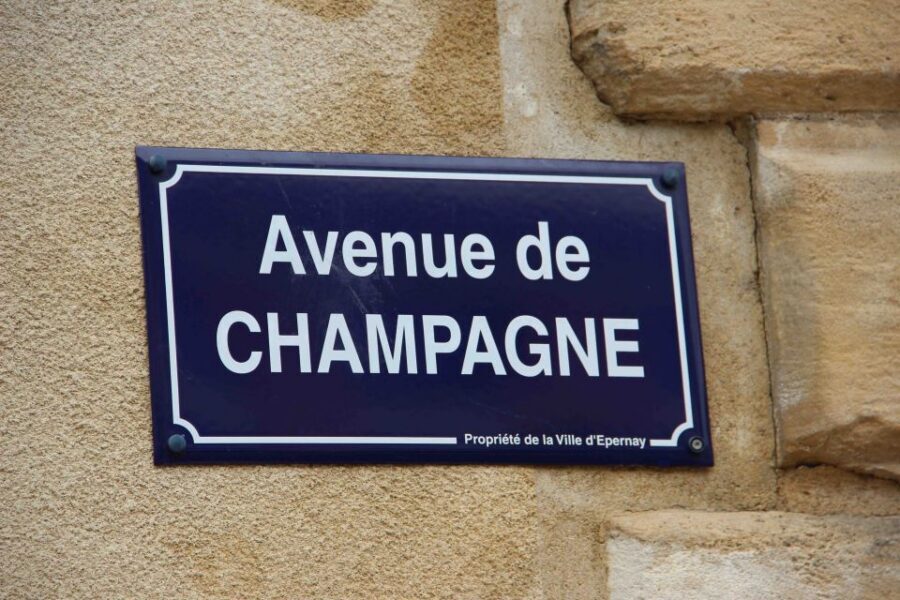
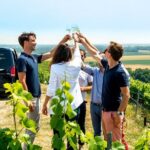
Cramant is one of those names that Champagne people drop casually, but it can be hard to understand why until you’re standing in the right place. Here, you’ll have a guided visit plus a Champagne tasting session.
This stop is designed for you to connect the terroir to the bottle. In practical terms, you’ll taste Grand Cru/Premier Cru styles that reflect the Chardonnay-driven identity of the area. You should pay attention to how the guide describes structure—acidity, texture, and how flavors open as the Champagne warms a bit.
One thing to keep in mind: tasting time is time with purpose. Since this is a private group and the day is tight (210–270 minutes), you’ll get the best results if you come ready to compare styles rather than just sample casually.
Epernay’s Avenue de Champagne: a quick pass that helps you orient
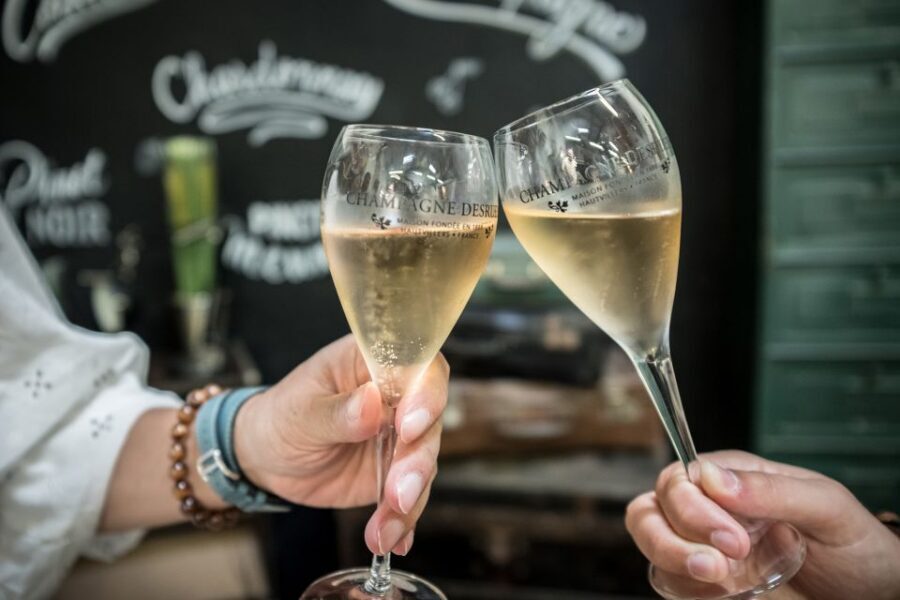
Then you’ll glide through Épernay on a planned passage along the Avenue de Champagne. You’ll see the mansions and production buildings linked to major Champagne Houses like Moët & Chandon, Perrier-Jouët, and Pol Roger.
This segment is shorter on purpose. It’s not trying to replace a full day in Épernay. It’s giving you orientation so that when you see a House later in another visit or on a future trip, you’ll know what you’re looking at.
If you enjoy photo stops, this is a good moment to grab shots of the architecture and the sense of place. If you’d rather skip visuals and focus entirely on wine, you can still treat this as a “mental map” stop.

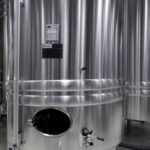
Independent producers in motion: what the visits really add
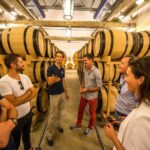
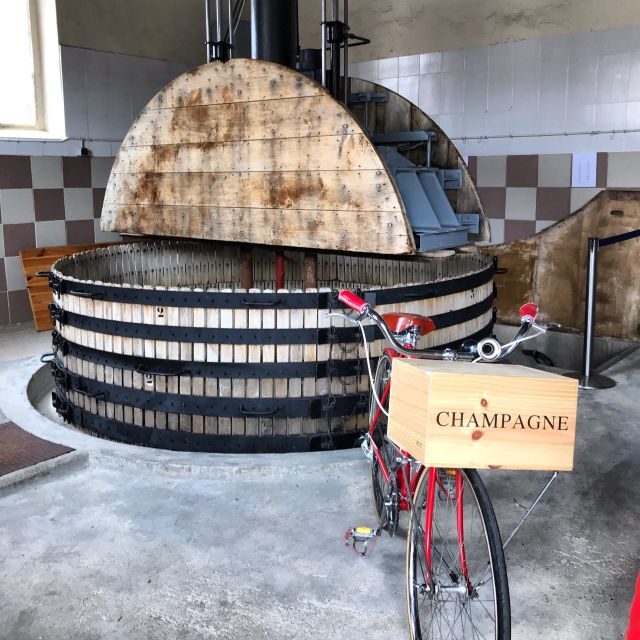
A major strength of this tour is that tastings aren’t just poured at a counter. You visit two independent producers/growers, with explanations of the Champagne-making process and time to see the presses, wineries, and cellars.
For you, that’s the difference between a fun afternoon and real understanding. Champagne can be confusing because so much happens before you ever taste it: pressing, vinification, blending, aging, and the finishing steps. Seeing the production spaces makes those terms make sense.
It also helps explain why bottles that look similar on a shelf can taste noticeably different. The tour pushes you to listen for what changes from place to place and maker to maker—especially on texture and how the bottle evolves with time.
Oger and the Goyard Distillery: tasting Champagne spirit flavors
The Oger portion includes a guided visit tied to spirits and another tasting session. You’re in Côte des Blancs territory again, but the twist here is what happens beyond Champagne itself.
Along the way, the tour includes tastings of three essential Champagne alcohols and aperitifs from the Goyard Distillery, which is described as the oldest in Champagne: Ratafia, Fine de la Marne, and Marc de Champagne.
This is a smart add-on for two reasons:
- It broadens your understanding of what the region does with grape must and leftover fractions.
- It gives you a comparison point. Even if you’re mainly a Champagne drinker, these flavors can sharpen your sense of aroma and sweetness levels.
If you’re the type who thinks Champagne is only about bubbles, this portion gently proves that the region has more range. Just remember: this is still a long tasting day, so pace yourself and use water.
The 9 tastings: what to look for in the glass
The tour’s headline is 9 tastings, with 6 Champagnes plus the Champagne spirits and aperitifs. That’s a lot in a single half-day, so the real value is knowing what to compare.
From the tour description, expect styles such as:
- Natural Champagne without dosage (listen for the sense of dryness and the way fruit reads)
- Extra brut (often sharper, with a more austere finish)
- Vintages (flavor tied to the specific year)
- Old vines (usually more depth and grip)
- Aged in oak barrels (watch how texture and subtle spice notes appear)
Also expect Grand Cru/Premier Cru labels—enough variation that you’ll start seeing how the same region can produce different expressions. I recommend you choose one or two “anchors” in your mind—like acidity versus creamy texture—and use those as your comparison tools. It keeps the experience fun instead of chaotic.
Price and value: is $320 per person worth it?
At $320 per person, this tour isn’t the cheapest way to sip Champagne. But it also isn’t just a tasting flight with a bus ride.
Here’s what you’re paying for, in concrete terms:
- Private group experience (not a big crowd)
- Pickup and drop-off in Reims or Épernay
- Visits to two independent producers/growers, including presses, wineries, and cellars
- 6 Champagne tastings plus 3 additional spirit/apéritif tastings
- Guided interpretation in English or French
- A route built around meaningful villages: Hautvillers, Cramant, Oger, plus an Épernay orientation pass
If you’re the type who enjoys structure—learning why each Champagne style exists—this can feel like good value. If you only want one or two drinks and don’t care about production explanations, you might feel the schedule is heavy.
The sweet spot is clear: you want education, multiple styles, and a “region-understanding” day.
Getting picked up in Reims or Épernay (and how to travel light)
You’ll choose one of two pickup bases: Reims or Épernay.
In Reims, pickups are set for convenient points including the Reims Tourist Office, Reims Center Train station, or the Reims-Bezannes TGV station (about 8 km from Reims). In Épernay, pickup is offered in front of the Épernay Tourist Office or the train station.
You can also request a meeting place in front of your hotel in the surrounding area within a radius of max 6 km. That’s helpful if you’re staying slightly outside town.
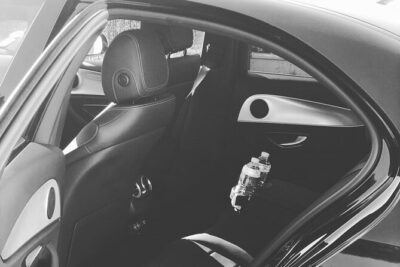
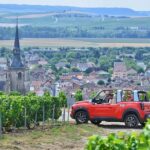
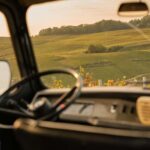
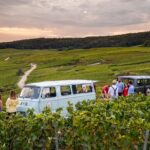
On transportation: the operator may use different vehicles depending on group size and timing, including an electric E-Mehari Jeep-style crossover plus premium vans/minivans. If you have difficulty getting into slightly raised vehicles, you should tell them in advance. And yes, the tour has a no large bags rule, so pack accordingly.
Rain or shine: why that matters for Champagne days
This tour runs rain or shine, which is actually a big advantage in Champagne country. Many vineyard plans become half-canceled on wet days. Here, you can expect the schedule to hold, with viewpoints and stops arranged around what’s still workable.
What to do: wear shoes you trust on uneven ground, and keep a light layer handy. You’ll still get panoramic views even if the sky is moody, and you’ll be thankful the day isn’t dependent on weather luck.
Who this private tour suits best
This experience fits best if you:
- Want more than brand tasting and want village + process context
- Like comparing styles across Chardonnay-driven Côte des Blancs and Pinot Noir context in the Marne Valley
- Appreciate visits to production spaces, not just a pour-and-go
It’s also a good choice for couples or small groups who want a guide who can slow down when you ask questions. The private format is a real advantage when you’re trying to sort out the meaning behind dosage, aging choices, and vintage differences.
If you hate structured schedules or you’re traveling with bulky luggage, you may find the day a bit intense. Also, it’s not suitable for wheelchair users.
Should you book this Champagne tour?
Book it if you want a single day that teaches you Champagne in a way you can remember: Hautvillers for meaning, Cramant and Oger for place-based tastings, Épernay for quick orientation, and two grower visits for the process behind the bubbles. The 9 tastings—including natural no-dosage styles and the regional spirits from the Goyard Distillery—make it feel like real value, not just a couple of pours.
Skip it (or consider a lighter option) if you prefer a long, unstructured stroll, or if you’re not excited about tasting multiple styles back-to-back. And if accessibility is a concern, this one isn’t built for wheelchair users.
If you’re even slightly curious about how Champagne becomes Champagne, this private route is one of the more focused ways to learn fast.
FAQ
How long is The Connoisseurs Private Tour?
The tour lasts about 210 to 270 minutes.
Where can I be picked up for this tour?
You can be picked up in Reims or in Épernay. In Reims, options include in front of the Reims Tourist Office, Reims Center Train station, or Reims-Bezannes TGV station. In Épernay, pickup is in front of the Épernay Tourist Office or the train station.
What will I taste during the tour?
You’ll taste 6 different Champagnes (Grand Cru/Premier Cru) plus 3 Champagne alcohols and aperitifs: Ratafia, Fine de la Marne, and Marc de Champagne from the Goyard Distillery.
Does the tour include Hautvillers and Dom Pérignon’s grave?
Yes. You’ll visit the church at Abbaye Saint-Pierre d’Hautvillers, where Dom Pérignon’s grave is located.
Is this a private tour?
Yes. It’s described as a private group with a live guide/chauffeur.
Will the tour run in bad weather?
Yes, it takes place rain or shine.
Is luggage allowed?
No large bags are allowed on this tour. The vehicle types vary, so it helps to travel light.