REVIEW · EPERNAY
From Reims/Epernay: The Connoisseurs Private Tour 9 tastings
Book on GetYourGuide →Operated by Ay Champagne Experience · Bookable on GetYourGuide
Champagne gets personal fast on this private route. I like that you cover the core zones near Épernay, from Côte des Blancs Chardonnay territory to the Marne Valley slopes where Champagne was born. You also get 9 tastings, including zero-dosage style bottles and a stop at Dom Pérignon’s grave in Hautvillers.
One possible drawback: at $320 per person, it’s priced as a serious splurge, and it’s not a fit if you need wheelchair access or you’re traveling with large bags.
In This Review
- Key highlights
- Setting Out From Reims or Épernay: a private tour pace that actually teaches
- Hautvillers Abbey and Dom Pérignon: the pilgrimage stop that explains the why
- Côte des Blancs in Cramant and Oger: tasting Grand Cru styles with a grower’s logic
- What you’re tasting (and why the variety is smart)
- The Champagne-making talk: how to listen while you taste
- Spirits tastings from the Goyard Distillery: Ratafia, Fine de la Marne, Marc de Champagne
- Passing Épernay’s Avenue de Champagne and Château de Saran: big-house context without the heavy crowd day
- The guide and the small details that make this feel private
- Price and value: what $320 is really paying for
- Should you book this private 9-tasting Champagne tour?
- FAQ
- How long is the Champagne tour?
- Do I get pickup and drop-off?
- What do I taste during the tour?
- Are the tastings limited to Champagne only?
- Where does the tour take place?
- Does the tour run in bad weather?
- Are there any luggage restrictions?
- What languages are available for the guide?
- Is the tour accessible for wheelchair users?
Key highlights
- Côte des Blancs Chardonnay Grand Cru focus with a clear sense of place and why it matters
- Two independent grower/producers with explanations plus winery/cellar touring
- A structured tasting lineup spanning natural style, extra brut, old vines, vintages, and oak-aged bottles
- Hautvillers church visit tied to Dom Pérignon plus a UNESCO-area viewpoint over the Marne Valley
- Three Champagne distillery tastings: Ratafia, Fine de la Marne, and Marc de Champagne
- A commented pass by Épernay’s Avenue de Champagne for big-house context without committing to a full house tour
Setting Out From Reims or Épernay: a private tour pace that actually teaches
This tour is built for people who want more than a drive-by. You’ll leave from either Reims or Épernay, with pickup and drop-off handled for you, which keeps the day from turning into a puzzle of taxis and timing.
The overall duration is about 210 to 270 minutes (3.5 to 4.5 hours). That time block is tight enough to feel like a “real experience,” but long enough to do more than just clink glasses. You get village stops, guided visits, and tastings without feeling like you’re being rushed from one doorway to another.
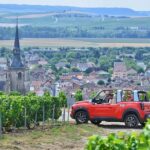
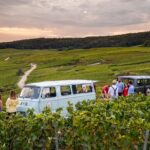
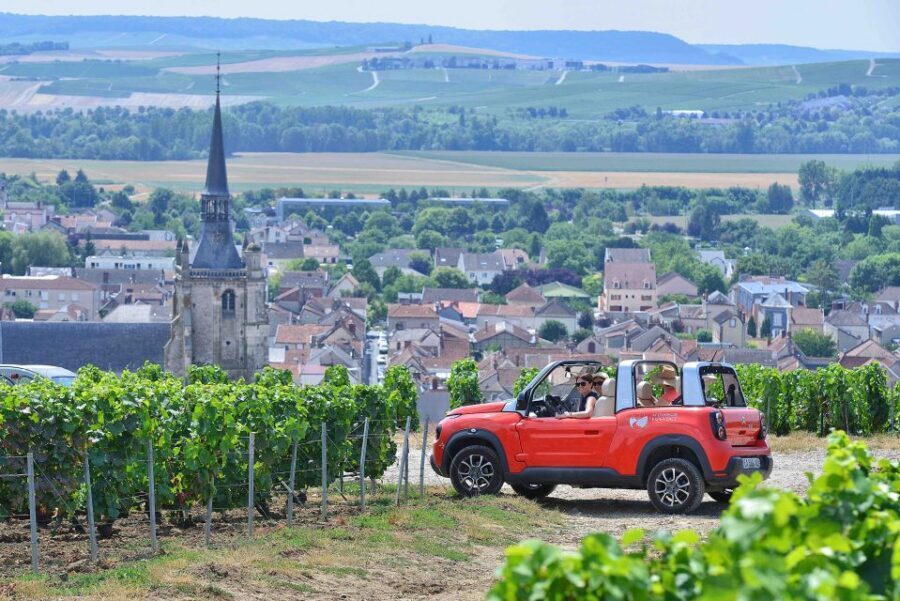
Transportation is flexible based on weather and group size. You might ride in an electric E-Mehari jeep-style vehicle, a premium van, or a minivan. If you have trouble getting into slightly raised vehicles, tell them ahead of time.
And yes, it runs rain or shine. Champagne is weather-friendly, but you’ll still want a light jacket and shoes that handle wet roads. This is France: one drizzle and your “cute plan” becomes “solid plan.”
You can also read our reviews of more private tours in Epernay
Hautvillers Abbey and Dom Pérignon: the pilgrimage stop that explains the why
Hautvillers is where Champagne’s origin story becomes physical. The tour starts with a guided visit at Abbaye Saint-Pierre d’Hautvillers (the church where Dom Pérignon’s grave is located). This isn’t just sightseeing. The guide’s job here is to connect the religious site to the bigger arc of Champagne making and experimentation—so you understand why people still treat this place like a touchstone.
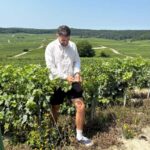
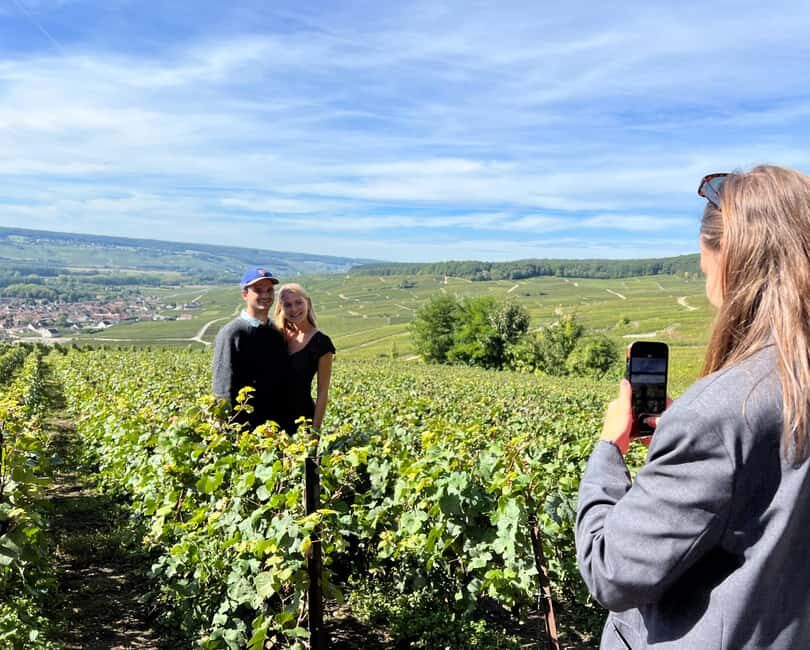
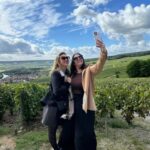
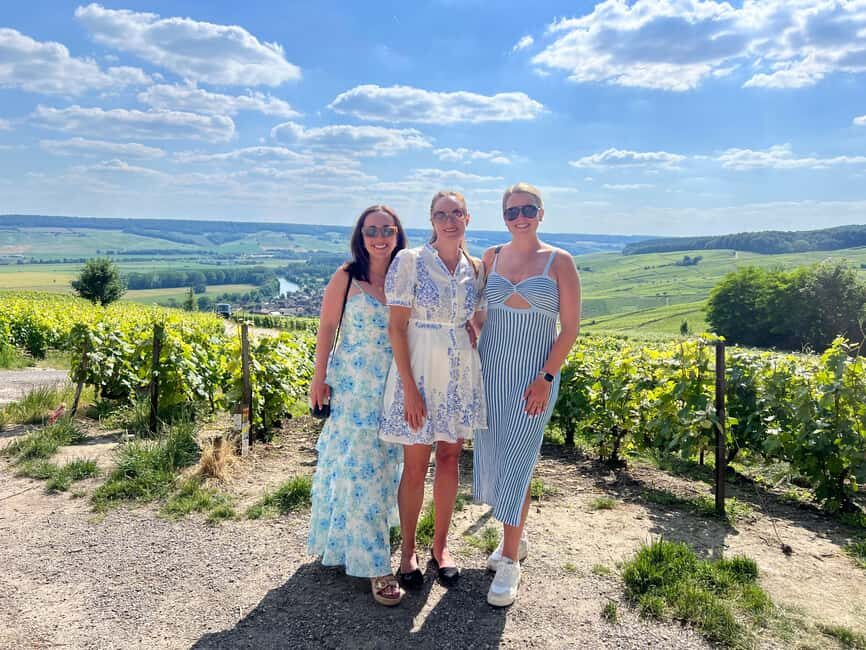
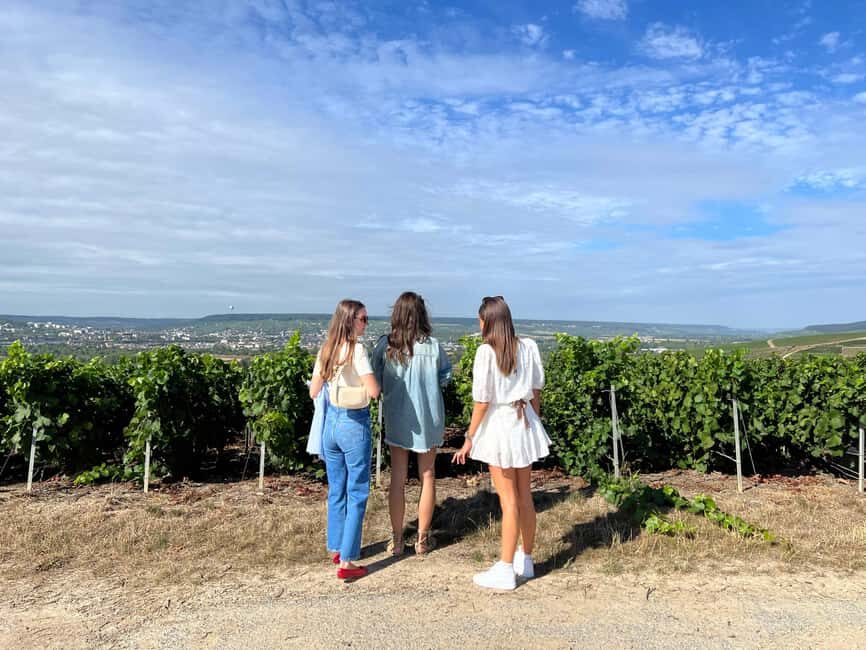
Then there’s a scenic break in the hills. You’ll get a photo stop with viewpoints over the Marne Valley and its historic slopes, an area recognized by UNESCO. If you like pictures, this is one of the easiest parts of the day to love. The viewpoint is also where the guide can talk about vineyard management and sustainable viticulture, not just the romantic side.
What I like about this sequence is that it changes your frame. After you’ve seen Hautvillers and the hills, the tasting later doesn’t feel random. Chardonnay and Pinot Noir stop being “types of Champagne” and start feeling like outcomes of specific ground, slope, and choices made by growers.
Practical note: the church stop is a guided block, so plan to be present and listen for a bit. If you treat it like a quick photo stop only, you’ll miss the part that makes it click.
Côte des Blancs in Cramant and Oger: tasting Grand Cru styles with a grower’s logic
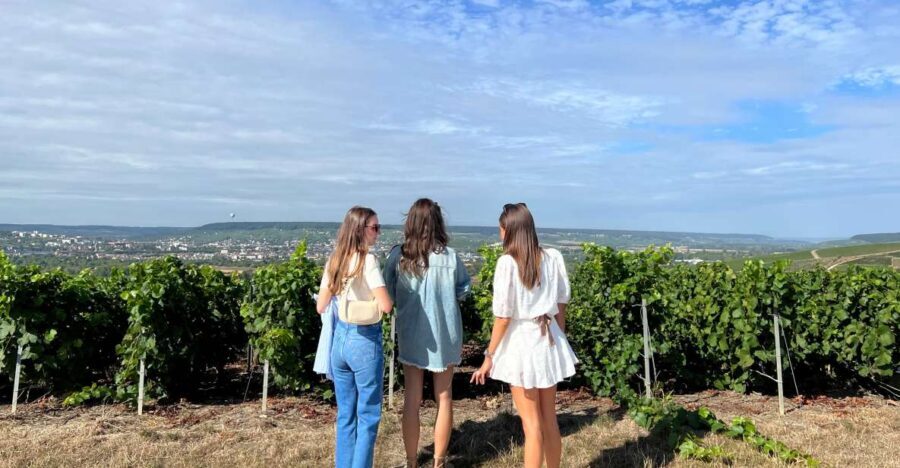
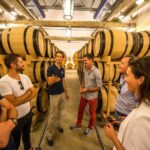
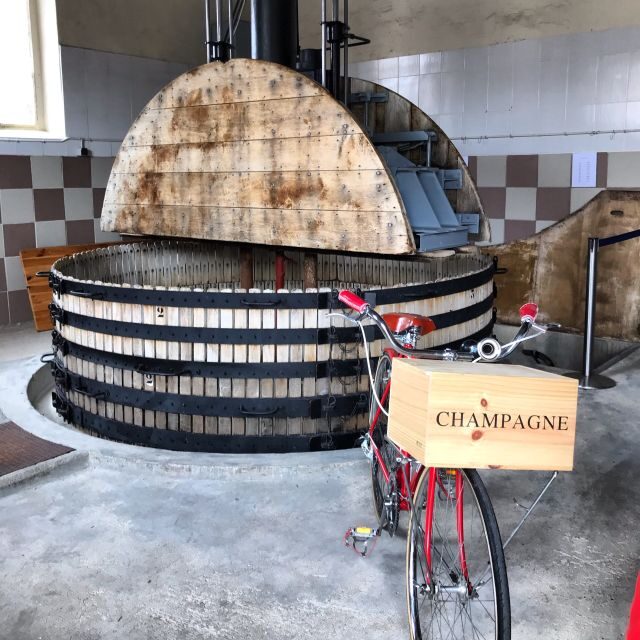
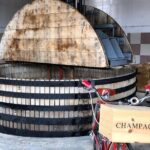
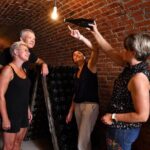
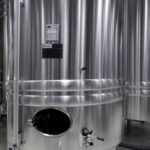
The heart of the tour is where the education turns into taste. You’ll visit two independent producers, and each visit includes explanations of how Champagne is made, plus time in practical spaces like presses, wineries, and cellars.
These producers matter because they show you Champagne as a craft with decision points. Big houses can be impressive, but independent growers often have an easier path to “why this bottle tastes this way.” You’ll also get more direct answers to questions, from dosage choices to how aging influences flavor.
The route centers on Cramant and Oger, both in the orbit of the Côte des Blancs. If you’re wondering what Côte des Blancs means in real terms, this is the day to learn it. You’re working in Chardonnay territory—so even without memorizing vineyard maps, you’ll start recognizing how style changes with village and grower decisions.
What you’re tasting (and why the variety is smart)
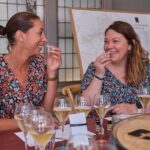
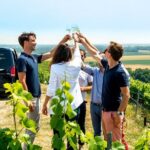
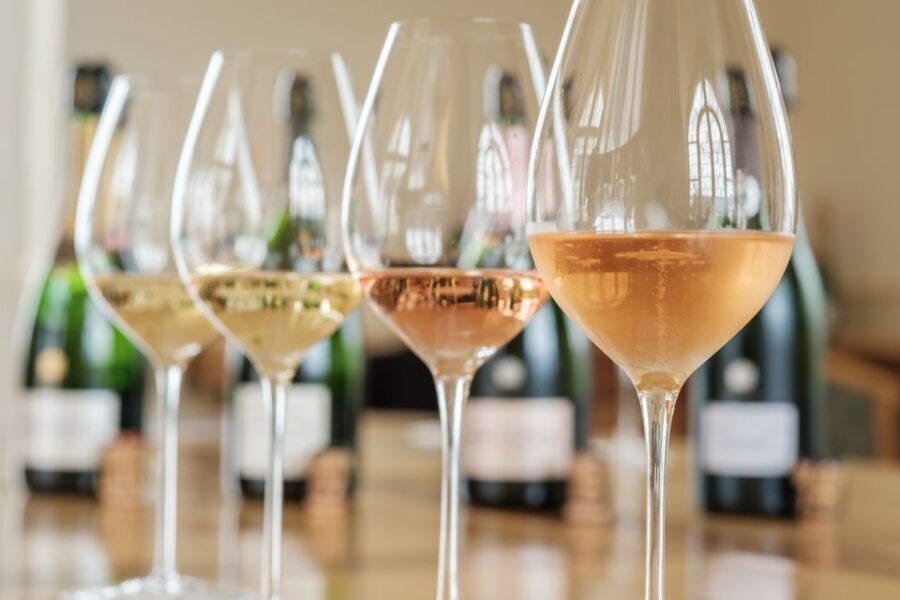
You’ll taste 6 different Champagnes labeled as Grand Cru/Premier Cru, with styles that cover several key techniques and philosophies. The lineup can include:
- Natural Champagne with no dosage (a style that leaves less room to hide flaws)
- Extra brut (for people who like their bubbles drier and sharper)
- Bottles made from old vines
- Vintages (where time becomes part of the flavor story)
- Champagnes aged in oak barrels (where texture and spice can show up)
This spread is valuable because it forces comparison. Instead of tasting six bottles that all aim for the same flavor target, you taste across methods. The result is that you stop asking, Which one is best? and start asking, What choice created that impression?
And that’s where your “Champagne expert” moment begins, the practical kind: noticing acidity, texture, and how the wine evolves in the glass.
The Champagne-making talk: how to listen while you taste
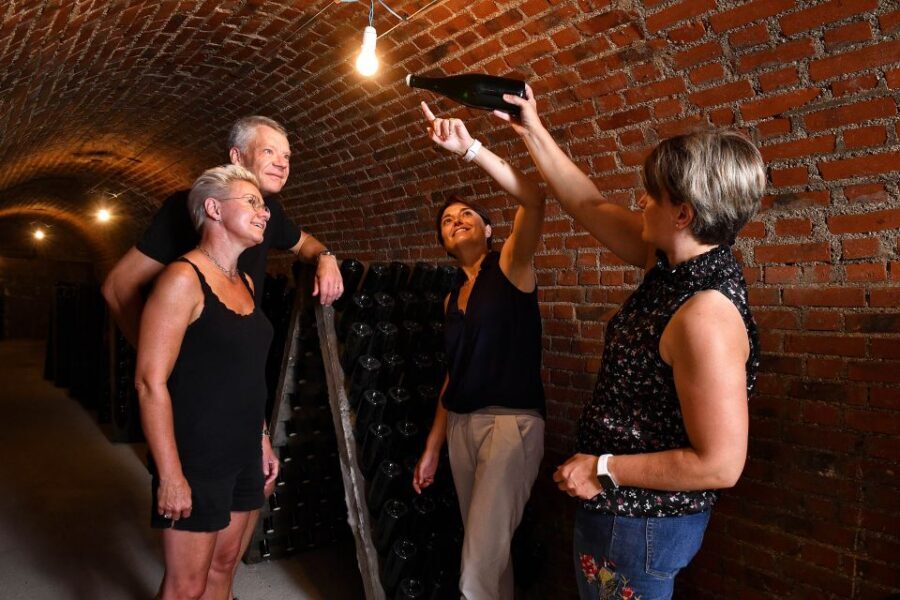
A tasting tour can turn into a blur of names. This one is built to keep you oriented. During the producer visits, the guide explains the process and then you taste right after, so the concepts stick.
Here are the big concepts the tour approach supports, and what you should pay attention to:
- Dosage vs. no-dosage: when dosage is removed, the base wine and fermentation decisions come through more clearly.
- Oak aging: look for added structure, sometimes a slightly warmer feel or different spice notes compared with more stainless-steel-focused styles.
- Extra brut: you’ll usually notice a drier finish and sharper snap, especially if you’re used to sweeter Champagne styles.
- Old vines and vintages: these aren’t just marketing terms. You’ll taste the difference through intensity and how the wine feels over multiple sips.
If your brain wants a simple script, use this: taste, pause, smell again, then ask yourself what changed. The guide’s explanations help you translate what you’re sensing into actual winemaking choices.
Also, the pace matters. Because you’re touring presses and cellars (not just tasting at a counter), the day gives you context for why certain flavors show up. When you connect the glass to the process, you remember it.
Spirits tastings from the Goyard Distillery: Ratafia, Fine de la Marne, Marc de Champagne
This isn’t a one-note Champagne day. In addition to the Champagnes, you’ll taste three essential Champagne alcohols and aperitifs from the Goyard Distillery—described as the oldest in Champagne.
You’ll try:
- Ratafia
- Fine de la Marne
- Marc de Champagne
These bottles and pours are a great “side door” into the region. They remind you Champagne culture isn’t limited to sparkling wine. It includes grape-derived spirits and aperitifs that use grapes and leftovers from the winemaking world, which is very much part of local food-and-drink identity.
You don’t have to love spirits to enjoy this part. Even if you only take small sips, it helps you understand how the region treats grape character as something worth celebrating in more than one form.
One more practical reason I like adding these tastings: it slows the day down. After multiple Champagne flights, a different style category helps you reset your palate.
Passing Épernay’s Avenue de Champagne and Château de Saran: big-house context without the heavy crowd day
Between village stops, you’ll get a commented passage through Épernay’s Avenue de Champagne. This is a strip of famous mansions and production buildings of major Champagne houses like Moët & Chandon and Perrier-Jouët. Even if you don’t go inside a big-name facility, the guide helps you read the architecture and understand the role of these houses in the bigger industry.
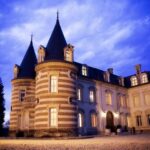
The day also includes a pass in front of Château de Saran, linked with the LVMH group, and connected to Champagne Moët & Chandon production. You’ll see the kind of scale that makes Champagne global, and you’ll be able to compare it mentally to the independent producers you visited earlier.
I like this mix because it keeps the tour balanced. You’re not stuck in marketing-only territory, and you’re not ignoring the reality of the industry. You get both: craft logic in the villages, and the corporate reality in Épernay.
If you like photos, this is a good stretch for it too, but don’t treat it as the main event. The tastings and producer visits are where your learning sticks.
The guide and the small details that make this feel private
This tour is a private group with a dedicated local guide/chauffeur, available in English and French. That matters because you can ask questions without waiting for a microphone moment.
In recent experiences, guides such as Victoria and Isabelle have been praised for mixing Champagne history with clear, friendly explanations. Some days can also line up with extra production moments—for example, there’s a chance to see something like a disgorgement process if timing works—so keep your camera ready and your attention fully on the guide.
Because it’s private, the day can also feel more comfortable. The pacing includes guided blocks of time (30 minutes here, 75 minutes there), so you’re not constantly sprinting. There are also natural pauses where you can reset and regroup.
One logistics reality: luggage or large bags aren’t allowed. If you’re coming from a hotel, travel light.
Price and value: what $320 is really paying for
At $320 per person, this is not a casual add-on. You’re paying for:
- Pickup and drop-off from Reims or Épernay
- A private guide and driver for several hours
- Visits to two independent producers, including tours of presses, wineries, and cellars
- 6 Grand Cru/Premier Cru Champagne tastings
- 3 additional spirits/aperitif tastings from the Goyard Distillery
When you spread it out, the price starts to make sense as a “paid education hour.” The producer visits cost time and effort, and they’re the part that turns tasting into understanding. Also, getting both Champagne styles and regional spirits adds real variety without switching companies.
Is it worth it? If you want only one or two bottles, probably not. If you want a guided roadmap through the core Champagne villages with structured tasting comparisons, it’s priced in the right neighborhood for what you’re receiving.
Should you book this private 9-tasting Champagne tour?
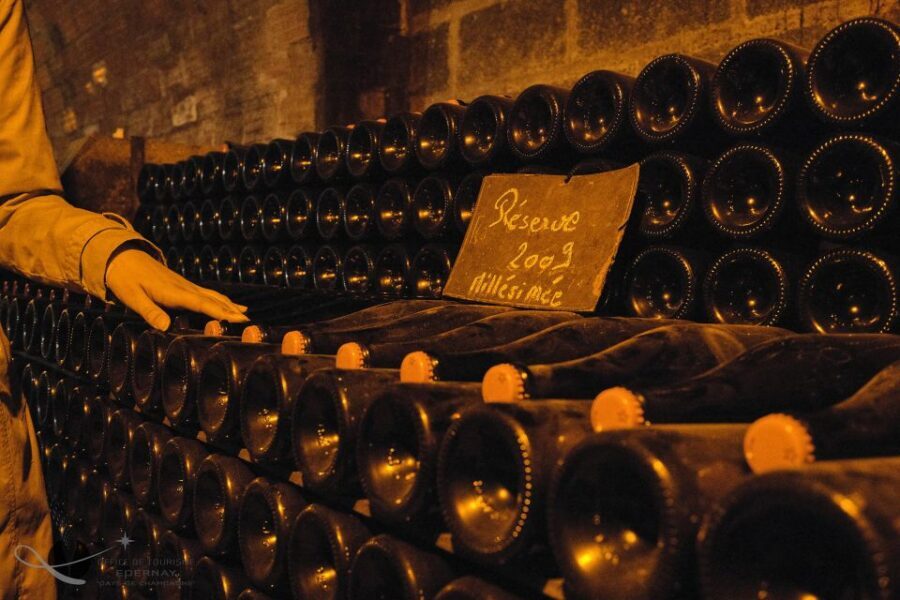
Book it if you want a Chardonnay-focused Champagne education in the Côte des Blancs, plus a serious tasting format that includes natural zero-dosage style and extra brut. It’s also a strong choice if you enjoy meeting producers and learning the process in real working spaces like cellars and pressing areas.
Skip it if you’re looking for a mostly photo-and-drive day, or if you need wheelchair accessibility. Also skip if you’re carrying bulky luggage or if you don’t want a rain-or-shine tour structure.
If you’re the type who likes to compare and ask why a bottle tastes the way it does, this is the kind of day that makes Champagne feel less like mystery and more like craft.
FAQ
How long is the Champagne tour?
The tour lasts about 210 to 270 minutes.
Do I get pickup and drop-off?
Yes. You can choose pickup and drop-off from Reims or Épernay. If you pick Reims, pickup and drop-off can be arranged in front of the Reims Tourist Office, at the City Center Reims Train station, or at the Reims TVG Champagne Ardenne Bezannes station. Other nearby meeting places may be available on request within 6 km of Reims.
What do I taste during the tour?
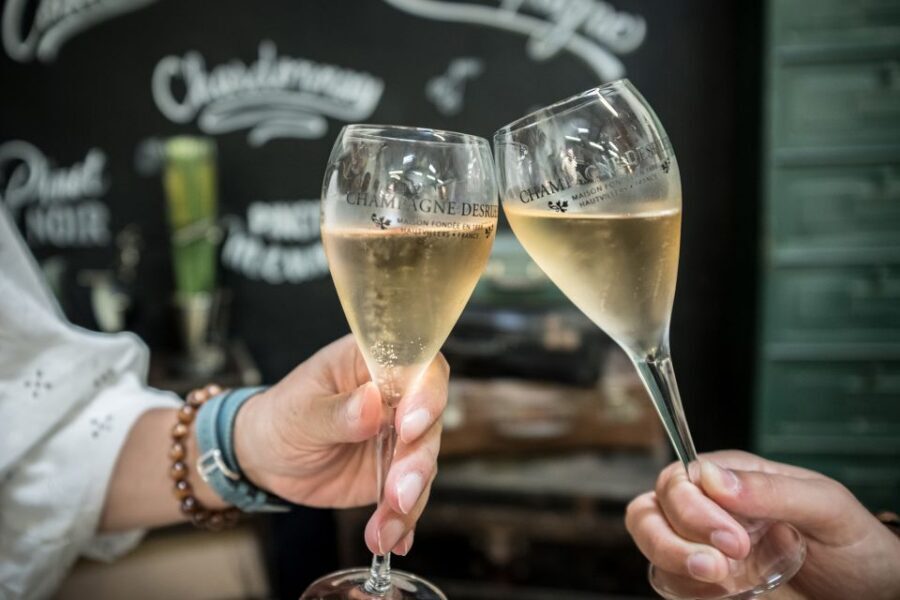
You’ll taste 6 Champagnes (Grand Cru/Premier Cru) during producer visits. You’ll also taste 3 regional Champagne alcohols and aperitifs: Ratafia, Fine de la Marne, and Marc de Champagne.
Are the tastings limited to Champagne only?
No. In addition to the Champagne tastings, the tour includes tastings of the three alcohols/aperitifs from the Goyard Distillery.
Where does the tour take place?
The tour takes place in the Champagne area of France, centered around Épernay and including stops such as Hautvillers, Cramant, and Oger.
Does the tour run in bad weather?
Yes. The tour takes place rain or shine.
Are there any luggage restrictions?
Yes. Luggage or large bags are not allowed.
What languages are available for the guide?
The live tour guide is available in English and French.
Is the tour accessible for wheelchair users?
No. It is not suitable for wheelchair users.