REVIEW · EPERNAY
Atypical Champagne tasting with a great view
Book on GetYourGuide →Operated by Thomas Brasher · Bookable on GetYourGuide
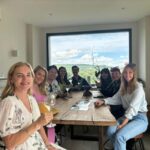
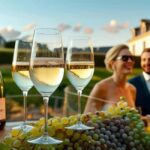
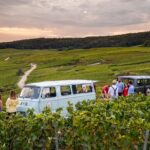
That view changes the whole tasting.
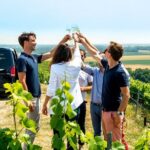
This 2-hour, sit-down Champagne tasting in the center of Épernay pairs a great skyline view with a very human, teach-you-as-you-go approach. I like the generous, convivial pours and the way Thomas Brasher (a half British half French host) keeps things relaxed while still covering the real how-and-why. One possible drawback: if schedules shift, there’s at least some risk of last-minute cancellation by the guide—so if you’re on a tight plan, it’s worth confirming quickly.
What you’re buying isn’t a rush-through sampling. You’re getting a commented tasting of small independent producers from across the Champagne region, plus local snack pairings, all explained in English, French, or Spanish. If you want a quick sip-and-go, this may feel slower than a typical tasting bar, but if you’re curious, it’s a great use of your time in town.
In This Review
- Key highlights you’ll actually care about
- Champagne tastings in Épernay, but with a view and a teacher
- Meet Thomas Brasher and the laid-back style of the session
- What’s included: three rare bottles, snack pairings, and a personal guide
- The 2-hour flow: how the tasting actually unfolds
- Start with the region and the local dynamics
- Learn how to taste (and what not to overthink)
- Decode the bottle: what to look at
- Understand grape variety differences
- Hand harvesting and harvest choices
- Clarify terms like brut
- Taste three rare Champagnes with generous pours
- Why the small independent grower focus is worth your time
- The best view in town: practical tips for getting the photo
- Pairing Champagne with snacks: it makes the tasting stick
- Who this is best for (and who should choose something else)
- Price and value: is $50 a fair deal?
- Practical timing and where it fits on your day
- Should you book this atypical Champagne tasting?
- FAQ
- FAQ
- How long is the Champagne tasting in Épernay?
- What is included in the $50 per person experience?
- Who is the host, and what languages are available?
- Where is this located in relation to getting around?
- Is the tasting suitable for wheelchair users?
- What is the cancellation policy?
- Can I reserve without paying right away?
Key highlights you’ll actually care about
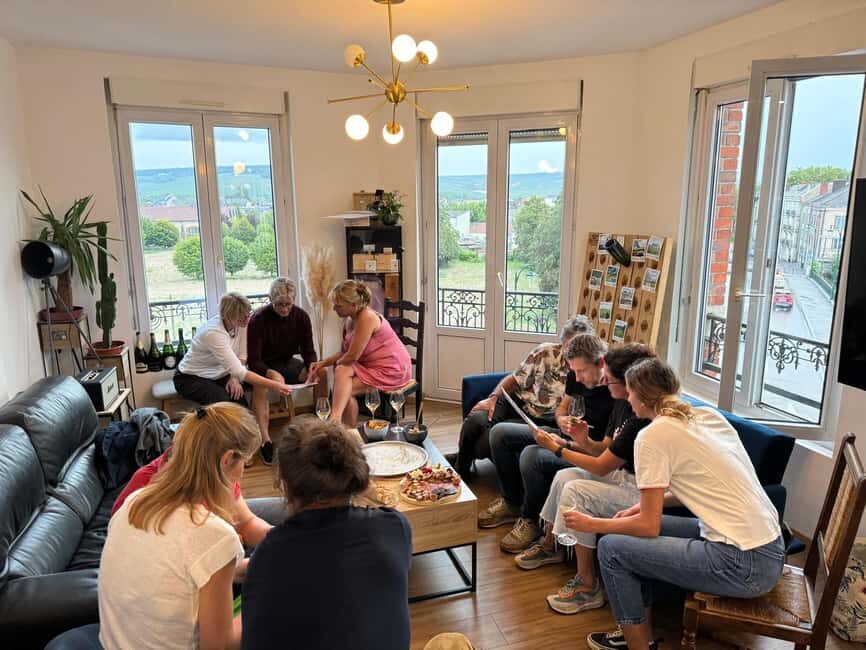
- Top view over Épernay: set up for photos, not just wine tasting
- Rare small-grower Champagnes: from independent producers, including bio bottles
- A real lesson, not a lecture: how to taste, what to look for on labels, and what terms mean
- Hand-harvest and grape variety explanations: the “why” behind the style
- Generous, friendly pacing: enough time to ask questions without feeling rushed
- Snacks with variety: more than a plain biscuit-and-cheese setup
Champagne tastings in Épernay, but with a view and a teacher
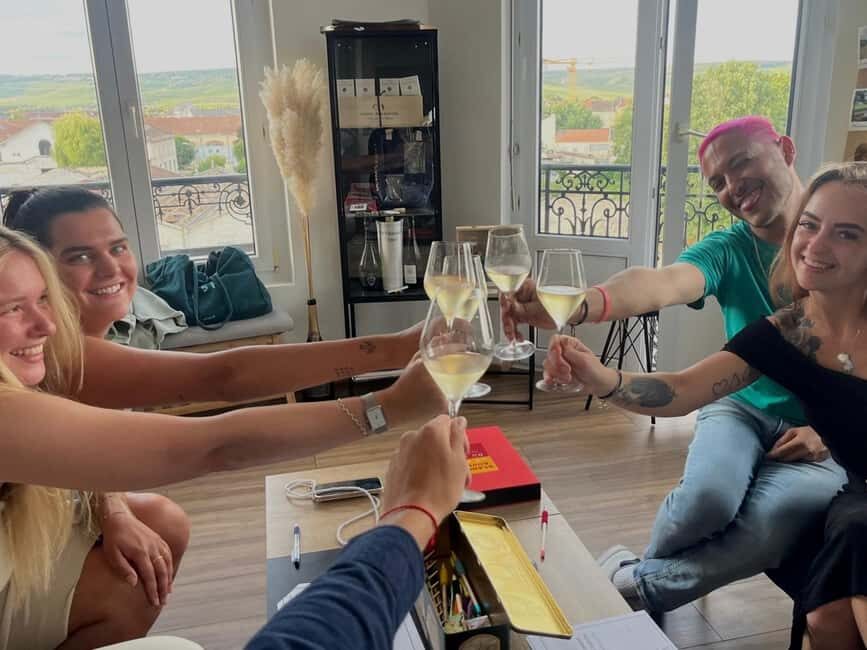
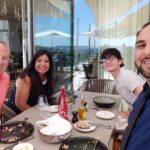
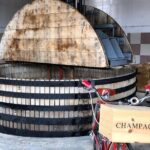
Épernay is the classic Champagne base. But lots of tastings feel like a showroom: you stand, you taste, you move on. This one flips the vibe—you sit down, you get a comfortable setup, and you taste while looking out over the town.
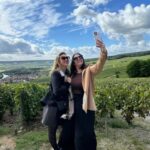
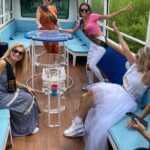
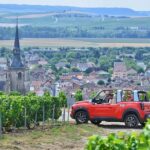
The big practical win is that you’re in central Épernay. It’s on the doorstep to the train station and on the way to the Avenue of Champagne, so it fits naturally into a day plan whether you’re arriving by train or doing a morning walk and an evening tasting. And yes, the photo opportunity is real—this is the kind of spot where you’ll remember the view as much as the bubbles.
Another value angle: you’re not just trying brands you already know. The tasting leans into small independent producers from throughout the region, including rarer bottles that can be hard to track down on your own. For $50, that mix—education plus three bottles plus snacks—adds up better than many “one brand, one flight” experiences.
You can also read our reviews of more food & drink experiences in Epernay
Meet Thomas Brasher and the laid-back style of the session
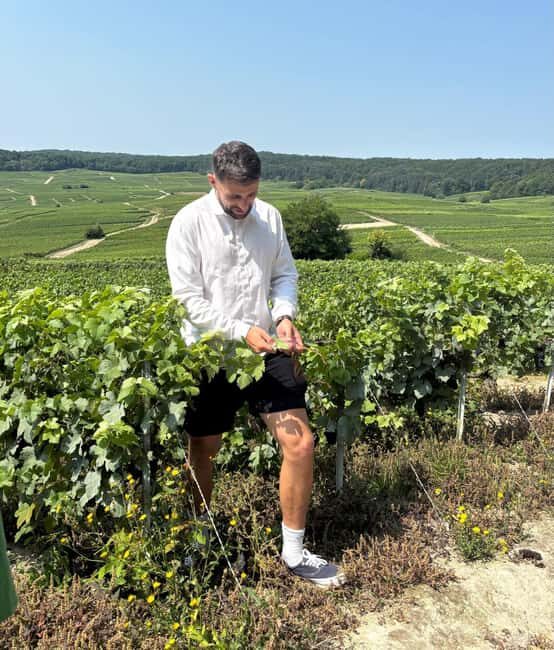
Your host is Thomas Brasher, and the session runs with an easy, conversational tone. The format is explicitly designed for questions—no one makes you feel awkward for asking about what brut means, how to taste, or how to read a bottle.
I like that the experience is taught as a skill set. You’re shown what to look at on a Champagne bottle, how to think about grape variety differences, and how harvest choices can affect the wine. That matters because after the tasting, you can shop smarter across the region instead of playing label bingo.
The “half British half French” detail isn’t just personality fluff. It hints at how the explanations are likely to land: clear, friendly, and not overly formal. If you enjoy learning in a real human way—rather than a scripted sales pitch—you’ll probably click with the style.
One practical note: it’s not suitable for wheelchair users. If mobility is an issue, plan a different tasting option.
What’s included: three rare bottles, snack pairings, and a personal guide
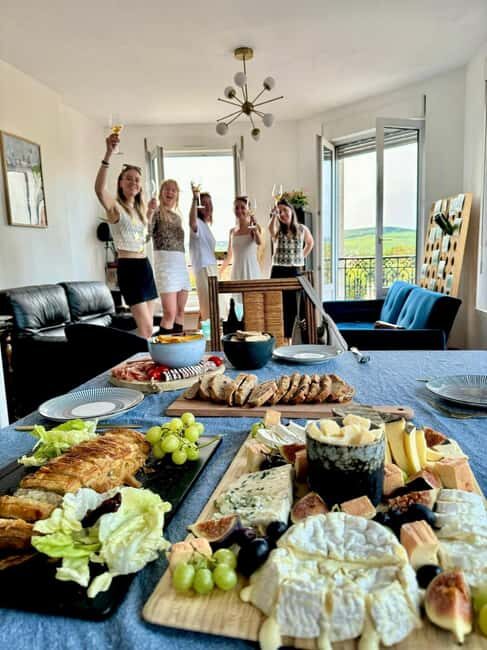
For about $50 per person, you get a focused tasting package. The inclusions are straightforward:
- 3 different high quality, rare Champagnes
- Local snacks paired with the champagnes
- A personal guide (Thomas) who stays with you through the tastings and helps you think about your trip across the Champagne region
That last part is sneaky-useful. A good guide doesn’t just serve wine; they help you make decisions on what to do next. Even with limited time in the region, having someone point you toward the right kind of stop—small growers, specific styles, or where certain bottles fit—can save you money and wasted afternoons.
And the snacks aren’t an afterthought. The tasting includes a diversity of products and snacks paired with the bubbles. That pairing makes the experience more “balanced” than a straight sip test and helps you understand how flavors shift when food enters the picture.
The 2-hour flow: how the tasting actually unfolds
You should expect a commented, sit-down tasting that moves with a relaxed rhythm. The emphasis is on learning the logic behind Champagne—not memorizing trivia.
Here’s the kind of flow you can plan around, based on what the host explains:
Start with the region and the local dynamics
You’ll get context on the Champagne region’s setup and what’s happening locally—how styles get shaped, and what makes independent growers different from the big names most people start with. This sets the stage so your palate has something meaningful to latch onto as you taste.
You can also read our reviews of more wine tours in Epernay
Learn how to taste (and what not to overthink)
Then you’ll learn the basics of tasting the way the host wants you to. That includes guidance on what you’re noticing in the glass and how to connect aroma, taste, and structure. It’s the opposite of tasting blind and hoping for the best.
Decode the bottle: what to look at
You’ll get a clear explanation of what to look for on a bottle. That’s important because Champagne labels can look like code. Once you understand what matters, you can make confident choices later when you’re shopping or visiting producers.
Understand grape variety differences
Champagne is often talked about as one thing. Here, you’ll get the particularity of different grape varieties and how those choices can show up in the glass. This is one of the practical reasons this tasting feels more useful than many tastings—you leave with a framework.
Hand harvesting and harvest choices
You’ll learn why they harvest by hand. That’s not just a romantic detail. It’s part of the “why” behind the resulting grapes and, ultimately, the style you experience in the glass.
Clarify terms like brut
You’ll get explanations of terms like what brut means. That helps you stop guessing. Instead of treating style words as marketing, you’ll know what they signal and how they connect to your taste experience.
Taste three rare Champagnes with generous pours
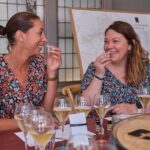
Only after the explanation do you taste. The tasting includes generous pours, so you’re not stuck doing tiny sips to keep up. You’ll sample three small-producer Champagnes that the host has selected, including high-quality bio options from independent growers across the region.
Why the small independent grower focus is worth your time
A lot of Champagne tastings feel like brand marketing. This experience leans into something more interesting: independent growers and small producers. That matters because independent perspectives often show up in subtle ways—more personality, more variation, and less sameness bottle to bottle.
It also changes the kind of wine education you get. When you taste across the region from smaller producers, you’re less likely to think, they all taste the same. Instead, you start understanding which grape choices, harvest practices, and producer decisions can influence the final glass.
And because some bottles are hard to find, you’re tasting things that you can’t easily replicate later without doing homework. That makes the experience feel more like access than consumption.
The best view in town: practical tips for getting the photo
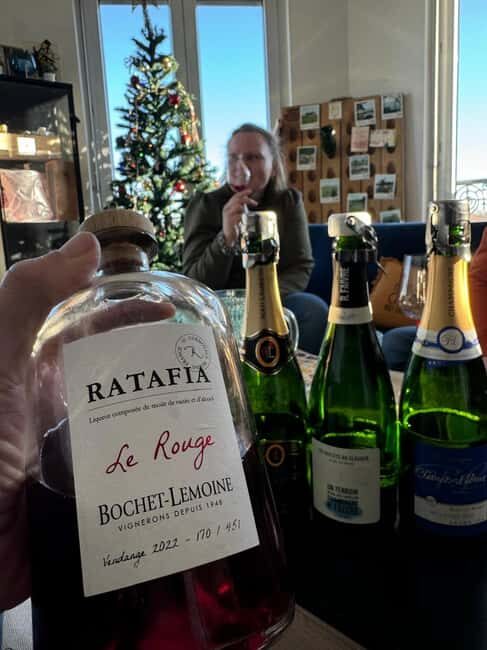
The view is a major selling point here, and it’s not just a claim. Since the tasting is seated and designed with the setting in mind, you’ll have a real chance to take photos without holding a glass awkwardly in one hand and your phone in the other.
A few practical ways to use the moment:
- Take your first photo when your glass arrives, while the light is fresh and the table looks clean.
- If you’re traveling with someone, have one person take the other’s shot early; later you’ll be focused on tasting.
- Don’t wait until the session is well underway—once you get into the explanations and pours, you’ll forget to switch to photo mode.
Pairing Champagne with snacks: it makes the tasting stick
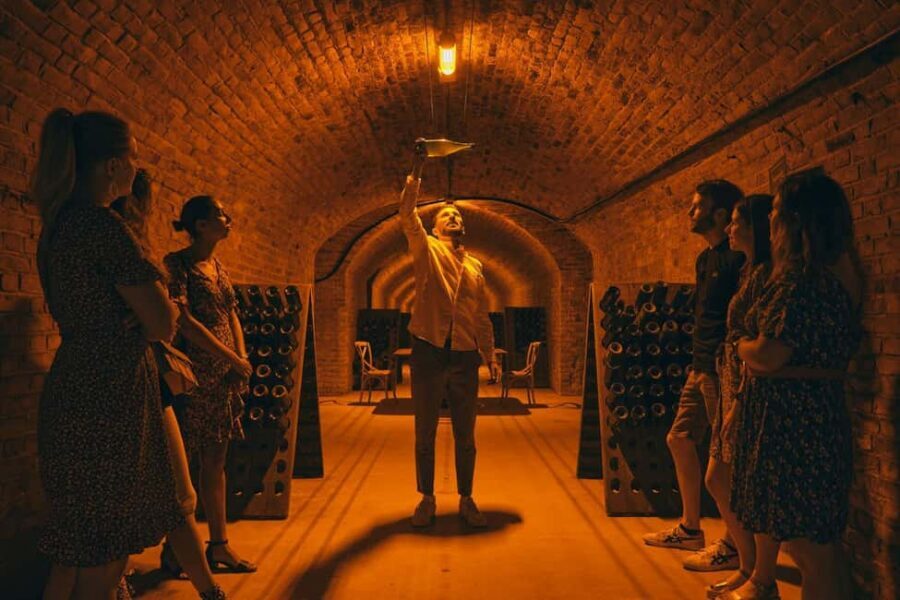
You’ll get local snacks paired with the champagnes, plus variety on the plate. This is one of the reasons the tasting feels more rounded than a simple flight.
Food does two helpful things:
- It highlights flavors you might miss when you taste only on a blank palate.
- It makes it easier to compare bottles. You’ll notice how each Champagne handles salt, fat, or savory notes.
If you tend to forget what you liked five minutes later, this pairing style helps memory. You’ll likely remember not just the bubble, but what it tasted like with the food.
Who this is best for (and who should choose something else)
This experience is a great fit if you want:
- A learning-focused tasting where you can ask questions
- Small-grower Champagnes, including rare and bio bottles
- A relaxed, friendly host with real explanations
- A tasting that also works as a quick win during limited time in Épernay
- A strong view and photo moment in central town
It may not be your best match if:
- You want a fast, casual stop with no instruction
- You’re comfortable with a “taste and buy” style only
- You need wheelchair accessibility (this one isn’t suitable)
If you’re a couple, solo traveler, or a small group who enjoys chatting and learning while tasting, you’ll likely have a smooth time.
Price and value: is $50 a fair deal?
$50 for three rare Champagnes plus snacks plus an instructor guide is usually a fair value in this price tier. Here’s why.
You’re not just paying for the wine. You’re paying for:
- Education (tasting technique, bottle reading, grape variety thinking)
- Access to Champagnes that may be difficult to find on your own
- Time with a host who can help you plan your next moves in the Champagne region
If you compare that to a typical tasting where you might pay a similar amount for fewer bottles, or only familiar labels, this one feels like a better trade. The generous pours and the three-bottle structure also help you feel you actually tasted something—not just sampled.
Still, treat it like any reservation in a wine region: if your schedule is tight, build in a little flexibility. The data includes a case where the guide canceled last minute, and that’s the one kind of risk you can’t fully control.
Practical timing and where it fits on your day
It lasts 2 hours, so it’s long enough to slow down and learn, but short enough to fit between trains or sightseeing. Starting times depend on availability, so check what’s offered for your date.
Since it’s central and close to the train station, you can build a simple plan:
- Arrive in Épernay
- Walk the Avenue of Champagne area, if you have time
- Come in for the tasting at a time that won’t stress you out
- Head back to the station or keep exploring
If you’re doing the Champagne region for a limited number of days, having one “anchor” experience like this makes the rest of your planning easier.
Should you book this atypical Champagne tasting?
Yes—if you want a sit-down, guide-led tasting that combines a top view with rare small-producer Champagne. It’s especially worth it when you like the idea of learning how to taste and how to read labels, not just drinking whatever is poured.
Book it if:
- You want bio and independent grower Champagnes
- You want a fun, conversational session with plenty of explanations
- You value the photo-worthy view and the central Épernay location
- You’d like help figuring out what to do next in the Champagne region
Consider something else if:
- You need wheelchair accessibility
- You only want a quick stop with zero teaching
- Your schedule is so tight that a last-minute change would derail the day
FAQ
FAQ
How long is the Champagne tasting in Épernay?
The tasting lasts 2 hours.
What is included in the $50 per person experience?
You get 3 different high quality rare Champagnes, local snacks paired with the champagnes, and a personal guide who stays with you throughout the tastings and helps with your trip in the Champagne region.
Who is the host, and what languages are available?
The host is Thomas Brasher. The session is available in English, French, and Spanish.
Where is this located in relation to getting around?
It’s in the center of Épernay, on the doorstep to the train station, and on the way to the Avenue of Champagne.
Is the tasting suitable for wheelchair users?
No, it is not suitable for wheelchair users.
What is the cancellation policy?
Free cancellation is available up to 24 hours in advance for a full refund.
Can I reserve without paying right away?
Yes. You can reserve now and pay later, keeping your plans flexible.
If you tell me your travel dates and whether you’re arriving by train, I can help you pick a sensible time window for a 2-hour slot in Épernay.