REVIEW · REIMS
Gold Champagne Experience from Reims (Private Full day tour)
Book on Viator →Operated by Aÿ-Champagne Experience · Bookable on Viator
Champagne training starts here. On this private full day from Reims to Epernay, you start at Abbaye Saint-Pierre d’Hautvillers (the Cradle of Champagne) to see Dom Pérignon’s grave, then keep rolling through UNESCO-listed vineyards and cellars with guided tastings built around how Champagne is really made. The big consideration: at $666 per person, this is a splurge, so it’s best when you’re with someone who’ll truly taste and learn all day.
What makes the day feel special is the mix of history, hands-on production visits, and the geography of Champagne—Marne Valley views, the Côte des Blancs villages, and the “most expensive avenue” stretch along Avenue de Champagne in Epernay. I also like that you’re not stuck only in big brand territory; you visit independent producer/growers and get explanations that connect vineyard choices to what ends up in your glass. Plus, you should expect an English-speaking guide who’s local to the area (including an Epernay-born guide), which helps the stories land fast and stay grounded in real practices.
In This Review
- Key points I’d mark in your guidebook
- Private Pickup, Reims-to-Epernay Route, and a Day That Moves
- Abbaye Saint-Pierre d’Hautvillers: Dom Pérignon’s Grave and the Real Story
- Hautvillers UNESCO Hillsides and the View Over the Marne Valley
- Epernay’s Avenue de Champagne: Mansions, Cellars, and Scale
- Cramant in the Côte des Blancs: Chardonnay Grand Cru and Lunch That Feels Local
- Oger’s Grand Cru Blanc de Blancs: Natural, Extra Brut, Old Vines, and Oak
- Aÿ-Champagne: UNESCO Hillsides, Pinot Noir Terroir, and the Champagne Spirits Lineup
- Price and Value: What You’re Actually Paying For at $666
- The Pacing Reality: Long Day, Lots of Sips, and How to Prepare
- Who Should Book This Private Champagne Day?
- Should You Book This Gold Champagne Experience from Reims?
- FAQ
- How long is the Gold Champagne Experience from Reims?
- What does the tour include in terms of tastings?
- Where do the Premier Cru tastings happen?
- Is there lunch, and what’s it like?
- Do I need to tell them about food allergies?
- Do you offer pickup, and how far from Reims?
- Is the tour private?
- What language is the tour in?
- What time does it run?
- When you finish, where do you go?
Key points I’d mark in your guidebook
- Abbaye Saint-Pierre d’Hautvillers and Dom Pérignon’s grave in the village called the Cradle of Champagne
- Premier Cru tasting of 3 Champagnes with production context from independent growers (season-dependent location)
- Avenue de Champagne in Epernay with its famous mansions plus the scale of 100 km of cellars and 200 million bottles
- Côte des Blancs Grand Cru time in Cramant paired with a lunch at dining spots liked by locals
- Oger Blanc de Blancs tastings featuring 3 different 100% Grand Cru styles, with tasting advice (natural, extra brut, old vines, vintage, oak)
- Aÿ-Champagne plus Champagne spirits: Ratafia, Fine de la Marne, and Marc de Champagne from the Goyard distillery
Private Pickup, Reims-to-Epernay Route, and a Day That Moves
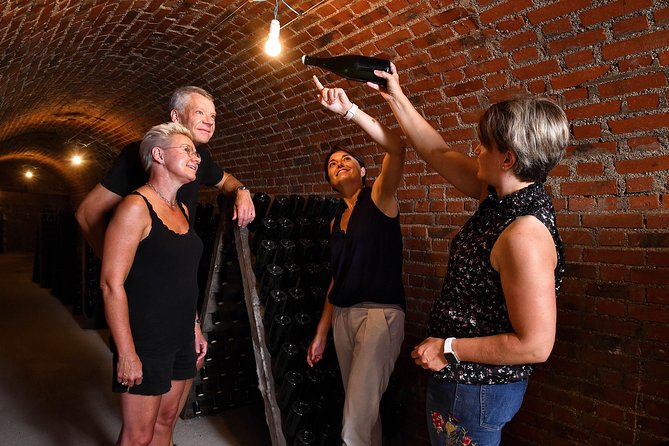
This experience is built around a full day in Champagne country, running about 7 to 8 hours. You get an English-speaking guide and a true private setup—only your group rides along—so you can ask questions and adjust pacing to what you care about most: vineyards, cellar methods, or tasting notes.
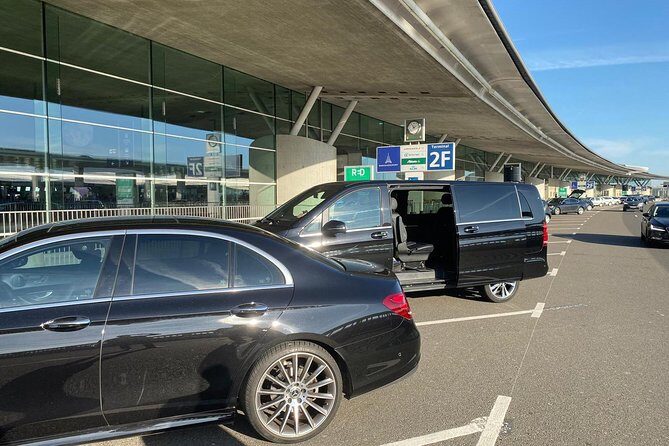
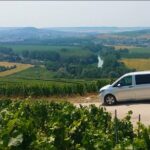
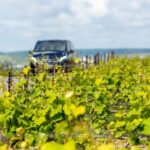
Pickup is offered within a 6 km (3.7 miles) perimeter around Reims. If you’re outside that range, pickup won’t be possible, so it’s worth checking your exact address. For the ride, the operator chooses the best vehicle based on weather/season and group size, including an electric E-Mehari Jeep car, plus premium vans and minivans. The E-Mehari vehicles sit a bit higher, so if stairs aren’t your friend, tell them ahead of time.
You’ll also spend time on the road between Reims and Epernay, crossing through the Montagne de Reims area and its forest. It’s not just driving; it’s part of the Champagne geography lesson—how the region’s terrain and access shape where vines can thrive.
Practical tip: a Champagne day is a long one. Even when the tastings aren’t huge, the schedule is tight enough that you’ll want comfortable shoes, water with you when you can, and a relaxed dinner plan afterward.
You can also read our reviews of more private tours in Reims

Abbaye Saint-Pierre d’Hautvillers: Dom Pérignon’s Grave and the Real Story
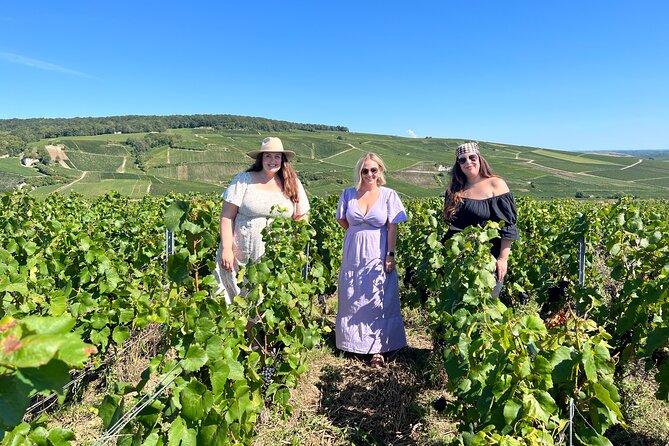
Hautvillers is one of those places where Champagne history feels close enough to touch. You’ll visit Abbaye Saint-Pierre d’Hautvillers, located in the village known as the Cradle of Champagne. The centerpiece here is the private church tour and the fact that you can see Dom Pérignon’s grave.
What I like about this stop is that it’s more than a photo moment. You get a guided story about Dom Pérignon—who he was, what people credit him with, and what you can realistically say about Champagne’s early development. The tour frames the question directly: did he invent Champagne, or is the legend doing extra work?
Also, this stop is efficient: about 30 minutes, and the admission ticket is listed as free for the church portion. That means you don’t burn half your day sitting still. You’re learning history, then moving outward to the living system that produces Champagne today.
Hautvillers UNESCO Hillsides and the View Over the Marne Valley
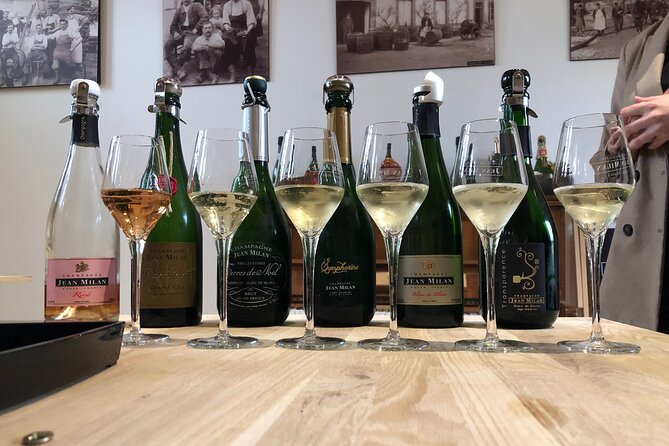
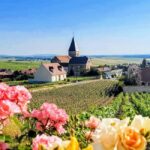
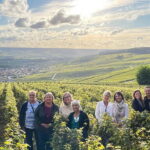
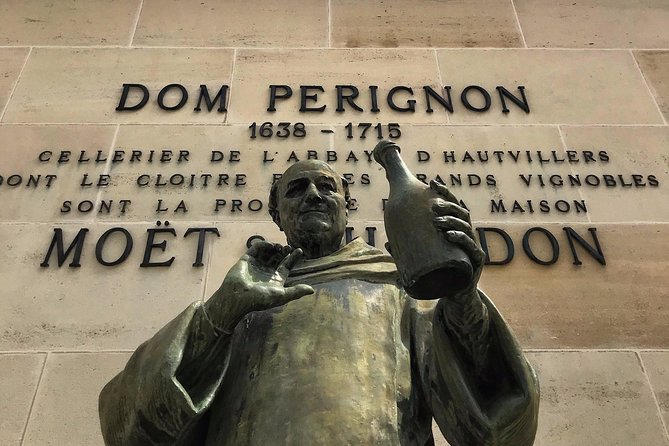
After Abbaye Saint-Pierre d’Hautvillers, you’ll stay in Hautvillers for UNESCO-listed hillside time. This is where the Champagne region turns into a set of working viewpoints. You get magnificent panorama views overlooking the Marne Valley, and the guide connects them to Dom Pérignon’s winemaking experiments.
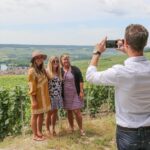
If you care about photography, this is one of the easiest places to get satisfying shots because the vineyards sit around you in a way that makes the terrain obvious. Bring a phone or camera you can steady quickly; you’ll want to capture the valley line and the vineyard rows without rushing.
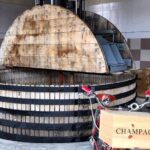
This is also where production learning starts to shift from legend to process. You’ll visit the first of the two families of independent producers/growers for the day. There’s a walkthrough of Champagne making—specifically including presses, wineries, and cellars—so you can picture how grapes become base wine and then, through method and time, become Champagne.
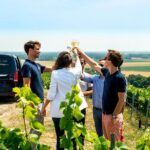
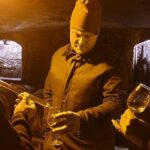
Then comes the tasting: a commented tasting of 3 different Premier Cru Champagnes. The tasting venue can vary by season and availability. Depending on timing, the visit/tastings may happen in a village of the Côte des Blancs or in Aÿ-Champagne. Either way, the structure is consistent: you see the production steps and then taste the result with guidance on what to notice.
Epernay’s Avenue de Champagne: Mansions, Cellars, and Scale
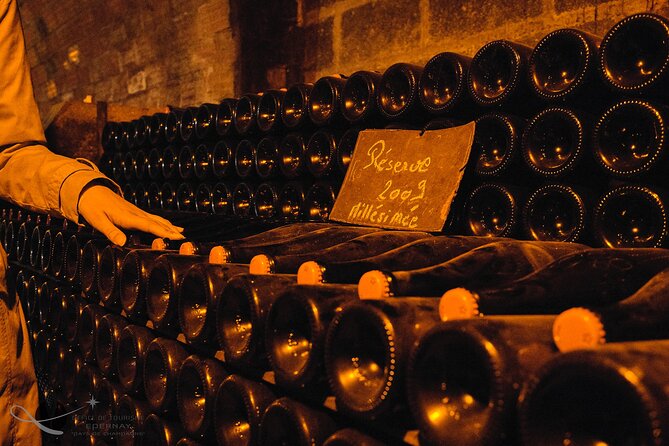
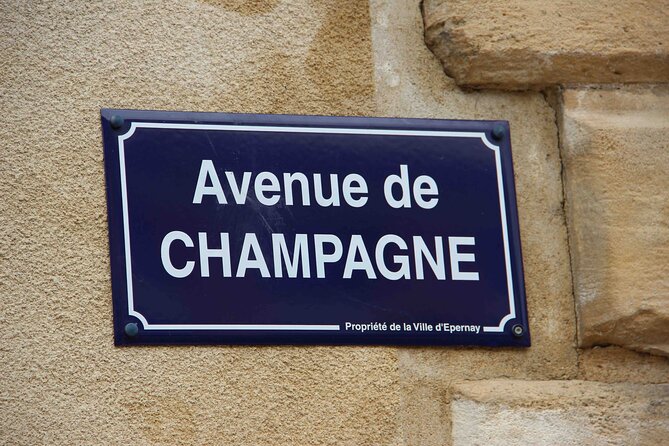
You’ll cross over another must-see Champagne UNESCO World Heritage Site: Avenue de Champagne in Epernay. This is the stretch the region uses to communicate “world-famous.” Think prestigious Champagne houses, mansions, and a sense that Champagne here isn’t small-business craft—it’s industry built over centuries.
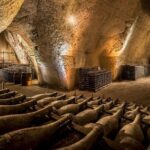
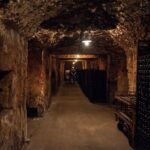
Here’s the kind of scale that changes how you think about Champagne storage: the avenue is tied to 100 kilometers of cellars and about 200 million bottles. Even if you don’t see all of that underground, the guide’s explanation helps it land. Cellars are not optional for Champagne; they’re part of the aging process, the stability, and the ability to keep quality consistent.
You also get a commented passage along the Avenue de Champagne, including historical context for mansions and production buildings belonging to long-running Champagne houses such as Moët & Chandon, Perrier-Jouët, and Pol Roger.
This segment is valuable even if you’re not a “big house” person. It teaches you what Champagne infrastructure looks like when a brand becomes a place—and how that place is shaped by distribution, aging, and long-term planning.
Cramant in the Côte des Blancs: Chardonnay Grand Cru and Lunch That Feels Local
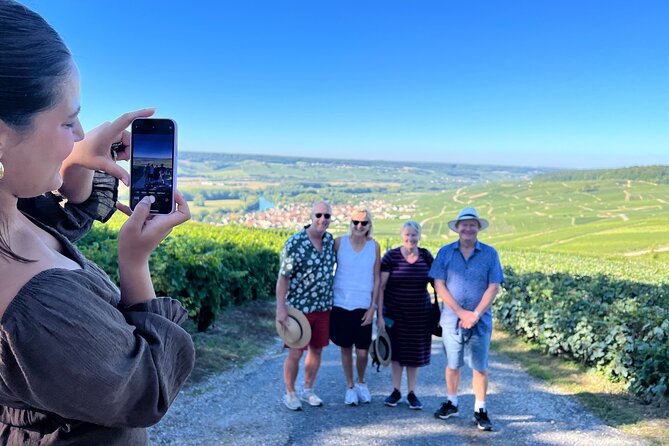
Next up is Cramant, a village in the Côte des Blancs, labeled as Grand Cru and located south of Epernay. This area is known as the Kingdom of Chardonnay Grand Cru. Translation for your glass: Cramant is where you spend real time thinking about how Chardonnay expresses itself in Champagne—structure, finesse, and the chalky, coastal-leaning character associated with this part of the region.
In addition to the drive-through discovery, you’ll also get to eat. Lunch is built around places that are appreciated by the locals, and it’s designed as a convivial break, not a formal sit-down trap.
The tour describes a menu that can include things like gourmet platters of charcuterie and cheese, bread and salad, ready-made farm meals, pâtés, regional biscuits, and coffee—paired with Champagne. The guide notes that there’s typically a bottle for two persons example.
Two practical notes:
- If you have food allergies or dietary requirements, you should flag them when booking.
- The lunch location can vary depending on the day.
If you like your vacation meals to be a slice of real routine—simple, tasty, and unforced—this is exactly how the day keeps its balance between tasting and living.
You can also read our reviews of more wine tours in Reims

Oger’s Grand Cru Blanc de Blancs: Natural, Extra Brut, Old Vines, and Oak
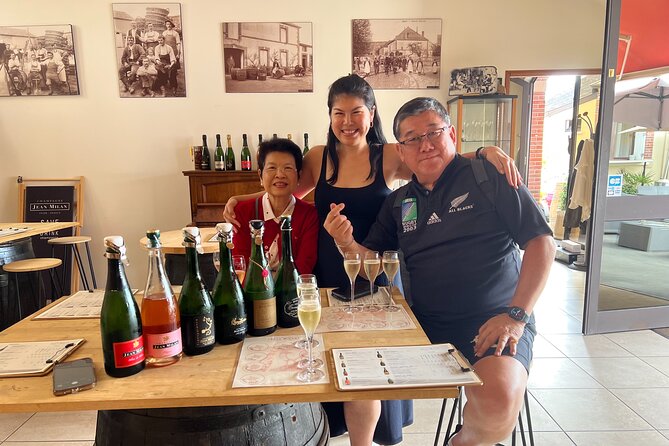
Oger is another major Grand Cru village in the Côte des Blancs. It’s especially famous for Blanc de Blancs, which in this case is 100% Chardonnay Grand Cru. This stop is where the tour’s tasting style gets more specific.
You’ll visit one of the second set of independent producer/grower families, again with a guided look at the presses, wineries, and cellars. The goal is to connect the production steps to the tasting results, so you’re not just collecting tastes—you’re learning a cause-and-effect story.
Then you choose 3 Champagnes to discover different Blanc de Blancs styles. The tasting advice can include:
- natural Champagne without dosage
- extra brut
- from old vines
- vintage
- aged in oak barrels
That variety matters. If you only drink one style, it’s easy to think Champagne is one thing. Here, you start to see the range—how dosage choices shift sweetness perception, how vintage changes structure, and how oak aging can add textural notes.
The drive also includes passing through other famous villages like Chouilly and Avize. You’ll even see references to the largest bottles factory and view the Chateau de Saran, described as an ultra-private LVMH property where the luxury group receives biggest customers and VIPs. You’ll also pass the Montaigu site dedicated to Moët & Chandon’s champagne making.
Important nuance: “pass in front of” matters. You’re not being asked to pretend you toured the private palace. You’re getting geographic context and how major industry sites fit around village life.
Aÿ-Champagne: UNESCO Hillsides, Pinot Noir Terroir, and the Champagne Spirits Lineup
Aÿ-Champagne is where the day turns from Chardonnay dominance to Pinot Noir energy. You’ll explore Aÿ-Champagne’s UNESCO-listed hillsides and its famous Grand Cru vineyards.
The tour explains that Aÿ was the main Champagne industry center in the 16th century, and that France’s kings had their own presses there. You’ll also hear about how Champagne was once called Wines of Aÿ. That historical thread helps you understand why this village still has a special identity in the modern Champagne world.
You’ll discover part of the historic village and its vineyard work—how vines are tended, grape varieties, and what the guide calls the exceptional terroir and sustainable viticulture approach.
You’ll also stop in front of headquarters of well-known houses in Aÿ such as Bollinger, Deutz, and Ayala. Even without stepping inside, the streetscape tells you something: these are not generic “wine stops,” but places with long identity and firm roots.
Then comes a tasting bonus that many Champagne tours skip: beyond the Champagnes, you also sample three essential Champagne alcohols and aperitifs:
- Ratafia
- Fine de la Marne
- Marc de Champagne from the Goyard Distillery, noted as the oldest in Champagne
This is one reason I like this day. It expands your understanding of Champagne beyond the bottle you ship worldwide. You taste the ecosystem—press byproducts and spirit traditions—that still live alongside sparkling wine production.
Price and Value: What You’re Actually Paying For at $666
Let’s talk money without the fluff. At $666 per person for a private full day, you’re paying for four big buckets:
1) Private transport and pickup
You’re getting pickup within a defined radius and a vehicle chosen for comfort and group size. That’s a real time-saver in a region where towns are close, but logistics can get annoying fast.
2) More than one production visit, not just one tasting
The day includes visits tied to presses, wineries, and cellars at independent producer/grower stops. That’s more involved than “arrive, taste, leave.”
3) Guided tastings with structure
You taste multiple Champagnes in a way that’s meant to teach style differences: Premier Cru at one stage, Grand Cru Blanc de Blancs at another, plus the spirit lineup.
4) A route that ties history to geography
UNESCO sites, the Avenue de Champagne’s mansion-and-cellar scale, UNESCO hillside panoramas, and the Chardonnay vs Pinot Noir contrast across villages. That’s how the lesson sticks.
Is it pricey? Yes. Is it worth it? It can be, if you actually care about the differences between styles and you’d rather spend the day in the vineyards and cellars than hopping around on your own with a driver and a headache.
If you’re the kind of person who likes quick sips and short stops, this may feel like too much. If you’re the kind of person who likes learning why one wine tastes different from the next, you’ll likely feel like the money went into the right places.
The Pacing Reality: Long Day, Lots of Sips, and How to Prepare
This is a full-day experience. Even when each stop is timed well, you’re out and tasting with minimal downtime. That’s great for continuity, but it’s not a “sleep in and stroll” kind of plan.
Plan for:
- Comfortable shoes (you’ll likely walk around village areas for views)
- A clear head for the tastings
- Staying hydrated and not rushing after lunch
Also, remember that the guide adapts tasting location based on season and availability (for example, Premier Cru tasting may happen in Côte des Blancs or Aÿ-Champagne). That means you won’t always have a single fixed venue for every detail, but the structure stays the same: production context first, then tasting with commentary.
Who Should Book This Private Champagne Day?
This tour is a good fit if you want:
- A private Champagne day with time in cellars and production areas
- Strong emphasis on Champagne styles (Premier Cru and Grand Cru, Chardonnay vs Blanc de Blancs)
- A guide who can connect vineyard stories to what you taste, including local knowledge linked to Epernay
It might not fit if you:
- Are visiting Champagne for only one or two quick brand stops
- Don’t drink much (this day includes multiple Champagne tastings plus three spirits)
- Want a light, purely scenic day with no production learning
Should You Book This Gold Champagne Experience from Reims?
If your idea of a perfect Champagne day is organized, guided, and built around real learning—Dom Pérignon history in Hautvillers, UNESCO Avenue de Champagne scale in Epernay, then Côte des Blancs and Aÿ tastings with producers—that’s exactly what this delivers.
Book it if you’re ready to spend your day tasting, asking questions, and paying attention. Skip it if you’re price-sensitive and only want a quick look at famous houses.
FAQ
How long is the Gold Champagne Experience from Reims?
It runs about 7 to 8 hours.
What does the tour include in terms of tastings?
You’ll have a commented tasting of 3 Premier Cru Champagnes during one producer/grower visit, plus another tasting where you choose 3 100% Grand Cru Champagnes. The day also includes tastings of Ratafia, Fine de la Marne, and Marc de Champagne.
Where do the Premier Cru tastings happen?
Depending on season and availability, the Premier Cru tasting visit may take place in a village of the Côte des Blancs or in Aÿ-Champagne.
Is there lunch, and what’s it like?
Lunch is provided at Champagne and dining bars appreciated by locals. The menu can include items like charcuterie and cheese platters, farm meals, pâtés, regional biscuits, and coffee, paired with Champagne. The lunch location may vary by day.
Do I need to tell them about food allergies?
Yes. When booking, you can inform them about food allergies or dietary requirements.
Do you offer pickup, and how far from Reims?
Pickup is offered within a 6 km (3.7 miles) perimeter around Reims. If your address is outside that perimeter, pickup isn’t possible.
Is the tour private?
Yes. It’s a private tour/activity, meaning only your group participates.
What language is the tour in?
The tour is offered in English.
What time does it run?
The listed operating hours are Monday to Saturday, 9:30 AM to 5:30 PM.
When you finish, where do you go?
The experience ends back at the meeting point.