REVIEW · PARIS
l’Orangerie & Monet’s “Water Lilies” Tour Semi-Private 6ppl Max
Book on Viator →Operated by Babylon Tours Paris · Bookable on Viator
Monet’s Water Lilies are best at a whisper. This semi-private Musée de l’Orangerie experience keeps the group small (max 6) and pairs reserved entry with a guide who brings the art to life with context you can actually use. I love the focus on Monet’s Water Lilies the way they were meant to be seen, and I also love that you get a guided tour that connects the big names beyond Monet. One possible drawback: this tour isn’t for wheelchairs or guests with walking disabilities, and museum security rules mean you’ll want to travel light.
If you care about art history but hate slow, wandering lectures, this format is a good match. You’ll spend about 2 hours inside the museum area around the Tuileries with a professional guide, in English, and you’ll leave with a clearer sense of what you just saw—especially across the Water Lilies rooms and the rest of the galleries.
In This Review
- Key things to know before you go
- Why the Musée de l’Orangerie fits a smart Paris day
- Semi-private max 6: what that small group really changes
- Your 2-hour route inside Monet’s world (and beyond)
- Step-by-step flow you can expect
- Monet’s Water Lilies rooms: how to get the calm and the meaning
- The best “other art” stops: Cézanne, Matisse, Picasso, and more
- Logistics that matter at the Tuileries: meeting point, bags, security, and timing
- Where you meet and how you get there
- Dress and what you bring
- Lines and speed
- If timing gets weird
- Value check: is $143.91 worth it for this kind of museum time?
- Who should book this semi-private Orangerie tour
- Should you book this l’Orangerie & Monet tour?
- FAQ
- How long is the l’Orangerie & Monet’s Water Lilies semi-private tour?
- How many people are in the semi-private group?
- Is admission to the Musée de l’Orangerie included?
- What language is the tour offered in?
- Does the tour include hotel pickup or drop-off?
- Are large bags allowed inside the museum?
- Is this tour wheelchair accessible?
Key things to know before you go
- Max 6 people keeps the pace calm and question-friendly
- Reserved entry included so you’re not scrambling at the door
- Monet plus major names like Cézanne, Picasso, Matisse, Renoir, Modigliani, Utrillo
- Clemenceau + Water Lilies backstory ties the museum to real Paris history
- Quiet-room etiquette applies in specific galleries where speaking may be restricted
Why the Musée de l’Orangerie fits a smart Paris day
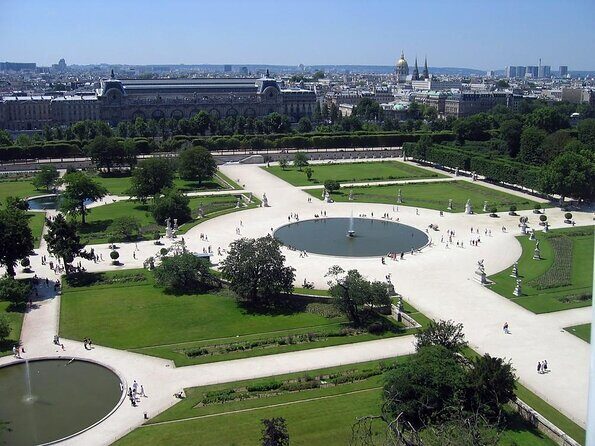
The Musée de l’Orangerie is one of those places where the building and the viewing experience matter as much as the paintings. It sits in the Tuileries Gardens, and the museum itself came about in the early 20th century when Paris needed more gallery space. You can feel that planning in the layout. Instead of a museum that forces you to rush corridor to corridor, it guides your attention toward a few unforgettable rooms.
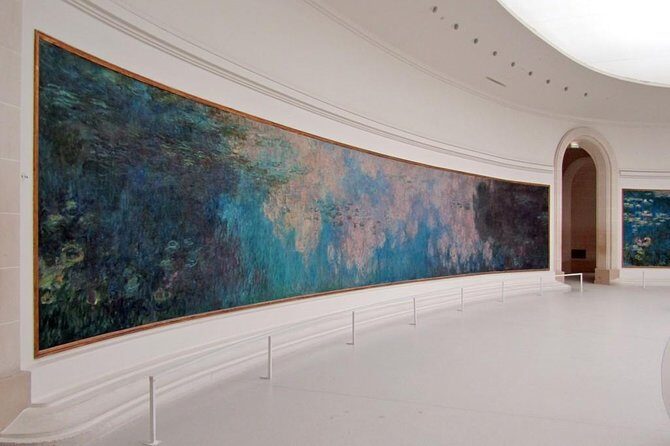
That’s where Monet comes in. The museum is famous for the Water Lilies series, created for France after Monet’s friendship with George Clemenceau. This isn’t just a painting you see once and move on from. The presentation is designed for long looking—soft light, gentle reflections, and a room scale that changes how your eyes behave.
And here’s the practical upside: a guided visit keeps you from missing the smaller clues the museum offers. You’ll still have time to see things on your own, but the guide’s context helps you notice technique, mood, and how different artists borrowed from similar ideas.
You can also read our reviews of more private tours in Paris



Semi-private max 6: what that small group really changes
“Semi-private” can mean a lot of things in travel-land. Here, the rule is clear: no more than 6 travelers. That makes a difference in three ways.
First, the guide can actually work with your pace. Monet’s Water Lilies rooms are not a place for a loud sprint. With fewer people, it’s easier to pause when a painting or light effect clicks for someone—without making the whole group wait.
Second, questions land better. When you’re in a small cluster, you’re more likely to ask why something was painted a certain way, or how one artist connects to the next. The tour format is set up for conversation, not a one-way lecture.
Third, your photos come out better. You’ll still want to be respectful and follow any room rules, but a small group helps reduce the “stop-and-go crowd surge” feeling. In fact, one highlight from past visitors was the ability to get clear photos of the Water Lilies while still having time to look properly.
Your 2-hour route inside Monet’s world (and beyond)
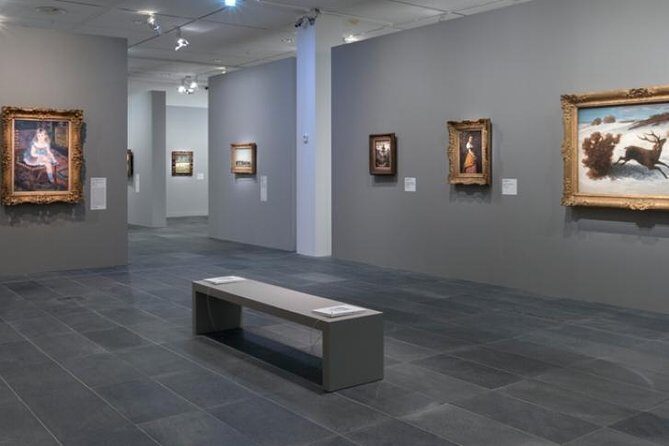
This tour is focused: you’re not bouncing across the city. The main stop is the Musée de l’Orangerie in the Jardin des Tuileries area, and the experience lasts about 2 hours with admission included.
Inside, you’ll get a guided sweep through the museum galleries, with special emphasis on the Monet Water Lilies display. You’ll hear not just what the paintings show, but also the “why” behind the choices—subject, style shifts over time, and the way Impressionism evolved.
Step-by-step flow you can expect
1) Musée de l’Orangerie entry with reserved access
You meet at the museum (Jardin des Tuileries, 75001 Paris). Reserved entry helps you avoid the worst of the door chaos, though you can still hit security lines depending on day-to-day museum procedures.
2) Monet first, with context that changes how you see it
The Water Lilies portion is where the tour earns its name. The guide frames the series in relation to Monet’s life and his friendship with Clemenceau, then helps you read light, color, and the sense of water as a living surface rather than a static scene.
Past tours with guides such as Hugo were especially praised for making the room feel fresh, including creative ways of thinking about the Nymphéas rooms. That kind of guide approach helps you notice details that you might otherwise breeze past.
3) Other galleries: the museum’s wider cast of characters
After Monet, the tour moves into the surrounding collection of 19th- and early 20th-century works. This is where the museum becomes more than a one-artist stop. You’ll hear stories and connections that cover major figures like:
- Cézanne (including studies of fruits and flowers)
- Matisse (portraits and the pull of sensual line and color)
- Picasso (different phases, including nudes)
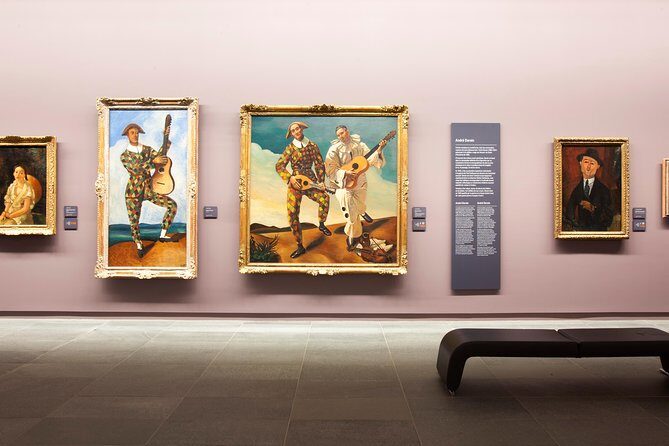
- Modigliani, Renoir, and Utrillo
If you like art history but want it explained in normal human terms, this structure works well. You’ll leave understanding the museum’s message: Monet’s Water Lilies sits in the same artistic era as bold experiments from other masters.
Monet’s Water Lilies rooms: how to get the calm and the meaning
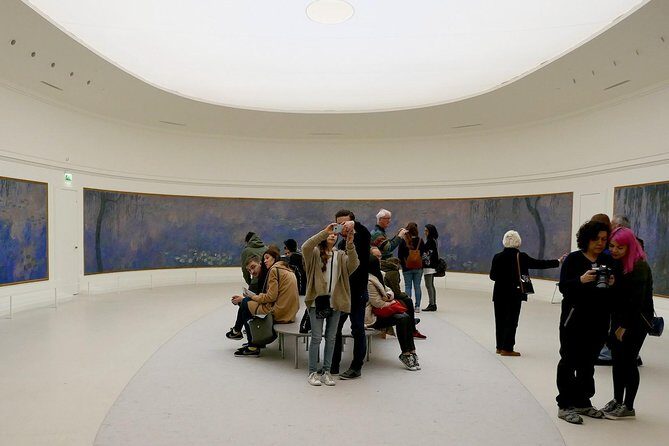
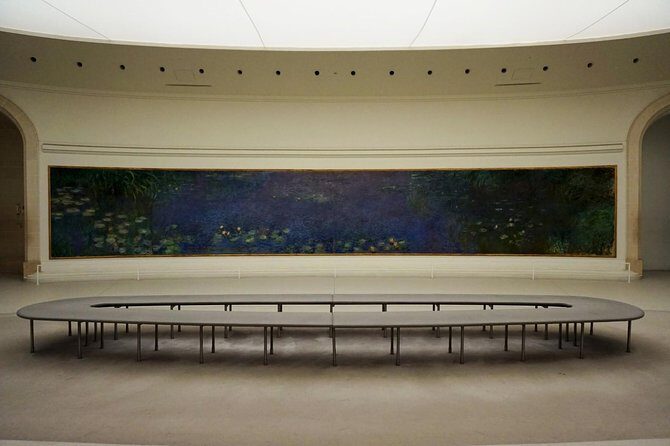
The Water Lilies spaces are the core event. The room design encourages stillness, and that’s exactly why a guided visit helps. A guide doesn’t replace your looking. Instead, they help you slow down and interpret what you’re seeing.
Here’s what you’ll want to do in practice:
- Give yourself time to stand still. The best effects often show up after a minute or two of calm looking.
- Watch your own reaction. Does the light look different as you move? That movement is part of the experience.
- Follow room etiquette. Some areas may be very quiet or have restricted speaking rules, and your guide will flag it before you enter.
One reason people get emotional about this museum is that the Water Lilies cycle feels like a space you can step into mentally. It’s not just a series of pretty pictures. It’s art built around mood and perception—how a viewer experiences water, sky, and reflection together.
And for photography: even if you bring your phone or camera, keep it respectful. Past visitors noted getting great pictures, and you’ll likely do the same as long as you don’t turn the rooms into a photo studio.






The best “other art” stops: Cézanne, Matisse, Picasso, and more
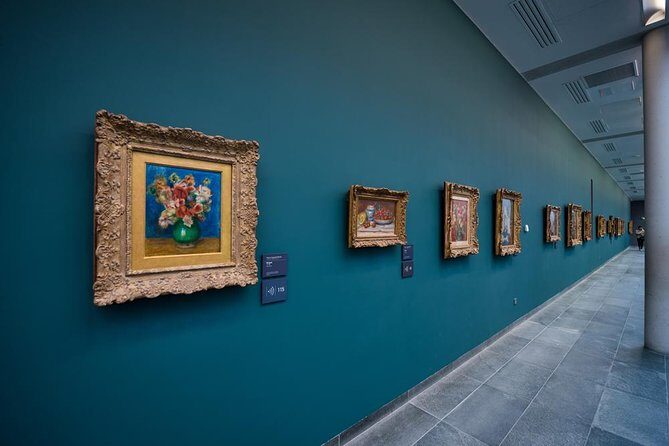
If Monet is the headline, the supporting cast is what keeps this tour from feeling one-note. The Orangerie collection is built around the idea that you can understand Impressionism better by seeing what came next—and what was happening in parallel.
You’ll likely spend time hearing about:
- Cézanne’s studies, including fruits and flowers, which help explain why certain Impressionist ideas turn into something more structured and experimental
- Matisse, with seductive portraits that show how color and line carry emotion as strongly as subject matter
- Picasso, across phases including works featuring nudes, which helps you grasp how his approach kept evolving instead of staying in one style
- Modigliani, Renoir, and Utrillo, who add range so the museum feels like a living snapshot of the era
In plain terms: the guide connects the dots. You don’t have to be an art expert. You just need a few “aha” anchors, and the tour does a good job delivering them in a way that sticks.
Logistics that matter at the Tuileries: meeting point, bags, security, and timing
Let’s make this easy to plan.
Where you meet and how you get there
The tour starts at Musée de l’Orangerie, Jardin des Tuileries, 75001 Paris and ends back at the same meeting point. There’s no hotel pickup, so plan on taking public transit or using Uber or taxi.
Dress and what you bring
Paris museums can be picky, so plan for it. You’ll want appropriate dress for entry into some sites. Also, museum security has strict rules: no large bags or suitcases inside. Usually, they allow only handbags or small thin bag packs through security.
Lines and speed
Even with reserved entry, security can still cause lines. The museum may also have quiet or restricted-speech rooms, and your guide will explain the rules before you go in. The good news: with a max-6 group, you’re less likely to feel trapped behind a crowd.
If timing gets weird
Paris can be unpredictable, especially with security changes. One example from past guides: Belen showed serious patience when people arrived extremely late due to Olympic-era security barriers and checkpoint chaos, while still delivering a meaningful visit. If you hit a delay, stay in touch with your guide if the tour asks you for a mobile number with your booking.
Value check: is $143.91 worth it for this kind of museum time?
At $143.91 per person, you’re paying for two things: guided interpretation and controlled group size. This isn’t a budget “walk-in and wander” museum ticket. It’s closer to a focused art lesson with admission handled.
Is it good value? For the right person, yes. Here’s why:
- You’re paying for reserved entry and an organized 2-hour structure. That saves mental energy in a museum that can otherwise feel overwhelming.
- You’re paying for a professional guide who explains the art in a way that helps you look smarter, not just look longer.
- You get the benefit of max 6. In practice, that means fewer people and more attention per person.
If you already know Monet deeply and you only want to see the Water Lilies rooms at your own pace, you might choose a cheaper self-guided approach. But if you want meaning with your minutes—and you’d rather not spend your limited Paris time guessing what to notice—this tour price starts to feel fair.
Who should book this semi-private Orangerie tour

This tour is a strong fit if you:
- Want a Monet Water Lilies visit with calm pacing and real context
- Prefer a small group over big bus-style museum herding
- Enjoy art history explained through stories, not just dates and names
- Want time to look, not only time to listen
It’s not a good fit if you rely on wheelchair access or need accommodations for walking disabilities, since this tour is not available for those situations.
Should you book this l’Orangerie & Monet tour?
I think it’s worth booking if your priority is seeing the Water Lilies rooms well and leaving with clearer context for why this museum exists and why Monet’s cycle matters. The semi-private max-6 setup makes the experience feel more human, and the guide-led approach helps you understand the “big names” around Monet without turning the visit into a museum speedrun.
Book it if you like your art tours with a sense of pace. Skip it if you’re determined to travel light on guidance and you’re happy making your own interpretation with only signage.
If you do book, show up ready to follow museum rules (light bag, appropriate dress) and plan for security lines. That way, you get the best part: standing in front of Monet’s Water Lilies with time to really see them.
FAQ
How long is the l’Orangerie & Monet’s Water Lilies semi-private tour?
The tour lasts about 2 hours.
How many people are in the semi-private group?
The group size is never more than 6 guests.
Is admission to the Musée de l’Orangerie included?
Yes. Admission is included, and reserved entry is part of the tour.
What language is the tour offered in?
The tour is offered in English.
Does the tour include hotel pickup or drop-off?
No. You’ll need to get to the meeting point on your own (Uber or taxi are recommended, or public transportation).
Are large bags allowed inside the museum?
No large bags or suitcases are allowed inside. Only handbags or small thin bag packs are allowed through security.
Is this tour wheelchair accessible?
No. The tour is not available for those with walking disabilities or using a wheelchair.