REVIEW · PARIS
Louvre Museum Direct Entry Ticket
Book on Viator →Operated by WORLD PASS TOUR PARIS · Bookable on Viator
Timed entry can save your sanity.
This Louvre direct entry ticket is interesting because it aims to cut through the worst waiting times with a timed-entry slot, so you can spend your energy looking at art instead of staring at a crowd. I like the flexibility of choosing your entry time and moving at your own pace, and I also like that an audio guide helps you understand what you’re seeing as you go. One real consideration: the whole experience depends on your ticket working at the gate, and some people reported last-minute ticket email issues or confusion, which can throw off the day.
You’ll come for the icons, but you’ll also leave impressed by the setting. In about 2 hours, you can see highlights like the Mona Lisa, the Venus de Milo, and the Winged Victory of Samothrace, plus take in the Louvre’s courtyards and the grandeur of the former palace. It’s designed for people who want the museum without the stress of herding along with a big group.
In This Review
- Key points at a glance
- What Timed Entry Really Buys You at the Louvre
- Price, Timing, and How to Judge Value
- Getting In: What the Entry Moment Feels Like
- Your Louvre Game Plan in 2 Hours: Icons and Courtyards
- The Audio Guide: Make It Worth Your Earbuds
- Potential Headaches: Tickets, Emails, and Getting Back on Track
- Who This Louvre Direct Entry Ticket Fits Best
- Should You Book This Direct Entry Ticket?
- FAQ
- How long does the Louvre direct entry take?
- Is the admission ticket included?
- Do I get an audio guide?
- What does the timed entry mean for my schedule?
- Where do I need to be, and is it near public transportation?
- When will I receive my ticket?
- Can I cancel or change my ticket?
Key points at a glance
- Timed entry helps you avoid the longest ticket lines during peak hours
- Audio guide included gives context as you wander
- Self-paced visit means you can focus on what you care about most
- The Louvre’s courtyards and palace architecture are a major part of the experience
- Reviews heavily reward smooth entry process and helpful on-site staff when tickets are valid
What Timed Entry Really Buys You at the Louvre

The Louvre is famous for two things: masterpieces and lines. This ticket is built around the practical idea that waiting in a queue is time you can never get back. With a timed slot, you’re not just hoping for luck when you arrive during a busy stretch.
In real terms, you’re buying a calmer entry window. Instead of spending your Paris afternoon compressed into a mass of people, you can plan your arrival around your own energy level. That matters because the Louvre is huge. Even with a plan, 2 hours is a quick sprint, not a full museum education.
Another key advantage is freedom. There’s no need to match someone else’s pace. If the Mona Lisa is your must-see, you don’t have to worry about whether your group will reach it before everyone starts drifting toward coffee and souvenirs.
You can also read our reviews of more tours and experiences in Paris



Price, Timing, and How to Judge Value
This direct entry ticket costs $49.00 per person, with an average booking window of about 16 days in advance. For a major museum on a tight schedule, that price can feel reasonable because it buys both access and time. At the Louvre, time is the currency you actually spend.
That said, it’s worth thinking about what you get. This isn’t a deep, hours-long guided tour with a dedicated expert leading you point by point. It’s admission plus audio support and timed entry. If you’re the type who loves reading wall text and setting your own route, you’ll likely feel the value. If you’re hoping for a structured guided walk-through of many rooms, you may wish you’d picked a different format.
One useful thing to watch: some people felt the total cost was high compared to buying directly, especially when factoring family pricing. If you’re traveling with kids, double-check how ticket pricing works for your specific situation before you decide. Don’t assume it’s a straight deal—assess it against what the Louvre itself charges.
Timing can also impact your experience. The info you’re given says your booking confirms instantly, and your ticket gets sent by email 24 hours before your entry time. If you book late, that email timing may collide with travel chaos like spotty hotel Wi-Fi, changing plans, or missed inboxes. You’re paying to reduce hassle, so don’t create new hassle at the last minute.
Getting In: What the Entry Moment Feels Like
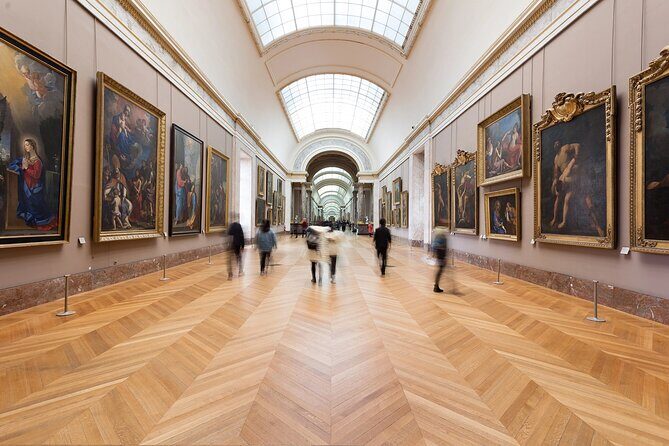
Your goal at the Louvre is simple: arrive, enter, and start moving. With timed access, the vibe at the gate is usually closer to a managed flow than a free-for-all. The best experiences described revolve around an entry setup that feels like it’s working on schedule, with staff helping people move through.
After you arrive, expect the standard museum entry process: security checks, ticket checks, and signage that can pull you in several directions. This is where having the right ticket matters. If everything is accepted smoothly, you’ll likely feel that the skip-the-line concept is doing its job.
A good rule: arrive a bit earlier than the minimum. Even with timed entry, the Louvre is the Louvre—there can still be crowd movement you have to navigate before you reach the right spot. Give yourself a small buffer so you’re not sprinting at the exact moment your slot begins.
If you have mobility needs, note that one review mentioned issues with elevators during the visit. The Louvre is a historic building with complicated movement, so it’s smart to think ahead about routes and accessibility, and to be ready for the possibility that some paths may be harder on a given day.
Your Louvre Game Plan in 2 Hours: Icons and Courtyards
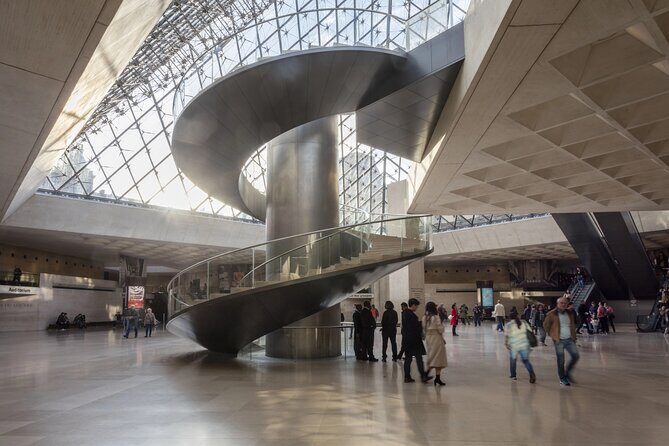
Your ticket is built around a self-paced visit with admission included and an audio guide for context. That means your “itinerary” is mostly what you choose to prioritize once inside. The highlights you’re likely aiming for include major names: the Mona Lisa, the Venus de Milo, and the Winged Victory of Samothrace. You also get time for the Louvre’s courtyards and the palace setting itself.
Here’s how I’d use the time if you only have around 2 hours:
- Pick a short list of must-sees. Three masterpieces is a solid starting set since the museum is too big for everything.
- Plan for quick viewing. You want to see each work, not scan endlessly. Give each stop enough time to actually look, then move.
- Don’t skip the building. Courtyards and palace spaces are part of why people remember the Louvre, not just what’s in the rooms.
The audio guide helps you avoid the trap of seeing famous art as vague brand icons. Instead, you can get the basic cultural and historical context while you’re standing there. That’s especially useful for first-time visitors, because the Louvre can feel like a maze of styles and eras unless someone gives you a thread to follow.
One important reality check: 2 hours isn’t long. Even with timed entry, you’ll cover only a slice. The best way to feel satisfied is to accept that you’re making a smart selection, not trying to “do” the entire museum.
The Audio Guide: Make It Worth Your Earbuds
An audio guide can either be a lifesaver or dead weight, depending on how you use it. In this experience, it’s designed to provide background on the art and artefacts, plus guidance on the architecture and the museum’s history. That’s valuable because you’re not just collecting pictures; you’re building meaning as you move.
Here’s how you’ll get the most out of it:
- Start it early so you know how to interpret what you’re seeing.
- Use it at the works that matter most to you. You don’t need to listen to every stop equally.
- Treat it like a pacing tool. When you feel like you’re rushing, it can slow you down in a good way.
The Louvre is overwhelming. The audio guide helps reduce that overwhelm by turning random rooms into a story you can follow, even if you’re still moving quickly.
You can also read our reviews of more museum experiences in Paris






Potential Headaches: Tickets, Emails, and Getting Back on Track
Most people who have a smooth entry experience say the process works in a clockwork way. But it’s also clear that a small set of problems can ruin the day fast. The risk isn’t the Louvre itself—it’s the ticket chain between purchase and acceptance at the entrance.
Common failure points you should prepare for:
- Ticket delivery timing: if your email comes later than expected, you might scramble right before entry.
- Confusion about what you actually have in hand: some reports describe voucher-to-ticket transitions that didn’t match what was needed at the gate.
- Barcode or validity issues: if the ticket isn’t accepted, you may be forced into the general lines again.
So what should you do? Keep it simple:
- Save your ticket email and any ticket document you receive.
- Screenshot key info in case your inbox is slow.
- Arrive early enough that you have time to solve a problem without missing your slot.
- If something doesn’t work at the entrance, expect that you may need to get help on-site or rejoin a queue. That’s not the experience you’re paying for, but it’s the practical backup plan.
Also remember that the ticket purchase is non-refundable and cannot be changed. That makes pre-trip caution even more important: only book if you’re confident in your entry time and your ability to receive the email ticket.
Who This Louvre Direct Entry Ticket Fits Best
This works best for visitors who want a strong Louvre visit without a strict group schedule. You’ll likely love it if:
- You want to see top masterpieces like the Mona Lisa and Venus de Milo and still have freedom.
- You’re comfortable using an audio guide to make your visit feel more meaningful.
- You value peace of mind at the gate, especially during busy periods.
It may not be the best fit if:
- You want a fully guided, step-by-step walkthrough with deeper explanations at every turn.
- You tend to book last minute and rely on last-minute phone access to sort ticket issues.
- You have complex needs around mobility and want maximum route predictability. The building can be tricky, and one review specifically noted elevator downtime.
For families, the flexibility is a plus. But again, keep pricing expectations realistic and check how family ticketing works for your group so you’re not surprised by the final total.
Should You Book This Direct Entry Ticket?

If your priority is avoiding the worst ticket-line stress and you’re happy to explore on your own with an audio guide, this ticket can be a great value. The reason is simple: at the Louvre, the time you save can be the difference between feeling rushed and actually seeing what you came for.
I’d book it if you:
- plan to arrive during peak hours,
- have a clear list of what you want to see in about 2 hours,
- and can receive the ticket email before you leave (since the ticket is sent by email about 24 hours before).
I’d hesitate if you:
- are booking extremely close to your entry time,
- aren’t sure you can access your email on travel days,
- or you hate any chance of gate drama.
Bottom line: the Louvre is always worth it. This ticket format is best when you use it with a little planning, so your day goes to art—not troubleshooting.
FAQ
How long does the Louvre direct entry take?
The visit is listed at about 2 hours.
Is the admission ticket included?
Yes. Admission is included with the direct entry ticket.
Do I get an audio guide?
Yes. You’ll have a handy audio guide to learn as you go.
What does the timed entry mean for my schedule?
You choose an entry time, which helps you line up at the Louvre at the right moment instead of waiting for general ticket lines.
Where do I need to be, and is it near public transportation?
The meeting location is described as near public transportation, which makes it easier to reach.
When will I receive my ticket?
The information provided says your booking confirms instantly, and your ticket is sent by email 24 hours before the tour.
Can I cancel or change my ticket?
No. The experience is non-refundable and cannot be changed for any reason.