REVIEW · PARIS
Montmartre Walking Tour: The Best of Art, Culture &Parisian Charm
Book on Viator →Operated by Paris Lounge · Bookable on Viator
Few places in Paris feel more like a storybook.
This Montmartre walking tour gives you a focused feel for the neighborhood’s artist past and its everyday Paris charm—without turning it into an all-day hike. You’ll hit big names like Sacré-Cœur and Moulin Rouge, plus a few playful stops that catch your eye fast.
Two things I especially like: you get a small-group pace that makes questions easy, and you get a clear “what to see and why it matters” rundown that helps you move through Montmartre with confidence. It’s also built for flexibility, with morning or afternoon options so you can match it to your day.
One consideration before you book: Montmartre is hilly. Expect climbs and some stairs, and plan to go slow when the route angles upward.
In This Review
- Key things you’ll notice on this tour
- Why Montmartre in Two Hours Works (When You’re Short on Time)
- Before You Go: Blanche Meeting Point, Hilly Walking, and What to Wear
- Stop 1: Montmartre Streets Where Painters, Writers, and Thinkers Lived
- Stop 2: Sacré-Cœur De Montmartre and the “White-Dome” Panorama
- Stop 3: Le Mur des Je t’aime for a Quick Hit of Color and Meaning
- Stop 4: Place des Abbesses and the Art Nouveau Metro Entrance
- Stop 5: Moulin Rouge Area and Belle Époque Showbiz History
- Stop 6: Place du Tertre for Painters, Sketches, and Street Atmosphere
- Guides That Turn Stops Into Stories: Santiago, Gonzalo, Renato, Bruno
- Price and Value: What $34.89 Buys You in Montmartre Time
- Practical Tips to Make the Most of Your Walk
- Should You Book This Montmartre Walking Tour?
- FAQ
- How long is the Montmartre walking tour?
- What does the tour include?
- What is the starting point for the tour?
- What is the end point of the tour?
- How much does it cost?
- Is there a mobile ticket?
- Are there tour time options?
- Is the tour accessible for most people?
- FAQ
- Can I cancel for a full refund?
- Is tipping included?
- How far in advance should I book?
- How big is the group?
Key things you’ll notice on this tour
- A tight 2-hour plan that still hits the quarter’s most famous landmarks
- Sacré-Cœur views from the hill with context on what you’re looking at
- Le Mur des Je t’aime for a quick, fun photo stop with heart
- Place des Abbesses for Art Nouveau style and that village-in-the-city feel
- Moulin Rouge exterior area tied to its Belle Époque history
- Place du Tertre to watch painters at work and soak up the street-art energy
Why Montmartre in Two Hours Works (When You’re Short on Time)
Montmartre can swallow time. One minute you’re strolling, the next you’re climbing, and suddenly you’re “just around the corner” for 45 minutes. This tour helps you avoid that trap by giving you a high-impact route that covers the neighborhood’s strongest themes quickly: artists, religion/viewpoints, romance, and classic Paris showbiz.
The format is simple. You walk together, stop often enough to reset your attention, and get guide talk that connects what you see to why it became famous. That matters here, because Montmartre has a lot of sights—and not all of them feel meaningful unless someone points you toward the stories.
You’re also not stuck in one mood. You get serene Sacré-Cœur hill time, playful “I love you” art, and then you swing toward the famous nightlife magnet of Moulin Rouge. It’s a good sampler platter if it’s your first time in the area.
You can also read our reviews of more walking tours in Paris



Before You Go: Blanche Meeting Point, Hilly Walking, and What to Wear
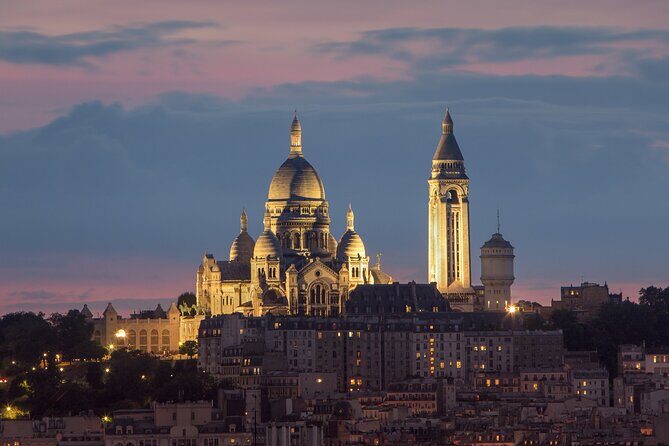
This tour starts at Blanche (Paris Métro, 75018). The good news: it’s near public transportation and designed to be straightforward to reach. The slightly less fun news: Montmartre is a workout. Even if the schedule feels tight, the hill means you should wear comfortable shoes and be ready for some stair climbing.
A small point that can save stress: the tour is set to end back at the meeting point, so you don’t have to worry about finishing somewhere far from transit.
Also keep an eye on group size. The tour caps at 20 travelers, and the experience feels better when the group stays compact. In practice, smaller groups make the guide’s pacing and explanations feel more personal.
Stop 1: Montmartre Streets Where Painters, Writers, and Thinkers Lived
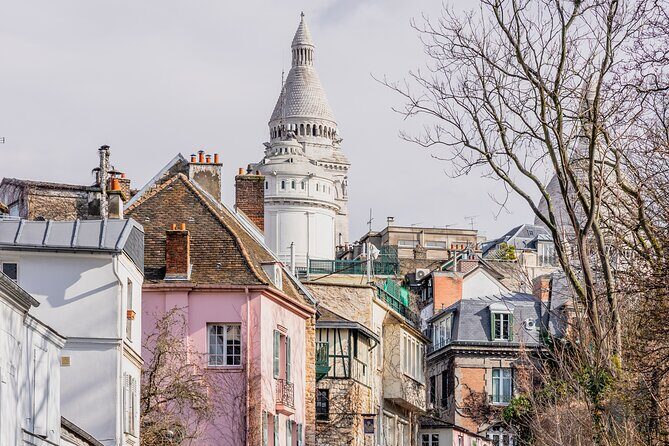
The walk begins in the heart of the neighborhood’s artistic story. The guide points out places tied to major names who shaped Montmartre’s late-1800s to early-1900s reputation—think Monet, Manet, Van Gogh, Pissarro, Rodin, Picasso, Zola, and more.
What you’ll get from this first stop is orientation. Without the guide’s framing, Montmartre can feel like a maze of charming streets. With the framing, those streets start to feel purposeful. You begin to notice how art culture clustered here, why people were drawn to the hill, and how the neighborhood’s identity formed.
Where it may not fully land: if you’re expecting indoor museum access or ticketed sites, this opening is mainly about the street-level history. It’s ideal for understanding the neighborhood’s vibe and choosing what you want to see later on your own.
Stop 2: Sacré-Cœur De Montmartre and the “White-Dome” Panorama
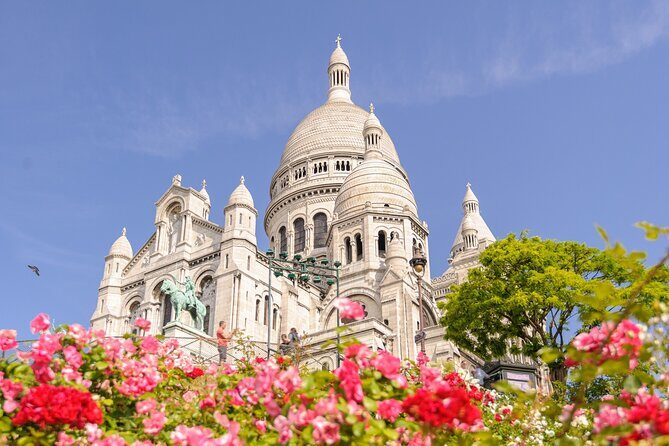
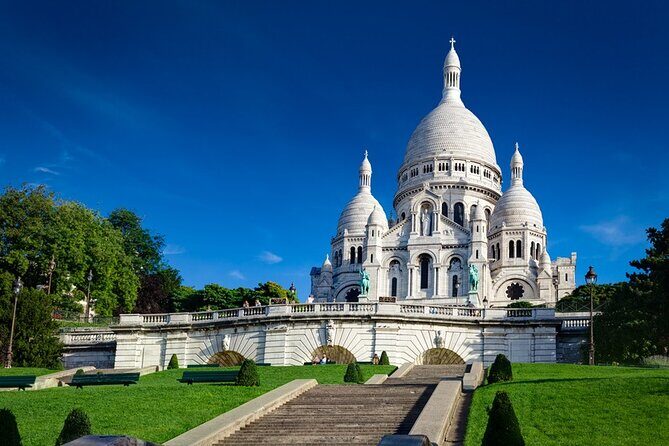
Then you head to the Basilica area. Sacré-Cœur is known for its Romanesque-Byzantine look, its bright white-domed presence, and the feeling you get standing on the hill above the city. The guide’s job here is to help you interpret what you’re looking at—architecture, mosaics, and the calm atmosphere around it.
Practically, you’ll love this stop if you care about views but don’t want to spend your whole day in transit or lines. The tour includes an outdoor visit focused on the outside experience and viewpoints.
One smart approach: bring your camera, but also pause. Sacré-Cœur works best when you stop walking for a minute and let the city open up below you. The guide can point out what to look for so your photos come out better—and your sightseeing feels less random.
Stop 3: Le Mur des Je t’aime for a Quick Hit of Color and Meaning
Next is Le Mur des Je t’aime, the famous “I love you” wall in Square Jehan Rictus. It’s covered with declarations of love in over 250 languages, created by Frédéric Baron and Claire Kito.
This stop is short, but it’s a perfect reset. You go from big history and huge views into something human-scale and playful. It also gives you a photo opportunity that doesn’t depend on perfect timing or a long wait.
A minor drawback: if you’re not a photo person, you might treat it as a quick look and move on. Still, even a brief stop is worth it because the message is universal, and it breaks up the walk nicely.






Stop 4: Place des Abbesses and the Art Nouveau Metro Entrance
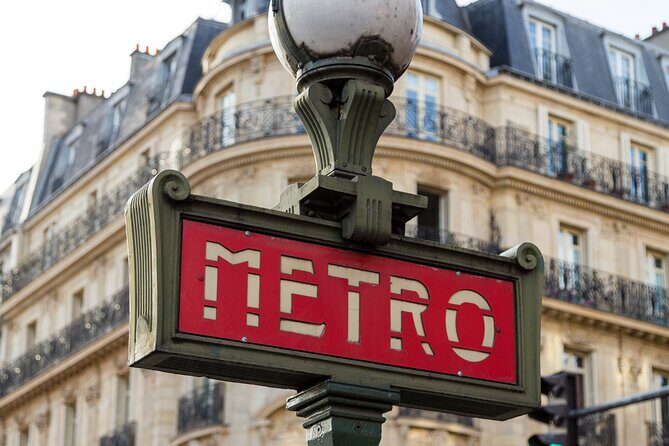
Place des Abbesses brings you back to everyday Montmartre life. It’s known for its squareside cafes, artisan shops, and the overall “village inside Paris” feel. At the center, you’ll notice the iconic Art Nouveau metro entrance, which is one of those details that makes Montmartre feel like it has a personality of its own.
This stop is great if you like people-watching and short breaks. You can grab a drink, pause, and reset your energy without turning it into a big detour. The guide’s suggestions here also tend to steer you toward what fits your mood—quick coffee, a calm corner, or a nearby bite before you continue.
Keep in mind: this part of Montmartre can feel busy around peak hours. Plan to move a bit slower and accept that you might need to step around others in the square.
Stop 5: Moulin Rouge Area and Belle Époque Showbiz History
Now for the swing in tone. The Moulin Rouge is one of Paris’s most recognizable cabaret names, famous for its red windmill and its role in the Belle Époque nightlife scene. Since the late 19th century, it has been tied to extravagant performances, dancers, and bold spectacle.
This stop works well on a walking tour because it’s not just a landmark you pass—it’s a story you understand. The guide’s context helps you connect the building and its reputation to the era that made it famous.
Possible drawback: if you’re hoping for a full show experience or ticketed access, this tour doesn’t sell that as part of the plan. You’ll get the area and history, but the performance side is something you’d handle separately.
Stop 6: Place du Tertre for Painters, Sketches, and Street Atmosphere
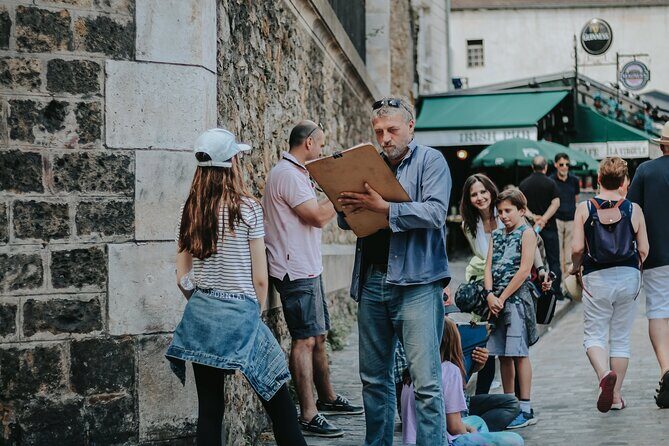
Place du Tertre is where Montmartre shows you its artistic side in real time. The cobblestone square is known for painters working outdoors and displaying sketches and paintings. It’s an easy stop to enjoy with your eyes, even if you don’t buy anything.
I like this section because it reminds you what Montmartre still is today: an artists’ neighborhood that hasn’t fully retired into a theme park. You can watch someone create a piece, then decide if you want a souvenir or just keep walking.
Where you may want extra time: if you want to talk with painters, browse artwork, or simply sit with a pastry and people-watch. The tour gives you a focused window, but it’s a place you could happily extend on your own.
Guides That Turn Stops Into Stories: Santiago, Gonzalo, Renato, Bruno
A big part of the value here is the guide. Several names show up with standout notes, and the theme is consistent: guides who explain clearly, keep the pace manageable, and add real-world recommendations after the tour.
For example, Santiago is remembered for being very informative and hitting the right time balance. Gonzalo also gets credit for friendly, helpful overview guiding and solid recommendations. Renato is praised for patience and knowledge, and in one case a guide even pointed the group toward a specific spot to eat afterward. Bruno is highlighted for deep Montmartre coverage, including details from the Moulin Rouge stretch onward.
Why this matters for you: Montmartre rewards the right kind of guidance. If the guide is good, you leave with a mental map of what’s important and what’s just pretty. If the guide is hard to follow, the whole route can feel like random stops.
One caution from experience patterns: if you’re sensitive to voice clarity, take a moment to position yourself where you can hear. Some tours include audio equipment, but it isn’t guaranteed in the plan details you provided—so be mentally ready to rely on your proximity to the guide.
Price and Value: What $34.89 Buys You in Montmartre Time
At $34.89 per person, the tour sits in a “not-too-cheap, not-too-costly” zone for central Paris. The real question is value: do you get enough to justify paying for a guide instead of self-walking?
Here’s what you’re paying for:
- A guided route that hits the main Montmartre highlights in about 2 hours
- Historical and architectural context tied to each stop
- Advice on where to go next, based on the guide’s local sense of the quarter
- A cap of up to 20 travelers, which supports a calmer pace than big bus tours
If you only have a short window and you want your time to feel organized, a guided walk can be a smart buy. If you have plenty of time and you’re a confident planner, you could build a similar route alone. But you’d be doing more guessing about what’s worth your attention.
Tips aren’t included, so if you like great guiding, budget for that. Even a modest tip can feel like part of the “value equation,” because the guide experience is the core product here.
Practical Tips to Make the Most of Your Walk
Montmartre rewards the right prep. Here are the practical things I’d do if I were planning your day:
- Wear shoes that handle stairs and uneven cobblestones.
- Keep water handy, especially if your route includes extra climbing options.
- If you want the best views without exhausting yourself, take the uphill segments slowly. A guide can steer you toward practical options along the way, including using transit like the funicular to reduce strain near Sacré-Cœur.
- For photos, plan to stop early at view points rather than waiting until you’re tired.
Also, because the tour is structured as a loop back to Blanche, think of it as your “Montmartre baseline.” Afterward, you can circle back for longer hangs in the spots that felt most you.
Should You Book This Montmartre Walking Tour?
Book it if:
- You’re visiting Montmartre for the first time and want a fast, guided sense of the neighborhood.
- You like context. Sacré-Cœur and Moulin Rouge feel better when you understand what shaped them.
- You want manageable timing: about 2 hours and done.
Skip it or be cautious if:
- You hate hills and stairs. Even with a good pace, Montmartre includes climbing.
- You expect ticketed museum time or guaranteed interior access to Sacré-Cœur. This plan emphasizes outdoor viewpoints and walks.
- You’re very sensitive about hearing the guide. If audio is not provided during your slot, you’ll need to stay close.
If you’re on the fence, treat this tour as a smart way to “get oriented fast,” then build your remaining time around whatever felt most interesting—views at Sacré-Cœur, art energy at Place du Tertre, or the classic Paris drama around Moulin Rouge.
FAQ
How long is the Montmartre walking tour?
It runs for about 2 hours.
What does the tour include?
You get a guide, an outdoor visit around Sacré-Cœur, and an outdoor visit in Montmartre.
What is the starting point for the tour?
The tour starts at Blanche, 75018 Paris, France.
What is the end point of the tour?
The tour ends back at the meeting point.
How much does it cost?
The price is $34.89 per person.
Is there a mobile ticket?
Yes, you receive a mobile ticket.
Are there tour time options?
Yes, there are morning and afternoon tour options.
Is the tour accessible for most people?
Most travelers can participate, and service animals are allowed.
FAQ
Can I cancel for a full refund?
Yes, free cancellation is available if you cancel at least 24 hours before the experience start time.
Is tipping included?
Tips are not included.
How far in advance should I book?
On average, it’s booked about 18 days in advance.
How big is the group?
The tour has a maximum of 20 travelers.