REVIEW · PARIS
Montmartre Walking Tour with a Private Local Guide
Book on Viator →Operated by Friendly Local Guides · Bookable on Viator
Montmartre runs on stories. This private 3-hour walk lets you tailor the stops around your interests while learning how the hill shaped artists and nightlife. I like the private local guidance that helps you navigate quickly, and I love the custom itinerary option so you can linger where you want.
You’ll cover the classic highlights and the quieter lanes that give Montmartre its personality. Guides such as Mehrdad, Aliya, Jonathan, Anastasia, Anna, Veronica, and Claire each bring their own angle—art history, practical orientation, and photo-ready viewpoints included in the flow.
The trade-off is price. At $139 per person, it can feel steep if you’re comparing to self-guided wandering. Also, Sacré-Cœur can get crowded, and that can affect how much time you have for extra viewpoints.
In This Review
- Key points that make this tour worth it
- Why a private Montmartre walk beats DIY
- How the route moves (and why the order helps)
- Place des Abbesses: start with color, design, and that famous wall
- Sacré-Cœur: the white crown, plus your choice about the dome
- Place du Tertre: the artist square without losing your bearings
- Moulin Rouge area: vineyards, windmills, and the artists behind the myth
- The café finish at Café des deux Moulins (why end here)
- Price and value: what $139 buys you (and what it doesn’t)
- Guide quality matters: names you might meet and what to watch for
- Who should book this Montmartre tour
- Should you book this Montmartre walking tour?
- FAQ
- How long is the Montmartre Walking Tour with a Private Local Guide?
- What is the price per person?
- Is the tour private or shared?
- What language is the tour offered in?
- Does the tour include entrance to Sacré-Cœur Basilica?
- Is lunch included?
- Where does the tour start, and can the guide meet you somewhere else?
Key points that make this tour worth it
- Private guide control: you can customize your itinerary instead of following a fixed checklist
- Montmartre highlights plus side streets: Abbesses, Sacré-Cœur, Place du Tertre, and more
- Photo stops with purpose: you’re pointed toward angles you’d miss on your own
- Culture with context: bohemian artists, windmills, and how the neighborhood evolved
- Flexible pacing: the walk can use the metro if needed
- A strong finish: Café des deux Moulins is a fitting wrap-up point for a French lunch
Why a private Montmartre walk beats DIY
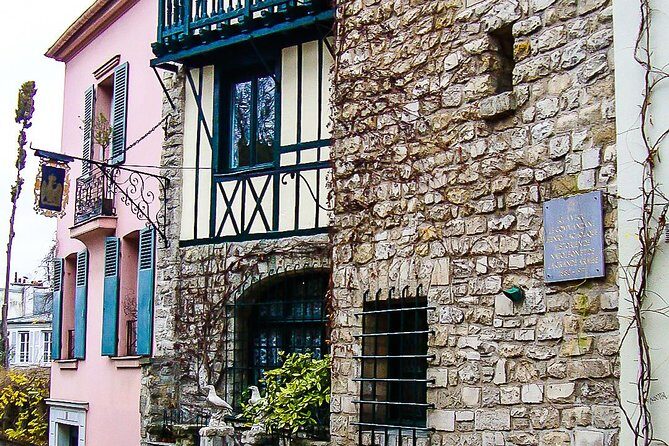
Montmartre looks simple on a map. In real life, it’s a maze of hills, staircases, and tiny streets where the view changes every few minutes. A private guide helps you make sense of it fast, so your time doesn’t vanish into getting oriented.
The best part is that the tour isn’t trying to force you through every sight on Earth. You choose what matters more—panoramas from the basilica area, art-and-artist details, or lingering in the squares and looking for the small visual clues that define Montmartre.
And because it’s private, your guide can adjust the pace. If you’re stopping for photos, taking breaks, or just want to watch the neighborhood move, you won’t be asked to keep up with a large group rhythm.
You can also read our reviews of more walking tours in Paris



How the route moves (and why the order helps)
This experience runs about 3 hours, with a suggested window around 10am to 1pm, and it ends at a café where you can grab lunch on your own. That timing is smart. You get daylight for views, and you’re finished early enough to keep exploring—or to eat somewhere your guide recommends.
You’re usually meeting right in your hotel lobby (or another agreed meeting point). If you need it, the tour can also use the metro to keep the walking manageable, while still keeping you inside the Montmartre zone.
Plan for moderate physical fitness. Montmartre involves hills and stairs, and even a “walking” tour can have plenty of uphill steps. If you’re the type who hates stairs, consider where you’ll compromise: views, the pace, or extra indoor time.
Place des Abbesses: start with color, design, and that famous wall
You begin near Place des Abbesses, one of the neighborhood’s most atmospheric starting points. It’s a good warm-up because it combines everyday Paris life—cafés, small shops, and people-watching—with a few unmistakable landmarks.
This stop includes:
- the Art Nouveau metro station (pretty enough that you’ll want a quick photo even if you’re not a station-spotter)
- Saint-Jean-l’Evangeliste Church with its brick-faced look
- the I LOVE YOU wall, written in 311 languages
Why this works early: it sets the tone for the rest of Montmartre. You’re not yet at the biggest crowds; you’re getting the neighborhood’s visual language first, so the later views and squares feel more meaningful.
Sacré-Cœur: the white crown, plus your choice about the dome
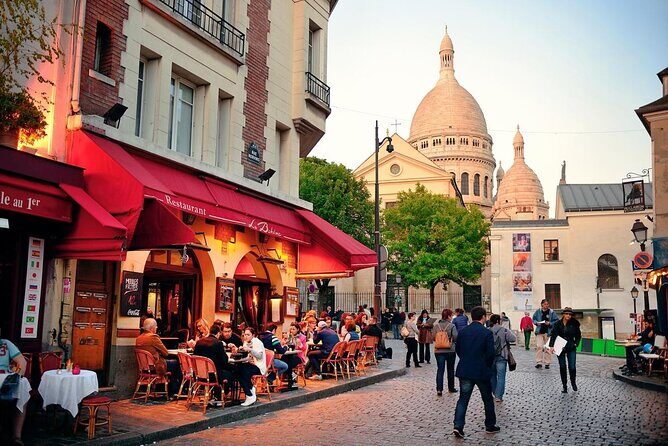
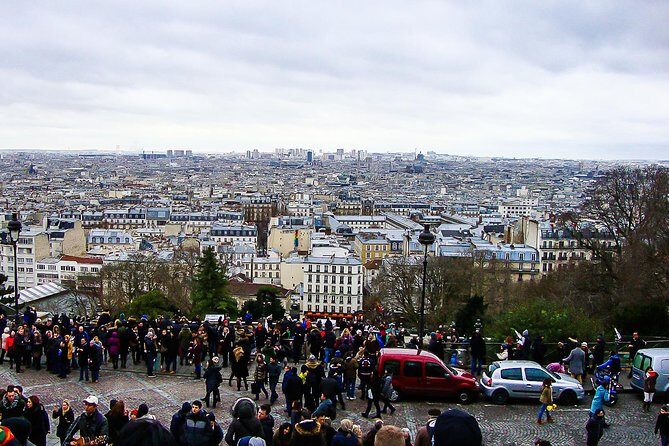
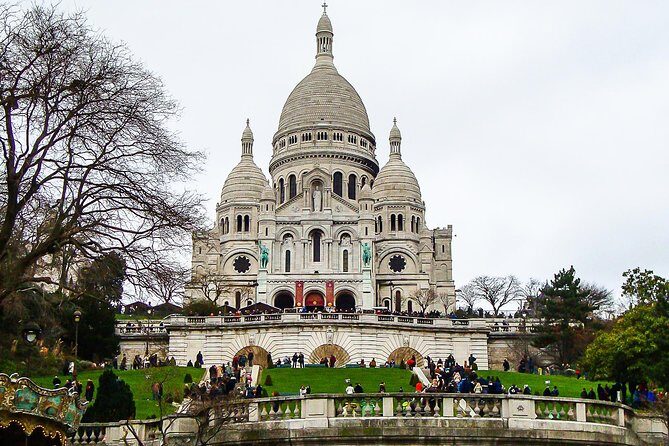
Sacré-Cœur de Montmartre is the big payoff. The basilica’s Romanesque and Byzantine style, with its gleaming white exterior, is basically the visual signature of the hill. Inside and around it, you’ll see stained glass windows, mosaics, and wall paintings.
There’s also the Grand Organ, which adds a sense of place beyond architecture. Even if you don’t attend a performance, it’s one of those details that helps you understand why people treat this building as more than a landmark.
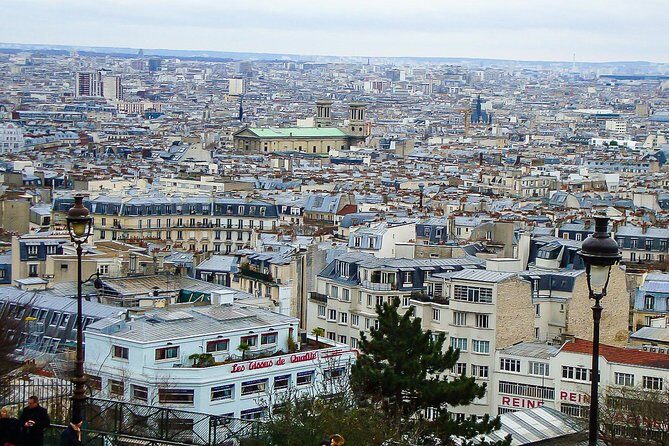
One key consideration: the basilica entrance is not included. The tour may cover the area and viewpoint orientation, but if you want extra access—like climbing to the dome—you’ll need to plan for that cost and the time it takes. The dome (when you go) is your path to 360-degree panoramas and skyline views that include major Paris landmarks you’ll recognize.
If crowds are heavy, it’s worth deciding in the moment. Don’t force every option if it costs you the relaxed pace you’re paying for.
Place du Tertre: the artist square without losing your bearings
Place du Tertre is the postcard square everyone points to. What a guide adds is context: this used to be the main square of the medieval village before Montmartre became part of Paris.
You’ll see hundreds of artist stalls selling paintings, portraits, caricatures, and souvenir sketches. That can be fun, but it can also become chaos if you wander without a plan. Here, the advantage of a private guide is simple: you’ll move through the square without feeling like you’re stuck in a line of the same exact photo spot.
A practical tip: if you like buying art, set a budget early. This is a place where prices and styles can vary a lot from stall to stall, and the choices multiply quickly.
You can also read our reviews of more guided tours in Paris





Moulin Rouge area: vineyards, windmills, and the artists behind the myth
From Place du Tertre, you transition toward the Moulin Rouge atmosphere, with a stop designed to connect Montmartre’s nightlife reputation to real historical details.
You’ll pass by the Montmartre vineyards, one of the last vineyards inside Paris. That’s a surprising contrast in a neighborhood famous for cabarets and crowds. It makes the area feel layered, not just trendy.
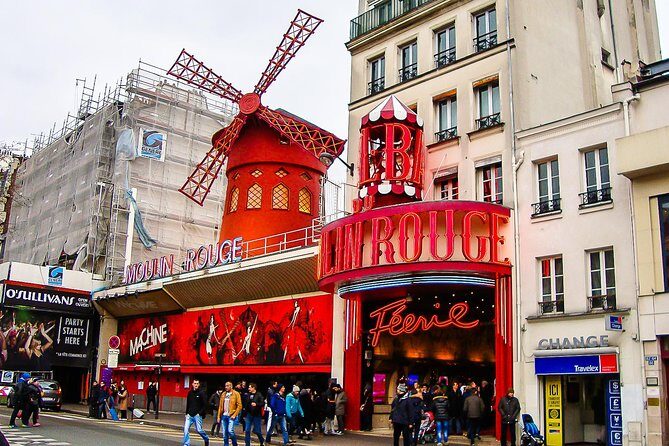
Your guide will also connect the dots to bohemian haunts like Cabaret Lapin Agile and Moulin Rouge, plus how famous artists such as Picasso, Matisse, and Modigliani fit into the Montmartre story. You also get the windmill angle—Montmartre’s windmills show up in paintings by Van Gogh and Renoir—so the neighborhood feels less like a theme and more like a lived inspiration.
How to get value from this segment: slow down when you’re outside. Views and street geometry matter here. If your guide points out a perspective, take the five seconds to line it up. In Montmartre, the “same” street can look totally different depending on where you stand.
The café finish at Café des deux Moulins (why end here)
The tour concludes around 1pm at Café des deux Moulins. It’s popular partly because it’s tied to the film Amélie, and that makes it a recognizable stopping point.
You’re not locked into eating there. But the idea is smart: after about three hours of climbing, walking, and sightseeing, you land in a place that has atmosphere—inside decor, a lively street presence, and enough energy to make you feel like you’re still in the neighborhood, not rushing out of it.
This ending also supports a common goal: lunch that feels local. One of the guides in this tour lineup is known for recommending lunch spots, and it’s often the difference between settling for whatever is closest and having a meal in the middle of the scene you just explored.
Price and value: what $139 buys you (and what it doesn’t)
At $139 per person for around 3 hours, you’re paying for three big things:
1) a private guide who can customize
2) time saved on orientation and decision-making
3) insider stops that make Montmartre less random
But this price won’t automatically buy you time-saving miracle access. The basilica area can be crowded, and the Sacré-Cœur entrance (and the dome option) are not included. If you’re expecting every viewpoint without lines, you may be disappointed.
It’s also fair to compare. You can walk Montmartre on your own for free, and you’ll still see a lot. Where this tour tends to justify itself is when you want the “why” behind what you see—plus better pacing so you spend less energy figuring it out and more energy enjoying it.
If you’re traveling with someone and want customization, private tours can still feel expensive. If you’re solo, a private guide can still be worthwhile if you care about art history context and you want a smoother plan.
Guide quality matters: names you might meet and what to watch for
This tour’s reviews highlight a range of guide styles, but there’s a clear pattern: the best experiences happen when you can hear your guide and you feel comfortable asking questions.
I’ve seen names come up like Mehrdad, Aliya, Jonathan, Anastasia, Anna, Veronica, Claire, and Dorothée Lambert. Each is described as friendly, and several bring a strong art-and-history thread—especially around Picasso and Van Gogh connections.
A practical note: English quality can vary by guide. One experience described limited clarity due to quiet speaking and using a phone for words. If this matters to you, take control early: ask a question in the first 10 minutes, and if you can’t hear well, speak up right away. A good guide will adjust.
Also, guides may adapt the route based on your interests. One example from the guide set: Claire reportedly deviated a bit to show the cemetery when it fit the moment. Don’t assume every guide will do the same, but know that customization is part of what you’re paying for.
Who should book this Montmartre tour
This is a strong match if:
- you want Montmartre navigation without wrestling stairs and confusing lanes
- you care about art history connections tied to specific places
- you’d rather customize than follow a fixed, crowded group route
- you like photo stops with guidance, not just wandering
It might be less ideal if:
- you’re price-sensitive and fully happy with DIY sightseeing
- you strongly need Sacré-Cœur interior time and the dome, and you’re unwilling to adjust when lines happen
- hearing a guide clearly is a must, and you’re concerned about language issues
If you fall in the middle—curious but cautious—this tour can still be worth it. You just need realistic expectations about included access and the time that crowds can steal.
Should you book this Montmartre walking tour?
I’d book it if your goal is to understand Montmartre, not just check boxes. A private guide helps you connect Abbesses, Sacré-Cœur, Place du Tertre, and the Moulin Rouge area into one coherent story—with viewpoints and photo moments that feel earned, not accidental.
I’d skip or rethink it if $139 per person feels hard to justify for you. In that case, you might enjoy a self-guided loop and spend the money on a great lunch or a museum visit instead. Also, if you’re very focused on Sacré-Cœur access beyond the basic visit, budget extra time and expect lines.
If you want a morning that feels organized, art-informed, and very you-sized, this is a solid way to do Montmartre.
FAQ
How long is the Montmartre Walking Tour with a Private Local Guide?
The tour is about 3 hours, with an approximate schedule that can run from around 10am to 1pm.
What is the price per person?
The price is $139.00 per person.
Is the tour private or shared?
It’s a private tour/activity, so only your group participates.
What language is the tour offered in?
It’s offered in English.
Does the tour include entrance to Sacré-Cœur Basilica?
Entrance to Sacré-Cœur Basilica is not included in the tour.
Is lunch included?
Food and drinks are not included. The tour ends at a café where you can have lunch on your own expense.
Where does the tour start, and can the guide meet you somewhere else?
You can meet your guide in your hotel lobby, and pickup can also be arranged at your hotel, hostel, vacation rental, or a point of interest. The supplier contacts you by email, and you don’t need to call to confirm.