REVIEW · PARIS
Pairs: The Opera to Hotel des Invalides Guided Walking Tour
Book on GetYourGuide →Operated by europaguia.com · Bookable on GetYourGuide
Napoleon’s Paris is best learned on foot. This 2-hour guided walk threads big Second Empire landmarks together, starting at Palais Garnier and connecting what you see with the story of Napoleon III and the city’s grand public spaces.
I love how the route mixes eye-candy streets with real backstory—like Rue de la Paix turning into high-end spectacle at Place Vendôme. I also like that you get a Spanish live guide plus Spanish audio guide, which helps when the group pauses and street noise kicks in.
One possible drawback: entrance tickets aren’t included, so your “inside” time (especially at Palais Garnier) depends on what’s available that day.
In This Review
- Key things I’d look forward to most
- Getting Oriented at Place de l’Opéra and Your Spanish Guide
- Palais Garnier: The Opera House Behind Phantom of the Opera
- Rue de la Paix to Place Vendôme: Luxury Stops Without the Museum Vibes
- Place de la Concorde and the Luxor Obelisk, Plus Revolution’s Dark Turn
- Champs-Élysées Between Grand Palais and Petit Palais
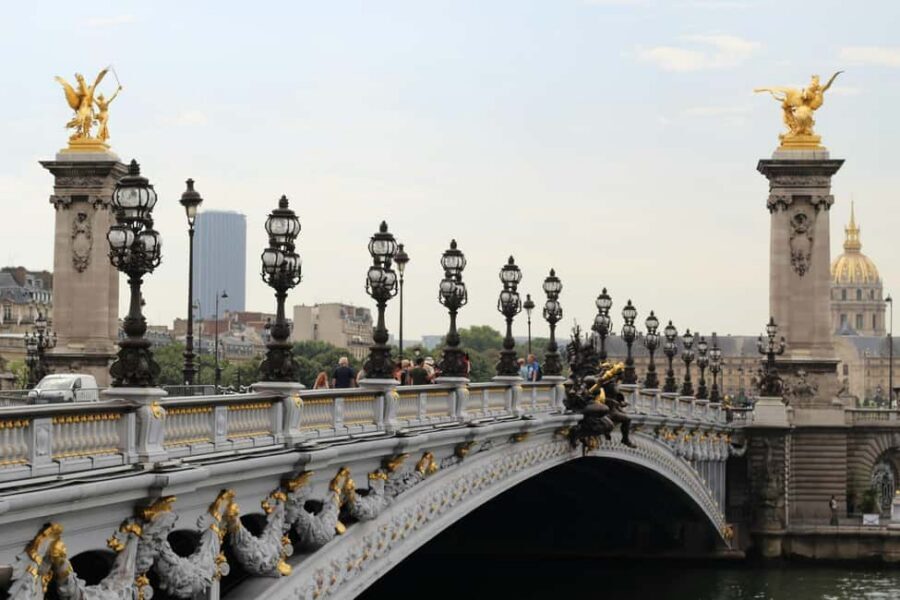
- Pont Alexandre III: Russian Tsar Detail and Big Seine Views
- Why This Feels Like Napoleon III Paris (and How It Links Toward Invalides)
- Price and Planning for a Smooth $37, 2-Hour Walk
- Who This Tour Is Best For
- Should You Book This Opera to Hotel des Invalides Walking Tour?
- FAQ
- What is the duration of the tour?
- How much does the tour cost?
- Where does the tour start?
- Where does the tour end?
- Is the tour guide Spanish?
- What’s included in the price?
- What is not included?
- Is the tour accessible for wheelchair users?
- What is the cancellation policy?
Key things I’d look forward to most
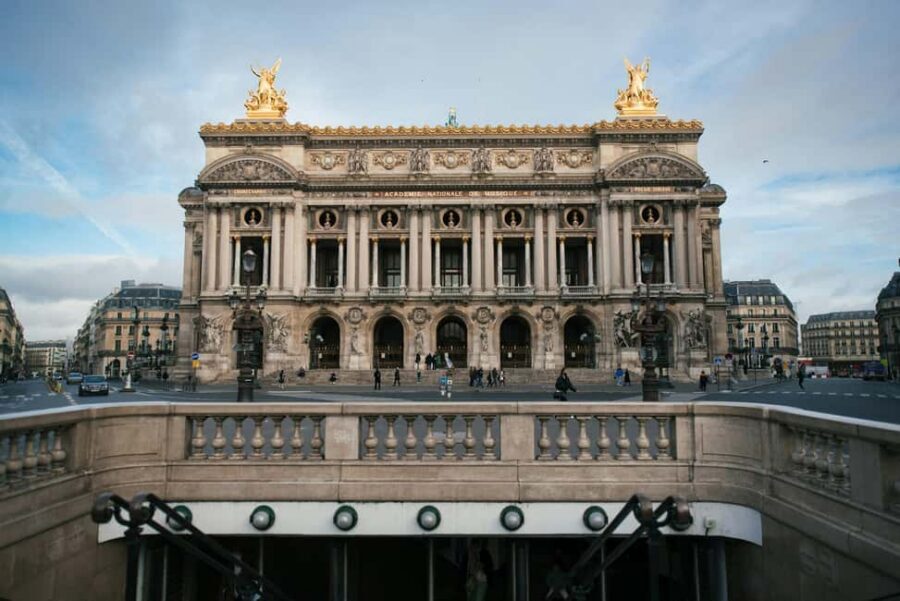
- Palais Garnier with Phantom of the Opera vibes and a clear explanation of why the building exists
- Rue de la Paix to Place Vendôme for that luxury Paris moment with the Ritz Hotel in the mix
- Place de la Concorde’s Luxor Obelisk plus the Revolution-era reality check of the guillotine site
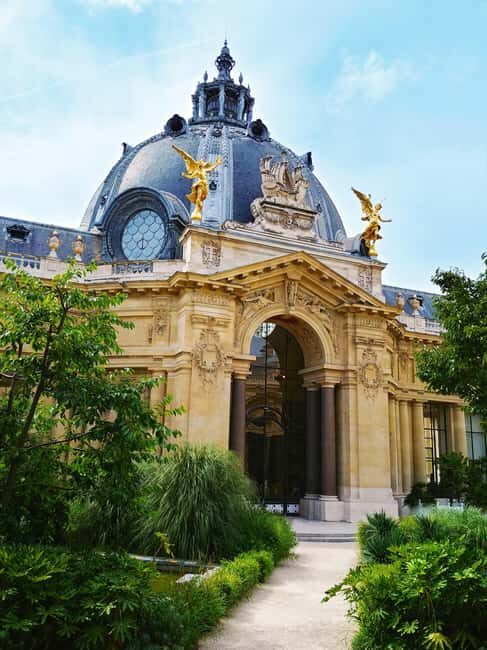
- Champs-Élysées stop by Grand Palais and Petit Palais, tied to the 1889 World Fair
- Pont Alexandre III for Seine-and-Eiffel photo views and Russian Tsar symbolism
- A Spanish guide you can actually find easily, meeting outside the Opera subway station with a small flag
Getting Oriented at Place de l’Opéra and Your Spanish Guide
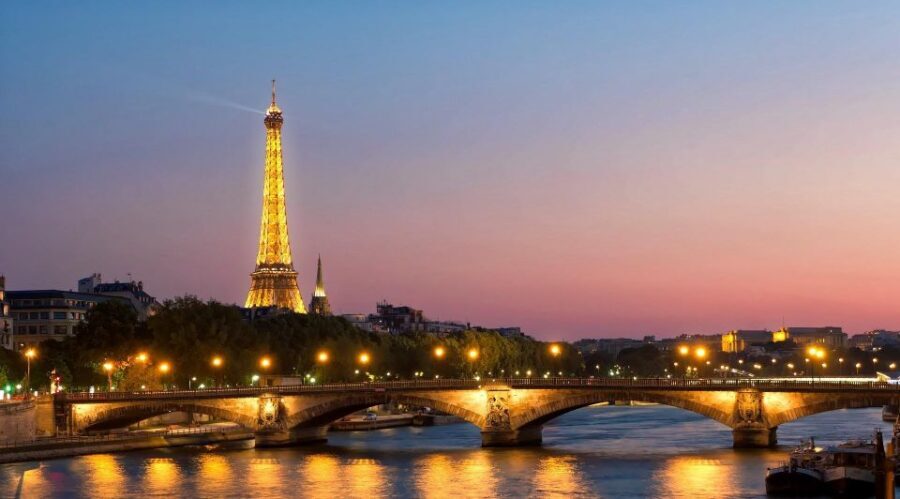
Your tour starts at Place de l’Opéra, right outside the Opera subway station. The guide meets you at the exit in front of La Paix coffee, with a small white flag that has a red flame symbol (the company logo).
This matters more than it sounds. Paris intersections can be chaotic, and a clear meeting point helps you get moving fast. You’ll also be walking as a group for the full 2 hours, so being in the right spot at the right time keeps the tour from turning into a frantic sprint.
One nice touch: the tour is Spanish, and you also get a Spanish audio guide. If you’re not fluent in every bit of street-level history, the audio support gives you a second track so you’re not lost when you miss a sentence.
You can also read our reviews of more walking tours in Paris


Palais Garnier: The Opera House Behind Phantom of the Opera
The tour’s first big star is Palais Garnier, the grand opera palace that inspired the popular imagination behind Phantom of the Opera. Even if you only know that story from pop culture, you’ll spot why it stuck. The building looks designed for drama—ornate, theatrical, and very much built to impress from the first glance.
Expect a guided look plus some free time. The tour frames the architecture as something more than decoration: it was built in response to a tragic event in the Emperor’s life, tied to the broader world of Napoleon III’s Paris. That story gives the palace context. You stop seeing it as just a pretty facade and start seeing it as political art—music, power, and emotion all wrapped together.
What I like about starting here: the whole tour feels more coherent once you’re standing at the anchor point. You’re not jumping between random attractions. You’re moving through a “story map” of Second Empire ambition and myth.
A heads-up: entrance tickets aren’t included. If you were hoping for a guaranteed inside experience beyond the guided visit/free time, plan for the possibility that what you can access depends on daily operations.
Rue de la Paix to Place Vendôme: Luxury Stops Without the Museum Vibes
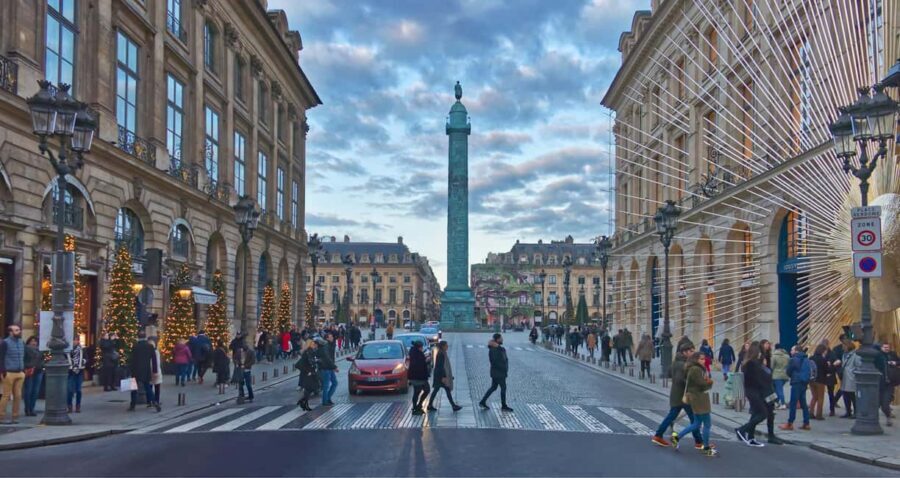
From Palais Garnier, the walk continues along Rue de la Paix and into Place Vendôme. This is one of those Paris transitions that feels like someone flipped a switch from classical grandeur to luxury fashion headquarters.
Place Vendôme is presented as a prestigious corner of watch, jewelry, and fashion brands, and the Ritz Hotel is called out as the big protagonist here. Even if you’re not shopping, it’s worth soaking in the scale and attitude of the place. Paris luxury districts can feel like a movie set, but the buildings and angles are real—and the streets teach you how “style” became part of the city’s identity.
Why this stop works on a walking tour: you get story alongside scenery. The guide isn’t just pointing out shops; they’re connecting the wealth of this era to the wider Napoleon III image—Paris as a city of display, prestige, and spectacle.
The likely drawback: this portion can feel more “sidewalk watching” than “deep monuments.” If you’re expecting lots of interior sights with tickets, you’ll need to recalibrate. This is a street experience, and that’s where the value lives.
Place de la Concorde and the Luxor Obelisk, Plus Revolution’s Dark Turn
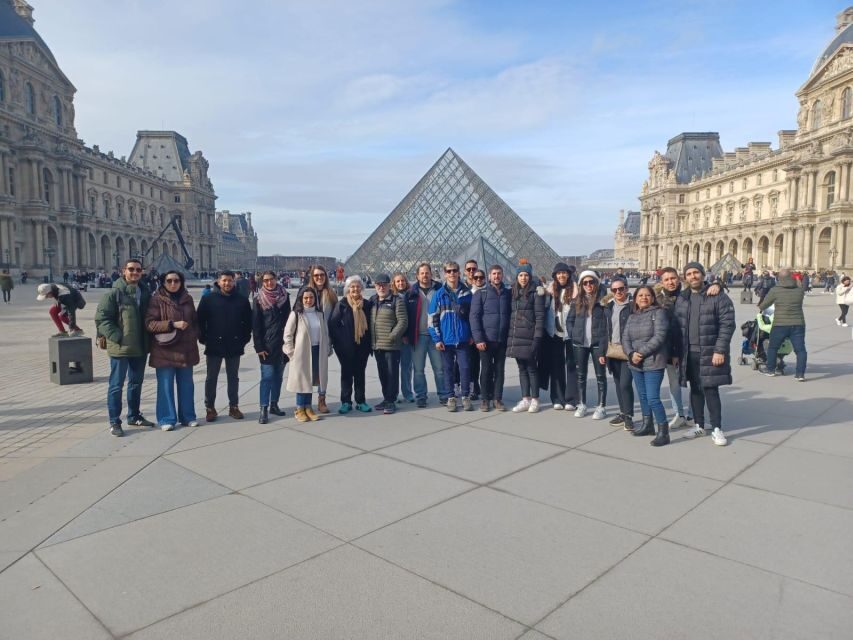
Next up is Place de la Concorde, bordered by the Tuileries Gardens. This square has that classic Paris contrast: royal and revolutionary symbolism in the same view.
At the center stands an Egyptian obelisk, and the tour calls it the Luxor Obelisk. If you’ve ever seen obelisks in other cities, this one feels extra special because of the way it’s anchored to a place that’s meant for crowds and ceremonies—then later history turns it into something darker.
The guide also highlights what happened here during the French Revolution. The guillotine was installed at this location. That single detail changes the mood of the whole square. You can admire the geometry and the monument, but you can’t ignore the history of punishment and public spectacle.
What you’ll probably remember: the Luxor Obelisk is visually striking, yet the Revolution context sticks because it’s blunt. This is where a walking tour earns its keep—passing from “pretty landmark” into “why people in power built and controlled public space.”
Champs-Élysées Between Grand Palais and Petit Palais
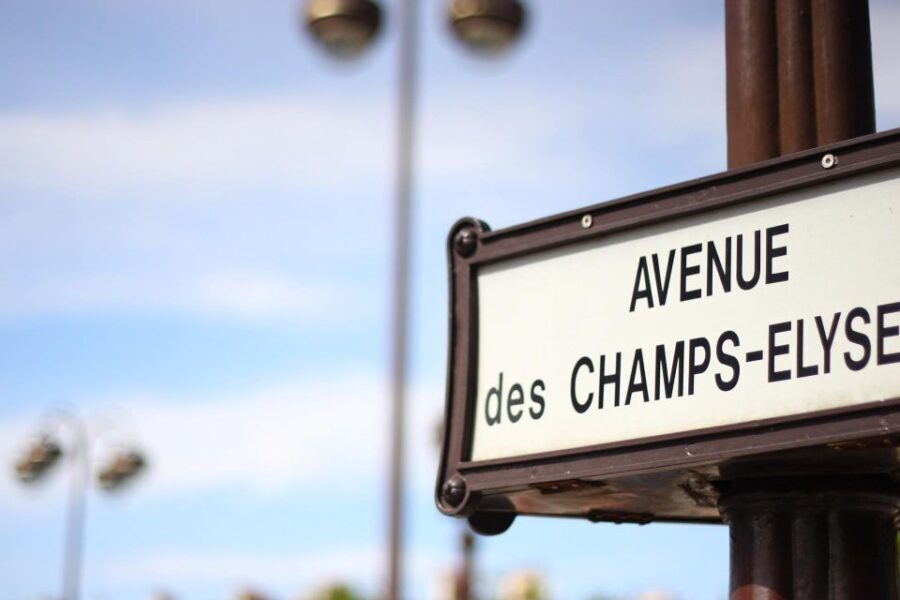
Now you get the Champs-Élysées, described as one of the most beautiful boulevards in the world, where French cultural history meets older Mediterranean roots. That angle might sound poetic, but on the street it works: you see a boulevard designed for pageantry, lined with institutions that represent how France wanted to be seen.
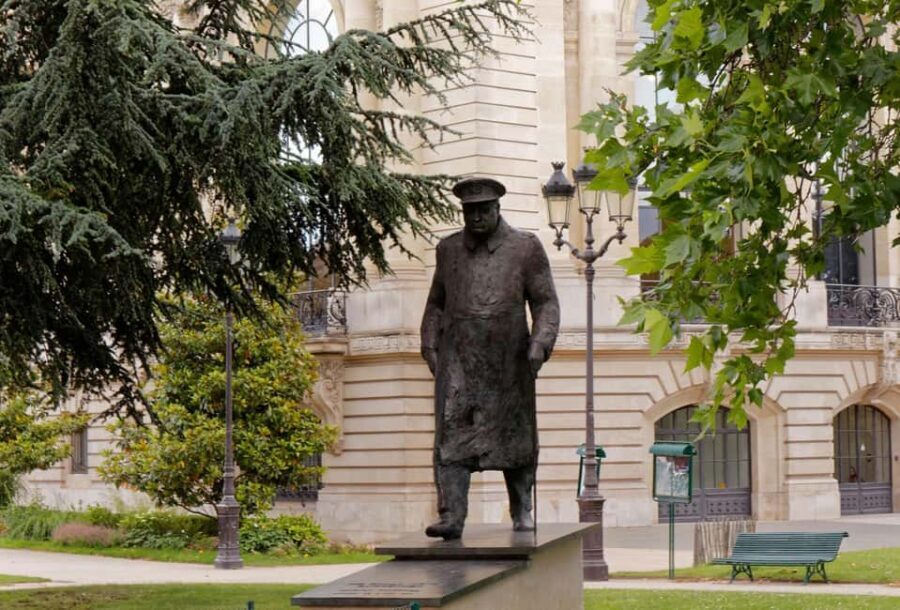
You’ll stop between Grand Palais and Petit Palais. The tour specifically notes that Petit Palais hosted the 1889 World Fair, a major event that reshaped the public’s idea of modern exhibitions. Even if you’ve never visited those buildings before, that World Fair connection helps you understand why these places feel so “designed” rather than accidental.
How to enjoy this section: don’t just march forward. Use the stop to look up and around—building proportions matter on the Champs-Élysées. The street is famous, but the little details get lost when you treat it like a straight line from one selfie spot to the next.
If you’re traveling with kids or with someone who needs breaks, this is a good area to pause because the surroundings are interesting at multiple levels: architecture, sidewalks, and the overall “grand boulevard” feeling.
You can also read our reviews of more guided tours in Paris




Pont Alexandre III: Russian Tsar Detail and Big Seine Views
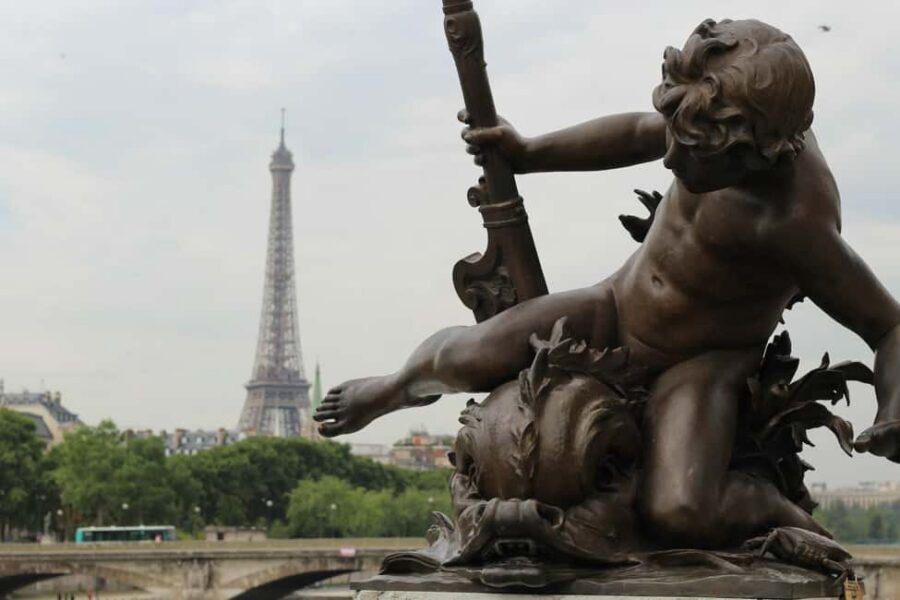
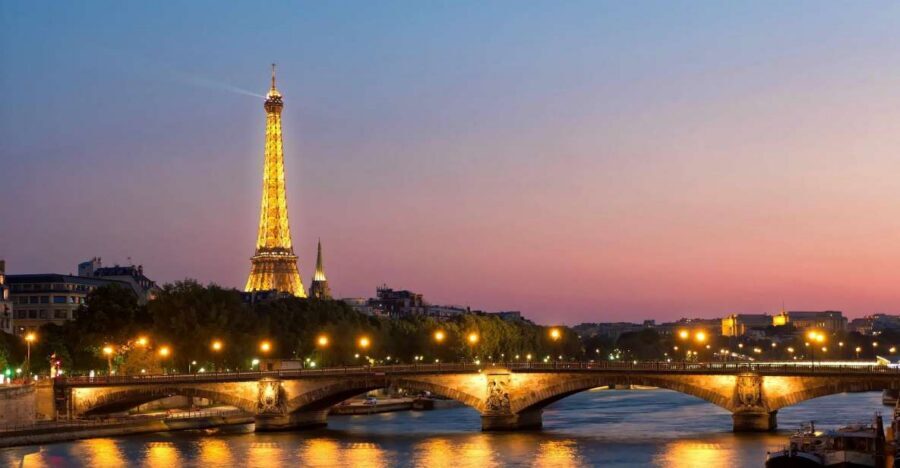
The tour concludes at Pont Alexandre III, a monumental bridge that’s described as an architectural tribute to a Russian Tsar. The point isn’t just that it’s pretty. It’s that Paris was a magnet for international power and symbolism—especially during the imperial-era mindset.
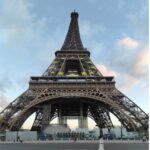
From the bridge, you can get views over the Seine and look toward the Eiffel Tower. Even if you’ve seen the Eiffel Tower in pictures a hundred times, seeing it through this view frame feels different. Pont Alexandre III acts like a stage set, and your angle matters.
This finale works well for a walking tour because it gives you a payoff moment: you’ve walked through storied imperial centers, and you end with a “look out” location. Great for photos, sure, but also for quiet time to process what the guide explained.
Why This Feels Like Napoleon III Paris (and How It Links Toward Invalides)
The title points you toward the Hotel des Invalides, and the tour highlights that you’ll discover where Emperor Napoleon rests. Even if the walking focus is on the major Paris landmarks we touched here—Palais Garnier, Vendôme, Concorde, Champs-Élysées, and Pont Alexandre III—the tour keeps Napoleon III’s era as the thread.
That’s the value of the framing: you’re not just collecting stops. You’re learning how the city’s showpieces relate to power, memory, and who got to be remembered. Napoleon’s resting place at Invalides anchors the “legacy” side of the story, while the walking route anchors the “how the streets were built to perform” side.
This is also where the “French kings” theme makes sense. You’re surrounded by monuments and institutions created to project authority. The guide’s job is to connect the dots so the city doesn’t feel like random postcard scenery.
If you like political context in a casual, not-too-academic way, this tour is a strong fit.
Price and Planning for a Smooth $37, 2-Hour Walk
At $37 per person for a 2-hour guided walk, the price feels reasonable because you’re paying for more than moving from A to B. You’re getting:
- A local guide (included)
- A structured route that hits major landmarks in a tight time window
- Spanish live guidance plus an included Spanish audio guide
What’s not included is also clear: transport, food/drinks, and entrance tickets. That affects your planning. You’re budgeting for a guided walk, not a full “museum day.” So if you want refreshments along the way, plan for it. And if you’re the type who needs to go inside monuments every time, you’ll want to treat this as a strong exteriors-and-stories experience first.
A small practical tip: wear comfortable shoes. You’re covering multiple major sights, and “walking tour pace” adds up fast, especially in the stretch from the opera area toward the central boulevards. Water and a light layer can also be smart depending on season, since Paris weather loves to change its mind.
Who This Tour Is Best For
This experience is a good match if you want to see classic Paris icons while getting real-world context quickly.
- If you’re a first-timer who wants the “Paris of monuments” but with explanations that make it make sense, this will hit the mark.
- If you’re traveling in Spanish or you prefer Spanish interpretation, the guide and audio support help you keep up.
- If you enjoy architecture and the way buildings reflect politics and culture, the tour’s Second Empire framing will feel natural.
If you want lots of time inside multiple sites with guaranteed ticketed access, you may find this tour’s structure a bit more “outside look + story” than you hoped.
Should You Book This Opera to Hotel des Invalides Walking Tour?
I’d book it if you want a tight, memorable route that connects Palais Garnier to the broader Napoleon-era story across central Paris. For the money, you’re not just paying for a walk—you’re paying for guide storytelling that turns famous places into meaningful ones.
Skip it (or pair it with other plans) if your top goal is ticketed interior access. Since entrance tickets aren’t included, you’ll want to be comfortable getting the best value from exteriors, viewpoints, and the narrative thread rather than expecting a full museum itinerary.
FAQ
What is the duration of the tour?
The tour lasts 2 hours.
How much does the tour cost?
The price is $37 per person.
Where does the tour start?
It starts outside the Opera subway station, at the exit in front of La Paix coffee and the Garnier opera palace, where the guide is waiting with a small white flag.
Where does the tour end?
The tour ends at Pont Alexandre III.
Is the tour guide Spanish?
Yes. The live tour guide is Spanish, and the audio guide is also included in Spanish.
What’s included in the price?
A local guide is included, along with a Spanish audio guide.
What is not included?
Transport is not included, and there are no food or drinks included. Entrance tickets are also not included.
Is the tour accessible for wheelchair users?
Yes, the tour is wheelchair accessible.
What is the cancellation policy?
There is free cancellation up to 24 hours in advance for a full refund.