REVIEW · PARIS
Sainte Chapelle & Conciergerie Private Guided Tour
Book on GetYourGuide →Operated by Paris in person private tours · Bookable on GetYourGuide
Paris turns light into stained glass.
This private, 90-minute tour takes Sainte Chapelle and shows you why it’s such a dramatic piece of Gothic art. I love that the guide explains the role of color and the way medieval builders used light and space to create meaning. I also like how you get the bigger idea behind the building, not just pretty windows. One thing to consider: with only 90 minutes, you’ll need to treat this as a sharp overview that you might want to follow up on afterward if you’re a slow, linger-in-the-details type.
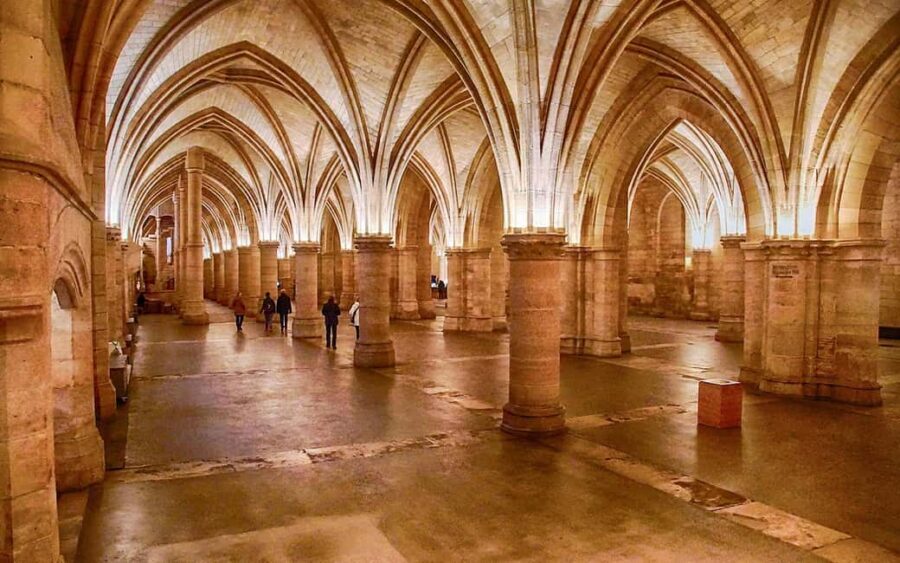
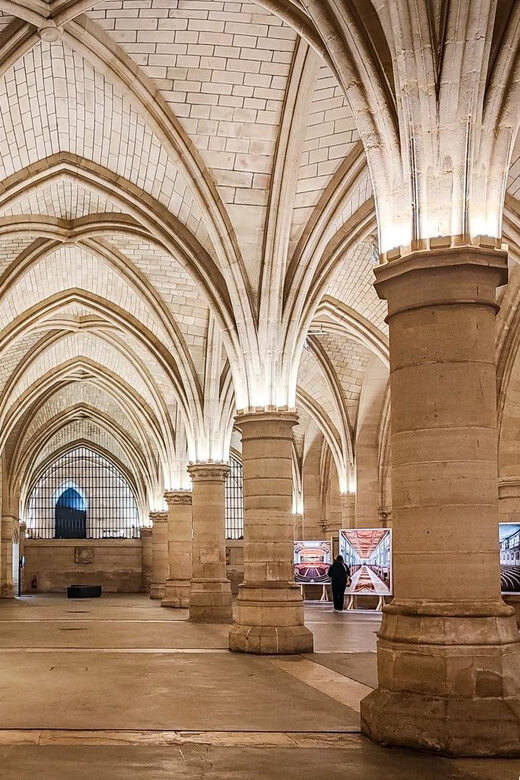
After that, you’ll shift to the Conciergerie, where the mood swings from royal sacred space to revolution-era history. The guide connects the Gothic setting to the French Revolution, including who was held there and how the place changed roles over time. It’s a striking pairing, and it works well because the guide keeps steering the story back to what the space meant.
In This Review
- Key highlights you’ll actually feel on this tour
- Sainte Chapelle: Paris’s Gothic “jewel box,” explained like it matters
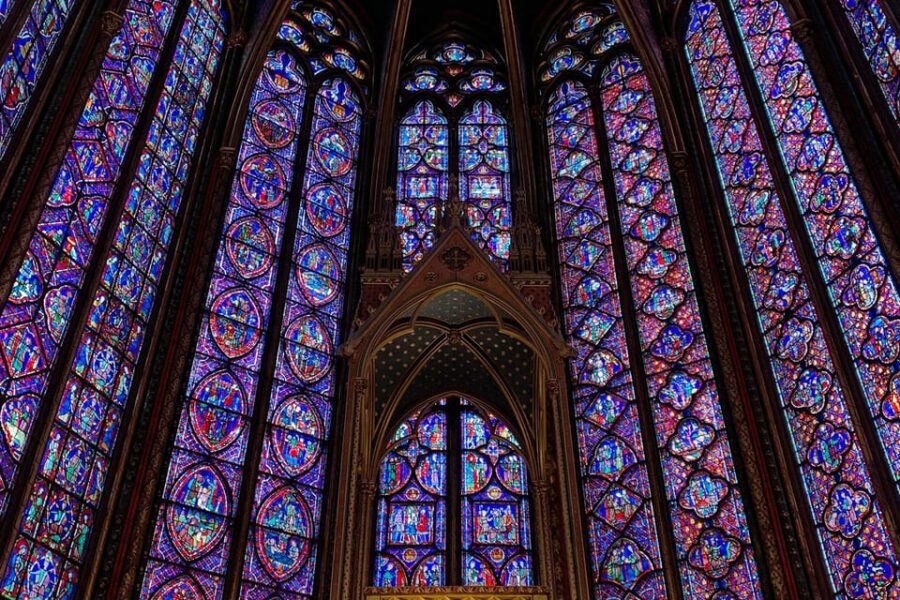
- The stained glass: color, symbolism, and why light is the main character
- Chapel vs church vs cathedral: the space terms that actually change how you interpret it
- Conciergerie: where the Revolution turns royal walls into a prison story
- Sorbonne and Picasso: how the guide ties nearby Paris culture into the story
- Timing and pacing: a tight 90 minutes that works if you plan your day
- Private group value: what you pay for (and what you don’t)
- Bonus benefit: the Orsay skip-the-line ticket you can use separately
- If you should book: who this tour is for (and who might want a different option)
- FAQ
- What is included in the tour price?
- How long is the Sainte Chapelle & Conciergerie private guided tour?
- Is this a private group tour?
- Where do I meet the guide?
- Is there a skip-the-line option for entry or security?
- What languages are available for the live guide?
- What isn’t included?
- Can I cancel for a full refund?
- Can I book without paying today?
- Does the tour include Sainte Chapelle, Conciergerie, or both?
Key highlights you’ll actually feel on this tour
- Stained glass with meaning, not just decoration (color, symbolism, and medieval ideas of space)
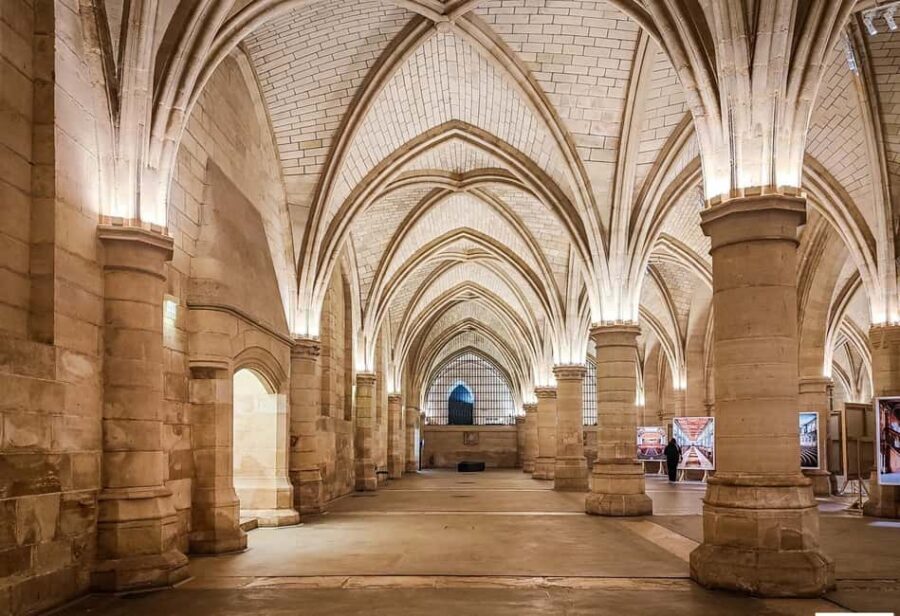
- Conciergerie’s sacred-to-profane contrast, from royal palace to revolutionary prison
- Express security skip so you spend more time inside and less time waiting
- Private group pacing, with enough time for questions in English, French, or Serbo-Croatian
- Extra value with an Orsay Museum skip-the-line entrance ticket included
Sainte Chapelle: Paris’s Gothic “jewel box,” explained like it matters
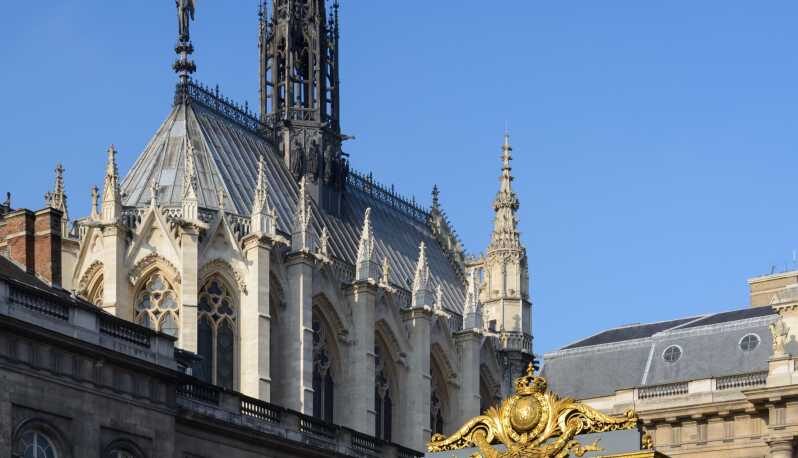
Sainte Chapelle is at the very heart of Paris, and that location changes how you experience it. The chapel’s whole effect is about focus: it’s grand in ambition, but compressed into a smaller edifice than Notre Dame. That size makes the details harder to ignore. From the start, your guide frames it as a rare kind of French cultural gift to the world: not just a church you pass, but a crafted environment built to communicate.
What makes this tour feel different is the way your guide treats the building like a system. You’re not just told it’s Gothic. You’re taught why it looks the way it does and what medieval people were trying to achieve. The best part is that you learn to “read” what you see: light behaves like a design element, and architecture becomes part of the story, not background noise.
And yes, it helps that this is a private guided format. You can ask quick questions when something clicks. It’s especially useful in a place like this, where the best moments come from noticing relationships—between colors, shapes, and the feeling of vertical space.
You can also read our reviews of more guided tours in Paris



The stained glass: color, symbolism, and why light is the main character
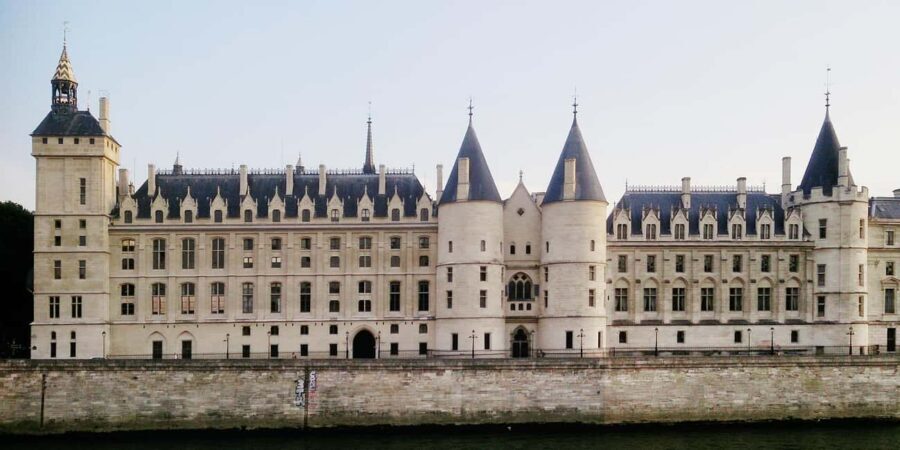
Sainte Chapelle can look like pure artistry at first glance. But once you understand the basics your guide covers, it becomes something else. You’ll hear about the meaning of color in the medieval period, and that’s a fast route to deeper appreciation. Color in this setting isn’t only aesthetic; it’s part of how the chapel communicates spiritual ideas.
You’ll also get symbolism tied to contracted and expanded space. In plain terms, the chapel is built to make you feel height and mystery. Gothic architects used design tricks to push your attention upward and inward. Your guide explains how the chapel creates this sense of elevated mystery of light—so you start to notice how windows, walls, and openings work together instead of treating them like separate parts.
There’s another layer: engineering. Sainte Chapelle looks delicate, but it’s not fragile. Your guide points out the ingenuity behind the structure, showing how the building balances openness with stability. That’s a big deal if you’ve ever wondered how medieval builders managed to create spaces that feel airy while still standing solid centuries later.
Chapel vs church vs cathedral: the space terms that actually change how you interpret it
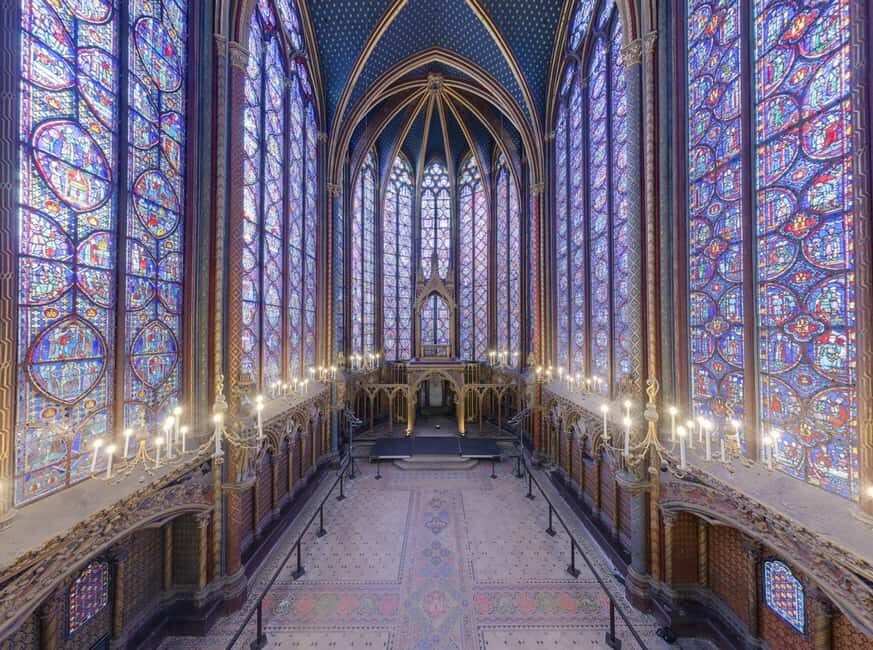
This tour isn’t just about one monument. It’s also about helping you use the right language for what you’re seeing. Your guide explains the difference between a chapel, a church, and a cathedral—terms people throw around loosely. When you get the distinctions, Sainte Chapelle stops being “just another church” and starts feeling like the specific kind of sacred space it was built to be.
You’ll also hear about the boundary between the holy and the sacred, plus the profane and the consecrated. These aren’t academic definitions meant to impress. They change your mental map of what the building was for. Once you grasp that, it’s easier to understand why relics mattered so much in the medieval period, and why the chapel’s role wasn’t only devotional in a vague way—it was structured.
Even the tour’s question about what truly constitutes the house of God gets treated practically. Your guide uses the building to teach an idea: in medieval life, sacred spaces were built, organized, and experienced with purpose. That makes your visit feel like history with a logic behind it.
Conciergerie: where the Revolution turns royal walls into a prison story
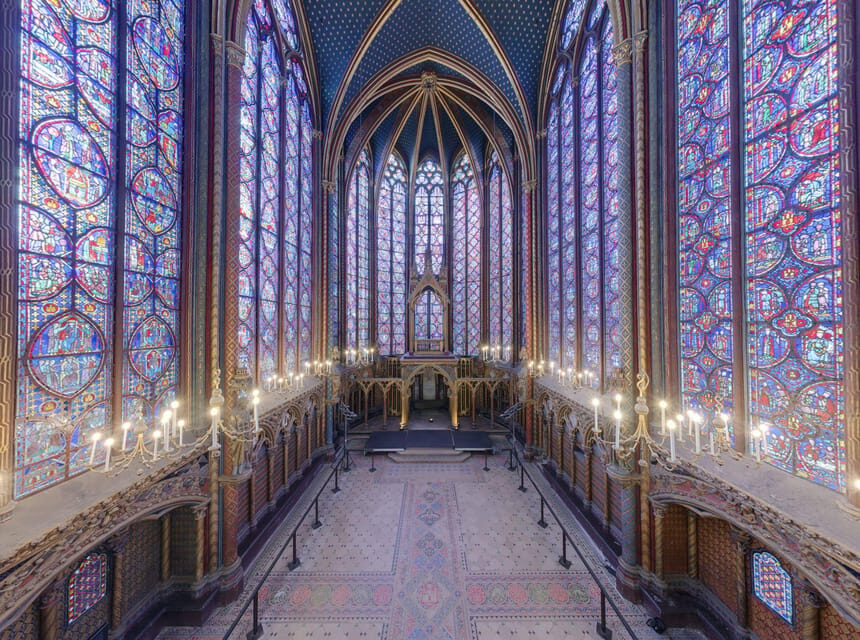
After the emotional lift of Sainte Chapelle, the Conciergerie hits like a narrative correction. You go from Gothic spiritual ambition to the political and human drama of the French Revolution. Your guide explains how the building’s identity changed over time—connected to the shift from a former royal palace to a revolutionary-era site.
This stop is valuable because it shows you transformation through architecture and use. The same walls, different meanings. Your guide walks you through how the Revolution altered the space and why that matters historically. It’s not only dates and names. It’s the sense that power and punishment shared a physical geography.
You’ll also learn about famous historic figures who were inmates there. Even if you already know parts of the Revolution story, this kind of setting-based context can make it feel more real. You’re not just learning that events happened. You’re learning how a place could become part of those events.
The tone shift also helps your overall understanding of French history. This edifice becomes a singular place where sacred and profane come together in the same location, but across eras. That contrast is a major reason this tour pairing works so well.
Sorbonne and Picasso: how the guide ties nearby Paris culture into the story
The highlight list includes learning more about the Sorbonne and discovering connections to the favorite drinking dens of Picasso. Even though those details might not be the main focus for everyone, they matter because they anchor you in Paris as a living city—not a museum of monuments.
Here’s how I’d think about it: when your guide ties Sainte Chapelle and the Conciergerie to education and to 20th-century artistic life, it turns geography into context. You start to see Paris as layers stacked on top of each other. Gothic architecture and revolutionary memory are still there, but they sit alongside the city’s later creative identity.
You’ll likely leave with a better sense of what to notice if you keep walking afterward—street-level cues that connect institutions like the Sorbonne to the broader story of ideas, faith, and politics that shaped France.
You can also read our reviews of more private tours in Paris






Timing and pacing: a tight 90 minutes that works if you plan your day
This tour is 90 minutes, and that’s both a strength and a constraint. The strength is focus: you get a guided route that covers Sainte Chapelle and the Conciergerie without dragging. The constraint is that you won’t have time for a long, self-guided wander in both places.
So I suggest this approach: schedule this earlier in your day or right after a morning walk, then use the remaining time to return to the area you cared about most. If you’re especially into Gothic art, you’ll probably want extra minutes at Sainte Chapelle afterward. If you’re more drawn to political history, you may want to linger a bit more around the Conciergerie after the guide has laid the foundation.
Also consider the included skip-the-line setup. The tour includes express security check. That means less time stuck in queue mode, more time in the actual spaces where you’re paying attention to color, light, and atmosphere.
Private group value: what you pay for (and what you don’t)
At $265 per person for a 90-minute private guided tour, the value question matters. Here’s how I’d judge it.
You’re paying for:
- A guide who can explain the meaning behind Gothic design choices and the Revolution-era transformation of the Conciergerie
- A private format, which usually makes it easier to ask questions and keep the pace aligned with what you care about
- Skip-the-line access through express security
- An included skip-the-line entrance ticket to the Orsay Museum
You’re not paying for:
- Food and drinks (so you’ll want to plan a snack or meal around it)
- A long, “take your time” visit where you replace the guide with slow browsing
If you like context—architecture, symbolism, and social history—this price starts to make sense fast. If you mainly want photos and don’t care about what the windows and spaces meant, then a guided tour might feel like overkill. For most people who enjoy learning while they move, this is a strong “two big hits” format.
One more credibility note: the provider, Paris in person, has been recognized as a top small tour operator in Europe out of a very large pool of companies. That won’t guarantee a great guide for your exact day, but it does suggest they run their operation with some discipline.
Bonus benefit: the Orsay skip-the-line ticket you can use separately
This tour includes a skip-the-line entrance ticket to the Orsay Museum. That’s meaningful because it gives you a second museum win without extra ticket-hunting stress. Orsay also pairs well with this kind of day: after learning about medieval sacred spaces and Revolutionary upheaval, a museum visit later can shift you into 19th-century art and a totally different tempo.
Just keep your plan flexible. Orsay is best when you can spend time. If your schedule is packed, the ticket is still helpful, but you’ll want to avoid treating Orsay as a quick stop-and-go.
If you should book: who this tour is for (and who might want a different option)
Book this tour if:
- You want Sainte Chapelle explained, including color meaning, symbolism of space, and the engineering behind the light effect
- You like history that connects architecture to real people, especially during the French Revolution
- You prefer a private guide who can tailor attention to what you’re curious about
- You can use an included Orsay skip-the-line ticket during your trip
You might skip it if:
- You’re only interested in quick sightseeing and aren’t looking for historical or architectural interpretation
- You want a slow, unhurried visit where you can spend lots of time studying details without a structured flow
- You’re sensitive to compact timeframes. Ninety minutes goes fast in two locations.
As a practical final thought: if you’re planning just one “guided brain” stop in this area of Paris, this pairing has a rare kind of logic—light and sacred space in the morning, then Revolution and transformation in the same day.
FAQ
What is included in the tour price?
The tour includes a guide and a skip-the-line entrance ticket to the Orsay Museum.
How long is the Sainte Chapelle & Conciergerie private guided tour?
It lasts 90 minutes.
Is this a private group tour?
Yes, it’s a private group.
Where do I meet the guide?
You meet your guide in front of the Conciergerie’s main entrance. The guide carries a red canvas tote bag.
Is there a skip-the-line option for entry or security?
Yes. The tour includes skip-the-line through an express security check.
What languages are available for the live guide?
The guide is available in French, English, and Serbo-Croatian.
What isn’t included?
Food and drinks are not included.
Can I cancel for a full refund?
Yes. You can cancel up to 24 hours in advance for a full refund.
Can I book without paying today?
Yes. It offers a reserve now & pay later option.
Does the tour include Sainte Chapelle, Conciergerie, or both?
Both. The tour experience covers Sainte Chapelle and then visits the Conciergerie.