REVIEW · PARIS
Paris: Best of Orsay Museum Small Group Tour with Tickets
Book on GetYourGuide →Operated by CONNECTING FRANCE · Bookable on GetYourGuide
Paris can be a lot. Orsay is the cure.
With a guide at your side, Musée d’Orsay stops being a long list of famous names and starts feeling like a clear story. I like that the tour threads Impressionism and post-Impressionism together with real context, and that guides like Miriam and Mae explain what to look for instead of just naming paintings.
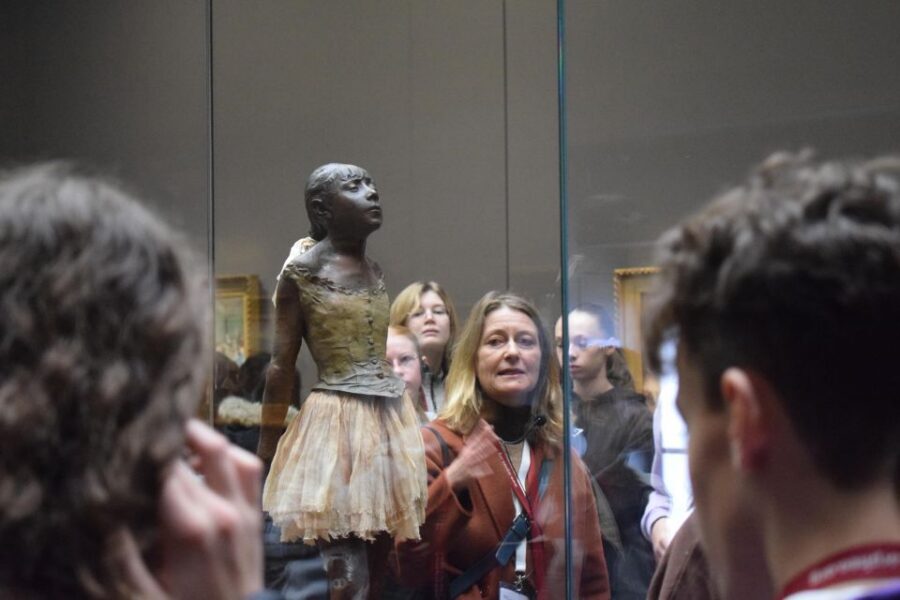
My favorite part is the way the tour makes you see connections across styles. You’ll catch how Manet and the realists set the stage for Degas, Pissarro, Renoir, and Monet, and you’ll also get pulled into the later surprises like the art nouveau touches and the sculptures by Rodin.
One thing to consider: the museum gets crowded, so even with quicker entry, some rooms can feel shoulder-to-shoulder. I’d also note the tour isn’t suitable for wheelchair users, and there’s no skipping security lines.
In This Review
- Key things to know before you go
- Meeting at Orsay: the elephant statue moment
- Why Orsay works so well for a guided tour
- The building’s backstory: from railway station to museum
- The 2-hour highlights run: what you’ll actually see
- Realism to Impressionism: the revolution explained in human terms
- Beyond the canvas: art nouveau, sculpture, and surprises
- How your guide changes everything (and who you might get)
- Crowd reality: plan for busy rooms and smart pacing
- Logistics that matter on the day
- Is it worth $102 for a two-hour Orsay visit?
- Who should book this tour
- Should you book this Orsay tour?
- FAQ
- Where do I meet the guide for the Orsay tour?
- How long is the tour?
- Does the tour include museum entry tickets?
- What languages are the guides available in?
- Are there any items I cannot bring?
- Do kids need ID?
- Is this tour refundable or changeable if plans shift?
Key things to know before you go
- Meeting at the elephant statue: meet in front of Orsay by the huge elephant, with your guide holding a Connecting France sign.
- Small-group feel: the group is intentionally small, and you may hear plenty of questions get answered on the spot.
- A 2-hour storyline: you’re not “wandering”—the route is built to hit major works without turning into a sprint.
- A building-history primer: you’ll learn how the former railway station became a fine arts museum.
- More than paintings: you can expect sculpture (Rodin), art nouveau elements, and even an original Lady Liberty.
- Practical museum rules: no large bags/backpacks/umbrellas, plus personal tickets and ID requirements for ages 17 and under.
Meeting at Orsay: the elephant statue moment
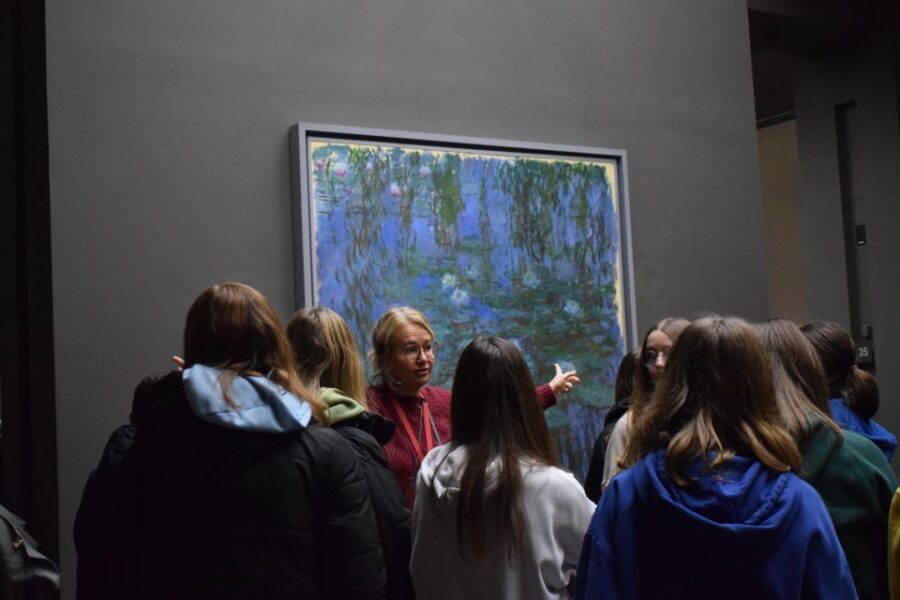
You’ll start right at the museum, in front of Orsay’s massive elephant statue. Your guide holds a Connecting France sign, so it’s usually fast to find the right person and get into the right line.
From there, you get a quick orientation before going in. It’s a simple move, but it helps: Orsay’s layout can be confusing at first glance, and having someone point you toward what matters saves you time once you’re inside.
You can also read our reviews of more tours and experiences in Paris



Why Orsay works so well for a guided tour
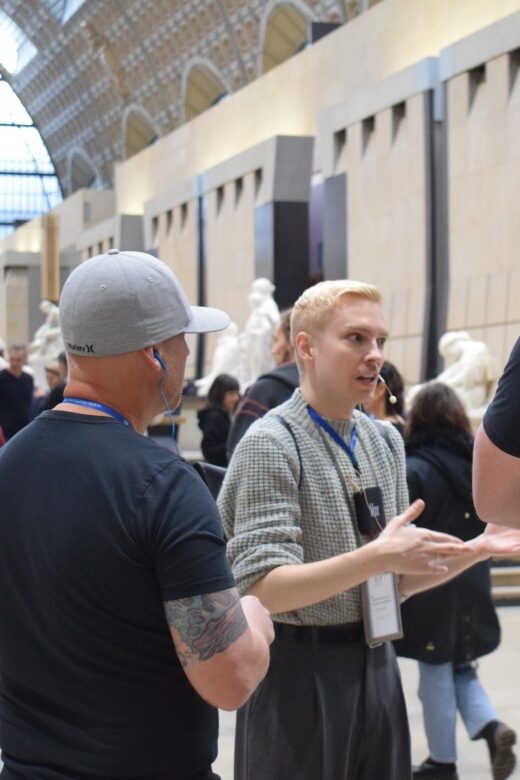
Musée d’Orsay is special because it focuses on a slice of time: the mid-1800s through the early 1900s. That range is exactly where Impressionism and post-Impressionism live, and it’s also where Realism, academic rules, politics, and modern life start colliding.
On your visit, you’re not just looking at famous canvases. You’re learning how those artists were reacting to their world—social change, political pressure, and shifting ideas about what art should do.
The building’s backstory: from railway station to museum

One of the most memorable parts is the museum’s own origin story. Orsay began life as a railway station, and that matters because the building’s bones still shape how you experience the galleries.
Expect your guide to connect the structure to the experience—big spaces, long sight lines, and the way the setting frames the art. If you like places that feel like they earned their new purpose, this background turns a pretty building into part of the show.
The 2-hour highlights run: what you’ll actually see
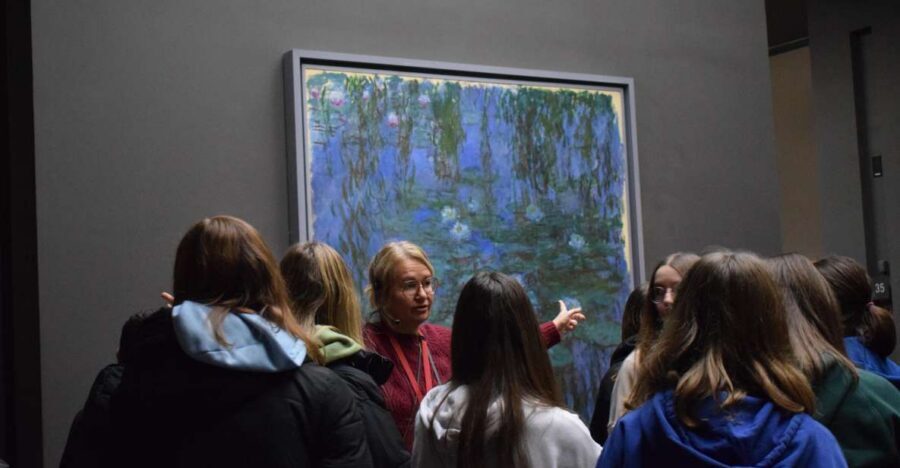
This tour is built for the sweet spot: enough time to hit the top works, but structured so you still understand what you’re seeing.
You’ll follow a route through one of the most impressive collections for Impressionist and post-Impressionist art in the world. Guides often anchor the walk by setting up the timeline first, then guiding you painting-by-painting with explanations that point out symbols, brushwork, and the “why” behind the images.
A standout example mentioned in the experience is Renoir’s Dance at Le Moulin de la Galette. Even if you’ve seen it on a screen before, a good guide helps you notice what makes it work—how people, light, and movement come together.
And yes, the stars you expect are part of the mix: Monet, Renoir, and Van Gogh are all in the conversation, along with Degas, Sisley, Cézanne, Gauguin, Matisse, and others, depending on the exact route your guide uses.
Realism to Impressionism: the revolution explained in human terms
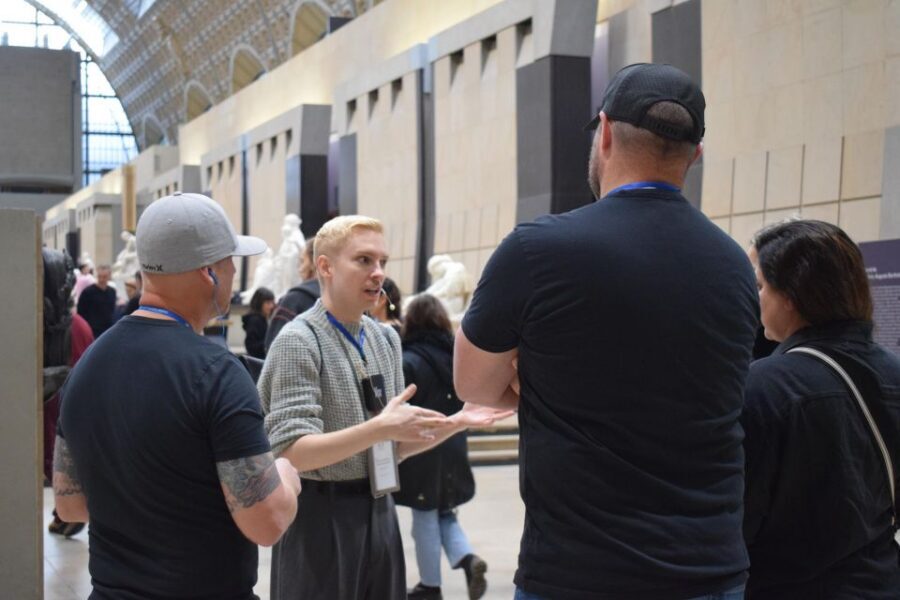
A big value here is how the tour sets up the leap from Realism to Impressionism. Manet is often treated as a hinge—realist subject matter that points toward the newer ways of seeing.
From there, you’ll move through the ideas behind Degas, Pissarro, Renoir, and Monet, with the tone staying practical: what changed, what artists rejected, and how a political or artistic movement could feed the next one.
This is also where the guides really shine. Some guides, like Marine, are known for making the art feel readable—symbols and clues you might otherwise miss, plus a clear storyline that doesn’t assume you already speak art history.
You can also read our reviews of more museum experiences in Paris






Beyond the canvas: art nouveau, sculpture, and surprises
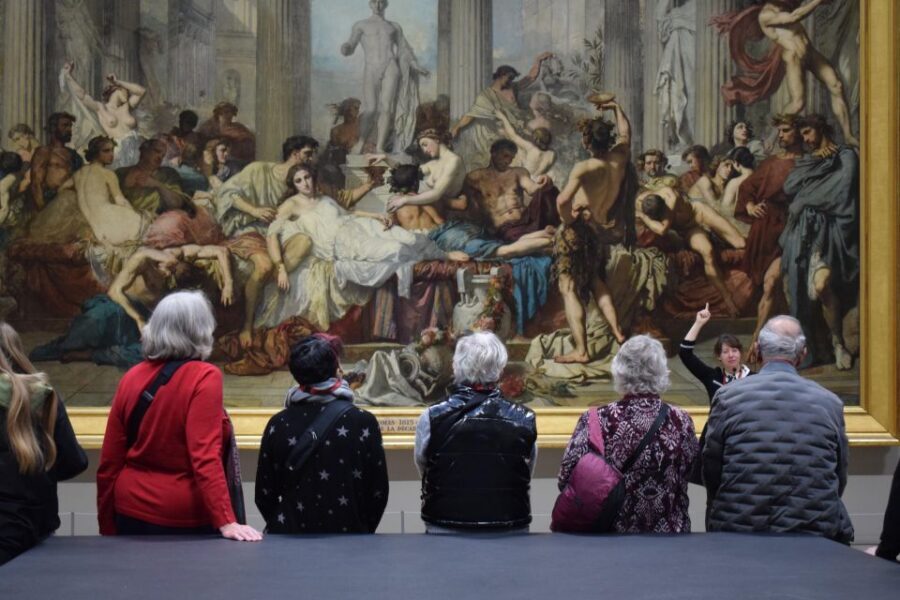
Orsay isn’t only about paintings. The tour includes time for other kinds of artistic expression you might not prioritize on your own.
Look out for art nouveau elements and the presence of sculpture by Rodin. And because Orsay loves a curveball, you’ll also hear about an original Lady Liberty—the kind of detail that makes the museum feel alive, not locked inside a textbook.
For me, these additions are a big part of the “why this tour” argument. You finish with a fuller sense of what the late 1800s and early 1900s were trying to become.
How your guide changes everything (and who you might get)
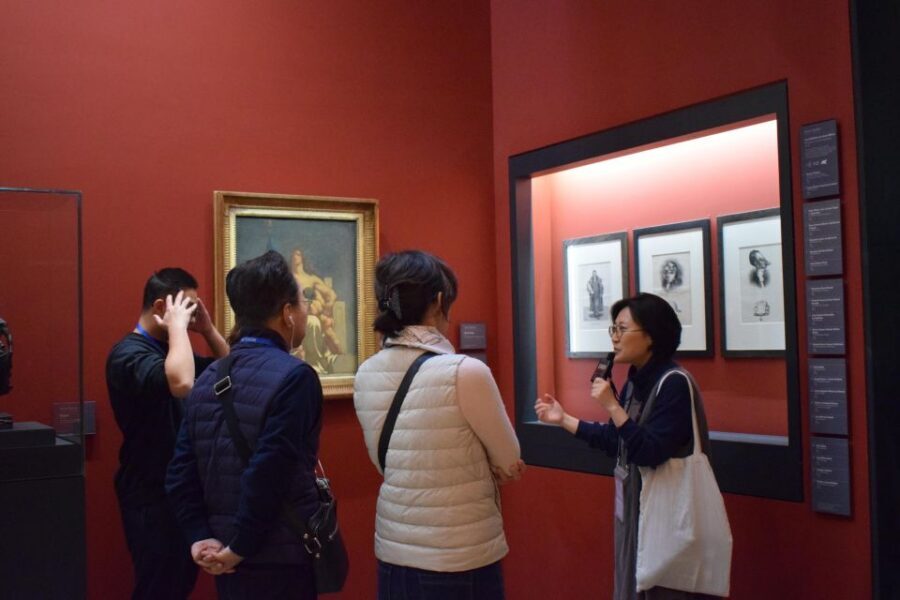
The tour is only two hours, so the guide’s communication style matters a lot. The overall pattern from what’s been shared is consistent: guides keep things organized, answer questions, and connect works to broader change.
I saw names come up often—people like Nadia, Olga, Mae, and Blerta. The best guides in this format do three things well:
- They explain context up front, so paintings don’t feel random.
- They slow down for the main works.
- They give you a few “look for this” cues so you leave with real viewing skills.
If you’re the type of person who wants to understand what you’re looking at, this tour format tends to hit the mark.
Crowd reality: plan for busy rooms and smart pacing
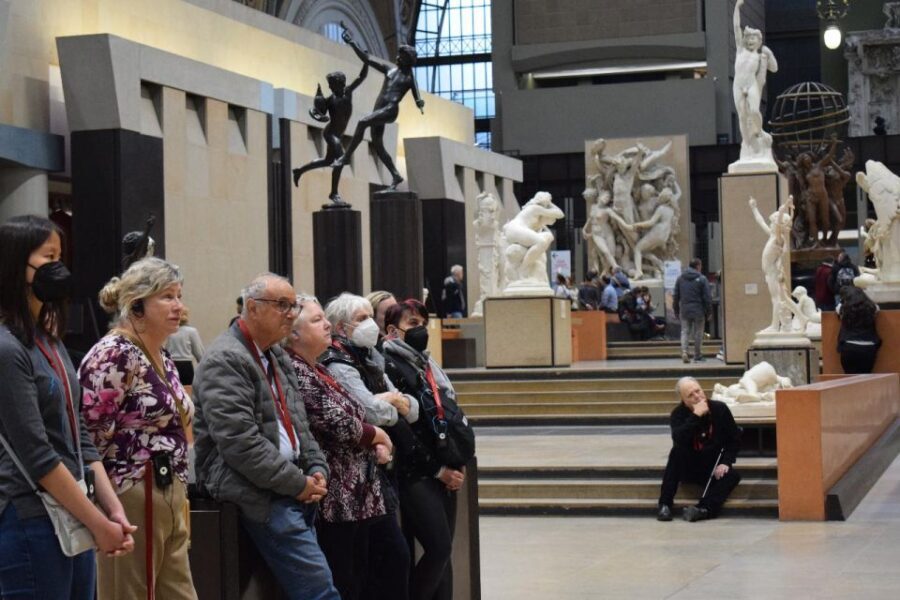
Even with quicker access, Orsay can get packed. That’s not anyone’s fault; it’s just Paris in high season and prime gallery hours.
What helps is that your guide keeps you moving with purpose. In tighter moments, the tour can still get you close to major pieces and keep the group focused rather than getting swallowed by the crowd.
If you want the option to linger, plan a little extra time on your own after the tour. Two hours is great for orientation and highlights, but you’ll probably spot a work you want to return to.
Logistics that matter on the day
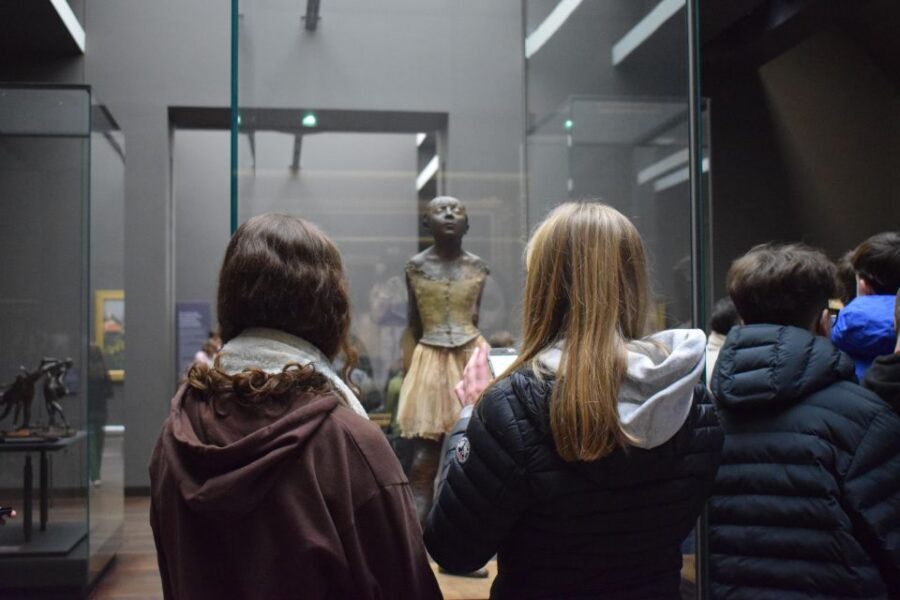
This is a ticketed tour with entry tickets included, plus a live English-language guide (and several other languages too). Duration is about 2 hours, and the group is described as private or small groups, depending on your booking.
A few rules to keep your day smooth:
- Bring a passport or ID card.
- Tickets are personal, and kids up to 17 need a photo ID.
- No large bags, backpacks, or umbrellas are allowed.
Also keep in mind that strikes can happen in France, including around museum operations. If something changes and a slot can’t run as planned, alternatives are offered or the booking can be adjusted before the 24-hour cutoff.
Is it worth $102 for a two-hour Orsay visit?
At $102 per person, you’re paying for more than a ticket. You’re buying:
- a guided route that focuses on the museum’s strongest Impressionist and post-Impressionist material,
- the “what to look for” interpretation that makes famous paintings easier to read,
- and a structured pace that helps you use your time well in a crowded museum.
If you were planning a self-guided walk only, you’d likely spend more time guessing where to go and more time missing how the styles connect. For the kind of person who likes art history explained clearly—and who wants to leave with a mental map—this price usually feels fair for what you get in two hours.
Who should book this tour
Book it if you:
- want a tight route through Impressionism to post-Impressionism without getting overwhelmed,
- like learning the “why” behind the art and not just the name,
- value a small group where you can ask questions,
- want both painting highlights and a few other Orsay surprises like Rodin and art nouveau.
Skip it (or consider a different option) if you use a wheelchair or need mobility support, because the tour is not suitable for wheelchair users.
Should you book this Orsay tour?
Yes, if you want your first Orsay visit to feel guided and coherent. The biggest strength is the story: how the art shifts from academic rules and realism into Impressionism and beyond, and how politics and artistic movements influence each other.
If your goal is maximum free roaming with minimal structure, you might prefer an unstructured entry ticket. But for most people, this tour hits the best ratio of major works, clear context, and practical museum pacing.
FAQ
Where do I meet the guide for the Orsay tour?
Meet in front of the Musée d’Orsay by the huge elephant statue. The guide will be holding a Connecting France sign.
How long is the tour?
The tour lasts about 2 hours.
Does the tour include museum entry tickets?
Yes. Entrance tickets to the Orsay Museum are included.
What languages are the guides available in?
Live guides are available in English, French, Spanish, Italian, and German.
Are there any items I cannot bring?
Yes. No luggage or large bags are allowed, and backpacks and umbrellas are not allowed either.
Do kids need ID?
Yes. Tickets are personal, and all guests up to 17 years old should have their ID card with a photo.
Is this tour refundable or changeable if plans shift?
You can cancel up to 24 hours in advance for a full refund. There’s also a reserve now, pay later option.