REVIEW · PARIS
Paris: Bread and Croissant-Making Class
Book on GetYourGuide →Operated by Meeting the French · Bookable on GetYourGuide
This Paris bread-and-croissant class is built around hands-on baking in a family-run bakery, not a quick demo you watch from the sidelines. You get behind the counter at Le Petit Mitron, learn how a classic French baguette gets that golden crust and warm, soft inside, then turn around and make and shape croissants with step-by-step coaching.
Two things I especially like: the focus on technique that actually explains what you’re doing (not just a recipe), and the small group format (just up to 8 people) that keeps the class interactive even when you’re working in flour. One possible drawback: it’s only 2 hours, so it’s intense. You’ll learn a lot, but you won’t have the long, slow timeline you might expect from bread that relies on multiple resting phases.
In This Review
- Quick take: who this fits, and who it doesn’t
- Key highlights worth showing up for
- Entering Le Petit Mitron on Oberkampf Street
- Family-run bakery energy and why it matters for learning
- Baguette workshop: classic baguette plus La Parisse
- The hands-on moment: shaping dough instead of just watching
- Croissants: learning to make and shape them properly
- What you take home: bread, recipes, and your repeatable plan
- Price and value: is $258 per person fair for 2 hours?
- Language support that keeps you doing, not guessing
- Who should book this Paris bread-and-croissant class
- Practical tips so your class goes smoothly
- Should you book this Paris baguette and croissant class?
- FAQ
- How long is the Paris bread and croissant class?
- Where is the meeting point?
- How much does it cost?
- How many people are in the group?
- What languages are available for the instructor?
- What will I make during the class?
- What is included in the price?
- Is it suitable for young children?
- What is the cancellation policy?
- Is there an option to pay later?
Quick take: who this fits, and who it doesn’t
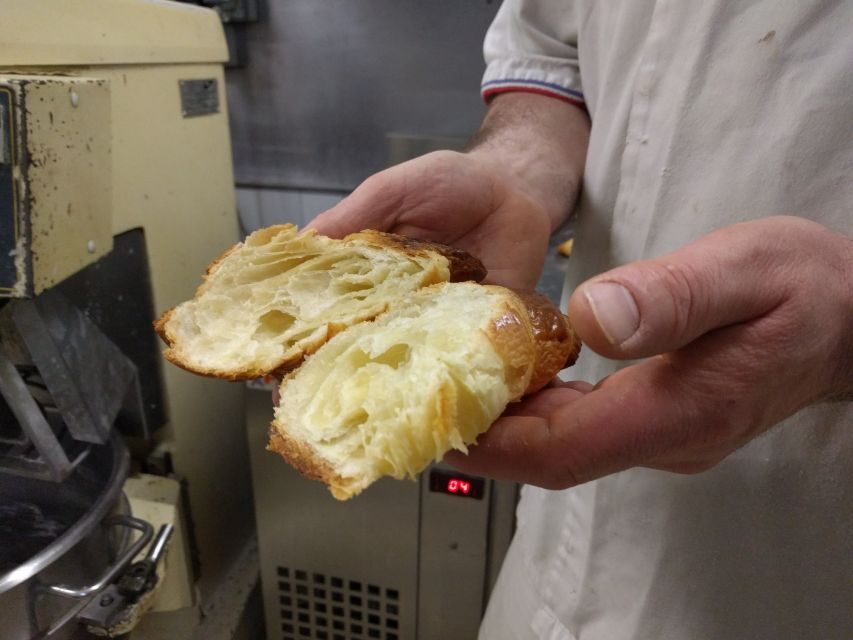
If you want a true Parisian bakery experience, the ingredients, apron, and behind-the-counter access make this feel like a real workshop. And because the class is offered with instruction in English and more, the teaching team can guide you clearly (names you may hear include Chef Didier plus interpreters like Luis, Elsa, or Luce). If you’re bringing a kid, note the class isn’t suitable for children under 6.
Key highlights worth showing up for
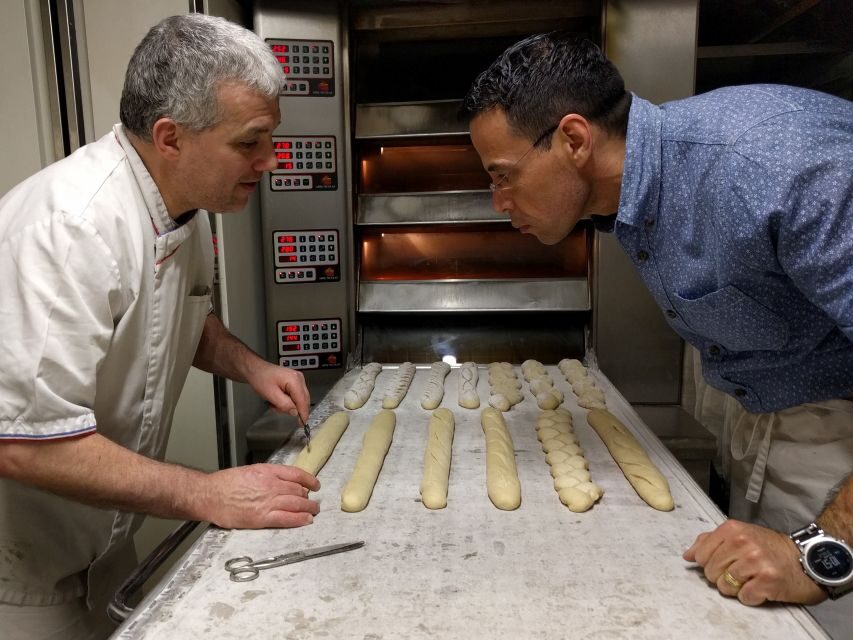
- Behind-the-counter access at Le Petit Mitron (8 rue Oberkampf, 75011 Paris), where the focus is craft, not theater
- Two baguette styles baked during the session: a classic baguette plus the bakery’s famous La Parisse
- Croissant shaping practice with tips aimed at getting recognizable shape and great texture
- You create a special bakery baguette unique to the shop, not a generic worksheet project
- Small group attention with interpretation available in multiple languages
- You leave with take-home recipes (emailed copy) so you can repeat the results later
You can also read our reviews of more tours and experiences in Paris

Entering Le Petit Mitron on Oberkampf Street
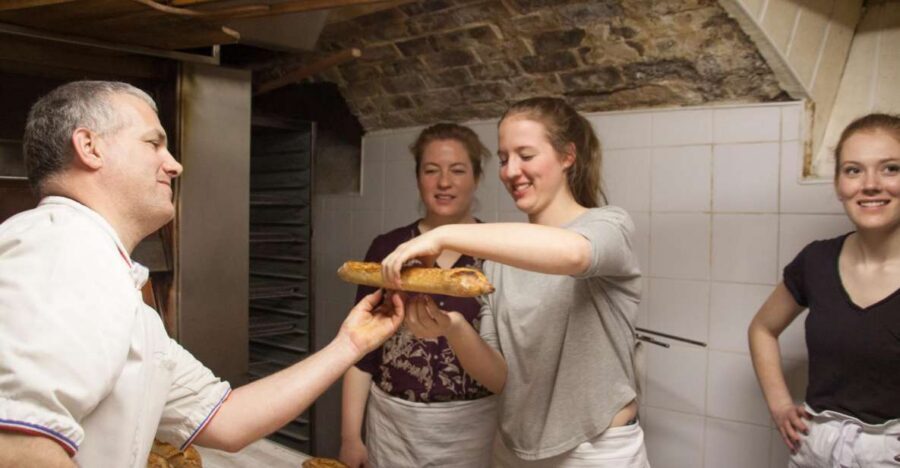
Meet at Le Petit Mitron, 8 rue Oberkampf, 75011 Paris. That address matters because this isn’t a classroom in a hotel ballroom. It’s a working boulangerie environment, where you’ll feel how busy a bakery can be and why bread timing is everything.
The class is designed for a small group limited to 8 participants. In plain terms: you won’t spend two hours waiting for your turn to ask questions. And because ingredients, utensils, and an apron are included, you’re not arriving to improvise kitchen gear.
One practical tip: wear clothes you don’t mind getting flour-dusted. The session includes hands-on work that puts dough and flour right into your working space, and you’ll be glad you’re not worried about staining.
Family-run bakery energy and why it matters for learning
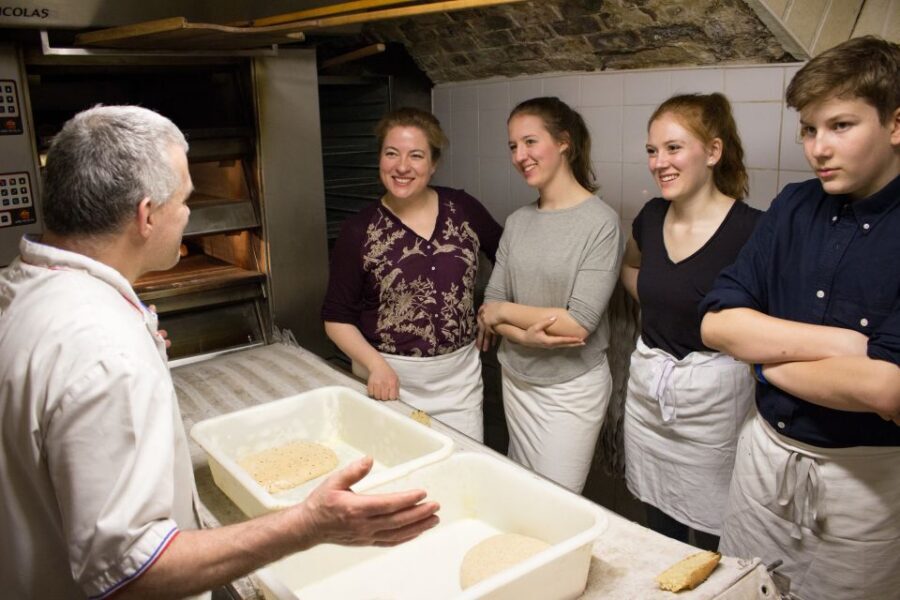
The heart of this experience is the bakery’s generational setup. The baker team is described as family-run, with a lineage where the father and grandfather were bakers before the current owner. That matters because the instruction isn’t just “follow these steps.” It’s more like craft transmission—little details people learn over time.
You’ll also be able to watch bread being made step-by-step from behind the counter. That is a big deal for home bakers. When you only see a finished baguette, you miss the sequence that leads to the final crust and crumb.
I like that this class frames technique as small choices. For example, the focus on a crusty golden exterior and a soft, warm interior isn’t random. It’s the kind of result you can actually aim for when you recreate the process back home.
Baguette workshop: classic baguette plus La Parisse
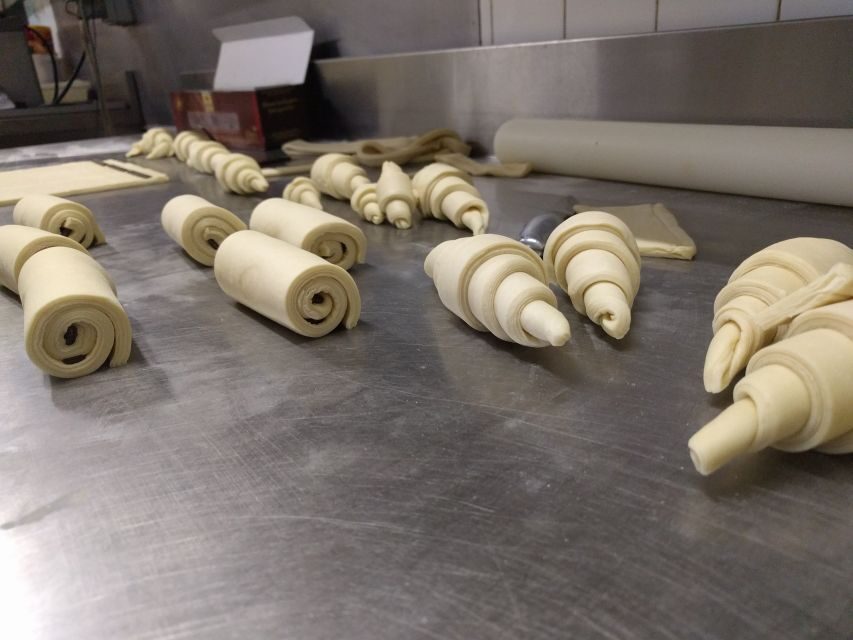
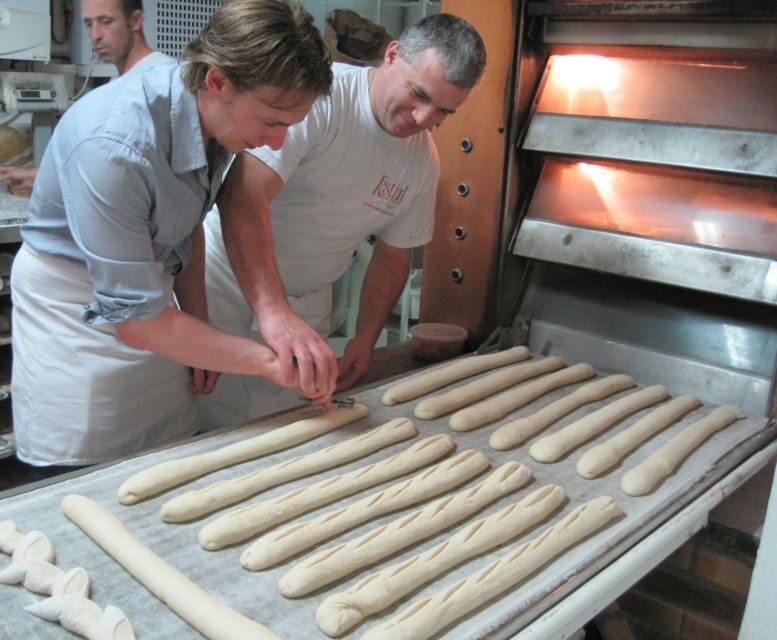
A large part of the class centers on learning baguette-making in a way that you can repeat. During your session, you’ll be guided through making and baking two types of baguette:
- A classic French baguette
- The bakery’s special baguette version called La Parisse, which the bakery is known for throughout Paris
The classic baguette part is your foundation. You’ll learn how the dough comes together, how shaping fits the final form, and what creates that signature contrast: crisp outside, tender inside. The class doesn’t treat crust and interior as magic. You get tips on technique tied to the outcome.
Then comes La Parisse. Even if you’re already a bread enthusiast, having a second version matters because it forces you to notice what changes when the style changes. It’s the easiest way to avoid copying one “perfect baguette” and then getting stuck when your results don’t match later. You’ll see that the bakery’s identity is built on signature variations.
The hands-on moment: shaping dough instead of just watching
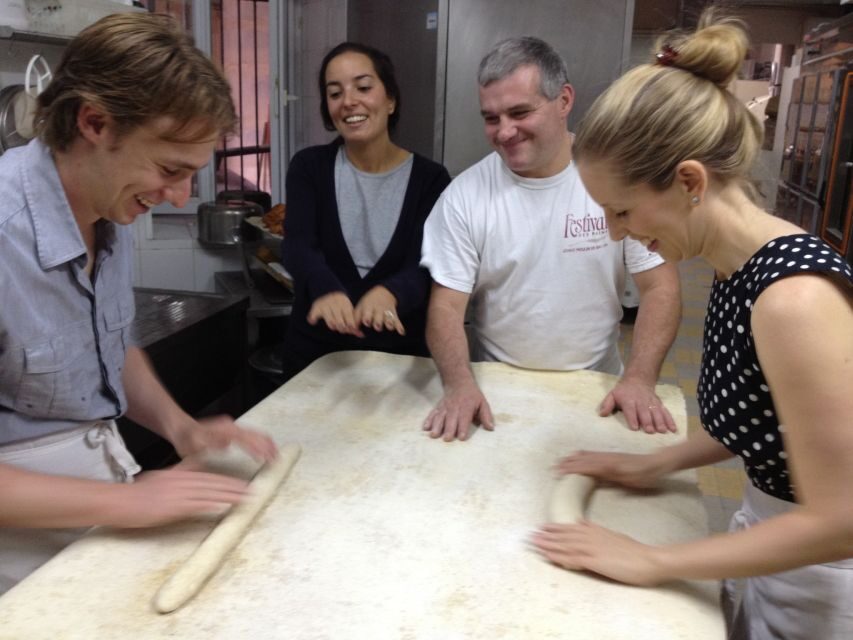
This is where the class becomes more than a food outing. You’re not only observing. You’re working with flour and dough, and the coaching is meant to help you handle dough in the moment.
Past participants highlight how interactive it feels, with instructors and translators keeping the pace and meaning clear. Names that show up in the experience include:
- Chef Didier (often mentioned as the main baker/instructor)
- Interpreters such as Luis, Elsa, or Luce, helping bridge languages quickly and clearly
I’d treat that as a strong sign if your French is rusty. The goal isn’t to quiz you—it’s to keep you able to follow the steps while your hands are actually working.
And because you’re in a small group, you’re more likely to get corrections when something feels off, rather than getting one general instruction that assumes everyone already knows what “right” looks like.






Croissants: learning to make and shape them properly
After the baguette work, the class turns to croissants. You’ll make and shape croissants, using tips from the baker that focus on getting the real-world result, not just the look.
Croissants are a timing-and-technique pastry. In a short class, the advantage is focus: you’re learning the steps and shaping cues tied to good texture, and you’re doing it in the hands-on environment where questions are easy to ask.
If you love eating croissants but struggle to make them at home, this is where you’ll get the most practical value. The key isn’t only ingredients. It’s how you handle the dough and shape it so it behaves the way croissant dough should.
You may also have an opportunity to taste what you’re making. Several participants mention warm baguettes and croissant tasting during the session, which is a nice way to connect technique to outcome while you still remember the steps clearly.
What you take home: bread, recipes, and your repeatable plan
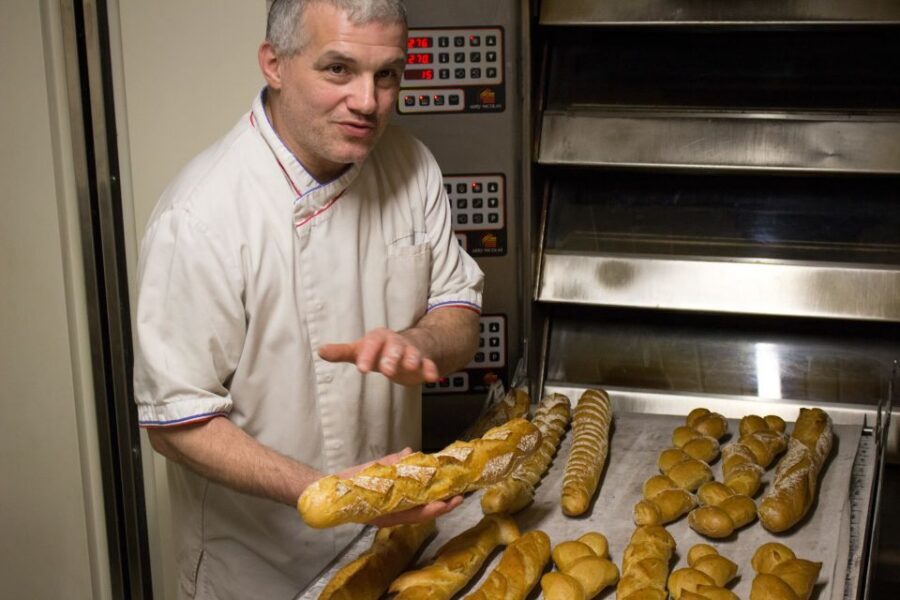
The class ends with real carry-home satisfaction. You’ll leave with bread you baked—plus recipes you can use later.
More specifically:
- You’ll make and shape baguettes (including the bakery’s special La Parisse)
- You’ll also make croissants during the class
- You’ll receive a copy of the recipe sent by email
That last part is quietly important. Many cooking classes teach you in the moment, then give you nothing usable afterward. Here, you get a written reference you can revisit when you’re home and the smell of flour is no longer masking your memory.
If you want to bake again the next weekend, this email recipe copy is the difference between a fun day in Paris and a skill you actually keep.
Price and value: is $258 per person fair for 2 hours?
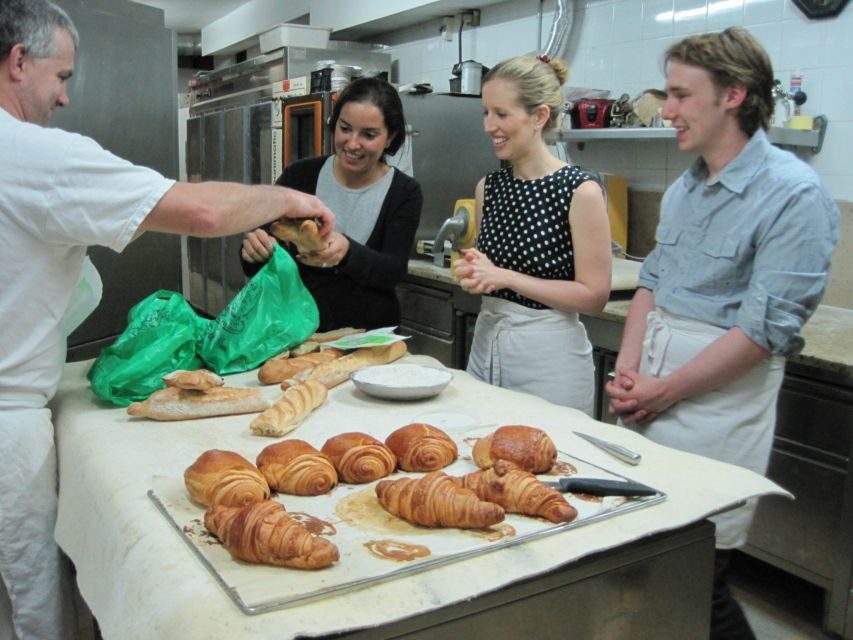
Let’s talk money in a practical way. At $258 per person for 2 hours, this isn’t a budget activity. But you’re paying for several things that usually cost extra if you hire them separately:
- Access to a real, family-run bakery workspace (not just a tour)
- Hands-on instruction from a master French baker
- Small group size limited to 8 participants
- Included ingredients, utensils, and an apron
- Take-home materials: bread made during the class and recipes emailed after
When people complain about cooking classes, it’s often because they feel like you paid for watching. This one doesn’t. You’re working, shaping, and learning technique that’s meant to transfer to your kitchen.
If your travel style is about authentic food craft—and you want a skill, not just photos—this price starts to look less like a splurge and more like a workshop you can replay at home.
Language support that keeps you doing, not guessing
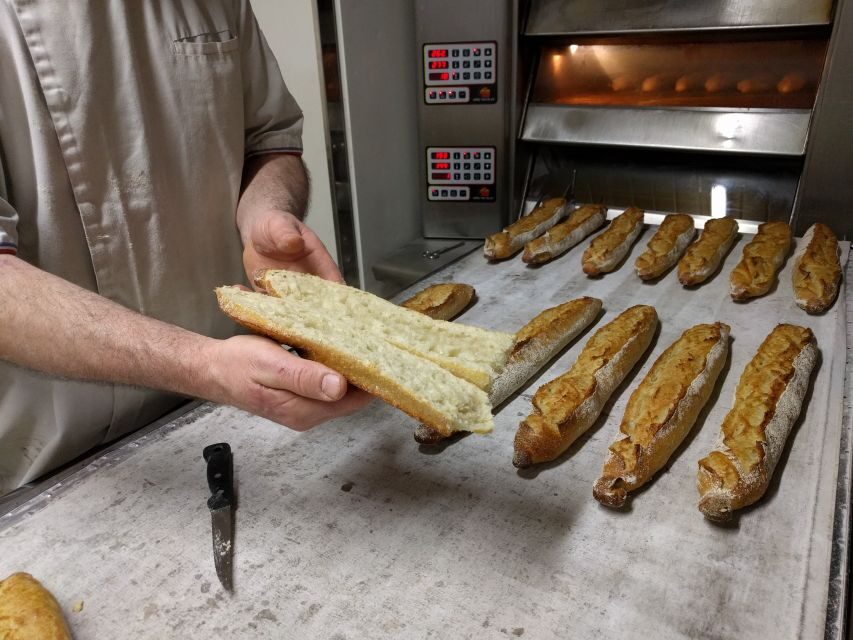
The class offers instruction via interpreters with multiple languages: English, French, Japanese, and Spanish.
What I like here is that the class is built to be understood while you’re in the middle of the process. Cooking isn’t a passive activity. If translation only happens after the fact, you lose the timing and the reasoning.
Past participants call out interpreters like Luis, Elsa, and Luce for keeping things clear and smooth. I’d consider that a strong indicator that you won’t be left standing around while you try to guess what step comes next.
Who should book this Paris bread-and-croissant class
This experience is a great match if you:
- Want a hands-on bakery experience in central Paris
- Care about learning technique, not just tasting pastries
- Enjoy small-group classes where you can ask questions
- Want practical bread skills you can use back home
It’s also a reasonable pick for families, as long as kids meet the minimum age requirement of 6. Some families report bringing school-age kids and having a good time, partly because the work with dough gives kids something physical to focus on.
If you’re expecting a slow, relaxing two-hour French food tour where you mostly observe, this may feel like too much action. But if you like rolling up your sleeves, this is exactly the kind of class Paris is best at.
Practical tips so your class goes smoothly
- Bring curiosity. Bread-making is a sequence. If you ask why a step matters, the class clicks faster.
- Expect flour on your clothes. You’ll be kneading and shaping, and an apron helps but it doesn’t turn you into a statue.
- Have a plan for storing the bread you bake. You’ll likely want to keep it fresh for later tasting at your rental or hotel.
- Plan to be hungry when you arrive. Many participants describe tasting during the session, and bread smells can be persuasive.
Should you book this Paris baguette and croissant class?
If your goal is to learn a repeatable craft—classic baguette technique plus the bakery’s signature La Parisse—this class is an easy yes. The small-group size, the behind-the-counter access, and the fact that you also learn to make and shape croissants push it above a typical food stop.
Book it if you want value in the form of skills, recipes emailed afterward, and a shop-based experience that feels connected to French baking culture. Skip it if you want a low-effort tasting-only outing, or if you need something gentle and unstructured. Two hours is short, so you’ll get the most out of it by jumping in.
FAQ
How long is the Paris bread and croissant class?
The class lasts 2 hours.
Where is the meeting point?
Meet at Le Petit Mitron, 8 rue Oberkampf, 75011 Paris.
How much does it cost?
The price is $258 per person.
How many people are in the group?
It’s a small group, limited to 8 participants.
What languages are available for the instructor?
The instructor/interpreting support is available in English, French, Japanese, and Spanish.
What will I make during the class?
You’ll learn to make a French baguette (including a classic baguette and La Parisse), and you’ll also make and shape croissants. You’ll make a special baguette unique to the bakery.
What is included in the price?
Included are all ingredients, utensils and an apron, and a copy of the recipe sent by email.
Is it suitable for young children?
The class is not suitable for children under 6 years.
What is the cancellation policy?
You can cancel up to 24 hours in advance for a full refund.
Is there an option to pay later?
Yes. You can reserve now & pay later, meaning you pay nothing today.
If you tell me your travel month and whether you prefer morning or afternoon activities, I can suggest the best way to schedule this alongside nearby neighborhoods in the 11th.