REVIEW · PARIS
Market Visit and Cooking Class with a Parisian Chef
Book on GetYourGuide →Operated by Meeting the French · Bookable on GetYourGuide
A Paris market meal is the fastest way in. The experience combines a real market run with hands-on cooking, led by Parisian chefs like Dominique, Frederic, and Marthe. I like that the morning teaches you how French people shop and cook, not just what to cook.
Two things I really love: you get to learn how to pick quality produce from vendors you can actually talk to, and then turn those ingredients into a full entrée, main, and dessert meal with clear, doable steps. The one catch to think about is timing: this runs as a morning activity, starting at 09:15. If you’re not a morning person, it may feel like too much early energy.
In This Review
- Key Highlights You’ll Care About
- Market Shopping With a Parisian Chef: How to Choose Ingredients Like Locals
- From Market Bags to a 3-Course French Menu
- Inside the Kitchen Class: Techniques You Can Actually Reuse at Home
- Tasting the Meal Together: Why the Atmosphere Matters
- Recipes by Email: Your Real Souvenir
- Price and Value: Is $261 Actually Fair?
- Who Should Book This Morning Class (and Who Might Prefer Something Else)
- Should You Book This Market Visit and Cooking Class?
- FAQ
- What is the meeting point?
- How long is the experience?
- What time does it run?
- How big is the group?
- What languages are used?
- What do I cook and eat?
- What’s included in the price?
- Can I cancel for a refund?
- What if the class is canceled due to participant numbers?
Key Highlights You’ll Care About
- Small group (max 8) means more hands-on help and less standing around
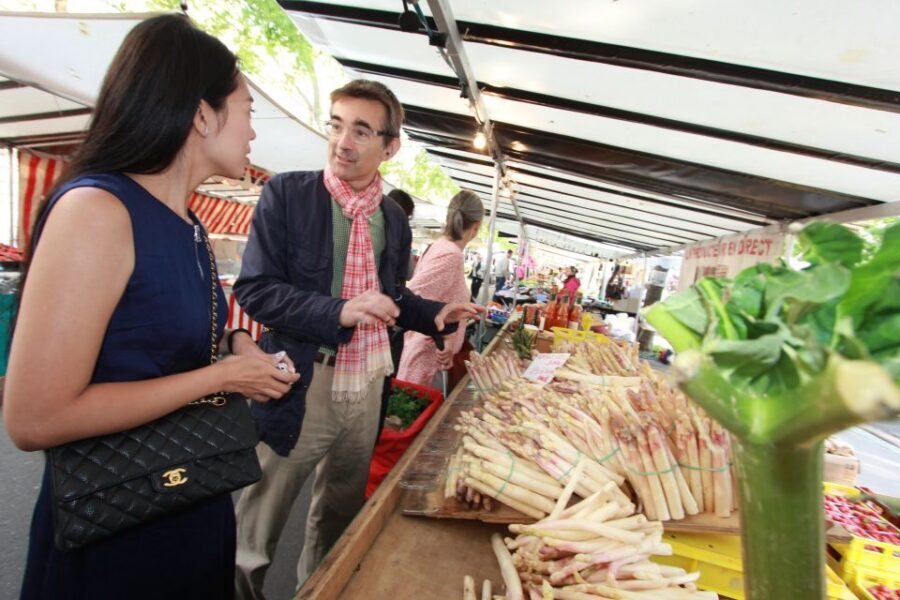
- Market shopping with the chef shows what quality looks like and why it matters
- 3-course cooking using what you chose, not a pre-selected menu
- You both cook and taste during the session, so you get immediate payoff
- Simple recipes that work for beginners and can still satisfy experienced cooks
- Recipes sent by email so you can reproduce the meal later
Market Shopping With a Parisian Chef: How to Choose Ingredients Like Locals
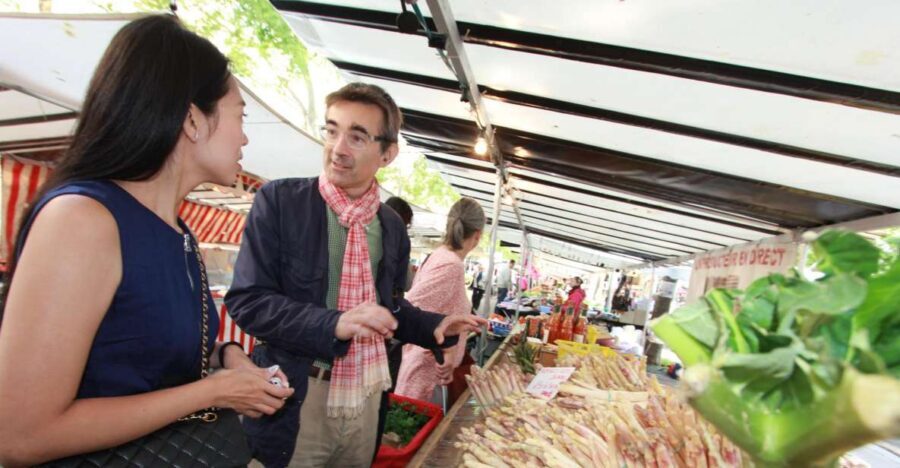
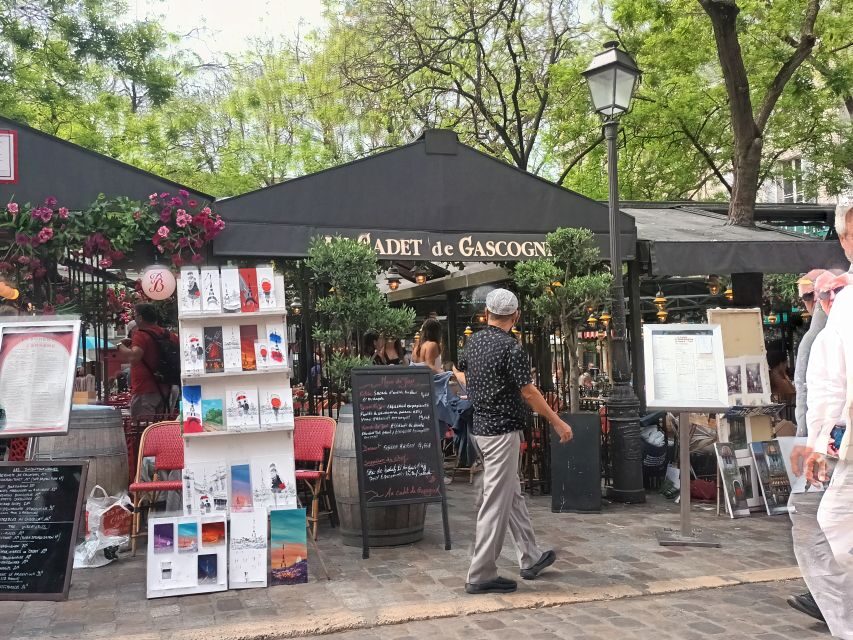
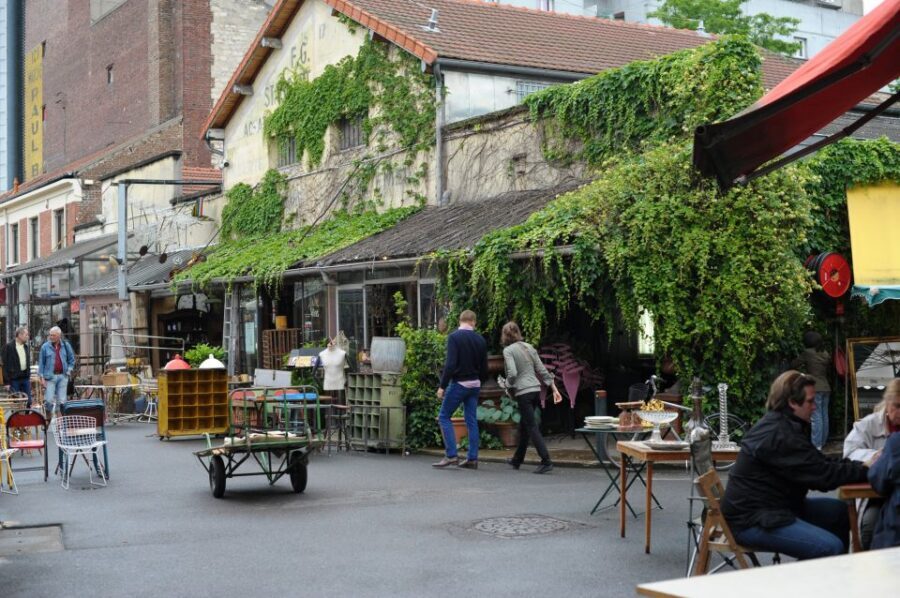
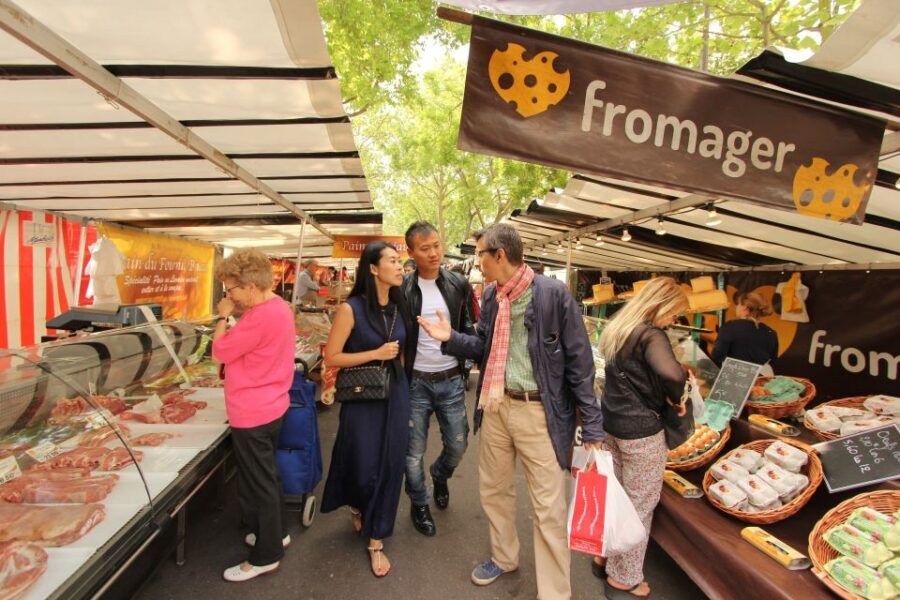
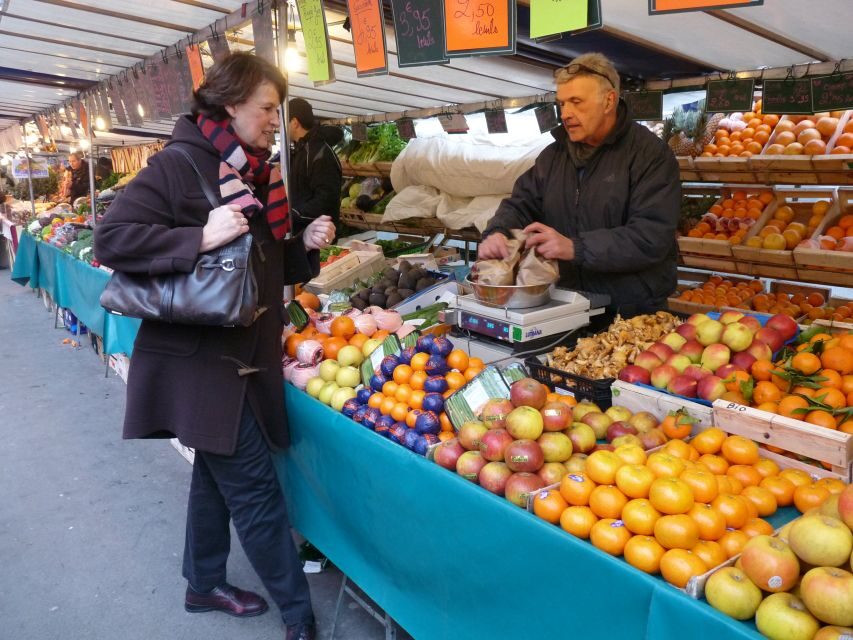
This starts with a guided visit to a typical French market in the Île-de-France area, led by a chef who knows what to look for. The value here isn’t just sightseeing. It’s learning the practical habits behind great French cooking: how to select produce that tastes better, and how to ask vendors the right questions so you don’t end up with ingredients that don’t perform in the kitchen.
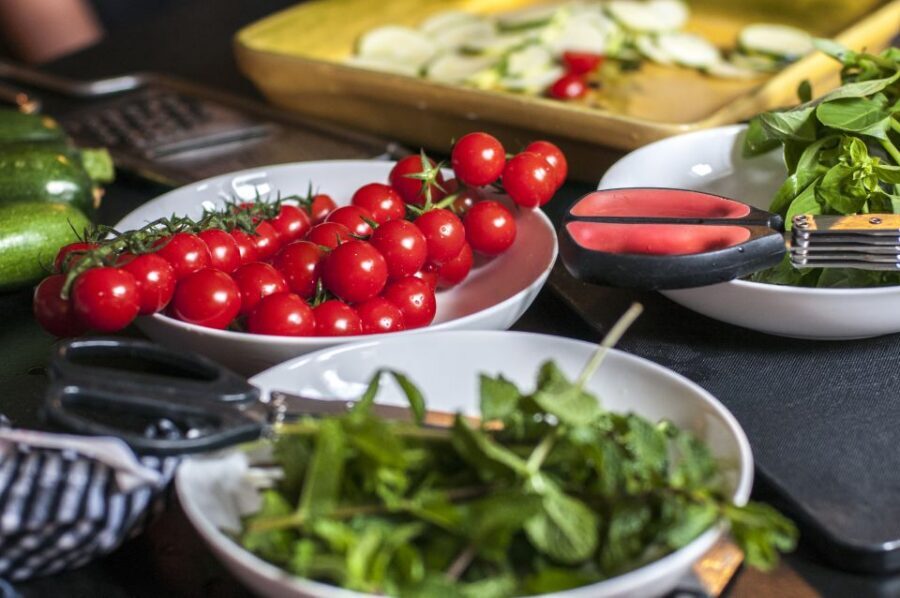
You’ll walk among food stalls and learn how the chef evaluates freshness and quality. Based on past class menus, you may end up choosing ingredients for dishes that sound simple but require good components—think items like goat cheese, greens for a salad, duck for a main, and fruit for dessert. The point is that the chef teaches you what makes those ingredients worth using and how to handle them once you get back to cooking.
A nice detail: the English/French instruction helps you follow even if your French is basic. The class format also supports different experience levels, so you’re not likely to be left behind while others move faster.
One more reason this part works: you’ll get ideas you can use during the rest of your Paris trip. Even if you never cook at home again, knowing what to look for—especially with herbs, greens, cheese, and seasonal produce—changes how you shop.
You can also read our reviews of more shopping tours in Paris



From Market Bags to a 3-Course French Menu
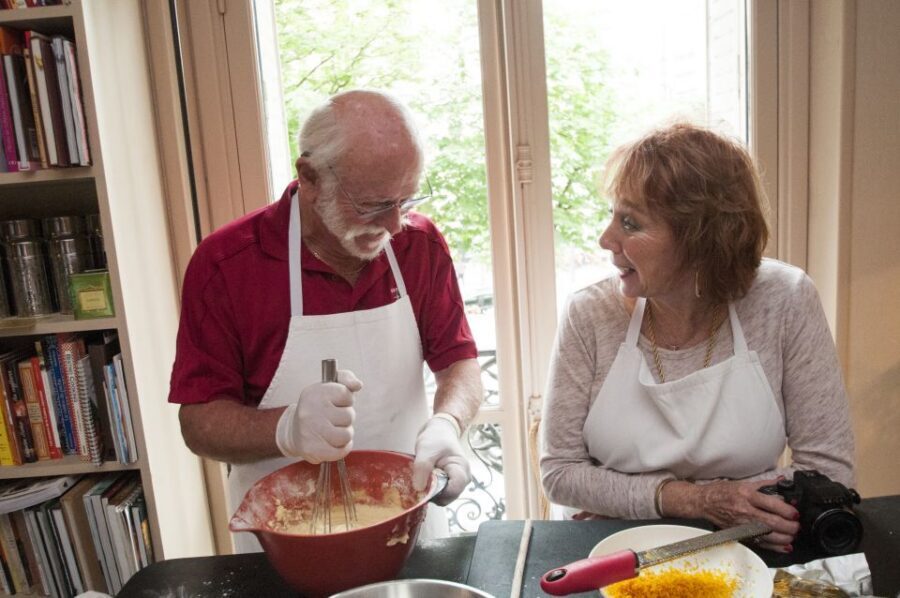
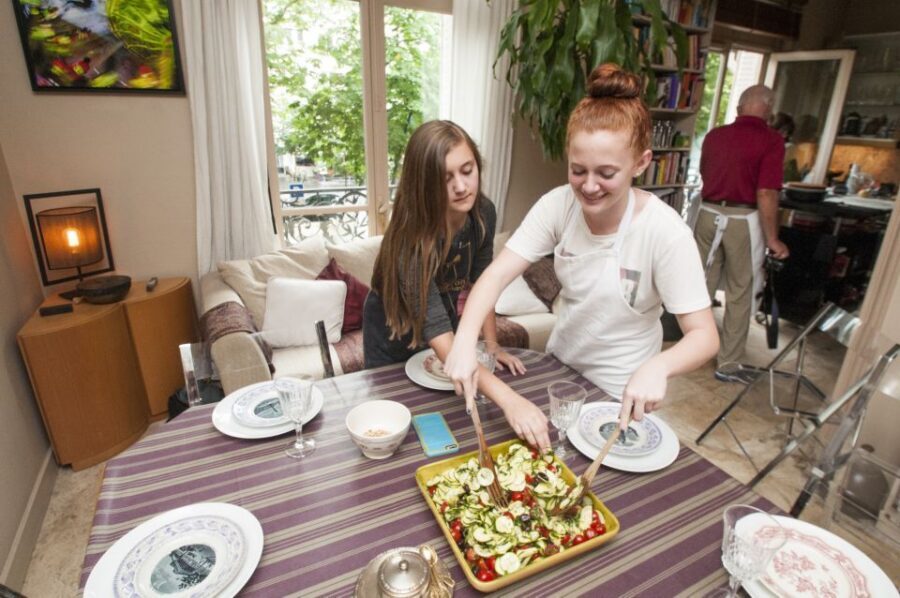
After the market, you move into cooking mode. This is not a quick demo. You cook with your group and build a full 3-course meal: entrée, main course, and dessert.
In many sessions, the menus lean classic and approachable. From the examples shared in past classes, you might see combinations like:
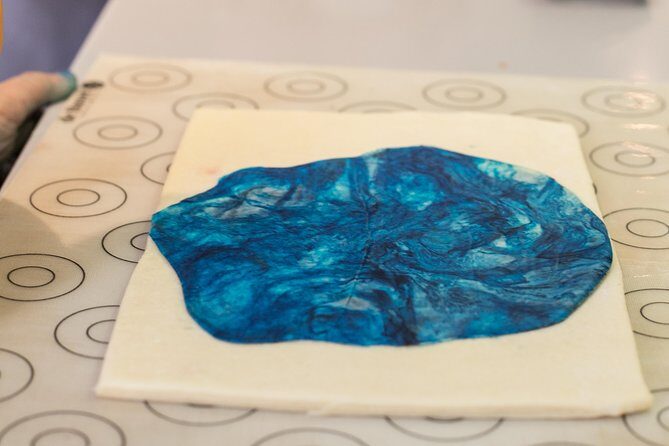
- an entrée built around goat cheese in phyllo
- a salad with homemade dressing
- a main such as seared duck breast with shallots plus glazed carrots
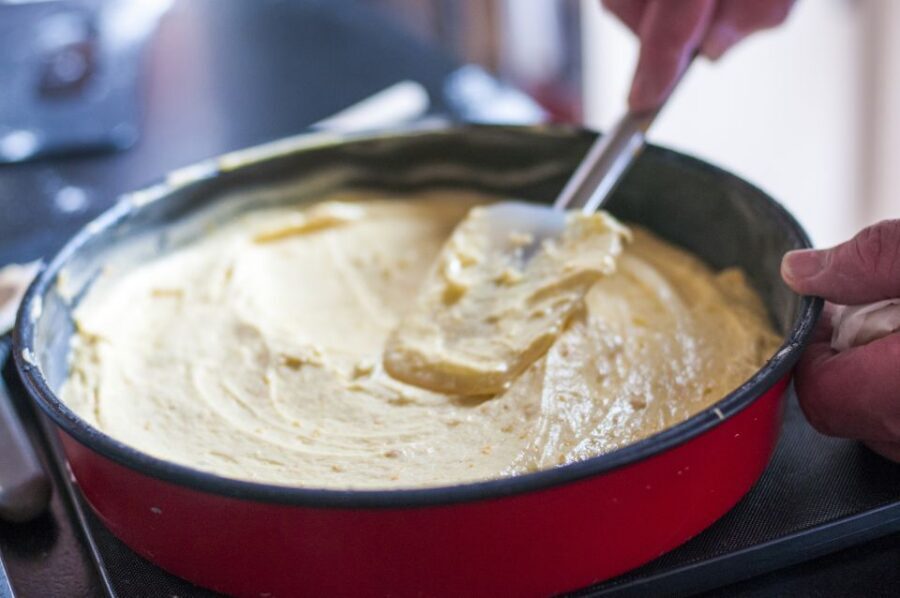
- a dessert like a glazed orange cake
Don’t worry if you’re not an advanced cook. The structure is designed so the chef can explain methods clearly and keep things manageable. You’re learning how to use the ingredients you chose at the market, which is why the market visit isn’t just pre-cooking entertainment—it’s the foundation of the meal.
Also, your 270-minute total time means the experience has enough breathing room. You should expect to spend real time both selecting and cooking, not just sampling bites and rushing out.
Inside the Kitchen Class: Techniques You Can Actually Reuse at Home
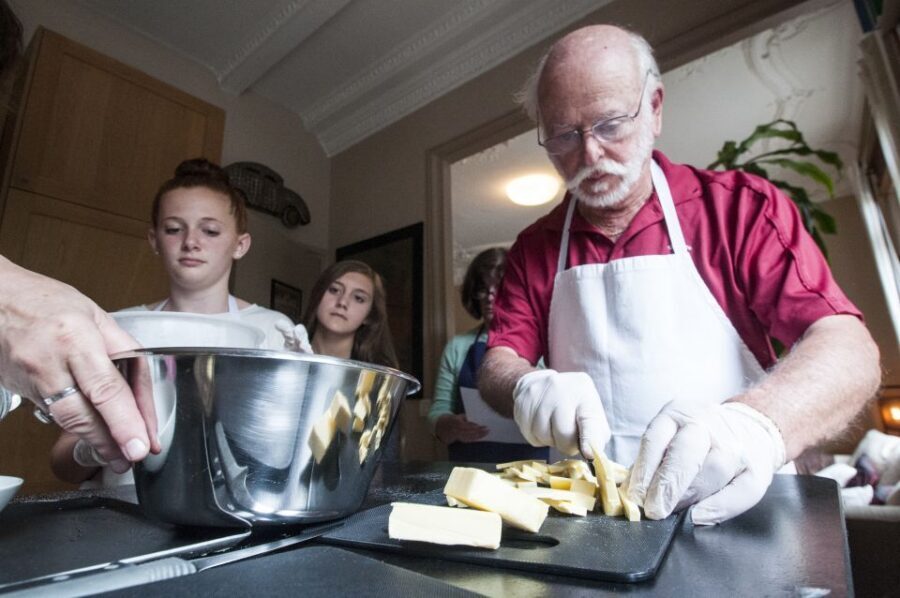
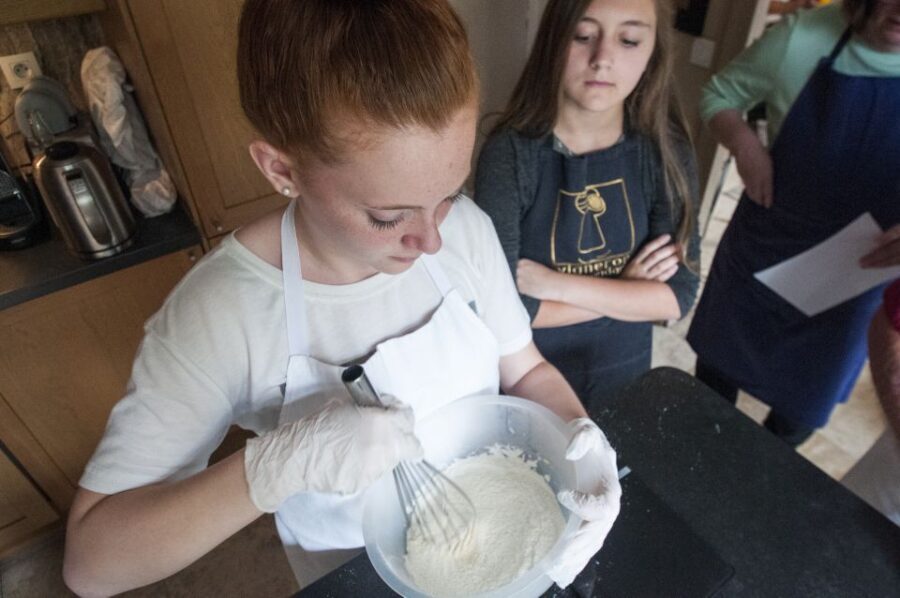
This is the part where “French cooking” becomes a set of repeatable skills. The cooking class portion runs about 2 hours, and you’re provided with ingredients, utensils, and an apron, which keeps the focus where it should be: technique, timing, and taste.
From what people say about past instructors, the best thing is how they teach. Chefs like Frederic and Dominique are described as friendly and patient, but still serious about getting you results. The teaching style also matters because a 3-course meal can feel like a lot—yet the recipes are built to be simple enough to redo later.
Here are the kinds of techniques you’re likely to learn, based on the menus that have been cooked before:
- Searing a protein so it develops flavor before serving
- Making or finishing a sauce or glaze (like the shallot topping or the sweet glaze idea for carrots)
- Building balance in a dressing, which helps even a basic salad taste intentional
- Baking a structured dessert such as a cake with a glaze finish
What makes that practical is that these aren’t random cooking tricks. They’re the backbone of home French-style meals. Once you know the logic behind a sear, a glaze, or a dressing, you can swap in similar ingredients later.
And because the group is capped at 8 participants, you’re more likely to get troubleshooting help—like how to adjust timing if one pan is going faster than another.
Tasting the Meal Together: Why the Atmosphere Matters
You won’t just cook and rush away. The class includes food tasting, so you get to eat what you made while it’s still at its best.
That matters more than it sounds. When you taste your own work right after cooking, you learn what to aim for—how salt, acid, and sweetness feel when everything comes together. It also helps you judge doneness and seasoning without guessing.
People also describe a warm, friendly atmosphere where the chef works with the group instead of talking down to them. Small moments—like the chef encouraging everyone to participate—make the difference between a class that feels like a performance and one that feels like you’re part of the kitchen.
One more authentic note from past experiences: some sessions have felt like you’re eating within the chef’s world rather than in a sterile classroom setup. If your menu and hosting style lean that way, you’ll likely feel like you’re learning how Parisians live, not just what they cook.
Recipes by Email: Your Real Souvenir
Most cooking classes give you a memory. This one also gives you a tool.
You receive a copy of the recipes of what you prepared via email. That means you can re-create the menu once you’re back home, when your market memories fade and you want something concrete to rebuild.
This is where the experience becomes especially valuable for practical travelers. When you have the recipe in front of you, you can shop intelligently and follow a plan without relying on vague recollection. Even if you can’t find the exact same ingredients, you can use the method and proportions as your guide.
You can also read our reviews of more tours and experiences in Paris




Price and Value: Is $261 Actually Fair?
At $261 per person, this is not a budget activity. But it also isn’t “just a cooking class,” and that’s where the value comes from.
Here’s what you’re paying for, in plain terms:
- a market visit with a chef (time, guidance, and ingredient selection)
- a 3-course cooking session with tasting
- ingredients, utensils, and an apron provided
- small group size (max 8)
- recipes sent by email
The best comparison isn’t the price of a restaurant meal. It’s the cost of buying ingredients and trying to learn the same techniques without expert guidance. You’d spend real money on food anyway, but without direction, you don’t learn why the food tastes the way it does.
Also, the meal structure helps. You leave fed and you gain a set of methods for multiple dishes, not one recipe and a demo.
If you like hands-on experiences, this tends to feel like good value. If you mainly want to watch and snack, it may be more than you need.
Who Should Book This Morning Class (and Who Might Prefer Something Else)
This fits best if you:
- want an authentic food focus beyond walking in Paris
- like learning practical shopping habits, not just recipes
- enjoy cooking with others and want clear steps you can repeat later
- have mixed cooking skill levels in your group (the class is designed for all levels)
It may be less ideal if you:
- hate early starts, since it runs in the morning from 09:15
- want a purely observational activity with no hands-on cooking
- prefer ultra-fancy or elaborate tasting menus rather than a practical 3-course format
Families can work too. One past participant described bringing an 8-year-old who had a fun time with the chef’s attention and inclusive teaching style, which suggests the class can feel welcoming when everyone participates.
Should You Book This Market Visit and Cooking Class?
I’d book it if you want one experience that combines market culture, real cooking skills, and a meal you made yourself. The market part teaches you how to choose ingredients, and the kitchen part turns those choices into a full entrée, main, and dessert that you can reproduce later thanks to the emailed recipes.
If you’re on the fence, use this quick test:
- If you’re excited by shopping for food with guidance and cooking it right away, this is a yes.
- If you’d rather sleep in and only do light activities, look for something later in the day.
Given the strong ratings and repeated praise for both the chef-led market visit and the clarity of instruction, this is the type of activity that tends to become a highlight—because you don’t just see Paris food culture. You cook it.
FAQ
What is the meeting point?
Your meeting point is communicated to you after your booking has been processed, which may take up to 24 hours.
How long is the experience?
The duration is 270 minutes.
What time does it run?
The course is offered in the morning between 09:15 and 13:45, Tuesday to Saturday.
How big is the group?
It’s limited to a small group of up to 8 participants.
What languages are used?
The instructor teaches in English and French.
What do I cook and eat?
You’ll cook a 3-course meal made from your market ingredients: entrée, main course, and dessert. The class also includes tasting.
What’s included in the price?
You get a 2-hour cooking class and food tasting. Ingredients, utensils, and an apron are provided, and recipes are sent by email.
Can I cancel for a refund?
Yes. You can cancel up to 24 hours in advance for a full refund.
What if the class is canceled due to participant numbers?
There’s a possibility of cancellation if requirements aren’t met or if the class would be overbooked. If that happens, you’ll be offered an alternate date or a full refund.