REVIEW · PARIS
Paris: Full-Day Cooking Class with 3-Course Lunch
Book on GetYourGuide →Operated by Le Foodist · Bookable on GetYourGuide
A market-to-menu day in Paris beats cooking at home. You start in the Latin Quarter and end at the table with a chef who’s happy to trade laughs for lessons. You’ll work with fresh ingredients your host picks up at a local market, then cook a 3-course French meal using classic techniques, all while hearing food stories that stretch back about 2,500 years.
I love the small-group feel, usually around 3 to 7 people, because you get real attention at the cutting board, not just a demo. I also love the practical teaching style: you learn not only recipes, but how to plan a meal and which parts you can prepare ahead. One thing to consider: if you’re already a very seasoned home cook, the course may feel a bit basic in places, so you’ll want to go in focused on technique and flavor-building rather than advanced complexity.
In This Review
- Key Things You’ll Like About This Paris Cooking Day
- Latin Quarter Market Morning That Sets the Tone
- Building Your 3-Course French Menu From What You Buy
- What you’ll likely practice during prep and cooking
- How the Chef Teaching Style Keeps You Comfortable
- Lunch at the Table: Wine and Cheese With Real French Pace
- Pairing your food like a French meal
- Timing, Techniques, and the Stuff You’ll Use at Home
- Price and Value: Is $222 Fair for a 5-Hour Day?
- Who Should Book This Class, and Who Might Skip It
- A Few Logistics Points That Matter (Without Making It a Hassle)
- Should You Book This Paris Cooking Class?
- FAQ
- Where do I meet for the class?
- What time does the experience start and how long does it last?
- How big is the group?
- Is the class taught in English?
- What is included with the meal?
- Are recipes provided after the class?
- Can kids attend?
- What if I have dietary restrictions?
- What if the class has too few bookings?
Key Things You’ll Like About This Paris Cooking Day
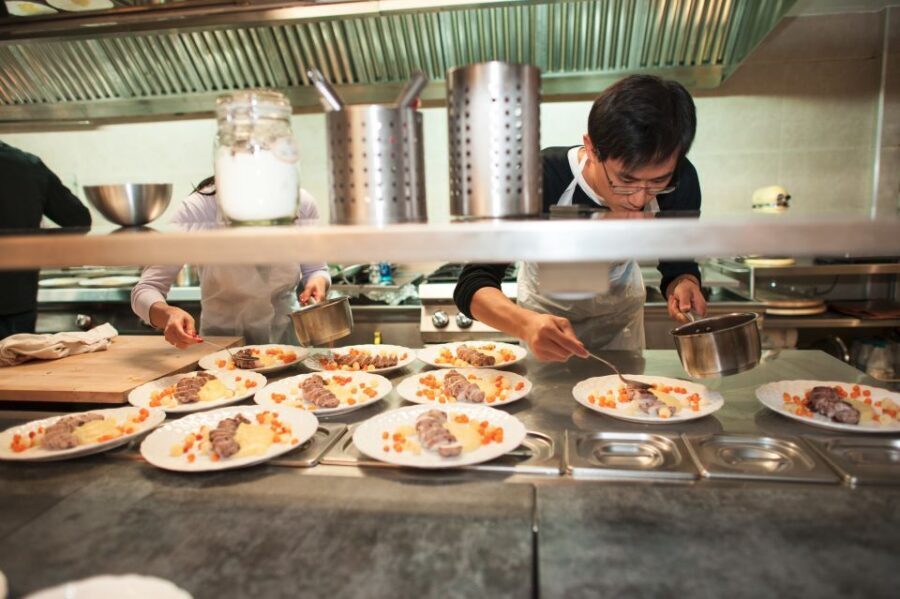
- Market-first shopping: you cook what’s fresh that day, not a set menu that ignores the season
- Small groups (often 3–7): more hands-on time and easier questions
- 6–8 techniques taught: from foundational prep to sauce and dessert work
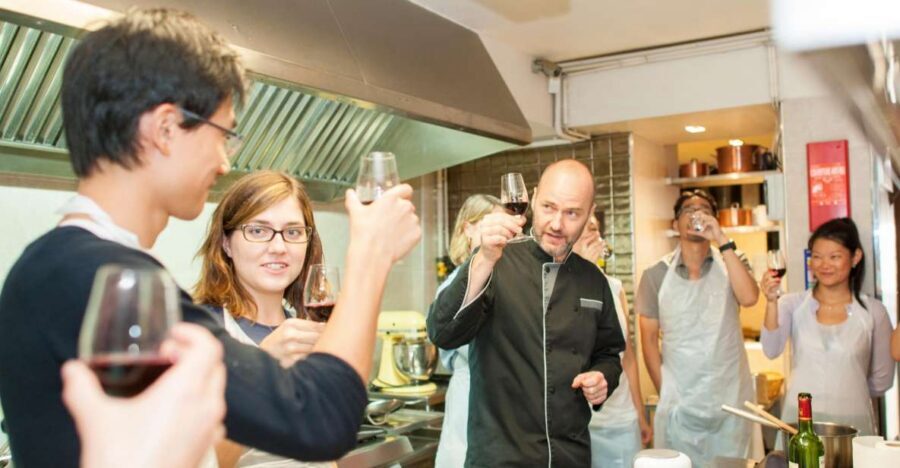
- Wine + cheese lunch: the meal is part of the lesson, not an afterthought
- English instruction plus recipe handouts: a hard copy and an electronic version in English
Latin Quarter Market Morning That Sets the Tone
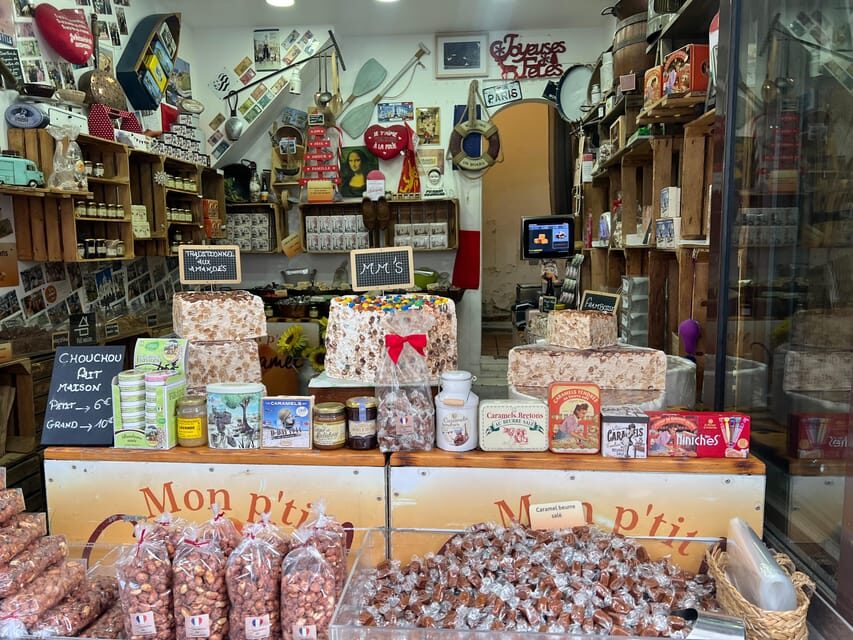
This class has a simple logic that I really like: start by shopping, then cook what you found. Around the start time, you’re welcomed at 10:30, after your hosts have returned from a local market with produce ready to work with. It’s one of those Paris moments where the city feels close-up. You’re not just learning French cooking in theory—you’re learning how French kitchens think about ingredients first.
The market step also shapes the whole day. Since the menu is built around what’s available, you’ll get a better sense of how recipes flex in real life. That matters when you cook at home later. Instead of treating a dish like a fragile performance, you learn to cook with what’s good, what’s ripe, and what’s in season.
And yes, your host brings stories along the way. One of the big recurring themes in the class descriptions and past experiences is a lively storyteller who connects food to French culture across centuries. It’s the kind of background that makes techniques feel more meaningful.
You can also read our reviews of more cooking classes in Paris
Building Your 3-Course French Menu From What You Buy
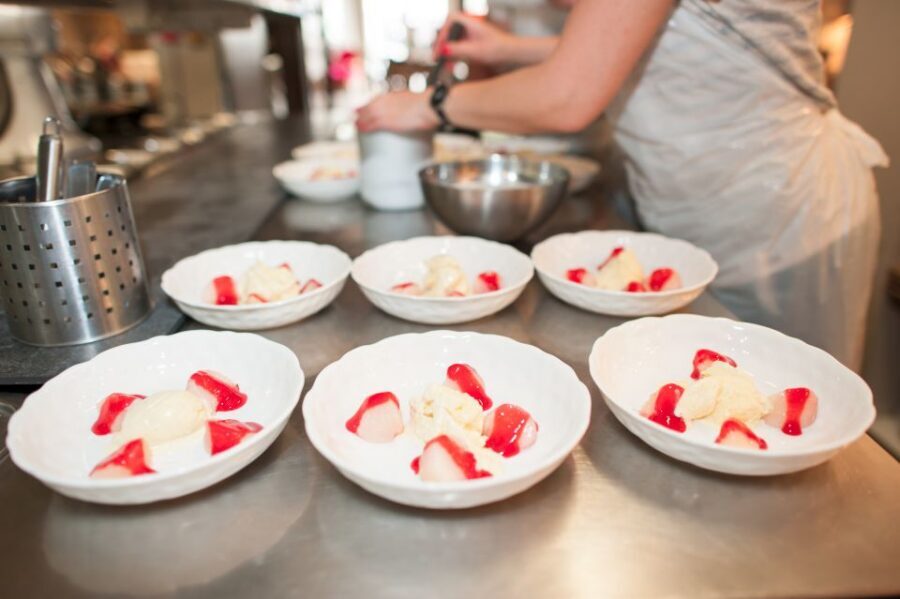
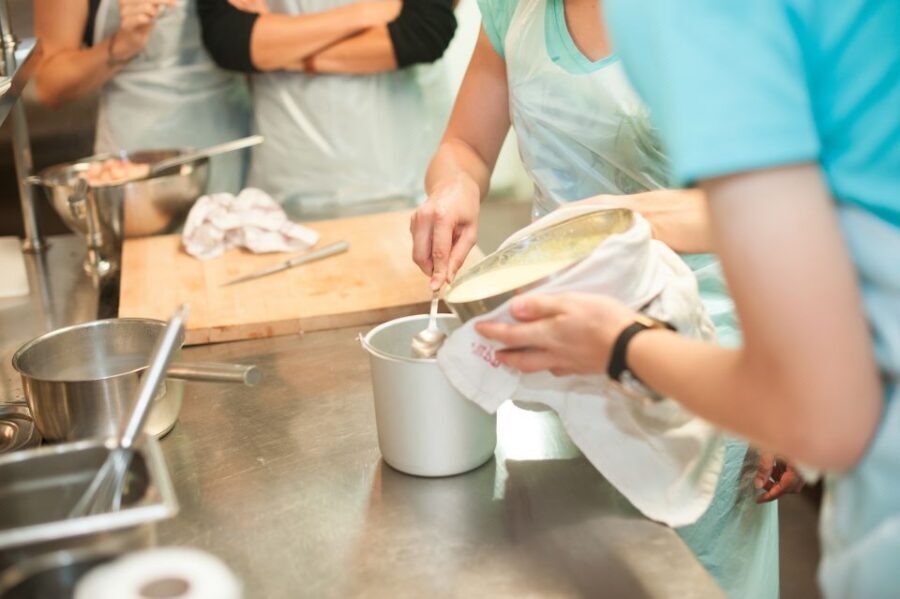
Once you’re in the kitchen, you start building your meal: an appetizer, a main course, and a dessert. The menu generally uses classic French techniques, and you’ll often see dessert elements such as ice cream and a wine sauce paired with the final meal.
The real value here isn’t that the food is fancy. It’s that you learn what makes French cooking French: structure, timing, and technique. You’re not just following steps. You’re learning how to plan and how to execute.
Expect to rotate through work so you’re not stuck watching. Total teaching often covers about 6–8 techniques, and you’ll also get a framework for organizing a meal. That includes what can be done ahead (so the whole day doesn’t turn into chaos at 6:00 pm) and what needs your attention right when it matters.
What you’ll likely practice during prep and cooking
- Knife and cutting habits (with hints depending on your level)
- Core sauce and cooking methods tied to classic French dishes
- Dessert technique, including colder components and sauce pairing
- Timing skills so courses land on the table in a sane order
Even if you only master a couple moves perfectly, you’ll leave with a cleaner system for how to run your own kitchen.
How the Chef Teaching Style Keeps You Comfortable
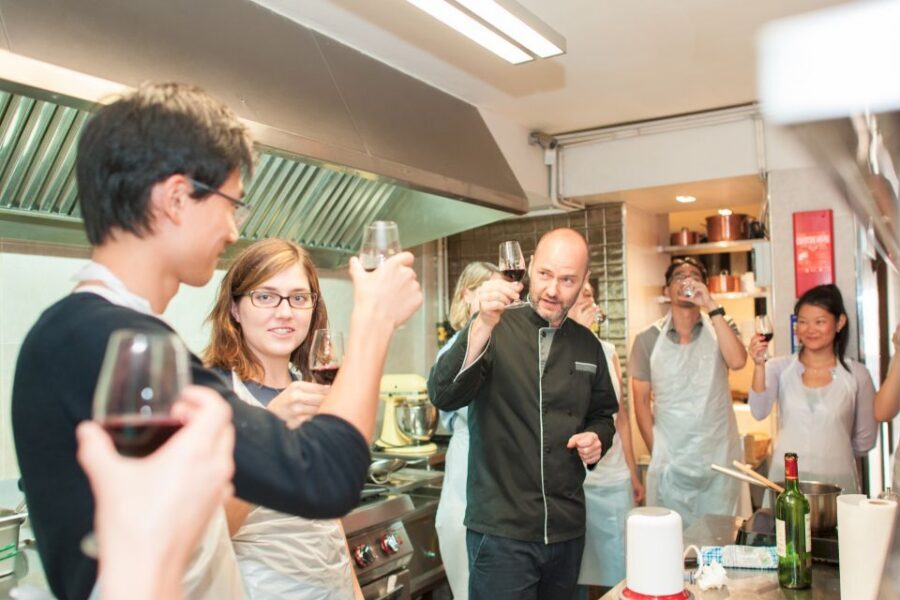
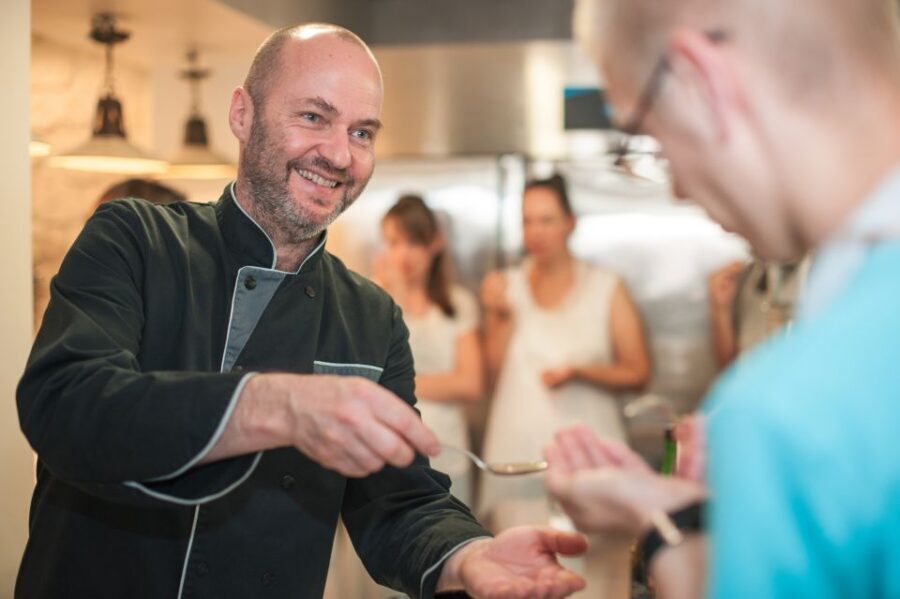
The teaching tone is a big part of why people rate this so highly. Names like Paulo, Luc, and Frédéric show up in past experiences, and the consistent theme is an English-speaking host who explains clearly and keeps the energy light. You’ll hear culinary stories, but you’ll also get hands-on corrections that make a difference fast—like how to handle a step so it doesn’t fall apart later.
I also like the way the class seems designed to keep everyone involved. In one experience, a group of around 10 people still felt personal, with the chef able to give people individual time. That’s not magic; it’s setup. When the kitchen has enough space and the chef moves people through tasks, you spend more time actually doing the cooking.
One possible drawback: not every class pacing style works the same for every personality. A past participant noted that explanations of how the process would progress could have been more helpful. So if you’re the type who likes a clear roadmap—what happens next, in what order, and why—bring that mindset. Ask for the plan early when you’re in the kitchen.
Lunch at the Table: Wine and Cheese With Real French Pace
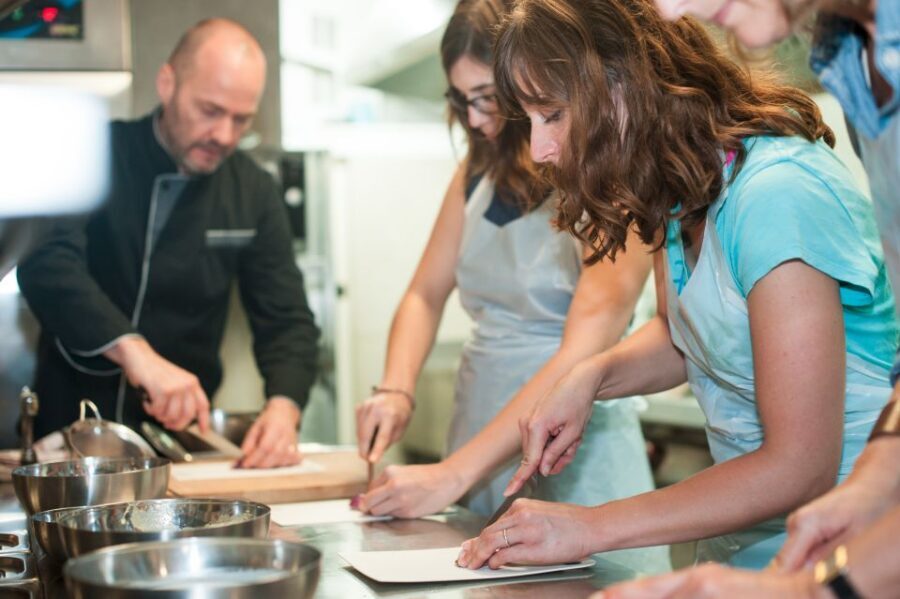
After about 2 hours of cooking, you get to sit down and eat what you made. This is a big part of the value. Many cooking classes rush through the meal like it’s a reward you’re supposed to quickly photograph and move on from. Here, you’re paired with red and white wine and generous cheese, and the lunch is meant to be savored.
The setting is also part of the experience. Le Foodist is described as charming and clean, with a dining setup that makes the finished meal feel like a proper pause in the day. That matters because the meal isn’t just fuel. It’s feedback. You taste what your technique produced.
You can also read our reviews of more tours and experiences in Paris






Pairing your food like a French meal
The wine and cheese aren’t separate attractions. They help you understand balance—how richness, acidity, and saltiness work together with cooked flavors. When you make this at home, you’ll have a better instinct for what to pair and how to adjust.
Lunch typically runs until around 15:00, and you’re not shoved out the door. That relaxed finish gives you room to digest and actually enjoy the day instead of sprinting to the next activity in Paris.
Timing, Techniques, and the Stuff You’ll Use at Home
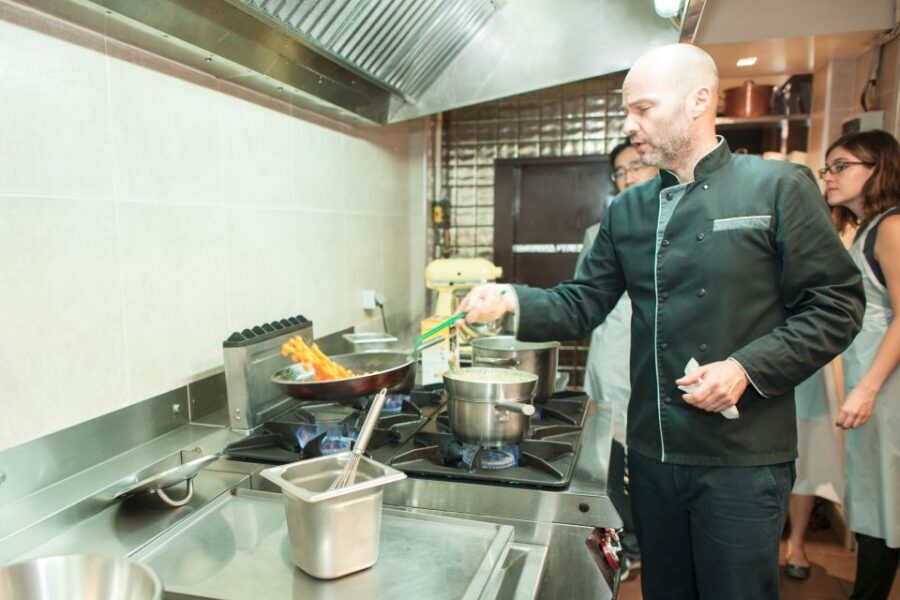
This is the section where cooking classes usually fall apart: people love the day, then forget the lessons because they’re too vague. Here, the structure is more likely to stick.
You’ll learn how to plan a meal and what can be prepared in advance, which is a huge win for home cooking. French technique often looks intimidating because it seems like everything must be done right at the last second. The class pushes you to think differently: prep in advance, then execute at the right moment.
You’ll also receive recipe materials: a hard copy plus an electronic copy in English. That’s practical. If you’re going to make these dishes again, you need clear instructions you can reference without translating or guessing.
From past experiences, you can also expect lots of little technique tips. Some people specifically mention learning helpful hints for knife skills and cooking details. Even if you don’t become the next French chef in a day, you’ll pick up enough to improve meals immediately—especially sauces, timing, and a more methodical approach to prep.
Price and Value: Is $222 Fair for a 5-Hour Day?
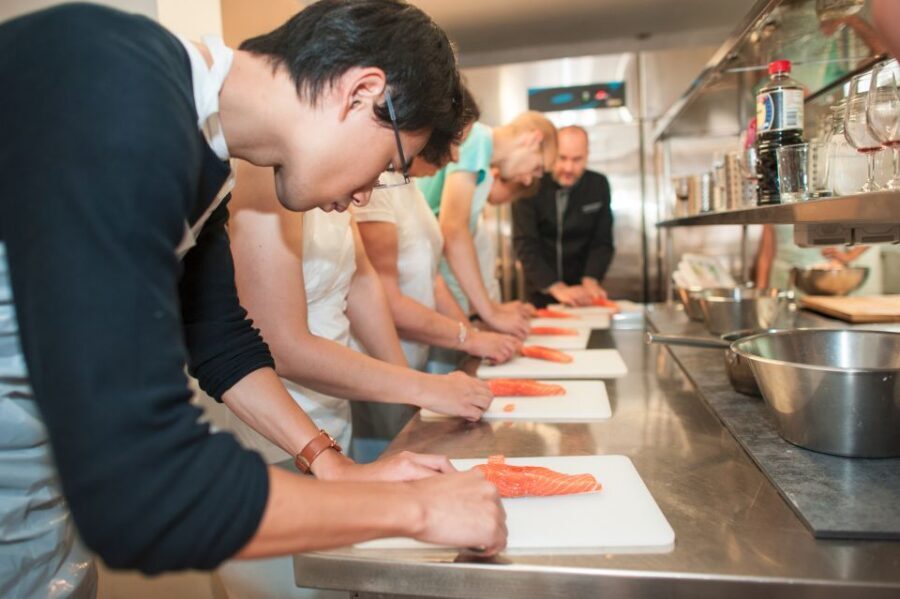
At $222 per person for about 5 hours, this class is not cheap. But it also isn’t just a paid hobby session with a light snack.
Here’s what you’re paying for, in real terms:
- Instruction and active cooking time in a proper kitchen
- Fresh market ingredients selected for that day
- A full 3-course lunch with wine and cheese
- Recipe handouts in English (hard copy + electronic)
- Use of equipment and an apron
- Small-group teaching, with attention for multiple skill levels
When you price it against other food experiences in Paris, the alcohol and cheese matter. When you add hands-on instruction plus the chance to actually eat what you made—slowly—it starts to make sense as a “do this once and you’ll cook smarter forever” type of purchase.
Two notes to keep your expectations accurate:
- One past participant felt it was expensive for a shorter feel (they mentioned the experience as closer to 4 hours than expected). You’re told it’s 5 hours, but class flow can vary.
- Another participant felt it might be basic for very seasoned home chefs. If you’re already advanced, go for technique refresh and meal-planning structure rather than brand-new, restaurant-level complexity.
If you’re someone who wants to learn techniques you can reproduce, this price often lands as fair.
Who Should Book This Class, and Who Might Skip It
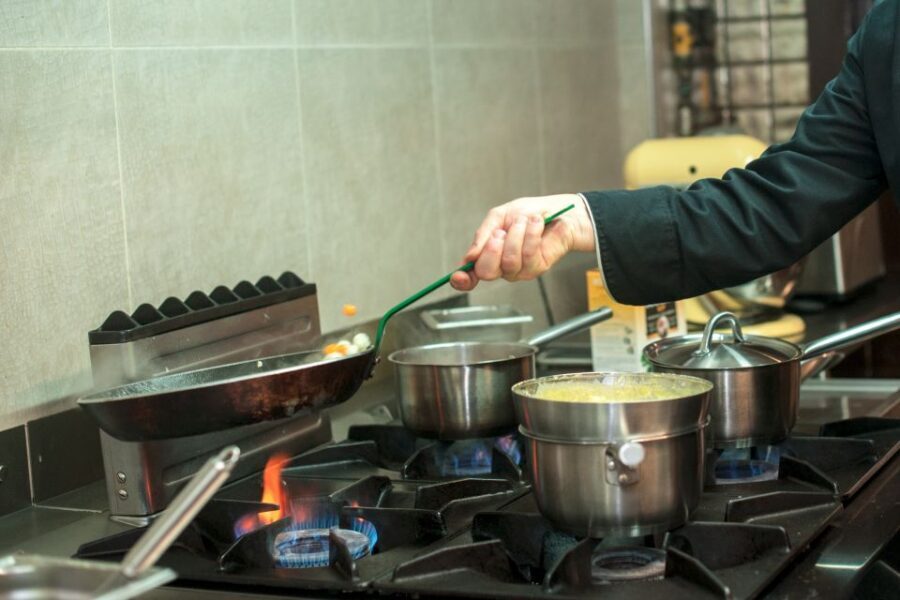
This class is a great fit if you:
- Want hands-on French cooking with a small group
- Appreciate food culture stories along the way (not just recipes)
- Enjoy eating what you cook, with wine and cheese
- Want meal-planning habits you can use on normal nights back home
- Like getting recipes in English with both paper and digital copies
It might be less ideal if you:
- Are looking for advanced culinary training only
- Hate wine pairing during the meal (wine is included with lunch)
- Need an ultra-quiet, strictly instructional vibe (the atmosphere is friendly and conversational)
Also note a key limitation: children under 10 aren’t permitted. If you’re traveling as a family with kids, it’s best to check first and plan around the class rules.
A Few Logistics Points That Matter (Without Making It a Hassle)
You’ll meet at Le Foodist, 59 rue Cardinal Lemoine, 75005 Paris. Being in the Latin Quarter is convenient for combining your day with neighborhood wandering afterward—because you’ll likely have a lot of energy left after lunch.
If you have dietary restrictions, you should communicate them at least 24 hours before the class. Past experiences include situations where the chef accommodated vegetarian needs, so it’s worth flagging what you need early.
One more practical detail: the kitchen work is hands-on, and the pace expects you to participate. If you’re shy about asking questions, try to get comfortable quickly. The class works best when you engage.
Should You Book This Paris Cooking Class?
I’d book it if you want a day that mixes technique with a satisfying meal and a genuinely social vibe. The combination of market-driven ingredients, 3-course French cooking, and the chance to eat with wine and cheese is the kind of value that’s hard to replicate with a standard restaurant meal.
If you’re an advanced cook, you might still enjoy it for meal-planning structure and sauce/dessert technique, but don’t expect it to feel like culinary school. If you’re more intermediate—or you just want to be more confident cooking classic French dishes—the odds are strong you’ll come away with skills you’ll use again and again.
In short: if your goal is to learn how French cooking actually works at the stove, this is a very solid way to spend a Paris day.
FAQ
Where do I meet for the class?
You meet at Le Foodist, 59 rue Cardinal Lemoine, 75005 Paris.
What time does the experience start and how long does it last?
You’re welcomed at 10:30, and the total duration is about 5 hours.
How big is the group?
The class is typically small, usually limited to about 3 to 7 people.
Is the class taught in English?
Yes, the language for the host is English.
What is included with the meal?
The class includes a 3-course meal, plus cheeses and red and white wines.
Are recipes provided after the class?
Yes. You get a hard copy and an electronic copy of all recipes in English.
Can kids attend?
Children under 10 aren’t permitted.
What if I have dietary restrictions?
You should advise of any dietary restrictions at least 24 hours prior to the class. You’ll want to share your needs clearly so the menu can be adjusted.
What if the class has too few bookings?
The local supplier can cancel the class if only 2 people or less have signed up. You’ll be offered an alternative date or a full refund.