REVIEW · PARIS
Paris Highlights with an LGBTQ Perspective Private Tour
Book on Viator →Operated by Queer Tours France · Bookable on Viator
Paris tells stories differently here. A private, 2.5-hour walking tour through central sights turns the city into a living map of LGBTQ+ history—from Place de la Concorde to Hôtel de Ville. I especially like the LGBTQ+ community guide approach (you get human context, not just dates), and the fact that the pace leaves room for questions. One drawback: this is mostly on foot, so comfy shoes matter.
You also control the feel. It’s private, so only your group joins, and you can pick a departure time that matches your day. You’ll start at 2 Rue Royale (8th arrondissement) and finish in front of Paris City Hall in the 4th, and you’ll use a mobile ticket. Most stops don’t require paid admissions, which helps keep the day smooth and budget-friendly.
The route mixes major landmarks with quieter corners. You’ll pass through formal squares and famous gardens, then spend time in places like Palais-Royal and the covered Galerie Véro-Dodat—where the atmosphere changes fast. Just note that bottled water and snacks aren’t included, so plan to grab those nearby before or after.
In This Review
- Key highlights you’ll actually feel on the walk
- A queer walking route across central Paris
- Place de la Concorde: views, orientation, and the big Paris backdrop
- Jardin des Tuileries: a garden path where meanings change
- Place Vendôme and Napoleon: power, rules, and how policy shapes people
- Jeanne d’Arc statue: gender identity through medieval context
- The 9th arrondissement near Opéra: clues to a former LGBTQ area
- Palais-Royal: the quiet garden moment with LGBTQ+ secrets
- Galerie Véro-Dodat: a XIXth-century covered passage you can feel
- Hôtel de Ville finish: repression before the French Revolution
- Guides, pacing, and what the private format really changes
- Price and value: what $355.21 buys you
- What to bring, and how to plan your day around it
- Who this tour suits best
- Should you book this LGBTQ Paris walking tour?
- FAQ
- How long is the Paris Highlights with an LGBTQ Perspective private tour?
- Is this tour private or shared with other groups?
- Where does the tour start and where does it end?
- What language is the tour offered in?
- Do I need to pay admission fees at the stops?
- What’s included in the price?
- What’s not included?
- What ticket type will I use?
- Can I bring a service animal?
- What is the cancellation window?
Key highlights you’ll actually feel on the walk
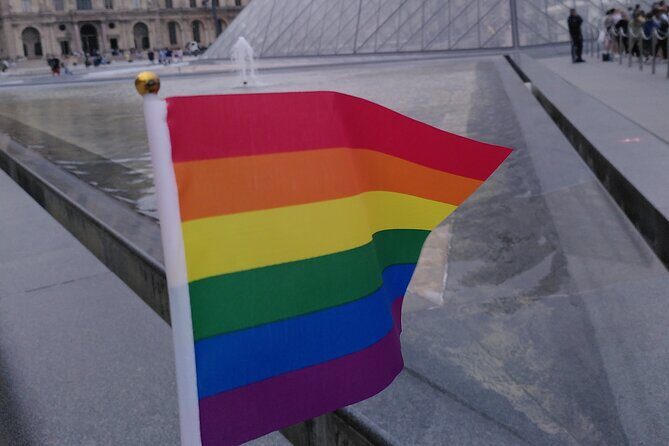
- LGBTQ+ history tied to real Paris landmarks, not a separate lecture room
- A guide from the LGBTQ+ community, with stories that stay clear and grounded
- A question-friendly pace during a tight 2.5-hour route
- No-friction sightseeing stops with free admission tickets at each listed point
- A mix of open squares, gardens, and covered passages, so the walk never feels monotonous
- An ending at Hôtel de Ville that adds meaning to what you’ve seen earlier
A queer walking route across central Paris
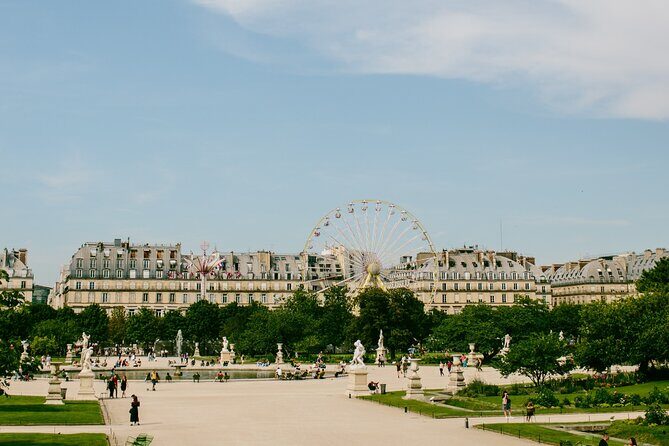
This tour works because it keeps your eyes open. You start with big, recognizable Paris views, then slowly learn to see what’s usually missed—how social life, repression, and visibility shaped the city over time.
The private format matters more than you might think. With only your group, your guide can slow down when you want context, or speed up when you’re just there for the sights. It also means the walk stays conversational. If you’re new to LGBTQ+ history in France, you can ask beginner questions without feeling rushed.
It’s also structured in a way that’s good for a first visit. You cover a compact stretch in central Paris, so you get orientation along the way. And because most listed stops are free, you don’t waste time hunting for tickets or extra entrances.
You can also read our reviews of more private tours in Paris


Place de la Concorde: views, orientation, and the big Paris backdrop
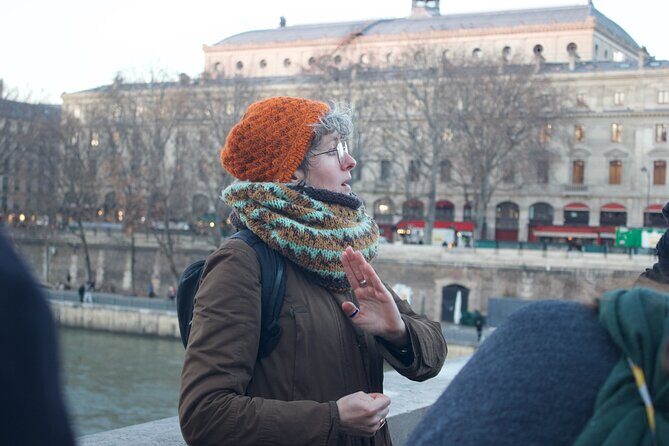
Place de la Concorde is where Paris suddenly looks like a movie set. From here, your guide points out major sights you can spot immediately—Champs-Élysées, Arc de Triomphe, and the Eiffel Tower. Even without “museum mode,” you’re getting the geography of the city in a smart way.
This is a strong opener because it does two jobs at once:
1) It gives you a sense of where you are and where the city’s power centers sit.
2) It sets the tone for the LGBTQ+ perspective you’ll keep carrying through the rest of the walk.
Practical note: it’s a major square, so expect wind and foot traffic. If you’re traveling in cooler months, you’ll appreciate layering here.
Jardin des Tuileries: a garden path where meanings change
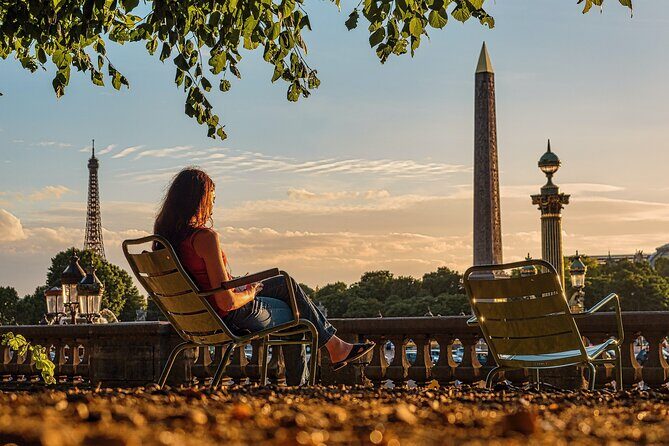
The Jardin des Tuileries is calm and wide enough for a thoughtful walk. While you move through the gardens, your guide explains why these spaces mattered for LGBTQ+ people through different periods.
This stop is valuable because gardens are public space. They’re where people watch, meet, and show themselves—or hide. A guided LGBTQ+ lens helps you notice that “pretty scenery” and “social life” are connected. You start seeing the city as more than postcard frames.
The time you spend here is short, but that’s part of the design. You get a focused idea, then you move on—so the day stays energetic rather than lecture-heavy.
Place Vendôme and Napoleon: power, rules, and how policy shapes people
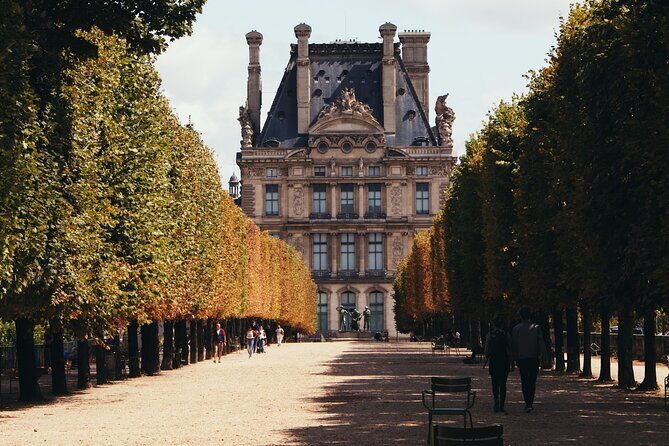
Place Vendôme looks elegant, and that’s exactly why it works for this theme. Your guide connects the area to Napoleon and his views on homosexual practices during his time.
If you want to understand LGBTQ+ history in Paris, this is a key kind of stop: not just “who met where,” but how laws and rulers affected daily life. You’ll leave with a clearer sense that repression didn’t come out of nowhere. It was shaped by institutions, language, and authority.
This is also one of the places where the tone can shift. Don’t be surprised if your guide spends extra time making the historical logic clear. It’s not heavy for heavy’s sake—it’s there so the later story at City Hall hits harder.
Jeanne d’Arc statue: gender identity through medieval context
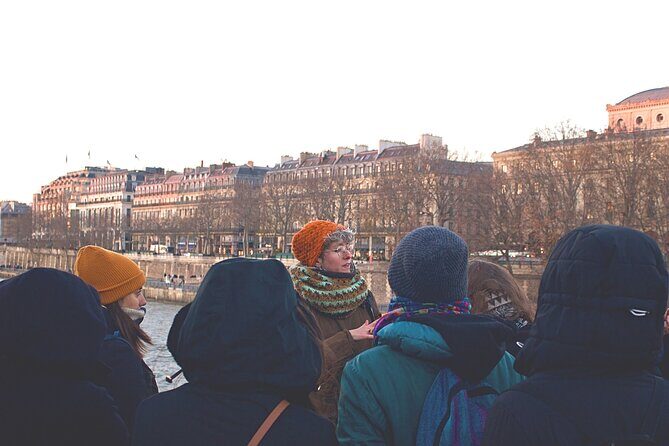
Passing by the Jeanne d’Arc statue, you’ll talk about gender identity in the Middle Ages and the special case of this French hero.
This part is interesting because it’s not limited to modern terms. Your guide frames how identity and gender have been understood—and argued about—across time. Even if you’re familiar with the basics, it helps to hear how the concept gets handled in older European contexts.
Practical tip: statues are quick photo moments, but the real value is the explanation. So don’t let the camera steal your attention. Pause, listen, and look at the statue again afterward—you’ll catch more than you did the first time.
You can also read our reviews of more tours and experiences in Paris

The 9th arrondissement near Opéra: clues to a former LGBTQ area
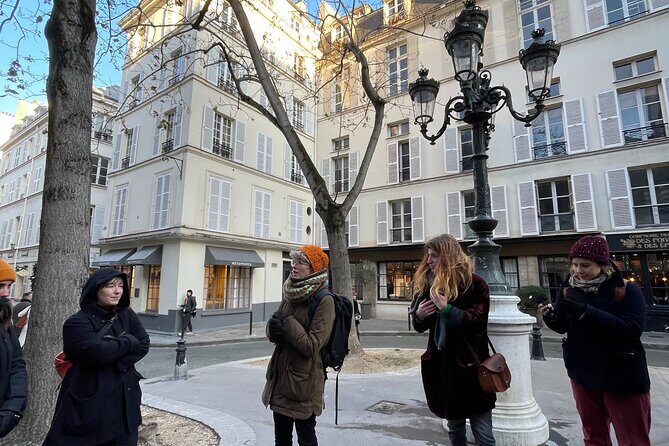
You’ll spot a monument from a distance and learn about the area around it, including its past as a former LGBTQ+ area of the city.
What I like about this stop is the way it connects “city blocks” to human stories. You’re not just learning about a single event. You’re learning how neighborhoods form, how communities gather, and how geography can carry memory.
Also, Opéra-area streets can be busy. If you prefer a quieter walk, this is still manageable, but do expect city noise. The guide’s job is to keep your attention anchored to the theme, not lost in the crowd.
Palais-Royal: the quiet garden moment with LGBTQ+ secrets
Palais-Royal is where the route gets more intimate. You’ll discover a gorgeous garden and your guide shares its LGBTQ+ secrets.
This stop has a different energy from the wide squares. It feels more like walking through a space designed for observation—people passing through, slipping into conversation, pausing out of view. Even in a short 20-minute window, it can change how you picture Paris.
If you like atmospheric sightseeing—courtyards, galleries, shadowed corners—this is one of the best points to slow down. Take a breath, then listen. The guide’s explanations land better when your senses aren’t rushing.
Galerie Véro-Dodat: a XIXth-century covered passage you can feel
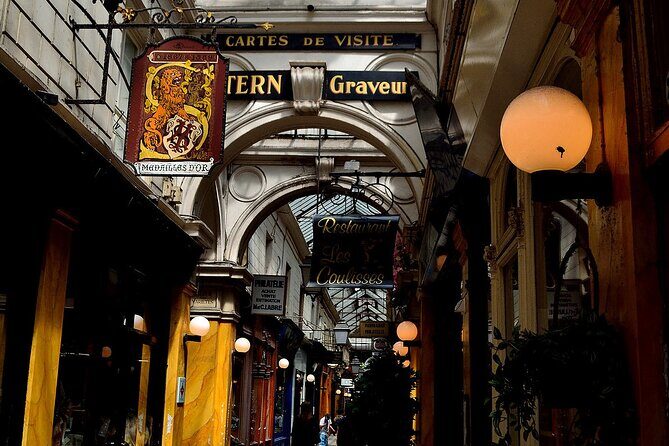
Next comes the Galerie Véro-Dodat, a covered passage dating back to the 19th century.
Covered passages are clever city inventions: weather protection, controlled foot traffic, and a semi-private street feel. With an LGBTQ perspective, your guide helps you understand why these kinds of places could matter for connection, anonymity, and visibility—often at the same time.
This is also a good “pause from traffic” moment. You move from open-air squares into something more enclosed, which resets your attention and makes the walk feel varied.
Hôtel de Ville finish: repression before the French Revolution
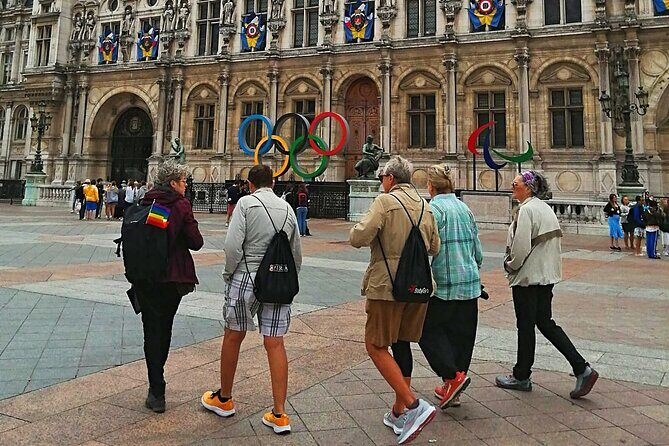
You end in front of Hôtel de Ville, Paris City Hall, and hear the story of the repression of LGBTQ+ people in Paris before the French Revolution.
Ending here is powerful because it ties the walk to governance. City Hall isn’t just a backdrop—it represents civic power, official authority, and how decisions affect real lives. If you’ve been absorbing the story in earlier stops, this final explanation gives it a spine.
It’s also a practical finish point. You’re in central Paris, and City Hall sits near public transport. So after the tour, you can easily continue your day.
Guides, pacing, and what the private format really changes
The most consistently praised part of this type of tour is the guiding style: people tend to describe the experience as organized, engaging, and easy to follow. What makes that matter is how the stories get delivered—clear enough for first-timers, thoughtful enough for people who already know parts of the topic.
You’ll typically get a guide who blends big-city history with LGBTQ+ stories without making it feel like separate tracks. And there’s usually a lightness in the delivery, even when the subject gets serious. That balance helps you stay present instead of overwhelmed.
A few guide names come up in past company experiences—Alex, Johanna, and Eri—and the shared thread is communication: keeping the walk fun and moving while staying precise with historical context.
Pacing-wise, the route is timed to keep things flowing, but not frantic. You get meaningful time at each place, with lots of opportunities for questions along the way. That’s a big deal in a 2.5-hour tour: you want questions, not just sightseeing.
Price and value: what $355.21 buys you
At $355.21 per person, this isn’t a budget group tour. The value comes from the private, LGBTQ+ community–led guiding and the structure of the route.
Here’s what you’re paying for, in real terms:
- A guide tailored to your pace (private means your questions shape the walk)
- A curated path through central Paris that connects monuments to LGBTQ+ themes
- A format that keeps admission friction low, since each listed stop is free
- A compact duration (about 2.5 hours) that fits into most first-time or mid-trip itineraries
What could make it feel expensive is if you prefer to wander without guidance. If you like reading on your own and doing photos-first sightseeing, you might not get as much out of a guided, concept-driven route.
But if you want your Paris day to mean something—and you like learning while walking—this price starts to feel more reasonable fast.
What to bring, and how to plan your day around it
Because you’re moving through central Paris on foot, plan like this:
- Wear comfortable shoes. Expect cobblestones and city-sidewalk time.
- Bring a light layer. Open squares like Concorde can be windy even when the weather looks good.
- Don’t count on bottled water or snacks being included. Grab something nearby before you start, or plan a stop after you finish at Hôtel de Ville.
You’ll also use a mobile ticket, so have your phone charged. The tour is in English, so if your group needs that, it’s an easy match.
The start-to-finish route also makes timing easy. Pick a departure time that fits your energy level. Earlier in the day often feels smoother, but the choice is yours.
Who this tour suits best
This is a great fit if you:
- Want an LGBTQ+ perspective on Paris that stays grounded in place and walking
- Prefer a private guide who can answer questions as you go
- Are doing Paris for the first time and want fast orientation
- Like a mix of famous landmarks and lesser-noticed spaces like passages and inner courtyards
It can also work well for people traveling with family, since the guide approach tends to keep things understandable and not overly academic. If you’re planning a trip that includes both sightseeing and learning, this tour hits that middle ground nicely.
If you’re the type who hates structured routes, you may find it too guided. But if you enjoy walking with explanations, you’ll get a lot out of the stops.
Should you book this LGBTQ Paris walking tour?
I’d book it if you want Paris to feel personal and connected, not just photographed. The combination of central sights, a private LGBTQ+ community guide, and a question-friendly pace makes this tour more than a checklist.
Skip it if you mainly want freedom to roam without stopping for context, or if you can’t handle a mostly-on-foot itinerary. Also, factor in that water and snacks aren’t included.
If you can handle a guided walk and you’re curious about how LGBTQ+ life has intersected with Paris spaces, this tour is a strong choice.
FAQ
How long is the Paris Highlights with an LGBTQ Perspective private tour?
It lasts about 2 hours 30 minutes.
Is this tour private or shared with other groups?
It is private. Only your group will participate.
Where does the tour start and where does it end?
The tour starts at 2 Rue Royale, 75008 Paris, and ends at Hôtel de Ville in front of Paris City Hall (75004 Paris).
What language is the tour offered in?
The tour is offered in English.
Do I need to pay admission fees at the stops?
Admission tickets are listed as free for the stops on the route.
What’s included in the price?
A private guide from the LGBTQ+ community is included.
What’s not included?
Bottled water and snacks are not included.
What ticket type will I use?
You’ll use a mobile ticket.
Can I bring a service animal?
Yes, service animals are allowed.
What is the cancellation window?
You can cancel for a full refund up to 24 hours in advance of the experience start time.