REVIEW · PARIS
Paris Le Marais Food Tour: Full Traditional French Feast
Book on GetYourGuide →Operated by _Do Eat Better Experience · Bookable on GetYourGuide
Paris food tastes better on foot.
This Le Marais food tour strings together classic French flavors with real neighborhood storytelling, from waterfront views near Île Saint-Louis to the iconic streets around Rue des Rosiers. I especially like the mix of seated eating and walk-up tastings, and the way you get multiple stops that feel like a proper dinner progression instead of a snack parade. One thing to consider: it’s a lot of walking and it’s not set up for mobility impairments, so wear shoes you trust.
I also like that the small-group setup keeps things conversational. When guides like Hugo, Kevan, Thomas, and Juliette are running the show, you can feel the difference: more questions get answered, and the pacing stays human. The route is mostly in central Marais and around landmarks like Place des Vosges, so you’ll finish with both full bellies and better bearings for the rest of your trip.
If you want only one type of food—say strictly French dishes all the time—keep expectations flexible. Some stops reflect the neighborhood’s mix of tastes, including options like falafel alongside classic French sweets and cheese.
In This Review
- Key things I’d bet on
- Why Le Marais is the perfect stage for French food
- Place Louis Aragon to Île Saint-Louis: start with views and appetite
- Rue de Rivoli and Jardin de l’Hôtel de Sully: where the stories get specific
- Rue des Rosiers: the street you recognize, then the taste you might not expect
- Place des Vosges: seated main course, cheese choices, and choux
- What the food stops really feel like (timing, portions, and choices)
- Wine (and water) keep the night fun, not frantic
- The guides: small group energy, big local rapport
- Price and value: what $106 buys you in real eating terms
- Walk strategy: what to wear and what to avoid
- Who this tour suits best
- Should you book the Paris Le Marais Food Tour?
- FAQ
- Where does the tour start?
- How long is the tour?
- How much food is included?
- Is alcohol included?
- What languages is the tour offered in?
- Is the tour suitable for people with mobility impairments?
Key things I’d bet on
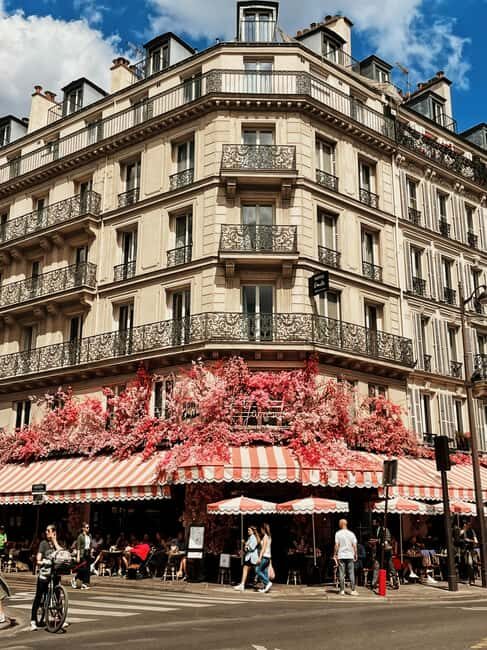
- A true “food tour dinner,” not just bites: at least 4 food stops, with at least one main-course moment.
- French classics show up by name: macarons, choux, and a cheese selection.
- Wine is included: at least one alcoholic drink, plus water.
- Le Marais landmarks are the route: Place des Vosges, Rue des Rosiers, Rue de Rivoli, and more.
- Small groups feel personal: max 12, min 2, with an intimate guide-led pace.
- Your guide matters: names like Hugo, Kevan, Thomas, Juliette, Yannic, and Emy come up again and again.
Why Le Marais is the perfect stage for French food
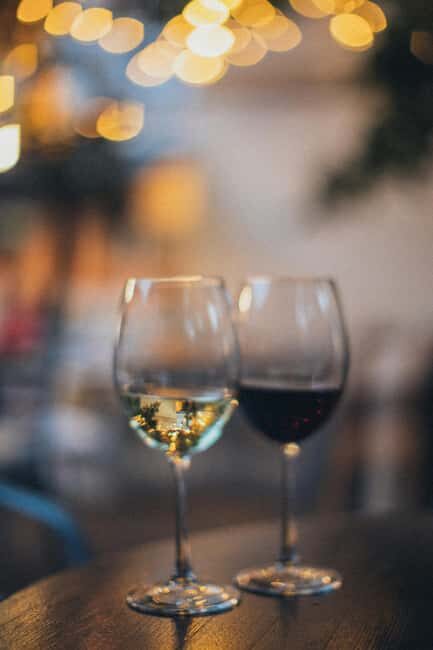
Le Marais is one of those Paris neighborhoods that makes food make sense. You’re not just buying snacks—you’re walking through streets that explain why certain dishes, shops, and rhythms exist.
What I like most is that the tour uses the neighborhood like a map. The route touches spots tied to everyday Paris life, then it lands you at places where you can actually taste the culture—macarons for dessert, cheese as a star, and a proper seated main course so you don’t end the night hungry.
You can also read our reviews of more food & drink experiences in Paris



Place Louis Aragon to Île Saint-Louis: start with views and appetite
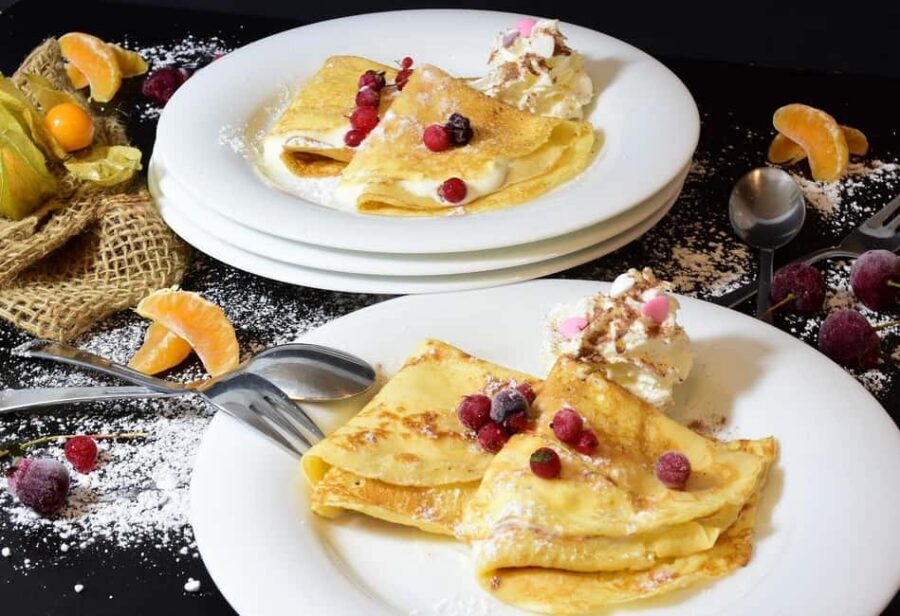
Your tour begins at Place Louis Aragon, then you head toward Île Saint-Louis. This is a smart first move because it sets a calm tone and gives you something to look at while your “eat mode” kicks in.
Even before you get to the biggest food stops, the guide’s job is to make the neighborhood legible. You’ll get context as you walk—why people eat the way they do here, what to notice in shop windows, and how the streets you’re passing tie into the flavors you’re about to taste.
Practical note: the walking starts right away. Bring comfortable shoes, because Le Marais is charming, but it’s still streets and sidewalks.
Rue de Rivoli and Jardin de l’Hôtel de Sully: where the stories get specific
After Île Saint-Louis, the route connects you toward Rue de Rivoli and then to Jardin de l’Hôtel de Sully. These stops are useful because they break up the eating with real sightseeing, so you don’t feel like you’re stuck in a line of storefronts.
This part of the walk is also where the guide’s storytelling tends to matter most. The tour style here is not just naming dishes; it’s linking each taste to place—what kind of food belongs in a Parisian setting, why certain sweets are iconic, and how traditional choices became part of the city’s identity.
The payoff is practical: by the time you reach the more famous food streets later, you’ll already know what you’re looking for.
Rue des Rosiers: the street you recognize, then the taste you might not expect
Then comes Rue des Rosiers, one of the most recognizable streets in the whole Marais. It’s famous for a reason, and the tour leans into that fame with a very specific tasting designed for the neighborhood.
One likely stop here is a snack that people usually don’t expect to be so typical. In real dining terms, that can mean something like falafel—one guest even mentioned not liking it as much as they wanted a more strictly French dish. That’s your hint on how to plan: this tour aims for the Marais experience, not a museum of only French classics.
If you’re curious, this is a highlight. The guide helps you read the street like a local—what to notice, why the neighborhood has its own food identity, and how that identity still fits into the bigger picture of Paris eating.
Place des Vosges: seated main course, cheese choices, and choux
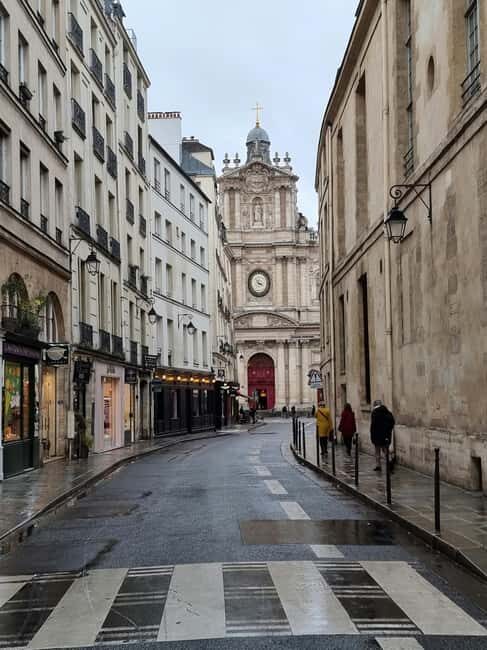
You finish at Place des Vosges, and it’s also where the tour’s more “meal-like” moments tend to land. This square is a great ending point because it’s easy to decompress after three-plus hours of walking and tasting.
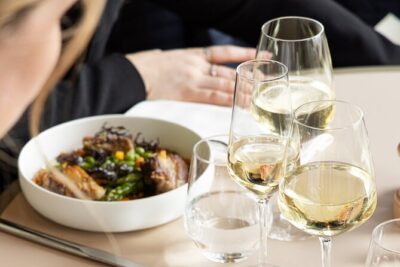
A key part of the experience here is that you get a chance to sit down for a traditional Paris main dish. The tour is designed so you’re not only doing quick bites; you get an actual restaurant-style pause, which makes the whole evening feel like dinner, not snack collecting.
Dessert and dairy follow the logic of French meals. You may taste:
- Macaron as the classic sweet hit
- A cheese selection featuring different beloved types, chosen for local approval
- Choux, those small puff pastries with cream filling and sugar pearls
If you’re a cheese person, pay attention here. One guest called the cheese selection magnifiique, and that matches what the tour is aiming for: give you enough variety that you can taste differences, not just one mild slice.
You can also read our reviews of more tours and experiences in Paris




What the food stops really feel like (timing, portions, and choices)
This tour is built around at least four food stops, and you also get water plus at least one alcoholic drink. The big value is that each stop includes at least one serving of food, so you’re getting real amounts—not just a taste-sized garnish.
In practice, I’d think of the experience like a guided eating timeline:
1) a neighborhood taste early,
2) a main-course sit-down in the middle,
3) a cheese-focused moment,
4) dessert finishes with macarons and/or choux.
You might also see variations like croque monsieur showing up in the meal flow. Another guest mentioned ordering a cheese platter and enjoying it with wine, which fits the tour’s emphasis on both dining and flavor variety.
One balancing act: the tour is described as full traditional French feast, but the Marais itself has a mix. If you want only what you’d find in a classic bistro menu every single time, you may find one stop slightly outside your preference. Still, the core pattern stays very “French”—wine, cheese, pastries, and a proper main.
Wine (and water) keep the night fun, not frantic
At least one alcoholic drink is included, and that matters more than it sounds. Wine helps the meal feel like a real Paris night, and it also makes you more relaxed during the seated course.
I like that water is included too. Eating in France can be a lot of flavors at once, and water keeps everything comfortable between stops.
Guides also tend to pace the tour so you’re not scrambling. People mention a relaxed, conversational feel and the chance to ask questions without feeling rushed—exactly what you want when you’re drinking and eating.
The guides: small group energy, big local rapport
This tour caps at 12 people and has a minimum of 2. That size is part of why the best experiences feel personal instead of factory-style.
In the real world, it comes down to the guide. Names that show up strongly include Hugo, Kevan, Thomas, Juliette, Yannic, Alina, Paulette, Zach, Emy, Nino, Lolla, and Zakaria. The common thread isn’t just friendliness. It’s the way they connect food to place and keep the pace easy—so you can talk, look, and taste without feeling herded.
A couple of details I’d call out because they actually improve the experience:
- Some guides share photos as you walk, which makes landmarks easier to remember.
- Several guides build relationships with shop owners, which can mean shorter waits and smoother entry into places you might not find on your own.
Language-wise, you’re covered with English and French. And guides may mix both during the tour, which is normal in Paris and often useful.
Price and value: what $106 buys you in real eating terms
At $106 per person for about 210 minutes, you’re paying for more than “food.” You’re paying for a guide, multiple organized stops, and the human logistics of getting you into places for seated eating.
Here’s the value logic I use:
- If you tried to replicate it on your own, you’d spend time figuring out where to go, what to order, and how to build a meal arc.
- Here, you get at least 4 food stops plus at least one drink, and the itinerary is designed to deliver variety: dessert, cheese, main course, and a neighborhood snack.
One guest even said the tour left them full and satisfied, and that’s the goal. This is a good pick when you want a structured Paris meal without turning your evening into a planning project.
Walk strategy: what to wear and what to avoid
Come prepared for cobblestones, curves, and stopping often. Comfortable shoes are the big rule.
A few other practical points:
- No luggage or large bags.
- No pets.
- It’s not suitable for people with mobility impairments.
If you’re traveling with a big backpack, consider traveling light for the day of the tour.
Who this tour suits best
I think this is ideal for three kinds of people:
- First-time visitors who want Paris food with a route through famous Marais streets
- People who like learning as they eat, especially when the guide ties flavors to landmarks
- Food lovers who want a mix of sweet, savory, cheese, and wine in one evening arc
It might not be perfect if you’re extremely strict about only one cuisine style. The tour can include Marais-specific neighborhood tastes, so be ready for something outside the most predictable French menu.
Should you book the Paris Le Marais Food Tour?
Book it if you want a guided way to eat your way through Le Marais with multiple servings, a seated main, and classic French bites like macarons and choux. The price feels reasonable when you factor in the guide time, the number of stops, and the fact you’ll likely drink wine during a proper meal flow.
Skip it only if you can’t do walking, don’t want alcohol, or need a very rigid list of exactly French-only dishes. Otherwise, this is a strong first-night or second-day food activity because it helps you understand the neighborhood while you’re tasting it.
FAQ
Where does the tour start?
Meet your guide at Place Louis Aragon.
How long is the tour?
The duration is 210 minutes (about 3.5 hours).
How much food is included?
You’ll have at least 4 food stops, and at least one serving of food is included at each stop.
Is alcohol included?
Yes. At least one alcoholic drink is included, and water is also included.
What languages is the tour offered in?
The live guide speaks English and French.
Is the tour suitable for people with mobility impairments?
No. It’s listed as not suitable for people with mobility impairments.