REVIEW · PARIS
Paris Le Marais Walking Tour: Small Group Experience
Book on GetYourGuide →Operated by Dayin · Bookable on GetYourGuide
Le Marais feels like a living postcard. What makes this 2-hour walk worth your time is the small-group format and the way your guide stitches together street scenes, old architecture, and the neighborhood’s changes over centuries. You’ll cover stylish blocks, Jewish Quarter highlights, and big-name sights without turning it into a rushed check-list.
I especially love the small group size (max 8). It keeps the pace human, and it gives your local guide room to answer real questions. Second, I like that you’re not just seeing famous stops like Place des Vosges and Marché des Enfants Rouges, but also hearing the secret stories that explain why Le Marais looks the way it does today.
One consideration: it’s still a walking tour. If you’re sensitive to crowds in central Paris or you want a slower, sit-down rhythm, plan for frequent stops and keep comfy shoes on your feet, since it runs rain or shine (wheelchair access only comes with the private option).
In This Review
- Key things I’d plan around
- Why a Le Marais walking tour works so well in 8 people or less
- Meeting in Le Marais: your two start points and a smart plan for shoes
- Hôtel de Sens stop: setting the stage with early context
- Marché des Enfants Rouges and Picasso Museum Paris: quick stops, real neighborhood energy
- Rue des Rosiers and the Jewish Quarter: the stories you won’t get from a map
- Place des Vosges and Hôtel de Sully: architecture you can read, not just admire
- Le Village Saint-Paul and Hôtel de Ville: finishing near where you can keep going
- What the local guide adds: personalization and the secret-story approach
- Price and value: is $64 for 2 hours a fair deal?
- Who should book this Le Marais walking tour
- Quick, practical tips to make the walk smoother
- Should you book this Paris Le Marais tour?
- FAQ
- How long is the Paris Le Marais walking tour?
- What’s the group size on this tour?
- Where do I meet the guide?
- What languages is the live guide available in?
- Does the tour run in bad weather?
- Is this tour wheelchair accessible?
Key things I’d plan around
- Max 8 people means you can actually talk to your guide and get answers
- Hôtel de Sens and the older Paris architecture set the tone early
- Rue des Rosiers and Marché des Enfants Rouges connect you to the Jewish Quarter in a practical way
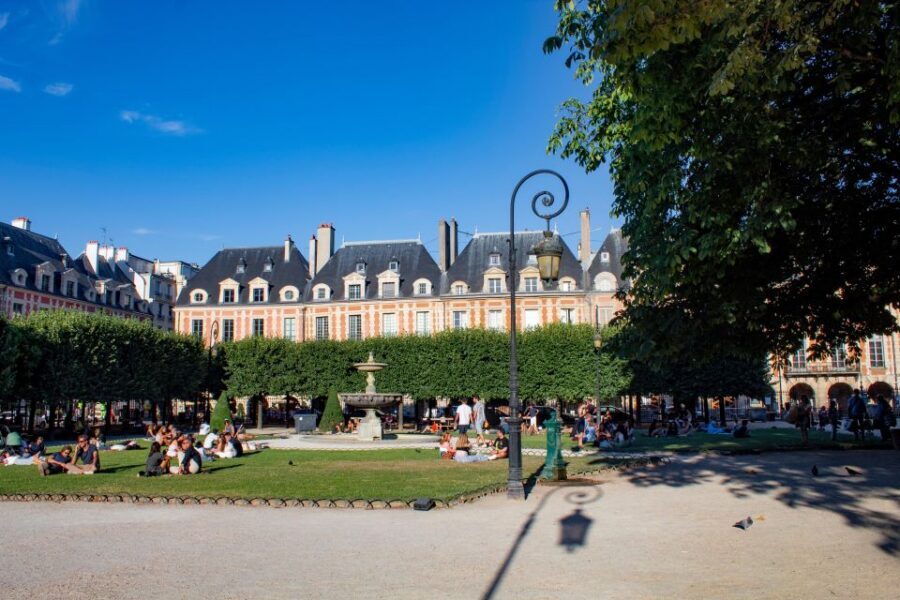
- Place des Vosges is a strong visual anchor, with time built in for photos and guided context
- Templar-era and evolution stories help you understand what you’re seeing, not just where you are
- Drop-off near Hôtel de Ville helps you keep exploring afterward
Why a Le Marais walking tour works so well in 8 people or less
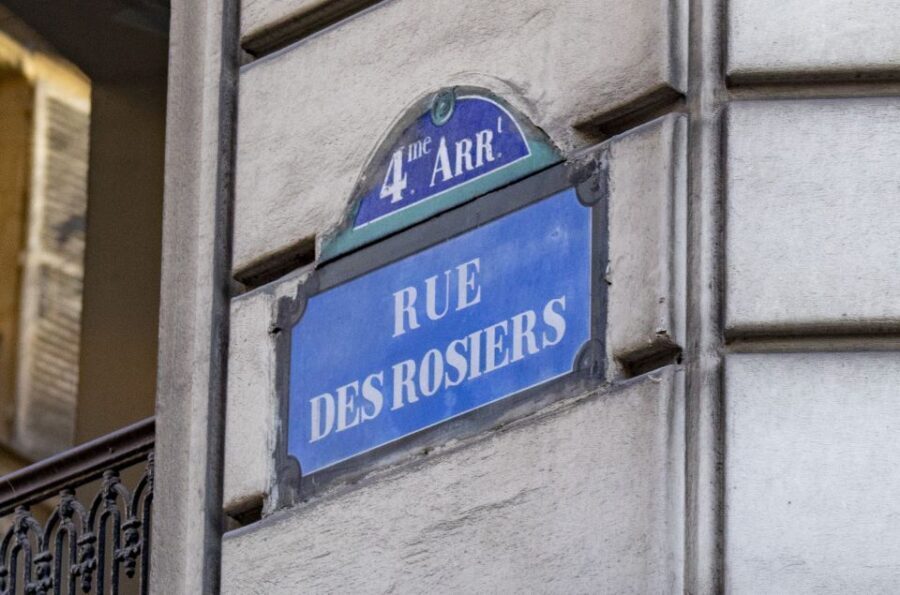
Le Marais is compact, but it can feel like sensory overload if you try to do it alone. On this small-group format, you get a guided route that makes the neighborhood easier to understand fast. You also get a vibe check: which streets feel historic, which feel trendy, and where the neighborhood switches gears from past to present.
The best part is that this is a walking tour with thinking time. Stops are built in as photo moments and short visits, then your guide explains what to notice. When the group stays under control, those explanations land instead of being swallowed by foot traffic.
You’ll also feel the difference between surface sightseeing and local storytelling. Le Marais has old stone, newer boutiques, and pockets of culture. With a guide, it becomes a map of ideas, not just a sequence of sights.
You can also read our reviews of more walking tours in Paris



Meeting in Le Marais: your two start points and a smart plan for shoes
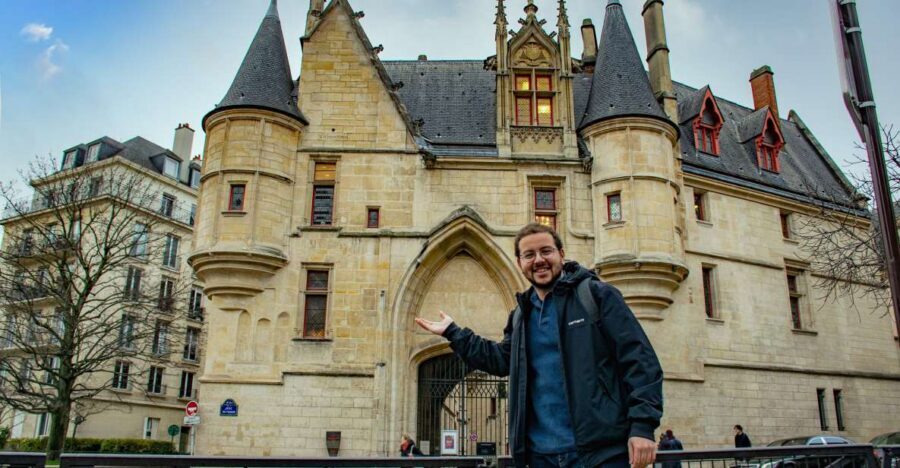
You’ll meet at one of two spots, depending on the option you choose: Temple, 89 R. de Turbigo or Hôtel de Sens. Since the meeting point may vary, I recommend you check your confirmation message carefully so you’re not wandering the wrong block when you could be looking at façades.
There’s no hotel pickup or drop-off, so you’ll need to get yourself to the start area. That sounds basic, but it’s part of the value: you’re paying for the guide and the route, not for transportation overhead.
Bring comfortable shoes and expect steady walking through central Paris. This tour runs in all weather, rain or shine, so a compact umbrella or light rain layer can save your mood. Also note: it’s wheelchair accessible only with the private option.
Hôtel de Sens stop: setting the stage with early context
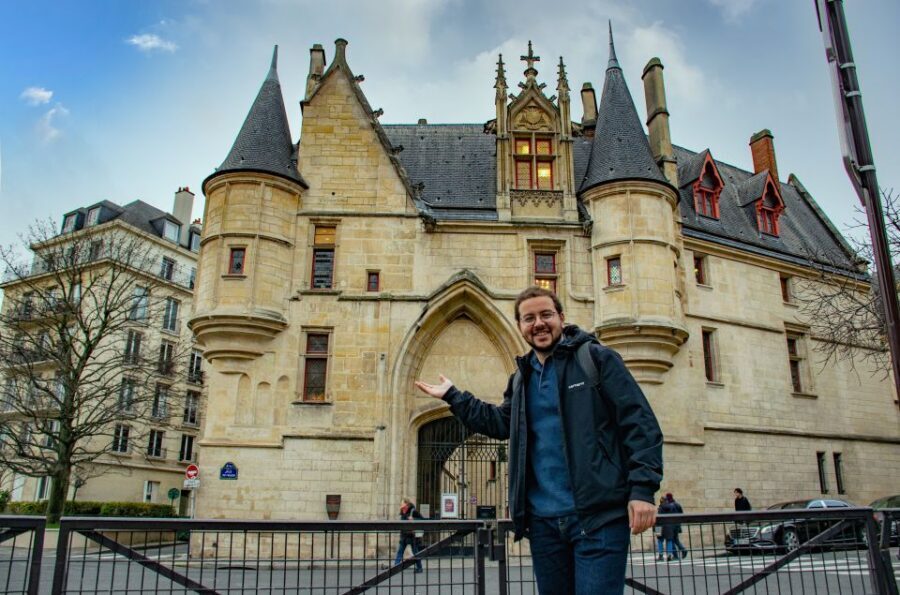
The walk starts with a stop near Hôtel de Sens, with a photo moment and a short guided visit (about 10 minutes). This is a good opener because it helps you “read” the neighborhood before you hit the busier parts.
Think of this as your orientation chapter. Le Marais is known for older architecture (including styles associated with the 1600s), and your guide uses this early stop to show what makes the area distinctive. You’ll also hear hints about the hidden hôtels particuliers you’ll encounter in stories as the walk continues, even when you can’t fully explore every doorway.
A small drawback here: early on, you’re still adjusting to the route. If you’re the type who likes to linger on photos, you might feel that first ten minutes is fast. The trade-off is that you’ll get more time later at bigger visual anchors like Place des Vosges.
Marché des Enfants Rouges and Picasso Museum Paris: quick stops, real neighborhood energy
Next comes Marché des Enfants Rouges, with a photo stop and guided time (about 15 minutes). This market area is a natural bridge between older streets and everyday modern life. You’ll get a guided sense of what the place means in the neighborhood, not just a quick glance at stalls.
Right after that, you’ll pass Picasso Museum Paris for a photo stop and a brief visit (about 10 minutes). Even if you’re not planning a full museum session, this stop helps you understand Le Marais as a cultural hotspot where art shows up alongside daily Paris.
The practical benefit: these two stops break up the walk so you’re not just staring at buildings for two hours. You’re seeing how people move through the neighborhood—market rhythm, museum magnetism, and the street-level mix that gives Le Marais its personality.
Rue des Rosiers and the Jewish Quarter: the stories you won’t get from a map
Then you get into one of the tour’s main themes: the Jewish Quarter. The route includes time along Rue des Rosiers with a photo stop and a guided segment (about 20 minutes).
This is where your guide’s storytelling does the heavy lifting. You’ll hear how Le Marais evolved from medieval roots into the cultural and fashionable area it is known for now. You’ll also get secret stories linked to major historical threads, including the Templar Order, and how those layers show up in what you see today.
I like this part because it turns “where am I?” into “why is this here?” Rue des Rosiers isn’t just a street to walk—it becomes a corridor of meaning. If you want a neighborhood tour that explains more than it points, this is the moment that delivers.
Consideration: the area can be lively. Since the group is small, you’ll usually manage fine, but you’ll still be walking through a central, popular part of Paris.






Place des Vosges and Hôtel de Sully: architecture you can read, not just admire
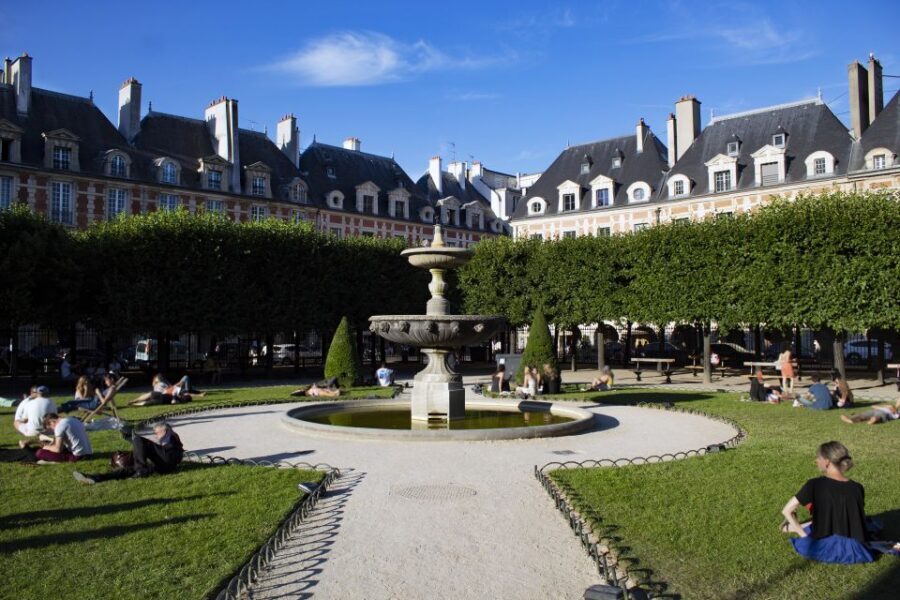
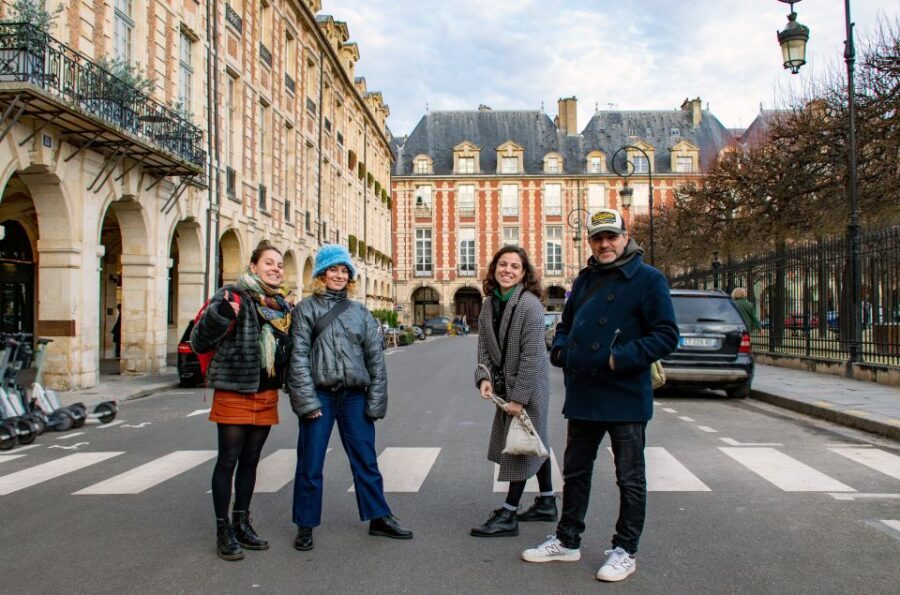
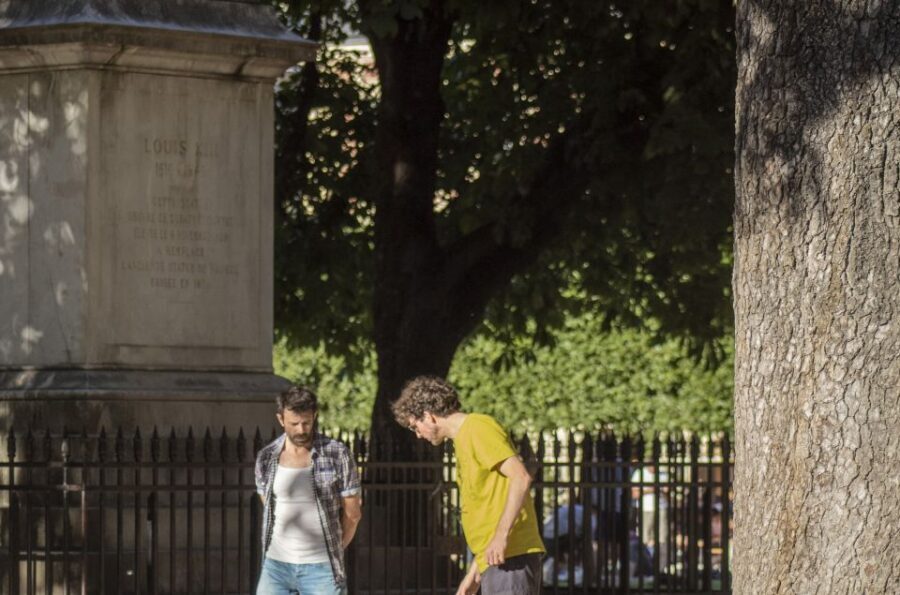
You’ll spend one of the longest guided blocks at Place des Vosges with a photo stop and guided visit (about 20 minutes). This is a powerful stop because it anchors everything around it. With your guide pointing out what to notice, you’re less likely to treat it like just a pretty square.
This is also where the tour’s architecture angle clicks. Le Marais includes structures connected to 1600s styles, and your guide connects the visual cues you see to the bigger story of why this neighborhood became so iconic. It’s not academic. It’s practical observation paired with context.
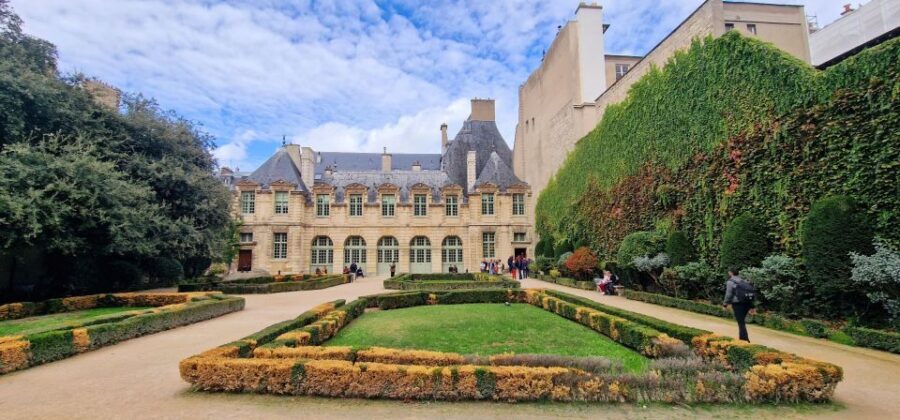
After that, you’ll visit Hôtel de Sully (about 15 minutes, including photo and guided time). I like that the walk doesn’t keep you stuck in only the big postcard spots. You get a taste of the area’s older, more secluded feeling—again, connected to the tour’s theme of hidden hôtels particuliers and private spaces.
If you’re someone who loves architecture but hates museum crowds, this section hits a sweet spot: guided looking, steady pacing, and time enough to get photos without sprinting.
Le Village Saint-Paul and Hôtel de Ville: finishing near where you can keep going
The walk continues to Le Village Saint-Paul for a photo stop and visit (about 10 minutes). This is a nice breather after the heavier landmark energy. You’ll get a short guided pass that keeps the flow moving while still offering something different from the big squares.
Then you’ll reach Hôtel de Ville (about 10 minutes with photo stop and guided time). Ending here works well because it sets you up for the next part of your day. Even if you don’t have a plan, central Paris around Hôtel de Ville gives you options.
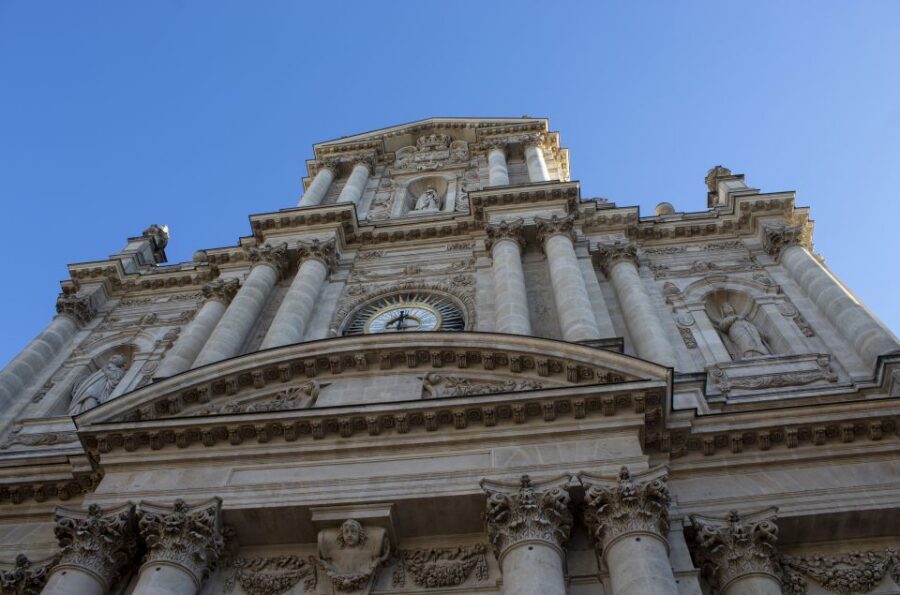
Drop-off is either at Hôtel de Ville or at Paroisse Saint-Paul Saint-Louis, depending on the option booked. That flexibility can matter if you’re pairing this with another stop on your own, like grabbing a snack or heading to a nearby attraction.
A small drawback worth thinking about: since it’s a short tour, you leave with good context but not full time inside every site. That’s normal for a 2-hour neighborhood walk. If you want long interior visits, you’ll likely need to follow up on your own afterward.
What the local guide adds: personalization and the secret-story approach
A big reason to do this with a guide is that Le Marais is layered. Your guide ties together trends, old architecture, and the neighborhood’s evolution. The tour includes stories that connect the past to modern-day art galleries and boutiques, so when you look at storefronts, you understand they exist in a long continuum.
I also like that guides on this route are known for strong conversation and pacing. In past groups, guides such as Hugo were praised for immense knowledge and for walking guests through both quarters to surprising places. Clara has been noted for excellent pacing, so the route doesn’t feel like you’re being dragged from one photo to the next. Walid has stood out for personalized tours, including a call a few days before to firm up details.
You won’t just get facts dumped on you. You’ll get what to notice while you’re standing there: how the neighborhood’s identity formed, which streets matter, and why the mix of old and new feels intentional instead of accidental.
Price and value: is $64 for 2 hours a fair deal?
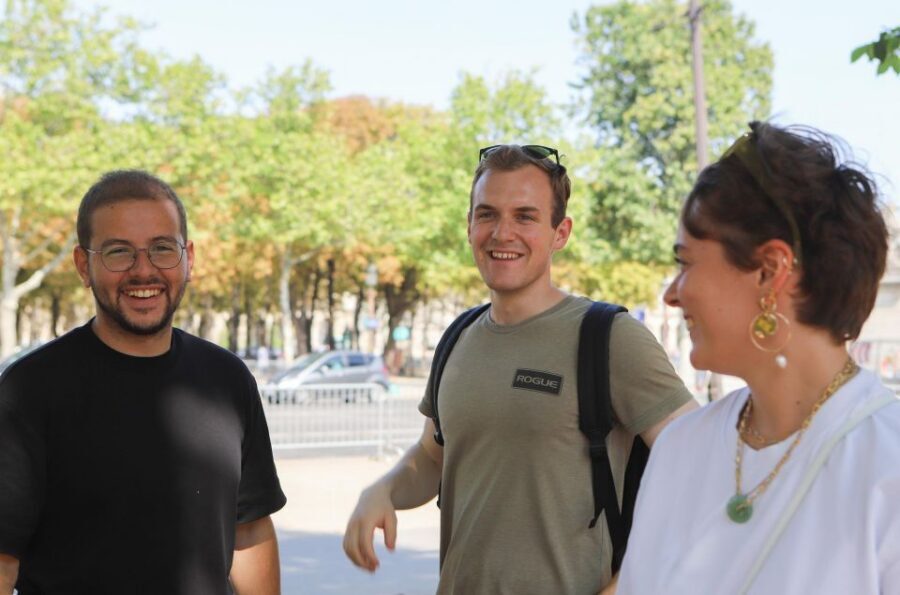
At $64 per person for about 2 hours, you’re paying for three things: a knowledgeable guide, a route that covers key areas efficiently, and the small-group size (max 8). In a city like Paris, guides who can explain what you’re looking at tend to be worth it—especially in neighborhoods where it’s easy to miss the “why.”
To me, the best value signal isn’t just the landmarks. It’s the inclusion of tips to navigate the city after. That’s the kind of add-on that helps you turn a short tour into a longer day. If your goal is to feel oriented in Le Marais and walk it more confidently afterward, the price starts to make sense.
If your travel style is all about solo wandering and you don’t care about guided context, you might find it optional. But if you want to understand Le Marais instead of just passing through it, this is a solid use of time.
Who should book this Le Marais walking tour
This works especially well for you if:
- You want a small-group neighborhood experience, not a mass tour
- You’re interested in the Jewish Quarter alongside famous squares and architecture
- You like history that shows up on the street, including secret stories such as the Templar Order
- You value a guide who can adjust pacing and share context, not just point
It might be less ideal if:
- You want long museum time or extended indoor visits
- You dislike walking through busy central streets
- You need full wheelchair access but are not booking the private option
Quick, practical tips to make the walk smoother
- Wear shoes you can stand and walk in for a couple of hours.
- Plan to use the photo stops. That’s when your guide expects you to look up and around.
- If you have specific interests—architecture, food-market vibe, Jewish Quarter context—use them. Some groups have been personalized by the guide before the walk.
- Bring a light layer. Paris weather changes fast, and the tour goes rain or shine.
Should you book this Paris Le Marais tour?
If you want Le Marais to make sense quickly, I’d book it. The small-group size, the guided route through both major landmarks and neighborhood texture, and the focus on stories that explain the area’s evolution are the key strengths.
Do it especially if this is your first time in Le Marais and you’d rather learn what matters than stumble into it by luck. For a short trip, this kind of guided orientation is one of the best ways to turn two hours into a whole day of smarter wandering.
FAQ
How long is the Paris Le Marais walking tour?
It lasts about 2 hours.
What’s the group size on this tour?
It’s a small-group experience with a maximum of 8 people, or you can choose a private option.
Where do I meet the guide?
Meeting point depends on the option booked. It can be Temple, 89 R. de Turbigo, or Hôtel de Sens.
What languages is the live guide available in?
The tour guide is available in English, French, and Spanish.
Does the tour run in bad weather?
Yes, it takes place rain or shine.
Is this tour wheelchair accessible?
It is wheelchair accessible only with the private option.