REVIEW · PARIS
Paris: Local Secrets and Passageways Walking Tour
Book on GetYourGuide →Operated by Dayin · Bookable on GetYourGuide
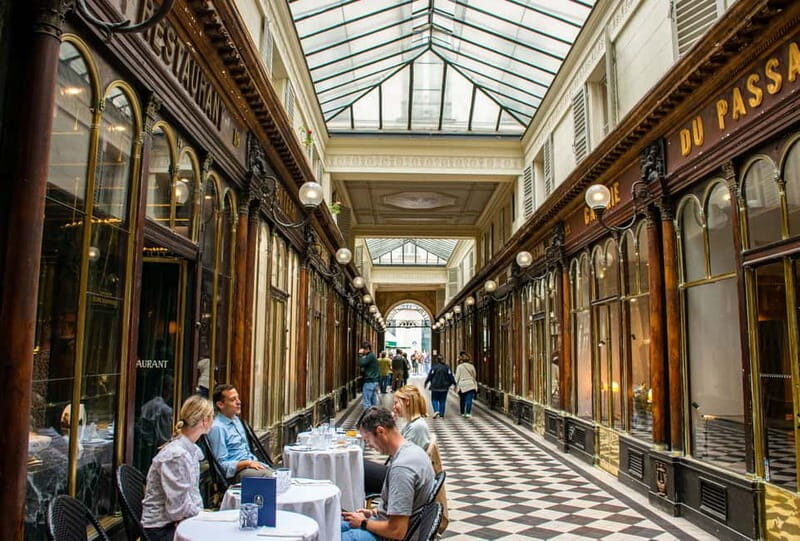
Paris looks different once you start walking under its roofs. This 2-hour route threads together the city’s covered arcades and 19th-century-style corridors, the kind of places you’d miss if you only chase big landmarks. I especially like the way the tour slows you down and teaches you how to look—not just where to go.
I also really enjoyed the small group format. With a group size capped at 6 (or private if you want it), you get enough time for questions and the route stays flexible. And the guide quality matters; one standout was Benoir, who made the whole thing feel easy and genuinely fun.
One consideration: this is still a walking tour, with cobblestone alleys and lots of indoor/outdoor transitions. If you need wheelchair access, you’ll want the private option, since wheelchair access is only listed for that setup.
In This Review
- Key Highlights You’ll Actually Feel on This Tour
- Why Paris Passageways Beat the Usual Sightseeing Route
- Meeting at 26 Rue Cadet and How the 2-Hour Plan Flows
- Stop by Stop: Passage Verdeau to Passage du Grand Cerf
- Passage Verdeau: Your first taste of the arcade experience
- Passage Jouffroy: Another corridor, different mood
- Passage des Panoramas: Where the walking feels like a scene
- Palais Brongniart: Architectural energy between passageways
- Galerie Vivienne: 19th-century elegance you can walk through
- Palais-Royal: Classic Paris drama, human scale
- Galerie Véro-Dodat: A quieter passage moment
- Bourse de Commerce: A major stop that breaks up the walking texture
- Saint-Eustache Church: Stop and reorient with a landmark
- Les Halles de Paris: The city’s energy returns
- Passage du Grand Cerf: Finish where the story stays consistent
- Small Group Comfort and Why the Guide Stories Matter
- Weather-Proofing: Why This Tour Is Especially Good When It’s Raining
- Price and Value: Is $91 Worth Two Hours?
- What to Expect Day-of: Comfort, Timing, and Photo Rhythm
- Who This Tour Fits Best
- Tips to Get More Out of Every Passageway
- Should You Book This Passageways Walking Tour?
- FAQ
- How long is the Paris Local Secrets and Passageways Walking Tour?
- Where does the tour meet?
- How many people are in the group?
- What languages are offered?
- Is this tour good for rainy weather?
- Is the tour wheelchair accessible?
- What is included in the price?
Key Highlights You’ll Actually Feel on This Tour
- Intimate group size (6 max) keeps the pace calm and the stories specific
- Covered passageways make this a strong rainy-day plan
- Iconic stops like Galerie Vivienne and Palais-Royal give real payoff fast
- A local guide with stories about artists, writers, and intellectuals brings the arcades to life
- Practical navigation tips help you enjoy the rest of your Paris days
Why Paris Passageways Beat the Usual Sightseeing Route
Most first-time Paris plans push you toward the “main streets and monuments” loop. This tour flips that idea. Instead of treating Paris as something you view from outside, you experience it like a local does: through passages, courtyards, and the in-between spaces where daily life happened long before today’s tourist crowds.
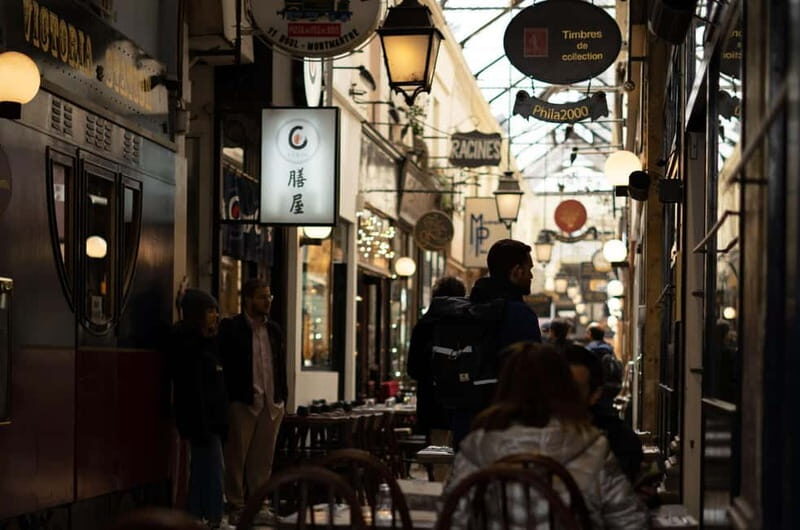
The key is the vibe. These passageways feel like indoor streets with a bit of theatre built in. You’re walking under ceilings, past storefronts, and into quieter corners where the city’s style looks almost preserved. The tour also leans into the 19th-century elegance theme, so you get a sense of Paris as a place that learned to dress its sidewalks.
And the structure helps. With a 2-hour timeline, you get momentum without feeling dragged from one end of town to the other.
You can also read our reviews of more walking tours in Paris



Meeting at 26 Rue Cadet and How the 2-Hour Plan Flows
You meet the guide in front of Optic 2000 at 26 Rue Cadet. It’s a clear, practical meeting point—exactly what you want when you’re navigating a city that loves confusing side streets.
From there, the tour moves stop by stop through a chain of passageways and landmark-adjacent interiors. Every stop is built for short stays—think photo moment, quick guided look, then back to walking. The pace is designed for a continuous flow, not long lectures.
Even the end point is part of the experience. You finish at Passage du Grand Cerf. In practice, it’s still the same idea: you end in a place that keeps the “arcade walk” theme going, so the tour doesn’t abruptly cut off your experience.
Stop by Stop: Passage Verdeau to Passage du Grand Cerf
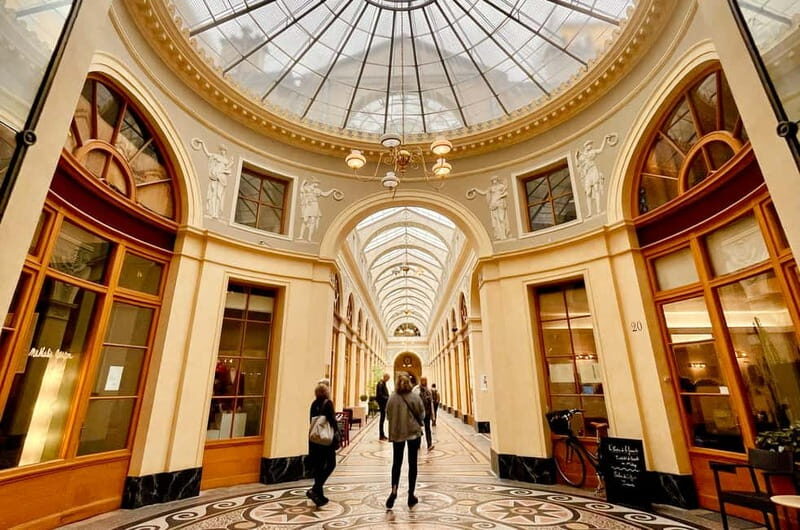
The itinerary is packed, but it doesn’t feel like a checklist. Each stop is short enough that you stay curious, and detailed enough that you leave with clear mental images.
Passage Verdeau: Your first taste of the arcade experience
You start with Passage Verdeau. This is a photo stop plus a guided look, about 10 minutes. The main reason I like this opening is that it “sets your eyes.” After your first passage, you start noticing how these corridors function—tight, sheltered, and designed for foot traffic that isn’t exposed to the weather.
If you’re coming on a day when Paris feels gray and slippery, this kind of start helps you warm up fast.
Passage Jouffroy: Another corridor, different mood
Next is Passage Jouffroy, again around 10 minutes. You get the same mix: photos, guided tour, and a quick look around.
One thing you’ll appreciate here is contrast. Even when two passageways feel similar at first glance, the details give each one its own personality. The guide’s narration is what helps those differences stick in your head.



Passage des Panoramas: Where the walking feels like a scene
Passage des Panoramas gets a longer stop at 20 minutes. That extra time usually signals a stronger story or more to see. It’s also one of the best places to remember you’re not just touring—you’re moving through a living architecture type.
Practical note: this is a great stop for photos, but don’t block the flow. In tight passages, you’ll keep things smoother (and more pleasant) if you step aside quickly after snapping shots.
Palais Brongniart: Architectural energy between passageways
Then you’ll head to Palais Brongniart (about 10 minutes). This is listed as a photo stop, guided visit, and guided tour. The “what” here is straightforward: it’s a major sight that pairs well with the smaller passage scale.
I like adding a landmark like this after several passages because it refreshes your sense of place. You get a breather before you step back into the enclosed, intimate streets.
Galerie Vivienne: 19th-century elegance you can walk through
Galerie Vivienne is allotted 15 minutes. This is one of the tour’s anchor stops and a perfect match for the tour’s promise about 19th-century elegance.
What I like about this stop is that it’s both pretty and practical. You’re walking inside something designed for browsing and lingering, which means you can slow your pace and actually look. If you’ve been snapping photos on autopilot, this is where you’ll start seeing details instead.
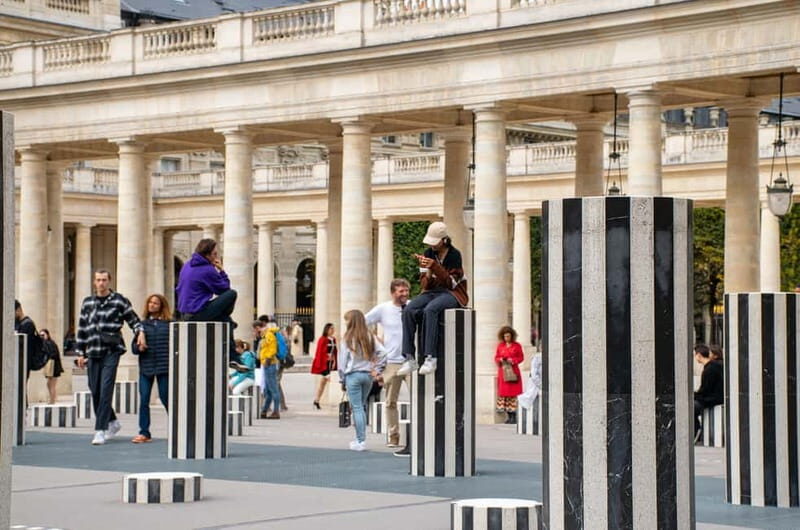
Palais-Royal: Classic Paris drama, human scale
Palais-Royal takes 20 minutes, making it one of the longer “anchor” visits. This stop is a strong payoff because it’s famous enough that you’ll recognize it once you’re there, but still sheltered and experience-based rather than just a distant monument view.
This is also a good moment to regroup mentally. After a run through corridors, your eyes will enjoy the shift in space and layout.
Galerie Véro-Dodat: A quieter passage moment
Galerie Véro-Dodat is about 10 minutes. It works like a palate cleanser: you go in, learn what to notice, snap what you want, then move on.
These shorter stops are where the tour shines for me. They prevent “too much of a good thing” fatigue. You get enough time to absorb the vibe without losing the thread.
Bourse de Commerce: A major stop that breaks up the walking texture
Bourse de Commerce is another quick one at 10 minutes, with photos and guided tour. It’s a good contrast against the passageways because it reads as a more formal structure.
Even if you’re not a history nerd, this kind of stop helps you map Paris as a city of varied spaces—commercial, cultural, enclosed, and open—connected by walking routes.
Saint-Eustache Church: Stop and reorient with a landmark
Next up is Saint-Eustache Church, around 10 minutes. You get photos and a guided look.
Church stops can either feel like a rushed box-check or like a moment of orientation. Here, because the rest of your tour is mostly passage-based, it helps you reset. The space tends to feel different enough that you feel you’ve changed districts even if you’re not going far.
Les Halles de Paris: The city’s energy returns
Then comes Les Halles de Paris for about 10 minutes. The tour keeps the pace and the rhythm: photo stop, guided visit, guided tour.
This is a smart placement because it reminds you Paris isn’t only preserved in corridors. You’re moving from enclosed, older-style elegance back toward a more current pulse of the city. If you want to keep momentum after the tour, this stop is a natural lead-in.
Passage du Grand Cerf: Finish where the story stays consistent
The tour ends at Passage du Grand Cerf. It’s the “last page” of the arcade walk—same corridor logic, same photo-friendly passage structure.
Finishing this way matters more than you’d think. You’re not dropped back into a random street corner where everything feels unrelated. You end inside the same kind of Paris texture that you started with.
Small Group Comfort and Why the Guide Stories Matter
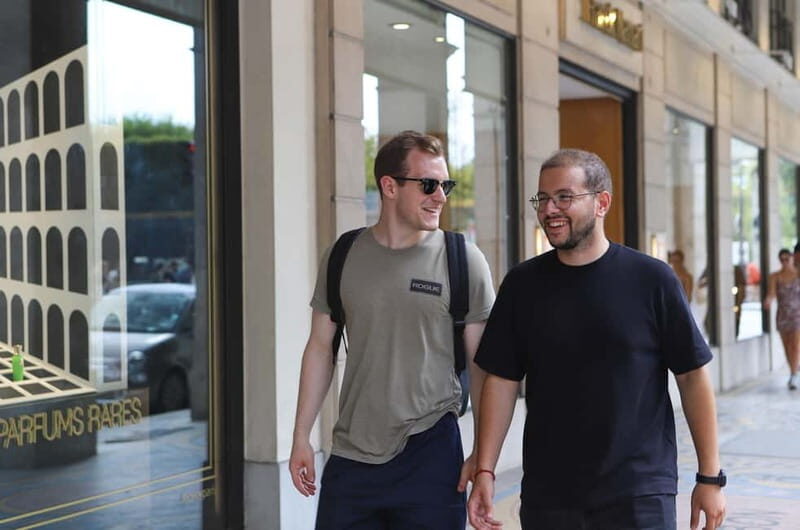
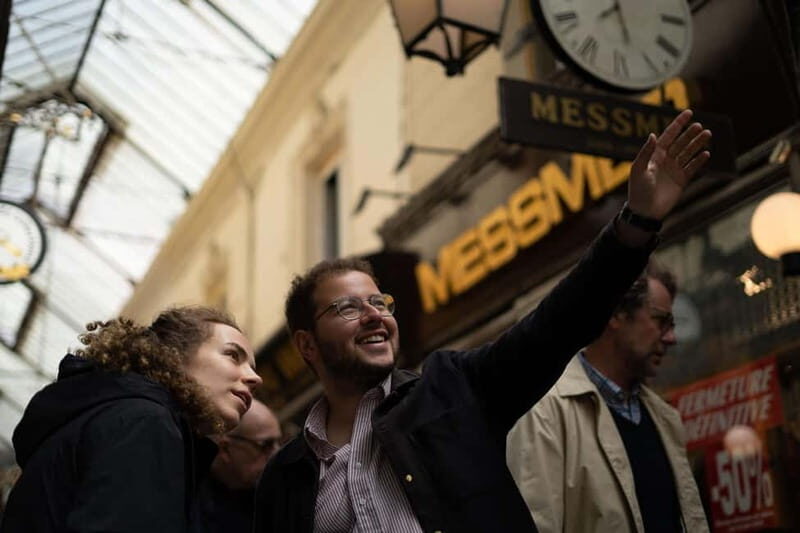
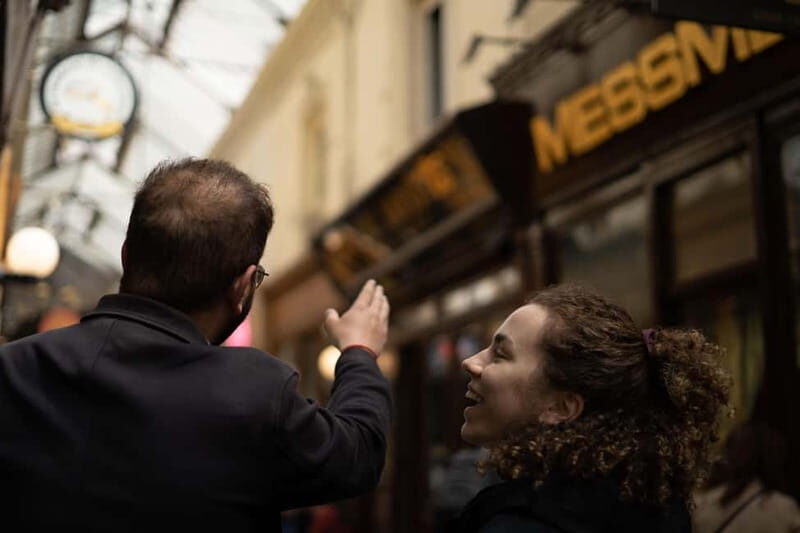
This is a local guide tour, and that changes the whole experience. The guide doesn’t just point. They share stories about artists, writers, and intellectuals who frequented these places. That detail is what makes the passageways feel like culture, not just architecture.
When a tour nails storytelling, you remember it later. You don’t have to memorize dates. You just get a sense of how people used these corridors for social life, creativity, and ideas—then you walk the spaces the same way they did, at least in spirit.
The intimate group format (max 6, or private) is a big part of why this works. It’s easier to hear the guide, ask questions, and stay comfortable. And it tends to reduce the “tour herding” feeling you can get on larger groups.
One extra perk that I think you’ll appreciate: the tour includes tips to navigate the city after. That’s not fluff when your day is full of neighborhoods and you need smart, efficient next steps.
Weather-Proofing: Why This Tour Is Especially Good When It’s Raining
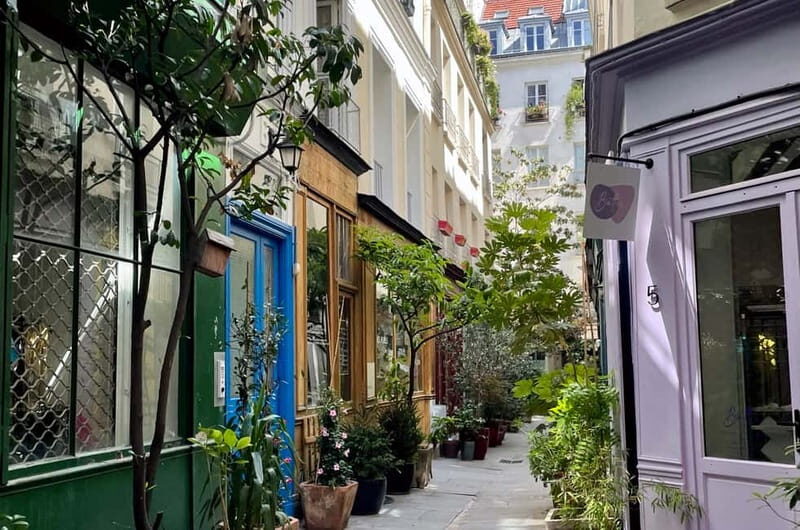
Paris weather can make you want to surrender. This tour was built for rainy days.
Because you spend time in covered arcades and move through cobblestone alleyways with shelter nearby, you don’t lose the whole outing to drizzle. Instead, the passage layout becomes an advantage. You keep moving, you stay protected in key stretches, and you can still enjoy the interiors like they’re meant to be enjoyed—without rushing from wet street to wet street.
If you’re deciding between this and an outdoor-only plan on a gray day, I’d pick this one.
Price and Value: Is $91 Worth Two Hours?
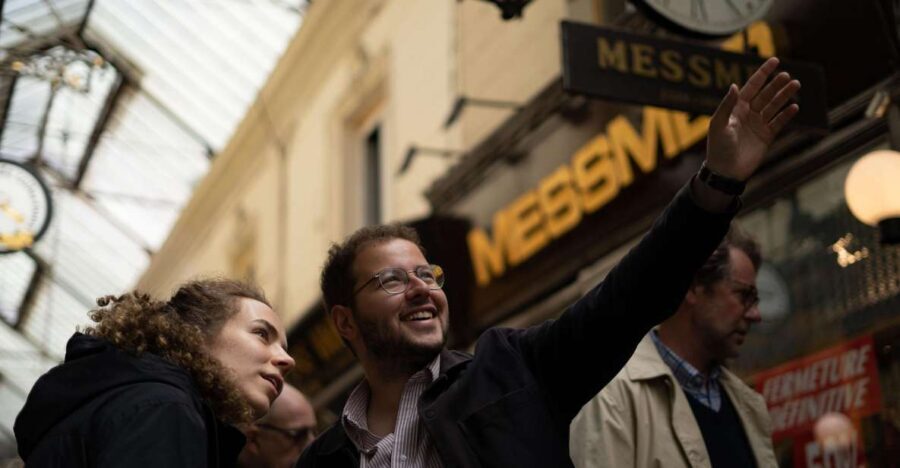
At $91 per person for a 2-hour walk, you’re paying for three things: a local guide, a tightly paced route, and the advantage of seeing multiple passageways in one shot.
Here’s how I judge value. If you try to do passageways on your own, you can find some, but you’ll likely miss the connective tissue—what to notice, why these places mattered to creative minds, and how to move between them efficiently. The tour bundles that context with guided time at each stop.
Also, your group size is small—6 max—which tends to make the experience feel more personal than you’d get with a larger walking tour. In other words, you’re not just paying to enter places; you’re paying to get guided storytelling and a smooth route.
What’s not included is simple: hotel pickup and drop-off. So you’ll want to plan to arrive at 26 Rue Cadet on your own.
What to Expect Day-of: Comfort, Timing, and Photo Rhythm
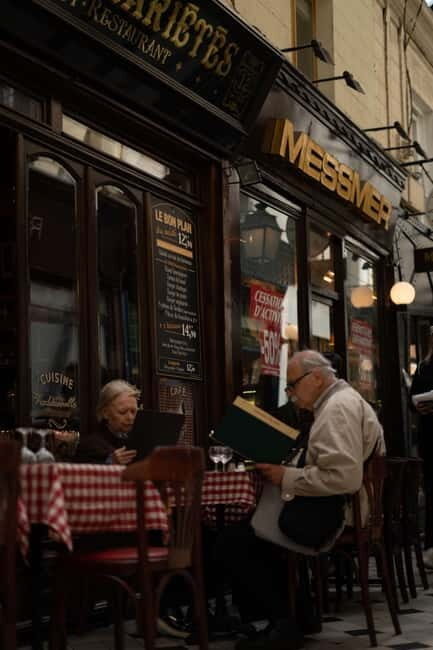
The itinerary is structured in short bursts. Most stops are 10 minutes, with a few longer ones (notably Passage des Panoramas, Palais-Royal, and Galerie Vivienne).
That rhythm means you should expect:
- A steady flow of walking between stops
- Photo moments that don’t take over the entire visit
- Quick guided explanations so you don’t feel lost
For you, the practical move is to wear shoes you trust. Cobblestones and indoor stone floors can feel slick when it’s wet. Bring a small umbrella if rain is likely, but don’t count on it for every moment—passage coverage varies as you move.
If you like taking photos, this is a friendly tour. You’ll get photo stops throughout, and you’ll be guided to where it makes sense to pause.
Who This Tour Fits Best
I’d steer you toward this tour if you want:
- A more local-feeling Paris than the usual street-to-street monument loop
- A rainy-day plan that still feels like sightseeing, not waiting indoors
- A small-group guide experience with English, French, or Spanish support
I’d be more cautious if you:
- Need wheelchair access but aren’t doing the private option
- Hate walking even for short stretches (this is still a walking tour with cobblestones)
For couples, solo travelers, and small groups, the size and pacing are a good fit. It also works well if you’re trying to orient yourself quickly—passageways give you a “mental map” of Paris as a place of linked spaces.
Tips to Get More Out of Every Passageway
A few things that make the biggest difference on a tour like this:
- Keep your camera ready, but step aside quickly after you take a photo so you don’t stall the group.
- Listen for the guide’s context about who visited these spaces. That’s what turns background architecture into a story you can carry.
- If it’s rainy, plan for wet fabric and slippery ground. Passage floors can be smoother than outdoor streets, but not always by much.
- After the tour, use the navigation tips while you’re still in “walking mode.” You’ll save time later.
And yes, bring a little curiosity. These corridors reward the kind of attention you can’t fake.
Should You Book This Passageways Walking Tour?
Book it if you want Paris to feel intimate and human-scale. The small-group setup, the focus on passageways and 19th-century style, and the guide storytelling (including the kinds of cultural figures who used these spaces) make the route feel more meaningful than a basic photo walk. On rainy days, it’s a particularly smart choice because the city’s architecture gives you cover.
Skip or reconsider if wheelchair access is essential and you’re not booking the private option, or if you’re looking for a fast hit of only the biggest, most recognizable monuments. This tour trades breadth for atmosphere—and that’s exactly why it’s worth it.
FAQ
How long is the Paris Local Secrets and Passageways Walking Tour?
The tour lasts 2 hours.
Where does the tour meet?
You meet your guide in front of the Optic 2000 shop at 26 Rue Cadet.
How many people are in the group?
The tour is designed as an intimate group with 6 people max, with a private option available.
What languages are offered?
The live tour guide is available in English, French, and Spanish.
Is this tour good for rainy weather?
Yes. It’s listed as ideal for rainy days, with lots of covered arcade walking.
Is the tour wheelchair accessible?
Wheelchair accessibility is only available with the private option.
What is included in the price?
Included are a local tour guide, an intimate group (or private), the walking tour itself, and tips to navigate the city after. Hotel pickup and drop-off are not included.