REVIEW · PARIS
Paris: Louvre Museum and Orsay Museum Guided Tour
Book on GetYourGuide →Operated by GetYourGuide France · Bookable on GetYourGuide
Great art, packed into one day.
This Orsay-to-Louvre combo is built for people who want the big names plus helpful stories, without getting lost in two enormous museums. I like that you get guided time in both museums (Orsay in the morning, Louvre in the afternoon) and I like the pre-reserved, skip-the-line approach so you spend more minutes looking and fewer minutes waiting. One drawback to plan around: there’s a tight rhythm, and once you leave the museum buildings, you can’t go back in.
The flow makes sense. You start in a former train station that now houses the Impressionist powerhouse of Musée d’Orsay, then you get fast access and a highlights path at the Louvre with classics like Venus de Milo and the Winged Victory. If you’re hoping to wander at your own pace for hours, this guided format will feel a little structured—but for first-time Paris art time, it’s a smart use of hours.
In This Review
- Key highlights to know before you go
- How the Orsay-to-Louvre combo works in one tight afternoon
- Musée d’Orsay: Impressionists in a former train station
- The morning walk-through: stories, audio devices, and what you’ll actually notice
- Lunch gap and the best way to protect your schedule
- Louvre highlights tour: Venus, Nike, and the Mona Lisa story you’ll remember
- Meeting points that matter: Orsay horse statue to Place Colette kiosk
- Skip-the-line, audio devices, and what’s not included
- Price and value: why $157 can be worth it
- Who should book this combo (and who should skip it)
- Should you book the Paris Orsay and Louvre guided combo?
- FAQ
- How long is the tour?
- Where do I meet the guide for the Musée d’Orsay portion?
- Where do I meet the guide for the Louvre portion?
- What’s included in the price?
- Is lunch included?
- Can I bring a large bag or luggage?
Key highlights to know before you go
- Former train station setting at Musée d’Orsay, including a Paris view framed through one of the station clocks
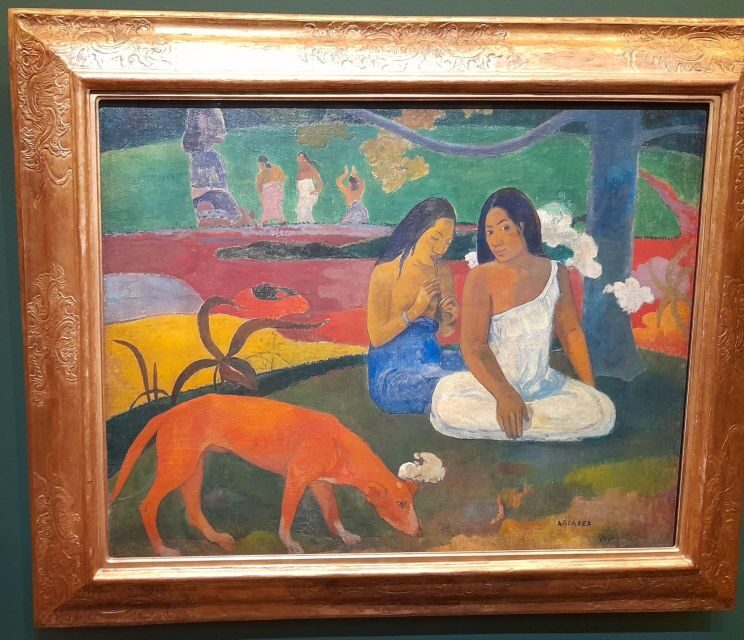
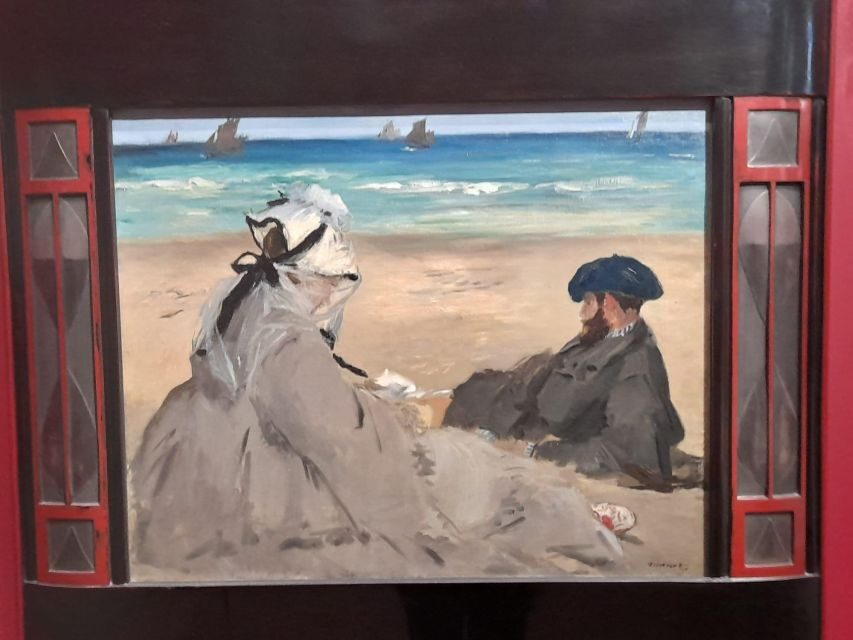
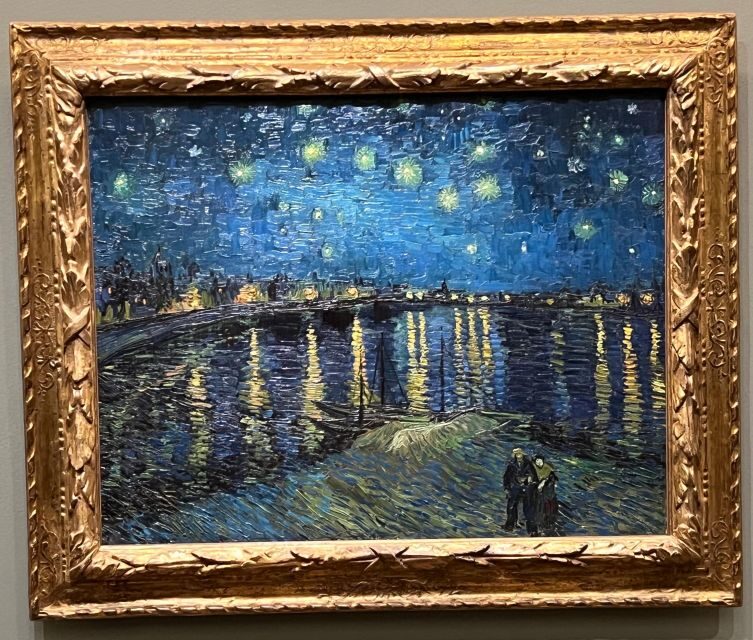
- 1.5-hour Impressionist and Post-Impressionist focus with major names like Monet, Manet, Renoir, Van Gogh, Cézanne, and Gauguin
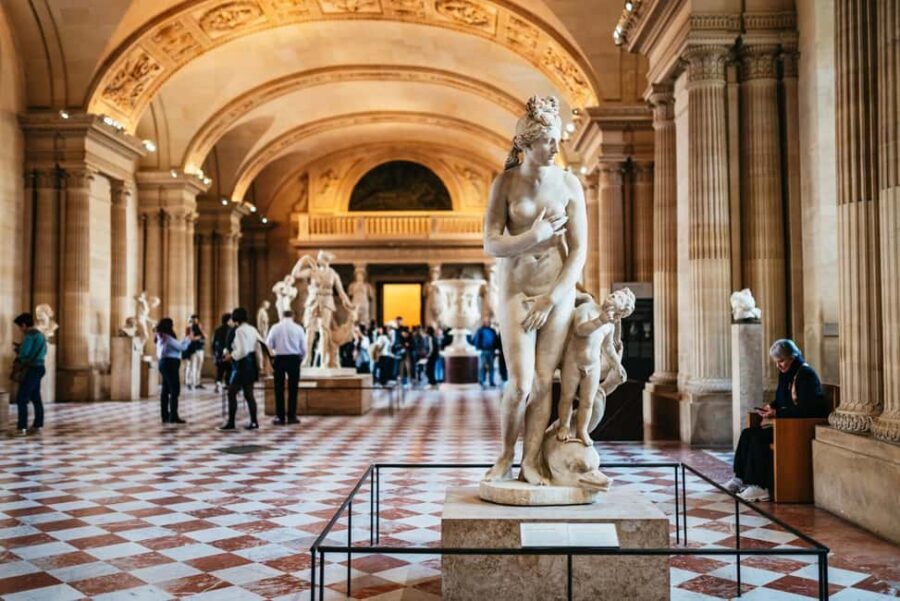
- Louvre highlights route with fast access, bringing you close to Venus de Milo and the Winged Victory of Samothrace
- Mona Lisa context, including how the 1911 theft helped create its modern fame
- Short free time between museums to lunch on your own and reposition before the Louvre meet-up
How the Orsay-to-Louvre combo works in one tight afternoon
This is a 3.5-hour guided experience that uses the day in two clear blocks: Orsay first, then the Louvre. The Orsay portion runs for 1.5 hours in the morning with an English live guide plus audio devices. Then you break for lunch and transit, and later meet your guide again for a 2-hour Louvre highlights tour.
What I like about this structure is that it gives you a guided “story arc” instead of two random museum visits. At Orsay, you’re guided through Impressionism and Post-Impressionism as a way of seeing modern life. At the Louvre, you’re led along a highlights sequence that connects ancient Greece, Renaissance portraiture, and major sculpture without making you plan your own route in a maze of galleries.
The tradeoff is that you’re not doing a full free-roam Louvre day. You’ll see standout pieces and key themes, but not every room. If you want the freedom to chase specific paintings on your own, you may feel slightly time-pressured, especially during busy seasons.
You can also read our reviews of more guided tours in Paris



Musée d’Orsay: Impressionists in a former train station
Musée d’Orsay is already a good reason to book. You’re touring a building that used to be a train station, and the museum’s architecture is part of the show. One of the most memorable moments is the idea of seeing Paris framed through one of the station clocks, which turns a landmark feature into a scenic pause while you move through the galleries.
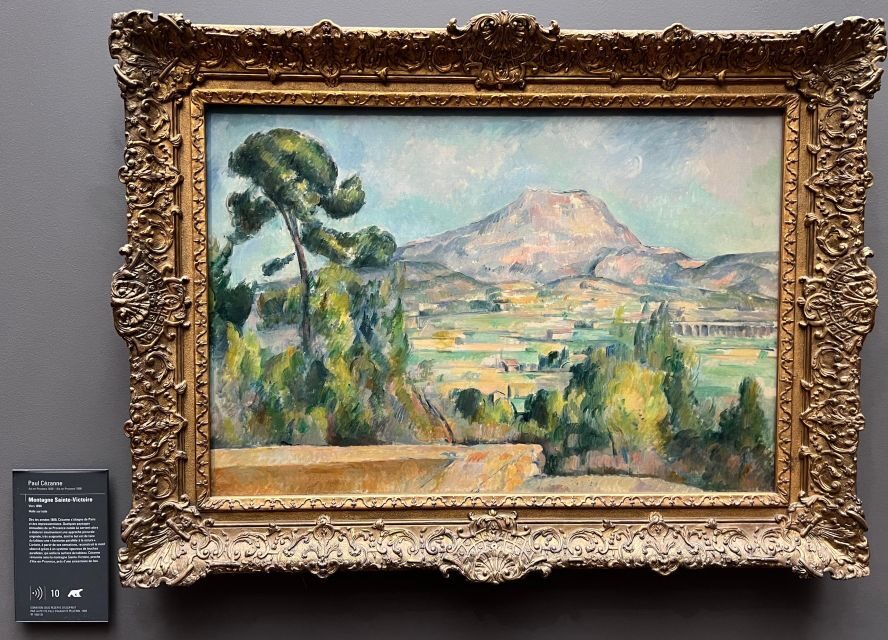
Your morning guide focuses on 19th-century art, using Impressionists and Post-Impressionists as a lens on the era. You’ll see work connected to industrial Paris and everyday urban life, and you’ll also cover places beyond the city—like the local countryside and the south of France represented through artists associated with scenes of light and landscape. There’s also the global reach of that same period, including the mention of Gauguin, so the story doesn’t stay limited to one geography.
This isn’t only about names on labels. The guide is set up to explain the “why” behind the art—how styles developed, how artists responded to modern life, and even the social side of the era. Expect references to scandals and Parisian society after the Industrial Revolution, which is a helpful way to make the paintings feel like documents of real human drama.
The big bonus here: you’re given guided time in one of the easiest museums in Paris to enjoy with a plan. Orsay is not small, but it’s coherent. If you’ve ever stood in front of an Impressionist painting and thought, I love this, but I don’t know what I’m looking at—this format is made for that.
The morning walk-through: stories, audio devices, and what you’ll actually notice
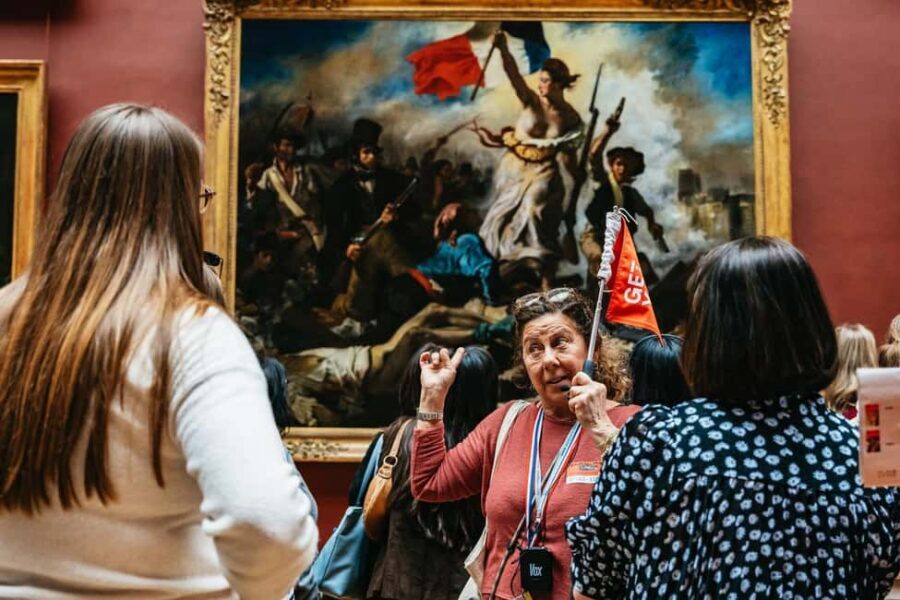
The tour uses audio devices, which matters more than it sounds. In Orsay, sound levels can get chaotic in crowded rooms, so having reliable audio helps you keep up with the guide’s explanations instead of relying on your ability to hear over other people.
You’ll spend about 1.5 hours with the guide, which is long enough to cover themes and key masterpieces but short enough that you don’t lose the thread. The content is aimed at connecting painting styles to the lived reality of the century—things like shifting social life, new urban energy, and a changing relationship to nature and travel.
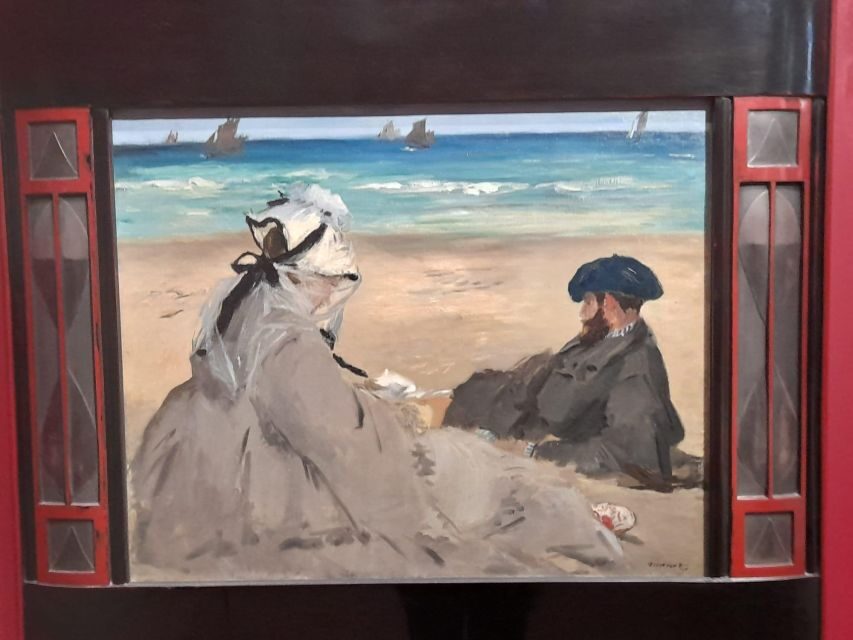
As you move through rooms, you’ll likely notice that the guide’s narrative makes certain details pop. Instead of just spotting a famous signature style, you learn to look for brushwork choices, color effects, and how scenes represent modernity. You’ll see major artists listed for you—Monet, Manet, Renoir, Van Gogh, along with Cézanne—so you’re not stuck wondering whether the works you’re seeing are “the right ones.”
One practical note: the tour does not include temporary exhibitions. Orsay has special rotating shows sometimes, but this experience is focused on the main collection and the planned guided route.
Lunch gap and the best way to protect your schedule
Between the two guided portions, you get free time to lunch and make your way to the Louvre. Lunch is not included, so plan on buying something nearby or bringing a simple plan you can execute quickly.
This gap is important. The Louvre meet-up time in the afternoon isn’t fixed in the same way as Orsay; the exact Louvre start time is confirmed by your guide in the morning. That means you want to keep your lunch flexible and avoid anything that requires a long sit-down.
What protects your day is your momentum. You’re going from one major museum complex to another, and your schedule depends on showing up on time to the Louvre meet point. This combo tour is built around a group pace, so treat the lunch window as a tool for repositioning, not a full extended food detour.
Also keep in mind a key rule: if you exit the museums, you can’t go back in again. Even though the break happens between museums rather than during one museum visit, it’s a good reminder to use your time intentionally and not assume you can pop out and return.
Louvre highlights tour: Venus, Nike, and the Mona Lisa story you’ll remember
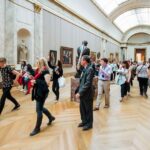
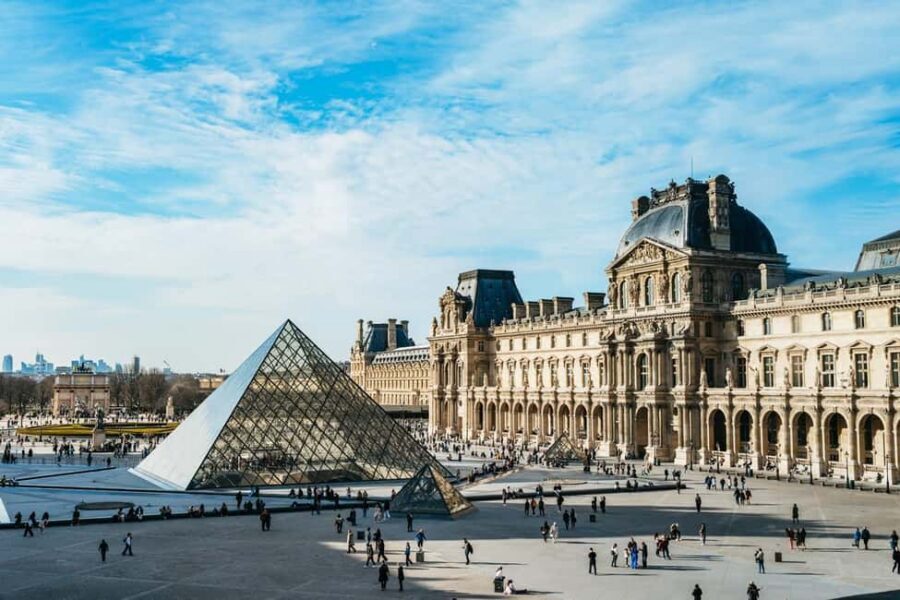
The Louvre part is 2 hours with a guide and a highlights route, designed to get you oriented fast. The museum is huge, but the tour gives you structure: you’re not left wandering randomly through wings and corridors. And because your tickets are pre-reserved, you’re set up for fast access.
Your highlights path includes major sculpture moments: you’ll see Venus de Milo, and you’ll also get to see the Winged Victory of Samothrace. The reason these stops work well on a guided tour is simple: they’re famous, but they’re also easier to appreciate when someone points out what to notice—proportions, expression, the impact of the pose, and why the piece mattered to artists afterward.
Then there’s the portrait stop: the Mona Lisa. You’re not just watching a crowd; you’re getting context for why the painting became what it is today, including the detail about the 1911 theft and how it contributed to its current fame. That kind of story changes your experience from seeing a picture to understanding a cultural event around the picture.
The Louvre tour also spans more than a single era. The collection includes works from ancient civilizations to the mid-19th century, and you’ll be guided through what the Louvre is as a whole—part museum, part former royal residence. You might find yourself thinking about the museum not as one building, but as a timeline of power, religion, and art styles.
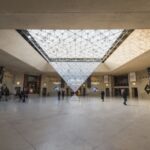
One especially cool logistical advantage: you go to the Louvre basement area where you can see the foundations of the castle that once stood on the site. It’s a reality check that the Louvre you’re standing in is built on earlier layers, which makes the whole visit feel more grounded.
You can also read our reviews of more museum experiences in Paris




Meeting points that matter: Orsay horse statue to Place Colette kiosk
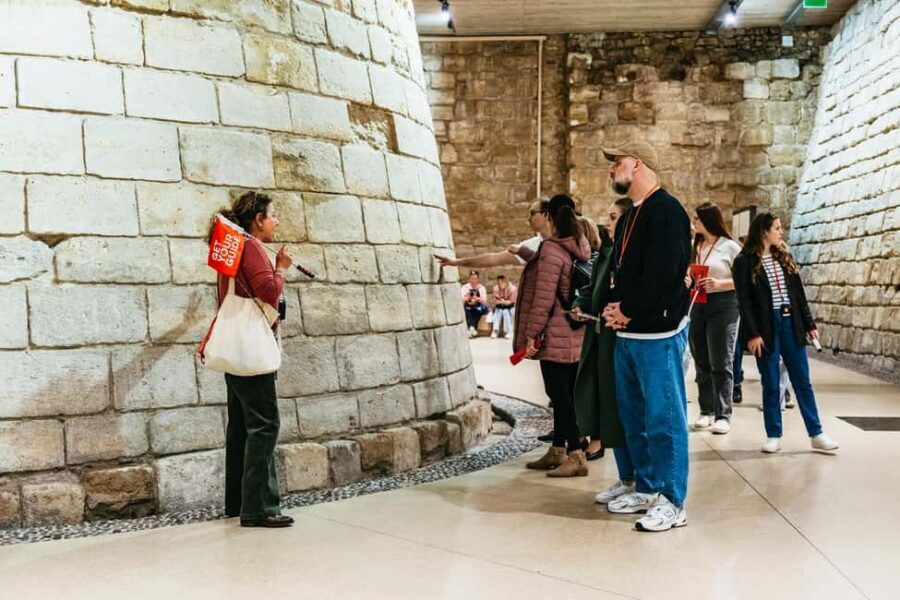
This tour succeeds or fails on meeting-point accuracy. In the morning, you meet your guide at the entrance of Musée d’Orsay, next to the horse statue. In the afternoon, you meet at the Kiosque des Noctambules on Place Colette, near the Louvre. The time for the Louvre portion is confirmed in the morning, so you’ll have one more reason to pay attention to your guide’s instructions.
The tour ends back at the meeting point. That means you can plan your next activity after the afternoon tour with less guesswork. It also means you don’t need to budget for a long search around the neighborhood after you finish.
Since the tour uses group bookings, lateness matters. If you’re late, you can’t rely on getting individual tickets on the spot because the entry is tied to the group setup. If you’re visiting in high season, also plan for possible wait time during security—up to 20 minutes at check-in.
A small tip: keep your phone charged and ready, and if you’re taking transit, build in buffer time. In this kind of combo tour, a few extra minutes can be the difference between staying in the group flow and missing your guided entry.
Skip-the-line, audio devices, and what’s not included
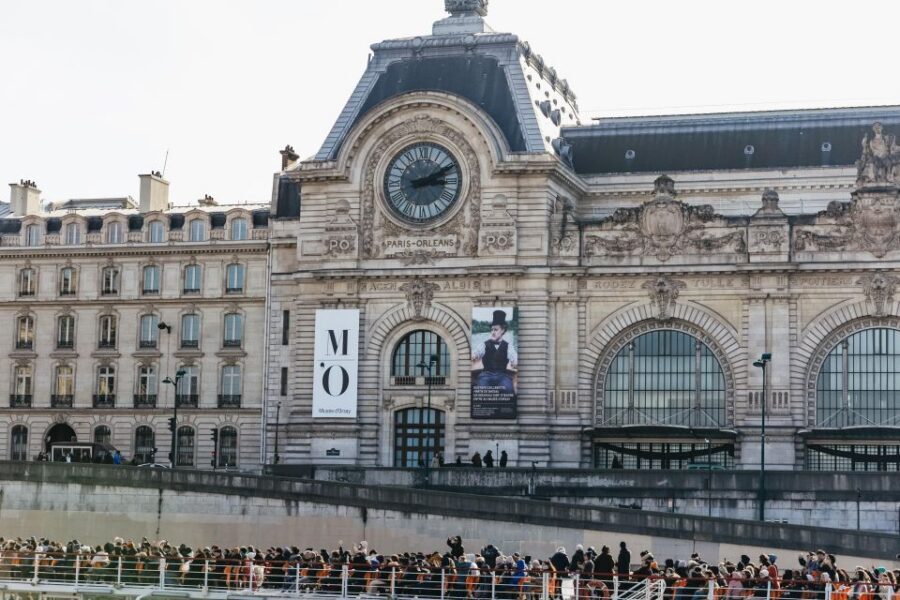
You’re getting pre-reserved tickets to both museums and skip-the-line access through a separate entrance. That’s a big deal in Paris, especially at the Louvre, where lines can eat your day.
You also receive audio devices to hear the live guide better. In practice, that can help you keep up with explanations of art, historical context, and why specific works are grouped on the route.
What the tour does not include is equally important. Lunch is not included, and the guided tours do not include temporary exhibitions. So if you’re specifically chasing a temporary exhibit at Orsay or the Louvre, you’ll need a separate ticket and plan.
Access rules also shape your day:
- No luggage or large bags
- No selfie sticks
- A cloakroom service is available for small bags and clothes
- The tour is not suitable for wheelchair users and not suitable for people with mobility impairments
If you’re traveling with more than a small bag, you’ll want to rethink what you bring. Paris museum days go much smoother with a light load.
Price and value: why $157 can be worth it
At $157 per person, this combo tour isn’t a “cheap entry ticket.” It’s paying for three things that are hard to replicate on your own in a tight day: guided storytelling, time-saving entry, and a structured route that hits major works without you spending hours planning.
Here’s where the value comes from for your time:
- Orsay is a specialized museum for Impressionism and Post-Impressionism, and a guide helps you connect paintings to the world that produced them. That makes the visit feel less like random viewing and more like learning how to see.
- The Louvre is massive, so the guided highlights route is the difference between seeing the Mona Lisa as a brief stop and actually understanding how key works fit into the museum’s broader themes.
- Skip-the-line with pre-reserved tickets reduces wasted hours. In peak seasons, saving even 30 minutes can be the difference between feeling rushed and feeling satisfied.
What you’re not getting is a full independent museum day. This is best when you want key artworks and solid context quickly, not when you want to linger in every room.
Who should book this combo (and who should skip it)
I’d book this if you want a strong art foundation without doing all the planning yourself. It works well for first-time Paris visits, for art lovers who feel overwhelmed by two huge museums, and for anyone who wants a guided path through the Louvre’s biggest names and Orsay’s Impressionist core.
This is less ideal if you:
- Need a flexible, self-paced schedule
- Want access to temporary exhibitions
- Have mobility constraints that make museum walking difficult
- Are traveling with large luggage that you’d rather not manage
If you’re the type who likes to take breaks, this combo can still work because you do get a lunch window. Just keep it short, and treat the guide meetings as firm anchors.
Should you book the Paris Orsay and Louvre guided combo?
If you want a smart art day with two guided museum blocks, saved entry time, and context that helps you actually remember what you saw, this is a solid choice. The Orsay portion gives you a focused Impressionist story, and the Louvre highlights route gets you to the big icons plus a few context-building stops like the castle foundations.
I’d book it when you’re short on time and want the classics plus meaning. I’d skip it if you’re chasing temporary exhibits or you want hours of unstructured wandering. In the right mindset, it’s one of the more efficient ways to “get it” in Paris art museums.
FAQ
How long is the tour?
The total duration is 3.5 hours, with 1.5 hours at Musée d’Orsay in the morning and 2 hours at the Louvre in the afternoon.
Where do I meet the guide for the Musée d’Orsay portion?
Meet your guide at the entrance of Musée d’Orsay, next to the horse statue.
Where do I meet the guide for the Louvre portion?
Meet your guide at the Kiosque des Noctambules on Place Colette, near the Louvre. The exact meeting time for the Louvre is confirmed by your guide in the morning.
What’s included in the price?
The price includes guided tours of Orsay (1.5 hours) and the Louvre (2 hours), pre-reserved tickets for both museums, and audio devices to hear the guide better. You also get free time between the tours for lunch.
Is lunch included?
No. Lunch is not included, but you have free time between the two guided parts to get lunch and make your way to the Louvre.
Can I bring a large bag or luggage?
No. Luggage or large bags are not allowed, and selfie sticks are not allowed. There is a free cloakroom service for small bags and clothes.