REVIEW · PARIS
Paris: Musée d’Orsay A Private Tour – rebels passion colour
Book on GetYourGuide →Operated by Paris Museum Guide · Bookable on GetYourGuide
Art here has a rebellious pulse.
This is a private Musée d’Orsay tour built around the stories behind the art: the clashes, the refusals, and the rule-breaking that shaped modern painting. You don’t just look at masterpieces; you follow a timeline of ideas, starting with the 1840s Salons and ending with artists who pushed individuality to the limit.
I especially like two things. First, the guide brings an artist’s eye to the paintings, with context that makes why-change-matters feel real. Second, the included audio receivers and headphones make it easy to hear your guide even when the museum is noisy, so you can actually focus on the work.
One thing to plan for: museum tickets aren’t included, and high season can mean limited availability. So factor the extra step (and time) into your day.
In This Review
- Key things to notice in this Orsay experience
- Why this Musée d’Orsay tour feels different
- Meeting by the Rhino: smooth start, clear plan
- The 2-hour rebel timeline: from Salon rules to personal freedom
- When you’ll feel the pace change
- Delacroix vs Ingres: the Salon battle that shaped the room
- Courbet and Manet: the moment the public starts saying no
- A small tip while you’re watching
- Monet and Cézanne: why the revolution mattered
- The ending: Van Gogh and Gauguin’s individuality
- How the artist-guide and audio receivers help you actually see
- Tickets and price: is $141 per person worth it?
- The practical flow inside Orsay (what you should plan for)
- Who should book this private guide?
- Should you book the private Musée d’Orsay rebels tour?
- FAQ
- Where do we meet for the Musée d’Orsay tour?
- How long is the private tour?
- Is the Musée d’Orsay ticket included in the price?
- What about discounts for students and children?
- How big is the private group?
- What language is the tour in?
- Are headphones or audio receivers provided?
- What should I bring, and what are the rules once inside?
- Is it suitable for infants?
- Can I cancel or change plans?
Key things to notice in this Orsay experience
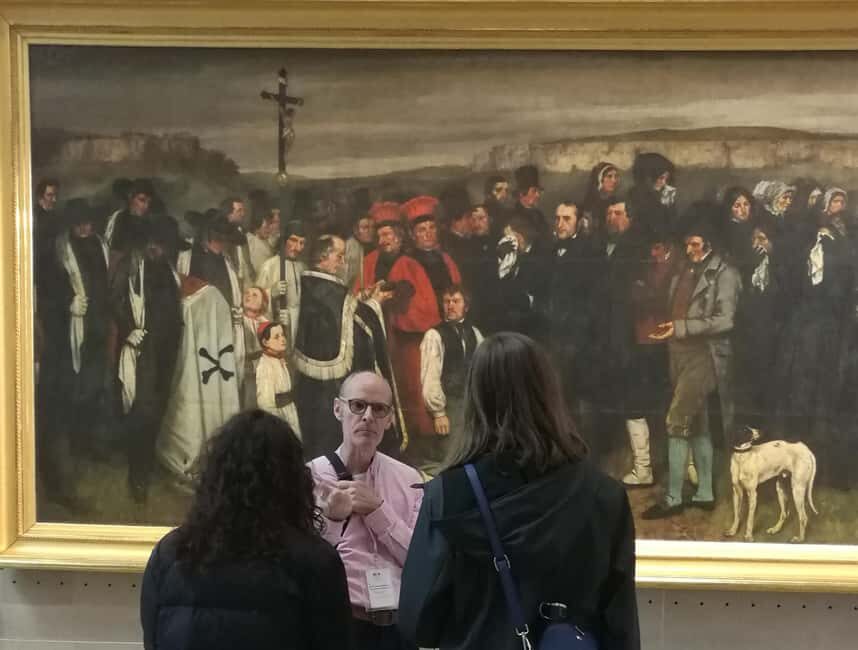
- Artist-guide perspective: you get commentary that’s more than labels on a wall
- A rebel timeline, not a random walk: from 1840s Salon traditions to later iconoclasts
- Core rule-breakers in focus: Courbet, Manet, Monet, Cézanne, plus a closing look at Van Gogh and Gauguin
- Impressionism explained with the why: you learn how rejection helped define the revolution
- Audio receivers included: clear listening, even in a crowded museum
- Small private group (up to 6): easier questions and better pacing for you
Why this Musée d’Orsay tour feels different
The Musée d’Orsay can hit you like a gorgeous wall of paintings. You’re surrounded by giants—then you start second-guessing your own understanding. This tour fixes that problem by giving you a storyline that connects the dots as you move through the galleries.
What I like is that the tour isn’t about memorizing dates. It’s about art as conflict: what artists challenged, who resisted, and how tastes changed. The “rebels, passion, colour” theme isn’t just marketing language. You’ll see how French painting went from salon-approved polish toward bolder ways of seeing—brushwork, subject matter, and even the idea of what a painting should do.
The private format matters too. With a group limited to 6, you don’t have to keep up with a crowd. You can ask questions, pause when something catches your eye, and get guidance without the “stand here, next!” energy that drains the fun.
You can also read our reviews of more private tours in Paris



Meeting by the Rhino: smooth start, clear plan
You meet outside the museum by the sculpture of the Rhino, and your guide will have a badge. That’s a small detail, but it’s the kind that saves stress. Orsay is busy, and “find the group somewhere inside” is how good plans turn into missed tours.
The tour is English, and it runs for 2 hours. You’ll want comfortable shoes because you’ll be moving through enough museum space to make “quick stop” logic irrelevant. If you’re the type who likes to read every label, the guide pacing helps you avoid that trap—while still giving you meaningful context.
Your guide is available for direct contact by WhatsApp or text, which is handy if you’re trying to confirm you’re in the right place or you got delayed getting there.
The 2-hour rebel timeline: from Salon rules to personal freedom
The tour is structured like a historical argument. You start with the Salons of the 1840s, dominated by two opposing figures: Delacroix and Ingres. Then you move toward the artists who questioned what the public and critics expected to see. The tour closes with the individuality associated with Van Gogh and Gauguin.
Think of it as a guided walk through changing standards. Each stop gives you a question to carry:
- What did “good painting” mean at the time?
- Who benefited from those definitions?
- Who broke the rules—and what did that break make possible?
That structure is what makes a short tour feel complete. Even though you’re only in there for about two hours, you’re not bouncing between random highlights. You’re following a cause-and-effect story.
When you’ll feel the pace change
The beginning often helps you set your expectations. Once you reach the “rule breakers,” the conversation tends to get more pointed. That’s the moment when a private guide shines: they can explain the tension without turning it into a lecture.
Delacroix vs Ingres: the Salon battle that shaped the room

Starting with the Salons of the 1840s makes sense because those shows weren’t just exhibitions. They were gatekeepers. If you wanted acceptance, you leaned toward certain styles and certain ideas of correctness.
Here’s what you should look for as the guide frames Delacroix and Ingres: the contrast in how painting can persuade. The Salons favored specific approaches, and understanding that helps you later notice when an artist is intentionally pushing back.
Delacroix and Ingres also give you a clean baseline for the rest of the tour. You’ll start to recognize that “rebellion” doesn’t mean chaos. Often it means: I respect painting rules, but I’m choosing different ones.





Courbet and Manet: the moment the public starts saying no
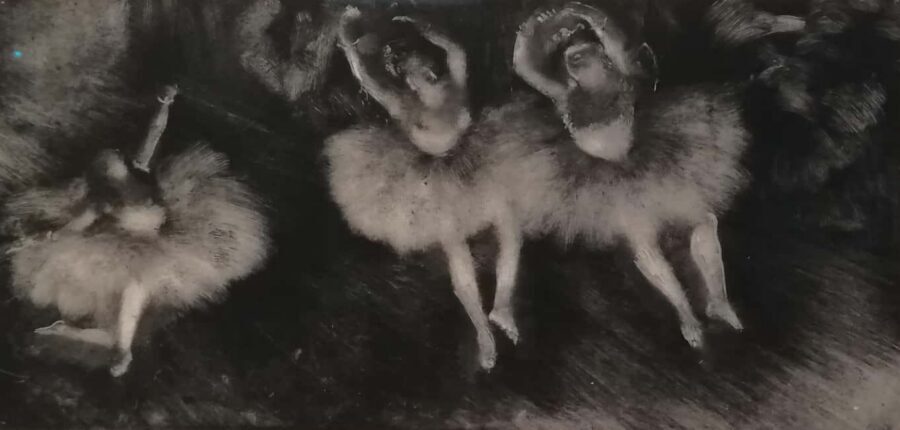
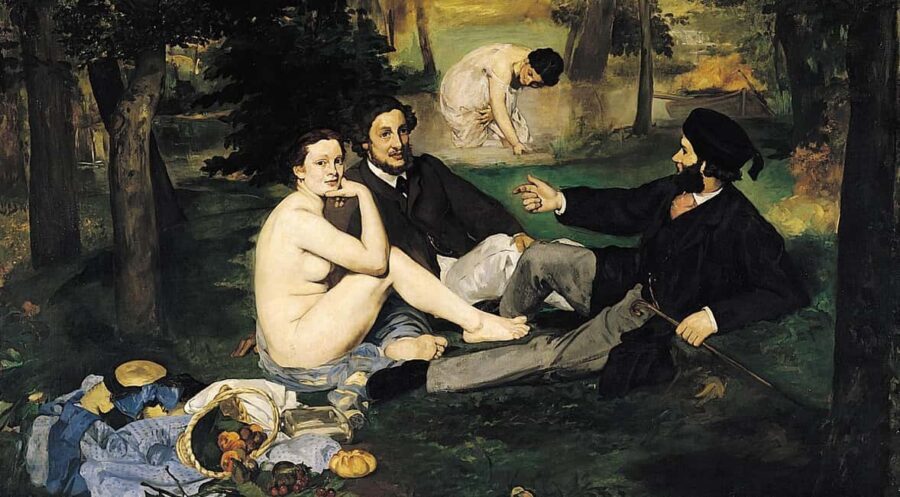
As you move into later sections, the tour points you toward Courbet and Manet—artists closely tied to the idea of rule-breaking in 19th-century French art.
The practical value here is that you learn how rejection works. You’ll get the story behind why certain works didn’t land well with the French public at first. And that’s crucial, because it changes the way you look at the paintings. Instead of thinking, I guess this is famous, you start thinking, Someone had to choose to challenge approval.
When the guide connects these works to audience expectations, you’ll be more alert to details like subject choices and the tone of what’s presented. You’ll see how style and message reinforce each other.
A small tip while you’re watching
When you stop in front of a painting, don’t just ask what it looks like. Ask why it would’ve annoyed a critic or a salon viewer. Your guide’s context nudges you toward that question naturally.
Monet and Cézanne: why the revolution mattered
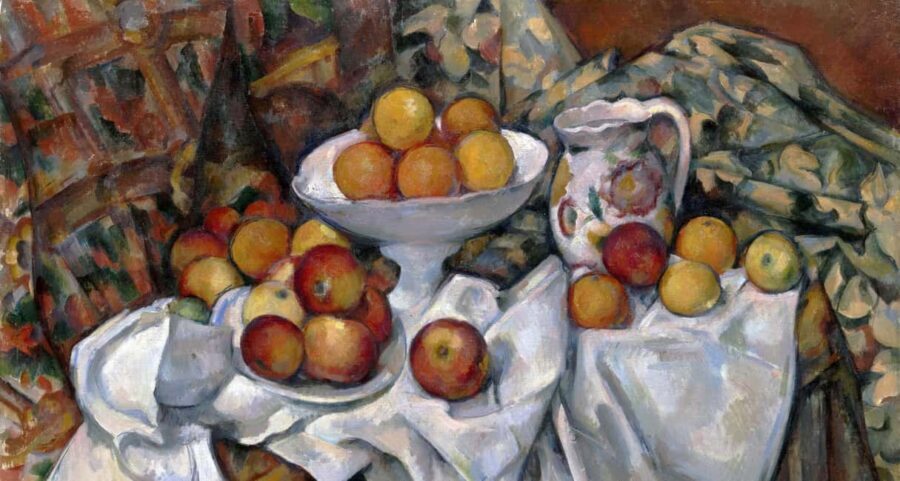
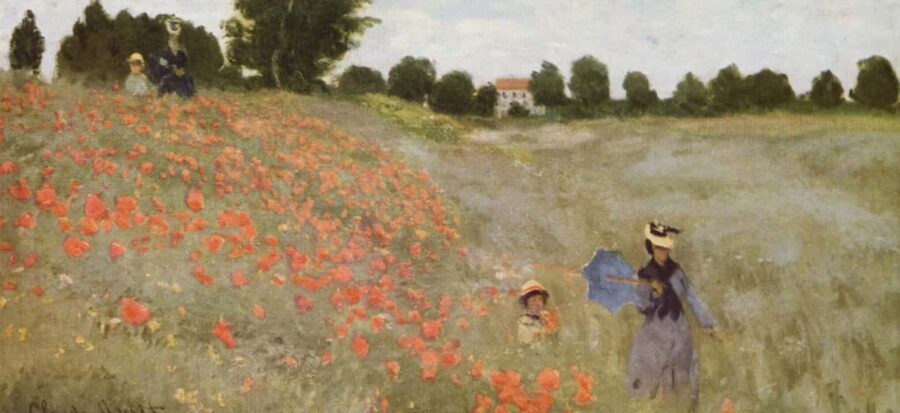
The heart of the story is the Impressionist revolution and its significance for art at the time. You’ll learn why it was first rejected, then later admired around the world.
This is where you’ll get one of the most useful takeaways of the whole tour: rejection can be part of the invention. Impressionism changed how painters approached light and perception. It also shifted what audiences were willing to accept as finished.
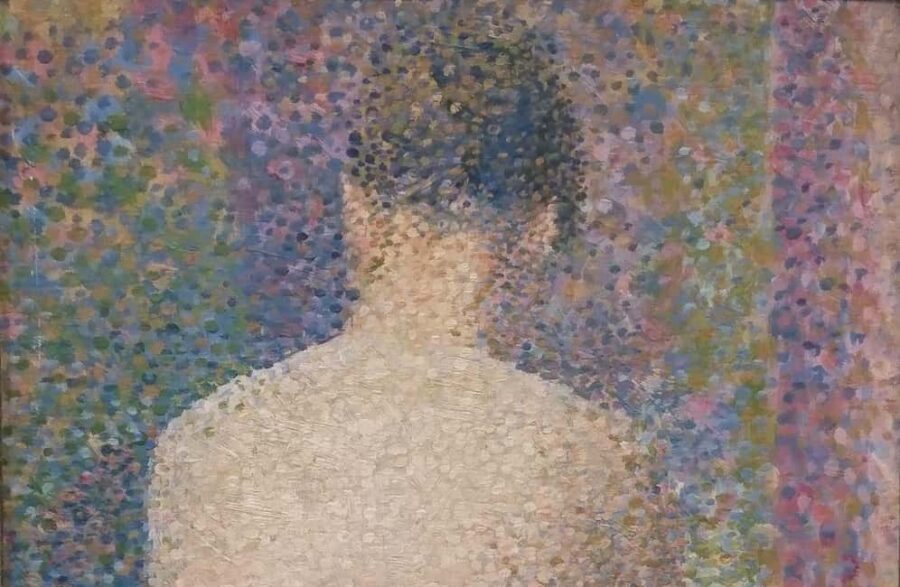
With Monet and Cézanne in the mix, the tour helps you notice that “rebel” doesn’t always mean “messy.” It can mean disciplined observation plus a new way to build the image.
If you tend to love technical skill, this section gives you permission to focus on craft. If you tend to love emotion and atmosphere, it gives you language for what’s happening in front of you.
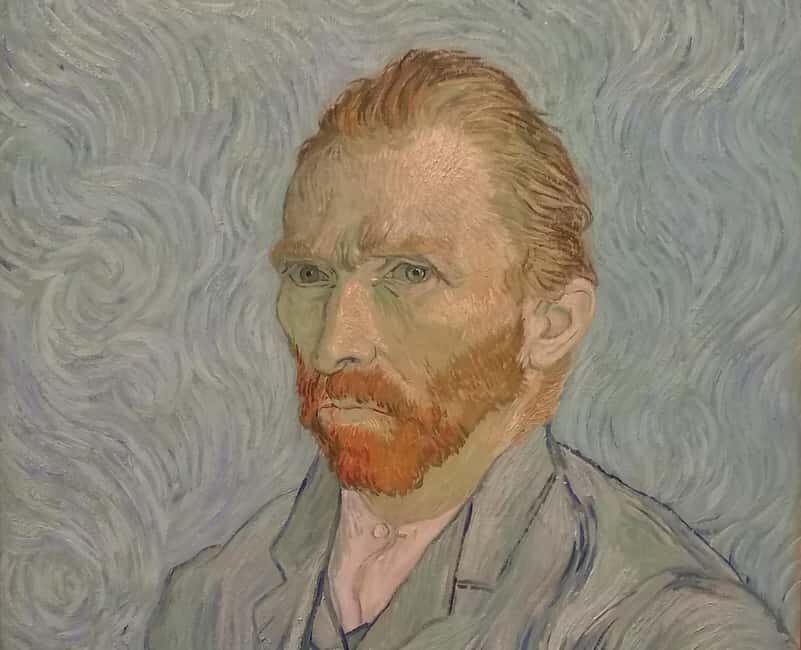
The ending: Van Gogh and Gauguin’s individuality
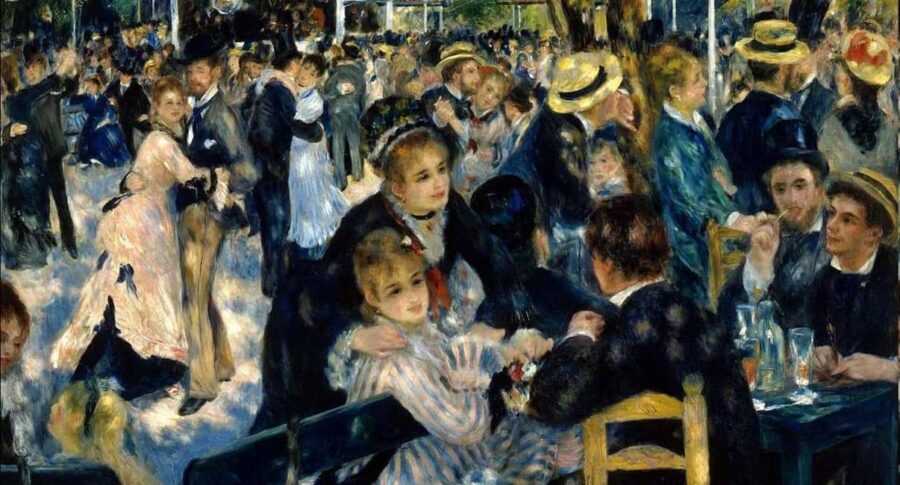
The tour finishes with the individuality associated with Van Gogh and Gauguin. That ending choice matters because it shifts the conversation from public standards to personal direction.
By the time you reach the final part, you’ve already seen a chain: traditional standards (Salons) → early provocations (rule breakers like Courbet and Manet) → a revolution in seeing (Impressionism) → a move toward unmistakably personal style.
In other words, you end with a sense of momentum. You leave not just knowing names, but understanding why those names became inevitable.
How the artist-guide and audio receivers help you actually see
This tour includes headphones and audio receivers, and that’s not a throw-in. In Orsay, sound carries weirdly. Crowds, echoing galleries, and people lingering can make listening tough on your own.
With the audio system, you can keep your attention on the painting instead of chasing the guide’s voice. One of the best advantages of a good setup is clarity—so you don’t miss key points while someone blocks your view.
The guide is also described as an Irish artist and specialist decorator with 10 years as a Paris museum guide. That combination tends to translate into very practical visual coaching. I like the way an artist-guide often explains what to look for in a painting’s construction, not just its subject.
Damien (when he’s the guide) is a standout example of how strong guiding changes the experience. He doesn’t just point at famous pieces—he guides you to details you might otherwise walk past. The audio is also described as easy to hear, even in crowded areas, which lets you stay calm and focused rather than constantly adjusting where you’re standing.
Tickets and price: is $141 per person worth it?

The price is $141 per person for a private 2-hour tour limited to 6 people, and it does not include the Musée d’Orsay ticket. Museum tickets are 16€ and can be obtained on orsay.fr. Children under 18 can enter free with ID, and EU students under 25 also get free entry. If you have the Paris Museum Pass, it’s valid for entry.
So how do you judge value? For me, value comes down to three things you can’t easily buy on your own:
- Time saved and attention gained: two hours with a focused guide beats wandering and guessing what to prioritize.
- Meaning added: the tour turns paintings into arguments—who challenged what, and why it mattered.
- Comfort built in: audio receivers let you hear clearly without doing the social gymnastic routine of moving constantly to hear.
The ticket cost is an extra line item, but it’s also straightforward. If you’re coming during a busy time of year, the “choose your timing” part matters because high season availability can be limited.
One practical tip from the tour information: if you’re choosing ticket options for temporary exhibitions, those tickets also count as valid entry for the museum. That can help you make the day more than one permanent-collection visit.
The practical flow inside Orsay (what you should plan for)
Inside, expect a guided walk through the museum that matches the narrative arc: Salons of the 1840s → rule-breakers → Impressionism → closing with individuality.
Because you’re moving between sections, your success mostly depends on how ready you are physically and mentally:
- Bring comfortable shoes.
- Leave enough time to get inside and settle.
- Don’t plan to take long detours for coffee or extra galleries. This tour is intentionally compact at 2 hours.
Also note the rules of the museum experience:
- No selfie sticks
- No flash photography
These are the kinds of restrictions that prevent delays once you’re already inside. If you follow them, you avoid the awkward stop-and-start moments that break a good rhythm.
Who should book this private guide?
You’ll be a great fit if you:
- Love French painting but feel overwhelmed by how many “must-sees” exist at Orsay
- Want context for the Impressionist story, including why it was rejected at first
- Like art-history explanations that connect to what you can see right now
- Prefer a small private group where questions aren’t an afterthought
This also suits you if you like a guide who brings an artist’s training to the conversation. The tour’s focus on rebellions and the significance of Impressionism rewards people who enjoy “why” as much as “what.”
If you’re traveling with kids, the tour mentions that children under 18 enter free with ID. Still, this is a museum experience with adult-focused art conversations, so you might find it best for older teens and families who genuinely like art.
Wheelchair access is supported, and the tour is listed as wheelchair accessible. It’s also stated that it’s not suitable for babies under 1 year.
Should you book the private Musée d’Orsay rebels tour?
I’d book this if you want a short, focused way to understand why 19th-century French art changed so fast. The combination of an artist-guide, the rebel timeline, and the included audio receivers is exactly what makes a private tour feel like more than a luxury add-on.
Skip it—or at least think twice—if you’re the type who only wants free-form wandering with no historical framing. This tour is designed to teach a story, and it does that with structure. In exchange, you’ll get fewer stops, but each one lands with meaning.
My call: if you care about Impressionism’s origin story and you want to see major “rule breakers” with guidance, this is a strong value way to do Orsay in just two hours.
FAQ
Where do we meet for the Musée d’Orsay tour?
You meet outside the museum by the sculpture of the Rhino. Your guide will have a guide badge.
How long is the private tour?
The tour lasts 2 hours.
Is the Musée d’Orsay ticket included in the price?
No. Museum tickets are not included. You can buy them at orsay.fr for 16€.
What about discounts for students and children?
Children under 18 can enter free with ID. EU students under 25 also get free entry. A Paris Museum Pass is also valid for entry.
How big is the private group?
This is a private tour limited to 6 people.
What language is the tour in?
The tour is in English.
Are headphones or audio receivers provided?
Yes. Headphones and audio receivers are supplied during the tour.
What should I bring, and what are the rules once inside?
Wear comfortable shoes. For children, bring passport or ID. Selfie sticks and flash photography are not allowed.
Is it suitable for infants?
It’s not suitable for babies under 1 year.
Can I cancel or change plans?
You can cancel up to 24 hours in advance for a full refund. You can also reserve now and pay later.