REVIEW · PARIS
Paris: Musee d’Orsay Private Guided Tour
Book on GetYourGuide →Operated by VISIT · Bookable on GetYourGuide
Orsay starts before you even enter.
You meet in front of the former railway-station shell—complete with the legendary rhinoceros statue and big-name animal statues guarding the façade—then step straight into Impressionism with an expert, licensed guide. I like that you get a planned route through the museum’s most important works without wasting time guessing where to start. One watch-out: the museum involves a lot of walking and stairs, so if you’re recovering from an injury, plan a slower pace.
This is also one of those tours where the guide’s job is more than facts. They turn paintings into stories—explaining technique, context, and why Impressionism landed so strongly after early criticism. I really value the private-group feel, and the fact that you can choose English, French, or Spanish for the commentary.
In This Review
- Key points to know before you go
- Arriving at Orsay’s animal guards and the former train-station vibe
- Skip-the-line entry and how much waiting you should expect
- What the 2-hour format really gives you (and what it can’t)
- The opening story: how Impressionism went from critics to canon
- How your guide helps you look at paintings (not just look at paintings)
- A walkthrough of the likely tour rhythm inside Orsay
- 1) Orientation and where to focus first
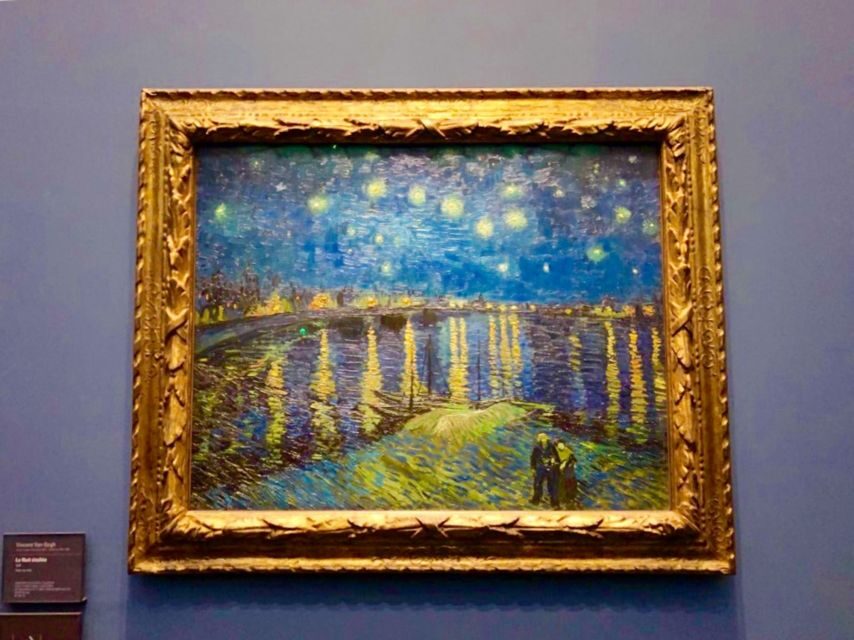
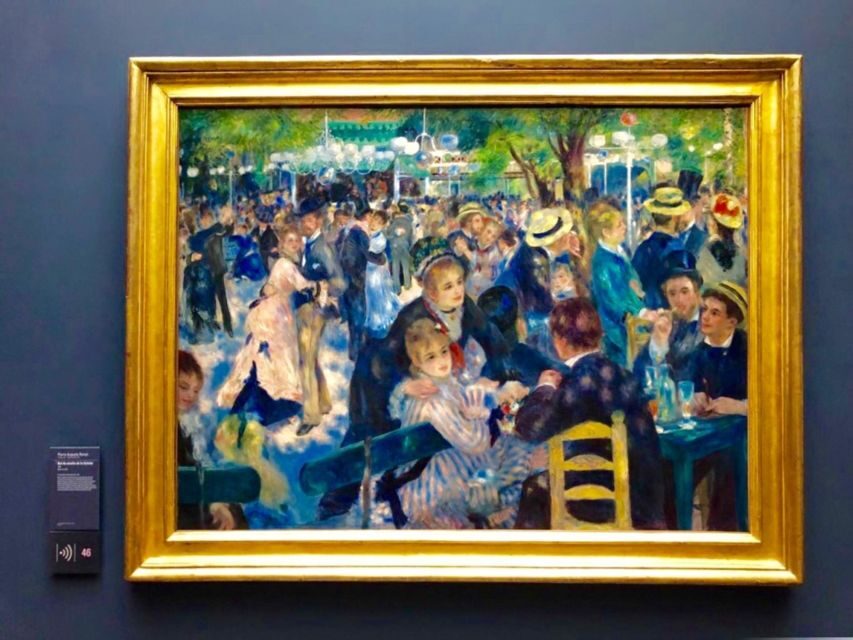
- 2) First set of Impressionist works: seeing light and mood
- 3) Connecting the movement’s purpose to its reception
- 4) Closing with a personal highlight moment
- Meeting the guide style: the difference names can make
- Accessibility and pace: stairs are real at Orsay
- Price and value: $471 for up to 6 people
- Practical tips so your Orsay tour feels smooth
- Who this tour is best for
- Should you book this Musée d’Orsay private tour?
- FAQ
- Where do I meet the guide?
- How long is the private guided tour?
- What’s included in the price?
- What’s not included?
- Can I choose the tour language?
- Is this a private group?
- How big is the group?
- Do I need to bring anything?
- Will I wait in a long line to enter?
- Is the museum open every day?
- What’s the cancellation policy?
Key points to know before you go
- Rhinoceros meeting point: meet at the Orsay esplanade by the rhinoceros statue at 1 rue de la Légion d’Honneur.
- Skip the ticket line: reserved access should be faster than standard entry.
- 2 hours, focused route: you cover major highlights rather than trying to see everything.
- Expert, licensed guide: the paintings come with context and “how to look” guidance.
- Private group up to 6: easier questions, a calmer pace, and more tailored attention.
- Impressionism context matters: the tour ties the movement’s early criticism to its lasting impact.
Arriving at Orsay’s animal guards and the former train-station vibe
The Musée d’Orsay doesn’t do subtle. You’ll see it the moment you arrive: the building sits like an old railway landmark that was later transformed into a museum, and the entrance is guarded by dramatic sculptures—yes, including animals like a 3-metre-tall elephant. It’s a silly detail until it isn’t. Those statues change how you approach the place. You stop. You look up. You feel like you’re entering a landmark, not just a ticketed room.
The meeting point is clear and very “Orsay”: 1 rue de la Légion d’Honneur, at the esplanade by the rhinoceros. This matters because time inside the museum is tight when your tour is only 2 hours. When you’re starting from the right place, you can spend your energy on the art instead of on signage.
You can also read our reviews of more guided tours in Paris



Skip-the-line entry and how much waiting you should expect
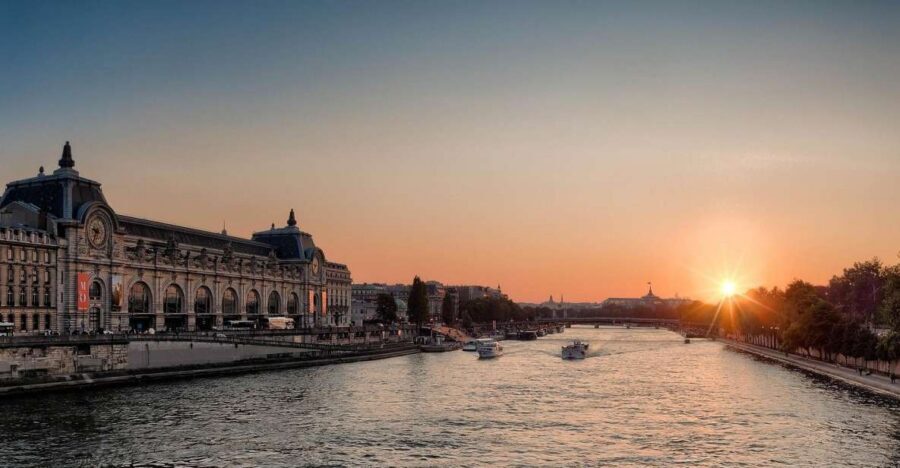
Your tour includes an Orsay entrance ticket and a skip the ticket line arrangement, which usually means reserved access is quicker. Still, don’t assume zero waiting. There can be a line even at the reserved entrance—just typically shorter than the standard queues.
If you’re traveling with tight plans (lunch reservations, train times, or a later activity across Paris), I’d treat the tour start like the start of a meeting, not the start of a stroll. Give yourself a little buffer, and arrive a few minutes early to your rendezvous spot. One point to keep in mind: in one case tied to a guide’s schedule, the guide arrived later than the exact rendezvous time. You can’t control that, so it’s smart to build in patience.
What the 2-hour format really gives you (and what it can’t)
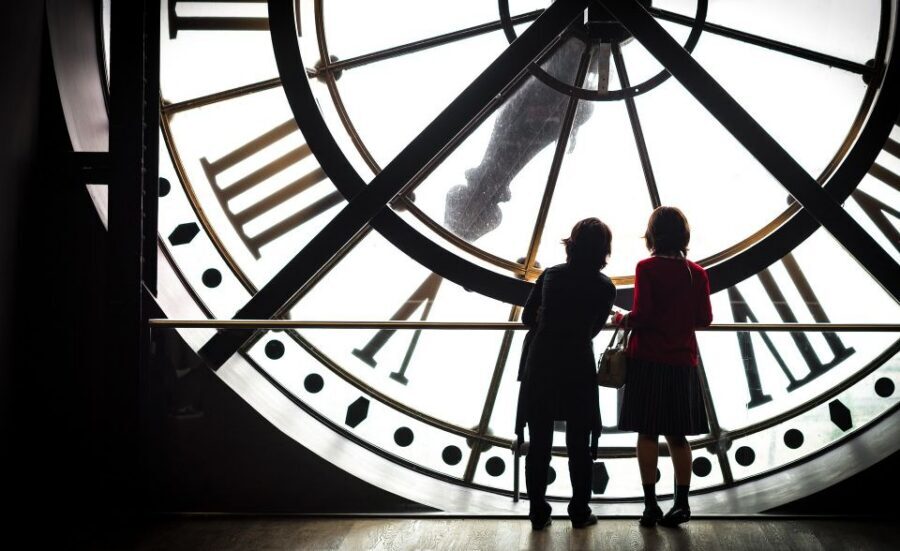
A private tour for up to 6 people is an efficient way to experience a museum that can otherwise feel like a maze. With a 2-hour slot, you’re not trying to “see everything.” You’re learning how to see the museum’s core Impressionist story and major artworks, with direction on what to notice first.
Here’s what it gives you:
- You don’t waste the first 30 minutes wandering.
- You get context at the moment you’re looking.
- Your questions don’t get lost in a crowd.
Here’s what it can’t do:
- It won’t replace a full, unguided day at Orsay if you’re the type who wants slow reading of every room.
- It can’t cover every artist or side display. The tour is designed for highlights.
So if your goal is a greatest-hits experience with good interpretation, this length works well. If your goal is deep study, you’ll want a longer visit on another day.
The opening story: how Impressionism went from critics to canon
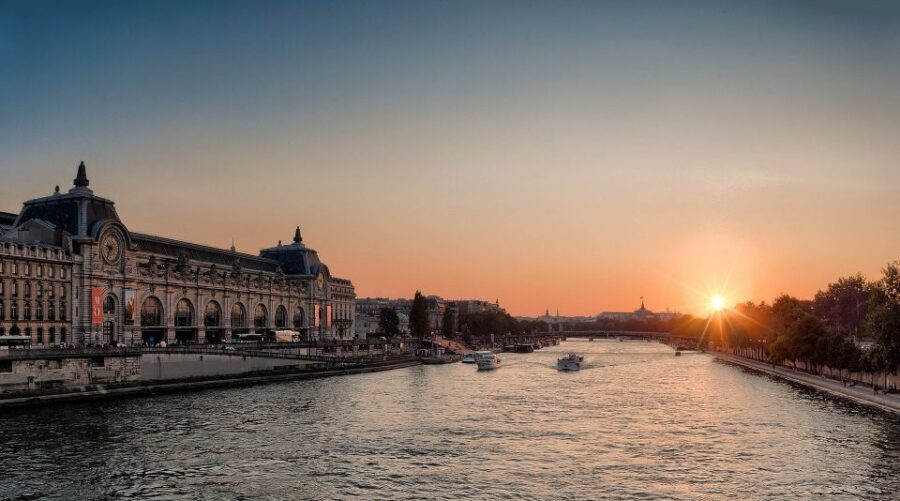
One of the most useful parts of this tour is how it frames Impressionism before you get lost in the paintings. Orsay covers art that people once argued about, and your guide will explain how the movement grew—out of a small group of artists in the second half of the 19th century—and how it faced heavy criticism before later gaining major influence.
That context changes how you look. Without it, Impressionist works can feel like a visual style first and an argument second. With it, you start seeing:
- why light and atmosphere were such big deals,
- why certain subject choices mattered,
- why the “modern” look was controversial.
In other words, the guide gives you a mental lens. That lens is the difference between seeing paintings and understanding them.
How your guide helps you look at paintings (not just look at paintings)
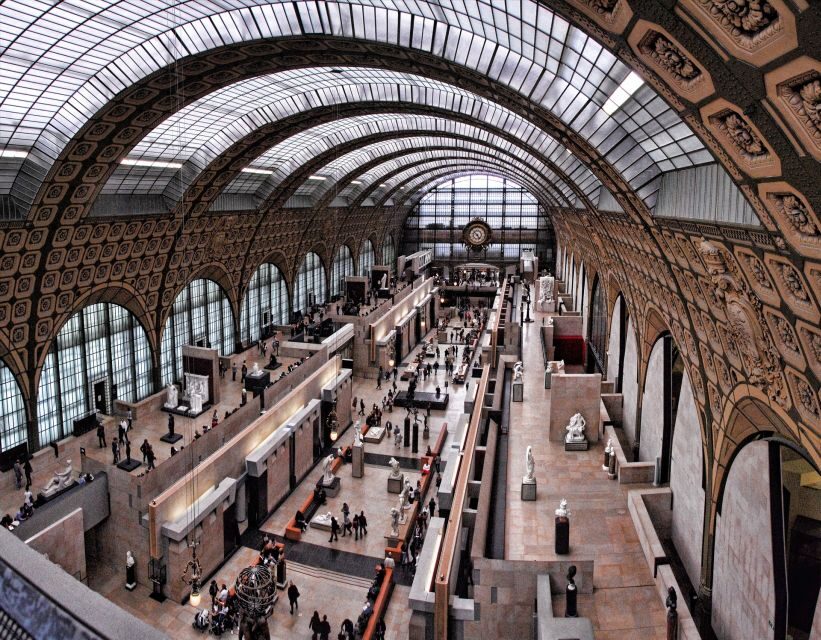
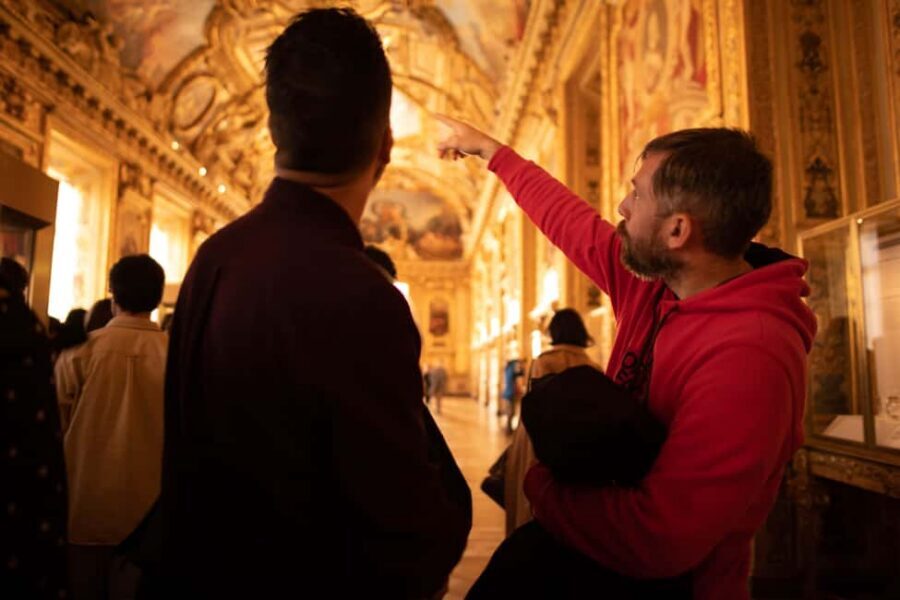
This isn’t a tour that treats you like a passive viewer. The guide’s job is to “bring artists and paintings to life,” and that usually shows up in practical ways: pointing out how the brushwork or composition creates the effect you’re seeing, and connecting it back to the artist’s choices.
You’ll likely cover multiple key works across the Impressionist collection. The itinerary is designed to hit the museum’s most important artworks, which means your guide can compare and contrast styles and themes as you move from one area to another. Instead of one isolated masterpiece, you start building a pattern: how the movement’s ideas show up across different artists and subjects.
Also, language flexibility helps real people. Your tour can run in English, French, or Spanish, which is a big deal if you want to ask follow-ups and not just hear broad commentary.
You can also read our reviews of more private tours in Paris




A walkthrough of the likely tour rhythm inside Orsay
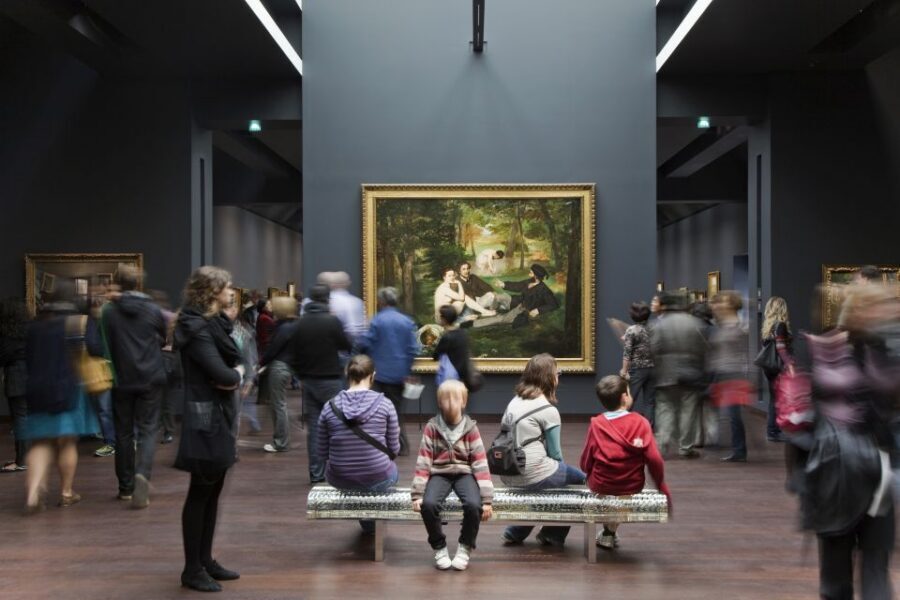
Because the tour is designed around a planned path through major highlights, you can expect a rhythm like this:
1) Orientation and where to focus first
You start with the museum story and practical guidance on what to pay attention to. This is when your guide helps you reset your expectations. Orsay is full of visual “treats,” but not all details matter equally if you only have 2 hours. The guide’s value is helping you prioritize.
2) First set of Impressionist works: seeing light and mood
Next, you’ll move through early highlights where Impressionism’s signature effects are easiest to notice—how scenes feel bright, fleeting, or emotionally charged. The guide’s commentary here is what makes it click: you’ll learn what look-for cues to use so you’re not just staring at color, but understanding why the color and brushwork work.
Possible drawback: if you’re already a fast walker and you like to sprint between rooms, you may feel the pace is slower. That’s the trade: a guided tour spends time at stops.
3) Connecting the movement’s purpose to its reception
As the tour progresses, you’ll get more of the “why this mattered” side—how Impressionism was criticized at first, and why the eventual influence was so strong. This section is especially helpful if you’ve ever wondered why people argued about these paintings in their own time.
4) Closing with a personal highlight moment
The final stretch is where private tours shine. With only you (and your small group), you can linger a little longer at the works that grab you most. If you have a question like What did the artist want you to notice?, you’ll have a better shot at getting a real answer than you would in a big group.
Meeting the guide style: the difference names can make

The experience can vary depending on the guide, but the overall theme from strong guides is consistent: they don’t just recite facts. They explain what you’re looking at and why it matters.
In past experiences, guides such as Élodie, Marine, Myriam, and Valérie were singled out for making Impressionism more understandable and interesting—especially by tailoring the tour to what the group wanted to see and answering questions fully. That matters if you like museums, but you also like conversation.
If you want a tour that feels like a real art lesson without being stiff, this is the direction those guides take.
Accessibility and pace: stairs are real at Orsay
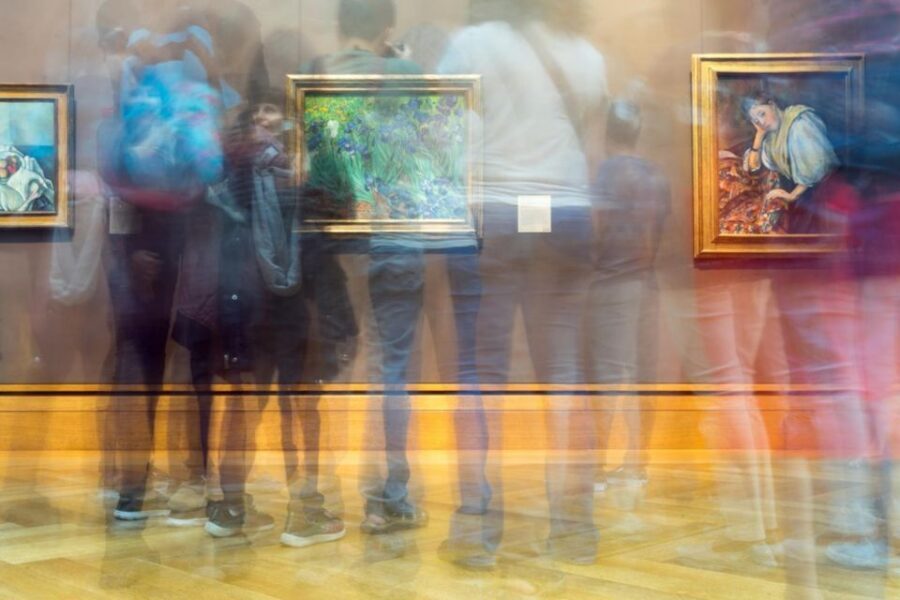
Orsay is not a flat, hallway museum. There are stairs and plenty of movement between rooms. In at least one case connected to recovery after knee surgery, the stairs were challenging but still manageable with a slower pace.
My advice is simple:
- plan for a more careful pace than you’d use at a casual walking tour,
- tell your guide if you need to move slower,
- expect that “2 hours” means time at key stops plus travel time inside.
If mobility is a major concern, it’s worth thinking twice about whether a guided highlights route is the best match for your day.
Price and value: $471 for up to 6 people
At $471 per group (up to 6) for a 2-hour private tour, the value depends on how you travel.
- If you go as a couple (2 people), you’re effectively paying a premium per person for the private experience.
- If you bring a small group of 4 or 5, the per-person cost drops quickly and you’re more clearly buying “time saved + interpretation + skip-the-line access.”
- If you’re traveling solo, it can still be worth it if you’d otherwise struggle to decide what to see and you want the guidance right when you’re standing in front of the art.
What you’re paying for isn’t just someone walking with you. It’s a planned route through key works, a licensed guide, and reserved entry that cuts down the biggest friction point: waiting.
Also consider this: Impressionist art can be rewarding, but only if you know what to look for. A good guide helps you get that payoff fast.
Practical tips so your Orsay tour feels smooth
A few things you can do to make the day easier:
- Bring your passport or ID card. It’s explicitly required for certain visitors.
- Expect crowds, even with reserved access. Your entry is faster than standard, not necessarily instant.
- Plan food and drinks outside the tour. They’re not included.
- Choose shoes you can trust. You’ll cover ground in a relatively short time.
- If you care about timing, don’t schedule a time-sensitive transfer immediately after the tour.
These are small moves, but they make the difference between a fun highlight session and a rushed museum scramble.
Who this tour is best for
This private Musée d’Orsay tour is a strong fit if you:
- want a guided route through Impressionism’s key works without spending hours deciding where to go,
- like art with context (how and why it was made, not just what it looks like),
- value private pacing and the chance to ask questions,
- are visiting for the highlights and want the most out of a 2-hour window.
It’s less ideal if you:
- want to linger for long stretches in every room,
- need a fully minimal-stairs experience,
- plan to treat Orsay like a casual stroll where you only occasionally stop.
Should you book this Musée d’Orsay private tour?
I think you should book it if you want the fastest path to understanding Impressionism at Orsay—especially with a small group and reserved access. The 2-hour length is right for first-timers who want the museum’s strongest story, and the private format makes it feel personal.
Skip it if your dream Orsay day is slow and exhaustive. You’d likely get more mileage from a longer independent visit.
If you’re choosing between wandering and having a plan, this tour is the plan—and it helps you look at the art the way it deserves.
FAQ
Where do I meet the guide?
Meet at the rhinoceros statue on the esplanade at the Musée d’Orsay. The stated address is 1 rue de la Légion d’Honneur, 75007 Paris.
How long is the private guided tour?
The tour is 2 hours.
What’s included in the price?
Included items are a licensed guide, 2 hours of guided tour, and the Musée d’Orsay entrance ticket.
What’s not included?
Transfer, drinks, and food are not included.
Can I choose the tour language?
Yes. The live tour guide is available in English, French, and Spanish.
Is this a private group?
Yes, it’s a private group.
How big is the group?
The price is per group up to 6 people.
Do I need to bring anything?
Bring a passport or ID card.
Will I wait in a long line to enter?
There may be a line at the reserved access entrance, but it should be much shorter than at the standard entrance.
Is the museum open every day?
No. The museum is closed on Mondays.
What’s the cancellation policy?
You can cancel up to 24 hours in advance for a full refund.