REVIEW · PARIS
Paris: Musée d’Orsay Walking Tour With Reserved Access
Book on GetYourGuide →Operated by Get Paris Tours · Bookable on GetYourGuide
Paris hits you fast, even outside the museum. This walking tour gives you a head start on the Musée d’Orsay story by starting with the building itself: a former railway station with standout Beaux-Arts style that helps you understand what you’re about to see. I like the way the tour sets context before you walk into the galleries, and I also like that you get audio guidance plus access to both permanent and temporary collections so you can build your own route.
One thing to watch: this is not a full guided walkthrough inside. The guide gives a short outside briefing, hands off entry tickets, then you explore on your own. Also, because reserved access/timed entry can be picky, you’ll want to double-check your voucher so you don’t end up stuck in the wrong line.
In This Review
- Key points to know before you go
- Seeing Orsay starts with the station facade
- Reserved access plus a short briefing: how the flow works
- What you’ll learn about the Beaux-Arts building outside
- Getting into the museum: skip-the-line, and the main risk
- Inside the Musée d’Orsay: permanent and temporary collections at your pace
- How to choose what to see in 90 minutes of museum time
- Why the outside-history part is genuinely useful
- Small group of 8: the practical advantage
- Price and value: is $49 worth it?
- Who should book this Orsay reserved-access tour
- Before you go: what to bring and what to skip
- Should you book this tour?
- FAQ
- How long is the Musée d’Orsay walking tour with reserved access?
- Do I get a guide inside the museum?
- Is a ticket line skip included?
- What collections can I access?
- Is there an audio guide included?
- Is the tour group small?
- What language is the guide?
- What do I need to bring, and what is not allowed?
Key points to know before you go
- 30 minutes outside to understand what you’re looking at before you enter
- Skip-the-ticket-line access is part of the deal, but ticket type matters
- Audio guide included lets you steer through highlights at your speed
- Small group (up to 8) means the pre-entry briefing is easier to follow
- Permanent + temporary collections are included, so you can mix classics with newer shows
- No inside guide after the handoff, so bring a plan for your 1.5 hour museum time
Seeing Orsay starts with the station facade

You often walk up to a museum and start hunting for art. Here, you get a different rhythm. Before you’re inside the galleries, you spend time on what makes the Musée d’Orsay feel unmistakably Paris: the grand Beaux-Arts architecture and the building’s transformation from railway station to art temple.
That exterior orientation matters more than you’d think. Orsay has a shape and vibe that can feel confusing at first if you rush in. When you already know what the building was designed for and why it became a museum, you tend to look longer at details—stonework, scale, and the way the museum’s spaces were adapted for modern visitors.
And because you start outdoors, you can also take in the setting along the Seine. It’s a good moment to get your bearings before the museum takes over. With comfortable shoes and a calm pace, you’ll be ready to move through the interior efficiently instead of wandering.
You can also read our reviews of more walking tours in Paris



Reserved access plus a short briefing: how the flow works

Your tour runs about 2 hours to 150 minutes, with a built-in structure that’s simple: meet outside, get your orientation, receive your entry tickets, then go in. The guide provides a 30-minute briefing outside. After that, the guide does not stay with you inside.
That design can be great. You’ll get expert framing—what to notice and how the building became the museum—then you control the pace once you’re in. It’s also one reason the group stays small: up to 8 participants, so it’s easier to ask questions during the exterior briefing and not feel like you’re shouting over a crowd.
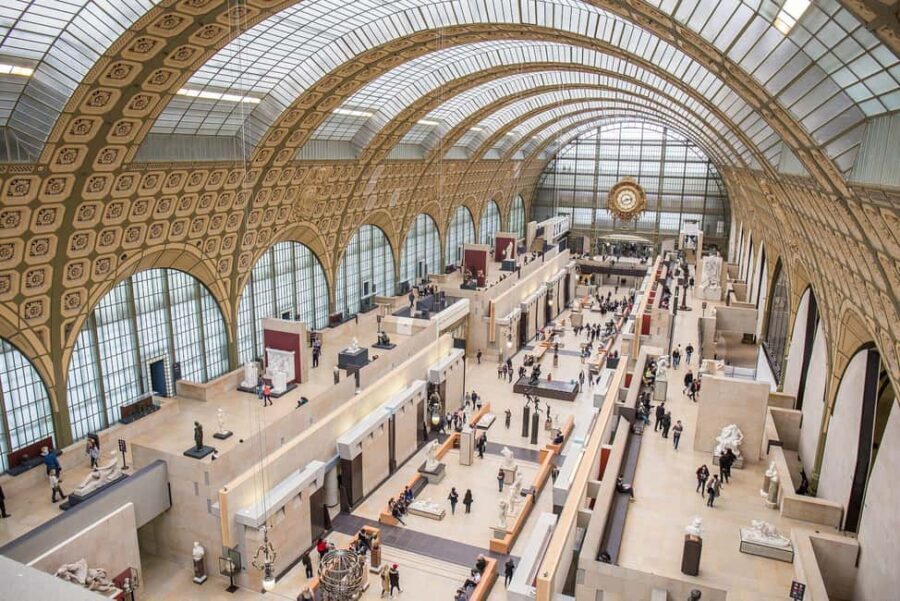
There’s also an audio guide included. If you like to read, you can switch between your own looking and the audio track when you want details. If you prefer speed, the audio can help you choose what to focus on without needing a second guide explaining everything.
The main trade-off is that you don’t get an inside narrator. If you want someone to walk you step-by-step through rooms, this format might feel a bit hands-off. But if you enjoy museum wandering with a plan, it can be a sweet spot.
What you’ll learn about the Beaux-Arts building outside
The pre-entry time is built around the museum’s identity as an architectural landmark. You’ll hear the origins of the station-to-museum transformation and learn why the Beaux-Arts facade is part of Parisian cultural memory.
This outside framing tends to focus on three practical things:
- How the building’s original purpose shaped its structure
- How the city valued the site enough to repurpose it for art
- Why the museum became a recognizable piece of the Seine-area skyline
A good exterior story changes the way you move indoors. Instead of just asking where the paintings are, you start paying attention to how the galleries relate to the shell of the building. Even without an inside guide, this kind of context helps you understand why Orsay feels like more than just white-walled rooms.
Also, because you’re walking and listening outside first, you arrive inside already warmed up. You’re not standing there blankly looking at maps while the museum staff call groups. You have a mental starting point, which makes your limited time feel bigger.
Getting into the museum: skip-the-line, and the main risk
The ticket promise includes skip-the ticket line, and that’s the big headline for many people. In practice, reserved entry can still hinge on something very specific: whether your voucher actually matches the entry type you’re arriving with.
Here’s the practical advice I’d give you: before you go, find the part of your confirmation that explains entry type and timing. If it says you have a specific timed entry, treat that time like it’s real. If it doesn’t, expect that you may be directed into a different queue than the one you hoped for.
The experiences I’ve seen around this kind of reserved-access setup point to a common problem: people arrive with access that doesn’t perfectly match the entry doors they’re being routed to. Sometimes that means extra waiting, and sometimes it means being told you don’t have the right ticket for the line you’re in.
So, don’t just show up early and hope. Arrive with your ID ready (passport or ID card is required), and keep your confirmation accessible. If there are multiple door instructions, pay attention to the letter/door details given with your ticket.
When reserved access works, it’s a time-saver. When it doesn’t match the right entry lane, the savings disappear fast. You can reduce that risk by being strict about what your ticket says and where staff are directing you.
Inside the Musée d’Orsay: permanent and temporary collections at your pace
Once you’re inside, you’ll explore on your own. Your entry includes access to:
- Permanent collections
- Temporary collections (special exhibitions)
That matters because Orsay isn’t only about one style or one era. It’s built around the 19th and early 20th centuries, with Impressionist and Post-Impressionist masterpieces as the headline attraction. But the temporary exhibitions can be a nice way to follow a theme without feeling locked into one narrow route.
Since you don’t have an inside guide, your best strategy is to treat the visit like a curated self-guided loop. Use the audio guide to pick:
- One main focus area (so you don’t drift)
- One secondary area (so the visit has variety)
If you want classics, you’ll likely head toward the Impressionist/Post-Impressionist strengths first. If you want something different, you can switch gears to the temporary galleries and let that exhibit shape your route.
A helpful mindset: aim for quality of looking, not speed of passing. Orsay has lots to see. With a tour time of around 150 minutes total, you won’t want to spend 45 minutes trying to decide where to go. Choose your direction at the start using the audio guide and your own interests.
Also plan for walking. Even with a skip-the-line entry, the museum interior has its own crowd flow. Comfortable shoes pay off here because moving between rooms and levels takes longer than you think.






How to choose what to see in 90 minutes of museum time
Your outside briefing is about 30 minutes, and then your in-museum time becomes the real deciding factor. I’d plan your inside time around a simple ratio:
- Spend the first part selecting your route and settling in
- Spend the middle part on your top priorities
- Spend the last part doing a second look from a different viewpoint
Because the audio guide is included, you don’t have to guess which rooms are most worth it. Let it help you identify what to look for, but still make sure it’s your interests steering the choices. If you’re more drawn to paintings than sculpture, you can prioritize that. If you like decorative arts or 3D works, spend a bit more time where those appear.
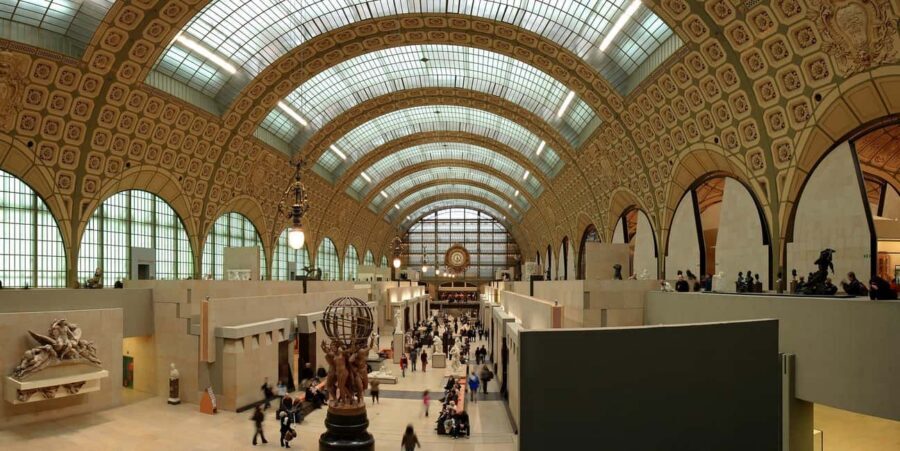
And don’t ignore the building feel while you’re in there. Orsay’s architecture affects the visitor experience. Even without an inside guide, you can still notice how the station identity shows up in space and layout. That’s part of why an Orsay visit can feel different from other major Paris museums.
Why the outside-history part is genuinely useful
Some museum tours waste time with overly general talk. This format is built for relevance. The outside briefing is about the museum’s transformation, key building features, and its importance in Paris’s cityscape.
That’s not just trivia. It’s the type of context that helps you understand why a place like Orsay matters culturally. When you learn about the challenges of the site’s construction and why the station was repurposed, you’re better equipped to see Orsay as part of Paris’s ongoing story—not just a container for paintings.
I also like the pacing. You’re not stuck listening for the entire experience. You get a focused start, then you’re released to explore.
For people who enjoy art but get impatient with long lectures, this is a good compromise. For people who want constant explanation for every room, you’ll need to accept the self-guided structure.
Small group of 8: the practical advantage
With small group size (limited to 8), the pre-entry experience tends to feel manageable. You’re close enough to hear what the guide is saying outside without constantly craning your neck. It also means questions can get answered in real time.
This matters when you’re dealing with anything ticket-related. If there’s door routing or timing confusion, a smaller group makes it easier to clarify what you’re supposed to do next. You’re not a face in a wave of strangers.
And because the group is small, you can better match the pace. If you like to ask one good question, you can. If you’re the quiet type, you can still follow along without feeling pulled into a big performance.
Price and value: is $49 worth it?
At $49 per person, you’re paying for three main things:
1) Access to the permanent and temporary collections
2) A skip-the-line style entry option
3) A short outside history briefing plus an audio guide
That’s not just ticket price. A standard museum entry covers access, but it doesn’t cover the guided context on the architecture outside, and it doesn’t include an audio guide under this arrangement.
So the value comes down to one key question: do you want help understanding Orsay before you rush inside? If you do, the $49 feels more reasonable because you’re getting both interpretation and museum time. If you’d rather go straight in, save money, and build your own plan with your phone, you may feel like the guided portion is too short for the cost.
Also, remember the inside is self-guided. You’re not paying for a full inside escort. If you expect someone to explain artworks room by room, you’ll be disappointed.
Who should book this Orsay reserved-access tour
This works best for you if:
- You want a quick way to understand Orsay’s building story before you explore
- You like using an audio guide and making your own route inside
- You’re comfortable with a mostly self-guided museum visit
- You value small groups and a calm start outdoors
It may not fit you if:
- You need step-by-step guidance inside the galleries
- You strongly prefer a long, full guided art walkthrough
- You’re planning to rely on staff to interpret complicated ticket instructions for you on the spot
And one more honest note: it’s not suitable for people with mobility impairments, so plan accordingly.
Before you go: what to bring and what to skip
Keep it simple. Bring:
- Passport or ID card
- Comfortable shoes
- Comfortable clothes
Skip anything that isn’t allowed. Pets are not allowed, and alcohol and drugs aren’t allowed either. If you plan to eat, plan outside the museum—this experience is focused on the museum visit, not a dining stop.
Also, the guide hands off entry tickets after the outside briefing. So have your documents ready during that handover and keep your confirmation accessible.
Should you book this tour?
If you want a smart head start on the Musée d’Orsay experience, I think this tour is a good fit—especially because you get the exterior architecture context and an audio guide, then you explore at your pace. The best part is the structure: a short briefing that makes the museum feel less random, followed by freedom to choose your own route.
I’d only skip or think twice if you’re the type who gets stressed by ticket instructions and line logistics. The reserved-access promise can be great, but it’s not the kind of deal you want to treat casually. Double-check your entry type and timing details, and you’ll protect most of the value you’re paying for.
If you can handle a self-guided interior after a focused outdoor briefing, this is a solid way to experience Orsay without spending your whole visit trying to get oriented.
FAQ
How long is the Musée d’Orsay walking tour with reserved access?
It runs about 2 hours, up to 150 minutes, depending on the starting time available.
Do I get a guide inside the museum?
No. The guide provides a briefing outside and then gives you entry tickets. You explore inside on your own.
Is a ticket line skip included?
Yes, the experience includes skip-the-ticket-line entry.
What collections can I access?
You have access to the permanent collections and the temporary collections of Musée d’Orsay.
Is there an audio guide included?
Yes, an audio guide is included.
Is the tour group small?
Yes. It’s a small group limited to 8 participants.
What language is the guide?
The host/greeter is English.
What do I need to bring, and what is not allowed?
Bring a passport or ID card, plus comfortable shoes and comfortable clothes. Pets are not allowed, and alcohol and drugs are not allowed.