REVIEW · PARIS
Paris Private & Personalized Half-Day Tour with a Local Guide
Book on Viator →Operated by City Unscripted · Bookable on Viator
Paris feels easier with a real local plan.
This private, personalized half-day is built around what you want to see, with a like-minded guide and a walking route that can shift as your group changes pace. I like that the meeting point is simple to find, and I also like that you get both big Paris icons and neighborhood texture in the same outing.
I really value the human side. Guides such as Igor, Del, Pascal, Rahul, and Roffy show up prepared to read the room, from multi-generational groups to people who need a weather-proof change of plan. And because it’s just your party, you’re not stuck hearing the same script while you’re trying to enjoy the view.
One possible drawback: the tour is a mix of look-from-the-street sightseeing and optional entrances. Eiffel Tower and Moulin Rouge tickets are not included, and Notre-Dame is currently closed while it recovers from a fire, so you’ll focus on seeing it and the island area rather than going inside.
In This Review
- Key highlights to expect on this private Paris walk
- Private and picky: what makes this tour feel personal
- Start at Colonne Vendôme: the fast way to get your bearings
- Montmartre-style streets and viewpoints: your first neighborhood stop
- Eiffel Tower views without ticket pressure
- A Paris grand garden reset: French-style lawns and paths
- Champs-Élysées to Arc de Triomphe: fashion walk with big-picture stops
- Moulin Rouge cabaret corner: what you can see and what costs extra
- Latin Quarter bookshops to Notre-Dame island (plus a major 18th-century tomb stop)
- Opéra Garnier and the Galleries Lafayette / Printemps surroundings
- Bastille on foot: local hangout energy
- Price and time value: how 3-4 hours and private attention add up
- What to do before you go: make the itinerary match your interests
- Should you book this private Paris half-day?
- FAQ
- How long is the Paris private half-day tour?
- Is this tour private or shared with other groups?
- What language is the tour offered in?
- Where does the tour start and where does it end?
- Is hotel pickup included?
- Are tickets to attractions included?
- Is Notre-Dame admission included?
- Does the tour include food or drinks?
- Is transportation included?
- Are service animals allowed?
- What is the cancellation policy?
Key highlights to expect on this private Paris walk
- Private itinerary with stops that can differ based on your interests
- Hotel meet-up (central areas) on request, otherwise meet at Colonne Vendôme
- Icon + neighborhood mix: Eiffel Tower views, Latin Quarter, Opéra Garnier, Bastille
- Walking pace with local context instead of a one-size-fits-all checklist
- Ticket-heavy icons are mostly extra (plan for that in your budget)
- Guides that adapt when weather or group energy changes
Private and picky: what makes this tour feel personal
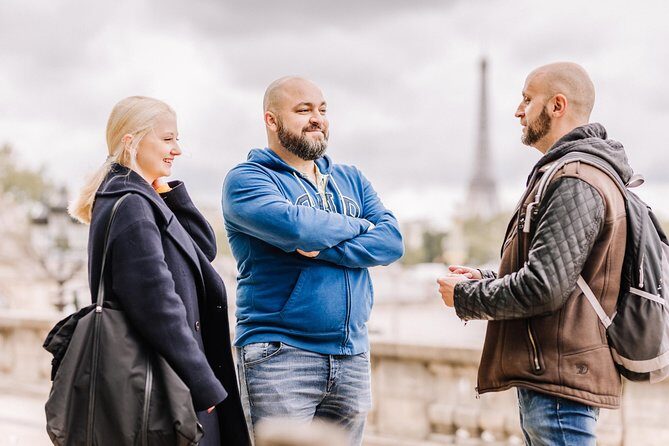
The best thing about this experience is that it’s not a rigid bus-style route. You’re with a local host, walking at a pace that fits your group, and the guide chooses stops based on what you actually care about. One family in their group needed a plan that worked across ages, and another stop was swapped around to keep the day enjoyable even with rain. That’s the point: the city is big, and Paris rewards smart guidance.
In practical terms, a private tour buys you time. You spend less time figuring out where to walk next and more time learning what to notice while you’re there. You also get a chance to ask questions in real time, like why a street feels different from the next one over, or what you should pay attention to when you see a monument from ground level.
Just keep expectations clear: this is a walking experience with sightseeing stops, not a ticket package. That means you’ll often see the main sights and decide on entrances separately if you want them.
You can also read our reviews of more guided tours in Paris



Start at Colonne Vendôme: the fast way to get your bearings
You’ll meet at Colonne Vendôme, Pl. Vendôme, 75001 Paris, and the tour ends back at the same spot. This is handy because it prevents that awkward end-of-tour moment where you’re dumped into a random arrondissement with sore feet and no plan.
If you’re staying centrally, you can request a hotel meet-up. That reduces the stress on arrival day, especially if you’re dealing with jet lag or finding your exact street address in Paris’s maze of smaller lanes.
It also helps that the tour is near public transportation. If you want to add a museum visit before or after, or you need to split your day, you’re not stuck miles away from the metro.
What you should bring is simple: comfortable shoes and rain gear. Even the best route in Paris can get damp, and a good guide will help adjust, but your feet still need to stay happy.
Montmartre-style streets and viewpoints: your first neighborhood stop
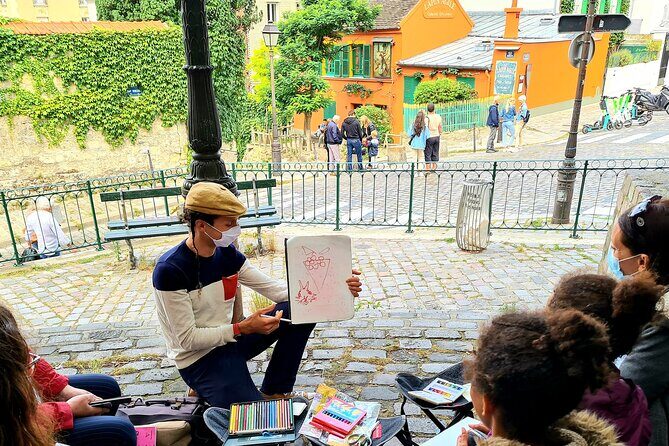
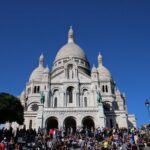
Your first stop is designed to be flexible. You might explore the kind of hilly artist area people associate with Montmartre—steep, cobbled lanes and lookout views that make the city feel theatrical. But your host can also pick a different neighborhood highlight depending on your interests and what matches the day.
This is a smart move, because the first neighborhood sets the tone for the whole outing. If you start with a steep climb and a big panorama, you get motivation. If you start with a more relaxed area, you get endurance. Either way, the guide is there to help you spot what’s going on around you, not just what’s in the distance.
Also, neighborhood walking in Paris isn’t just scenic—it teaches you scale. You begin to understand why monuments look different when you approach them from a side street, why one square feels grand and another feels local, and why the city’s layout can feel confusing without someone pointing things out.
Eiffel Tower views without ticket pressure
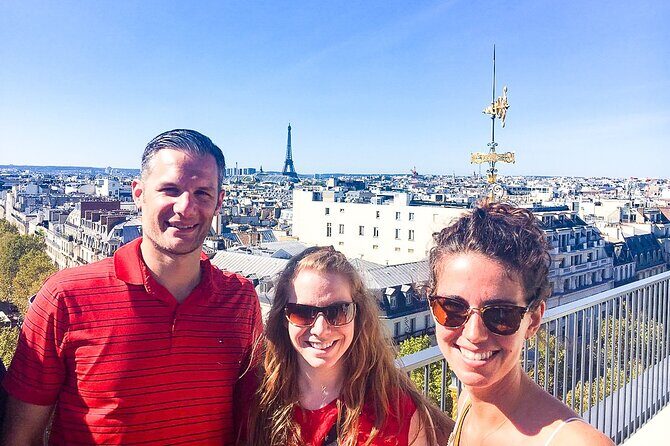
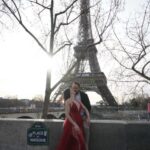
The tour’s Eiffel Tower stop is positioned as a landmark preview with extra context. You’ll see Paris icons in the same general sightline (including references to Notre-Dame and Sacre-Cœur), plus a few less obvious spots that a self-guided walk might miss.
Here’s the practical part: Eiffel Tower admission is not included. That doesn’t ruin the stop. You can still get iconic photos and a real sense of the monument’s scale from outside. But it does mean you should decide ahead of time if climbing or going inside matters to you. If it does, budget separately.
From a value perspective, this works well for first-timers. You get the big moment without forcing your day to depend on a specific entrance plan. If your timing or energy isn’t ideal, you still leave with the payoff: you saw it, up close, with someone explaining what you’re looking at.
If you want a perfect photo, go in expecting crowds around the tower area. Your guide can help you time the best approach and choose angles that feel less like a postcard copy.
A Paris grand garden reset: French-style lawns and paths
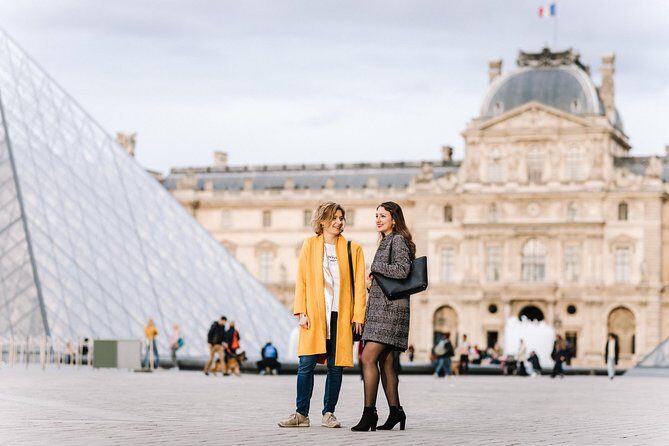
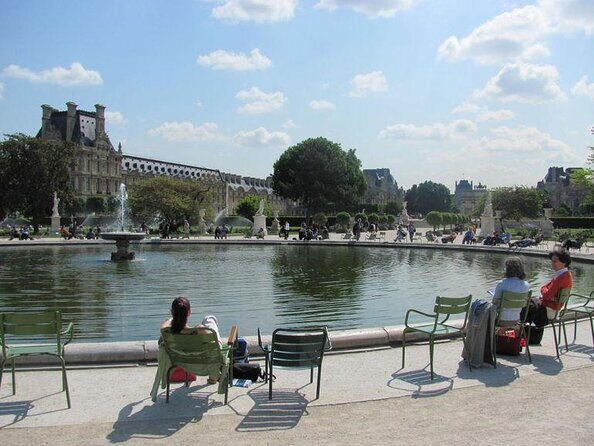
One of the tour stops is a large park inside Paris with French-style gardens. Think of this as your decompression break. Even if you’re walking to see monuments, Paris needs a pause so you can actually enjoy what you see next.
French-style gardens have their own kind of structure: geometry, sightlines, and the way paths guide you toward a viewpoint. Your guide’s job here is less about giving facts you’ll forget and more about helping you notice how the design shapes what you feel while you walk.
This stop also makes sense for practical reasons. Gardens are where the day’s pace can soften. If the morning has been steep and tight, the park gives you room to breathe—literally.
If weather turns, a park stop can become a challenge, but it’s also often flexible. You might shorten the route, shift to sheltered streets nearby, or simply enjoy the walk without insisting on long entrances. Either way, it gives your half-day structure beyond just monument hopping.
You can also read our reviews of more private tours in Paris





Champs-Élysées to Arc de Triomphe: fashion walk with big-picture stops
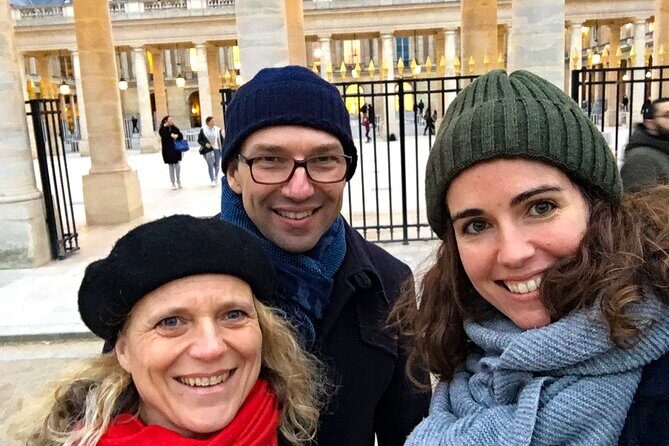
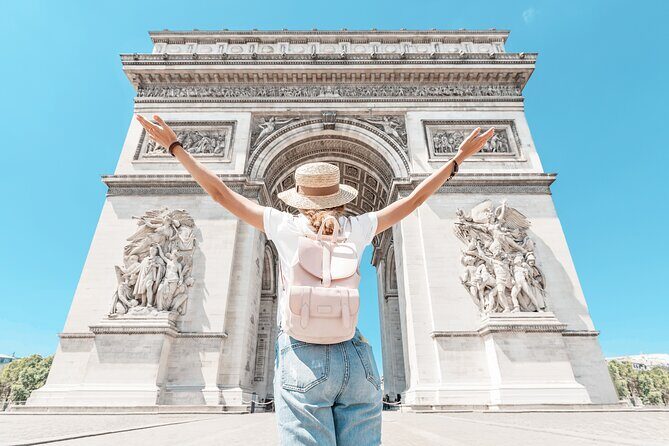
Then you move into the grand boulevard zone: Champs-Élysées, with an Arc de Triomphe stop. The idea is not just to see famous architecture, but to walk it in a way that feels like you’re experiencing Paris, not passing through it.
The Champs-Élysées is also good for learning how Paris “reads” at street level—wide avenues, storefront energy, and sightlines that make you feel how far you can see when the weather cooperates. If you care about style, the walk adds a fashion angle; if you care about architecture, the guide can point out what to notice.
The Arc de Triomphe is all about scale and perspective. You get a sense of how the city’s monument system works—big statements placed to be seen from angles that look dramatic only if you approach correctly.
This stop is also a reminder that Paris is not always quiet. Plan for crowds around the Arc area. Your guide’s value is helping you keep moving and still see what matters.
Moulin Rouge cabaret corner: what you can see and what costs extra
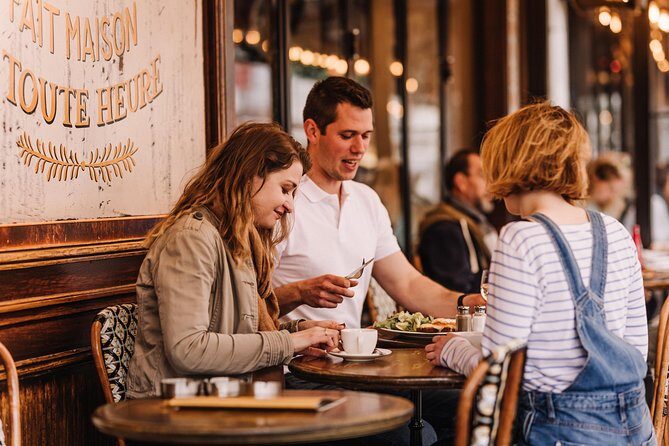
The tour includes Moulin Rouge. The concept is to connect the area with the cabaret world—one of Paris’s most famous entertainment symbols. That said, admission tickets are not included, and the tour is still a walking experience.
So if seeing a show is on your list, treat Moulin Rouge like a destination where you’ll likely need to buy tickets separately. Your guide can help you decide whether it fits your timing and energy within a half-day window, but the show itself isn’t bundled into this price.
Even without the show, Moulin Rouge works as a sensory stop. The signage, the street character, and the immediate sense of Paris nightlife give you a different side of the city than the museums-and-churches approach.
This is a good moment for photos too. Just remember: it’s popular, so you’ll want to keep your expectations realistic and let your guide guide the timing.
Latin Quarter bookshops to Notre-Dame island (plus a major 18th-century tomb stop)
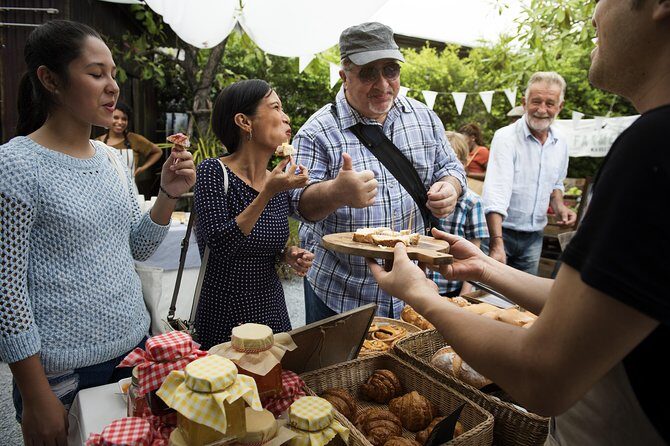
Your itinerary then shifts into the Latin Quarter, the student-and-bookshop area around the Sorbonne University, with famous little storefronts, cafés, and bistro energy. This is one of the most “Paris-feeling” zones for many people because it’s walkable, textured, and full of everyday life.
From there, you reach Cathedrale Notre-Dame de Paris. Important reality check: the cathedral is currently closed while it recovers from the fire mentioned in your tour details. Your stop is still worthwhile because you’re seeing the beloved cathedral from its island setting, plus getting the surrounding context that helps it click.
Admission is listed as free for this stop, but closure means you should expect the focus to be outside viewing and area appreciation, not an indoor visit.
The Latin Quarter portion also includes an 18th-century cathedral stop where important French men and women remain. That kind of place isn’t just pretty; it connects to how France remembers itself, in a way you don’t get from quick street photography. Let the guide explain what the site represents, because that’s what turns the stop from a photo opportunity into an understanding moment.
Opéra Garnier and the Galleries Lafayette / Printemps surroundings
Next comes one of the most photogenic and urban-central segments: Opéra Garnier and the shopping/architecture scene around it. Your stop includes the Opera building as well as the surroundings, including Galleries Lafayette across the street and the glass-domed brasserie inside Le Printemps.
This is great for a half-day because it shows Paris as both grand and practical. You’re not just seeing a monument—you’re walking through an area where the city’s style, commerce, and design all meet on the street.
From a sightseeing standpoint, Opéra Garnier is a strong cap because it’s a distinct architectural moment. It’s ornate in a way that reads even if you don’t go inside. If you do care about interior spaces, remember you’d need to handle any entrance questions separately since attraction tickets aren’t included.
Also, this is where you’ll appreciate a guide who can help you look beyond the main building. Guides in past experiences have pointed out details like decorative floors and short side alleys that add character to the route. Don’t be surprised if your host takes a minute for a decorative stop if you’re into that sort of Paris craft.
Bastille on foot: local hangout energy
The final neighborhood stop is Bastille. The tour frames it as a lively area with trendy bars, restaurants, and shops where locals hang out. Even on a half-day, this is a smart ending because it feels more like Paris as a current-day city rather than a museum corridor.
Bastille also gives you flexibility. If your group wants food or a quick drink after, this part of the day sets you up well. If you want dessert and people-watching, you can keep walking at your own pace once you’re back in the Bastille area.
It’s also a gentle contrast to the earlier stops. You’ve seen huge landmarks and formal architecture; Bastille puts you into the rhythm of everyday Paris. That makes the day feel complete, not just impressive.
Price and time value: how 3-4 hours and private attention add up
At $120.83 per person for a half-day (about 3 to 4 hours), the value is less about ticking off must-sees and more about paying for direction. In a city like Paris, direction is the expensive part—finding the right streets, timing viewpoints, and learning what you’re seeing without needing to research every turn.
This tour is also private, so you’re buying the ability to customize. If your group includes teenagers, older adults, or anyone who needs frequent pauses, that flexibility can be worth more than any entrance ticket.
You can also choose longer time with a local host—4 hours or 8 hours is listed—so if your first time in Paris feels rushed, you might consider the longer format. The shorter outing is still strong for first-day orientation. The longer one helps if you want more neighborhood texture and fewer “photo then move on” moments.
Just remember ticket rules: Eiffel Tower and Moulin Rouge admission are not included, and general attraction tickets aren’t bundled. You’re paying for the guide and walking experience. You pay for entrances if you want them.
What to do before you go: make the itinerary match your interests
Because the tour is personalized, your best move is to give your host something to work with. Think in terms of priorities:
- If your top goal is icons, say so early. You’ll still walk neighborhoods, but the guide will time the monument stops better.
- If you love architecture or interiors, ask for more photo stops around the Opéra Garnier area.
- If your group prefers stories over crowds, ask for neighborhood pacing and viewpoint timing.
For timing and comfort, plan around weather. One guide handled a rainy day by adapting so the group still had a good experience. You can’t control the sky, but you can control your gear choices: closed-toe shoes, layers, and an umbrella or rain jacket.
Also, keep a little budget set aside for entrances you might want (especially Eiffel Tower and Moulin Rouge). This keeps the day calm instead of turning into a last-minute money decision under a monument sign.
Should you book this private Paris half-day?
Book it if you want a guided walking plan that feels human, not automated. This works especially well for first-time Paris visits, multi-generational groups, people who like both big landmarks and neighborhood life, and anyone who wants help getting street-level context fast.
Skip or reconsider if you specifically want a ticket-inclusive package where every major attraction entrance is guaranteed. Since Eiffel Tower and Moulin Rouge tickets aren’t included and Notre-Dame is currently closed, you’ll need to treat some stops as outside viewing unless you buy entrances separately.
If your goal is to get your bearings, see the essentials, and still feel like you’re with someone who understands how Paris works, this private half-day is a smart use of time—start at Vendôme, walk with a host, and let the city do what it does best: reward attention.
FAQ
How long is the Paris private half-day tour?
It’s listed as about 3 to 4 hours. The experience also mentions options to explore for 4 hours or 8 hours with your local host.
Is this tour private or shared with other groups?
It’s private. Only your group participates.
What language is the tour offered in?
The tour is offered in English.
Where does the tour start and where does it end?
It starts at Colonne Vendôme (Pl. Vendôme, 75001 Paris) and ends back at the same meeting point.
Is hotel pickup included?
Hotel meet-up is available on request for central locations. Otherwise, you meet at the listed starting point.
Are tickets to attractions included?
Tickets to attractions are not included in general. The Eiffel Tower and Moulin Rouge admission tickets are specifically noted as not included.
Is Notre-Dame admission included?
The tour lists Notre-Dame admission as free, but the cathedral is currently closed while it recovers, so you’ll focus on seeing it from the surrounding island area.
Does the tour include food or drinks?
No. Food and drinks are not included.
Is transportation included?
No. This is a walking experience, and transportation costs are not included.
Are service animals allowed?
Yes, service animals are allowed.
What is the cancellation policy?
Free cancellation is available if you cancel at least 24 hours before the experience’s start time. If you cancel less than 24 hours before, the amount paid is not refunded.