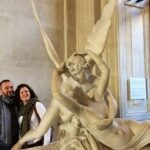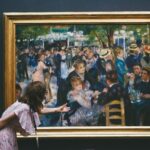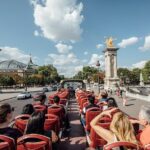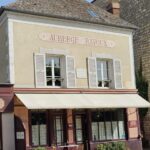
Paris rewards structure. This private stroll gives you both. You’ll hit major landmarks like Musée du Louvre and Place de la Concorde, but the point is how a local frames them so you don’t just stare at big buildings and call it learning. The pace is also built for real conversation, since it’s a private group.
I especially like the “see the best fast” idea. In about 3 to 3.5 hours, you cover the Louvre area plus nearby sights like Palais Royal and the Concode/river-side vibe in between. I also like that you get one included local drink or tasting, so the tour ends with something more than photos. One drawback to consider: the guide experience can swing a lot, including language match (some guides may stick mainly to English), and a few guests reported issues like late starts or explanations that didn’t feel tailored.
In This Review
- Quick takeaways before you book
- Why this “locals” format works better than self-guided wandering
- The exact starting point: Louvre-Rivoli and The Café with the red sign
- Louvre area to Palais Royal: seeing big names without getting lost in them
- Place de la Concorde: getting the “major Paris moment” in one pass
- The included local drink/tasting: the small stop that makes the tour feel real
- Private guide quality: the best-case experience and the risks to watch
- Timing and pacing: how to keep the day from getting squeezed
- Price and value: what $136 per person buys in Paris
- Who should book this tour (and who should skip)
- Should you book this private locals Paris tour?
- FAQ
- How long is the private tour?
- Is this tour private, or do I join a group?
- What language is the guide?
- Where do I meet the guide?
- What’s included in the price?
- What should I bring?
- Is it accessible for people with mobility issues?
Quick takeaways before you book
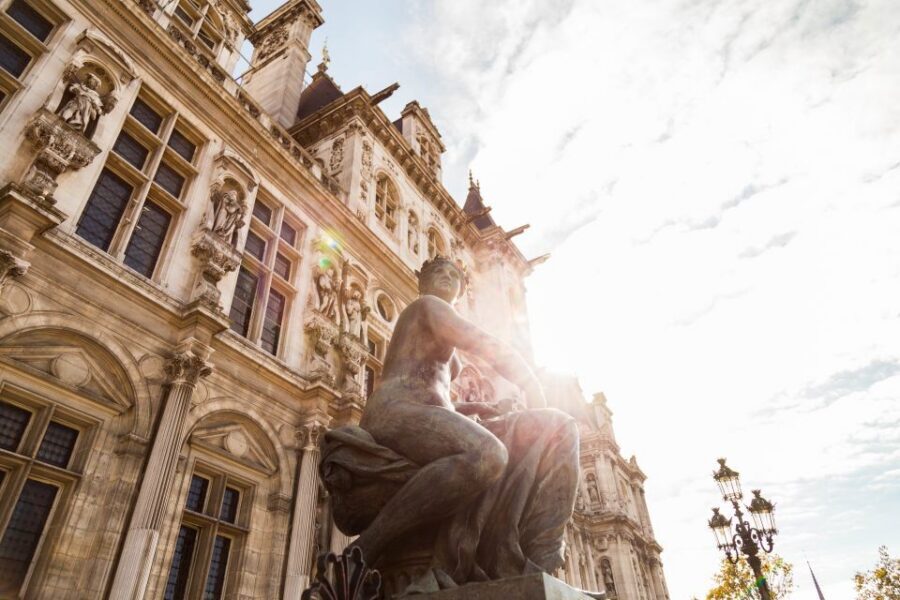
- A focused 3 to 3.5 hours that’s long enough to matter, short enough not to wreck your day
- Classic Paris landmarks in one route: Louvre, Palais Royal, and Place de la Concorde
- A local drink/tasting is included, which makes the tour feel like a lived-in neighborhood moment
- Private group means less waiting and more questions (if your guide invites them)
- Meeting point is simple: Louvre-Rivoli metro area, by The Café with a red sign
Why this “locals” format works better than self-guided wandering
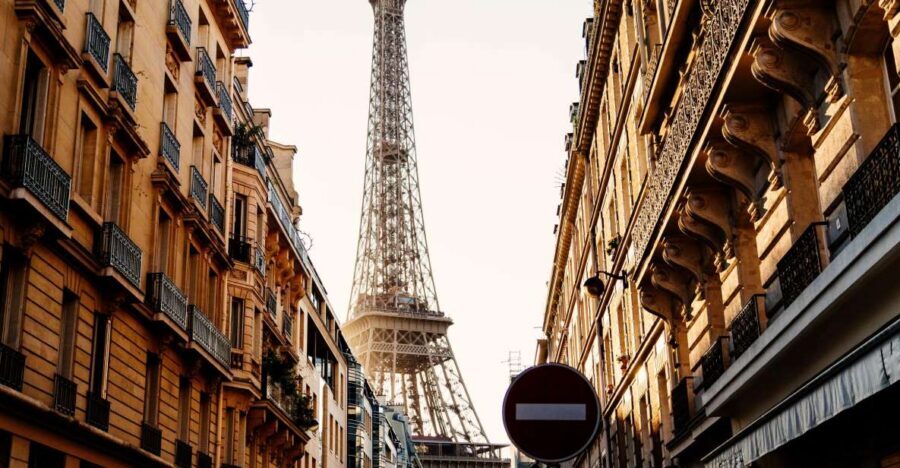
Paris is full of landmarks you can Google in five minutes. The real question is what you do with that info once you’re standing there, feet on stone, phone dying, and the crowd pressure kicking in.
This kind of private tour is useful because it compresses planning and interpretation into one clean block of time. You’re not trying to map out a route while also reading plaques in French. Instead, you get a guide to connect the dots in real time, pointing out what matters and what’s just noise. That’s how you end up remembering the trip—not just collecting a few “I was there” shots.
You’ll also get the comfort of a smaller, quieter setup. Even if you’re traveling solo, this isn’t a cattle-car group tour. You can ask questions without turning your guide into a human buffering system for a dozen strangers.
You can also read our reviews of more private tours in Paris



The exact starting point: Louvre-Rivoli and The Café with the red sign
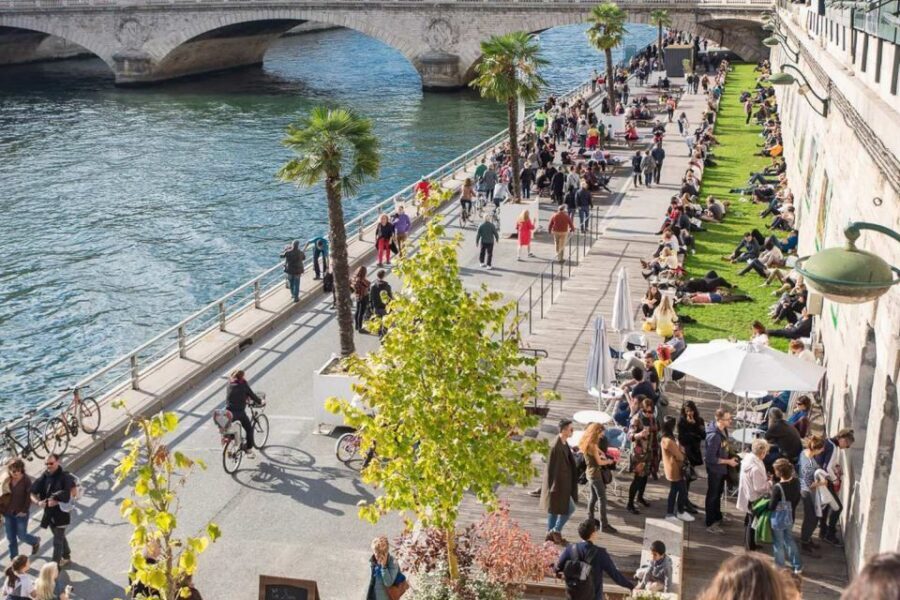
Getting off on the right foot matters in Paris, because being ten minutes late can mean spending twenty minutes playing metro-tag.
You meet next to the metro station Louvre-Rivoli, across Rue de Rivoli, at The Café—look for the location with the red sign. That’s good news if you like clarity. No mysterious back-alley rendezvous. No “call this number once you’re there” drama.
Here’s the practical move I’d recommend: arrive a few minutes early and do a quick check of your bearings. The area is central, but it’s also busy, so giving yourself buffer time keeps the start relaxed instead of stressful.
Louvre area to Palais Royal: seeing big names without getting lost in them
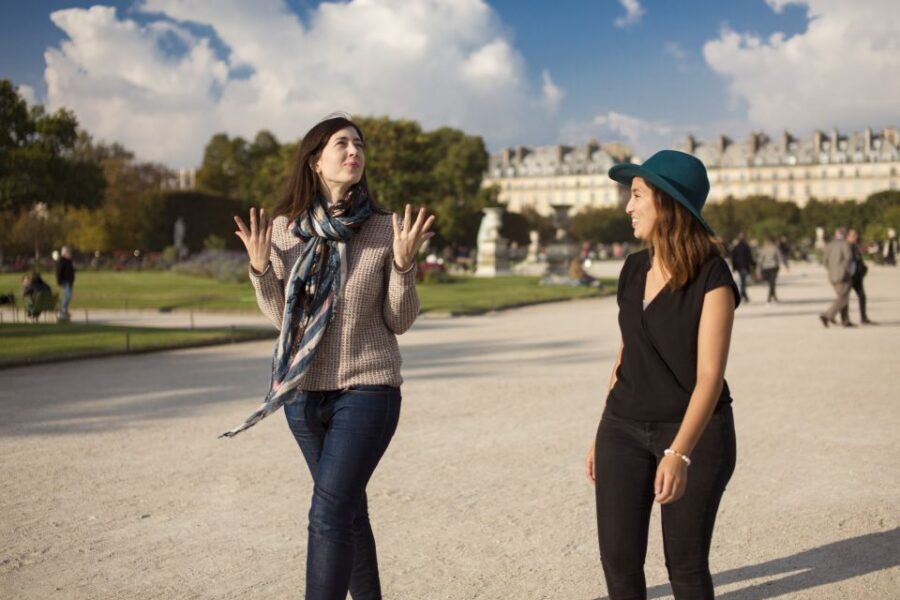
Your tour route is built around a classic Paris triangle: the Musée du Louvre area, then onward toward Palais Royal. Even if you don’t go inside (you’ll want to confirm what your specific guide plans to focus on), you’ll still get that “Paris core” experience: grand architecture, the sense of old power, and the street-level energy that surrounds it.
What makes this section valuable is not the monuments themselves—it’s the framing. A guide can point out what to look for at street level: how buildings line up, where people naturally funnel, and what the setting suggests about the city’s rhythms. When the pacing is right, you stop treating the Louvre as a single photo op and start seeing it as part of a larger story you can actually walk through.
And Palais Royal tends to feel like a release after the Louvre area. You’re still in central Paris, but the vibe shifts. A good local guide will help you notice those micro-changes instead of rushing past them.
Place de la Concorde: getting the “major Paris moment” in one pass
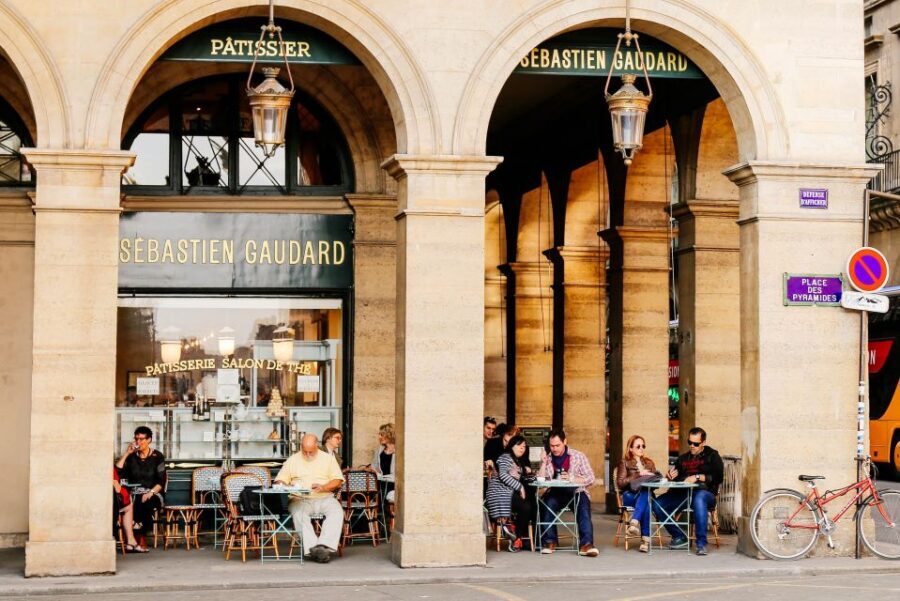
Then you move toward Place de la Concorde. This is one of those places where the city scale hits you. It’s the kind of stop that can either feel like: stand, take a shot, leave… or it can feel like: okay, now I get what Paris is about.
The difference is your guide’s emphasis. A strong guide helps you see the connections between major spots—how they relate to each other across the city’s layout—and how locals tend to experience these areas day to day. You’ll get unique commentary that’s harder to find in guidebook notes, especially when the guide focuses on the “why” behind the views.
You should also use this time to ask questions that go beyond the monuments. For example: Where do locals walk for a similar feel? What’s the best time of day to return if you want calmer photos? Even if you only get one or two answers, it can improve the rest of your itinerary.
The included local drink/tasting: the small stop that makes the tour feel real
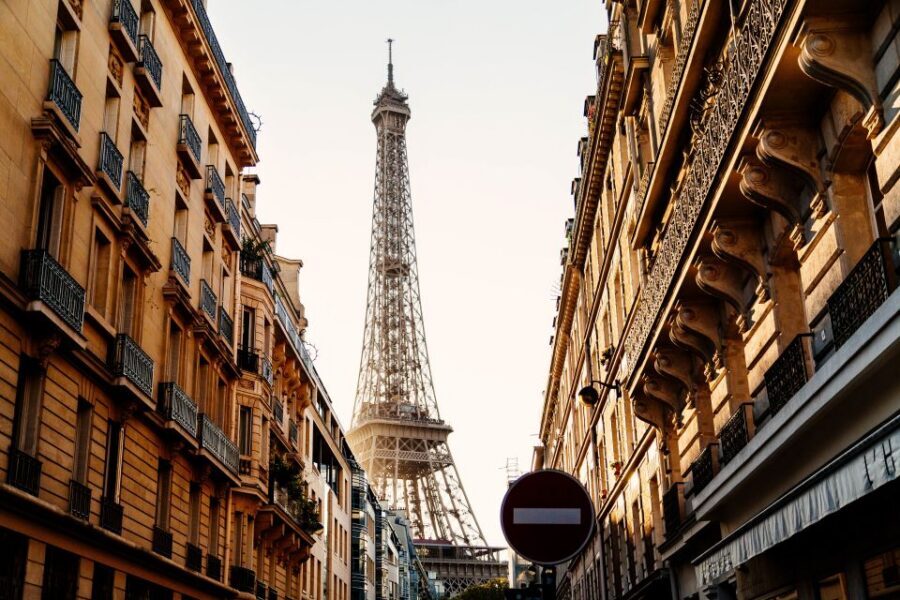
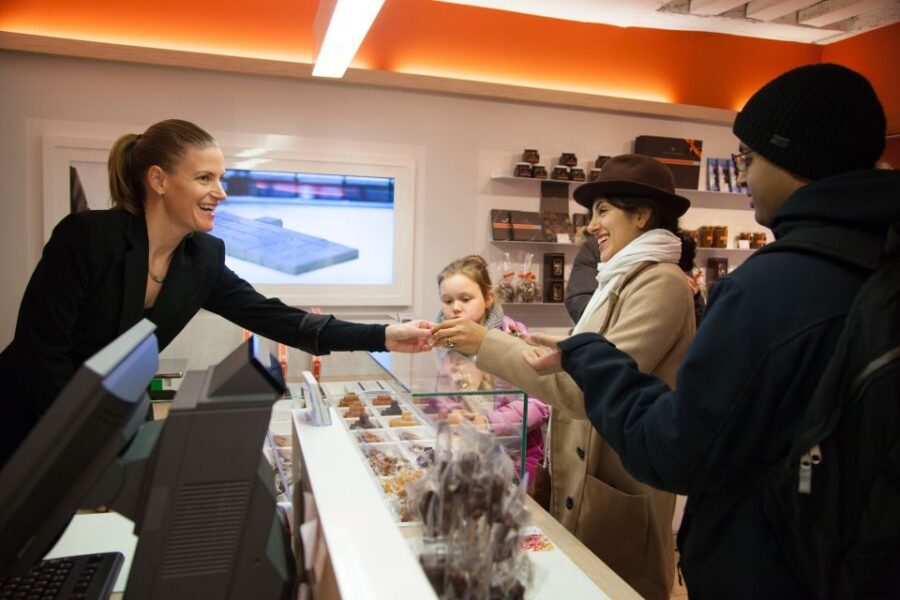
A lot of tours say they include something local. Here, you actually get one local drink or tasting included. That matters because it’s a built-in pause—an excuse to slow down, listen, and ask about food, daily habits, or neighborhood life.
Since the exact drink isn’t specified in the info you provided, treat it as a tasting opportunity rather than a guaranteed “must-try” item. The win is in the conversation and the context the guide brings.
Two practical tips:
- Ask the guide what they recommend if you want to come back later, before you leave the stop.
- Don’t assume it’s enough to replace lunch. This is a drink/tasting add-on, not a full meal.




Private guide quality: the best-case experience and the risks to watch
This is the part where I stay honest. Private tours sound like a sure thing, but the guide match still affects your day.
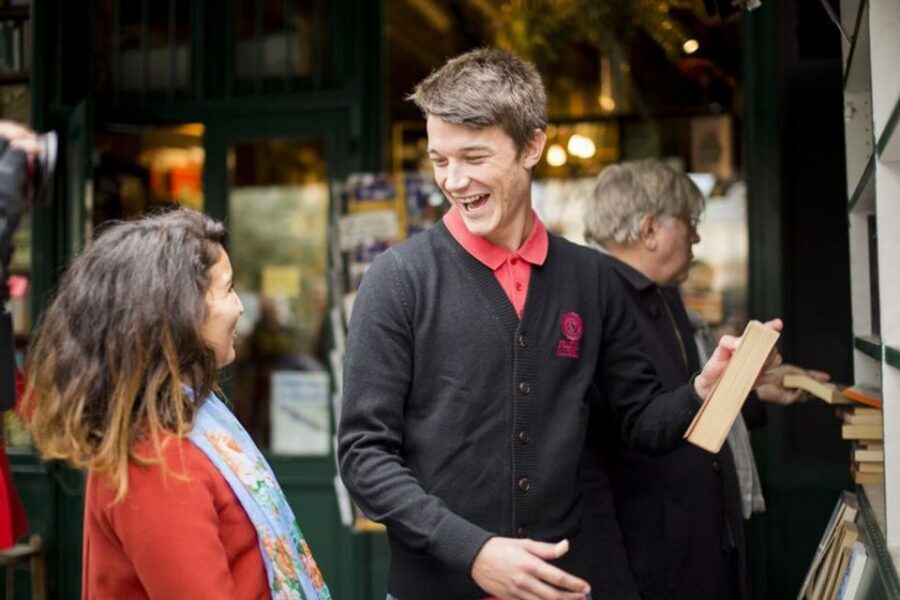
The good signs are real. People associated with these tours—like guides named Paolo, Basil, and Gelsomina—are praised for being friendly, attentive, and informative. When the guide is strong, you get that walking-with-a-friend energy that still feels structured: clear explanations, good pace, and room for questions. One guide (Paolo) is described as patient and comfortable with questions, including museum-style encounters, plus practical tips like where to shop for souvenirs.
But there are also warning flags you should take seriously:
- Some guests reported a late start (for example, about 20 minutes), with the tradeoff being extra time added later. If you have plans after the tour, build in buffer.
- One common disappointment is language expectation. If you booked hoping for mostly French practice, and your guide speaks mainly English, the experience can feel less “French-learning” and more “English sightseeing.”
- A few participants flagged that the tour sometimes felt like it covered familiar ground, without adding much you couldn’t find quickly yourself. One even described a stop that felt more like a chain café pit stop than a truly off-the-map moment.
Also: one guest reported inaccuracies. You can’t fix that in advance, but you can protect yourself by asking follow-up questions when something doesn’t sound right to you. Good guides will welcome that.
My advice to make this tour pay off:
- Email or message in advance with your goal (for example, French practice vs. history vs. photo strategy). If the guide knows your focus, the tour has a better chance to fit.
- Bring a few targeted questions so you’re not waiting for inspiration mid-walk.
- If you care about hidden corners, ask early in the tour where you’ll be seeing the less-obvious side streets.
Timing and pacing: how to keep the day from getting squeezed
This tour runs about 3 hours and it’s presented as a quick “best of” route in roughly 3.5 hours. Either way, you’re choosing a relatively short block, which is exactly why it can work on a packed Paris schedule.
Just remember: it’s a walking experience. That means your energy matters as much as the itinerary. Wear comfortable shoes, and don’t plan anything strenuous right after. If the start runs late, you’ll feel it.
Also, you’re not getting pickup/drop-off. That’s normal for this kind of city walk, but it means your arrival and departure timing is on you. Plan to reach the meeting point by foot or metro without rushing.
Price and value: what $136 per person buys in Paris
At $136 per person for a private, English-guided walk with an included drink/tasting, you’re paying for convenience and attention. You’re not just buying “Louvre + Concorde” on a map. You’re buying:
- a route that makes sense without you researching it
- a live local guide to interpret what you’re seeing
- a built-in local stop for a drink/tasting
- CO2 emissions offset support, which is part of the package
Whether it’s value depends on where you are in your Paris journey:
- If it’s your first serious visit and you want fast orientation, it can be a smart use of time.
- If you already know the basics and you’re hunting for totally new experiences, you may feel let down if your guide keeps things generic.
- If your main goal is language practice, make sure your guide’s language style matches what you want.
In plain terms: this tour is best as a time-saver and guide-assisted orientation. It’s less of a guarantee of totally unfamiliar streets.
Who should book this tour (and who should skip)
This private tour format makes sense for:
- solo travelers who want guidance without group pressure
- couples or friends who like the idea of a route designed for walking and discussion
- visitors who value a short, structured overview before they wander on their own
It’s not suitable for:
- pregnant women
- people with mobility impairments
- wheelchair users
If you’re sensitive to walking distance and crowds, also think twice. The route is central and landmark-heavy, which usually means lots of people around—even when the tour keeps you moving with purpose.
Should you book this private locals Paris tour?
Book it if you want a tight, private route covering Louvre, Palais Royal, and Place de la Concorde, and you like the idea of getting one included local drink/tasting so the day feels connected to real life, not just sightseeing.
Skip it (or rethink it) if you’re expecting major “never-seen-before” off-the-map places every time, or if your top priority is practicing French with a guide who naturally speaks it. Also, if your schedule is fragile, build in buffer time in case the guide starts slightly late.
If you do book, message ahead about your goals and ask how the guide plans to tailor the walk. With the right guide match, this is exactly the kind of Paris day that helps you get it fast, then explore better afterward.
FAQ
How long is the private tour?
The tour is listed as 3 hours. It’s also described as covering the highlights in about 3.5 hours, depending on pace.
Is this tour private, or do I join a group?
It’s a private group tour.
What language is the guide?
The guide is listed as English.
Where do I meet the guide?
Meet next to the metro station Louvre-Rivoli, across Rue de Rivoli, at The Café with a red sign.
What’s included in the price?
Included are the private tour, a local guide, 1 local drink/tasting, and CO2 emissions offset.
What should I bring?
Wear comfortable shoes.
Is it accessible for people with mobility issues?
It’s listed as not suitable for pregnant women, people with mobility impairments, and wheelchair users.
If you want, tell me your travel dates and whether French practice is your #1 goal, and I’ll help you draft a short message to your guide that pushes the tour in the right direction.