REVIEW · PARIS
Paris: Skip-the-Line Louvre Highlights Tour with Mona Lisa
Book on GetYourGuide →Operated by Walks France-Spain · Bookable on GetYourGuide
The Louvre can feel impossible. This fast, guided highlights tour is built to make it feel doable, with skip-the-line entry and a tight route through the museum’s biggest names. You’ll focus on artworks that anchor the Louvre story, not random wandering.
What I liked most was the way the tour keeps you moving with purpose. The live art historian guide stitches context to each stop (including the “why” behind the Mona Lisa), and the included headsets mean you can actually hear the explanation while crowds press in.
One thing to keep in mind: this is a walking tour in a huge museum, and the stops are highlight-focused rather than full coverage—so if you want to linger at every gallery, you’ll feel a little time pressure.
In This Review
- Key highlights you’ll care about
- Louvre Highlights in 2 Hours: Why This Feels Worth It
- The Exact Start at Arc du Carrousel (Not the One on Champs-Élysées)
- Skip the Line and Walk Smarter Inside the Museum
- Stop One: The Louvre Photo Moment and the First Big Decisions
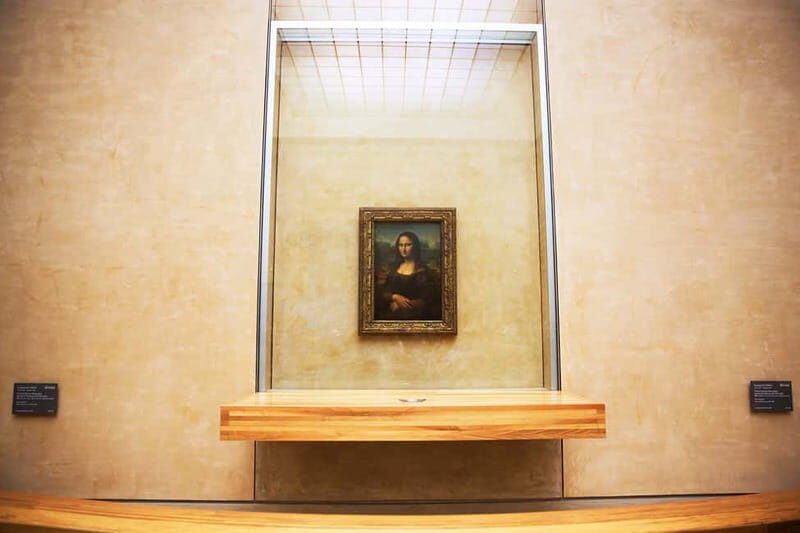
- Mona Lisa: What You’re Actually Doing Besides Taking a Photo
- Venus de Milo: How Classical Sculpture Changes the Way You Look
- Winged Victory of Samothrace and the Hellenistic Story Thread
- Michelangelo and the Drama of the Louvre Building Itself
- The 9:30AM Small Group Advantage (And Why It Can Matter)
- Timing: What You Gain (and What You Miss) with a 2-Hour Highlights Plan
- Price and Value at About $67 per Person
- Who This Tour Fits Best (And Who Should Rethink It)
- Tour Guides You Might Get and What Their Style Signals
- Should You Book This Skip-the-Line Louvre Highlights Tour?
- FAQ
- Where is the meeting point for the tour?
- What time should I arrive?
- How long is the tour?
- Is the tour in English?
- What’s included in the price?
- What should I bring with me?
- What’s not allowed during the tour?
- Is the 9:30AM tour smaller?
- Does the tour end at the same meeting point?
Key highlights you’ll care about
- Skip-the-line entrance saves you from the worst of the museum queue
- Small 9:30AM group (max 6 guests) can feel more personal and easier to manage
- Headsets help you stay focused on your guide, even when the crowd thickens
- Iconic stops like the Mona Lisa and Venus de Milo, in a smart order
- Arc du Carrousel meet-up makes the start simple once you know exactly where to look
- A curated 2-hour plan helps you see the Louvre’s must-sees without getting lost
Louvre Highlights in 2 Hours: Why This Feels Worth It
If you’ve ever tried to plan the Louvre on your own, you already know the pain: it’s huge, confusing, and time disappears fast. This tour fixes that with a practical promise—see the best-known masterpieces quickly, with a guide who knows how to get you from point A to point B.
You’re paying for three things that matter in Paris: time, navigation, and context. The skip-the-line ticket cuts waiting (which is a big deal at the Louvre). The guide turns famous artworks into understandable moments. And the curated route helps you avoid spending your limited hours just figuring out where you are.
Also, the tone is not stuffy. The goal is to help you look better. You’ll be encouraged to notice details and understand what makes each work important—like how the Mona Lisa’s reputation ties into da Vinci’s impact, or how the Winged Victory of Samothrace represents a key shift in Hellenistic sculpture. It’s the difference between seeing a painting and actually understanding why people stand there for minutes at a time.
You can also read our reviews of more tours and experiences in Paris



The Exact Start at Arc du Carrousel (Not the One on Champs-Élysées)
This tour meets outside the Louvre area, at the Arc du Triomphe du Carrousel—not the Arc de Triomphe de l’Étoile. That distinction matters. The two arcs look similar at a distance, and it’s easy to walk to the wrong one if you’re rushing.
Here’s the practical meet-up picture:
- Arrive about 15 minutes early.
- Your guide holds a green Walks sign.
- Meet at the statue next to the Arc du Triomphe du Carrousel, in front of the Louvre, opposite the pyramid at the entrance of the Tuileries Gardens.
- If you’re facing the arc, meet at the winged statue on the left.
One helpful lesson from real-world experience: don’t assume the sign will be obvious from far away. Be ready to confirm you’re looking at the right green sign up close. If you’re early, you’ll save yourself stress and still start the day with good energy.
Skip the Line and Walk Smarter Inside the Museum
Once you’re in, the Louvre does what it does best: it pulls you in every direction. The tour’s real value shows up here. Instead of you trying to “plan” the museum while also fighting crowds, the guide leads you through the highlights with a clear sequence.
You also get something small that makes a big difference: headsets. When you’re in marble halls with constant movement, you don’t want to constantly crane your neck or miss half the story. With the headsets, you can keep pace and still hear the guide’s explanations clearly.
Expect a steady rhythm: walk between galleries, pause for a few key moments, then move on. This is why the tour works well for first-timers. You get the core masterpieces and the meaning behind them without spending time guessing where to go next.
Stop One: The Louvre Photo Moment and the First Big Decisions
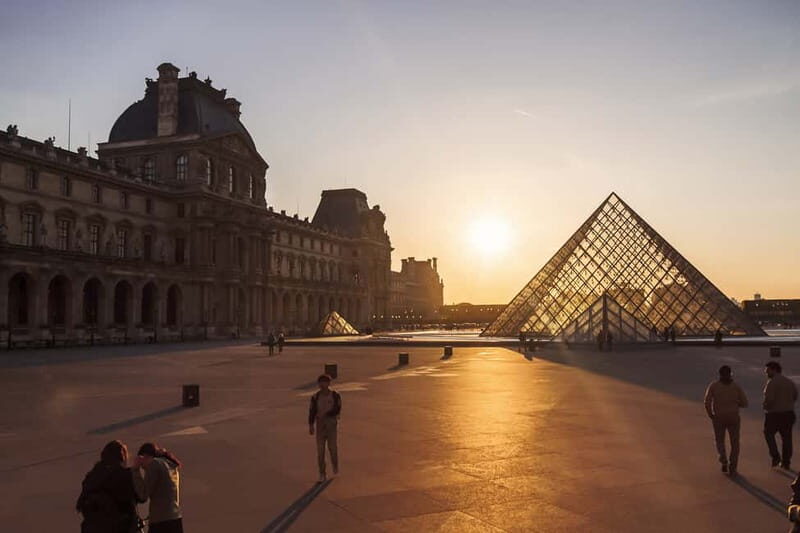
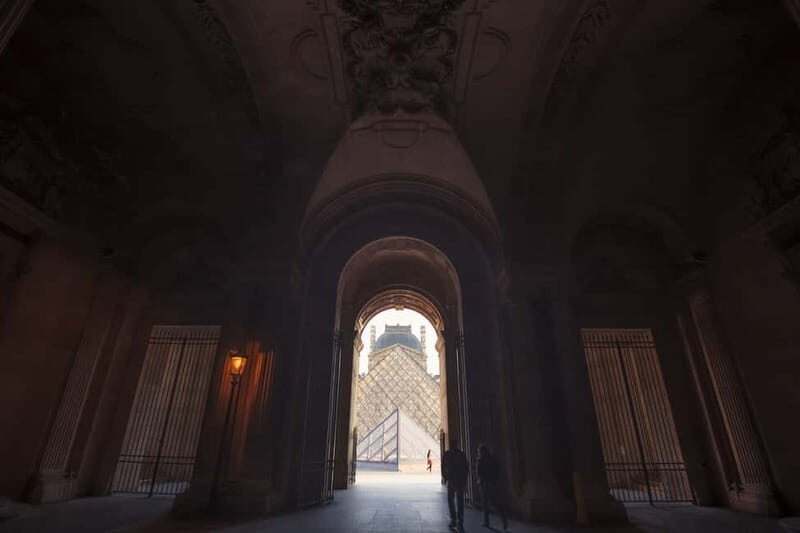
The tour begins at the Arc du Carrousel area and then heads into the Louvre. Right away, you’ll have a brief photo stop as you set your eyes on what you’re about to see.
That matters because the Louvre can be mentally overwhelming. Seeing the scale in front of you helps you accept the format: you won’t see everything. You’ll see the main works and learn how to read them.
The first moments inside also set expectations for pacing. If you’re tempted to stop for photos every ten steps, you’ll start to feel rushed. This isn’t the kind of tour where you can wander freely midstream. It’s built for staying with the group and getting the benefit of the guide’s timing.
Mona Lisa: What You’re Actually Doing Besides Taking a Photo
Yes, the Mona Lisa is the headline. But the real experience is how you get there and what you learn while you’re there.
In this tour, the Mona Lisa isn’t treated like a quick checkbox. The guide helps you understand why da Vinci’s work is considered one of the most important paintings in the world, and you’ll hear the story behind its mystery. That explanation is what turns the famous image from flat icon into something you can interpret.
A practical note: even on a guided tour, the Mona Lisa area can be crowded. The guide’s job is to get you positioned in a way that lets you see the painting while still keeping the flow of the group. You may notice that a close view can be tough during peak crowd moments—so don’t build your day around expecting a perfect, quiet moment alone with the painting.
Instead, aim for a good look and a strong understanding. If you leave knowing what made it revolutionary and why people keep returning, the tour pays off.






Venus de Milo: How Classical Sculpture Changes the Way You Look
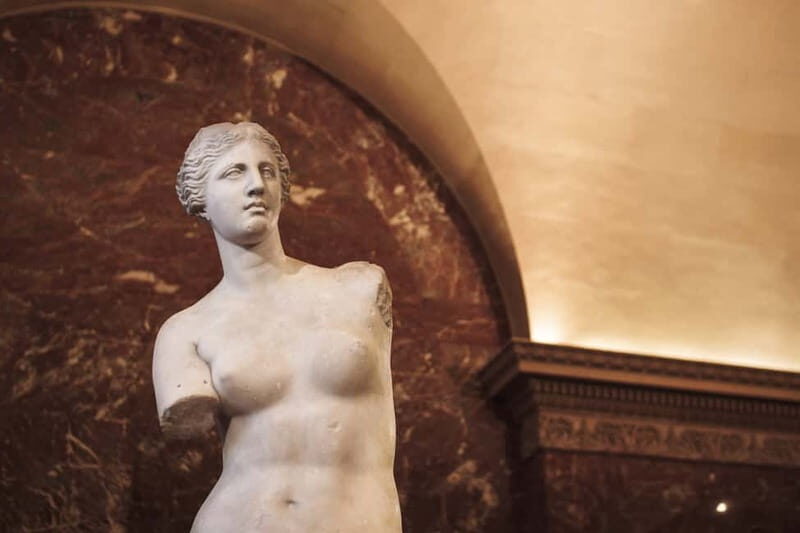
From the Mona Lisa, the tour moves you into classical sculpture territory—where you start to notice different kinds of power.
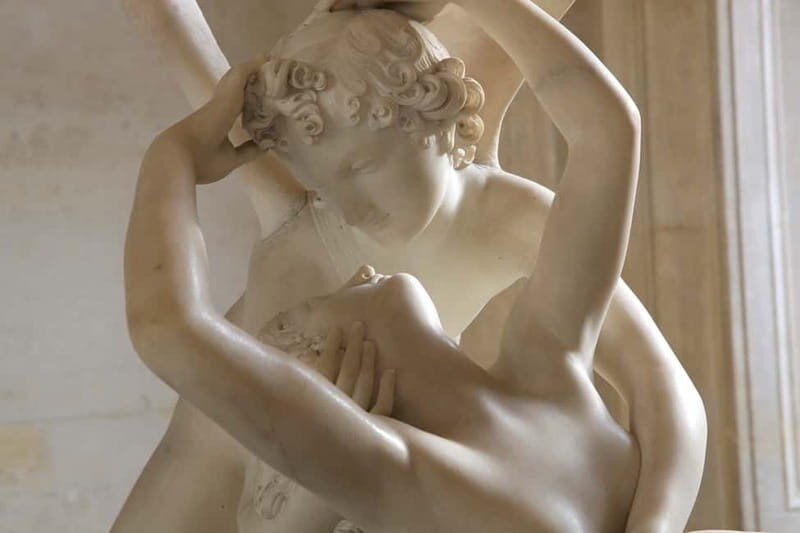
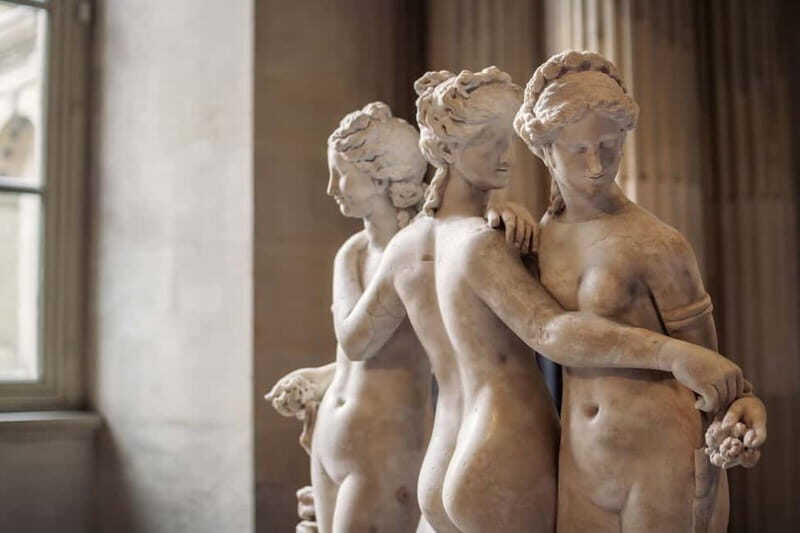
One standout stop is Venus de Milo. The guide uses this to help you see not only the figure, but also the cultural language of ancient art. You’ll connect how the Louvre assembled these works into a timeline of taste and power—from royal collections to modern museum display.
Why this is valuable: a lot of visitors treat sculpture like it’s “just statues.” A good guide doesn’t let that happen. You start seeing surface detail, pose, and proportion as choices with meaning.
And if you like art that feels physical—something you can imagine walking around—you’ll probably enjoy Venus de Milo more than you expect. The tour format helps because you’re not stuck in one place. You’re moving from artwork to artwork with a narrative thread.
Winged Victory of Samothrace and the Hellenistic Story Thread
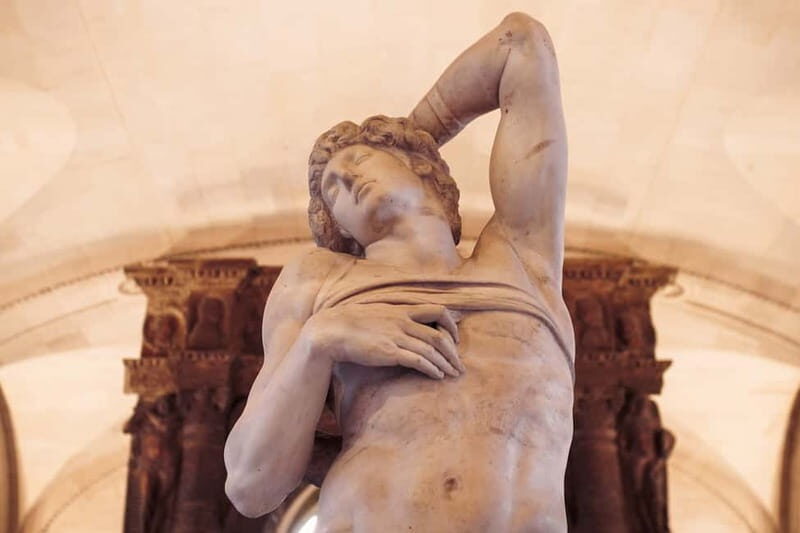
Another major highlight is the Winged Victory of Samothrace. The tour frames it as a second century BC masterpiece, often described as the world’s greatest example of Hellenistic sculpture.
This is where a guided approach really helps you “unlock” what you’re seeing. Winged Victory works on multiple levels: emotion, movement, and the dramatic feel of the body caught in action. The guide’s job is to translate the visual impact into art history language so you’re not just staring and guessing.
If you’ve ever had the experience of standing in front of a famous sculpture and thinking, Okay, now what, this stop is the fix. You’ll be given a reason to look longer.
Michelangelo and the Drama of the Louvre Building Itself
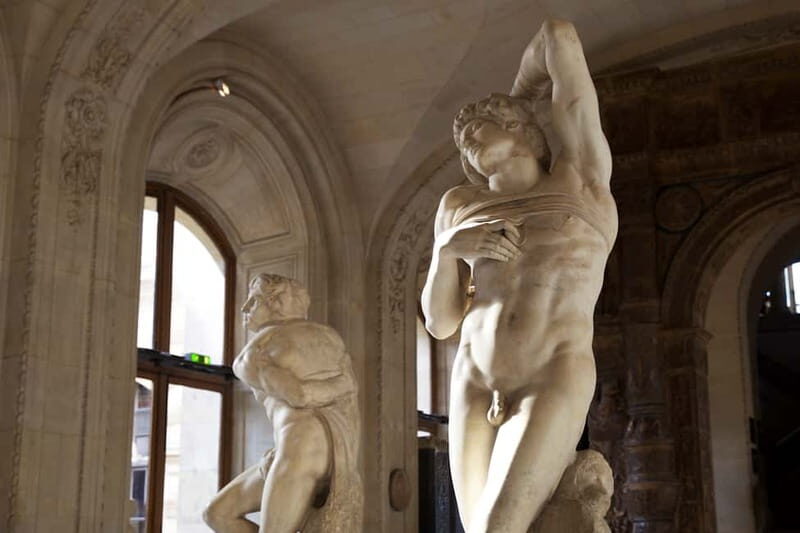
This tour doesn’t just cover individual artworks; it also brings the museum building into the story. The Louvre wasn’t always the Louvre. It was a palace. That changes how you experience the spaces.
As you walk between galleries, the guide also talks about the palatial details—its stonework and frescoes—and the royal drama that once played out in those rooms. It gives you context for why these artworks ended up here in the first place and how power shaped collecting.
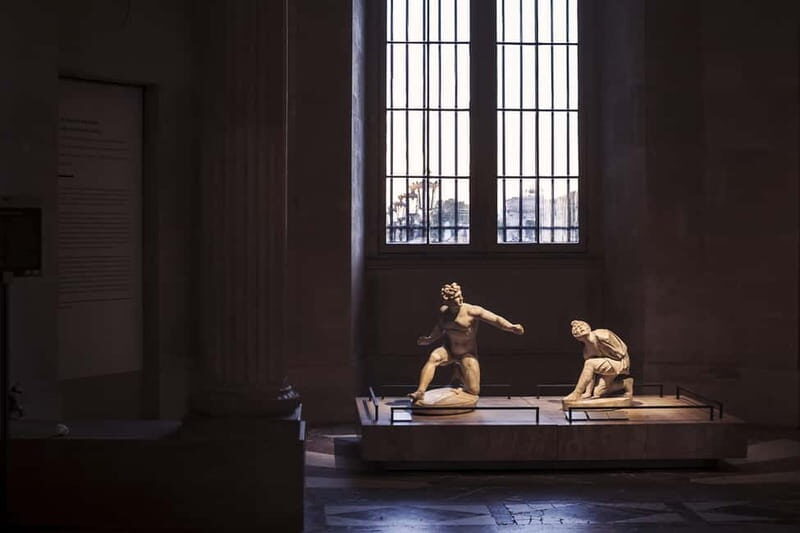
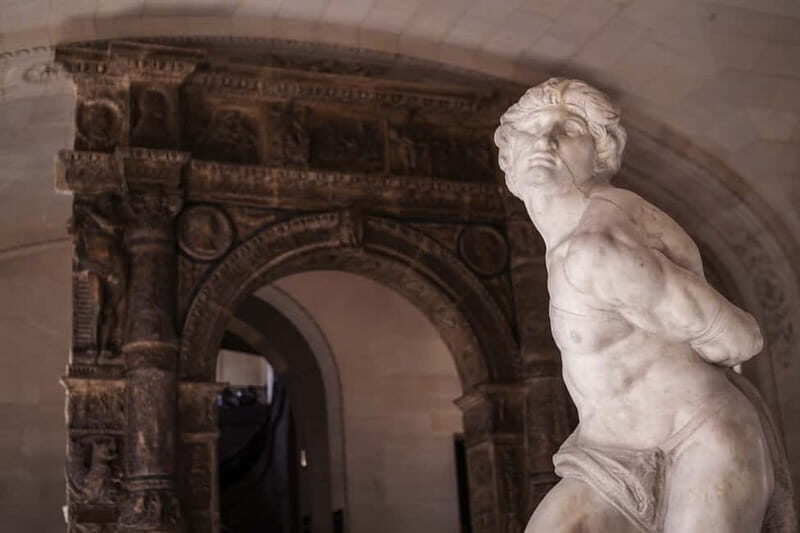
You’ll also see stops including works tied to Michelangelo, such as the Slaves (as named in the tour experience). Even if you’re not a “Michelangelo person” yet, the guide’s framing can help you connect the sculptures to the bigger European art story—where artists compete in technique and imagination.
The 9:30AM Small Group Advantage (And Why It Can Matter)
The 9:30AM tour is special in one concrete way: it caps at maximum six guests for an intimate Louvre experience.
Small-group format changes the feel of the day:
- Your guide can adjust pacing more easily.
- It’s easier to keep everyone together in busy corridors.
- You get more “human” attention, not just a lecture delivered while you trail behind.
There’s also a practical trade-off. If your party is larger than the available ticketing capacity, you might be split due to Louvre entry logistics. It doesn’t sound like the tour falls apart, but it’s worth knowing you may not be kept as one single unit the entire time.
Timing: What You Gain (and What You Miss) with a 2-Hour Highlights Plan
A two-hour plan is both the strength and the limitation. Here’s what you gain:
- You see the biggest names: Mona Lisa, Venus de Milo, and Winged Victory of Samothrace.
- You get art history context delivered in a route that avoids aimless wandering.
- You leave with enough understanding to enjoy the rest of the museum on your own.
And here’s what you miss:
- The Louvre’s depth. You won’t do a full survey of periods, schools, or every room.
- The slow, relaxed “museum day” pace. This tour is meant for momentum.
In practice, I think this format works best when you treat it like the start of a Louvre day, not the whole day. Plan to return later with a list of what intrigued you most. That’s how you use the tour as a fast orientation tool.
Price and Value at About $67 per Person
At $67 per person, the price can look steep if you think only about ticket cost. But you’re not just buying entry. You’re buying:
- A skip-the-line ticket, which is a real time-saver.
- A local English-speaking guide focused on major works.
- Expert storytelling tied to what you’re seeing.
- Headsets, which help the guide’s time actually reach you.
For the Louvre, time is your most expensive currency. Waiting in long lines can chew up a half day if you let it. This tour tries to protect your time so you get meaning fast.
Is it the cheapest way in? No. But it’s often the best way to make sure your limited Paris hours turn into real Louvre moments rather than a stressful map battle.
Who This Tour Fits Best (And Who Should Rethink It)
This experience suits you if:
- You’re short on time and want the Louvre’s top artworks with context.
- You like having a guide tell you where to stand and what to notice.
- You prefer a structured route over picking galleries yourself.
It may be a poor fit if:
- You’re using a wheelchair or have mobility impairments, since the tour isn’t suitable for those situations.
- You rely on strollers, since baby strollers are not allowed.
- You plan to bring oversize luggage or large bags, because those aren’t allowed either.
Also, it’s a walking tour at a moderate pace. Bring comfortable shoes and be ready for a lot of indoor walking in a large building.
Tour Guides You Might Get and What Their Style Signals
One reason this tour earns strong praise is the quality of the guide experience. In the names that come up—like Adam, Laurence, Rosaria, Nancy, Lee, Violeta, Avi, Alberto, Clare, Nazali, and Abby—there’s a consistent theme: strong communication in English, clear explanations, and energy that makes the museum feel alive.
You shouldn’t expect the tour to be one-size-fits-all. If you’re the type who loves art history stories, you’ll likely enjoy the guide’s narrative approach. If you’re more practical and want just enough facts without feeling overwhelmed, you’ll probably find this pacing “just right.”
The big takeaway for you: show up early, stay close, and listen through the headsets. This tour is built to reward attention.
Should You Book This Skip-the-Line Louvre Highlights Tour?
Book it if you want a high-return, first-timer Louvre experience. It’s the right pick when you have a tight schedule, want the Mona Lisa without losing hours to lineups and confusion, and would rather get guided context than guess your way through the museum.
Skip it (or at least consider a different plan) if your priority is lingering. This tour is highlight-focused and walking-heavy. You’ll get the best-known masterpieces, but you won’t get the slow museum marathon.
If you want a smart compromise—see the must-sees with an expert guide, then roam on your own while you still remember what you saw—this is a very reasonable way to start.
FAQ
Where is the meeting point for the tour?
Meet at the statue next to the Arc du Triomphe du Carrousel in front of the Louvre, opposite the pyramid at the entrance of the Tuileries Gardens. Your guide holds a green Walks sign, and if you face the arc, it is at the winged statue on the left.
What time should I arrive?
Plan to arrive about 15 minutes before the start time. This helps you find the guide holding the green Walks sign.
How long is the tour?
The tour runs about 2–3 hours. Starting times vary, so check availability for the exact schedule.
Is the tour in English?
Yes, it is an English-language live guided tour.
What’s included in the price?
You get a skip-the-line Louvre ticket, a local English-speaking guide, a guided walking tour, and headsets.
What should I bring with me?
Bring a passport or ID card and wear comfortable shoes.
What’s not allowed during the tour?
Oversize luggage, baby strollers, and luggage or large bags are not allowed.
Is the 9:30AM tour smaller?
Yes. The 9:30AM option is limited to a maximum of six guests for a more intimate experience.
Does the tour end at the same meeting point?
Yes, the tour ends back at the meeting point.