REVIEW · PARIS
Private Guided Tour, The Louvre by night !
Book on GetYourGuide →Operated by David Lambret · Bookable on GetYourGuide
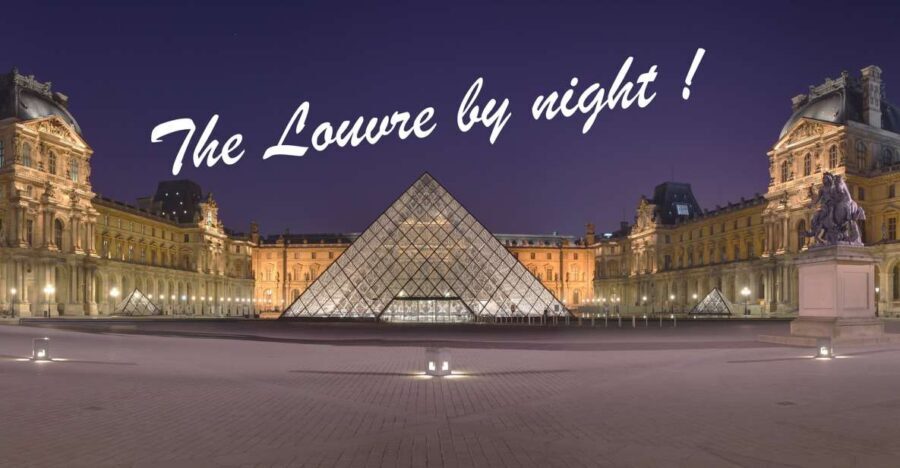
The Louvre looks different after dark.
This private night visit is all about seeing masterpieces when the museum gets quiet and thoughtful, not chaotic. You’ll get help making sense of what you’re looking at, with a focus on French history running from the medieval Louvre story to the era of Napoleon III in the late 1800s.
I love two things most: the small size and the guide’s art-history brain. A private group of up to 5–6 means you’re not herded, and your route can be adjusted to your interests. And the best guides here, including David Lambret and art-history specialists like Afsaneh, are good at spotting the details that usually get missed.
One thing to consider: it’s only 1.5 hours. Great for a strong hit of highlights, but not for trying to see everything the Louvre has to offer in one go, even with priority entry.
In This Review
- Key takeaways
- Why the Louvre at night feels calmer (and smarter)
- Your private art-history guide: what they do in real life
- Meeting by the Pyramid: Louis XIV statue and smooth entry
- Thematic route in 1.5 hours: from medieval Louvre to Napoleon III
- What you’ll actually see: masterpieces, symbols, and details
- Small group pacing: the difference between private and crowded
- Price and value: is $351 per group worth it?
- Practical rules that keep the tour moving
- Who this tour fits best (and who should skip it)
- Should you book the Louvre by Night Private Tour?
- FAQ
- How long is the Louvre by night private tour?
- What language is the guide?
- Where do we meet for the tour?
- Is the tour wheelchair accessible?
- Are tickets included in the price?
- Does this tour include skip-the-line entry?
- What group size should I expect?
- What should I bring?
- Is food and drink allowed during the tour?
- Is it refundable if plans change?
Key takeaways
- Quiet-at-night viewing: less noise, more focus on the art itself.
- Small private group (5–6 max): faster, easier pacing and more personal attention.
- Art-history storytelling: you’ll connect symbols and themes, including examples like Delacroix.
- French history arc: you’ll move through time, from medieval roots toward Napoleon III.
- Priority access with the right line: your guide handles entry flow since skip-the-line tickets aren’t part of it.
- Designed for comfort: wheelchair accessible and kids friendly, with clear visitor rules.
Why the Louvre at night feels calmer (and smarter)
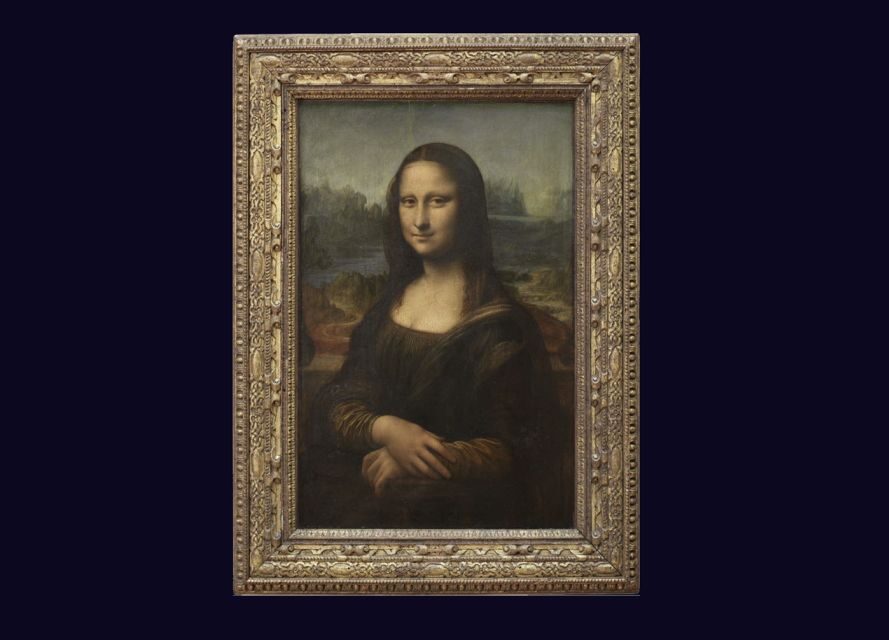
Daytime at the Louvre can feel like you’re sprinting through famous rooms. At night, the museum shifts into something closer to a slow conversation. That change matters because many artworks reward close looking, not quick selfies.
This tour keeps the experience intimate. You’ll spend 1.5 hours in the museum with a certified guide, focusing on what’s most meaningful rather than trying to cover every wing. If you’ve ever left the Louvre feeling like you saw everything and understood nothing, night is a big fix.
The other big win is mental space. When galleries are quieter, you can actually notice patterns—symbolic choices, repeated motifs, and how artists communicate ideas beyond the surface scene. That’s where the “art history” part becomes practical, not academic.
You can also read our reviews of more guided tours in Paris



Your private art-history guide: what they do in real life
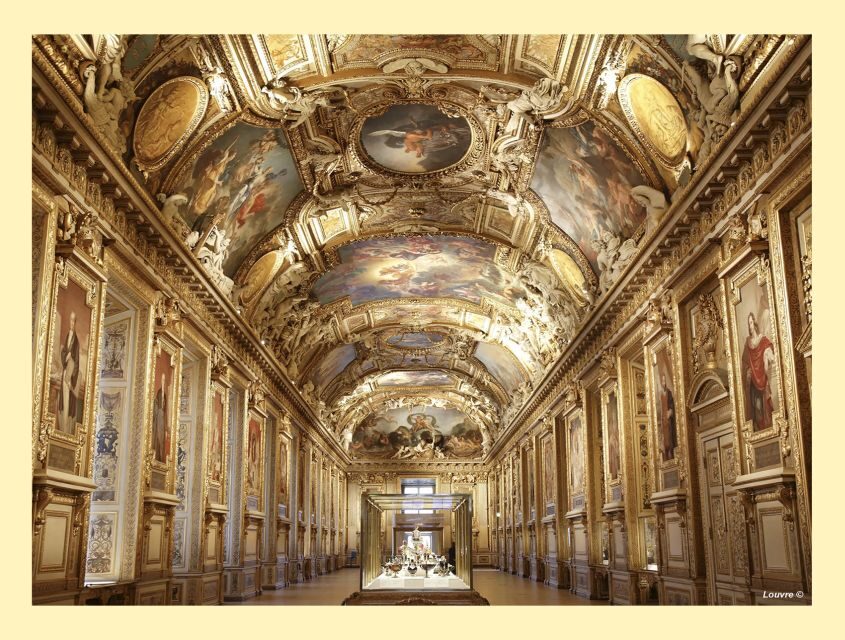
A good Louvre guide doesn’t just list names and dates. They help you read the museum like a story. That’s exactly what this tour style is set up for: your guide leads you to less obvious spots and points you toward the core message behind what artists built.
I like the way guides here connect art to context. David Lambret, for example, is described as researching background details so he can make parallels between symbols in works and the country visitors come from. That approach can turn a painting from a flat image into something with a personal hook.
The pacing is also a big deal. Several guides tied to this format are praised for moving efficiently through the Louvre’s crowded reality while still explaining what you’re seeing. In plain terms: you spend more time looking and less time lost.
And if you’re traveling with teens, this matters too. One guide was specifically praised for having the patience to keep teenagers interested, which is no small feat in a museum that can overwhelm even adults.
Meeting by the Pyramid: Louis XIV statue and smooth entry
You’ll meet next to the equestrian Statue of King Louis the 14th in front of the Pyramid, on the right-hand side. Arrive 10 minutes early. For a night visit, arriving on time helps you start without stress.
From there, expect security-style checks. If you have a pace-maker or biomedical device, you should advise your guide ahead of time since airport-style security applies. Also plan on the Louvre’s visitor rules for the experience you’re in—this is not the time to bring extras you don’t need.
A key detail: there’s no literal skip-the-line ticket. Instead, your guide manages the right line to enter the museum and helps you use separate entrance flow for quicker access. Translation: trust the guide on where to stand, and don’t assume there’s one magic ticket barcode doing all the work for you.
Thematic route in 1.5 hours: from medieval Louvre to Napoleon III
The best thing about this tour isn’t only the time of day. It’s the theme. You’re guided through a French history arc inside the museum, starting from the medieval Louvre and moving forward toward the world of Napoleon III in the second half of the 19th century.
With only 1.5 hours, you need a route that has direction. That’s what the structure gives you. Rather than bouncing between random masterpieces, you follow a storyline, so each stop has a reason to exist in your visit.
Your guide also customizes based on your interests. That means if you lean toward symbolism, painting, or the story behind French power and culture, you’ll likely get more attention in those lanes. The “unusual spots” part helps here too—night is good, but seeing the same floor everyone else races toward isn’t the whole point.
One practical takeaway: don’t expect a full encyclopedia. This tour is designed to point you toward the main ideas and a handful of meaningful scenes, then help you understand what you saw. If you want depth in every room, you’ll need a longer visit later. For a first or return trip, this hits a strong middle ground.
What you’ll actually see: masterpieces, symbols, and details
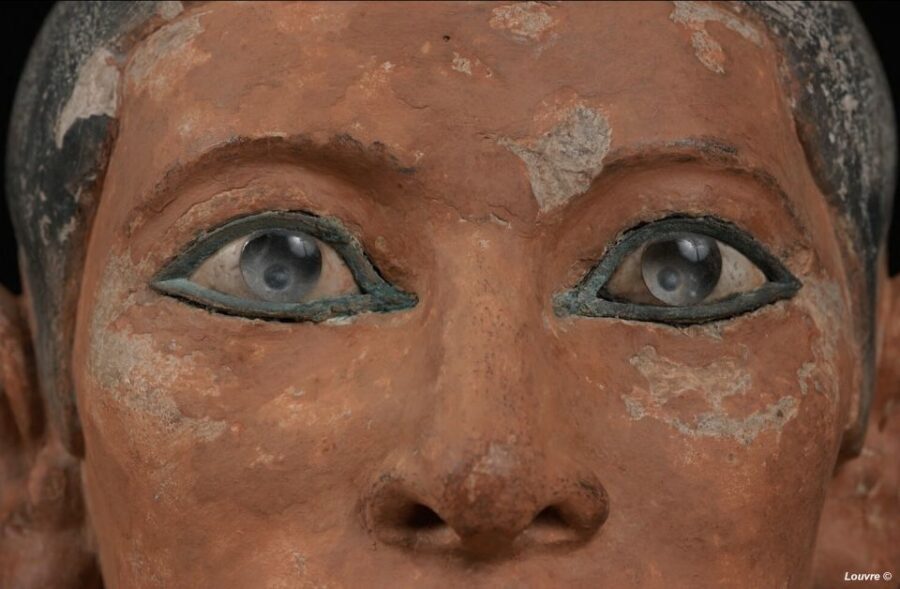
The Louvre is famous for its showstoppers. This tour is built to help you experience those highlights without losing the thread halfway through. Your guide leads you to places where masterpieces become easier to read when you know what to look for.
A big emphasis is on symbols and message. That’s not wordplay—your guide helps open your eyes to the core ideas artists delivered. In practice, this can mean noticing how a scene communicates power, faith, politics, or identity through visual choices.
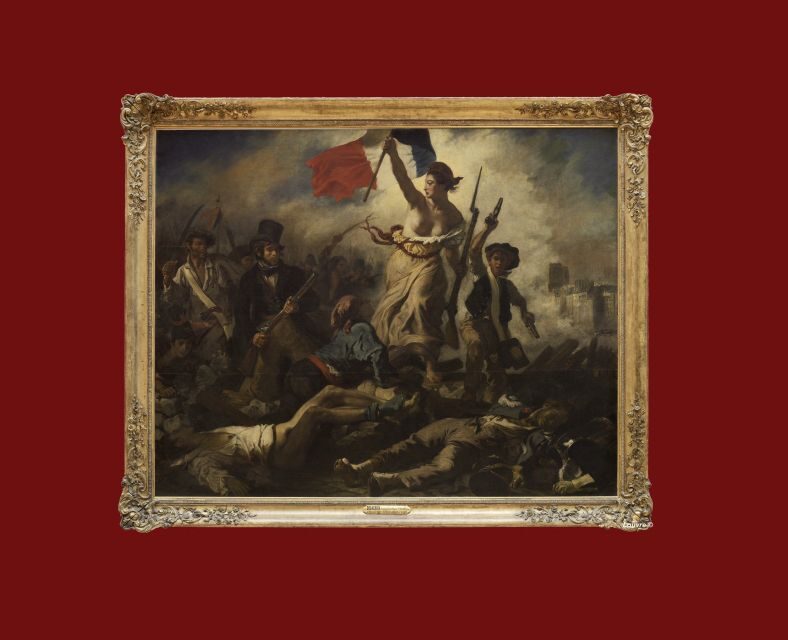
Delacroix is one example that came up in guide style. The approach is to connect symbols you see to broader cultural or national context, so what feels mysterious at first starts making sense. You don’t need to be an expert; the guide does the translation into human terms.
You’ll also benefit from the nighttime setting. Certain artworks can feel flat in a rush, but in quieter rooms you can slow down your brain. That helps you actually see brushwork, composition, and the way figures are staged to tell a story.
You can also read our reviews of more private tours in Paris




Small group pacing: the difference between private and crowded
This is a private tour with a maximum group size of 5 to 6 people, which is a sweet spot. You get company, but you’re not stuck waiting behind a long line of people deciding which exhibit to approach.
That group size also changes how a guide works. Instead of speaking to a crowd, you get a more direct rhythm. Questions are easier. If you’re tired, you can adjust pacing. If someone in your group gets excited by a topic, the route can shift.
One review described this kind of tour as efficient and complete for the time—exactly what you want when you’ve only got an evening. Another described it as approachable and fascinating, which usually means the guide managed to make the Louvre feel less like a museum checklist.
There’s also a very practical benefit: navigation. The Louvre can overwhelm you fast. A guide who knows the building can help you get through crowds without turning your evening into a maze.
Price and value: is $351 per group worth it?
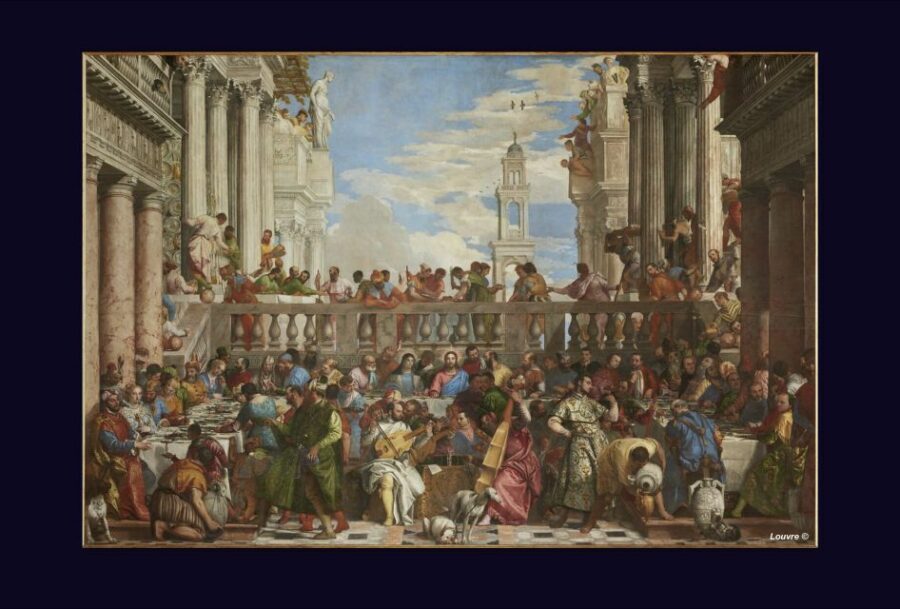
Let’s talk value, not just cost. The price is listed at $351 per group (up to 1 in the data shown, though the tour itself is stated as 5–6 max). What matters for your decision is that you’re paying for a private guide experience, not simply admission.
You’re also getting benefits that don’t come with self-guided entry. Priority access is included, and your guide manages the right line because skip-the-line tickets aren’t provided as a simple purchase. That reduces wasted time, which is a real currency on a short night visit.
Then there’s the “what you’ll get out of it” factor. If you’re someone who wants the museum to make sense, this tour is built for that. A guide who can explain symbols, connect history, and keep your group engaged can turn a quick visit into something you remember longer than a photo scroll.
If you already have strong museum knowledge and you’d rather roam freely, you might save money with a self-guided plan. But if the Louvre tends to overwhelm you, paying for a focused guided route is often the best way to avoid feeling like you paid for confusion.
Practical rules that keep the tour moving
Night tours feel special, but the Louvre still runs on logistics and rules. Here are the ones that can trip you up if you ignore them.
Wear comfortable shoes. You’ll be walking inside a big museum, and comfortable footwear is the difference between enjoying art and counting blisters.
Food and drinks aren’t allowed during the tour, and umbrellas and glass objects are also not allowed. Those restrictions are worth planning around so your evening stays smooth.
Bring a passport or ID card for children. Also, if you’re traveling with kids, the tour is listed as kids friendly, and free entrance is available under 18 with the right IDs and free tickets.
Finally, if you have any biomedical device or pace-maker, tell your guide in advance. Security checks apply, and your guide needs that info to help you handle the process without delays.
Who this tour fits best (and who should skip it)
This tour fits best if you want a strong Louvre experience without the all-day grind. It’s especially good for first-timers who need a map from “what am I looking at?” to “I get it now.”
It also works well for repeat visitors. You won’t just see the same rooms; you’ll follow a history theme and learn how to read details differently. That’s the kind of change that can make a second Louvre visit feel worth it.
Families can do well here too, since it’s kids friendly and includes free entrance details for under 18. The small group size helps families keep everyone moving and interested.
If you want to spend hours in the museum at your own pace, or if you’re chasing a very specific list of artworks, this may feel short. In that case, a longer daytime visit or multiple visits might suit you better.
Should you book the Louvre by Night Private Tour?
If your goal is a calm Louvre evening with real context, I’d book it. The night timing plus a small private group and art-history guidance is a winning combo for turning iconic art into something you understand.
Book it especially if:
- The Louvre can overwhelm you and you’d rather follow a guided route.
- You like symbolism and connections between art and history.
- You want a short, efficient experience that still feels meaningful.
Skip it if:
- You want to see a huge chunk of the museum independently.
- You’re only interested in a few ultra-specific works and don’t care about thematic interpretation.
- You’re expecting a long roaming night, because 1.5 hours is intentionally focused.
FAQ
How long is the Louvre by night private tour?
The tour lasts 1.5 hours.
What language is the guide?
The live tour guide is English.
Where do we meet for the tour?
Meet next to the equestrian Statue of King Louis the 14th in front of the Pyramid, on the right-hand side.
Is the tour wheelchair accessible?
Yes, it is wheelchair accessible, with priority access.
Are tickets included in the price?
Tickets fees are not included. You should buy your tickets on the official Louvre website as soon as possible.
Does this tour include skip-the-line entry?
Skip-the-line tickets are not provided as a product. Your guide will manage the right line for entry. Separate entrance flow is mentioned.
What group size should I expect?
The private group is listed as a maximum of 5 to 6 people, which makes a difference versus larger groups.
What should I bring?
Bring comfortable shoes. For children, bring a passport or ID card.
Is food and drink allowed during the tour?
No, food and drinks are not allowed. Umbrellas and glass objects are also not allowed.
Is it refundable if plans change?
Free cancellation is offered up to 24 hours in advance for a full refund, and the experience can be cancelled 48 hours before for a full refund.