REVIEW · PARIS
Paris: Street Art Tour with a Street Artist Guide
Book on Viator →Operated by Memories France · Bookable on Viator
Paris has street art on every block.
This tour is a smart way to see it with context, not just photos. You choose a neighborhood (Montmartre or La Butte aux Cailles) and then walk with a working street artist–style guide who can point out where the art comes from and how different techniques work. It’s offered in English, uses a mobile ticket, and stays short enough to fit into a packed sightseeing day.
What I like most is the small group size (max 15) and the guide’s hands-on perspective from the street art world, including how artists use styles like stencils and glued-paper paste-ups. You’ll also leave with tailored follow-up tips, which matters in Paris because the street art changes fast and the good stuff is often off the main lanes.
One consideration: this is a walking tour with no hotel pickup, so you need to arrive at the right meeting point for your chosen neighborhood. Also, since the exact stops can vary by tour, you should treat it as a guided art walk experience, not a fixed checklist of specific murals.
In This Review
- Key highlights you’ll care about
- Street art in Paris, on foot and with a real guide
- Montmartre: where artists’ addresses still echo
- What you’ll actually see
- Why this stop feels worth your time
- One drawback to keep in mind
- La Butte aux Cailles: street-art history you can spot
- What makes this area different
- A guide adds extra flavor here
- The main trade-off
- How the guide changes what you notice
- Itinerary flow: a short walk, not a marathon
- Stop-by-stop, what to expect
- Where groups sometimes feel the squeeze
- Price and value: is $47.54 worth it?
- Practical tips so you don’t lose time in Paris
- Meet-up matters (and it depends on your neighborhood)
- Bring your camera mindset
- Dress for walking
- Small-group reality check
- Who this tour is best for
- Should you book this Paris street art tour?
- FAQ
- How long is the Paris street art tour?
- Is the tour offered in English?
- Do I receive a mobile ticket?
- What group size should I expect?
- Where do I meet for the tour?
- Is there free cancellation?
Key highlights you’ll care about
- Small groups (up to 15) mean better back-and-forth with your guide
- Two neighborhoods with very different street-art vibes: Montmartre vs. La Butte aux Cailles
- You’ll learn techniques, like le pochoir (stencil work) and glued-paper styles
- Off-the-beaten-path streets help you find art beyond the usual postcard corners
- Street-artist guides can connect past and present, from classic painters’ addresses to today’s wall makers
- You get practical, tailored tips so you can keep hunting after the tour
Street art in Paris, on foot and with a real guide
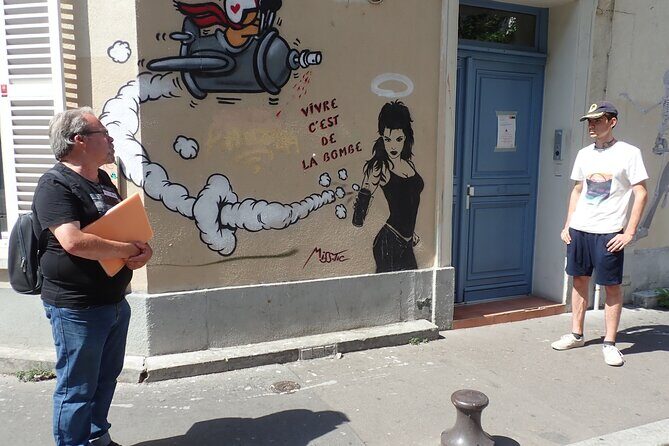
Paris street art is everywhere, but not all of it is easy to read. Some walls are loud and obvious. Others hide in plain sight—on side streets, on courtyards, along stairways. This tour helps you “tune your eyes” so you don’t just spot art, you understand why it’s there and what it’s saying.
You’re walking in a small group, and that matters. When you can ask questions without shouting, you get better explanations—about style, process, and even the artist personality behind the work. The tour is timed at about 1.5 to 3 hours (depending on the route you choose), so you’re not committing a whole day.
It also feels efficient: short walking segments, regular chances to stop for photos, and a guide who knows where to look. If you like sightseeing that turns into storytelling, this one clicks fast.
You can also read our reviews of more guided tours in Paris



Montmartre: where artists’ addresses still echo
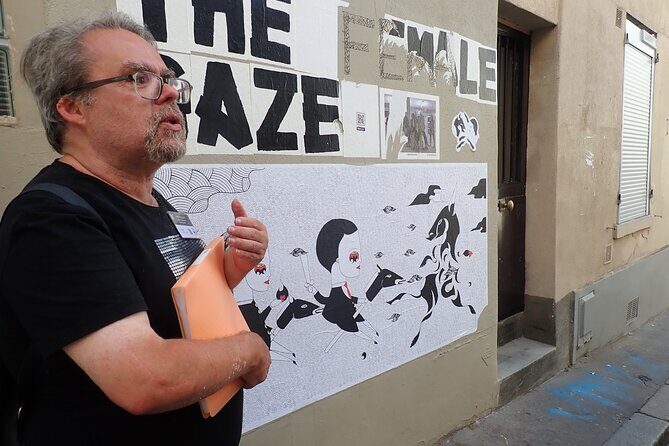
Montmartre is the classic artistic stage, from the legends of painters to the streets where modern urban art keeps growing. In this neighborhood, your guide leads you through charming lanes and cobbled streets, including areas linked to iconic artists like Picasso, Van Gogh, and Renoir. Even if you’ve already toured Montmartre for views, this adds a different layer: the story of who created here, and how that creative habit spills into today’s wall culture.
What you’ll actually see
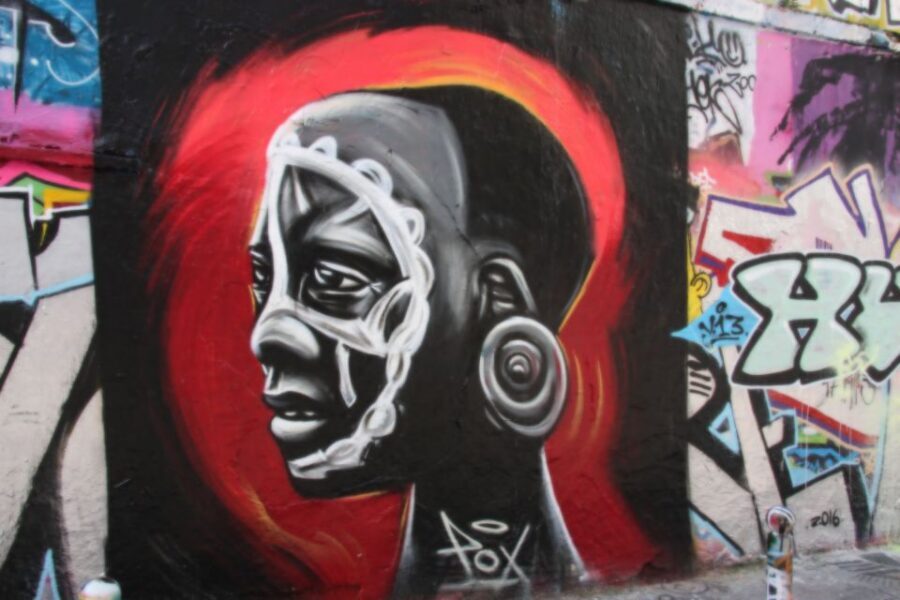
In the Montmartre route, expect to hunt for a mix of street art formats. The tour description signals everything from murals to stencils, graffiti, and paper-based pieces like glued works. You’ll hear about modern names such as Swed Oner (including references tied to fresco-like styles), Gregos (the famous 3D faces style), and paste-up approaches associated with artists like Twotma.
You’ll also be guided through art that’s internationally recognizable in street art circles—Space Invader comes up—alongside more confidential or less obvious pieces (the kind you might miss if you were just wandering with your camera and good intentions).
Why this stop feels worth your time
Montmartre can be crowded, especially around the big viewpoints. The value here is that you’re not only going for views—you’re going for street art in spaces that feel more lived-in. The tour highlights that some parts of Montmartre away from the loud tourist flow have not changed much over decades, which helps you understand why street art fits the district so well.
One drawback to keep in mind
Montmartre is popular. Even with a guide, you may share sidewalks with other visitors. The difference is that your group has a target: you’re moving because the art is changing and because the guide knows where to look next, not just because it’s scenic.
You can also read our reviews of more tours and experiences in Paris





La Butte aux Cailles: street-art history you can spot
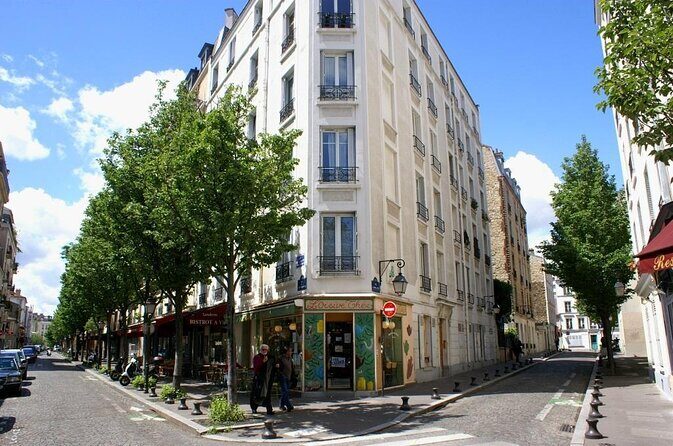
If Montmartre is the artist-on-a-mountain story, La Butte aux Cailles is street art as an ongoing local tradition. This area is described as a place where you can see artworks spanning from the 1980s-era scene to newer emerging artists. That’s a rare thing in a city where neighborhoods often “trend” and change quickly.
What makes this area different
The tour framing is smart here: this district is treated like a street-art timeline. You’ll see works that may be more hidden by the artist (for those who want subtlety), and other works that are clearly meant to be seen. Some pieces may have been up for years, while others may appear days earlier—so the neighborhood feels alive.
Your guide also leans into technique and the so-called French touch, with le pochoir (stencil work) called out as a flagship approach. You’ll also hear about artists such as Jeff Aérosol and Miss Tic, plus names like Le Long and Princess Ecchymose, which helps you connect the visual styles to the people behind them.
A guide adds extra flavor here
One of the standout elements from a guide-led experience in this neighborhood is the passion and “inside the scene” feel. Thierry, for example, has been described as passionate about street art and sharing stories and anecdotes as the group walked. Even better: that same account notes seeing a street artist working on a new piece mid-tour. You can’t guarantee you’ll watch someone paint, but this is the right kind of neighborhood for it—and the right kind of guide to explain what you’re looking at if it happens.
The main trade-off
Because La Butte aux Cailles is less famous than Montmartre, it can take a little more effort to get oriented before the tour starts. Once you’re walking with the guide, though, that pays off: you’re not in a performance zone. You’re in a working neighborhood where street art feels more embedded than “installed for tourists.”
How the guide changes what you notice
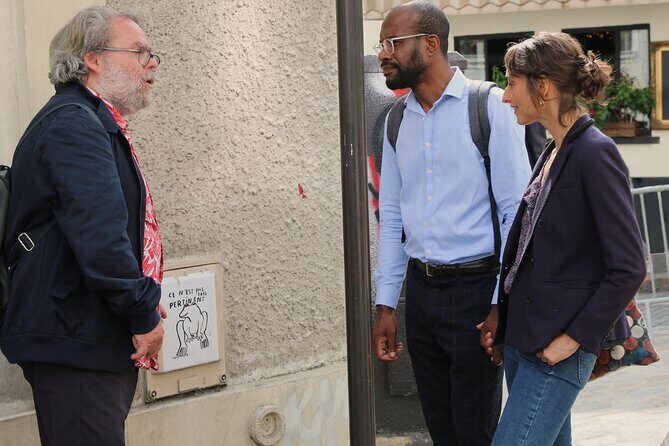
A street art tour can be either “spot and snap” or “look and learn.” This one aims for the second. The key is that the guide isn’t just reading descriptions—they’re presenting the scene through a street-artist lens, including references to the 1980s street art world.
That shows up in how explanations land. Instead of treating each wall as a random artwork, you start noticing patterns:
- how stencils create repeatable shapes and bold color blocks
- how glued-paper work changes texture and layering
- how artists balance visibility (big statements) vs. secrecy (quiet details)
The tour also promises personalized attention because it’s a small group. That means your guide can adjust the route focus if you’re more into graffiti, paste-ups, or stencil styles. And you’ll come away with tailored tips to help you keep exploring on your own afterward.
I also like that the tour doesn’t pretend street art is fixed. The whole point is that Paris walls are changing all the time, so learning techniques and stories helps you recognize new work even after the tour ends.
Itinerary flow: a short walk, not a marathon
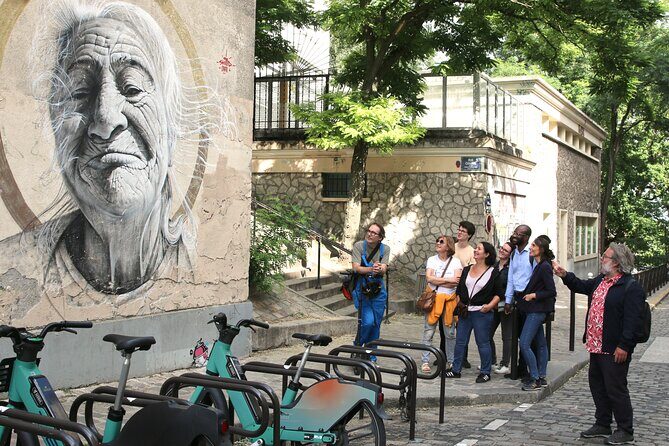
Both neighborhood options are designed to be time-friendly. You’re looking at about 1 hour 30 minutes to about 3 hours, and the tour is paced for walking and photo stops. The “fits into a busy schedule” point is real—this is the kind of activity you can slot between museum time and dinner without feeling like you have to rearrange your whole day.
Stop-by-stop, what to expect
- In Montmartre, the walk connects classic painters’ legacy with present-day street art examples. Expect a route that moves through streets where artists have historically lived and worked, and then transitions into modern urban art formats like stencils and graffiti.
- In La Butte aux Cailles, the walk reads more like a timeline. You’ll hunt for works across eras and compare “hidden vs. showy” choices, plus the le pochoir technique link.
Where groups sometimes feel the squeeze
Because it’s on foot and capped at 15 people, you’ll be shoulder-to-shoulder at times, especially near small courtyards or narrow lanes. That’s normal in Paris. The payoff is that you’re moving in a focused way, not stuck waiting in line for the next photo.
Price and value: is $47.54 worth it?
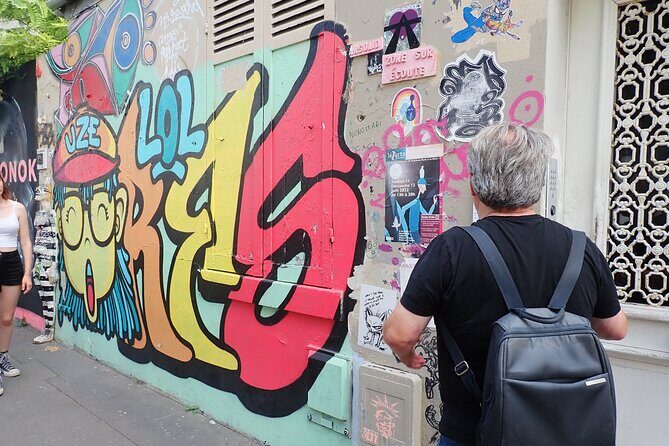
At $47.54 per person, this is not a bargain tour in the “cheapest possible” sense. But it’s also not trying to be. You’re paying for:
- a guided walk (not self-guided wandering)
- a street artist–style guide with experience and technique knowledge
- small-group attention
- neighborhood focus (so you don’t scatter across half the city)
Also, the tour uses a mobile ticket, which is a small thing that still matters. It reduces hassle on a day when you’re already managing maps, transit, and museum tickets.
I’d think of it like this: if you plan to spend time in Montmartre or La Butte aux Cailles anyway, this tour acts like a “multiplier.” You get better looking skills and more meaning per photo. If you’re the type who likes street art but also likes context, it’s a good match for the price.
Practical tips so you don’t lose time in Paris
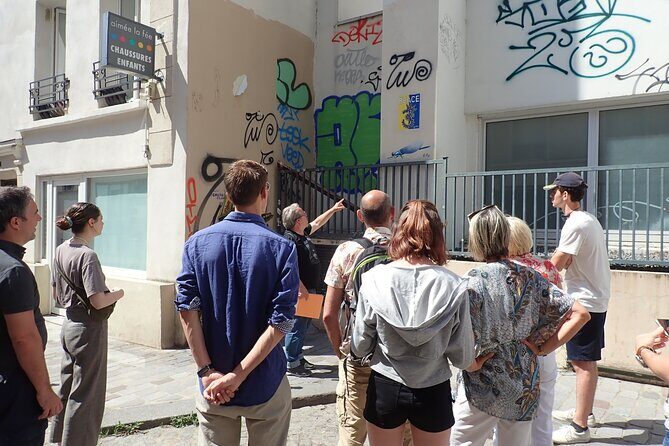
A few practical things will make this smoother.
Meet-up matters (and it depends on your neighborhood)
Each tour has a different meeting point, and you’re asked to choose your neighborhood tour at booking. Double-check your meeting point before you leave your hotel. Paris taxis can take time to find, so don’t assume you can pop out and grab one quickly.
Bring your camera mindset
The tour includes regular opportunities to stop for photo ops. For street art, a good strategy is to photograph wide shots first (so you remember where it is) and then get closer details of stencils, pasted paper edges, or signature styles.
Dress for walking
You’re on foot for a couple hours. Even if you’re sightseeing all day, choose shoes that can handle cobblestones and uneven sidewalks without turning the walk into a foot injury mission.
Small-group reality check
With up to 15 people, you’ll feel the group energy. If you’re someone who hates crowding, pick an off-peak time if the schedule offers options.
Who this tour is best for
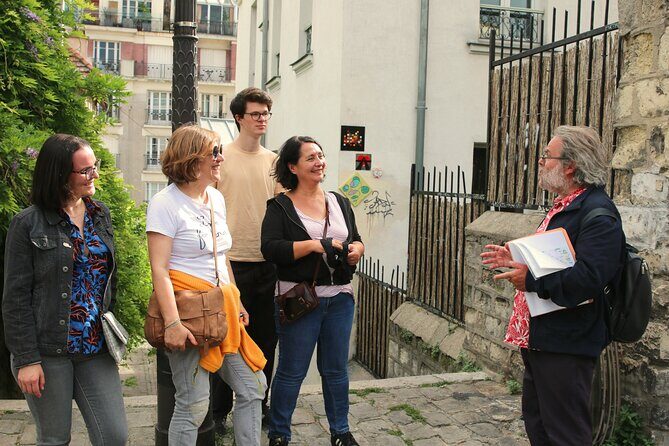
This tour is a strong fit if you:
- like street art but want to understand how it’s made and why it’s placed
- want a guided walk that fits into a day already packed with sightseeing
- enjoy artists’ stories, from classic names like Picasso and Van Gogh to modern wall artists like Gregos and Space Invader
It’s also great if you want a “starter course” for hunting street art after the tour. You’ll finish with enough technique context to recognize styles even when you’re walking solo later.
If you’re only interested in famous monuments and want zero street-art interpretation, you might find this less aligned. But if you’re curious about what makes a city visually speak, you’ll likely have a good time.
Should you book this Paris street art tour?
Book it if you’re spending time in Montmartre or La Butte aux Cailles and you want more than wandering. The combination of a small group, technique-focused explanations, and an artist guide perspective makes the price feel reasonable for what you get.
Skip or reconsider if you’re short on walking tolerance, hate crowds in tight lanes, or you want a rigid, fully predictable lineup of exact murals. This tour is built as a guided exploration where the best art is often the stuff you notice because someone taught you what to look for.
If you like street art as a living part of Paris—not just a photo opportunity—this is an easy yes.
FAQ
How long is the Paris street art tour?
The tour runs about 1 hour 30 minutes to 3 hours, depending on the route and pacing.
Is the tour offered in English?
Yes, the tour is offered in English.
Do I receive a mobile ticket?
Yes, it includes a mobile ticket.
What group size should I expect?
The tour has a maximum of 15 travelers.
Where do I meet for the tour?
You should check your meeting point carefully because it depends on which neighborhood tour you choose.
Is there free cancellation?
Yes. You can cancel up to 24 hours prior to departure for a full refund.