REVIEW · PARIS
Pompidou Museum Paris Exterior 90 minutes Private Guided Tour
Book on Viator →Operated by Paris in person · Bookable on Viator
A museum you can read from the street.
The Pompidou Centre is already a statement piece—Renzo Piano and Richard Rogers turned it into a loud, joyful machine of pipes and angles. This private tour pairs that façade wow factor with smart time-saving skip-the-line entry, so you get moving instead of waiting.
I especially like two things here: the art historian guide who explains the ideas behind the art (with humor that makes it easier to think), and the private format that lets you set a pace and steer toward what you care about. In the same short window, you can build a solid starting map for a huge modern- and contemporary-leaning collection.
One possible drawback: the experience notes that entering the building during reconstruction isn’t included. If you’re visiting during a period of works, you’ll want to confirm what will actually be accessible.
In This Review
- Key points before you go
- Why a Pompidou private tour makes sense (and saves your feet)
- The Piano–Rogers façade: more than a photo stop
- Skip-the-line entrance: what it’s really worth in Paris
- What you’ll do during the 90 minutes inside Centre Pompidou
- The guide experience: why Amy, Boris, and Mila stand out
- Artists and themes you can expect to hear about
- Where you meet and how to plan the timing
- Who this Pompidou tour is best for
- Price and value: what $270.34 buys you here
- Quick decision: should you book this private Pompidou tour?
- FAQ
- How long is the Pompidou Centre private guided tour?
- Is the tour really skip-the-line?
- What’s included in the price?
- What kinds of art and artists does the tour cover?
- Where does the tour start, and does it end there too?
- Is this tour private or shared?
- Can I cancel for a refund?
Key points before you go
- Skip-the-line, private, English: guaranteed to bypass long lines with just your group.
- Art historian guidance: you’ll get context for 20th-century and modern art, not just descriptions.
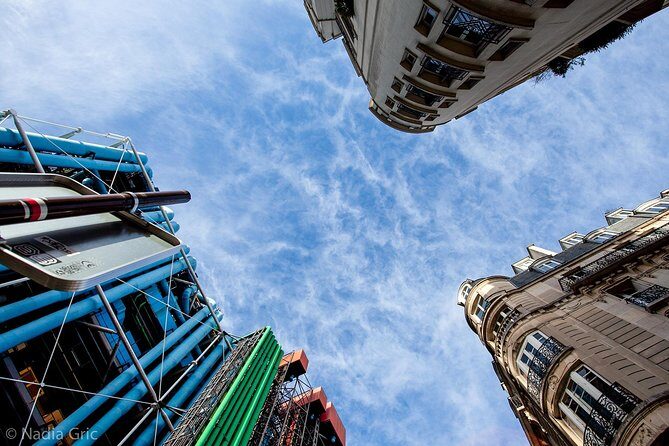
- Piano and Rogers façade first: start with the building’s design language before you step inside.
- Big-name modern artists are part of the plan: Pollock, Picasso, Matisse, Dubuffet, Dix, and more.
- Customizable focus: you can shape the tour around what grabs you.
- 90 minutes is efficient: great for first-timers who want direction, not a full-day museum marathon.
Why a Pompidou private tour makes sense (and saves your feet)
The Pompidou Centre is one of those Paris museums where self-guided wandering can turn into aimless wandering fast. The collection is massive, the building is visually intense, and the 20th century alone can feel like it has too many doors.
A private, guided start solves the biggest problem: you get an orientation plus a curated route within the time you actually have. For me, the best value is when a guide helps you choose what to look at, not just where to walk.
Also, this tour is designed around the idea that modern art needs framing. You’re not being asked to “like everything.” You’re helped to understand why an artist made certain choices, and how movements connect to one another across decades.
You can also read our reviews of more guided tours in Paris



The Piano–Rogers façade: more than a photo stop
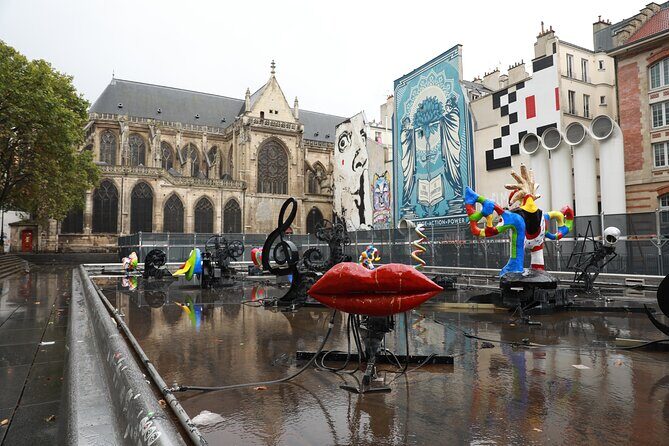
You come for art, but you stay engaged because the building itself tells you what to expect. The exterior is famous for its exposed “mechanical” look—an approach Renzo Piano and Richard Rogers used to make the structure part of the show. It’s not subtle, and that’s the point.
A guided visit gives you a useful way to look at it. Instead of treating it like a backdrop, you’ll learn what you’re seeing and why the design reads as bold and forward-leaning. That matters because the museum’s collection leans heavily into the same spirit: 20th-century art in all its horror and glory, as the vibe suggests.
If you’re the kind of person who likes getting meaning from first impressions, you’ll appreciate starting outside. It sets a tone that carries into the galleries.
Skip-the-line entrance: what it’s really worth in Paris
Skip-the-line isn’t just a convenience add-on in Paris. It protects your time from the two killers of museum days: waiting and decision fatigue. With a 90-minute private tour, the time you spend outside the museum gate is time you’ll never get back.
This experience is set up specifically to make sure you can start quickly once you’re at the museum. That’s also why it’s priced as a private guided tour: you’re not paying just for a map. You’re paying for time management—plus an expert to help you use that time well.
One practical note: entering during reconstruction isn’t included per the experience details. So if the building is mid-work, your “skip the line” may still mean you’re routed differently than expected. It’s worth checking details before you go so the hour-and-a-half matches what you’re hoping for.
What you’ll do during the 90 minutes inside Centre Pompidou
Even though the tour duration is short, it’s structured like a “launch pad.” You’re not expected to see everything. Instead, you’re guided through a set of highlights designed to help you read the collection.
Here’s what this usually means in practice:
- You get a guided path through selected modern and contemporary works.
- You receive context on key artists and movements so the art makes more sense than random stops.
- You’re encouraged to ask questions, which makes the time feel less like a lecture and more like a conversation.
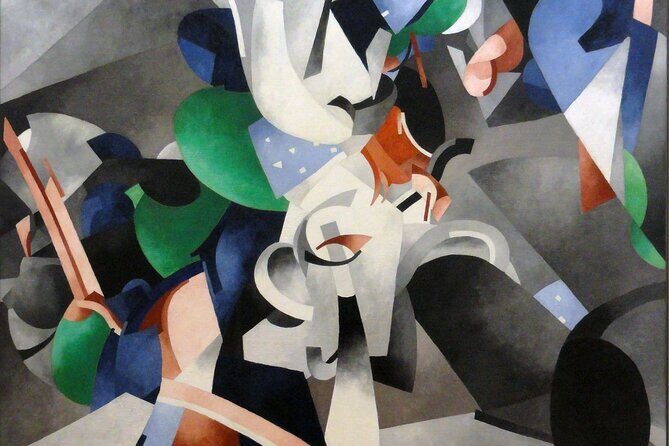
The tour is built around major names you likely recognize—Jackson Pollock, Pablo Picasso, Henri Matisse, Jean Dubuffet, George Dix (and others). Those names aren’t there just for marketing. A good guide uses them as anchor points, so you can connect the dots between style, technique, and historical change.
If you’re worried you’ll miss “the right rooms,” don’t. The whole point of a guided route is that you get the direction without having to guess. Afterward, you’ll have a mental framework that makes it easier to return on your own if you want to go deeper.
The guide experience: why Amy, Boris, and Mila stand out
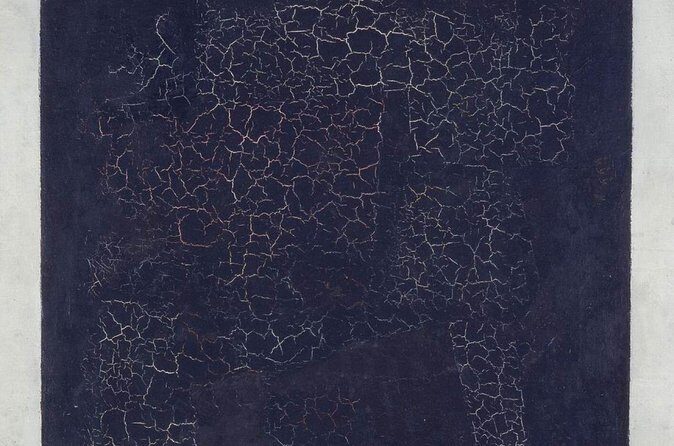
A private tour rises or falls on the person holding the thread. Here, the guide quality shows up clearly in the real tone people describe: approachable, not condescending, and genuinely able to explain ideas without draining the fun.
Amy is praised for being personable and using charming humor while explaining creative history and art. That combo matters because modern art can feel intimidating if the explanation is too stiff. With humor, you can relax enough to think.
Boris is repeatedly mentioned for giving an excellent overview of the Pompidou—an especially helpful way to start when the collection feels huge. If you want to walk out with a better sense of how the museum “hangs together,” this is the kind of start you’re after.
Mila also comes up alongside Boris in a family-friendly context. In that kind of setting, the guide can adapt attention spans without lowering the standards—pushing kids to think about concepts and even how sculptures are built. That’s a real skill, because it turns museum time from passive looking into active learning.
You won’t necessarily get the same guides, but the style you’re aiming for is clear: clear explanations, room for questions, and a guide who connects the art to something you can actually grasp.
You can also read our reviews of more private tours in Paris





Artists and themes you can expect to hear about
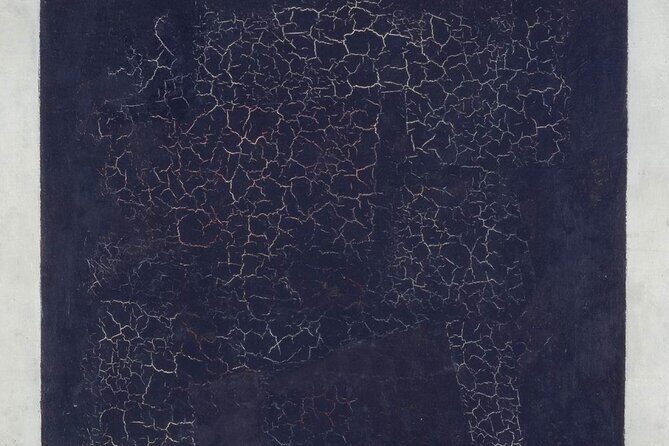
This isn’t a tour that treats modern art like a list of facts. It’s meant to help you see patterns—how artists respond to their time, how ideas evolve, and why a style shifts.
With the focus on 20th-century art, you should expect conversations that can include:
- Action, line, and composition (Pollock is often used to talk about the idea of movement and method)
- Form-breaking and shifting perspective (Picasso is a natural anchor)
- Color and shape as expression (Matisse is a go-to example)
- Outsider energy and raw materials (Dubuffet fits that conversation well)
- Structure and warping representation (Dix is often brought in for the darker edge)
And importantly, the plan includes many more artists beyond those names. That means if you don’t love one or two, the tour still has enough range to keep you interested.
Where you meet and how to plan the timing
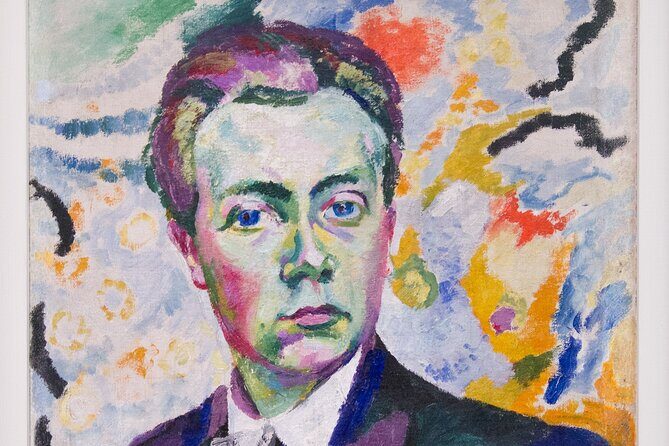
Meet at 31 Rue Saint-Merri, 75004 Paris. Your tour ends back at the meeting point, so you’re not stuck figuring out a second location while you’re still thinking about art.
Because the focus is tight—about 1 hour 30 minutes—you’ll get the best experience by arriving early and letting the day stay calm. This is especially true if you’re combining it with other sightseeing.
The experience is also described as near public transportation and suitable for most people, with service animals allowed. If you’re getting there by metro, plan for a small buffer to avoid turning the first part of the visit into a sprint.
Who this Pompidou tour is best for
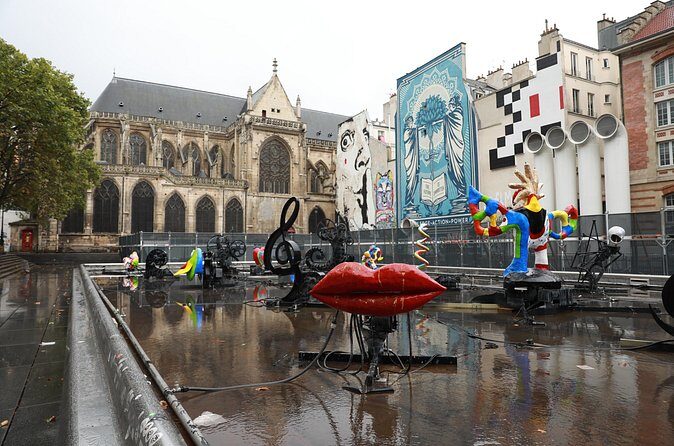
This private Pompidou tour works especially well if you fit one of these:
- You’re visiting the Pompidou for the first time and want a smart “starter route.”
- You like modern and contemporary art but want help making sense of ideas quickly.
- You’re traveling with kids and want the guide to keep questions alive without simplifying the art too much.
- You have limited time in Paris and don’t want to spend it waiting in lines or guessing which rooms matter.
If you’re the type who wants to spend 4–6 hours drifting at your own rhythm, this may feel too short. But if you want a guided foundation you can build on later, 90 minutes is a very workable chunk.
Price and value: what $270.34 buys you here
At $270.34 per person, this isn’t a “cheap entry ticket” play. You’re paying for a few things that add up fast in Paris: guaranteed skip-the-line access, a professional art historian guide, and a true private group experience.
The best value comes from two practical realities:
- Modern art museums reward preparation. A guide helps you look better, not just look more.
- With limited time, skipped lines are worth real money because they protect your schedule.
Group discounts are mentioned too, which can make this more reasonable if you’re traveling with friends or family. If you can spread the cost across a small private group, the per-person value often feels better.
Also remember what isn’t included: food and drinks. That’s normal for this type of tour, but plan a snack break either before or after so you don’t feel rushed while thinking.
Quick decision: should you book this private Pompidou tour?
Book it if you want a focused, high-impact start at the Pompidou Centre: skip the lines, get an art historian explanation, and leave with names, themes, and a mental map for what you saw.
Skip it (or at least double-check expectations) if your main goal is a long, self-led museum day. And if your visit overlaps with construction, confirm how the reconstruction note affects access, since entering the building during works isn’t included in the tour details.
If you’re craving a guided, structured first look at modern art in a building that’s basically an artwork in its own right, this is a very strong use of time in Paris.
FAQ
How long is the Pompidou Centre private guided tour?
It runs for about 1 hour 30 minutes.
Is the tour really skip-the-line?
Yes. The tour includes guaranteed skip-the-line entry.
What’s included in the price?
You get a professional art historian guide, private tour service, and guaranteed skip-the-line access. A mobile ticket is also part of the experience details.
What kinds of art and artists does the tour cover?
The tour focuses on modern and contemporary art, with mentions of major artists such as Pollock, Picasso, Matisse, Dubuffet, and Dix, plus more.
Where does the tour start, and does it end there too?
Meet at 31 Rue Saint-Merri, 75004 Paris, France. The tour ends back at the same meeting point.
Is this tour private or shared?
This is a private tour/activity, so only your group participates.
Can I cancel for a refund?
Yes. You can cancel up to 24 hours in advance for a full refund. If you cancel less than 24 hours before the start time, the amount paid is not refunded.