REVIEW · PARIS
The historic district of Montmartre
Book on GetYourGuide →Operated by Tours In Rose · Bookable on GetYourGuide
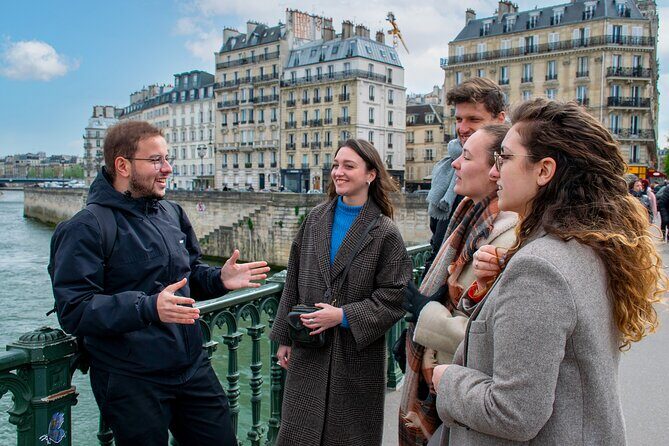
Montmartre can feel like a storybook with steep edges. This short guided tour packs in the neighborhood’s evolution—how monuments, squares, and artists helped shape the area into the Paris icon you recognize today. You’ll get clear explanations from a professional guide and walk through the kind of streets where details actually matter.
I especially like the way this tour gives you maps and brochures so you can keep the thread after the walk. I also like that the guide connects what you’re seeing to the culture of the district, so the “look” becomes “understand.” It’s the difference between taking photos and getting meaning.
One thing to consider: it’s not suitable for wheelchair users, and you’ll be moving on foot through a hilly historic area. Also, backpacks aren’t allowed, so plan for a small day bag only.
In This Review
- Key highlights I’d plan around
- Montmartre in 90 minutes: how this walk stays focused
- Starting at Blanche and the quick bakery breather
- The first Montmartre photo stop: where the guide makes your pictures smarter
- Squares and artist life: the Montmartre stories you can repeat later
- Guided walking segments: seeing monuments with better context
- Free time inside Montmartre: how to use it without losing the thread
- Another guided stretch and included site entries: why this tour feels like more than walking
- Paris finish at Sacré-Cœur: closing the loop with a view
- Price and value: is $35 a fair deal?
- What to bring and how to prep for this walking rhythm
- Who this Montmartre tour is best for
- Should you book? My practical take
- FAQ
- How long is the Montmartre historic district tour?
- Where do I meet for the tour?
- How much does it cost?
- What’s included in the ticket price?
- What should I bring with me?
- Is this tour suitable for wheelchair users?
Key highlights I’d plan around
- Blanche meeting point at metro line 2, so you can start fast and stress-free
- A local bakery stop for a quick orientation moment before the neighborhood takes over
- Photo stops with context, so your pictures match what you learned
- Artist stories tied to squares and streets, not just generic time periods
- Included site admissions along the way, which helps justify the ticket price
- Sacré-Cœur as a strong finish, putting a dramatic bookmark on the walk
Montmartre in 90 minutes: how this walk stays focused
This is a tight, 90-minute Montmartre historic district tour, which is great if you want something real without turning your day into a marathon. Instead of tossing you onto a big hill with a vague plan, you follow a guide who keeps everything understandable and connected.
You’ll cover a sequence of Montmartre stops that mix street-level atmosphere with “why it matters” history. Think monuments, works of art you’ll encounter in the district, squares, and older buildings—explained in plain language. The goal is that you leave with a mental map, not just a memory blur.
Because the format is short, the pacing matters. You get guided time in chunks, plus some brief free time to look around. It’s enough freedom to breathe, but not enough to drift off. For me, that balance is the win: guided direction when you need it, personal wandering when you want it.
You can also read our reviews of more historical tours in Paris



Starting at Blanche and the quick bakery breather
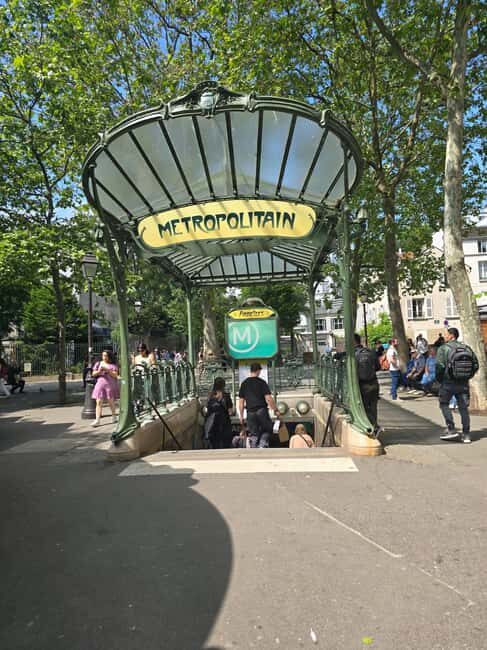
You meet at Blanche metro station (line 2) at 59, Boulevard de Clichy, 75009 Paris. It’s an easy starting point to find, and line 2 is one of those routes that makes Paris feel simple.
Right after you start, you get a quick stop at a local bakery. This isn’t a long tasting experience. It’s more like a reset for the senses—an early taste of the neighborhood’s everyday rhythm before the tour shifts into history and monuments.
I like this kind of opener because it helps you shift from tourist mode to neighborhood mode. It also gives you a moment to get your bearings before the walking ramps up. If you’re someone who gets cranky when you’re under-caffeinated, this is the moment to sort that out.
The first Montmartre photo stop: where the guide makes your pictures smarter

Next comes a photo stop in Montmartre, along with guided explanation. This is where the tour starts doing something more valuable than just pointing at sights. Instead of only saying what a building looks like, the guide helps you understand what it represents in Montmartre’s story.
In practice, that means you’ll know what to look for while you’re photographing: street orientation, notable facades you might otherwise miss, and how the district’s layout supports its cultural identity. You’ll also hear how Montmartre became tied to artists and creative life—so your camera clicks feel earned.
If you’re short on time in Paris, photo stops can be hit-or-miss. Here, the guide’s job is to make the stop count. You come away with pictures that match the narrative, so you can actually remember what you photographed later.
Squares and artist life: the Montmartre stories you can repeat later
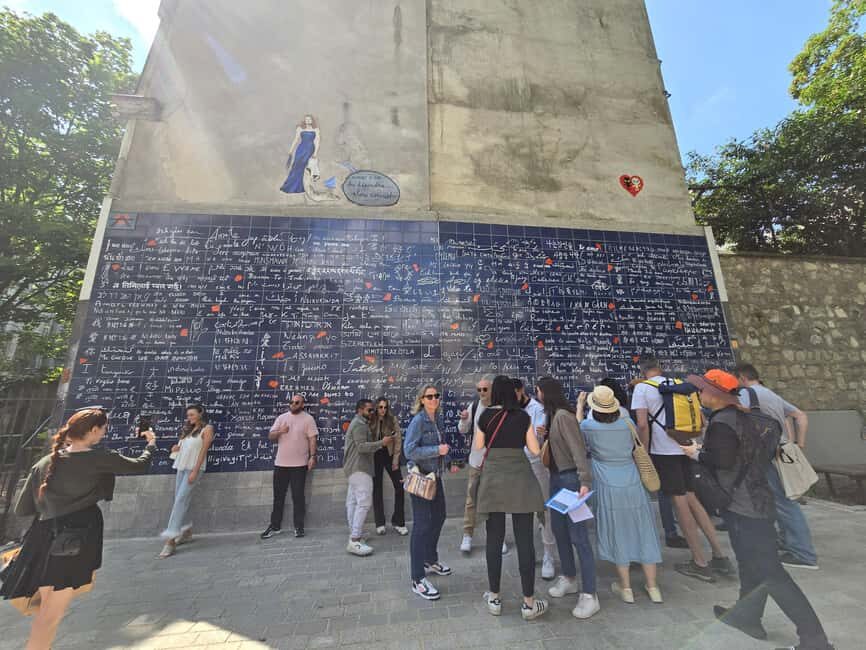
One of the strongest parts of the experience is how it focuses on Montmartre’s artists and their connection to squares. You’ll learn about the history and characteristics of the district and why it gained cultural significance. It’s not presented as a list of names—you’ll get the sense of the community and the lifestyle that helped build Montmartre’s reputation.
Guides in this format tend to do two things well: they explain the “what” and the “so what.” Here, the “so what” matters. You start recognizing why certain squares and buildings feel the way they do today. Even when you’re just walking by, you can feel the district’s creative past shaping the present-day vibe.
I’ve also seen the impact of guide personality in this tour’s track record. Guides like Arthur and Julien have been praised for being friendly and clear, with lots of anecdotes. While you can’t plan on a specific person, it’s a good sign that the storytelling is a core strength, not an afterthought.
Guided walking segments: seeing monuments with better context
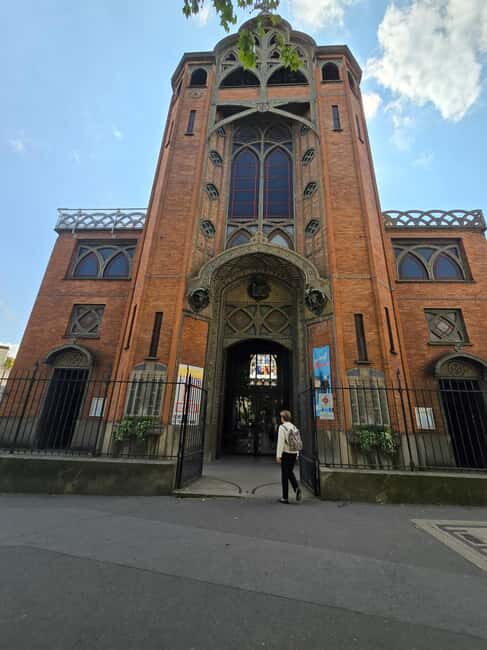
After the first photo stop, you move into a longer guided stretch with walking. This is where you’ll get the “layering” effect. The guide points out monuments, squares, cathedrals, and historical buildings in Montmartre, then connects them to the district’s evolution.
This is also where the included maps and brochures become useful. During the tour, you can glance at them to keep track of where you are. After the tour, those materials help you replay what you learned as you wander on your own.
One practical thing I’d keep in mind: Montmartre can make people move slowly out of habit—cameras up, heads turning. The guide keeps you on rhythm, so you’re not stuck doing the same thing for the whole tour. You’ll have enough structure to learn, but still enough freedom to notice things on your own.






Free time inside Montmartre: how to use it without losing the thread
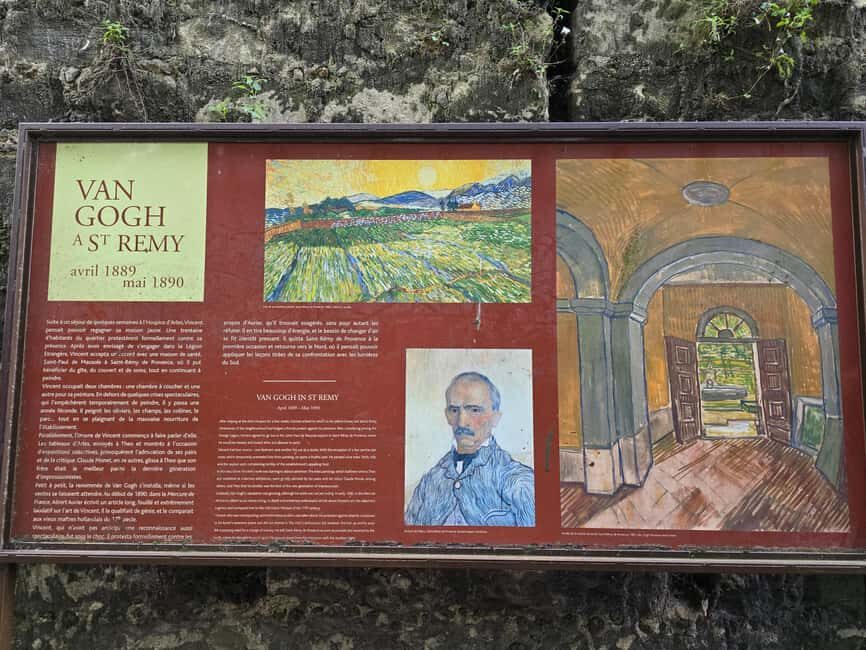
Midway through, there’s a free time window during the walking route. This isn’t a “go enjoy yourself” moment with zero direction. It’s more like a breather you can use to absorb what you just learned.
Here’s how I’d spend it:
- Take a slow look around one of the squares you just heard about
- Compare what the guide described to what you actually see
- Check your map so you don’t wander too far off course
This tour is only 90 minutes, so free time shouldn’t turn into aimless wandering. Used well, it becomes the moment when you lock in the stories in your head. You’ll feel it when you start recognizing details without needing someone to explain them.
Another guided stretch and included site entries: why this tour feels like more than walking
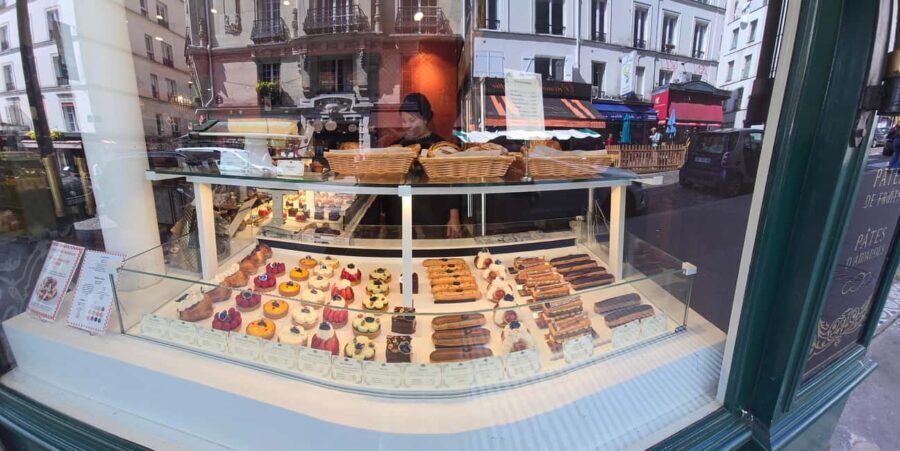
The later part of the walk includes additional guided time and another walking segment, plus admission to several Montmartre sites. That’s important value. A lot of short tours are basically narration on sidewalks. Here, you’re getting entry into places that would cost money or take extra effort if you had to plan them yourself.
Since specific sites aren’t detailed here, I won’t pretend you’re guaranteed a particular landmark beyond the general Montmartre focus. But the structure still makes sense: you’re guided through key areas, and you’re not paying extra at every stop.
I also like that the guide keeps explanations “clear and understandable.” When a city tour is too technical, you end up translating in your head. This kind of approach helps you stay present and enjoy the district, even if you don’t read much art history.
Paris finish at Sacré-Cœur: closing the loop with a view
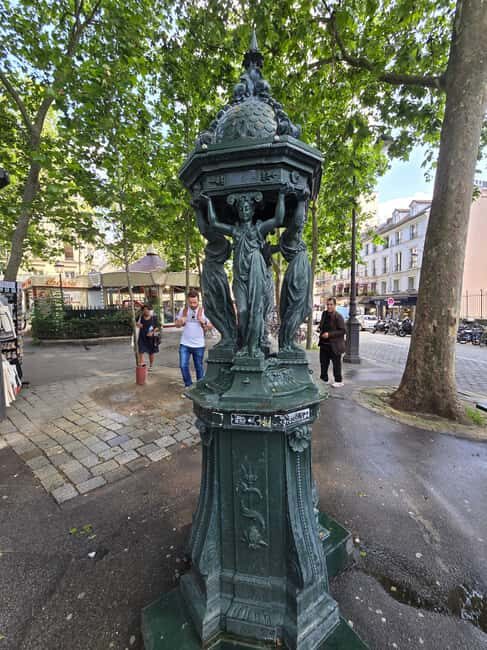
The tour finishes at Basilique du Sacré-Cœur de Montmartre. That ending point is more than scenic—it acts like a narrative bookmark. You start in Montmartre’s street life and historical layers, then end with a monument that visually defines the hill.
A strong finish matters because it changes how you remember the tour. If you end with a viewpoint or an anchor landmark, your brain stores the whole experience as one coherent circuit. Without that, guided walks can feel like separate stops.
If you’re planning photos, I’d treat the final area as your “slow down” moment. You’ll likely have more space to look around and absorb the district’s scale. Even if you’ve seen Sacré-Cœur from afar, finishing here helps you understand why this area became so iconic in the first place.
Price and value: is $35 a fair deal?
At $35 per person for a 90-minute guided experience, the value comes from three places: the professional live guide, the included admission to several sites, and the practical support (maps and brochures). In other words, you’re not just paying for someone to talk while you walk. You’re paying for guided interpretation plus access.
Meals and beverages aren’t included, so you’ll still want to budget for snacks separately. But you’re also not forced into an overpriced “tour breakfast” or “tour lunch” trap. That keeps the spending flexible.
What makes it feel like smart value is the time efficiency. Montmartre is a place you can easily spend a whole day in, even by accident. This tour gives you a guided framework quickly, which means you can spend the rest of your day deciding where to return on your own.
What to bring and how to prep for this walking rhythm
This is a walking-focused tour, so come ready for comfort. Bring comfortable shoes, and don’t forget water. If it’s sunny, pack sunscreen and consider a hat—the hills and open streets can make you feel hotter than you expect.
You also should know what’s not allowed: backpacks are not permitted, and touching plants is prohibited. That’s a small rule, but it affects how you carry gear. A compact day bag is the safe move.
Arrive 15 minutes early. That way you’re not rushing at the start line, and you can settle before the guide begins. Starting calm helps you get more out of the first explanation, especially if you’re trying to follow in English or French.
Who this Montmartre tour is best for
I’d suggest this tour if you want:
- A short guided introduction to Montmartre’s cultural and artistic identity
- Clear explanations that help you make sense of monuments, squares, and buildings
- Included site admissions without a full-day commitment
It’s also a good choice for first-time visitors who don’t want to get tangled in planning. If you already know you’ll return to Montmartre later, this tour can act like your pre-trip briefing.
If you’re very mobility-limited, take note: it’s not suitable for wheelchair users. If that’s you, I’d look for a different format with fewer walking demands.
Should you book? My practical take
Book this Montmartre historic district guided tour if you want a fast, guided way to understand what you’re seeing in Montmartre. The combo of professional storytelling, maps and brochures, and included site admissions makes the $35 feel grounded instead of random.
Skip it if you’re the kind of traveler who hates structured routes or who wants a long, independent wander with zero guidance. This experience works best when you’re open to learning while you walk, then using your own time afterward.
If you’re deciding today: this is one of those tours that helps you see Paris better right away, not just later in hindsight.
FAQ
How long is the Montmartre historic district tour?
It lasts 90 minutes.
Where do I meet for the tour?
You meet at Blanche metro station (line 2), 59, Boulevard de Clichy, 75009 Paris.
How much does it cost?
The price listed is $35 per person.
What’s included in the ticket price?
You get a professional live tour guide, admission to several sites in Montmartre, and maps and brochures.
What should I bring with me?
Wear comfortable shoes, and bring water. If it’s sunny, also bring a hat and sunscreen.
Is this tour suitable for wheelchair users?
No, it is not suitable for wheelchair users.