REVIEW · PARIS
Paris: Le Marais & Montmartre Jewish History Walking Tour
Book on GetYourGuide →Operated by Walks In Europe · Bookable on GetYourGuide
Paris street corners hold real memories.
This tour is interesting because you’re not just sightseeing. You’re walking through two neighborhoods where Jewish life shaped Paris across centuries, from older community life in the Marais to the creative ferment of Montmartre. I like how the stories connect places to big themes like memory and identity, and I also like that it stays small-group and interactive, so you can ask questions as you go. A possible drawback: it’s mostly outdoors and includes public transport plus hilly streets, so comfortable shoes and weather planning matter.
My favorite parts are the Art Nouveau synagogue exterior on the Marais side and the solemn visit to the Mémorial de la Shoah zone. The Hector Guimard connection at Agoudas Hakehilos is the kind of detail you’d miss on your own, and the Shoah Memorial stop puts the 20th century into sharp, human focus. The other big plus is seeing Montmartre through a Jewish-creative lens, not just as a postcard of artists and stairs.
One consideration before you book: there’s no indoor entry to synagogues or monument interiors, and the route is not suited to wheelchair users or people with mobility impairments. Also, meeting-point confusion can happen at busy hubs, so arrive early and confirm the exact spot.
In This Review
- Key Things You’ll Actually Notice on This Walk
- Why Le Marais Sets the Tone for Jewish Paris
- Watch your expectations around entrances and interiors
- Agoudas Hakehilos and the Hector Guimard Exterior Detail
- A note on pacing through the Marais stops
- The Holocaust Memorial Stop: What the Exterior Experience Gives You
- Expect sensitive handling, and know what you can ask
- From Hôtel de Ville to Montmartre: A Real Change of Mood
- Why public transport inclusion is a smart value
- Montmartre Through the Jewish Lens: Rue Ravignan and the Artists’ Scene
- Le Bateau-Lavoir: Why this stop matters beyond the name
- Sacré-Cœur and the Panoramic Ending at Square Louise-Michel
- One more practical tip for the final stretch
- Price and Logistics: Is $80 a Fair Deal for 210 Minutes?
- Who This Tour Fits Best (and Who Might Prefer Something Else)
- Should You Book This Jewish History Walking Tour?
- FAQ
- Do I enter the synagogues during this tour?
- Does the tour include entry to monuments or historical sites?
- How long is the tour?
- Is this a small group tour?
- What language is the guide?
- Where does the tour start?
- Does the tour involve public transport?
- Is the tour suitable for people with mobility impairments?
Key Things You’ll Actually Notice on This Walk
- Two neighborhoods, one connected story: Le Marais and Montmartre in a single arc, with a public transport hop between them
- Hector Guimard’s Art Nouveau synagogue exterior at Agoudas Hakehilos, a standout piece of Paris design history
- Mémorial de la Shoah exterior focus: a moving stop without needing monument entry tickets
- Montmartre through Jewish artistic life, including stops tied to famous studios and street scenes
- Small-group pace (up to 9 people) that makes it easier to keep up and ask questions
- Practical ending at Sacré-Cœur with big views and a reflective finish near Square Louise-Michel
Why Le Marais Sets the Tone for Jewish Paris

Le Marais is where the story starts to feel close. This is the old Jewish district of Paris in the broad sense, the neighborhood where community institutions, daily life, and trade all sat side by side. On this walk, you’ll be led by a local English-speaking guide who keeps the tone respectful when topics get heavy, and who can handle questions without turning the experience into a lecture.
I like that the tour doesn’t pretend the streets look exactly as they once did. You’ll see layers: old-world street atmosphere mixed with modern Paris, including the reality that much has changed. That’s actually part of what makes the route useful. It teaches you to read the city, not just take photos.
You’ll also get a sense of how the Marais became a home base for Jewish Parisians across time. From the earliest community life through later shifts, the guide’s narrative helps you understand why these blocks mattered, not only where they were.
You can also read our reviews of more walking tours in Paris



Watch your expectations around entrances and interiors
A big practical detail: you’re not doing indoor synagogue visits, and you won’t be entering monument interiors. The Hector Guimard synagogue you’ll see is an exterior viewing moment. That’s not a dealbreaker, but it changes the feel. You’re here for street-level context, architecture from the sidewalk, and guided historical meaning—think “what you can read in the neighborhood,” not “museum time.”
Agoudas Hakehilos and the Hector Guimard Exterior Detail
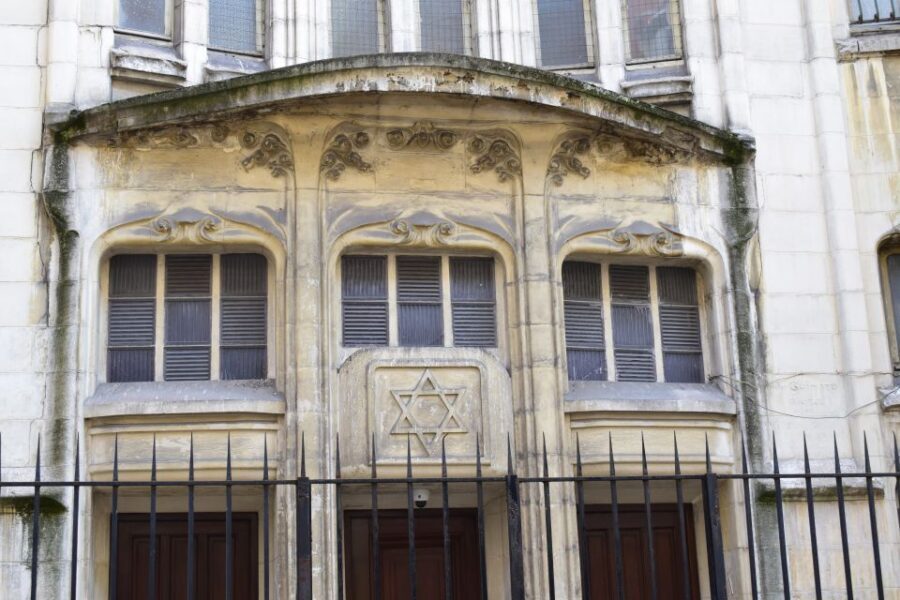
If you care about architecture, this stop is worth the price by itself. Agoudas Hakehilos is tied to Hector Guimard, one of the most famous Art Nouveau designers in Paris, and the tour focuses on what you can appreciate from outside. You’ll get enough explanation to recognize why this kind of design mattered, and how Jewish communal spaces became part of the wider visual language of the city.
This is also where street-walking turns into “street learning.” The guide will point out what to notice in the building’s look and setting, then connect it to the community story around it. In plain terms: you’ll leave seeing that block as more than a pretty façade.
A note on pacing through the Marais stops
The Marais portion moves through key waypoints efficiently, because you’re balancing time for context and time for actual walking. The tour includes a guided segment through streets that preserve a sense of the old district, plus stops that function like story anchors (short, focused moments you build into the larger timeline). If you like learning in small chunks, this format works.
The Holocaust Memorial Stop: What the Exterior Experience Gives You
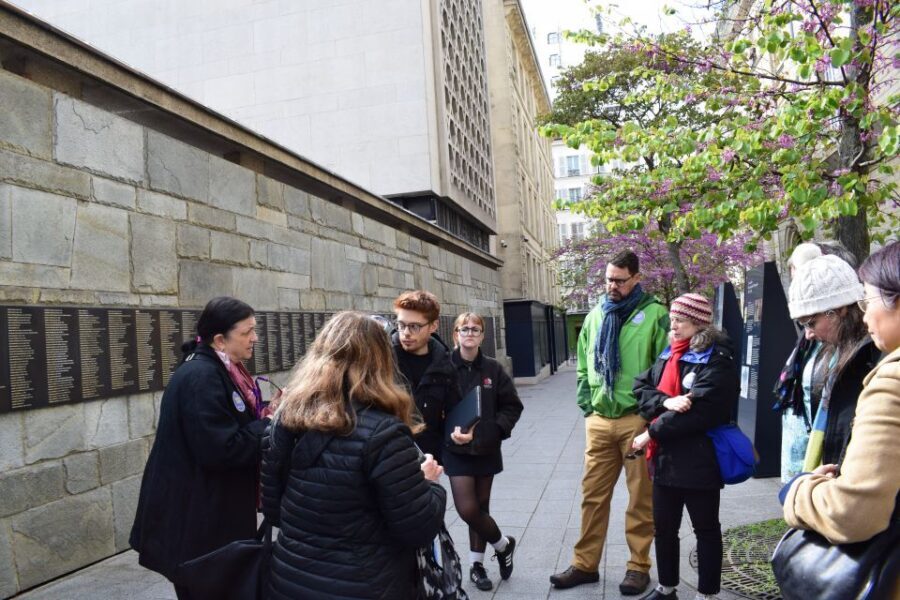
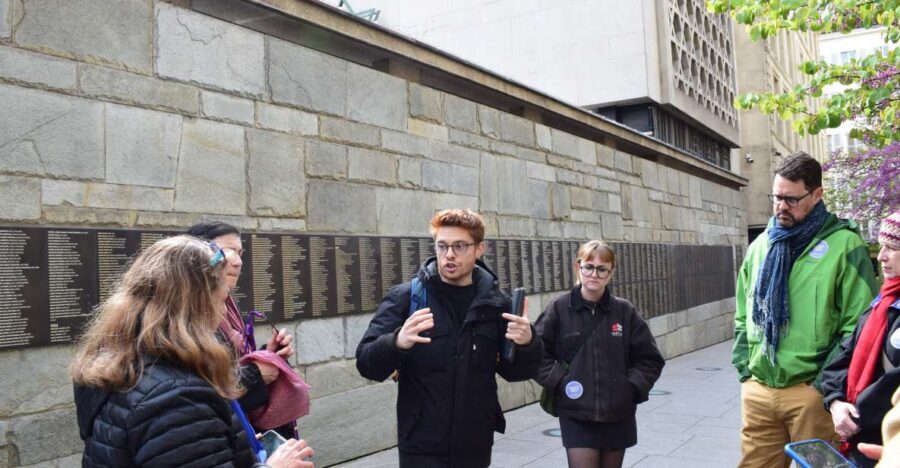
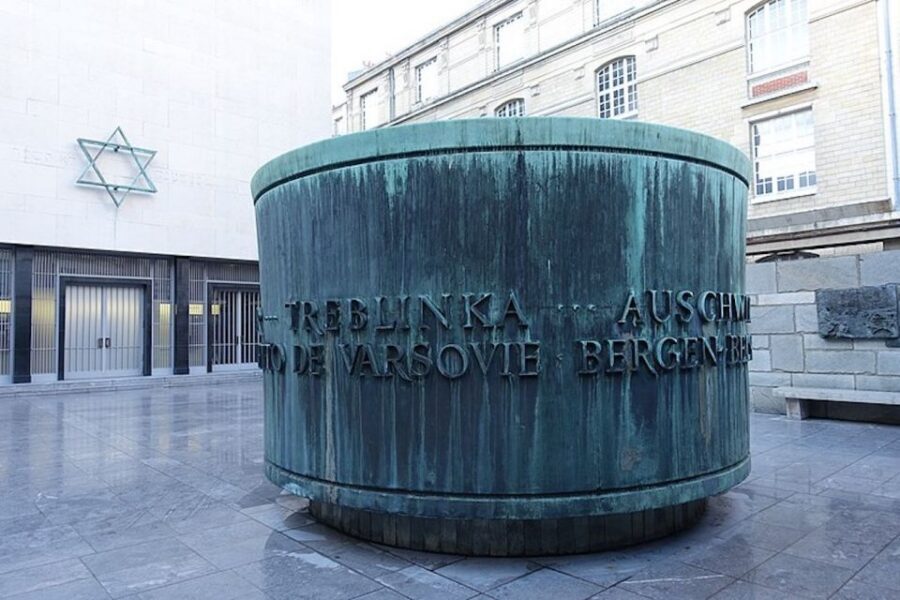
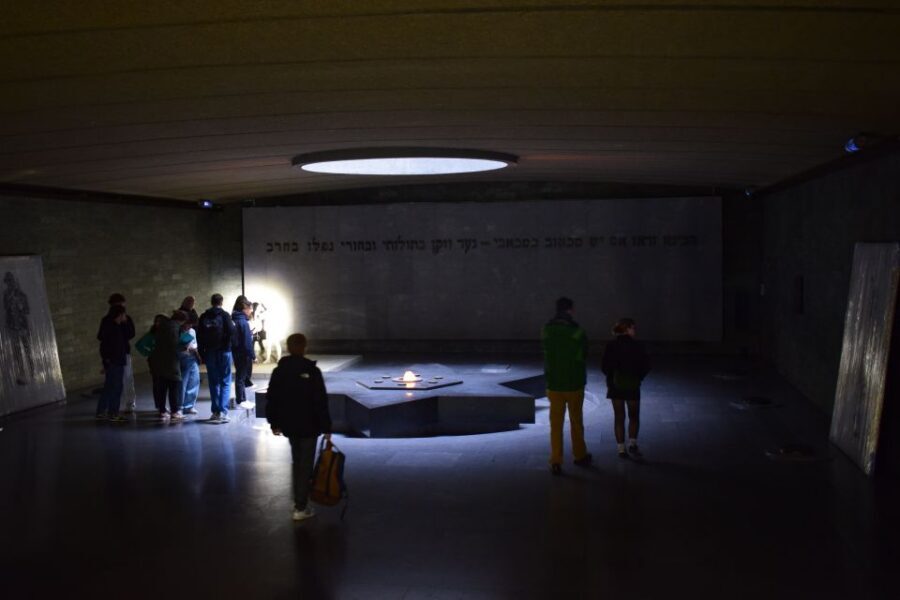
The Mémorial de la Shoah moment is solemn, and it’s designed to land emotionally even without going inside. The tour includes time at the Holocaust memorial area from the exterior, which still allows the guide to frame why the location and the memorial idea matter.
This stop is valuable for two reasons. First, it places modern history into a part of the city you’re already learning about, so the story doesn’t feel detached. Second, it gives the guide room to explain the meaning of remembrance and the impact on Jewish Paris, rather than treating it like a quick checkbox.
You can also read our reviews of more historical tours in Paris






Expect sensitive handling, and know what you can ask
Some people worry that historical tours become awkward. Here, the approach is explicitly respectful. Guides have handled sensitive questions with care, including participants who asked about difficult modern contexts. You’re not expected to stay silent. If you have questions about how the memorial relates to French Jewish history, the guide should be able to answer—calmly and clearly.
From Hôtel de Ville to Montmartre: A Real Change of Mood
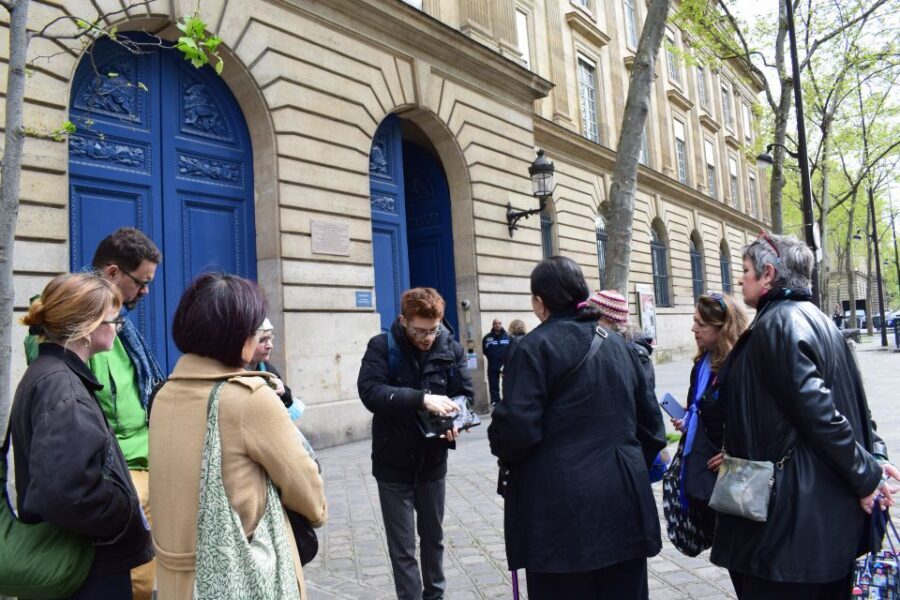
After the Marais foundation, the tour shifts. You’ll wrap the Marais side near Hôtel de Ville (Paris City Hall), then take public transport to Montmartre. That transport hop is more than logistical. It prevents the whole day from becoming one continuous crawl across the same kind of streets.
It also gives you a breather for the next phase: Montmartre’s artist streets and higher-energy creative reputation. This is where the tour’s Jewish-Paris angle changes from “community institutions in an older district” to “Jewish voices in cultural life.”
Why public transport inclusion is a smart value
Public transport tickets are included, which saves you time and the stress of figuring out routes between neighborhoods. It also keeps the day realistic for most walkers. You’ll still face hills and uneven sidewalks, but the tour avoids forcing you to walk every single link.
Montmartre Through the Jewish Lens: Rue Ravignan and the Artists’ Scene
Montmartre is famous for artists and writers, and this tour uses that reputation to tell a specific story: Jewish artists, thinkers, and cultural workers helped shape modern Paris. You’re not just walking past viewpoints. You’re walking through the kind of creative geography where people worked, debated, painted, and built networks.
A few of the Montmartre stops are tied to iconic street life. You’ll pass key points including 7 Rue Ravignan and Le Bateau-Lavoir, plus you’ll get guided context around Musée de Montmartre (pass by). The tour also includes time around 16 Rue du Mont-Cenis.
Le Bateau-Lavoir: Why this stop matters beyond the name
Le Bateau-Lavoir shows up in the Montmartre artist story for a reason, and the guide connects it to broader themes of ambition and resilience. What you’ll take away is that “artist Montmartre” wasn’t only one crowd. Jewish cultural life was part of what made the neighborhood churn and evolve in the late 1800s and early 1900s.
Even if you’re not a hardcore art fan, this part works because the guide ties famous places to human drives: making something, starting over, and building community in a city that was always changing.
Sacré-Cœur and the Panoramic Ending at Square Louise-Michel
The tour ends on the Montmartre high note: Sacré-Cœur Basilica, with wide-open views over Paris. This finish is more than scenic. It’s a way to close the narrative loop—connecting identity, memory, and artistic expression across neighborhoods.
After Sacré-Cœur, you’ll finish near Square Louise-Michel with a final reflection point. That ending matters if you like tours that leave you thinking, not just moving.
One more practical tip for the final stretch
Montmartre streets can be busy, and the viewpoint areas can have crowds. If you want the best photos, timing helps. Keep an eye on how the group flows, and if your guide offers a short “wait and then look” moment, take it. Those views are worth the extra seconds.
Price and Logistics: Is $80 a Fair Deal for 210 Minutes?
At $80 per person for about 210 minutes with a small-group local guide, the value comes from three places.
First, you’re paying for narrative structure. This tour isn’t random sightseeing; it’s a guided story connecting institutions and neighborhoods across time, with careful framing around sensitive topics. Second, you’re not doing expensive entry tickets. The tour avoids synagogue interiors and monument entrances, but it still focuses on major sites and strong exterior architecture moments. Third, the included public transport tickets help the pacing between Marais and Montmartre without you doing extra planning.
Where this price can feel high is if you’re mostly chasing indoor attractions. Since there’s no synagogue interior and no monument entry included, you should be buying into the walking-and-stories format.
Who This Tour Fits Best (and Who Might Prefer Something Else)
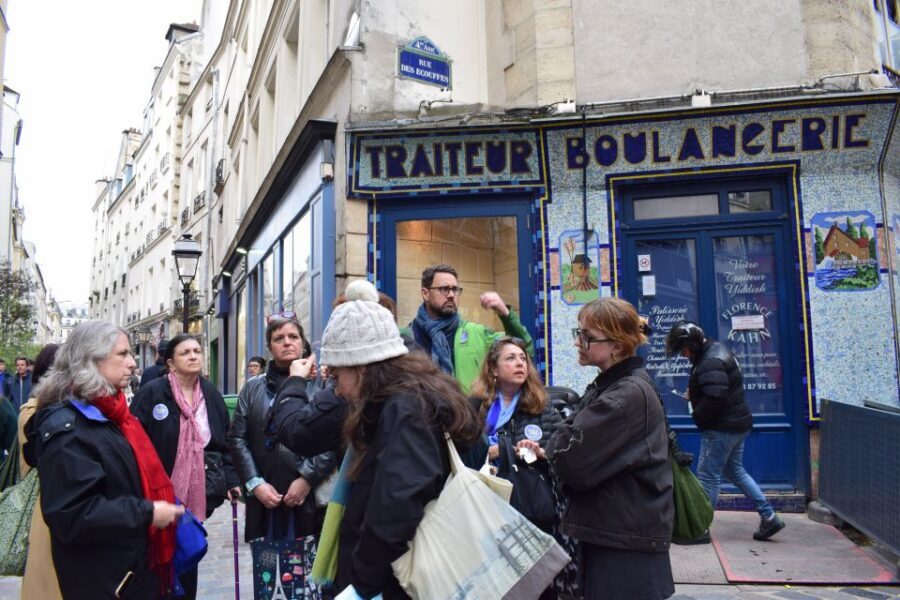
This tour is a great match if you want a serious, respectful introduction to Jewish Paris that doesn’t stay in the abstract. It fits solo travelers, couples, and small groups who like asking questions and staying engaged even when the subject matter is difficult.
I also think it works well for people who enjoy architecture and street-level urban reading. The Hector Guimard connection is a real draw, and the tour helps you see details that normally disappear in the rush.
It’s less suited to people with mobility impairments and wheelchair users because the route includes streets that are not described as accessible-friendly and includes a long walking component plus Montmartre terrain.
Should You Book This Jewish History Walking Tour?
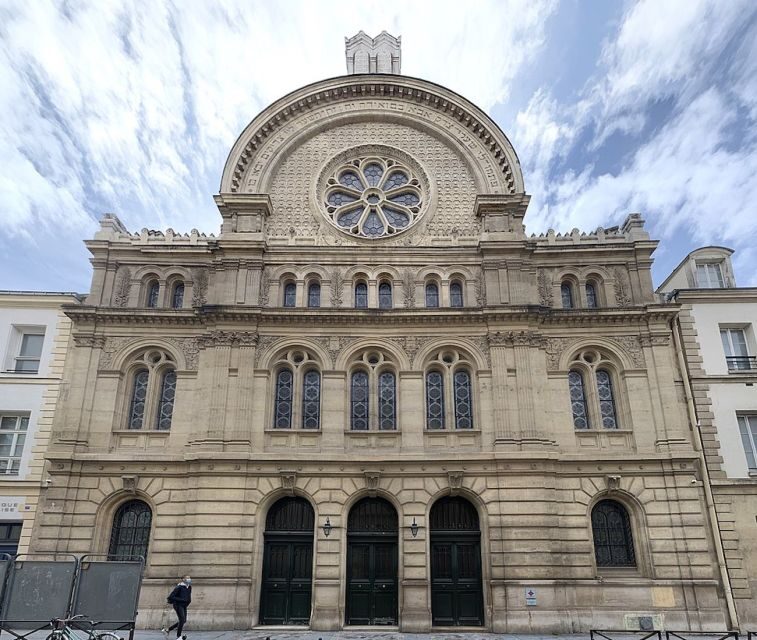
Yes, if you want a guided walk that connects two iconic neighborhoods with real historical meaning, and you like learning from a local expert on the ground. The combination of Art Nouveau synagogue exterior, a respectful Mémorial de la Shoah stop, and a Montmartre ending at Sacré-Cœur makes this more than a standard city stroll.
Before you decide, do two quick checks: can you handle uneven sidewalks and hills in Montmartre, and do you prefer street-level history over indoor monument time? If both are yes, this tour is an efficient, focused way to understand how Jewish life shaped Paris—past and present—block by block.
FAQ
Do I enter the synagogues during this tour?
No. The tour includes exterior viewing moments and guided context, but it does not include indoor synagogue visits.
Does the tour include entry to monuments or historical sites?
No. Entry to monuments and historical sites is not included, and the focus is on guided walking and exterior stops.
How long is the tour?
It lasts about 210 minutes, or roughly 3.5 hours.
Is this a small group tour?
Yes. It’s described as a small-group experience, interactive, with groups up to 9 persons noted.
What language is the guide?
The tour is offered in English.
Where does the tour start?
There are two possible meeting options depending on what you book: BHV Marais or L’Elephant Du Nil. The exact meeting point can vary.
Does the tour involve public transport?
Yes. The tour includes public transport between the Marais portion and Montmartre, and public transport tickets are included.
Is the tour suitable for people with mobility impairments?
No. It is not suitable for people with mobility impairments or wheelchair users.