REVIEW · PARIS
Walking Tour in Paris Montmartre with Tastings and Stories
Book on GetYourGuide →Operated by Thats All Local · Bookable on GetYourGuide
Montmartre tastes better on foot. This 2-hour walk mixes sweet tastings with stories and small-route detours, so you see parts of the neighborhood that don’t show up on every postcard. Expect to trade the big-name sights for local corners, historic shops, and the kind of “how did we miss this?” spots that feel made for wandering.
I love that the tour is built around at least 3 food stops with a sweet treat at each one, instead of cramming in more and more stops for the sake of it. I also like the focus on Montmartre through people’s eyes, with guide-led curiosities that explain the neighborhood beyond the usual walking route.
One thing to plan around: this is a walking tour, so you’ll want comfortable shoes and the patience for short uphill stretches. With a maximum of 12 people, it’s intimate, but the pace still depends on the group and the places you’re tasting.
In This Review
- Key highlights you’ll feel within 2 hours
- Starting at Chateau d’Eau: the local pace matters
- Sweet stop #1: the macaron bite that sets the tone
- Proust-linked biscuits: why writers show up in your snack tour
- Crêpe time: Sacré-Coeur views with an actual reason to pause
- Montmartre “only locals know” corners: what that means in real life
- What 2 hours feels like: walking comfort and group flow
- Food included: how the tastings give value beyond the snacks
- Who should book this Montmartre sweet-walk
- Reviews to notice: the guides make or break the day
- Should you book this Walking Tour in Paris Montmartre?
- FAQ
- Where is the meeting point?
- How long is the tour?
- How much does the tour cost?
- How many stops for food are included?
- What food items are part of the tastings?
- Is water included?
- What languages are the guides?
- What group size should I expect?
- What should I wear or bring?
- Is hotel pick-up or drop-off included?
Key highlights you’ll feel within 2 hours
- Macaron tasting as a proper intro to classic Paris sweets
- Marcel Proust–famous biscuits, tying dessert culture to Montmartre’s literary vibe
- Crêpe with a Sacré-Coeur view, where the photo moment has a payoff
- Local-only curiosities, the sort you won’t find by reading a guidebook
- Small group size (up to 12), which makes questions and stories easier to follow
Starting at Chateau d’Eau: the local pace matters
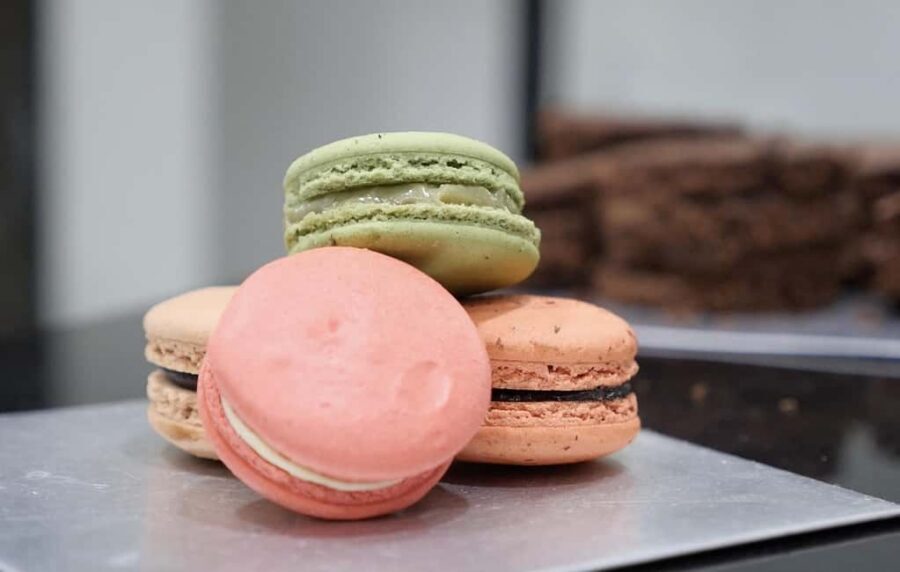
Meeting in front of the Chateau d’Eau is a nice way to begin because it signals the tour won’t start with the usual “go stand here” approach. You’re stepping into Montmartre with a plan that feels simple: walk, pause, taste, listen, repeat.
This tour runs for 2 hours, and that time is short enough that you won’t feel dragged. Still, it’s long enough to do more than just “eat and move on.” The guide’s job is to stitch the neighborhood together with stories that help you notice details you’d otherwise breeze past—doorways, shop traditions, and little quirks of the streets.
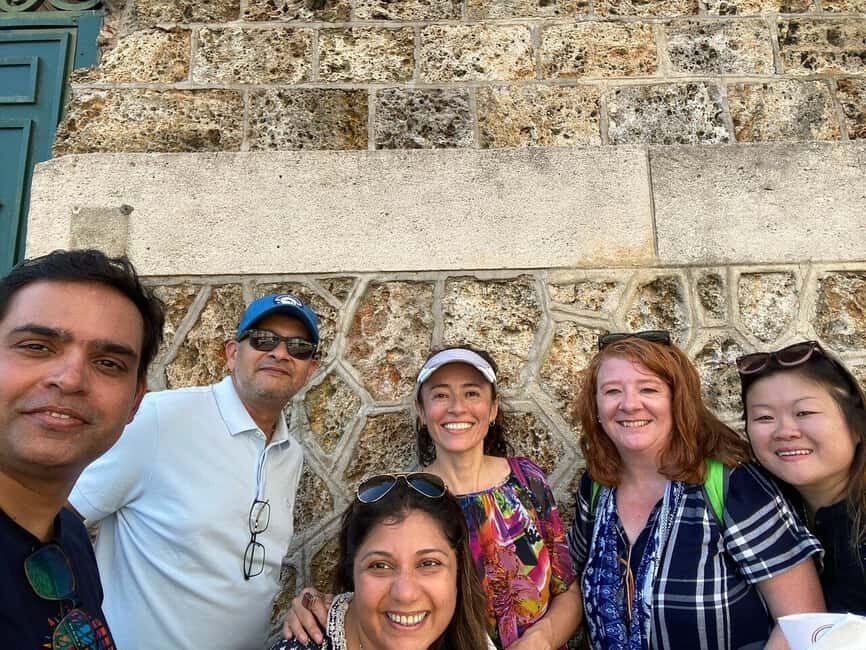
The group stays small (minimum 2, maximum 12). That matters. In a big crowd, food tours turn into a shuffle. In a small group, you can ask one extra question, linger a minute at a viewpoint, and actually understand why a stop is worth it.
You can also read our reviews of more walking tours in Paris



Sweet stop #1: the macaron bite that sets the tone
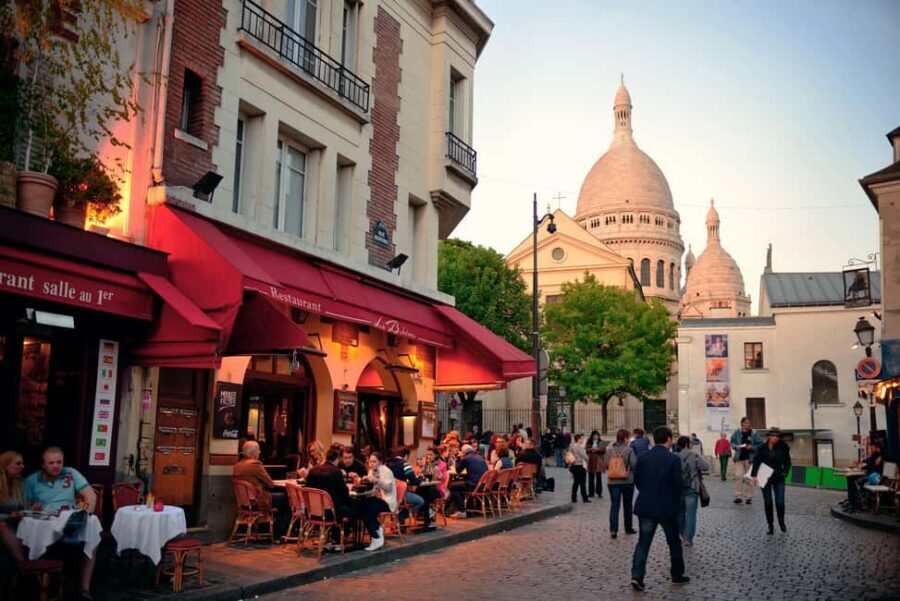
The macaron tasting is one of the most obvious choices—because it’s Paris’s most recognizable sweet—but what I like is how it functions like a warm-up. It’s not just dessert. It’s a way to calibrate your expectations for how Montmartre treats sugar: precise, proud, and very “this shop’s style.”
You’ll likely notice the difference between a macaron that’s just pretty and one that tastes like the shop cares. Even if you’ve had macarons before, this stop is helpful because it pushes you to pay attention: the texture, the sweetness level, and the flavor choices that separate one patisserie’s approach from another.
Practical tip: macaron tasting is usually quick, but be ready to taste slowly. If you rush, you’ll miss what the guide is pointing out.
Proust-linked biscuits: why writers show up in your snack tour
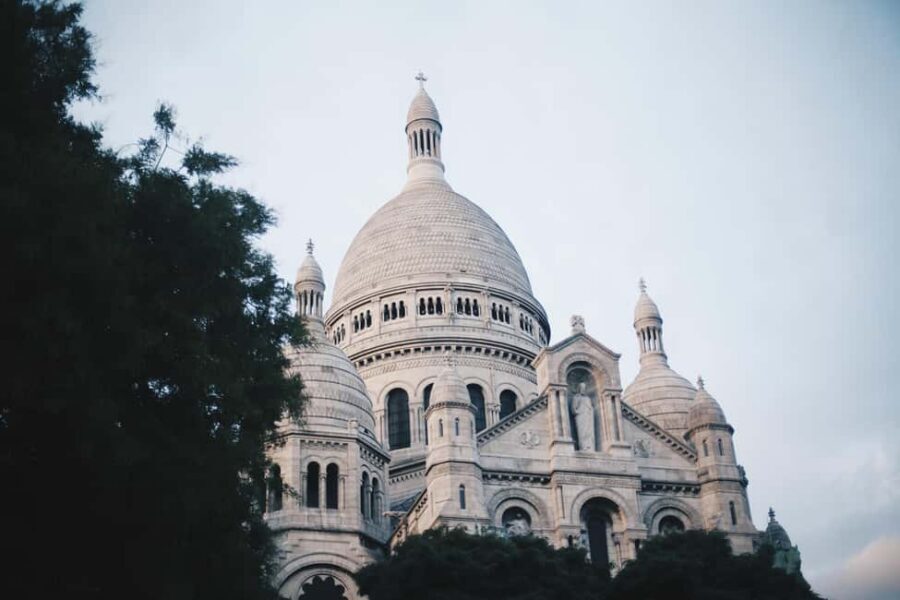
Then comes the stop built around local biscuits famous thanks to Marcel Proust. This is where the tour starts feeling more like Montmartre as a living place, not a theme park.
Proust is a big name, but on this tour the payoff is personal: you get a dessert connection that helps you understand why people associate Paris sweetness with memory and culture. Instead of learning about Montmartre only through churches and viewpoints, you get a food clue to the neighborhood’s intellectual side.
What makes this stop valuable for you is that it gives you something to carry after the tour. You’ll walk away with a specific reference point—Proust and biscuits—so Montmartre won’t fade into just “pretty streets” in your photos.
Potential consideration: if you’re not into literary connections, you might find this stop less exciting than the view-based crêpe moment. Still, the tasting itself keeps it grounded.
Crêpe time: Sacré-Coeur views with an actual reason to pause
The tour’s final major sweet highlight is your crêpe with a breathtaking view of Sacré-Coeur. This is the moment where the walking pays off. You’re not just eating because it’s part of a tour—you’re eating while you’re looking at the view the whole neighborhood is built around.
I like the logic here: you get the famous sensory experience (the crêpe) and the famous sight (Sacré-Coeur) together, so the tour ends on a high note without needing extra stops. It’s also a smart way to time your photo moment. The view becomes part of your memory of the food, not something you rush past.
Quick photo help: dress for comfort first. Then, when the guide signals the best viewing spot, take the photo fast and eat slowly. The crêpe is best when you’re present, not when you’re fighting a crowd around you.
Montmartre “only locals know” corners: what that means in real life
The tour promises curiosities known only by locals and secret spots not found in guides, and that’s the right kind of marketing—if the guide backs it up. Based on what stands out from the guide-led experience, the point isn’t secrecy for drama. It’s about attention.
These are the moments that change how you experience Montmartre:
- You notice patterns in small shops and older details that don’t make it into the standard photo stops.
- You learn why certain streets and corners feel different from one block to the next.
- You get stories that explain what you’re seeing, so you stop treating Montmartre like a backdrop.
When you do a tour like this, you end up with a “map in your head.” Even after the walk ends, you can remember what to look for—signs of craft, shop traditions, and the kind of street-level personality that makes Montmartre feel distinct.






What 2 hours feels like: walking comfort and group flow
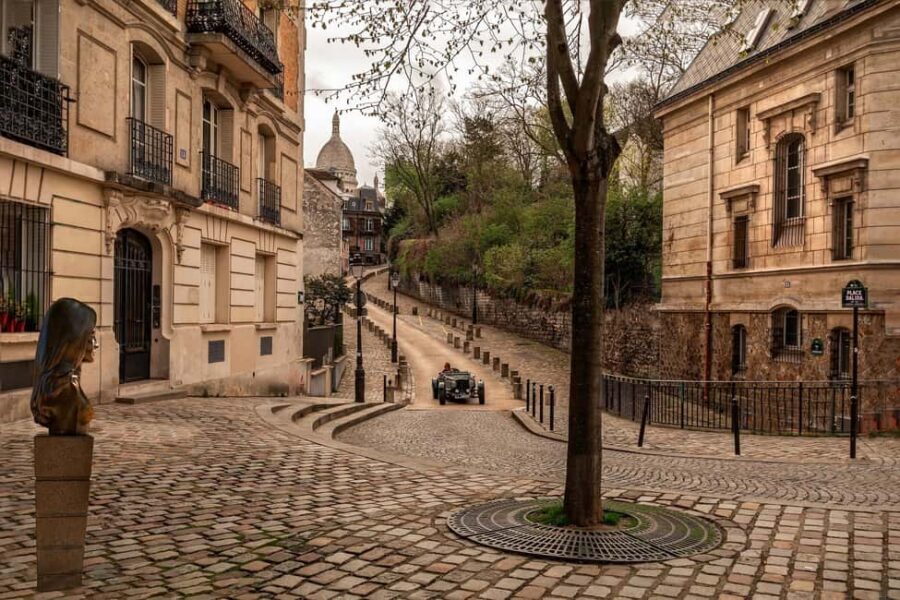
With 2 hours and a maximum of 12, the group stays together and you don’t feel stuck waiting too long at each stop. That’s key on a tasting tour. The best ones balance time spent eating with time spent walking so you don’t get that sugar-then-more-walking fatigue.
Bring comfortable clothes too. Montmartre weather can swing quickly, and you’ll be out moving. And yes, wear comfortable shoes—this neighborhood can include gentle slopes, uneven sidewalks, and stairs when you least expect it.
Your guide may speak English and French, sometimes blending during explanations. That’s helpful because it means the guide can keep the story going smoothly rather than pausing to translate every detail.
Food included: how the tastings give value beyond the snacks
You get water and at least 3 food stops, and the most important detail is that at least one sweet treat is included at each stop. This is where the tour’s value becomes clear.
At $81 per person, you’re paying for:
- A local guide who handles the route and the story thread
- Multiple tastings (not just one bite)
- A small-group experience that keeps things personal
- Water included, which seems minor until you’re halfway through a walk
This is the kind of price point that makes sense if you’d otherwise spend time and money piecing together a “snack plan” on your own. Doing it guided costs more than buying food solo, but it also saves you from guessing where to go, what’s worth your time, and what to look for once you arrive.
Who should book this Montmartre sweet-walk
This tour is a good fit if you want:
- A short, focused Montmartre outing (no full-day commitment)
- Sweet food with stories attached, especially French cultural references
- A local guide-led approach to street-level details, not just monuments
It’s also smart for you if you’ll be in Paris only a few days and want a way to see Montmartre that’s different from the standard “see the big views” route.
If you’re only interested in major sights and you don’t want to eat your way through the neighborhood, this may feel too food-forward. But if you’re the type who likes turning a stroll into small discoveries, you’ll probably enjoy it.
Reviews to notice: the guides make or break the day
Two guide names pop up in the experience feedback: Nino and Juliette. Both are described as passionate, warm, and strong at connecting history and culture to what you’re eating. That matters because tastings are only half the deal. The other half is the storytelling that makes the snacks feel like they belong to Montmartre.
You’ll likely feel that in the way the tour flows—more like a guided walk with stops than a checklist of desserts.
Should you book this Walking Tour in Paris Montmartre?
If you want a 2-hour Montmartre experience that mixes classic Paris sweets with local stories and a Sacré-Coeur view, I’d say book it—especially if you like learning through food. The small group size and the structure of multiple sweet tastings are exactly what you need for a satisfying neighborhood outing without overcommitting.
Skip it if you hate walking, want savory-only stops, or only care about monuments. But for most people who want Montmartre to feel real and specific, this is a solid value way to spend an afternoon.
FAQ
Where is the meeting point?
You meet in front of the Chateau d’Eau.
How long is the tour?
The tour lasts 2 hours.
How much does the tour cost?
The price is $81 per person.
How many stops for food are included?
You’ll have at least 3 food stops, and at least one sweet treat is included at each stop.
What food items are part of the tastings?
You’ll enjoy a macaron, local biscuits known thanks to Marcel Proust, and a crêpe with a view of Sacré-Coeur.
Is water included?
Yes, water is included.
What languages are the guides?
The tour guide speaks English and French.
What group size should I expect?
The tour requires a minimum of 2 people to operate and has a maximum of 12.
What should I wear or bring?
Wear comfortable shoes and comfortable clothes.
Is hotel pick-up or drop-off included?
No, hotel pick-up or drop-off is not included.